
Dubai city guide
Where to stay in Dubai
Dubai's beach resorts, creekside quarters and tower districts make very different bases. Compare eight areas by their everyday surroundings, rail access and the sightseeing you would otherwise cross the city to reach.
Plan your visit
In Dubai, choosing a hotel district is also choosing how much of the trip happens in taxis, on the metro or within a resort. Downtown puts the Burj Khalifa on your doorstep; the creek gives you souks and small restaurants; the southwestern coast favours waterfront evenings. A neighbourhood name alone is not enough: a Marina address need not face the beach, and a Palm hotel can be on the trunk or far around the crescent.
Choose your base
Choose Downtown for the Burj Khalifa and major indoor attractions; Bur Dubai for heritage lanes; Deira for the trading waterfront and souks. DIFC suits gallery visits, business and restaurant-led evenings, while mainland Jumeirah trades metro proximity for a coastal setting.
Dubai Marina is the practical waterfront choice when rail access matters. Pick neighbouring JBR for the beach promenade itself, or Palm Jumeirah when resort time outweighs travelling into the city. Marina, JBR and the Palm are distinct places, not interchangeable descriptions of one hotel zone.
Downtown Dubai: landmark-led first visits
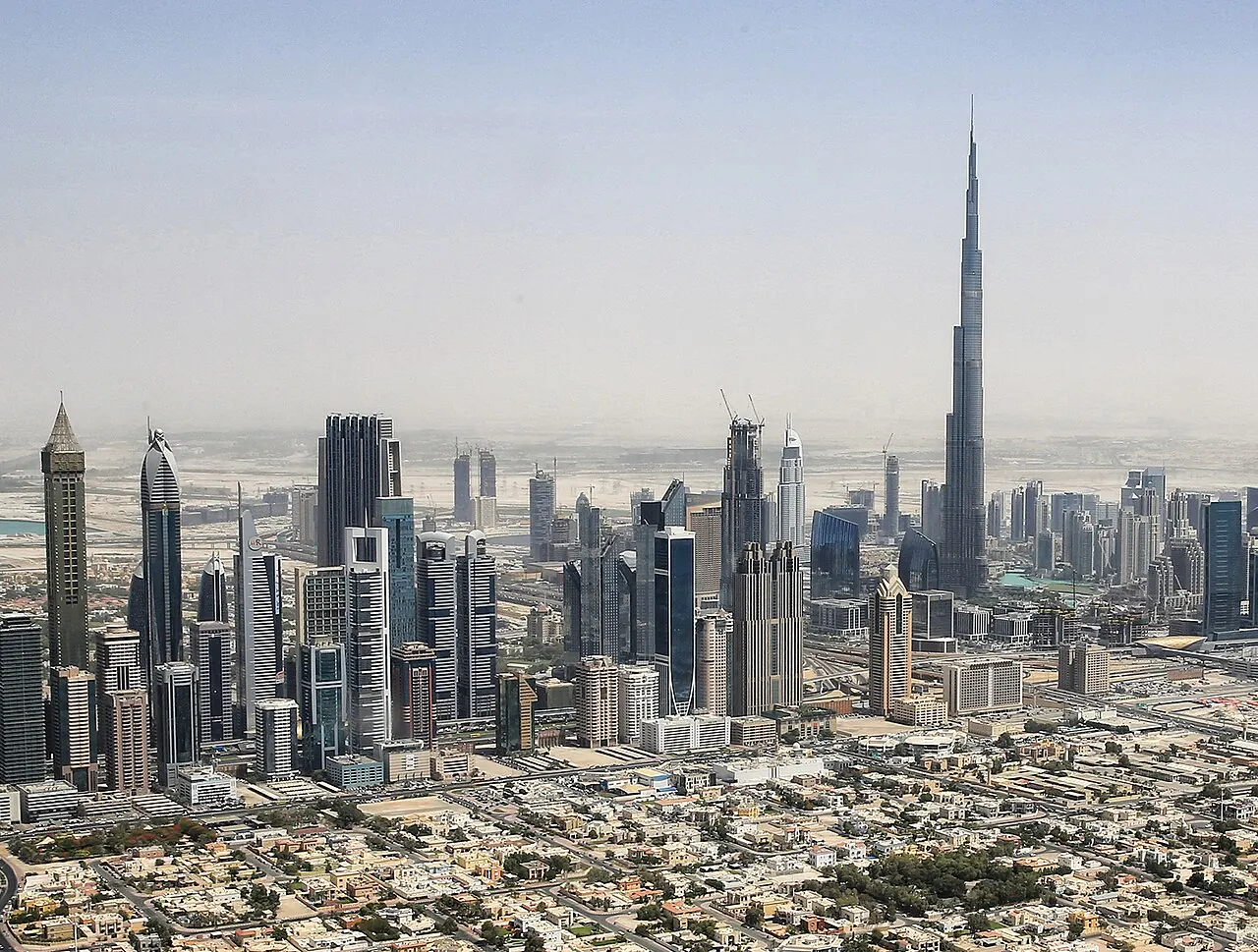
Downtown works when the Burj Khalifa, Dubai Mall and the lake-facing restaurants around Souk Al Bahar are central to your plans. The mall offers a substantial indoor refuge between outings, while Time Out Market in Souk Al Bahar gives an evening meal a different setting from a hotel restaurant. Addresses around Sheikh Mohammed bin Rashid Boulevard put you in this landmark district rather than beside the old creek.
RTA's Red Line serves Burj Khalifa/Dubai Mall station, but the station-to-mall connection is not the same thing as a short walk to every hotel. Check which side of the lake or boulevard your address occupies. Dubai International's Terminal 1 and Terminal 3 metro stations feed the same line; another arrival terminal needs its own plan.
The compromise is scale: roads, mall approaches and hotel entrances can turn an apparently close map pin into an awkward walk, especially in hot weather. Choose Bur Dubai for lanes and heritage rather than monumental buildings, or JBR if swimming and beachside meals should shape each day.
Plan it well: The photograph and map pin identify the Burj Khalifa, not every Downtown hotel or a metro entrance.
Visit Dubai: Downtown DubaiBur Dubai and Al Fahidi: creekside heritage and small restaurants
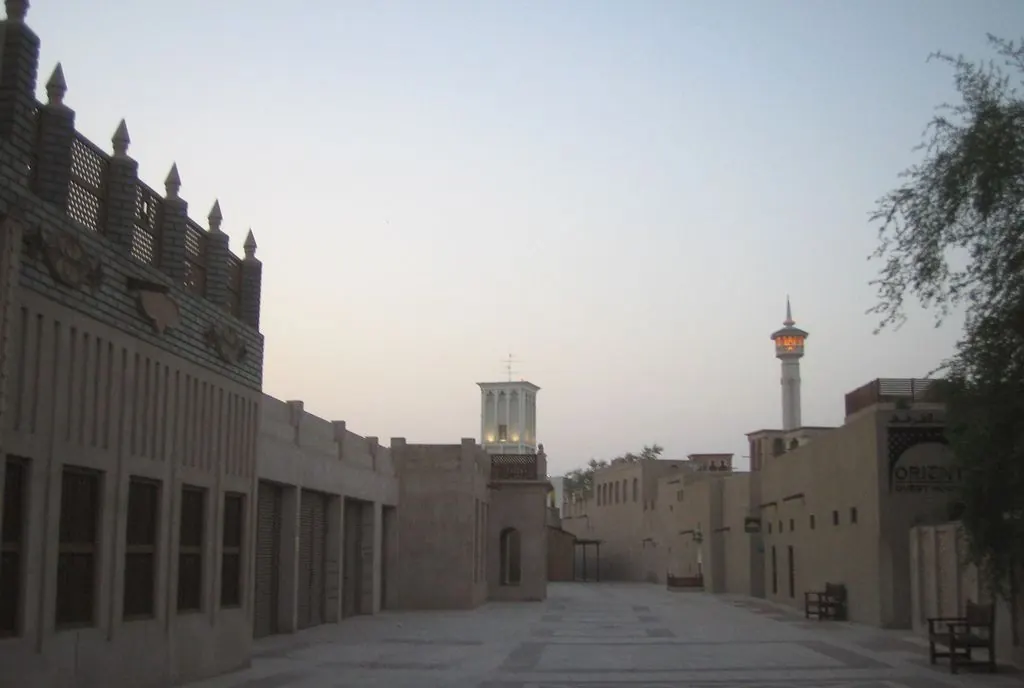
Stay on the southern creek bank for the wind-tower lanes of Al Fahidi, the Textile Souk and the museums around Al Shindagha. XVA's courtyard and Al Ustad Special Kabab offer specific alternatives to mall dining. Al Seef continues the waterfront with restaurants and heritage-inspired buildings, but it should not be mistaken for an entirely surviving historic quarter.
RTA's Green Line stations Sharaf DG and Al Ghubaiba serve different parts of this spread-out district. BurJuman brings the Red and Green lines together farther inland. The creek abras provide a useful crossing to Deira's trading streets; the landing points matter more than simply choosing a hotel with 'Creek' in its name. From DXB's rail-served terminals, a BurJuman interchange can suit Green Line addresses.
This is a stronger base for texture and food than for repeated beach visits. Hotels advertised as Bur Dubai can also be inland in Mankhool, without heritage lanes outside the door. For a concentrated skyline itinerary choose Downtown; for the northern souks themselves, choose Deira rather than crossing the creek each morning.
Plan it well: Al Fahidi Historical Neighbourhood is the photographed and mapped heritage anchor. Inland Mankhool addresses are a different setting.
Visit Dubai: Bur DubaiDeira: trading streets and the northern souks
Deira's creek-facing streets suit travellers interested in the Gold, Spice and Perfume souks, merchant storefronts and the movement of boats along the waterfront. Al Bait Al Qadeem is a dining anchor in this older setting; restaurant-led creek hotels offer another style of evening. The attraction is a functioning trading district, not a replica of Downtown's shopping-and-tower experience.
Al Ras, Gold Souq and Baniyas Square are Green Line options for the older northern bank. Union connects with the Red Line, while Al Rigga and City Centre Deira are Red Line sectors farther from the souk lanes. DXB Terminal 1 and Terminal 3 arrivals can use the Red Line, but the right interchange depends on the actual hotel. RTA's abra routes cross to Bur Dubai from specific creek landings.
The souks, airport-side business hotels and newer retail addresses should not be treated as one walkable cluster. Trading streets can be busy, and journeys to JBR or the Palm cut across much of the city. Choose Bur Dubai for Al Fahidi's heritage courtyards or Downtown when the modern landmark district is your priority.
Plan it well: The pin is the Gold Souk in creekside Deira. Al Rigga and City Centre Deira hotels occupy other parts of the district.
Visit Dubai: DeiraDIFC and Emirates Towers: galleries, business and destination dining
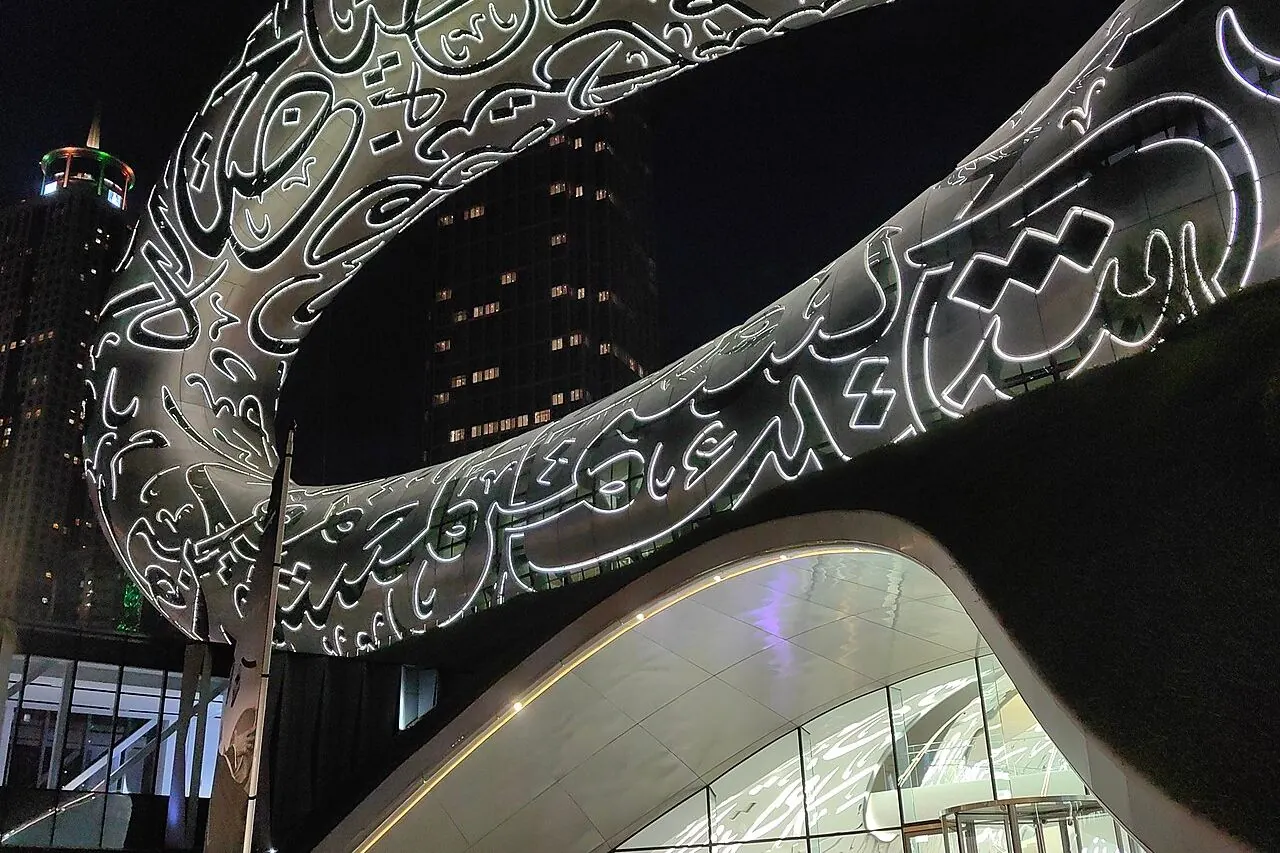
DIFC is a persuasive choice when a work appointment, gallery visit and a carefully chosen dinner matter more than sand outside the hotel. The Gate and Gate Village concentrate art spaces and restaurants such as LPM and Zuma. The neighbouring Emirates Towers corridor adds the Museum of the Future, giving a business-led stay a substantial visitor attraction without making it a beach district.
RTA's Red Line serves Financial Centre and Emirates Towers. Those names do not make both stations equally useful for every address: DIFC entrances, towers and Sheikh Zayed Road crossings need checking on the hotel route. DXB's Terminal 1 and Terminal 3 metro connections join the same line. A hotel on the opposite side of the highway is not automatically a convenient walk to the Gate.
The district's attraction is curated urban dining rather than old neighbourhood street life. Large plots and major roads can make informal wandering less rewarding than a map suggests. Choose Bur Dubai for souks and small heritage restaurants, Downtown for a Burj Khalifa-heavy itinerary, or Marina if most evenings should be spent beside the water.
Plan it well: The image and pin show the Museum of the Future by Emirates Towers, an edge landmark for this combined base, not DIFC's Gate Village.
Visit Dubai: DIFCJumeirah: mainland coast and neighbourhood restaurants
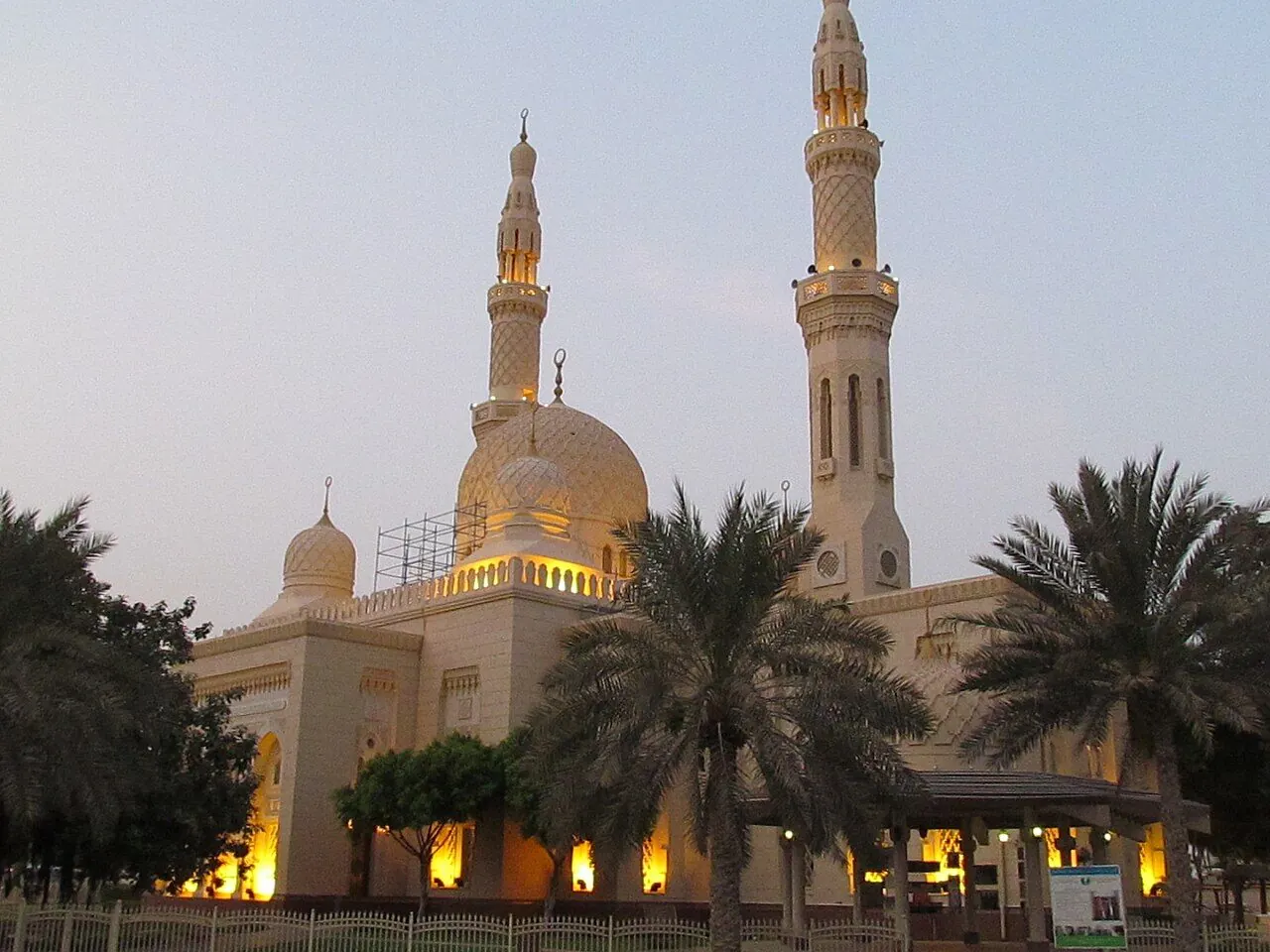
Mainland Jumeirah suits travellers who want the coast with a different dining circuit from the Marina. Jumeirah Mosque anchors the northern sector, while J1 Beach gathers destination beach-club restaurants. Farther along the coast, the fishing-harbour setting of 3Fils gives another reason to leave the hotel. These are separate stops along a long strip, not one compact pedestrian restaurant quarter.
The RTA metro map shows no station running through the beachfront itself. A taxi or a checked bus connection usually forms the final leg from the rail corridor; DXB's metro access therefore does not deliver you to a Jumeirah hotel door. For the mosque, use the organised public-visit arrangements rather than assuming unrestricted sightseeing access throughout the day.
The practical disadvantage is dispersed geography: the mosque, harbour restaurants and beach venues can each require another journey. Beach access also depends on the precise public beach or property, not simply a coastal address. Choose JBR for a concentrated beach promenade, or Downtown if you want major indoor attractions and metro access to dominate the trip.
Plan it well: The photograph and map pin show Jumeirah Mosque in the northern part of this coastal strip. This is not Palm Jumeirah or JBR.
Visit Dubai: JumeirahDubai Marina: waterfront evenings with rail connections
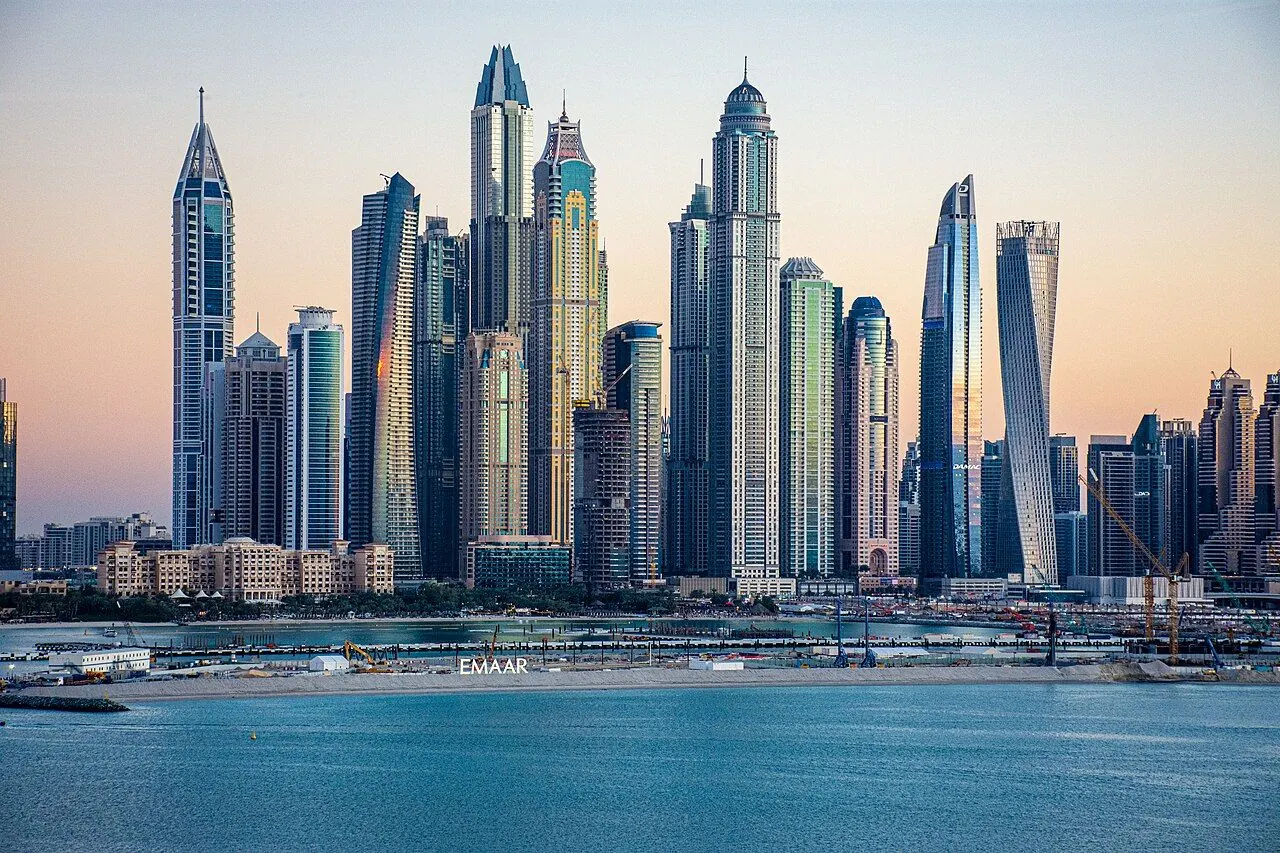
Dubai Marina gives a coastal trip a sizeable everyday dining and walking circuit. Marina Walk follows the water between towers, while Dubai Marina Mall and Pier 7 concentrate shopping and meals near the southern marina. It is a good fit when you want to alternate restaurant evenings with trips elsewhere, rather than spend the entire stay inside a beach resort.
RTA's Red Line stations Sobha Realty and DMCC serve different ends of the marina, with tram connections extending towards the waterfront and JBR. From DXB Terminal 1 or Terminal 3, the Red Line is a possible backbone, followed by the appropriate walk, tram or taxi. A hotel beside the water can still be inconveniently placed for a particular station or crossing.
The marina is long, and bridges, traffic and building entrances make its two sides materially different. Beach access belongs to neighbouring JBR or a specific property, not every Marina address. Choose JBR when the beach should be the daily focus, Downtown for concentrated landmark sightseeing, or the Palm when the resort itself is the main destination.
Plan it well: The photograph depicts Dubai Marina's waterway and towers. A marina-facing hotel is not necessarily beachfront.
Visit Dubai: Dubai MarinaJBR: a beach-first stay with a busy promenade
Jumeirah Beach Residence is the clearest choice here when your routine should revolve around the beach and meals along The Walk. The Beach complex and Pavilion add a concentrated restaurant circuit to the seaside setting. This is a different proposition from looking across Dubai Marina's inland waterway, even though both districts often appear together in hotel descriptions.
RTA's tram stops Jumeirah Beach Residence 1 and 2 connect this strip to the marina-side system. The Red Line is reached through the tram interchanges at Sobha Realty or DMCC, rather than a metro station on the beach. For DXB's rail-served terminals, factor that extra connection into your luggage route; a road transfer may suit a hotel far from the relevant stop.
The appeal also brings a busy promenade, traffic and a more visitor-oriented dining environment than the creek neighbourhoods. A room facing the action and a room tucked away behind it can feel quite different. Choose Marina for rail access and waterway walks, mainland Jumeirah for a dispersed coastal restaurant circuit, or Bur Dubai for heritage rather than beach life.
Plan it well: The pin is a representative JBR area point, not a specific beach entrance or hotel.
Visit Dubai: Jumeirah Beach ResidencePalm Jumeirah: resort time before cross-city sightseeing
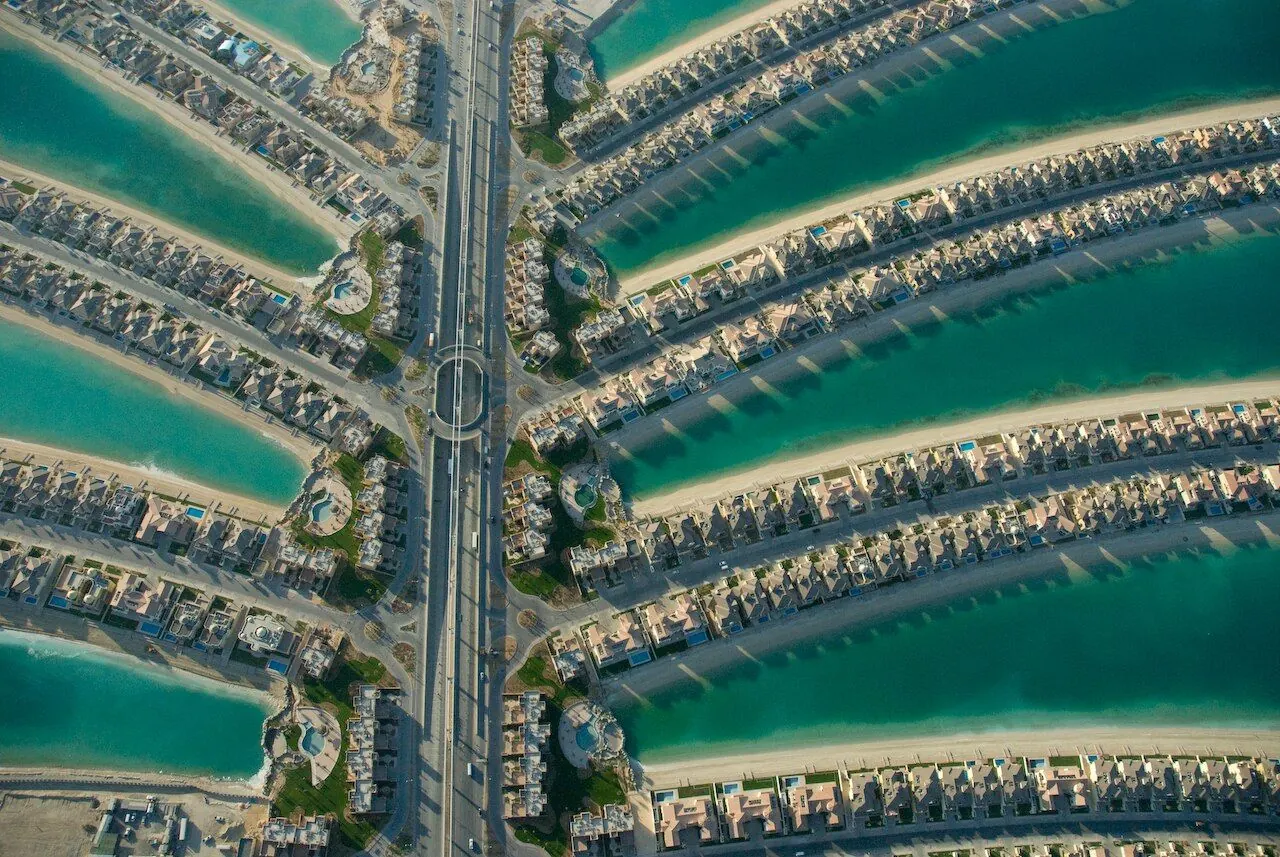
The Palm makes most sense when the hotel and its facilities are a substantial part of the holiday. The trunk offers Palm West Beach and the restaurants of Club Vista Mare, including Ibn AlBahr; Atlantis sits on the outer crescent. Those settings produce very different stays. A trunk-side restaurant or promenade is not automatically convenient from a crescent resort.
The RTA tram has a Palm Jumeirah stop on the mainland approach, not at the hotels around the island. More importantly, the Palm Monorail operator currently reports a maintenance suspension until further notice. Build your arrival around a confirmed road connection and recheck the operator before relying on the monorail. DXB rail access alone cannot complete this journey.
The island's shape is the main trade-off: a resort can feel removed from the trunk, and repeated visits to the creek or Downtown introduce substantial cross-city travel. Choose JBR when you want beach life with a public dining promenade immediately around you, or Marina when regular metro journeys are part of the itinerary.
Plan it well: The photograph depicts Palm Jumeirah's island layout; the map pin is a representative island point, not a resort entrance.
Visit Dubai: Palm JumeirahArriving and moving around Dubai
Match the arrival plan to the terminal and the hotel entrance, then choose a base that keeps your most frequent journeys on one side of the city.
DXB terminal matters
Dubai Airports lists metro stations at Terminal 1 and Terminal 3. Terminal 2 and Dubai World Central need their own onward-transport plan; a booking described simply as 'Dubai airport' is not enough.
Dubai Airports: metro accessUse the current RTA map
Check the Red and Green lines, tram interchanges and the actual hotel approach. Union and BurJuman link the metro lines; Sobha Realty and DMCC link metro and tram.
RTA: stations and network mapCreek crossings have landing points
RTA lists traditional abra routes including Bur Dubai to Deira Old Souq and Dubai Old Souq to Al Sabkha. Choose the crossing for your actual souk or hotel route.
RTA: public transport routes and timetablesDo not assume the Palm Monorail is running
At review, the operator reports maintenance suspension until further notice. Confirm reopening before planning a rail-based Palm transfer.
Palm Monorail: operational noticeAdvisory-sensitive destination
Current UK advice flags regional tensions and possible disruption. Check your own government's advice, airline operation and insurance conditions before travelling; this is not a claim that every visitor faces a blanket entry restriction.
FCDO: United Arab Emirates travel warningsJumeirah Mosque visits
Use the mosque's organised public visitor programme and its current requirements. A nearby hotel does not grant unrestricted access to religious spaces.
Jumeirah Mosque: public visitsFind a Dubai hotel in your chosen base
Compare Dubai hotels around the district that fits your trip. Check whether the entrance is beside a usable station, on the beachfront, facing the marina or on the Palm's trunk or crescent: these distinctions matter more than the broad neighbourhood name.
Explore Dubai hotels