
Tirana city guide
10 things to do in Tirana
Find your own pace in Tirana, from Skanderbeg Square and its small historic neighbours to thoughtful museums, a reinvented pyramid and a lake-side pause.
Plan your visit
Tirana makes most sense when you put different periods of the city beside one another: an Ottoman mosque, a communist bunker, a newly transformed public building and an evening walk beside the lake. Choose one history museum for a concentrated visit, then leave enough daylight for the streets around it. Mount Dajti is a separate excursion, not a quick detour from the central square.
Start with the space around Skanderbeg Square
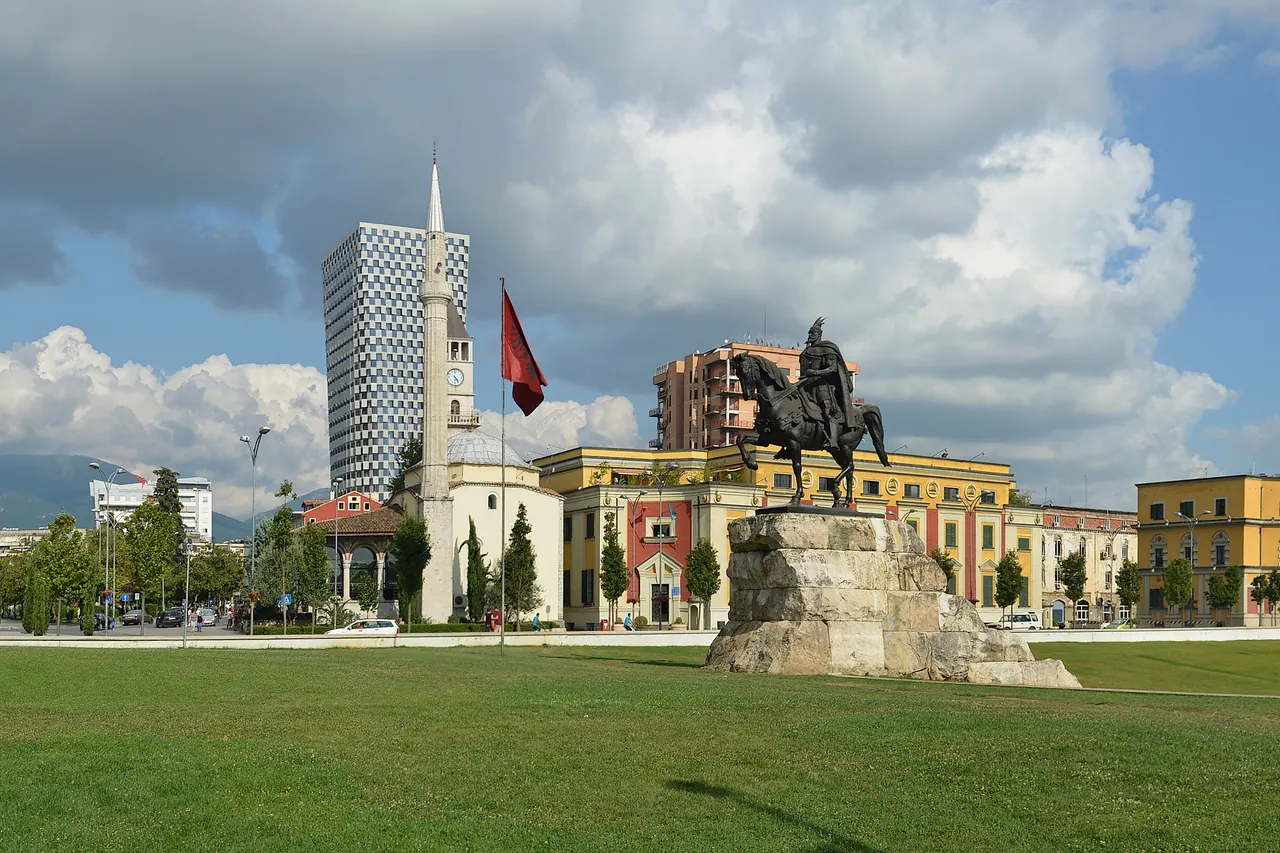
Skanderbeg Square is a useful first stop because the surrounding buildings explain several versions of Tirana at once. Look from the equestrian monument towards the mosque, clock tower and Palace of Culture rather than treating the open paving as an attraction to cross as quickly as possible. The pedestrian redesign uses stone from different Albanian regions, making the ground itself part of the story.
Give the square a short, unhurried circuit before deciding what comes next. The mosque and tower form a compact pair on its eastern edge, while Bunk'Art 2 is close enough to become the main indoor stop. On a hot day, make use of the planted edges and save a longer open-air wander for later; the surrounding institutions have separate access arrangements.
Plan it well: Use the square to orient yourself; check individual museum notices before counting any surrounding building as an indoor visit.
Albanian National Tourism Agency: Skanderbeg SquareLook closely at Et'hem Bey Mosque
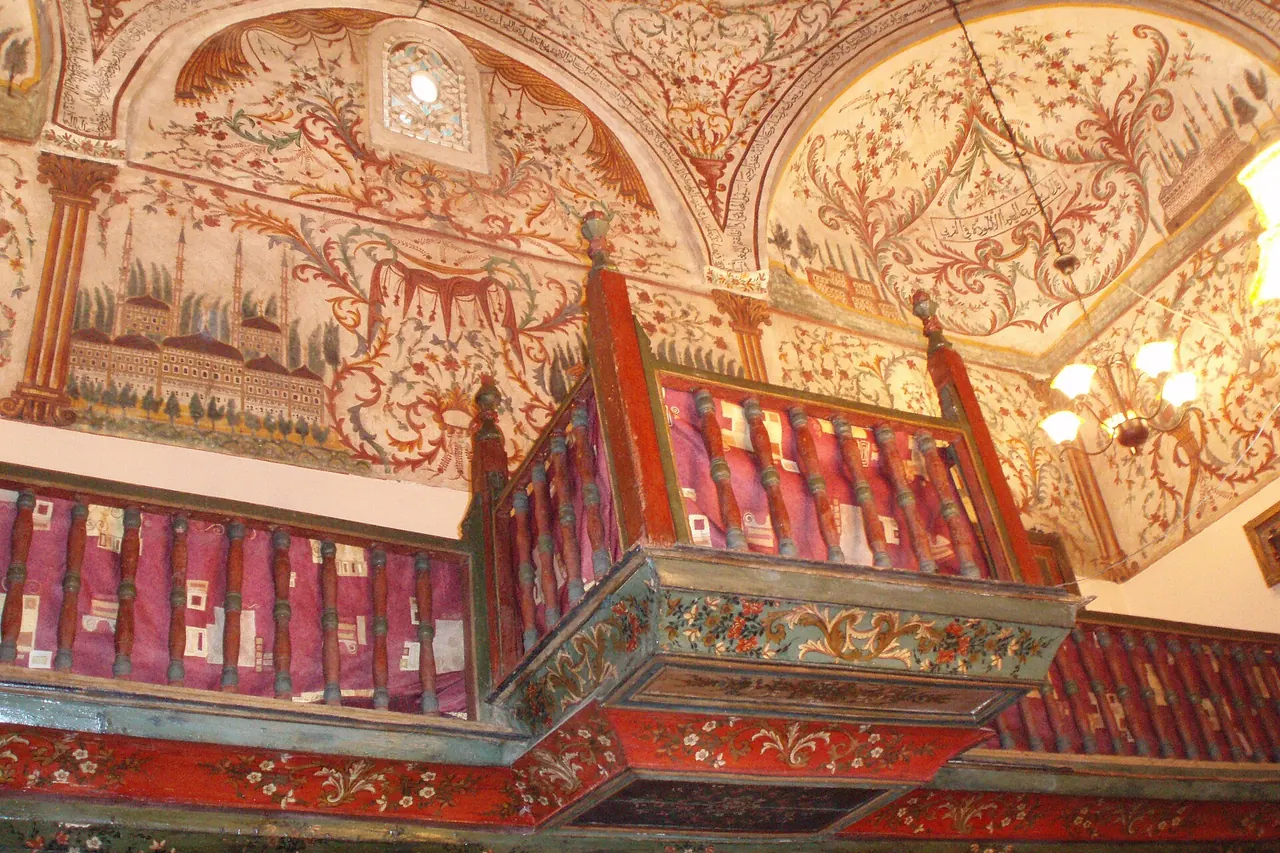
Et'hem Bey Mosque gives the monumental centre a more intimate scale. Instead of concentrating only on the minaret, look at the painted surfaces and the relationship between the domed building, its portico and the neighbouring clock tower. It is a surviving Ottoman landmark within a square now framed by much larger buildings, so even an exterior visit helps explain how the centre has changed.
Approach this as a place of worship rather than a museum with guaranteed visitor circulation. If visitors are being admitted, follow the directions given at the entrance and take your time with the decoration without obstructing anyone attending prayers. If access is unavailable, stay with the exterior and continue to the clock tower. Keep both stops flexible around the day's religious activity.
Plan it well: This is a working mosque. Dress modestly, ask before entering or photographing people, and avoid interrupting prayers.
Visit Tirana: monuments and cultural sitesRead the old centre from the Clock Tower
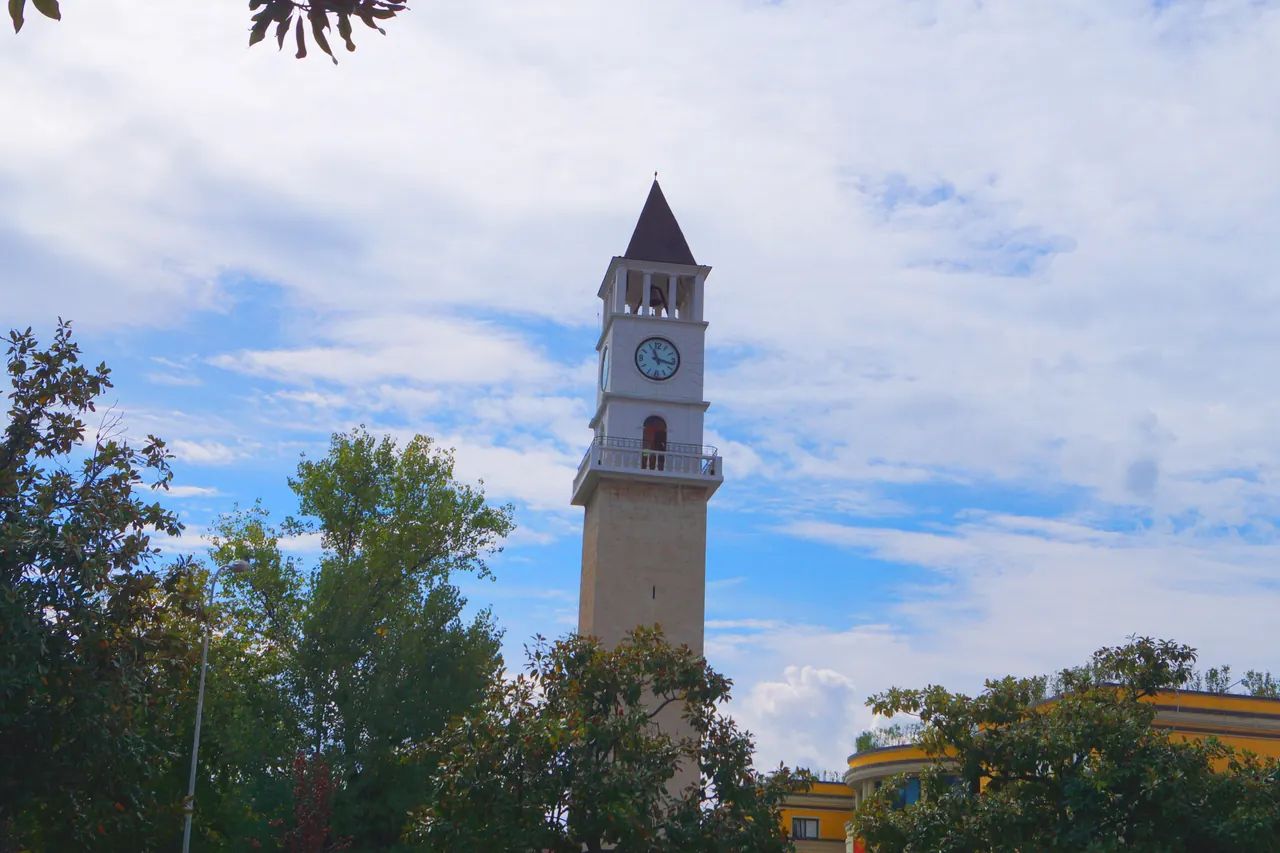
The Clock Tower belongs with the mosque visually, but deserves a moment of its own. Its slim profile is an effective reference point in a centre where contemporary buildings compete for attention. The municipality identifies the tower and mosque as an architectural ensemble, and viewing them together is more rewarding than collecting two photographs without noticing the space between them.
If the tower is admitting visitors, a climb offers a different reading of the square's layout. Confirm access and your ability to manage the stairs first, since an exterior look is already a worthwhile stop and should not depend on an unavailable ascent. Afterwards, turn back towards the open square to compare the small historic cluster with the scale of the newer surroundings.
Plan it well: Do not assume the tower is open or step-free; ask about the current climb before making it a fixed appointment.
Tirana Municipality: the Clock TowerSee a different future at the Pyramid
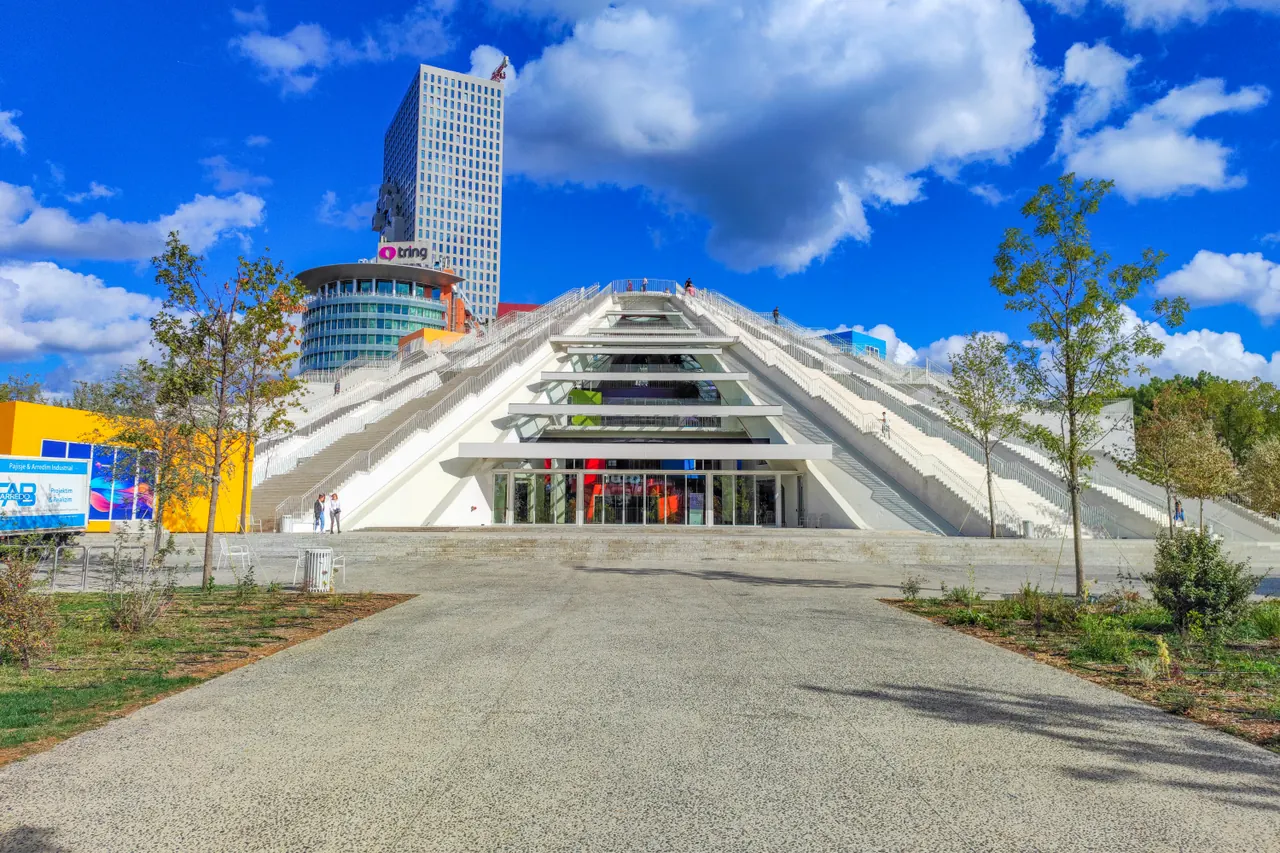
The Pyramid is one of Tirana's clearest examples of a building being given another purpose rather than disappearing. Originally associated with Enver Hoxha, it has been transformed into a contemporary place for learning and public activity. The stepped exterior is striking, but the more interesting question is how the city is using an inherited political monument in everyday life.
Walk around the building before looking for a route upwards. That gives you a sense of the different entrances, surrounding structures and ways people occupy the site, rather than reducing it to a single viewpoint. Check which public spaces are accessible that day and leave indoor activities to their own programmes. This is a useful southern-centre stop before continuing towards the lake or returning across the Lana.
Plan it well: Use only signed public stairs and access points; do not climb the sloping surfaces or assume every indoor space is public.
Albanian National Tourism Agency: Pyramid of TiranaGo underground at Bunk'Art 1
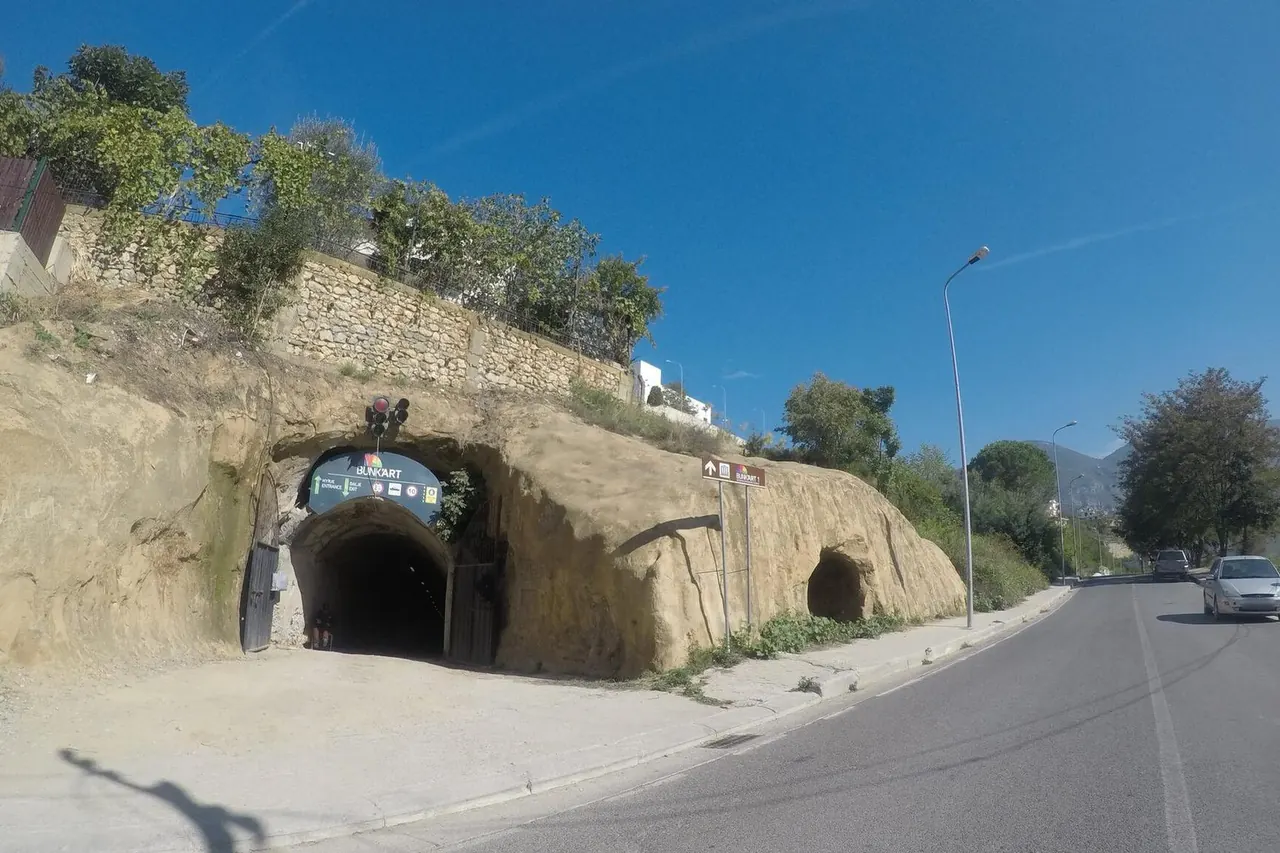
Bunk'Art 1 takes you beyond the central walking circuit into a former underground shelter. The scale and enclosed setting are part of the visit: this was infrastructure built for a threatened leadership, not a historic house with a few converted galleries. Choose it when you want a substantial encounter with Albania's communist period and are comfortable spending time below ground.
Give the museum its own block of the day, including the journey out and back. It can sit alongside a Dajti excursion geographically, but attempting both should depend on current opening arrangements and your appetite for two demanding activities. Read the official notices before travelling, ask about access if enclosed passages are a concern, and leave time afterwards for somewhere open and quiet.
Plan it well: Bunk'Art 1 and Bunk'Art 2 are different sites. Confirm the address before setting out, especially when combining this with Dajti.
Bunk'Art 1 official museumUnderstand surveillance at Bunk'Art 2
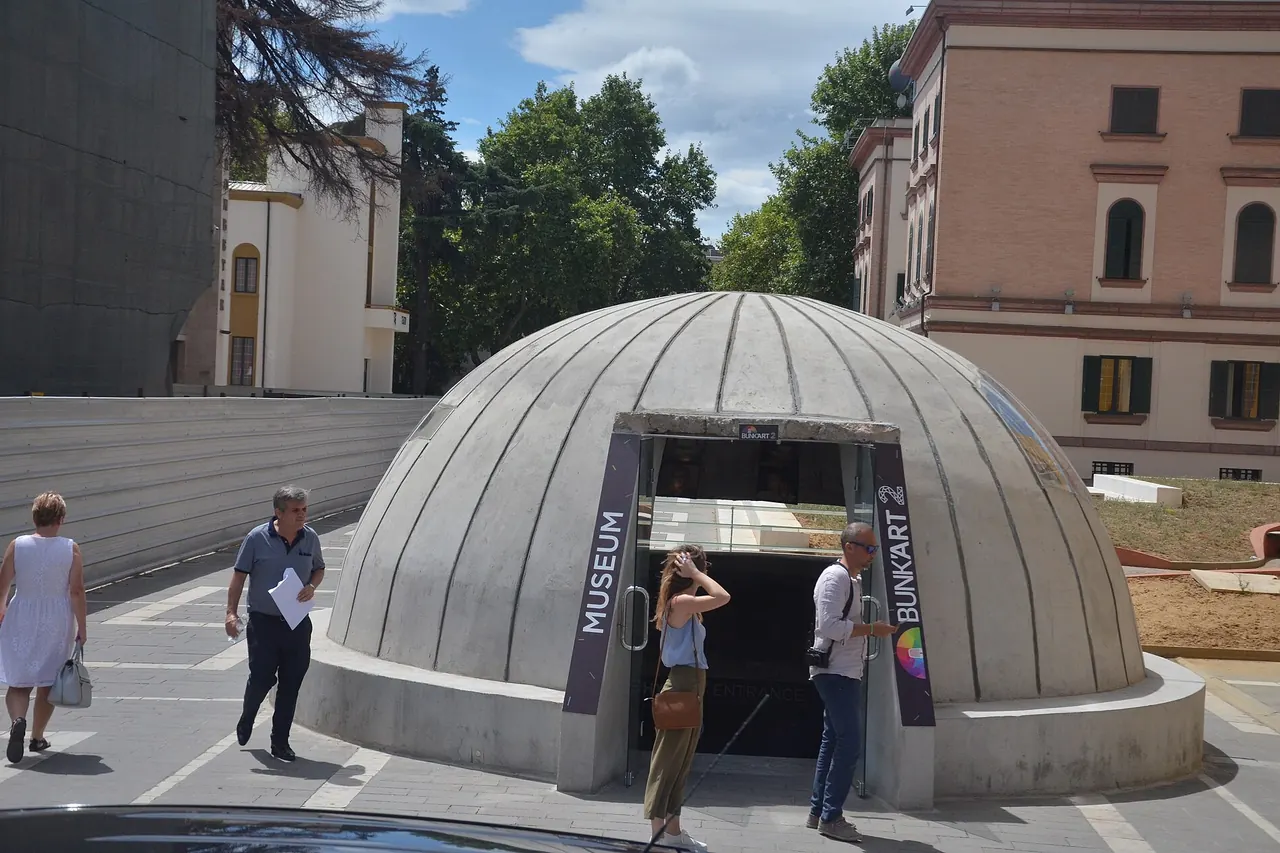
Bunk'Art 2 is the central option for examining repression and state control under the communist regime. Its former shelter setting gives the exhibition a physical context, while the subject asks for more attention than a quick novelty photograph of a bunker entrance. This is a particularly useful choice when your time in Tirana is short and most of the day stays in the centre.
Keep a pause after the visit rather than moving directly into another museum about the same period. A walk back across Skanderbeg Square lets you connect what you have read with the public spaces outside. The operator publishes seasonal notices, so check the current information instead of relying on a guidebook timetable. If tight underground rooms are unsuitable, consider the House of Leaves as a different museum setting.
Plan it well: Choose one of the bunker museums first; adding both is an interest-led decision, not a requirement of a first visit.
Bunk'Art 2 official museumFollow the quieter history of the House of Leaves
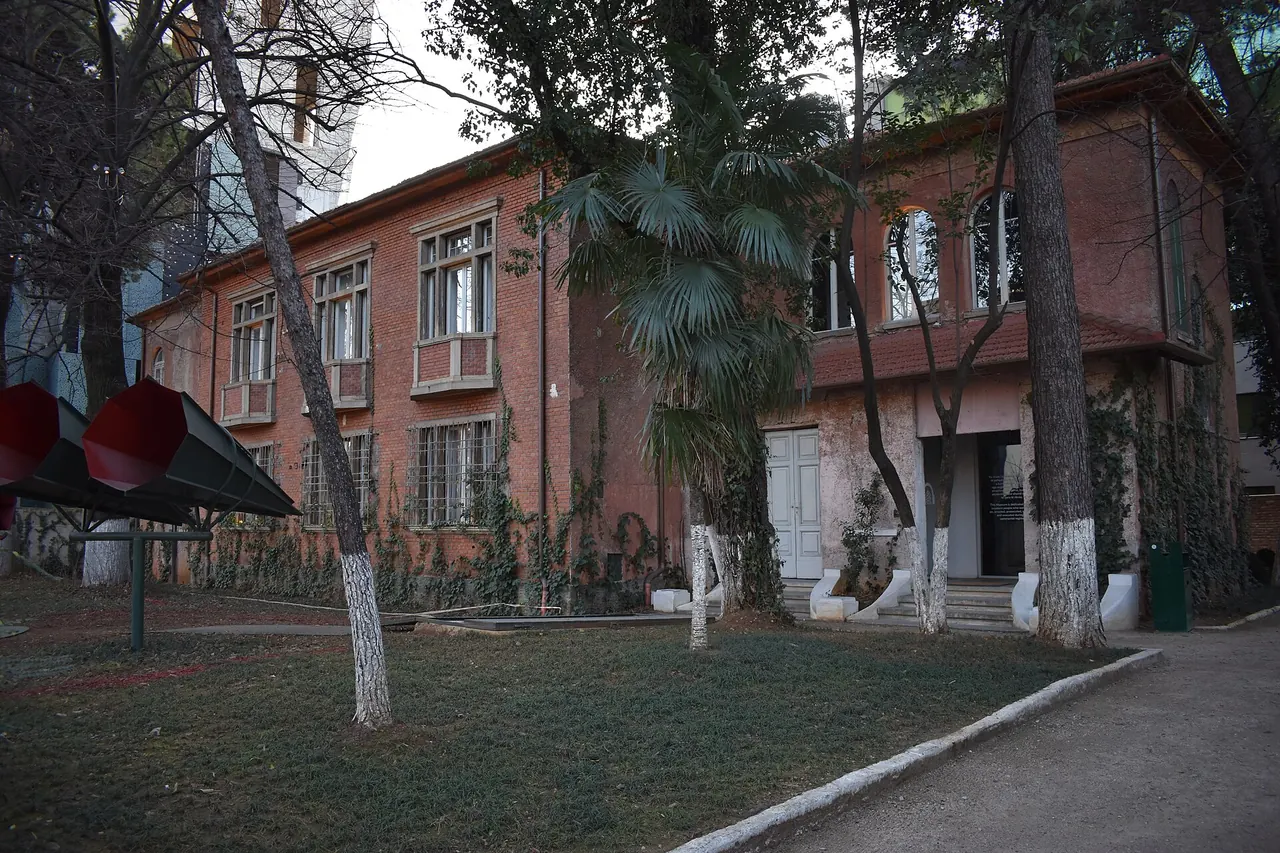
The House of Leaves approaches the communist period through surveillance rather than the size of a bunker. Its villa setting makes the subject unsettling in a different way: a familiar domestic-looking building became part of a system that monitored and controlled people's lives. The museum is dedicated to those persecuted by that system, which makes attentive reading more important than rushing through the rooms.
Use it as an alternative to Bunk'Art 2 if this more specific subject interests you, or as a second history visit on a longer stay. The Resurrection Cathedral stands opposite, offering an immediate change of scale and setting afterwards. Before buying admission, check the museum's latest arrangements and ask about stairs or other access requirements. Leave room in the day for reflection and a simple walk.
Plan it well: This museum addresses persecution and surveillance; consider the subject matter before choosing it for younger children.
House of Leaves: official museum introductionMake Mount Dajti a separate outing
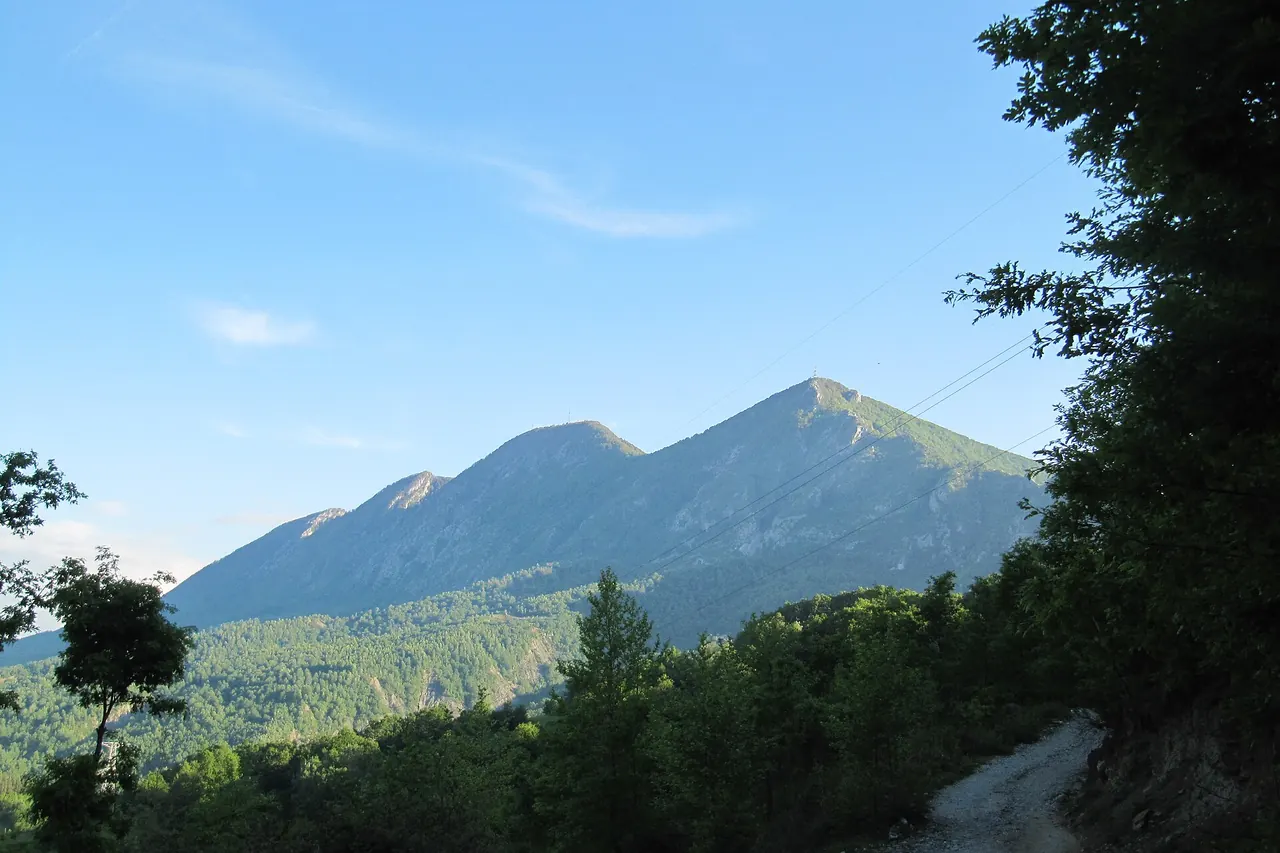
Mount Dajti changes the scale of a Tirana visit, replacing traffic and central buildings with wooded slopes and mountain air. The cable-car outing is a way to reach a different setting, not a promise of a clear panorama every day. Choose it when the weather and your schedule give the excursion enough space, rather than fitting it between tightly timed city-centre appointments.
Read the operator's current information before travelling to the lower station. Tickets are sold there, and the published guidance distinguishes the cable car from additional activities at the upper area. A mountain visit is also not the same as a prepared summit hike: wear suitable shoes, carry a layer and choose paths according to conditions. Confirm the return arrangements before settling into lunch or a longer walk.
Plan it well: The operator lists Tuesday as its regular closure day, subject to holiday exceptions. Check weather notices and the last return before leaving.
Dajti Ekspres: tickets and operating informationLet the lake set the pace in the Grand Park
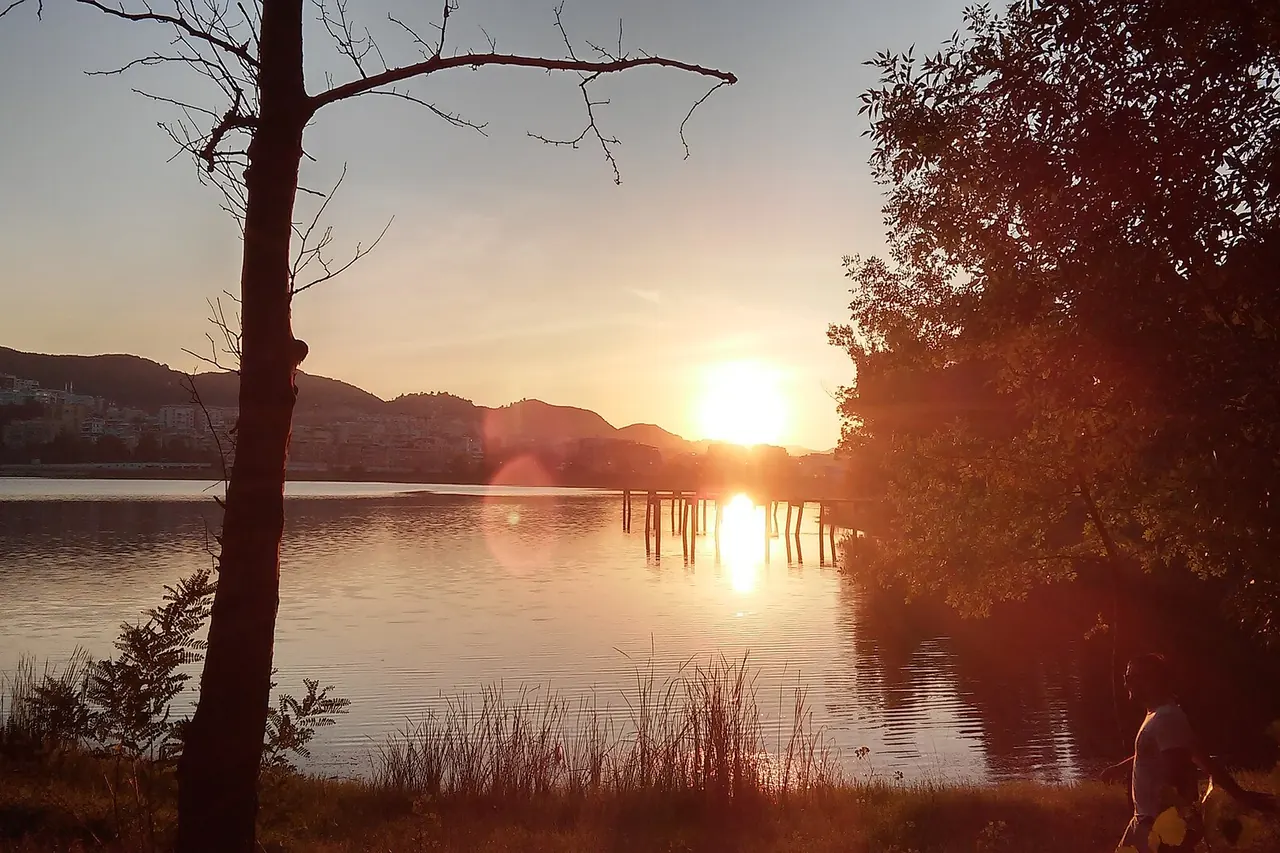
The Grand Park is valuable because it lets you step out of museum mode. Paths and the artificial lake give you a place to walk, sit and watch ordinary recreation, rather than interpret another monument. It is south of the central sights, so use it as a destination with time to linger instead of adding a token stop at the nearest entrance.
Start with a section of shoreline and decide how much further you want to go once you are there. The park has different activity areas, and an event at the amphitheatre is a separate plan from a casual walk. Bring water for a warm afternoon and consider an earlier or later visit when the heat is less demanding. Pair it with the Pyramid without turning the combination into a timed walking challenge.
Plan it well: Pick one stretch of the lakeside first. A complete circuit is optional, and swimming should not be assumed to be permitted or suitable.
Albanian National Tourism Agency: Grand Park and lakePause at the Resurrection Cathedral
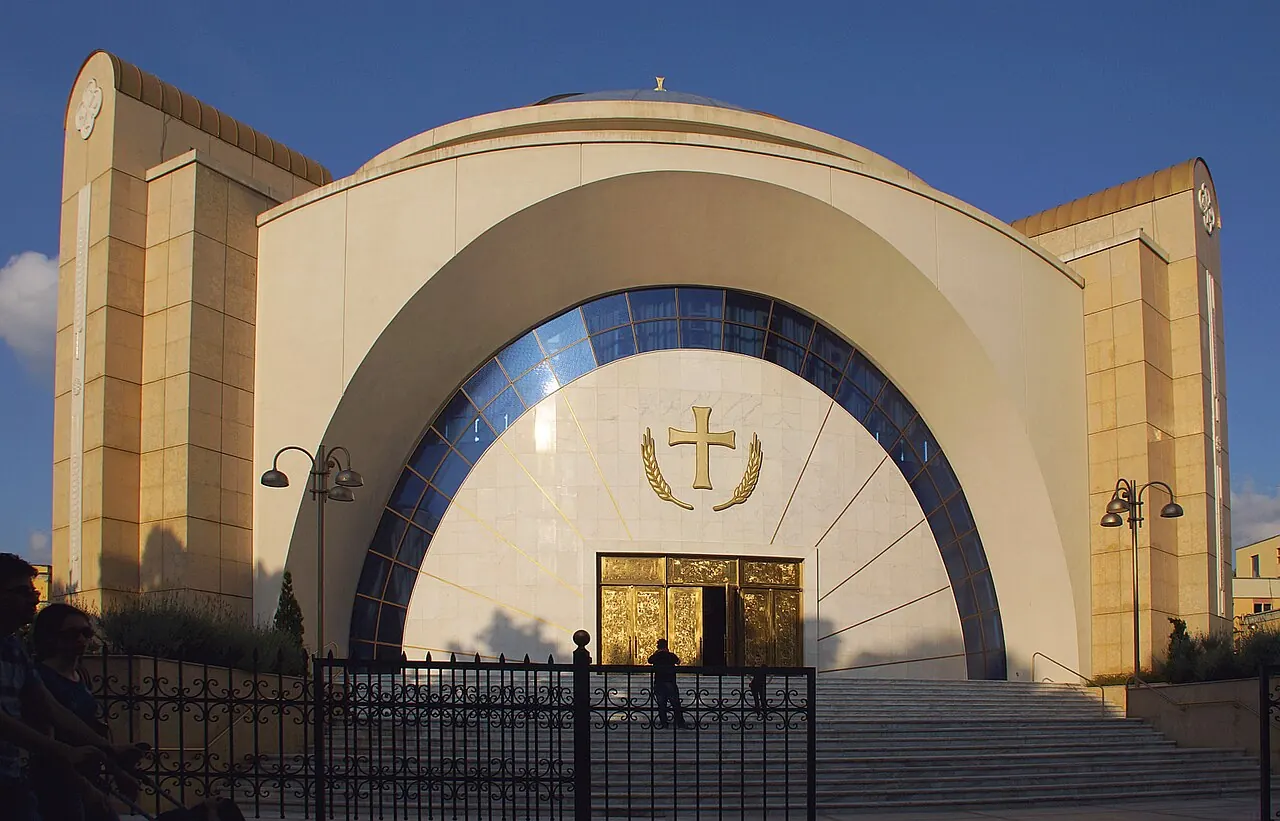
The Resurrection Cathedral adds a contemporary religious landmark to a centre often described through Ottoman and communist buildings. Its broad dome and separate bell tower have a different presence from the modest mosque beside Skanderbeg Square. Looking at both during a visit is a useful way to appreciate the city's varied religious buildings without trying to rank one above the other.
Keep the visit respectful and flexible because this is an active cathedral, not an exhibition hall. If public entry is available, notice how the interior's scale contrasts with the streets outside and follow any instructions concerning photography or clothing. The House of Leaves is across the street, making the two geographically convenient but very different experiences. A short exterior stop is sufficient when services or restricted access take priority.
Plan it well: An architectural stop does not require entering during a service; ask before photographing the interior or worshippers.
Orthodox Church of Albania: cathedral consecrationHow to spend two days in Tirana
Day one: the central square and one history museum
Begin at Skanderbeg Square, then look at the mosque and Clock Tower according to access. Choose Bunk'Art 2 or the House of Leaves for the main museum visit. Add the Resurrection Cathedral and an evening walk towards the Pyramid, leaving meal times flexible.
Day two: mountain or lake
Choose a Dajti outing when operating notices and weather support it; Bunk'Art 1 is an optional eastern-city addition, not a compulsory pairing. For a city-focused day instead, spend time at the Pyramid and Grand Park, with a relaxed lake-side break.
Before you go
Keep the two bunker addresses separate
Bunk'Art 1 is outside the central walking circuit; Bunk'Art 2 is central. Check the museum name and address when arranging transport.
Bunk'Art official museumsCheck the mountain before setting out
Confirm Dajti Ekspres operating notices, return arrangements and suitability for your mobility needs. A cable-car ticket is not admission to every activity at the upper station.
Dajti Ekspres visitor informationMake crossings and museum access deliberate
Central sights may look close on a map, but road crossings, summer heat and stairs affect the day. Use designated crossings and check individual venue access rather than assuming a continuous step-free route.
Where to stay in Tirana
For a walking-focused stay, compare accommodation around the centre and the streets between Skanderbeg Square and the Lana. A southern base can suit evenings near the Pyramid and park. Check the actual entrance, air conditioning, road noise and transport arrangements; proximity to a map pin does not guarantee a quiet room.
Explore Tirana hotels