
Ischgl city guide
Ischgl ski season 2026/27: Silvretta Arena, passes and best bases
A ski-focused guide to Ischgl’s high-altitude sectors, Samnaun links, lessons, passes, freeride limits, transport and snow checks.
Plan your visit
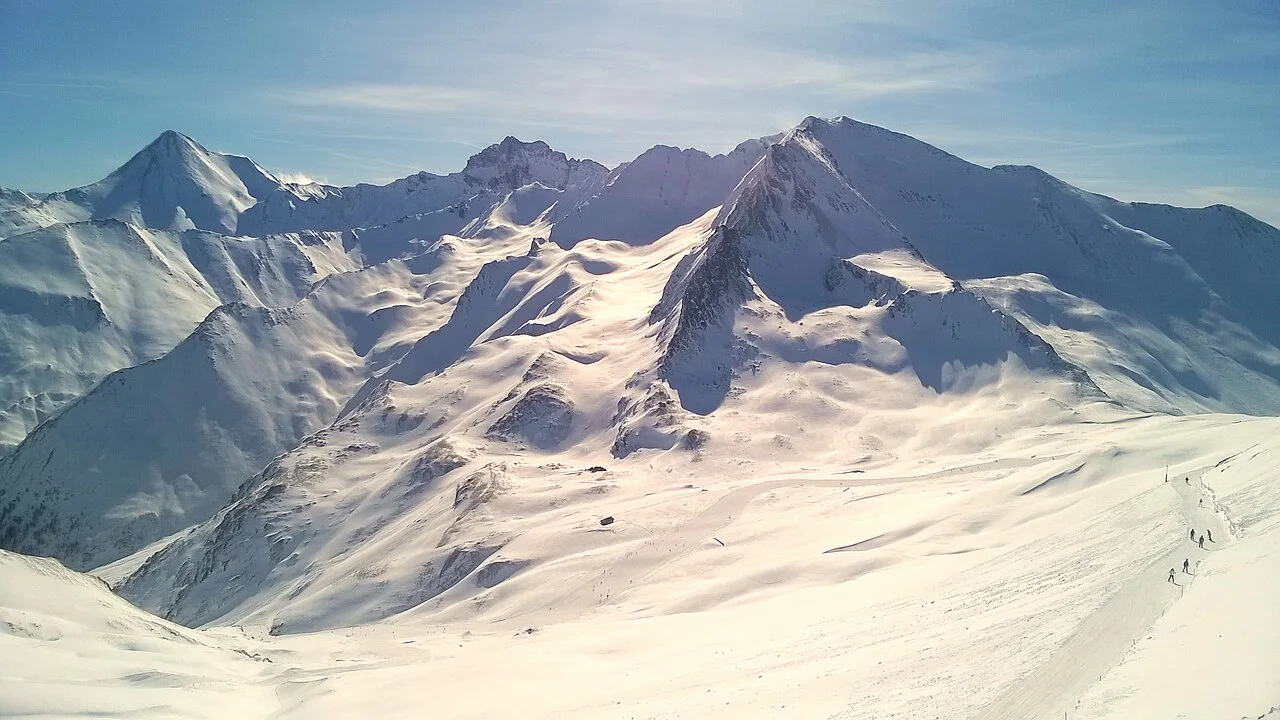
Ischgl is the Austrian gateway to the cross-border Silvretta Arena, scheduled for skiing from 26 November 2026 to 2 May 2027. Three village lifts feed a high-altitude network stretching from Idalp and Pardatschgrat to Palinkopf, Piz Val Gronda and Switzerland’s Alp Trida and Samnaun sectors. The area rewards confident intermediates and advanced skiers, but beginners can learn at Idalp with gondola access and downloading. Cross-border days demand particular attention to link times: once the lifts close, Ischgl and Samnaun are connected only by road.
Understand the Silvretta Arena sectors
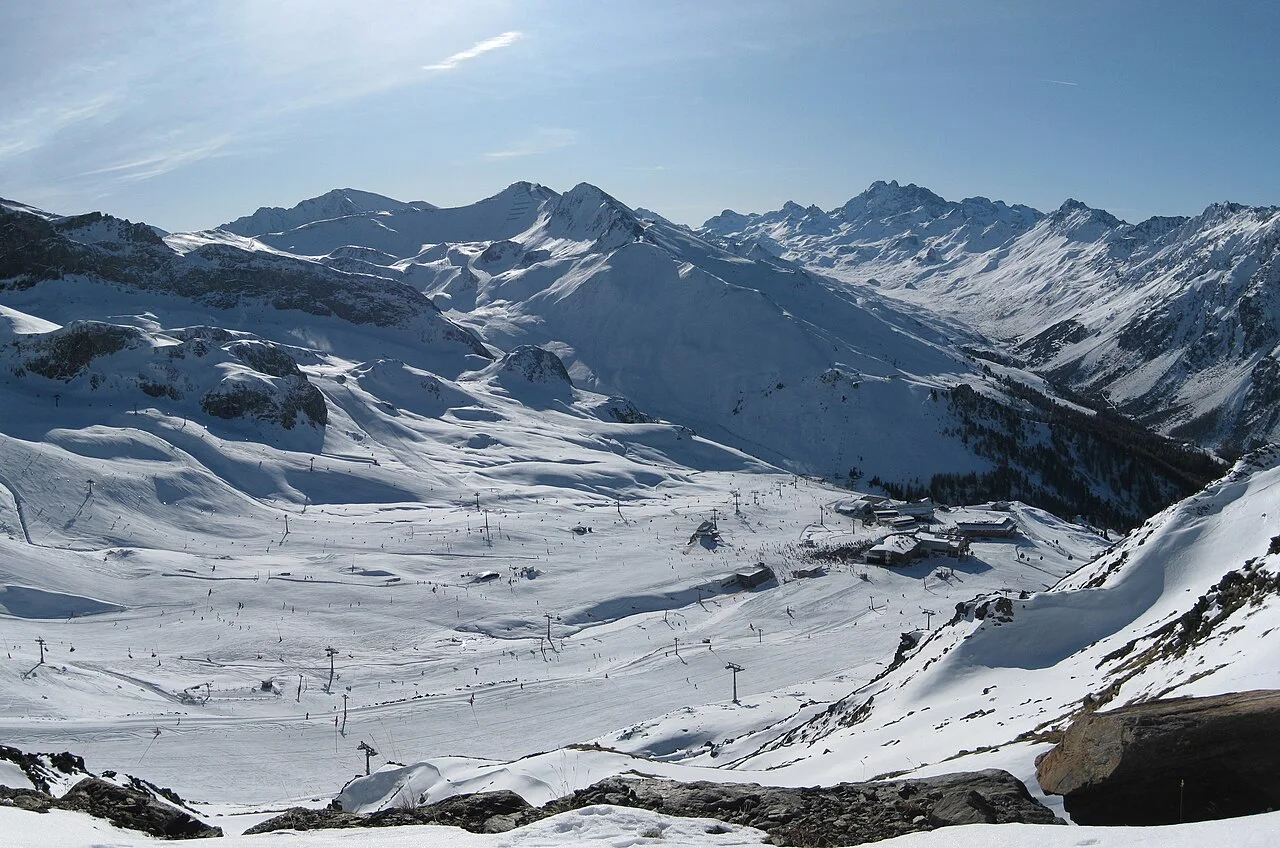
Silvretta Arena publishes 239 kilometres of pistes, 46 lifts and terrain from about 1,377 to 2,872 metres. Silvrettabahn A1, Pardatschgratbahn A2 and Fimbabahn A3 distribute skiers from different parts of Ischgl toward Idalp and Pardatschgrat.
Idalp and Viderböden provide the clearest learning and regrouping terrain. Höllboden, Höllkar and Palinkopf suit mileage-seeking intermediates and advanced skiers, while Flimjoch, Idjoch and Greitspitze form the skiing connection toward Alp Trida and Samnaun.
Plan it well: Pick the morning gondola by accommodation location and planned sector; crossing the village in ski boots wastes useful early hours.
Official Silvretta Arena overviewTime the cross-border return from Samnaun
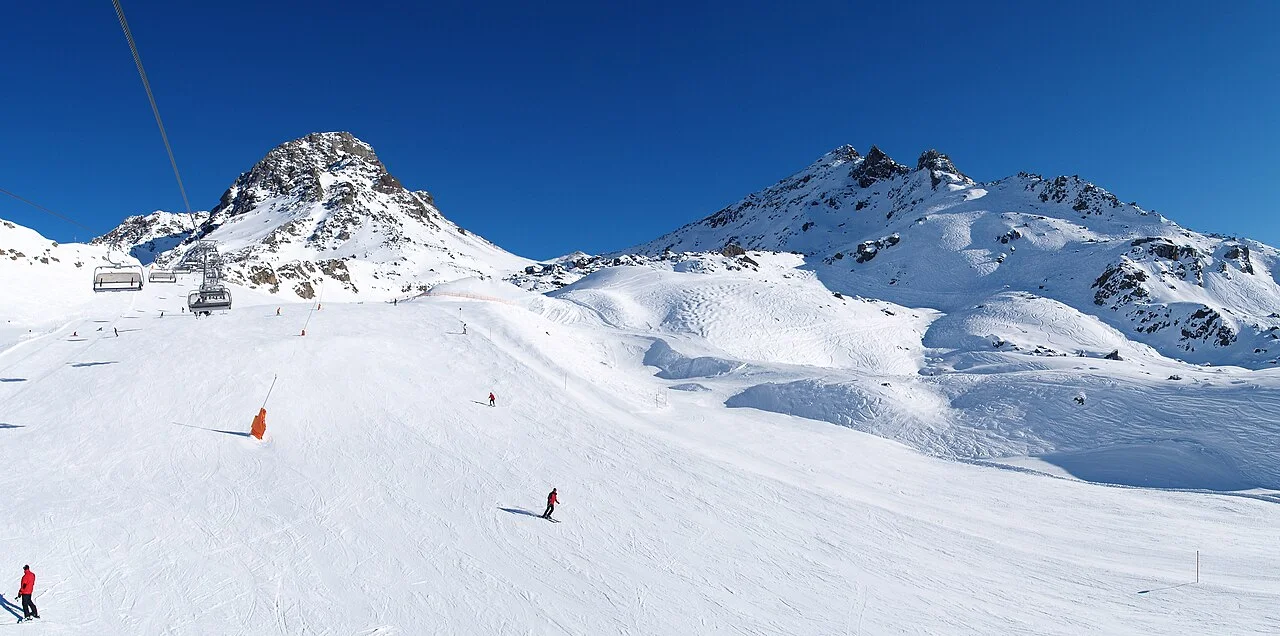
The Austrian and Swiss sectors are lift-linked, but the connection should be approached as a timed itinerary. Start cross-border skiing early and monitor Flimsattelbahn, Flimjochbahn and the Samnaun aerial tramways rather than relying only on a piste map.
Through 27 March, Ischgl-bound skiers must be at the Samnaun valley aerial tram station by 15:45 to reach Flimsattel before 16:00. From 28 March, the corresponding times are 16:10 and 16:30. Once facilities close, return is by road; piste protection and inspection also end after the published closure time.
Plan it well: Set a turnaround alarm with at least one lift’s margin before the official Samnaun deadline.
Official 2026/27 operating and return timesBuild a calm beginner and family plan
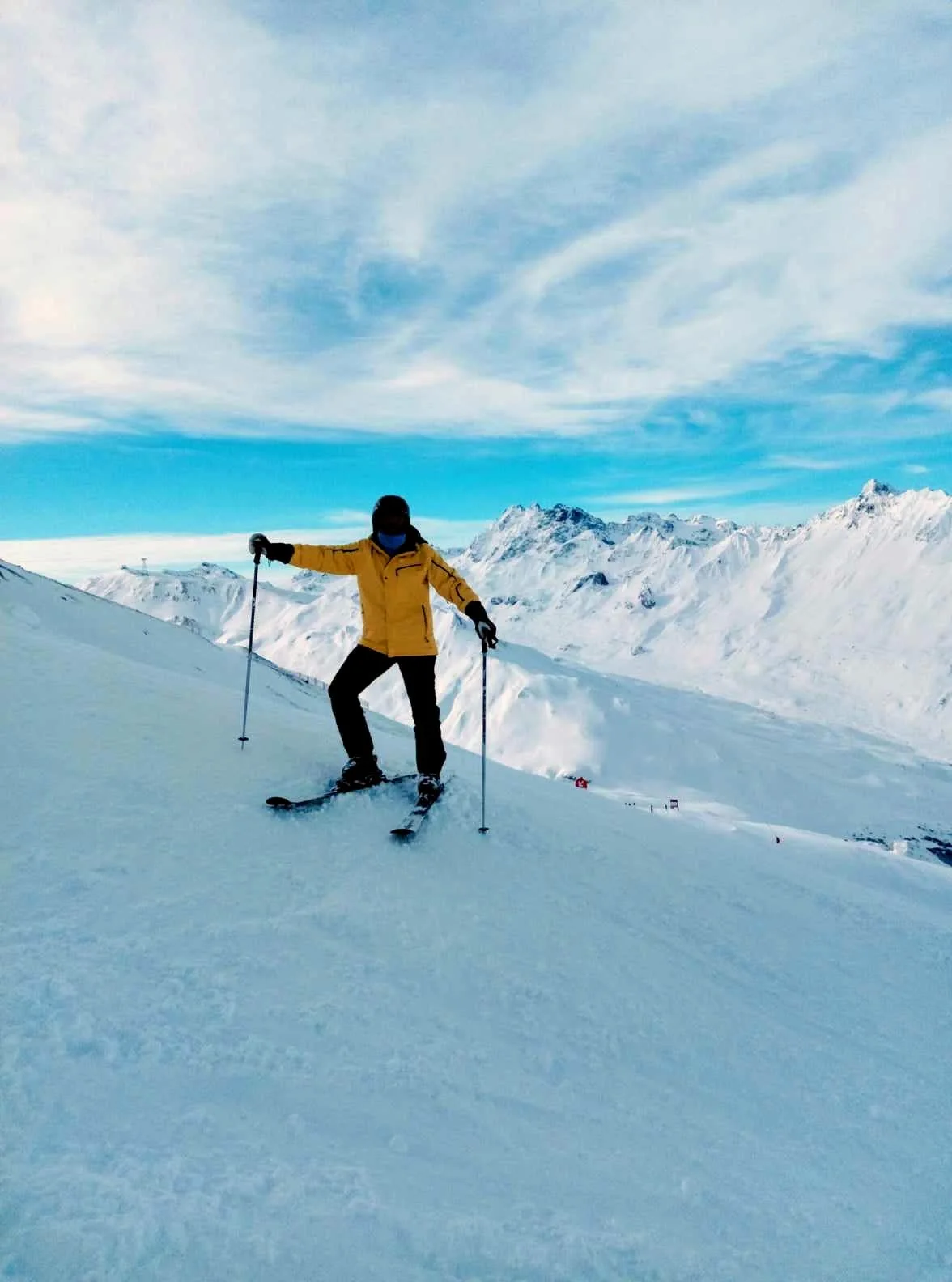
Most Ischgl lessons start on Idalp, reached by gondola rather than from a large valley nursery slope. Beginners should therefore be comfortable downloading at day’s end until an instructor confirms that an open valley descent matches their ability.
The official ski school offers group and private tuition and teaches in German and English, with other languages subject to availability. Ski kindergarten accepts children aged three to five; non-ski guest kindergarten starts from age two, subject to its stated care conditions.
Plan it well: Confirm which gondola, mountain meeting point and childcare handover apply before buying passes or collecting equipment.
Official Ischgl ski schoolChoose the pass and equipment around the real ski plan
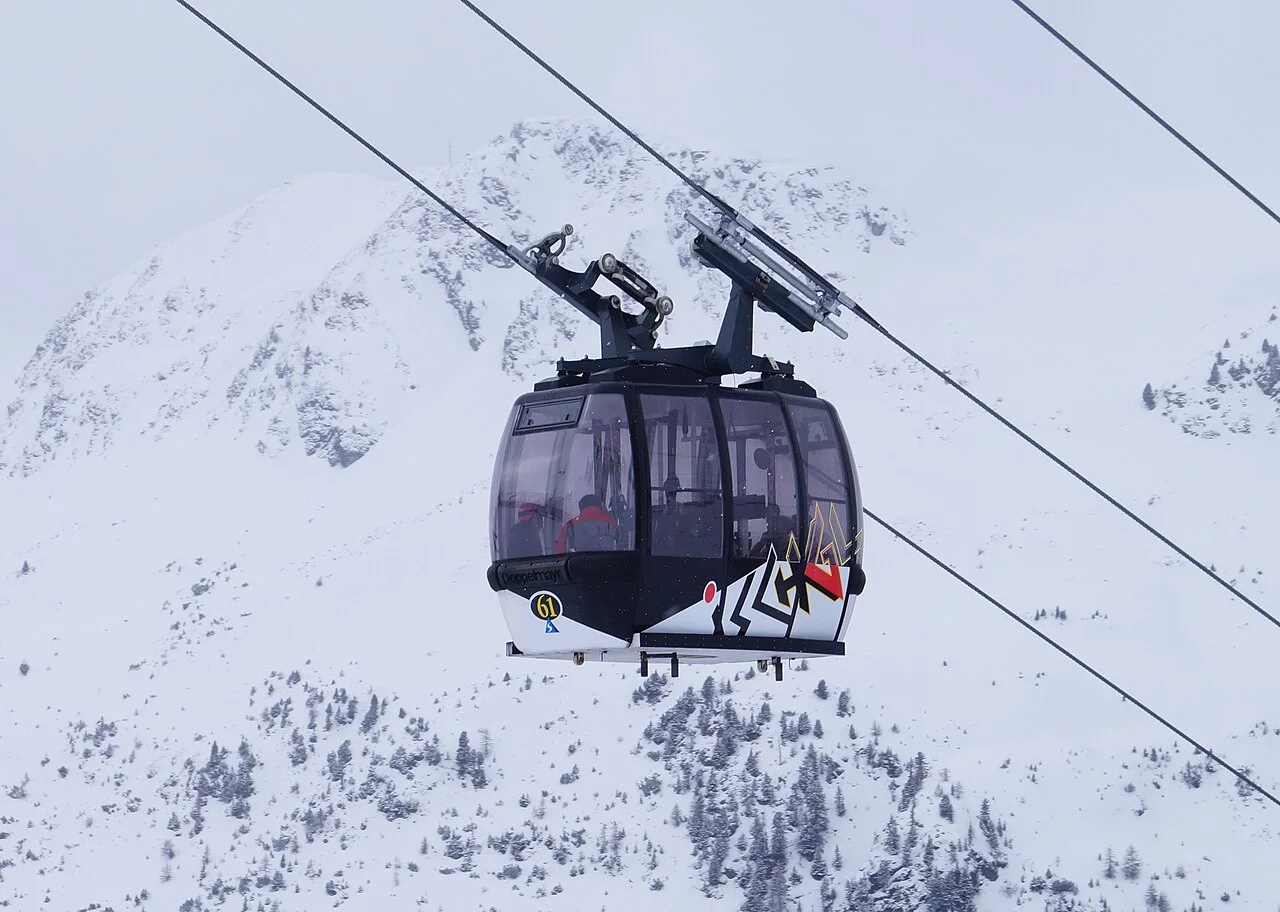
Published 2026/27 prices include €83 for a one-day Ischgl/Samnaun adult ticket and €51 for a child. A six-day Silvretta pass is listed at €451 for adults and €257 for children and can cover Ischgl/Samnaun plus Galtür, Kappl and See, although those resorts are not lift-linked.
Rent near A1, A2 or A3 according to your accommodation and store equipment there if possible. Piste skis suit most itineraries; beginners benefit more from well-fitted boots than premium skis, while freeride equipment should be booked with avalanche gear and appropriate instruction.
Plan it well: Do not buy the wider Silvretta product solely for its lift count unless you genuinely plan bus trips to the separate Paznaun resorts.
Official Ischgl 2026/27 ticket pricesKeep freeride terrain inside expert boundaries
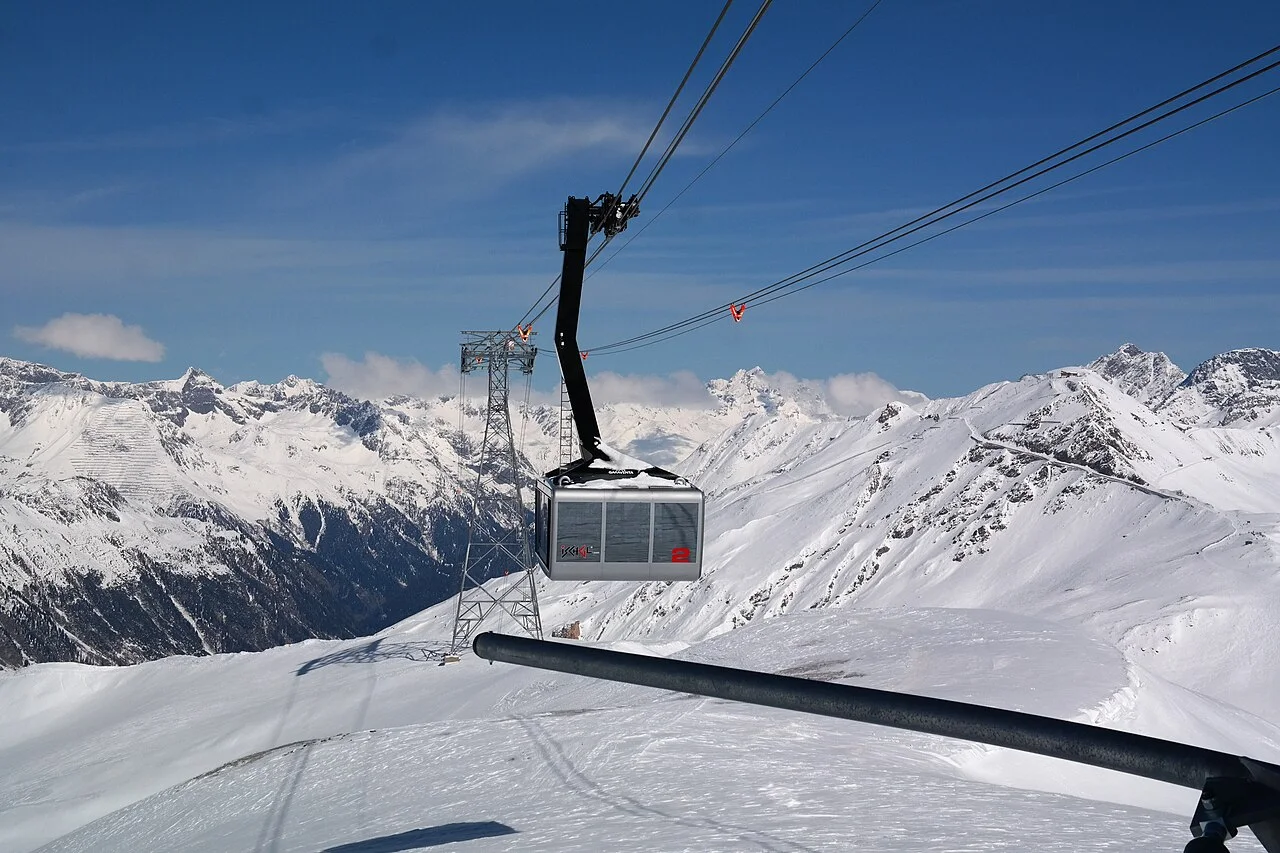
Piz Val Gronda offers lift-accessed freeride terrain with slopes up to about 30 degrees and roughly 400 vertical metres. Ravaischer Salaas is more serious, with narrow gullies, changing terrain, angles up to 40 degrees and a descent toward the Samnaun valley.
Neither area should be judged by existing tracks. Official guidance specifies a transceiver, shovel, probe, helmet and first-aid supplies, plus route planning and current avalanche and weather checks. A guide or freeride course is the appropriate boundary for skiers without local terrain and rescue knowledge.
Plan it well: Establish the return route before entering Ravaischer Salaas; reaching Samnaun late can turn a ski descent into a road transfer.
Official Ischgl freeride and safety guidanceChoose a base beside the lift you will use
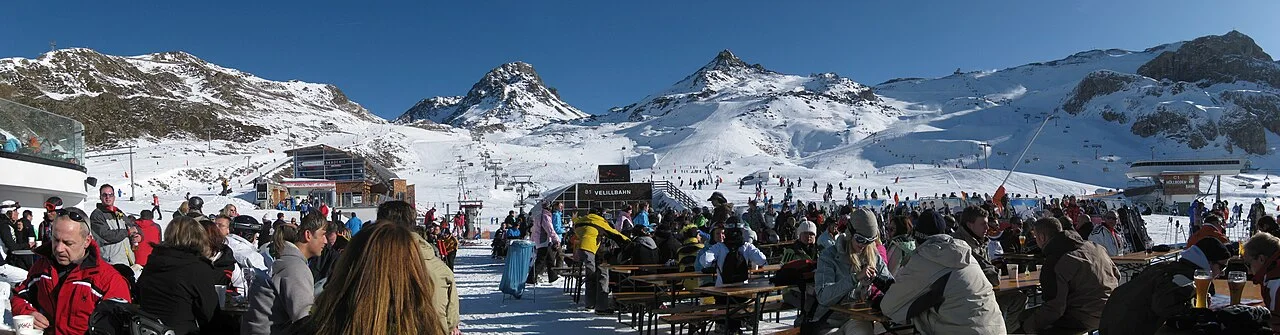
Bus 260 connects Landeck-Zams station with See, Kappl, Ischgl and Galtür-Wirl; winter ski and local buses add valley-station and hamlet services. Eligible travel is free with winter equipment and a ski pass or personalised guest card, subject to current carriage rules.
Stay near Silvrettaplatz for A1 and ski-school access, or on the Pardatschgrat/Fimba side for A2/A3 and a direct Idalp start. Mathon is quieter but bus-dependent. Kappl, See and Galtür are separate ski areas, so staying there means a daily bus journey rather than skiing home through Silvretta Arena.
Plan it well: Verify that the accommodation is walkable to A1, A2, A3 or a currently served ski-bus stop.
Official Paznaun mobility and winter busesRead live snow and lift status before crossing sectors
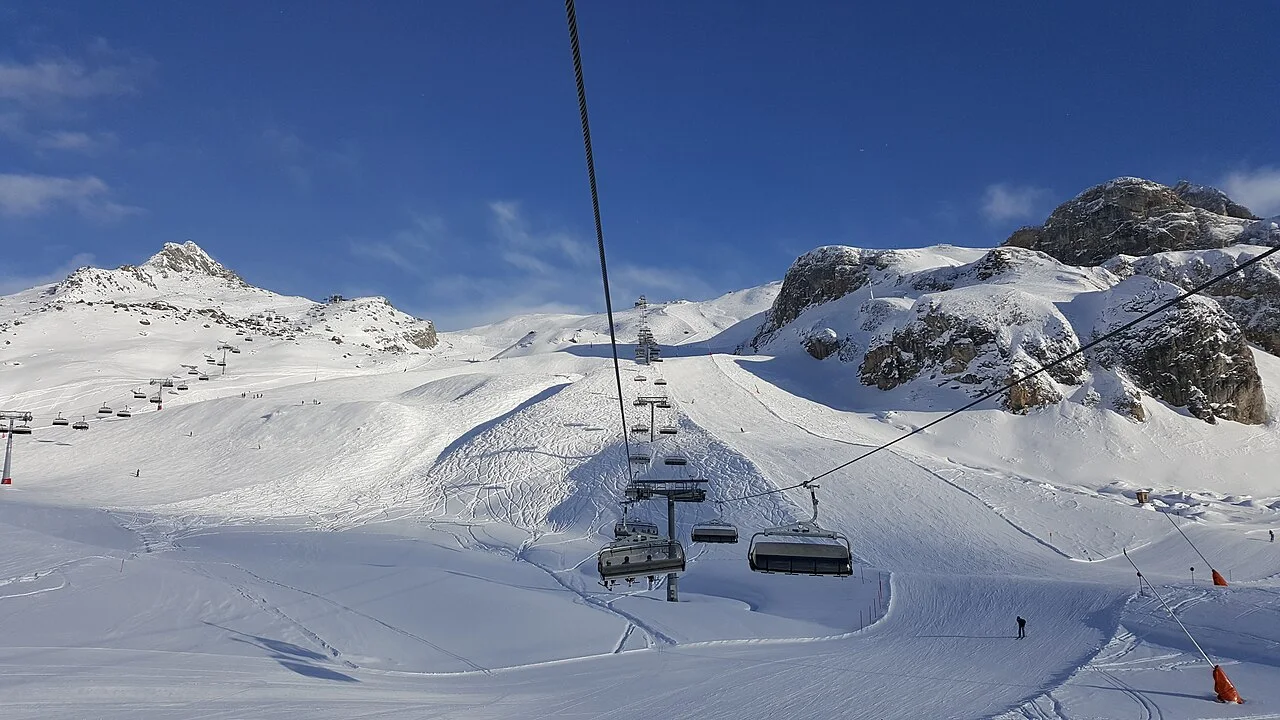
The scheduled season runs from 26 November 2026 to 2 May 2027, but opening-day and spring terrain can be restricted. The resort’s snow depths are measured each morning at stations including Idalp, Alp Trida and Samnaun Dorf; settlement and wind drift mean a headline depth does not establish piste readiness.
Before skiing, check open lifts and pistes on both sides of the border, the intended valley descent, wind exposure and the avalanche level. Cross-border circuits and high lifts such as Piz Val Gronda can remain closed even when the central Idalp sector is operating.
Plan it well: Check the live facility map after the morning update, then repeat before committing to Switzerland or remote freeride terrain.
Official Ischgl snow and avalanche report