
Mayrhofen city guide
10 things to do in Mayrhofen
Penken ski days, Ahorn views and Zillertal village walks, with glacier skiing and summer reservoir outings clearly separated.
Plan your visit
Mayrhofen works as a mountain holiday with a real village at its center. Penken and Ahorn offer different days above the valley, while the Zillertal railway and local buses connect other settlements. Choose outings around the season: a winter ski week is not the time to plan the Schlegeis reservoir road, and a cable-car ride does not turn a rocky summit into an easy walk. The regional places below are marked individually rather than presented as attractions within walking distance of the village.
1. Build a ski day around Penken
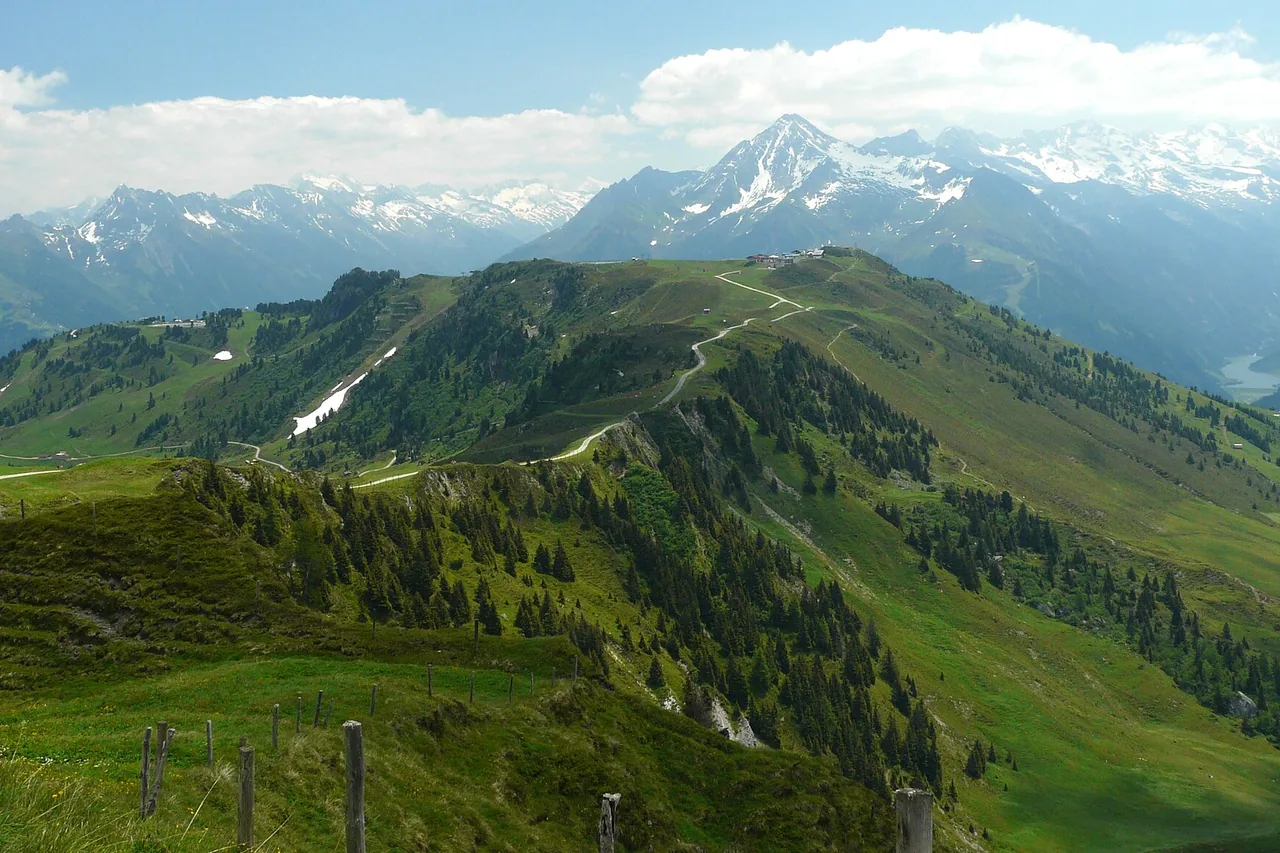
Penken is the natural starting point for a ski-focused visit to Mayrhofen. The lift from the village opens access to the wider mountain network, so first decide which marked runs suit everyone rather than choosing a distant lunch stop and improvising the route. Beginners should arrange lessons and confirm their meeting place; the famous steep terrain is not a compulsory part of the day. The mountain photograph shows the landscape above the village, not a promise of snow conditions for your dates.
In the green season, the same mountain becomes a different outing, with walking, biking and views replacing piste travel. Check the operator's current lift operation and the particular route you intend to use. A sightseeing ticket and a ski pass are different products, and a mountain summit pin is not directions to the Penkenbahn boarding point. Leave enough margin for the descent before the last lift, especially when combining this sector with other lifts or a booked activity.
Plan it well: Use the current piste map for a ski route and the summer route map for a walking day.
Official visitor information2. Look toward Ahornspitze from the Ahorn mountain
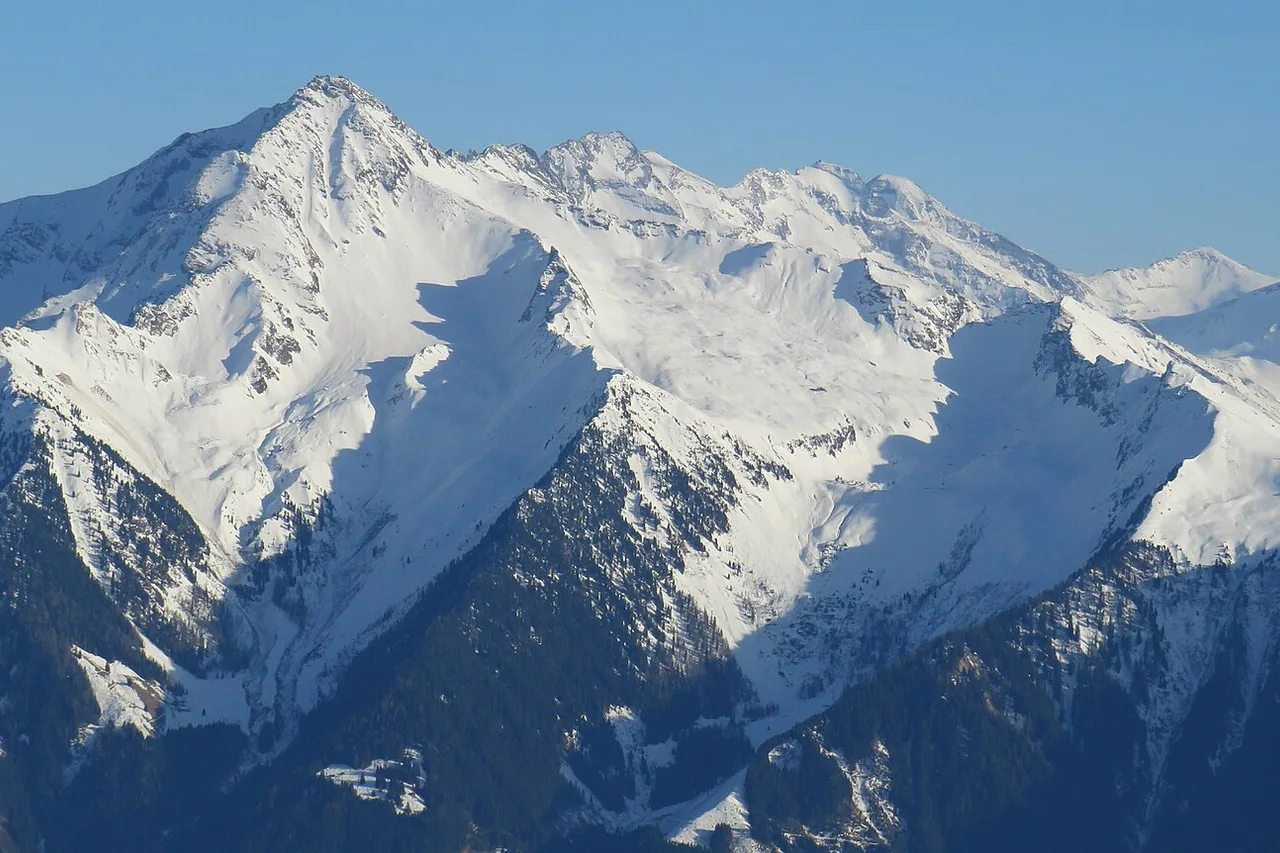
Ahorn gives Mayrhofen another mountain perspective, with Ahornspitze rising beyond the lift-served area. A ride up can anchor a day of views and appropriately chosen activities without attempting that summit. The distinction matters: the map identifies Ahornspitze as the visible mountain landmark, while the cable car reaches the Ahorn plateau, not the top of the peak. Choose the operator's maintained visitor routes and facilities for an introductory mountain day, and match any longer walk to your experience.
Winter skiing and summer walking use this landscape in very different ways. Before leaving the village, check which lifts, visitor facilities and paths are operating, then carry layers appropriate to exposed mountain weather. Do not follow a summer hiking description across snow or assume the downhill ski route is a pedestrian return. Ahornspitze itself is a separate mountain objective requiring suitable preparation; simply enjoying the mountain from the visitor area is a complete outing and a better choice for many first visits.
Plan it well: The pin is Ahornspitze; board the Ahornbahn in Mayrhofen for the lift-served plateau.
Official visitor information3. Make time for Mayrhofen itself
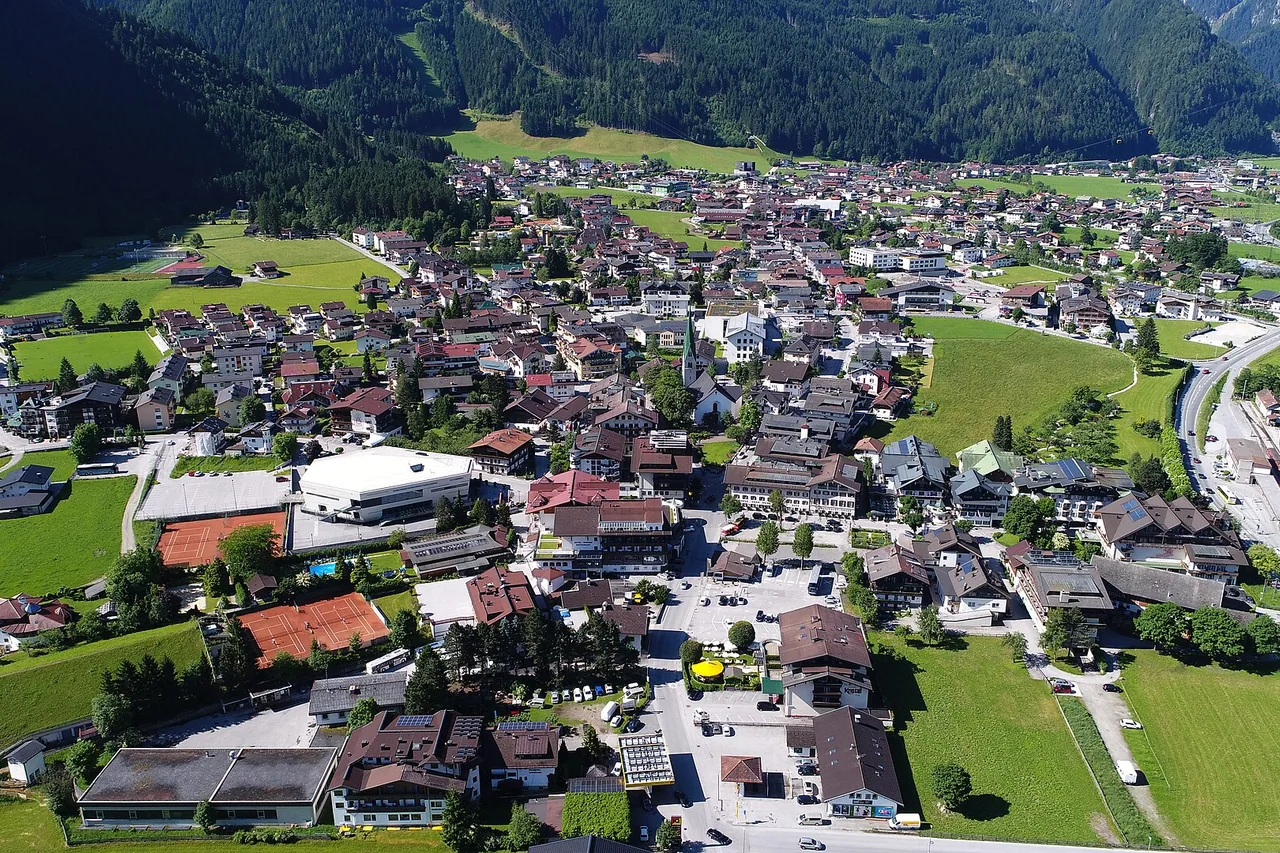
Mayrhofen is more than the place where you collect rental equipment. A village walk gives context to the traditional buildings, churches and everyday services between the railway terminus and the mountain-lift end of town. Use arrival day to find the actual route from your accommodation to the lift you will use, pick a dinner area and see how the village sits where several side valleys meet. This is also a useful lower-altitude alternative when mountain weather changes your plans.
Keep the walk flexible rather than treating every shop or restaurant as a scheduled stop. Accommodation advertised under Mayrhofen can lie outside the central streets or above the valley, and a pleasant walk in ordinary footwear is not necessarily convenient in ski boots. The station is a helpful arrival landmark, but onward hotel access still needs checking. Combine the village with one mountain outing on a clear day rather than filling the first afternoon with transfers to several different valleys.
Plan it well: Confirm the hotel-to-lift route before reserving lessons or choosing a rental collection point.
Official visitor information4. Visit Finkenberg and its wooden bridge
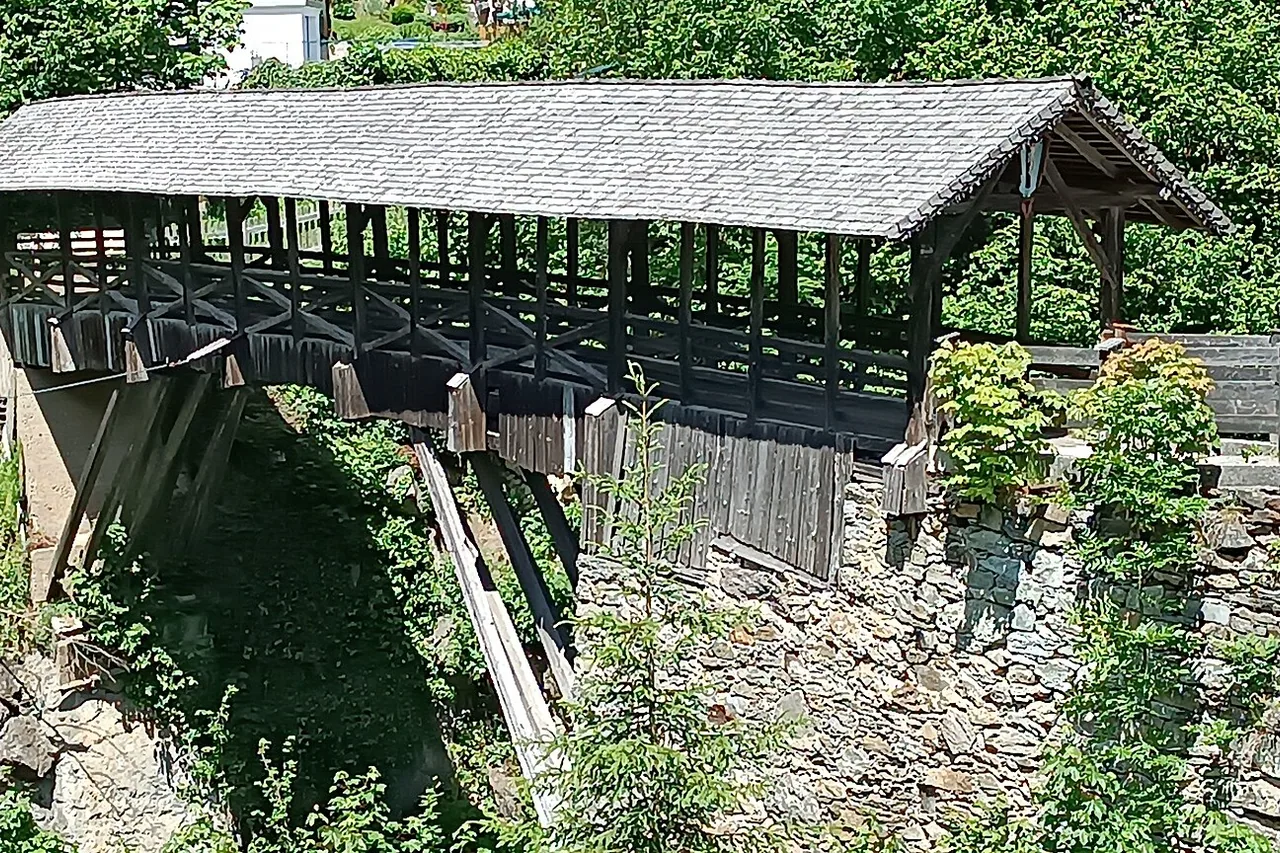
Finkenberg offers a neighboring village outing with a recognizable wooden landmark: the Teufelsbruecke over the gorge. Its traditional construction makes a good focus for a short visit, alongside a look at the village rather than another full mountain itinerary. Finkenberg is also a ski base in its own right, with lift access into the connected mountain area. Treat sightseeing around the village and a ski day from its lifts as separate plans, especially when traveling with non-skiers.
Use the current Tux-Finkenberg visitor information and local bus plan to organize the journey from Mayrhofen. The map marks Finkenberg, not the bridge entrance; confirm the final walking approach and current access locally. Footpaths beside steep terrain can be affected by snow or ice, so a photograph of the bridge does not establish year-round walking conditions. This is an appealing quieter stop, but there is no reason to combine it with every village farther along the Tux valley in one afternoon.
Plan it well: The photograph shows Teufelsbruecke in Finkenberg; the village pin is only an orientation point.
Official visitor information5. Explore Ginzling and the Nature Park House
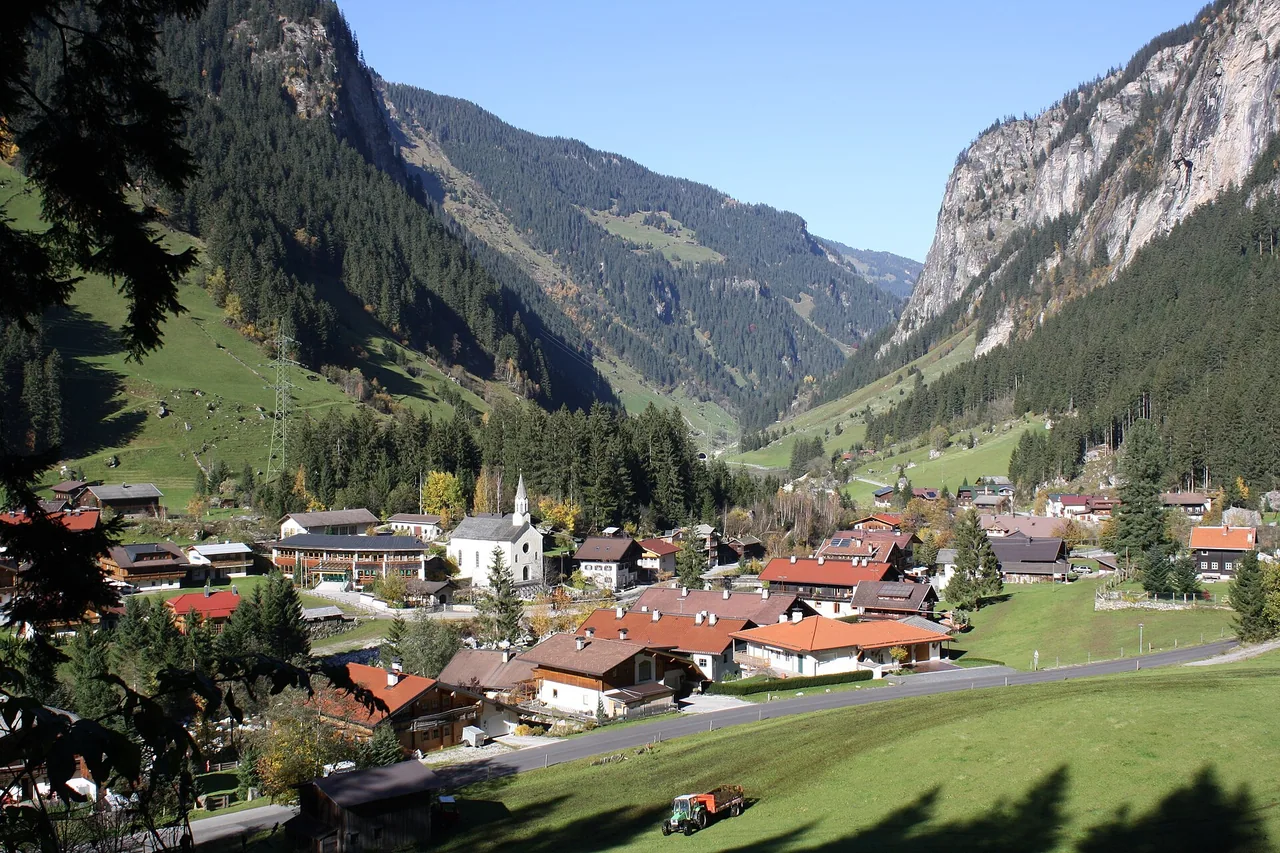
Ginzling is a mountaineering village rather than another large ski-lift base. Its Nature Park House provides a useful introduction to the Zillertal Alps, including the Hidden Treasures exhibition about minerals and the people who searched for them. Start there before choosing a local walk: the park team can explain suitable routes and the landscape beyond the village. The settlement itself makes a worthwhile change of pace from Mayrhofen's busier central streets, particularly for a nature-focused day away from the pistes.
Travel here as a side-valley outing and check the return transport before committing to a longer activity. Museum operation varies with the season and public holidays, while mountain huts and trails have their own conditions. A village visit does not require a challenging ascent, and the existence of climbing areas nearby is not a recommendation to use them without the right skills. In winter, keep to locally confirmed visitor options instead of adopting a summer route into the high mountains.
Plan it well: Dornauberg-Ginzling is the combined village name used for the map location.
Official visitor information6. Save Schlegeis for the open-road season
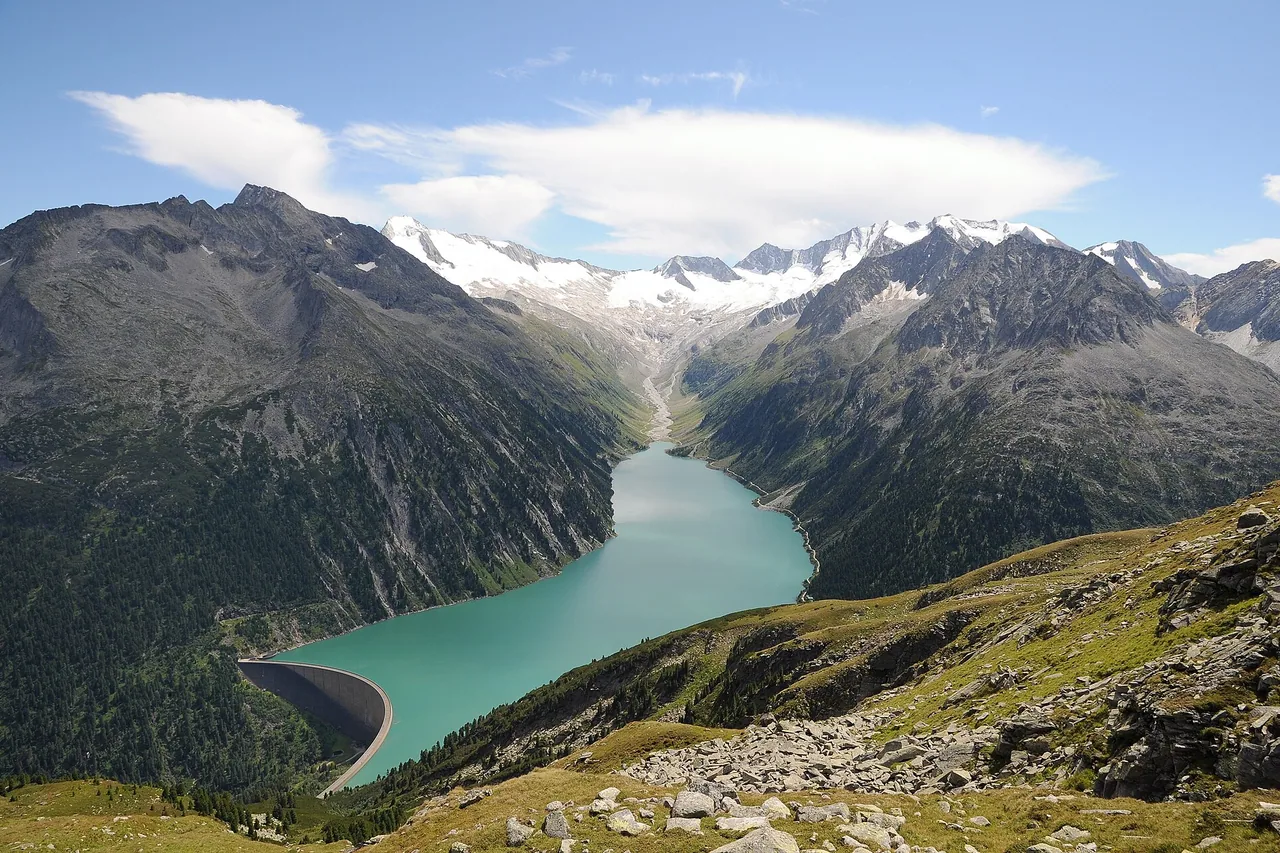
The Schlegeis reservoir brings a dramatically different scale to a summer stay: a high mountain lake held behind a substantial hydropower dam. The approach through the side valley is part of the outing, not a quick extension of a central village walk. Use the reservoir operator's visitor information to decide between a shore-side visit, a booked dam experience and a separately planned mountain walk. The surrounding peaks are impressive from the visitor area without adding an ambitious trail to the day.
The access road is seasonal and subject to mountain conditions. Do not include this excursion in a winter ski itinerary or assume the reservoir bus operates whenever buses reach Ginzling. Check the operator's opening information and the current seasonal public transport, with a return journey arranged before departure. The map pin marks the reservoir rather than the car park or a hiking trailhead. Stay on visitor routes and respect infrastructure restrictions; a dam landscape is not a general invitation to walk wherever the water is visible.
Plan it well: This is a summer-season excursion, not a winter transfer route.
Official visitor information7. Plan a separate Hintertux Glacier day
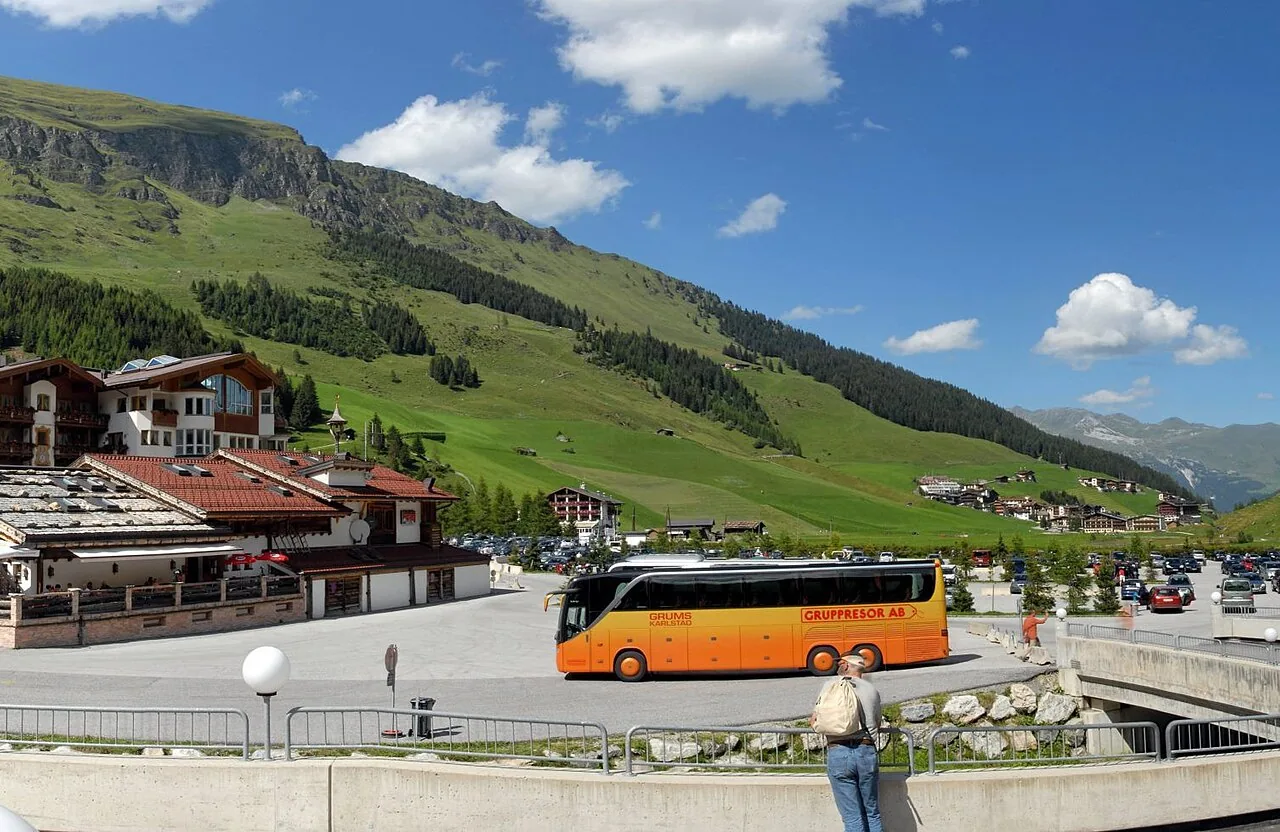
Hintertux Glacier adds a high-altitude mountain day beyond Mayrhofen's own lift bases. Skiers should consult the glacier operator's open lifts and pistes before choosing it as an extra day, while non-skiers should check the sightseeing options and ticket arrangements individually. The glacier is not connected to Mayrhofen by a continuous piste journey from your hotel. Travel up the Tux valley first, then use the operating mountain lifts for the experience that fits the group.
Weather, altitude and lift operation matter more here than a generic promise of glacier snow. Carry warm layers even outside midwinter and decide whether everyone is comfortable with the exposed setting. Avoid walking onto glacier ice or following ski tracks as a sightseeing route. Book any specialist activities through the operator and allow time for the full return to the valley. A separate, well-planned visit is more useful than trying to squeeze the glacier between other Zillertal attractions on arrival day.
Plan it well: The photograph shows the valley lift base. Check the glacier report and the bus return, not only the weather in Mayrhofen.
Official visitor information8. See the quieter village of Brandberg
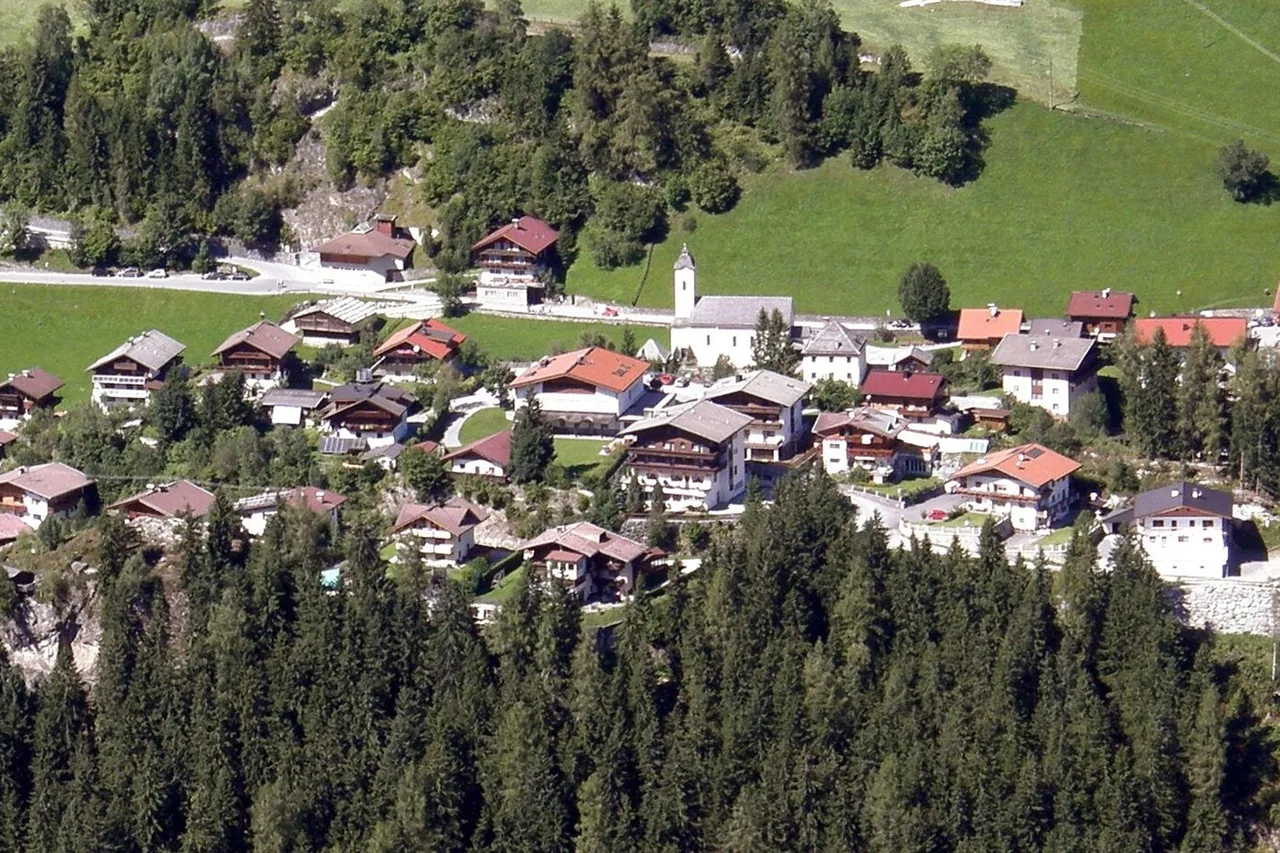
Brandberg offers a village perspective above the main valley rather than another busy resort center. Traditional buildings and the open mountain setting make it a useful contrast to Mayrhofen's main streets. Visit when a slower look at the region is the aim, taking a locally recommended village route rather than setting off toward an unplanned summit. Its tourism identity is tied to the landscape and rural settlement, which is a different experience from a day centered on cable cars and ski rentals.
The higher position is also a practical distinction. Do not assume that a hotel or a walk carrying the Mayrhofen regional label is on the same level as the railway terminus. Check the road or bus approach and the condition of the final pedestrian route, particularly in snow. Choose Brandberg as a deliberate quiet outing, not as a shortcut between the ski lifts. If the mountain forecast is poor, ask locally whether a village visit remains appropriate rather than relying on the appearance of a sunny photograph.
Plan it well: Brandberg is a separate elevated village; its pin is not a Mayrhofen lift entrance.
Official visitor information9. Spend an unhurried afternoon in Hippach
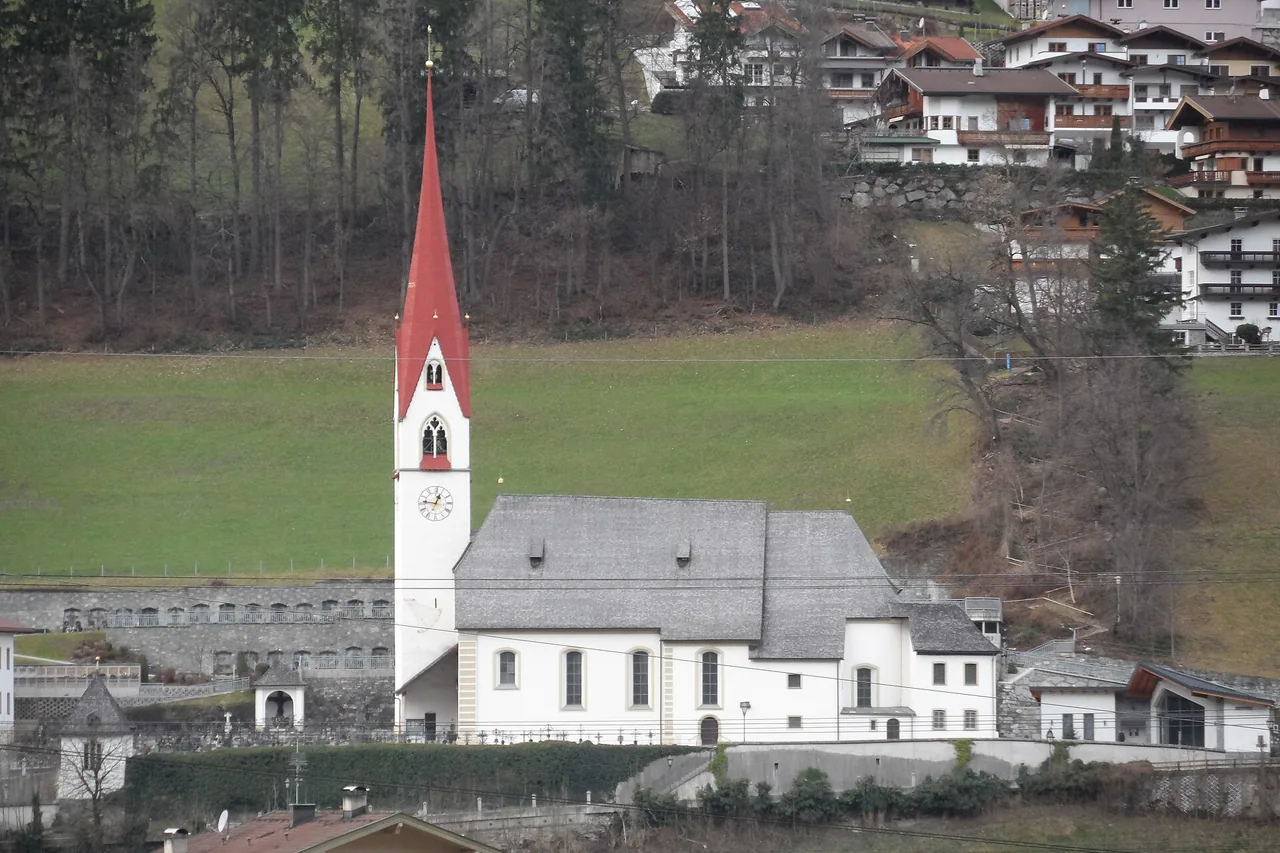
Hippach is a useful reminder that the holiday region contains several real villages, not a single continuous resort. Its church and surrounding streets provide a straightforward focus for a slower afternoon, with the mountains framing the valley rather than dictating an ascent. The local tourism board also connects the area with the Strasser singers and the spread of Silent Night. For a first visit, a village walk is enough; a specific heritage exhibition should be checked separately before building the whole outing around it.
Use the railway and bus operators' current journey information to choose an arrival point and final walk. Hippach, Ramsau and Schwendau sit close together but are not interchangeable hotel addresses, and a hillside property can change the effort involved considerably. This outing fits best alongside a short valley journey or a restful afternoon, not as an obligatory addition after an exhausting ski day. In winter, ask about cleared walking routes and avoid assuming riverside or hillside summer paths are maintained for pedestrians.
Plan it well: Use Ramsau-Hippach station as a transport reference only after checking the final walk.
Official visitor information10. Take a valley outing to Zell am Ziller
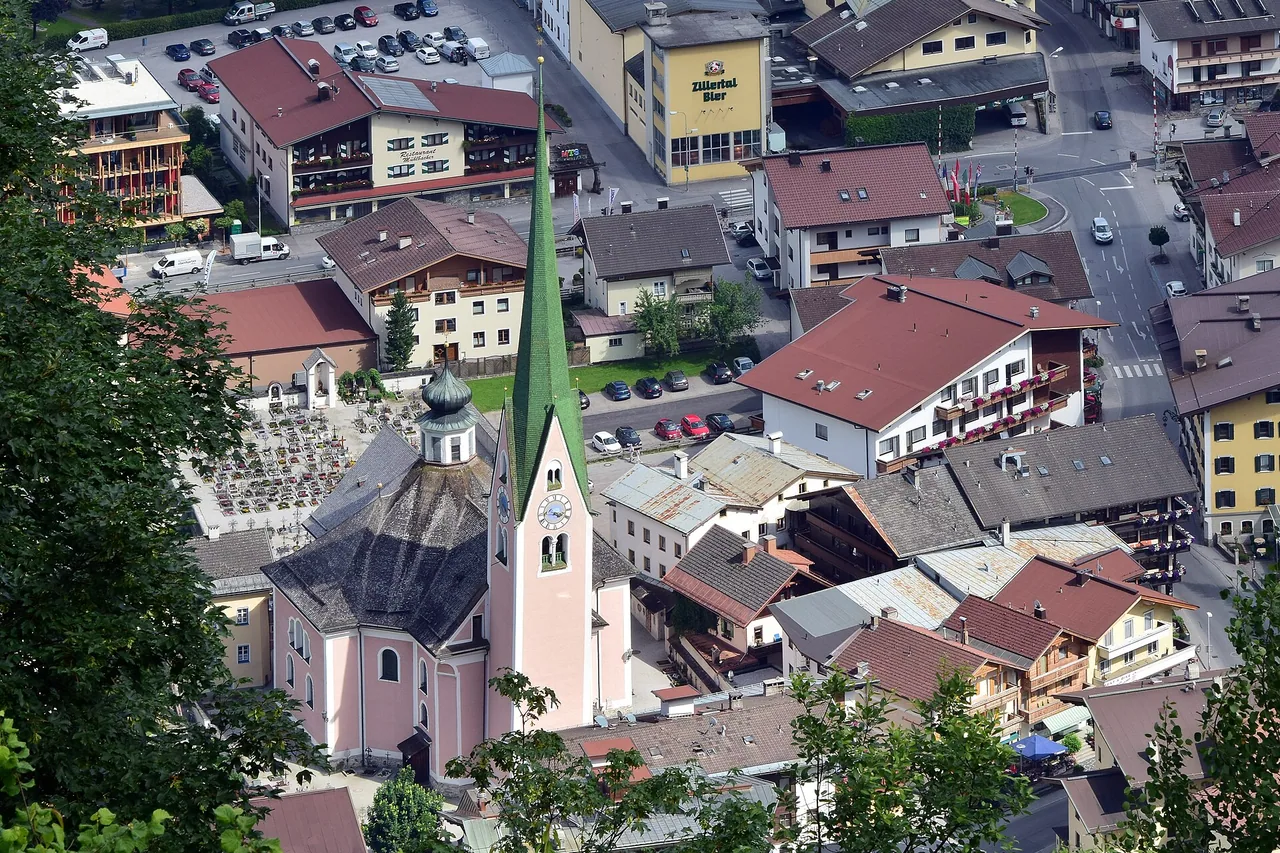
Zell am Ziller makes a sensible railway-led outing when you want to see more of the valley without planning another high mountain ascent. A look around the town and its parish church provides a clear focus, with local food or a leisurely walk chosen according to conditions. Zell also serves the Zillertal Arena, a different ski area from Mayrhofen's mountain bases. That makes it useful to understand geographically, even if your visit is simply a town afternoon rather than an additional ski day.
Check the current Zillertalbahn timetable and the route between the station and your intended stops. A rail arrival in Zell does not mean the ski lifts or every recreation facility are immediately at the platform. Do not confuse a shared valley ticket arrangement with a continuous piste connection from Mayrhofen. Keep the return journey uncomplicated and leave a margin before your last convenient train. The town outing can suit a mixed group well, while skiers considering the Arena should research its own lift map and ticket coverage.
Plan it well: Zell is a separate valley town and ski gateway, not a district of Mayrhofen.
Official visitor informationA flexible three-day start
Choose one substantial mountain outing per day and keep the third day flexible for conditions.
Day 1: village and Penken
Find your lift and lesson meeting point, then use suitable open pistes or a seasonal sightseeing route. Finish in Mayrhofen.
Day 2: Ahorn or Hintertux
Choose the closer Ahorn visitor area or a separately planned glacier excursion. Do not attempt both as a rushed checklist.
Day 3: a village or seasonal reservoir
Visit Hippach or Ginzling. In the open-road season, Schlegeis can replace this with a longer, preplanned outing.
Transport and mountain planning
Recheck operations for your travel dates rather than using a previous winter timetable.
Rail and onward travel
Use Zillertalbahn for the valley journey and check the onward bus or walk to the actual hotel.
ZillertalbahnSummer is not winter
Schlegeis road access and high walking routes are seasonal; use current local information.
Match the activity to the group
Book lessons where needed, follow open marked pistes and use qualified guidance for specialist mountain travel.
Choose a real base
Check the lift entrance, bus stop and evening return for the property, not only its regional address.
Find hotels in Mayrhofen
Compare central Mayrhofen for village services, Finkenberg for its own lift access, and Hippach or Ramsau for a quieter valley base. Ginzling is a nature-oriented side-valley choice, not a substitute for a hotel beside the main lifts. Check exact location, ski storage, meal arrangements and transfer details before choosing.
Explore Mayrhofen hotels