
Salzburg city guide
10 things to do in Salzburg
Fortress viewpoints, Mozart’s early home and gardens beyond the river: discover Salzburg through music, church history and a little room between museums.
Plan your visit
Salzburg’s old centre is compact, but its hills and museum collections ask you to slow down. Start with the fortress or one substantial indoor visit, then use the river and gardens to vary the pace. Hellbrunn belongs to a separate outing south of the centre; a concert belongs to the evening only when the programme genuinely interests you. You do not need a ticket for every famous name to have a satisfying first visit.
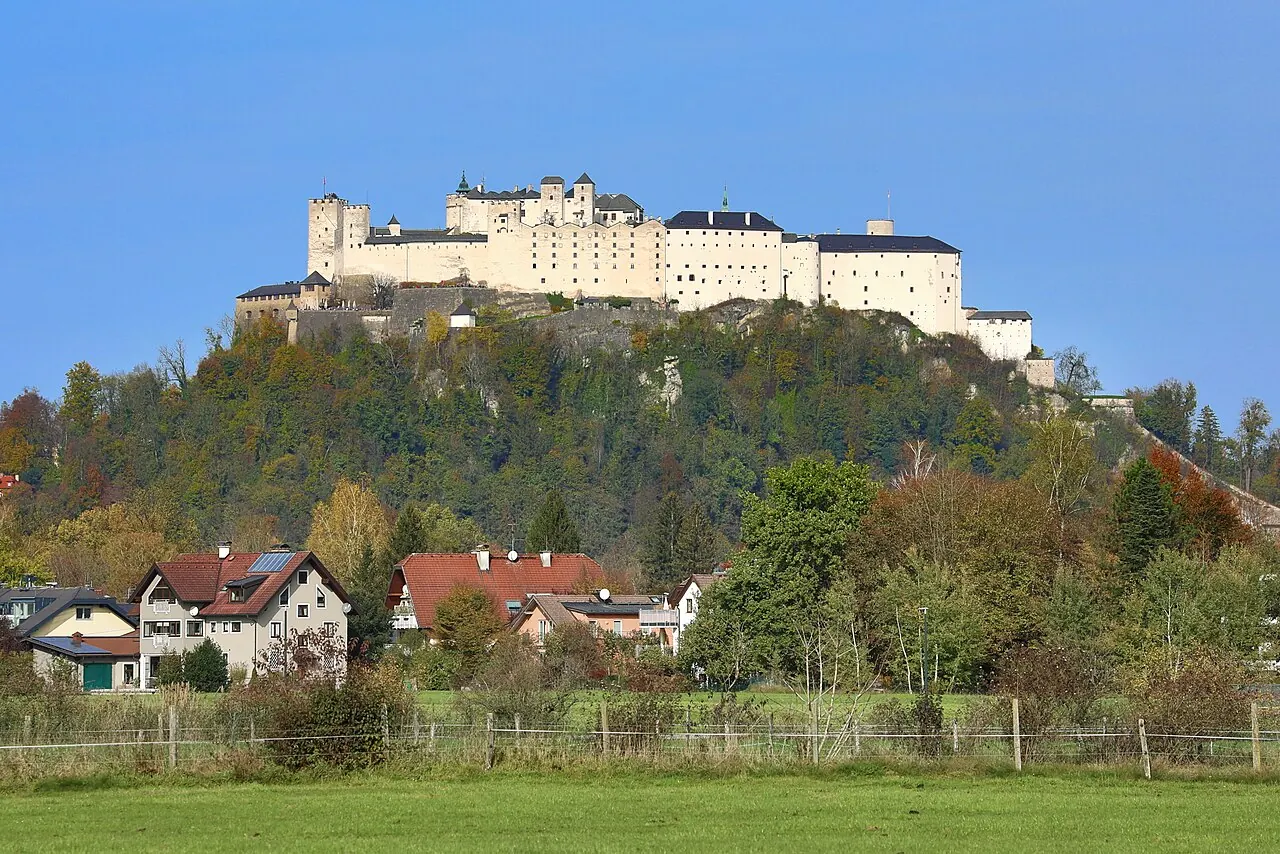
Give Hohensalzburg Fortress the main part of your morning
Hohensalzburg is the landmark that keeps appearing above Salzburg’s streets, but it is worth approaching as a place rather than just a skyline. Its courtyards, defensive structures and museum rooms explain the authority of the prince-archbishops who shaped the city below. Begin with the views to establish the relationship between river, old centre and surrounding hills, then choose the indoor collections that interest you instead of racing through the entire complex.
The fortress offers different ticket categories and separate options involving the funicular or the walking approach. Read the inclusions carefully if the prince’s rooms are your priority; a cheaper ticket need not cover every interior. A funicular journey also does not make all historic rooms step-free. Give yourself an unhurried descent towards Kapitelplatz, and reserve the afternoon for streets or gardens rather than immediately adding another large museum.
Plan it well: Compare the specific rooms and transport included in your ticket, and check accessibility for the interiors you intend to see.
Salzburg tourism fortress informationWalk through Mirabell’s garden perspectives
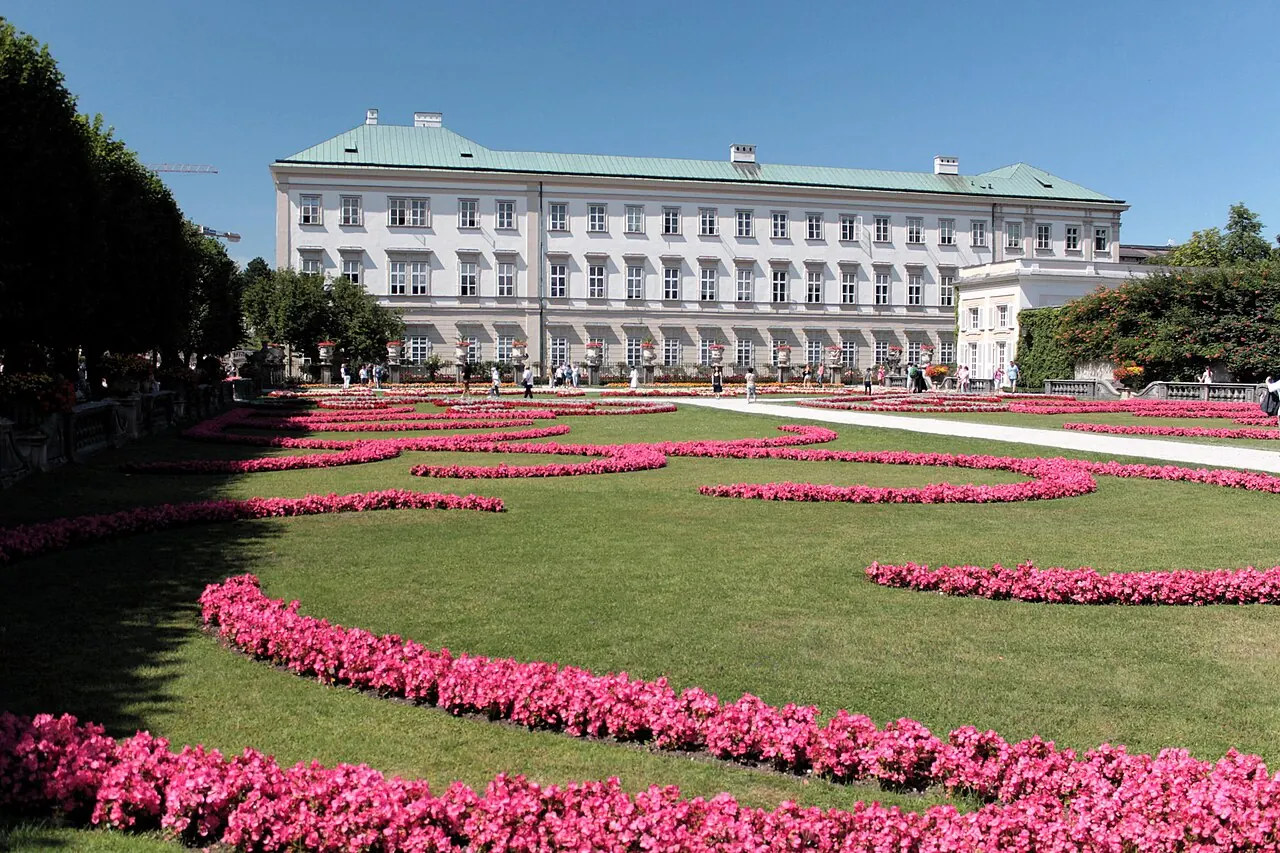
Mirabell’s gardens are more than a pause beside a palace. Their formal planting and deliberate sightlines connect this side of the river with the cathedral and fortress, giving you a different way to read the city. Look along the central axes before wandering towards the side gardens. Film associations bring many visitors, but the landscape design remains interesting even if you have no intention of recreating a Sound of Music scene.
Keep a garden walk separate from plans for the palace interior. Parts of the building serve the city administration, and ceremonial use can affect access to the Marble Hall. Some garden areas close in winter, so choose your route according to the signs rather than an all-season photograph. This is an effective first stop when arriving from the station side, followed by a river crossing and Getreidegasse, with a cafe break before a booked museum.
Plan it well: The palace is not an unrestricted house tour. Verify Marble Hall access and winter closures before making them central to the day.
Salzburg tourism Mirabell informationMeet the young Mozart at his birthplace
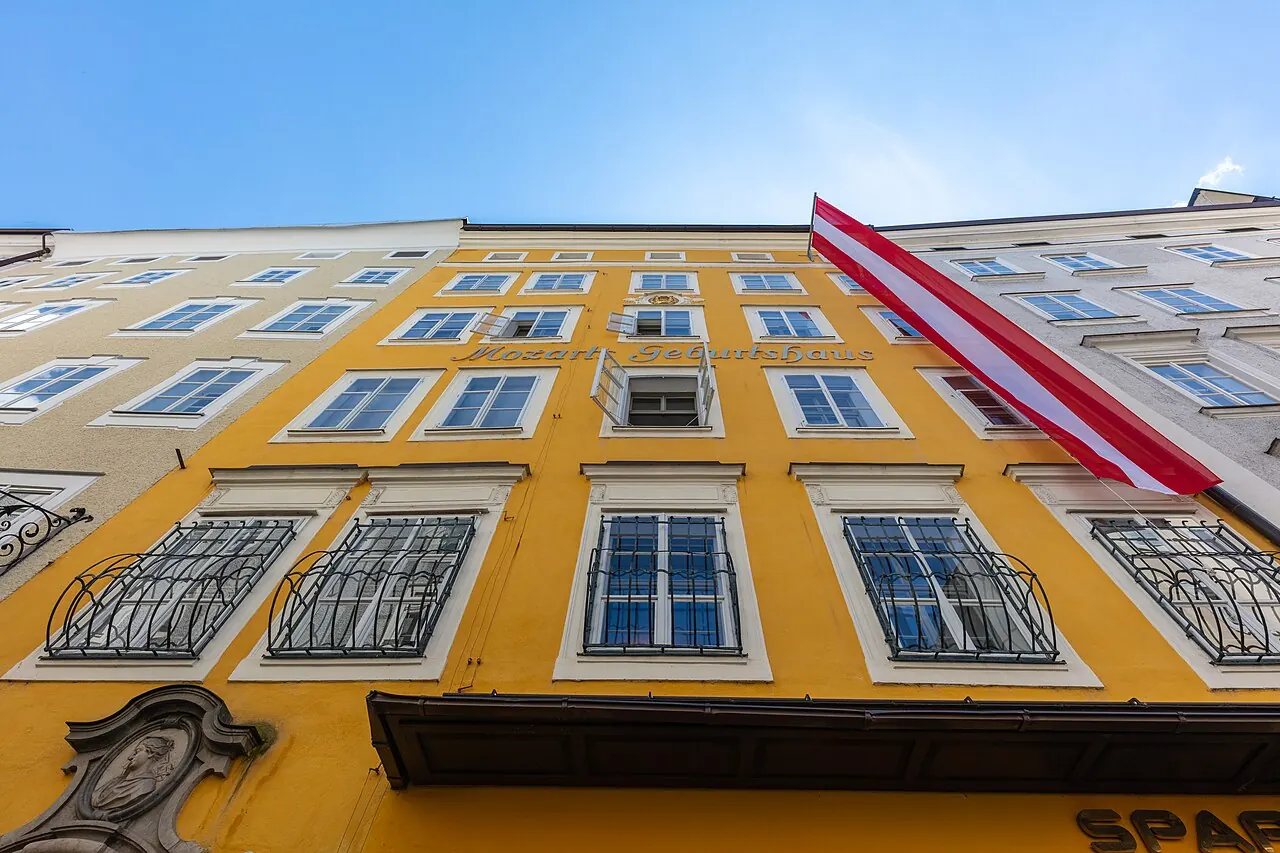
Mozart’s yellow-fronted birthplace brings a celebrated name back to the scale of a family home. Choose this museum if you want the beginning of the composer’s story rather than a broad musical survey. Looking at the rooms and objects in context is more rewarding than treating the address as a quick stop for its sign. The surrounding Getreidegasse also helps explain why an upstairs museum needs more thought than the busy pedestrian street suggests.
Do not confuse the birthplace with the Mozart Residence on the other side of the river: they are different museums and have different access arrangements. The foundation explicitly says the birthplace is not wheelchair-accessible for architectural reasons, whereas the residence is accessible. Check baggage rules before visiting on an arrival or departure day. Pair the museum with a slow walk through nearby passages, and choose an evening concert by its actual programme rather than expecting a performance to be included with museum admission.
Plan it well: The birthplace and Mozart Residence are separate venues. Use the foundation’s access guidance, especially for wheelchair or luggage planning.
Mozarteum museum visitor informationLook up inside Salzburg Cathedral
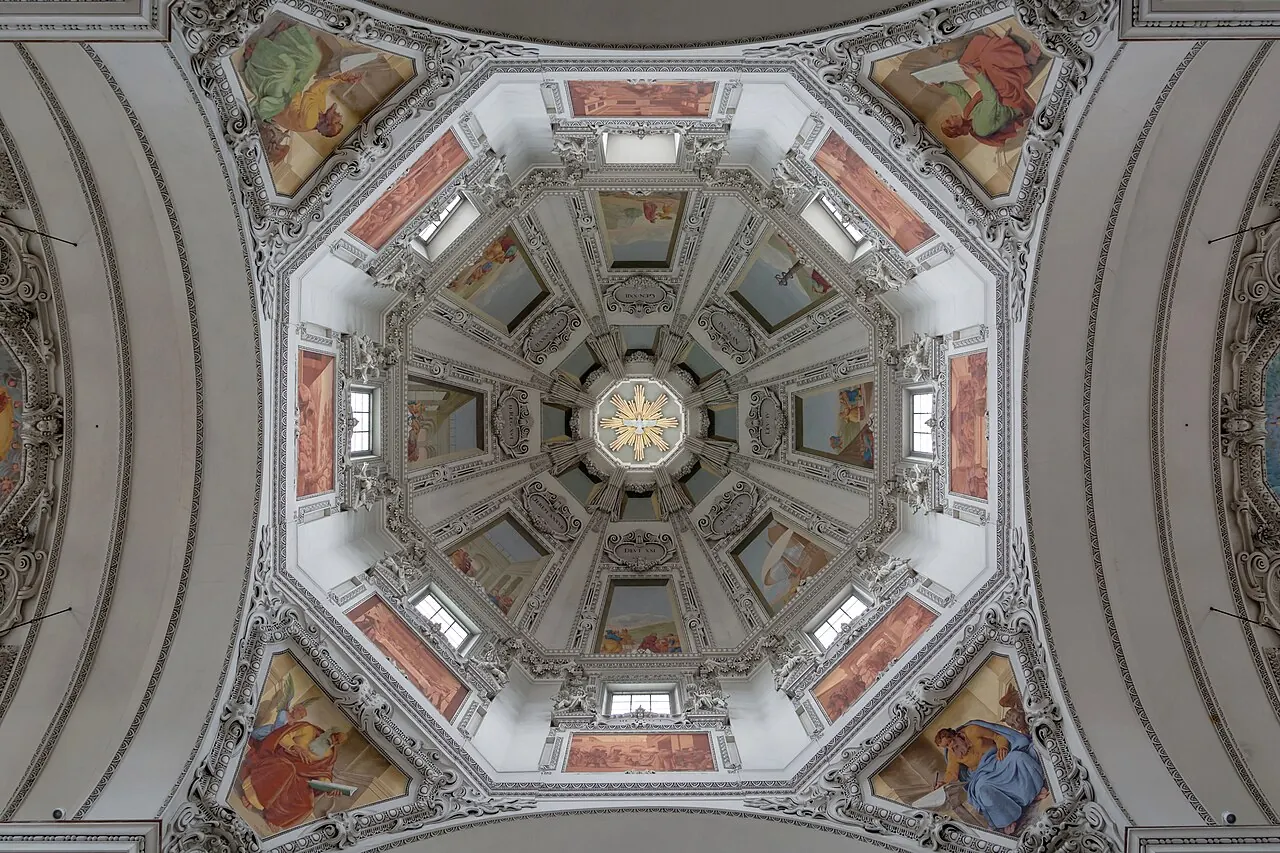
The cathedral is an anchor for understanding Salzburg’s religious and civic centre. Its marble facade prepares you for a generous Baroque interior, where looking upwards at the dome and vaults is as important as studying objects at eye level. The baptismal font links the building to Mozart, but give the surrounding space attention too. Step back outside afterwards to see how Domplatz and the neighbouring squares frame the church as part of a larger ensemble.
Visitor entry, worship and organised musical experiences are not interchangeable. The tourism office states that sightseeing admission is charged; do not rely on older guides describing every visit as free. If you want an organ event or a guided tour, consult the cathedral’s current programme and arrangements. The DomQuartier offers another perspective on parts of this complex, but buying one experience is not a reason to assume every cathedral or museum area is included.
Plan it well: Check the current sightseeing admission and service calendar; an organ programme is a specific event, not a guaranteed part of any arrival.
Salzburg tourism cathedral informationSet aside a separate outing for Hellbrunn
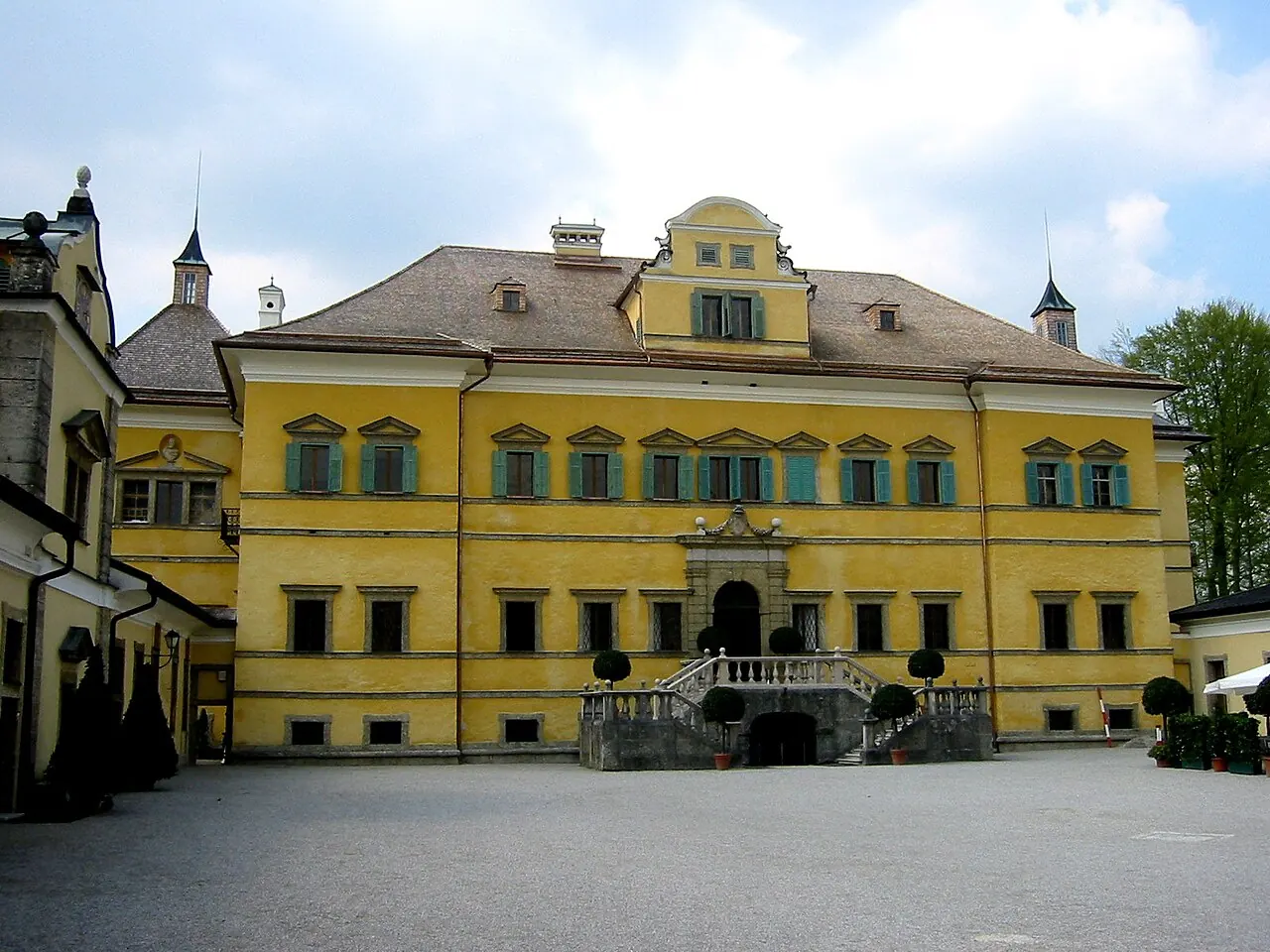
Hellbrunn changes the subject from defensive power to princely entertainment. The summer palace and its trick fountains use water, grottos and unexpected effects to make architecture playful, so this is a good choice when another serious museum would feel repetitive. Explore the displays as their own experience rather than focusing only on a famous film connection. The park also gives the visit a different rhythm from the tightly built streets around Salzburg’s cathedral.
Plan the journey south of the centre as part of the outing and check the current seasonal operation of the palace and fountains. Garden access and the paid attractions are different decisions. The official mobile audio guide supports a self-paced visit; downloading its tracks can reduce dependence on a connection while exploring. Expect the possibility of splashes and protect cameras and phones accordingly. Leave room for the park afterwards instead of rushing back for another timed appointment in the old centre.
Plan it well: Check the fountain season and download any audio tracks you want before entering; water effects can catch visitors and electronics by surprise.
Hellbrunn official visitor informationNotice the church and cemetery at St Peter’s
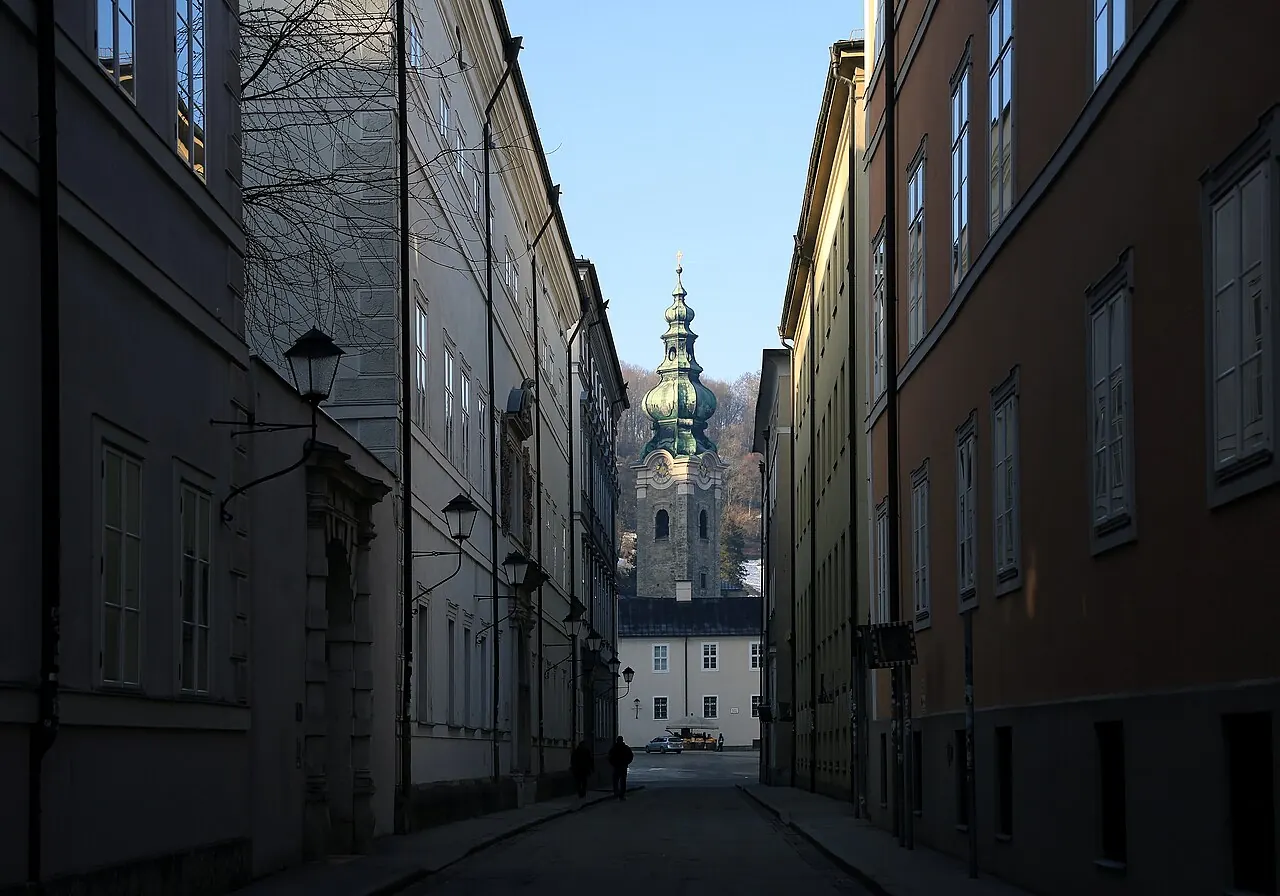
St Peter’s brings church, monastery and cemetery into close contact with the rock beneath the fortress. It is a useful place to pause after the broad cathedral squares and notice smaller architectural details. Walk through the publicly accessible areas without treating every doorway as part of a museum route. The cemetery’s setting explains why it draws visitors, but it remains a place of remembrance, not simply a picturesque shortcut towards the hill.
If you want the cliffside catacombs, check their own admission and opening arrangements rather than assuming the church visit includes them. The rock-cut spaces are a different physical experience from the ground-level church and can involve steps. Give the district enough time to look and reflect, then continue towards the fortress or choose a meal nearby. Keep music or service plans tied to the current programme, and avoid standing in the way of worshippers while studying the interior.
Plan it well: Catacomb entry is a separate choice; check access and steps before buying, and keep the cemetery quiet.
Salzburg tourism St Peter’s AbbeyExplore Getreidegasse beyond the shop windows
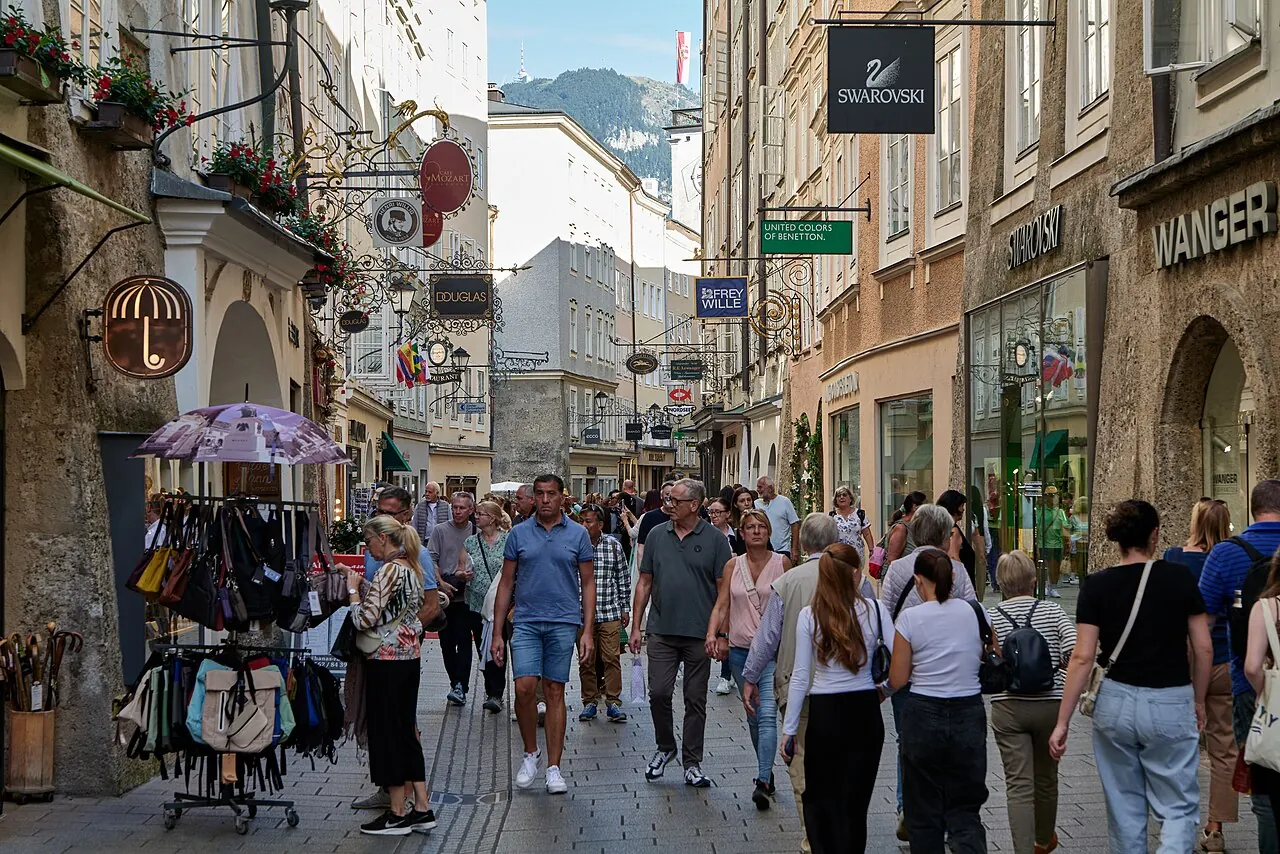
Getreidegasse is busiest at pavement level, but much of its interest is overhead or just behind the street. Look at the projecting signs, upper windows and old doorways before deciding which shops deserve a stop. Mozart’s birthplace is one address within a larger urban setting, so a museum reservation need not turn the rest of the street into a waiting area. The narrow proportions are best appreciated at a walking pace.
Look for the public through-house passages linking parallel streets and University Square; these offer a more detailed view than repeatedly walking the main shopping stretch. Respect any private entrances and opening restrictions instead of assuming every courtyard is a public shortcut. Give yourself time for a bakery or cafe stop, and use the street to connect the river with the cathedral district. Shopping hours are separate from the ability to walk through the neighbourhood, particularly on Sundays and holidays.
Plan it well: Explore marked public passages, not unmarked private courtyards; the street and its shops do not share one opening schedule.
Salzburg tourism GetreidegasseFollow the prince-archbishops through the DomQuartier
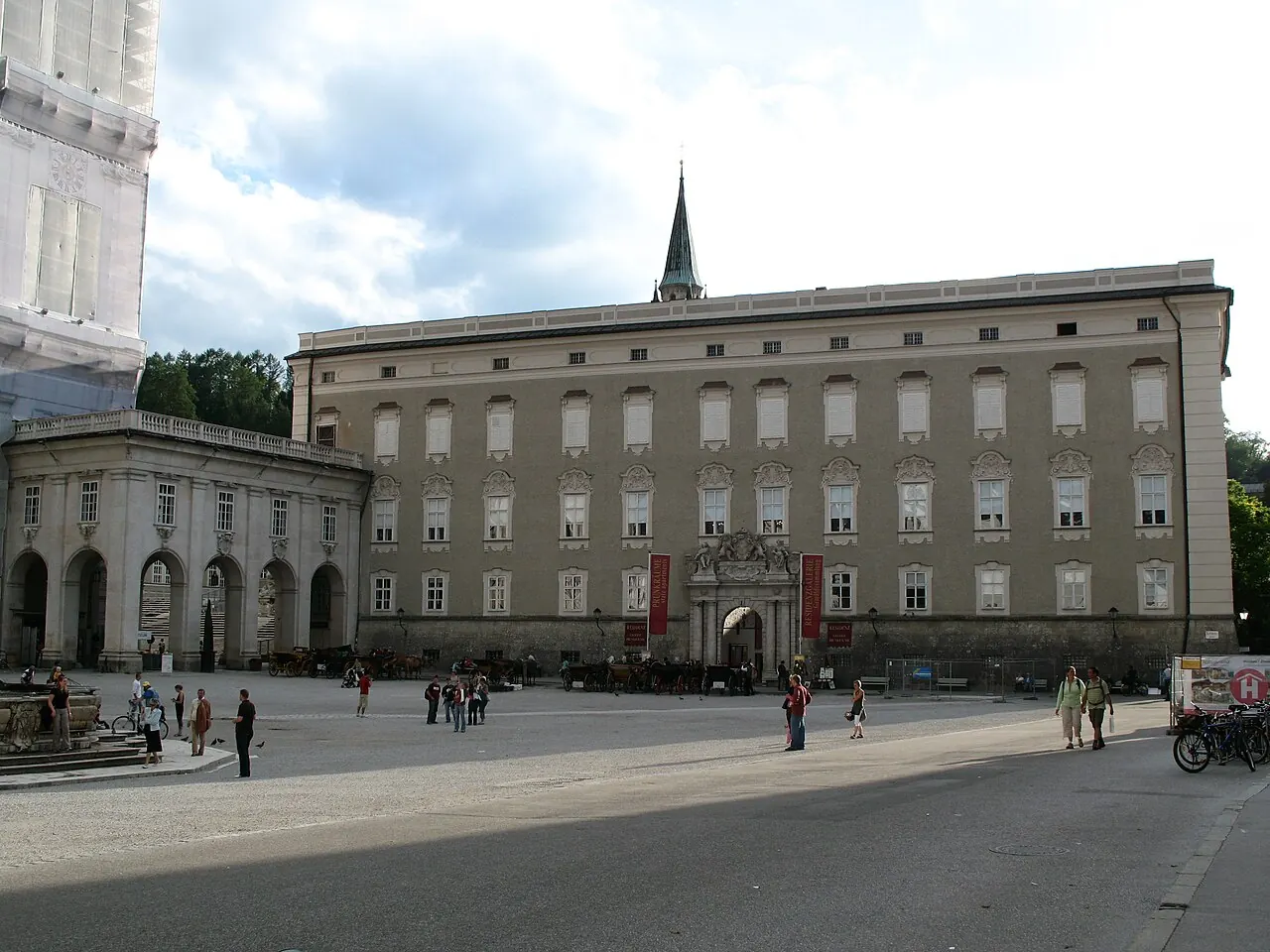
The DomQuartier makes sense when you want to understand how palace, church and collections formed one centre of power. Its connected museum route begins with the Residenz state rooms and brings together spaces that would be difficult to interpret as isolated attractions. The experience is about moving between settings as well as studying individual works. Let the scale and decoration of the rooms explain the ambitions of Salzburg’s former rulers.
Read the museum’s current route notices before purchasing, because temporary closures can alter what is accessible. At review, the official site flagged the Residenzgalerie as closed; check whether that remains the case for your dates. Do not promise yourself a particular gallery solely because it appears in a general guide. This visit can serve as your main wet-weather activity, with a shorter cathedral or square visit afterwards, rather than squeezing it between the fortress and another art museum.
Plan it well: Verify which galleries and route segments are open; the official site has a closure notice for the Residenzgalerie.
DomQuartier official route and visitor informationMake modern art a reason to climb the Monchsberg
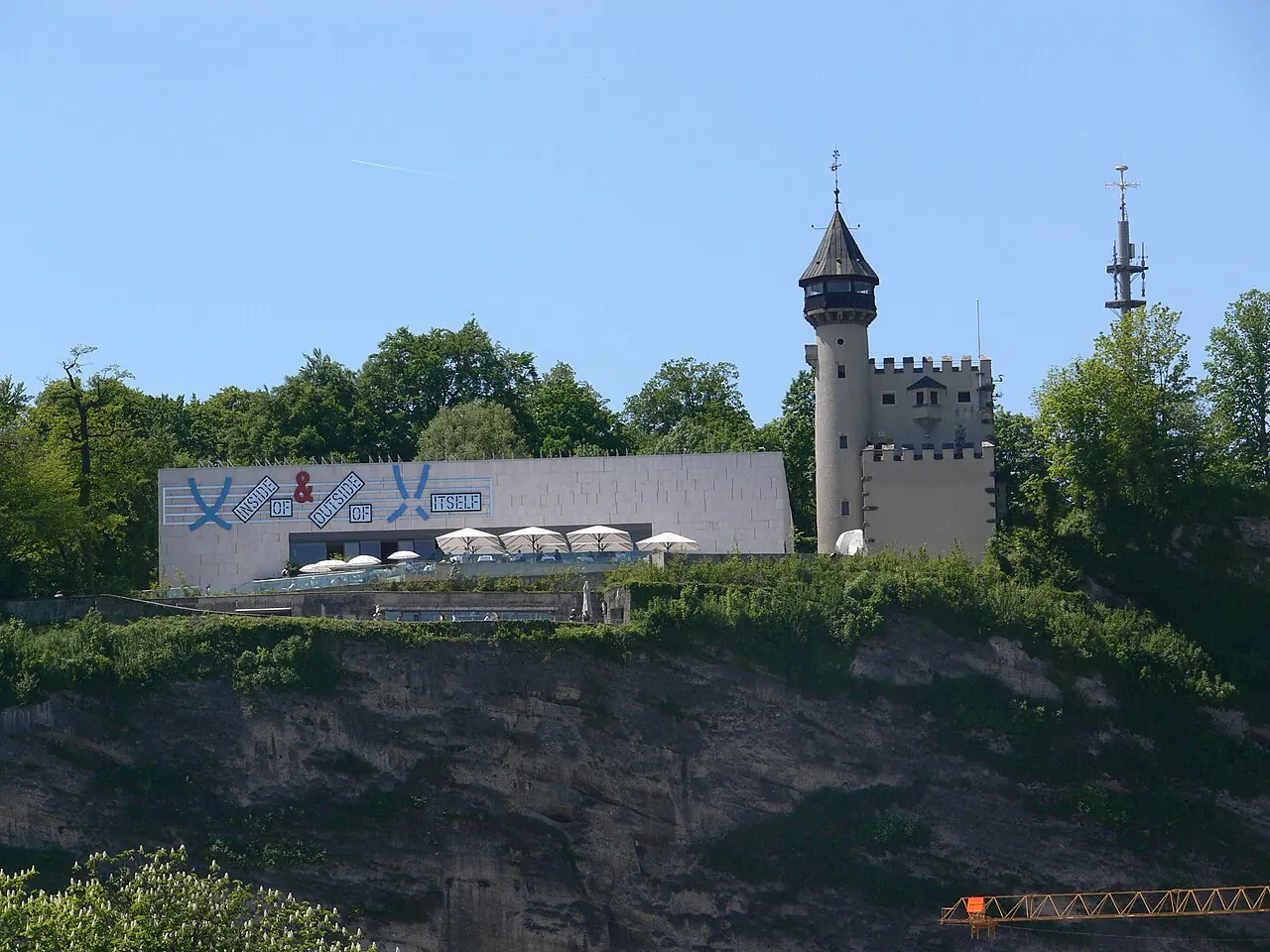
The Museum der Moderne gives Salzburg a contemporary counterpoint to palace rooms and Mozart memorabilia. Its Monchsberg building stands above the old centre, combining exhibition space with a view that makes the city’s dense historic fabric easier to understand. Choose it for the actual exhibitions as well as its position: contemporary art changes, and a current programme tells you more about the likely experience than a permanent list of famous works.
Be precise about the venue when navigating or booking. The institution also uses the Rupertinum in the Old Town, which is not the hilltop building shown here. Check whether your chosen ticket includes the Monchsberg lift and whether the exhibition calendar matches your travel dates. A walk on the hill can extend the outing when conditions suit, but avoid making a long outdoor route mandatory after a substantial gallery visit. Keep the panorama as a pause, not an excuse to rush the art.
Plan it well: Select the Monchsberg venue deliberately; the Rupertinum is a separate location, and lift-inclusive tickets need checking.
Museum der Moderne Monchsberg venueVisit Nonnberg as a living abbey
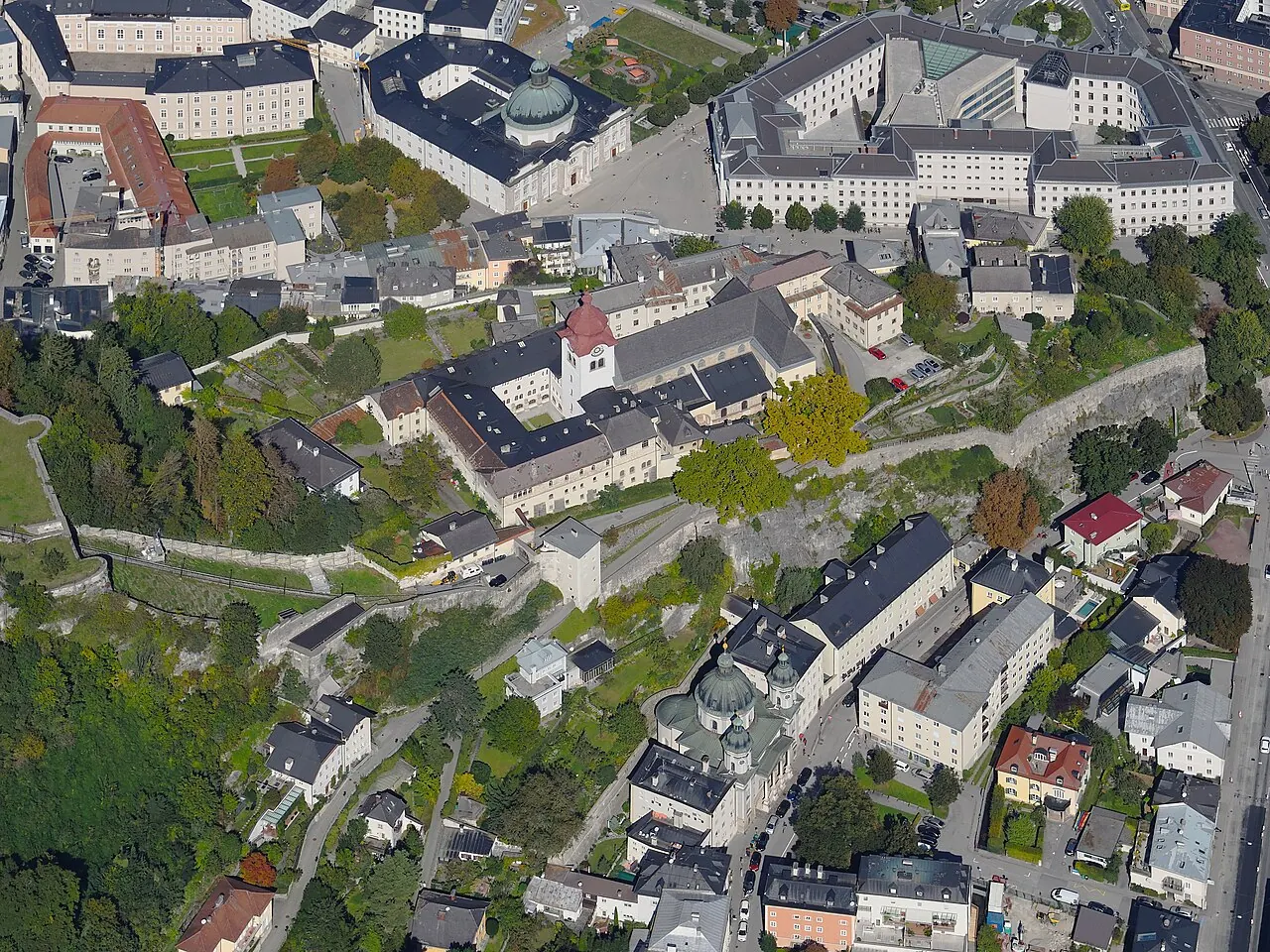
Nonnberg belongs to Salzburg’s hillside religious landscape, above the level of the busiest shopping streets. Its association with Maria von Trapp draws film enthusiasts, but the abbey is still a living Benedictine community and deserves a quieter approach. The church and the view towards the surrounding city make a worthwhile visit without any expectation of entering the enclosed convent. Notice how different this setting feels from the large public spaces around the cathedral.
Choose a daylight approach that fits your mobility and the weather, allowing for the climb rather than assuming a level Old Town stroll. If hearing the community’s singing matters to you, verify the current worship timetable with the official information and behave as a respectful listener. Services are not a staged tourist show. You can combine the abbey with the fortress area if your group wants more hillside walking, or keep it as a shorter morning visit before returning to the streets below.
Plan it well: The convent’s private spaces are not a visitor attraction. Verify church access and worship times, and allow for the uphill approach.
Salzburg tourism Nonnberg AbbeyHow to spend two days in Salzburg
Day one: the old centre and fortress
Choose Hohensalzburg as the main morning visit, then descend to St Peter’s and the cathedral squares. Explore Getreidegasse and its public passages in the afternoon, using a Mozart Birthplace booking only if it suits your interests and access needs. Keep the evening for a chosen concert or an unhurried meal.
Day two: gardens and a contrasting museum
Begin at Mirabell, then choose either Hellbrunn as a separate southern outing or the DomQuartier or Museum der Moderne as the day’s main indoor visit. Nonnberg is an optional hillside stop, not a requirement to fit all ten places into two days. These are editorial combinations, not timed walking routes.
Before you go
Check the exact Salzburg Card inclusions
Compare the attractions and transport you will actually use with the current card conditions. Do not treat a city card as proof that every special tour, concert or room is included.
Official Salzburg Card informationAllow for hills and historic interiors
A lift or funicular can reduce the climb without making every room accessible. Mozart’s Birthplace has a specific wheelchair-access restriction; verify individual venues rather than inferring access from the city map.
Keep the season in the plan
Hellbrunn’s palace and fountains operate seasonally, and parts of Mirabell’s gardens close in winter. Use the current official calendar and keep a museum alternative for unsuitable weather.
Choose a base for your Salzburg days
The left-bank Old Town is convenient for the cathedral, Getreidegasse and fortress approach, while the Mirabell and station side can simplify arrivals and river crossings. Check whether a hotel entrance involves a hill, restricted vehicle access or a walk with luggage. For festival dates, compare room availability alongside any performances you genuinely plan to attend.
Explore Salzburg hotels