
Vienna city guide
A romantic Vienna weekend: palaces, music and unhurried coffeehouses
Plan Vienna for two with Schönbrunn light, one focused art visit, historic coffeehouses, Ringstrasse walks, music and a green or wine-country pause.
Plan your visit
Vienna’s romantic character comes from contrast: imperial scale and intimate interiors, formal gardens and neighbourhood streets, a major concert and a long coffeehouse pause. The city rewards couples who choose a few cultural priorities rather than stacking palaces and museums. This guide uses public transport to connect Schönbrunn, the historic centre, art, parks and music while preserving time for conversation and the rituals that make Vienna distinctive.
Give each half-day one cultural centre
Vienna feels generous when each half-day has one anchor: Schönbrunn and its gardens, the historic centre and Ringstrasse, or Belvedere with nearby districts. Use trams and the U-Bahn between these areas, then walk within them. Choose one major interior and let parks, façades or a coffeehouse provide contrast. This prevents the weekend becoming a chain of ceremonial rooms. In winter, put gardens in the brightest hours; in summer, begin outdoor routes early and reserve indoor culture for the hottest part of the day.
Plan it well: Group Schönbrunn, Belvedere or the historic centre separately. Vienna’s transport is efficient, but repeated palace-to-palace transfers flatten the experience.
Vienna Tourist Board: official visitor portalSee Schönbrunn as a palace and landscape
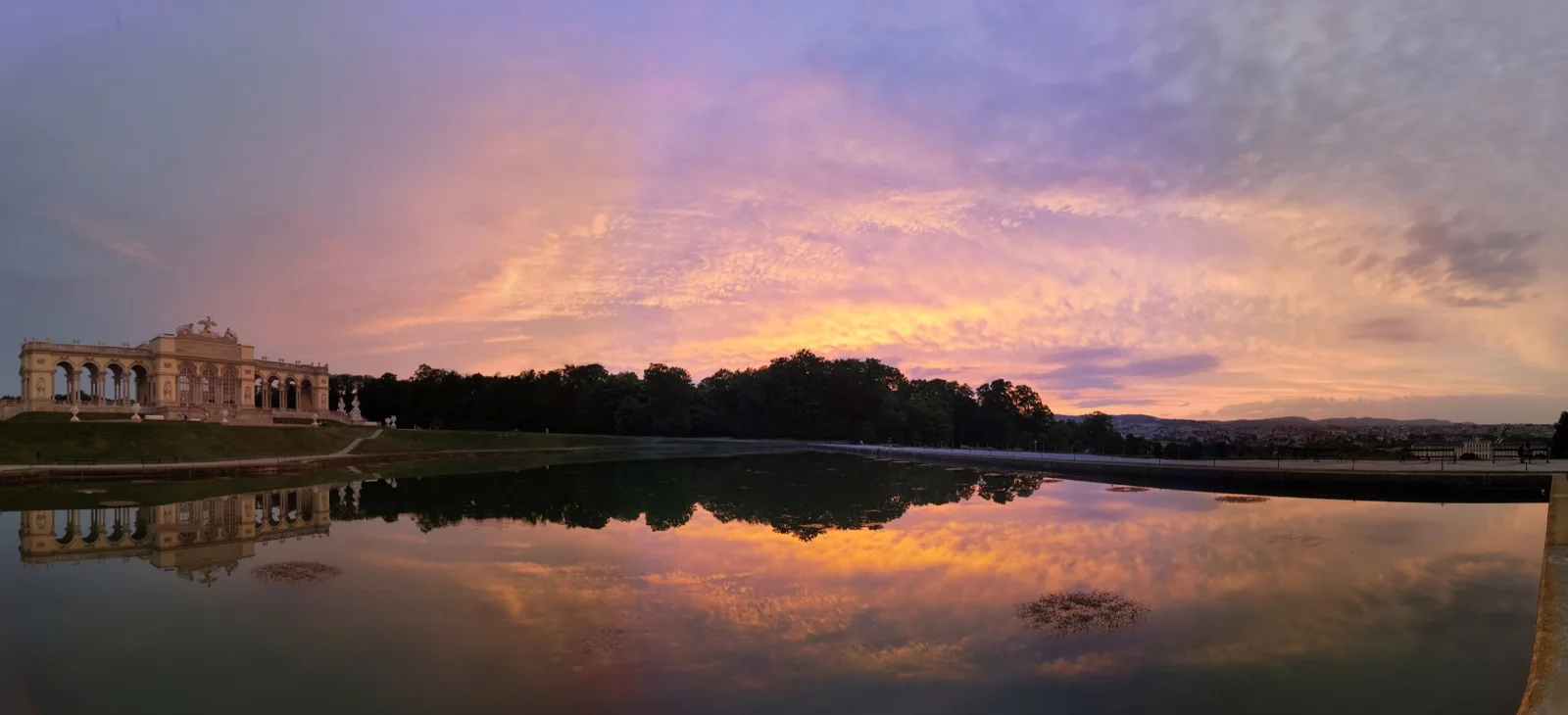
Schönbrunn deserves more than a rapid interior tour. Arrive early for a reserved palace route, then use the gardens to understand the scale of the estate. Walk towards the Neptune Fountain and Gloriette only if time, weather and mobility allow; the return view over the palace and city is the reward. Couples who prefer outdoor atmosphere can spend less time inside and more in the garden, while colder-season visitors may reverse that balance. Check current opening, ticket and restoration information on the official site before travelling.
Plan it well: Reserve the palace route you actually want and check garden access separately. The climb to the Gloriette is steady and exposed in hot or icy weather.
Schönbrunn Palace: official visitor informationChoose Belvedere for art and a formal garden sequence
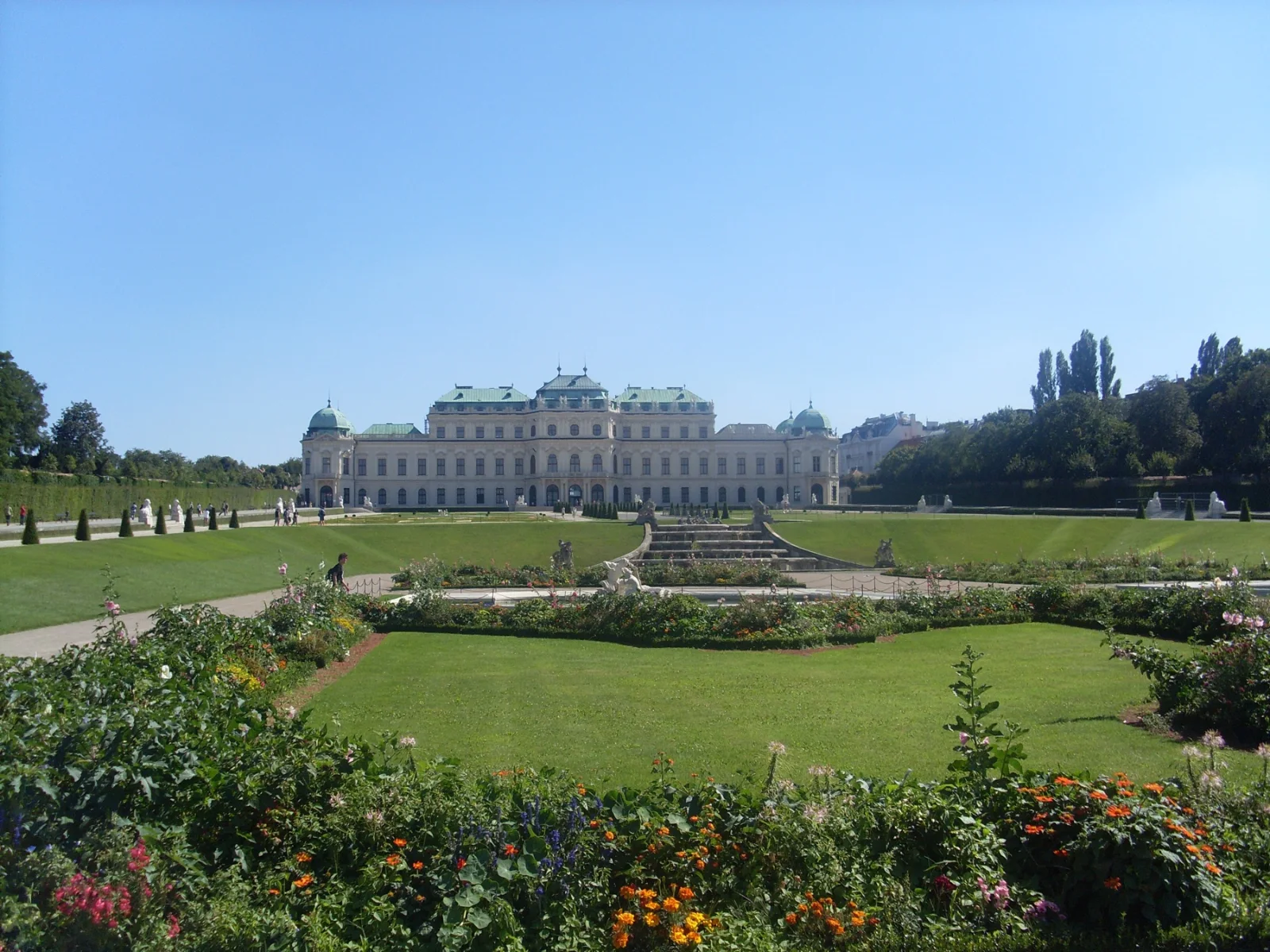
Belvedere combines Baroque architecture, formal gardens and a major art collection, making it a coherent half-day for couples. Upper Belvedere is the usual choice for Klimt and the permanent collection; Lower Belvedere and the Orangery focus on temporary exhibitions and palace spaces. Agree on the priority before booking and leave time to walk the garden axis rather than hurrying from room to room. Continue into the surrounding district or towards the centre, but do not add another large museum immediately afterwards.
Plan it well: Upper and Lower Belvedere are separate experiences. Check the current collection location and buy the correct official ticket.
Belvedere: official visit informationTreat the coffeehouse as part of Vienna’s culture
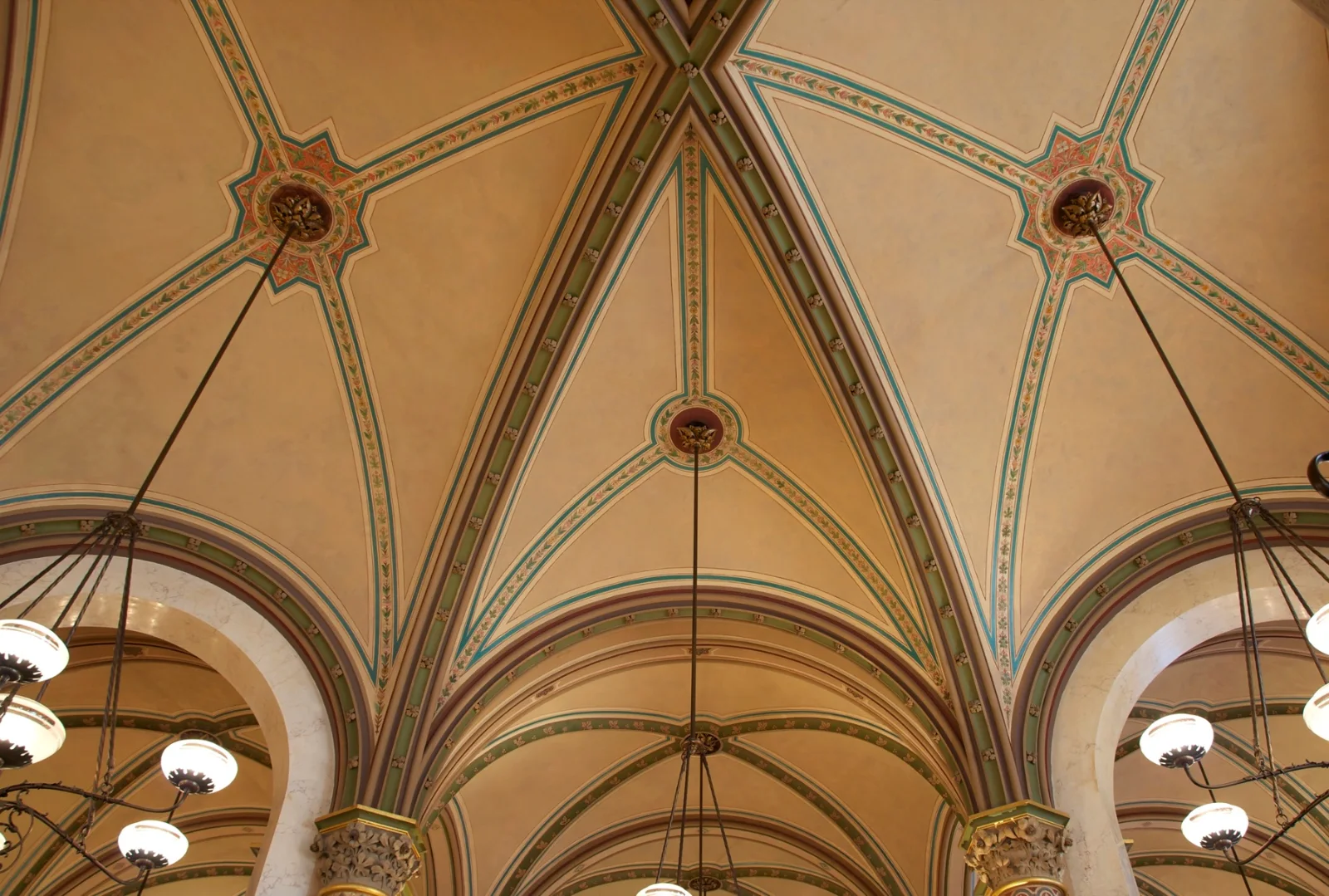
A Viennese coffeehouse is most rewarding when it interrupts the itinerary rather than becoming another landmark. Choose a traditional house near the day’s route, order enough to settle in and pay attention to the room, newspapers and pace. Historic establishments vary from grand, busy interiors to quieter neighbourhood cafés. The experience is not defined by one specific cake or celebrity table, so avoid crossing the city purely for a queue. A well-timed coffeehouse pause after a palace or museum gives both partners space to discuss what they have seen before the next part of the day.
Plan it well: Famous houses may have queues. Choose by location, interior and menu, and keep one nearby alternative rather than waiting through the best part of the afternoon.
Vienna Tourist Board: coffeehouse cultureAdd green space or a wine-village evening
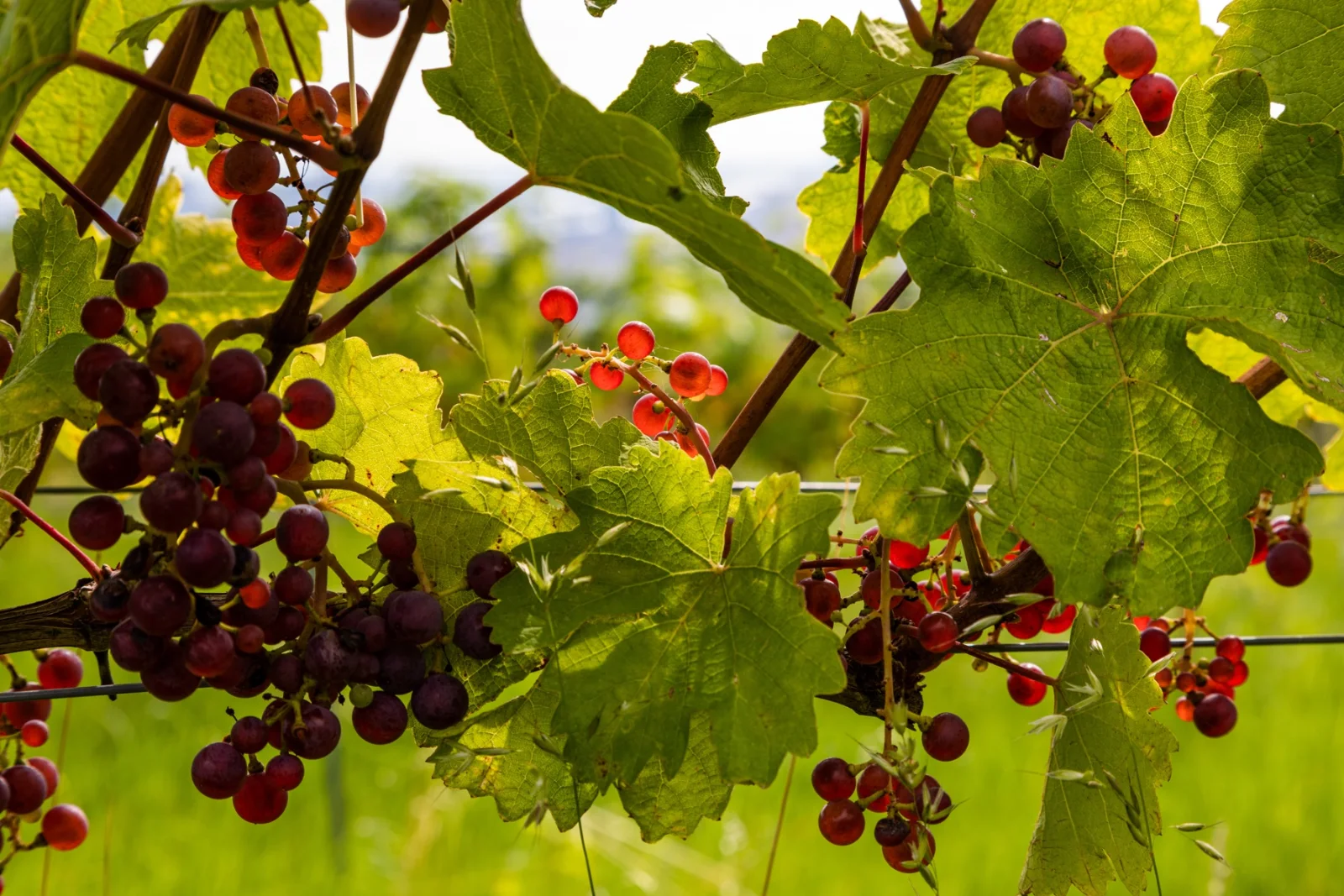
Stadtpark, the Prater’s green avenues and the Danube provide easy space within the city, while the wine villages on the outskirts offer a different evening. Choose a central park when the weekend is short; choose Grinzing, Nussdorf or another wine area when you have time for the journey and want a longer meal. A heuriger is a working wine-tavern tradition, not simply a themed restaurant, and opening days vary. Check official listings, order thoughtfully and use public transport back. In warm weather, a late walk beside the Danube can replace another indoor attraction.
Plan it well: Check seasonal opening and public-transport connections for vineyards and wine taverns. Do not drive after drinking, and verify whether reservations are expected.
Vienna Tourist Board: Viennese wineFinish with music and a balanced two-day plan
On day one, visit Schönbrunn early, return to the centre for a coffeehouse and choose a concert or opera in the evening. On day two, focus on Belvedere or one Ringstrasse museum, walk a park or central district, then decide between a relaxed city dinner and a wine-village excursion. Vienna’s formal music scene ranges from the State Opera and Musikverein to smaller venues; the programme matters more than the gold decoration. Check Wiener Linien service changes, keep tickets and hotel details offline, and allow time to dress or rest before the evening performance.
Plan it well: Buy from the venue or recognised seller, confirm the performers and programme, and be cautious of street offers for vaguely described concerts.
Vienna State Opera: official programme