
Baku city guide
10 things to do in Baku
Explore Baku through its walled old town, Caspian promenade, carpet traditions and bold architecture, then make time for the fire sites beyond the centre.
Plan your visit
Baku rewards two different kinds of looking: close attention to the stone lanes of Icherisheher, and a wider view across the bay and the modern skyline. Keep the first day compact, then choose which outlying sights deserve the second. This is a flexible city plan, not a promise that every interior will be open.
Begin with the Maiden Tower
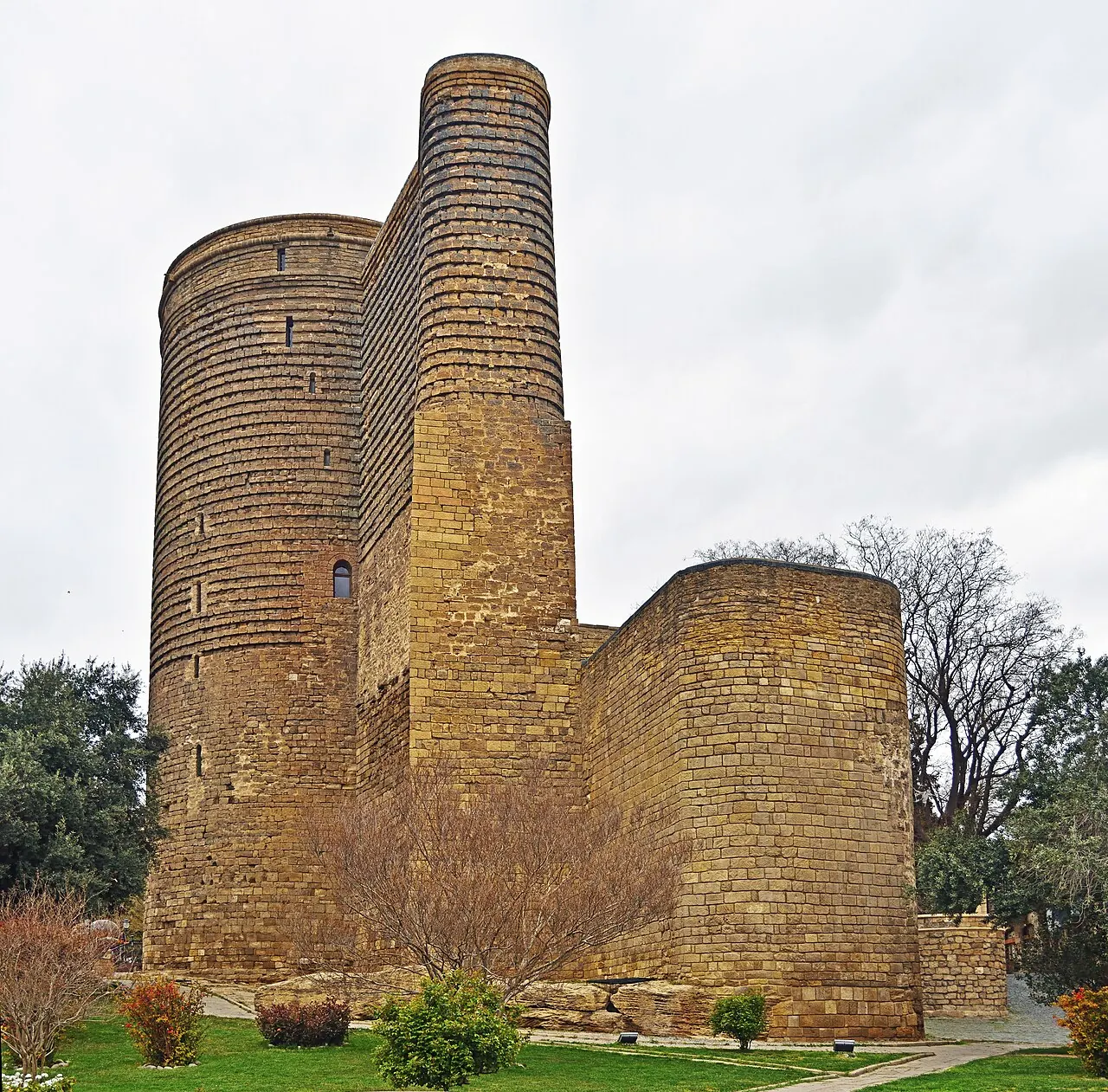
The Maiden Tower gives the Old City a useful starting point: its heavy cylindrical form is unmistakable, while the surrounding lanes immediately reveal the smaller scale of Icherisheher. Walk around the base before deciding whether to enter. Notice how the projecting stonework changes the outline from different angles, and resist explanations that turn every uncertainty about its origins into a settled fact. The official heritage authority treats it as one of the city's major historic monuments.
If the tower is admitting visitors, allow time for the exhibition and stairs rather than treating the visit as a quick rooftop photograph. Confirm the current route and any restrictions at the entrance, especially if steep steps are a concern. Afterwards, continue inland through the lanes towards the palace; that sequence avoids repeatedly crossing the same part of the old town. A drink or lunch outside the busiest frontage can turn the walk into a less hurried introduction.
Plan it well: Check the interior route before buying admission; the exterior remains a worthwhile stop.
Icherisheher State Historical-Architectural ReserveRead the courtyards of the Shirvanshahs Palace
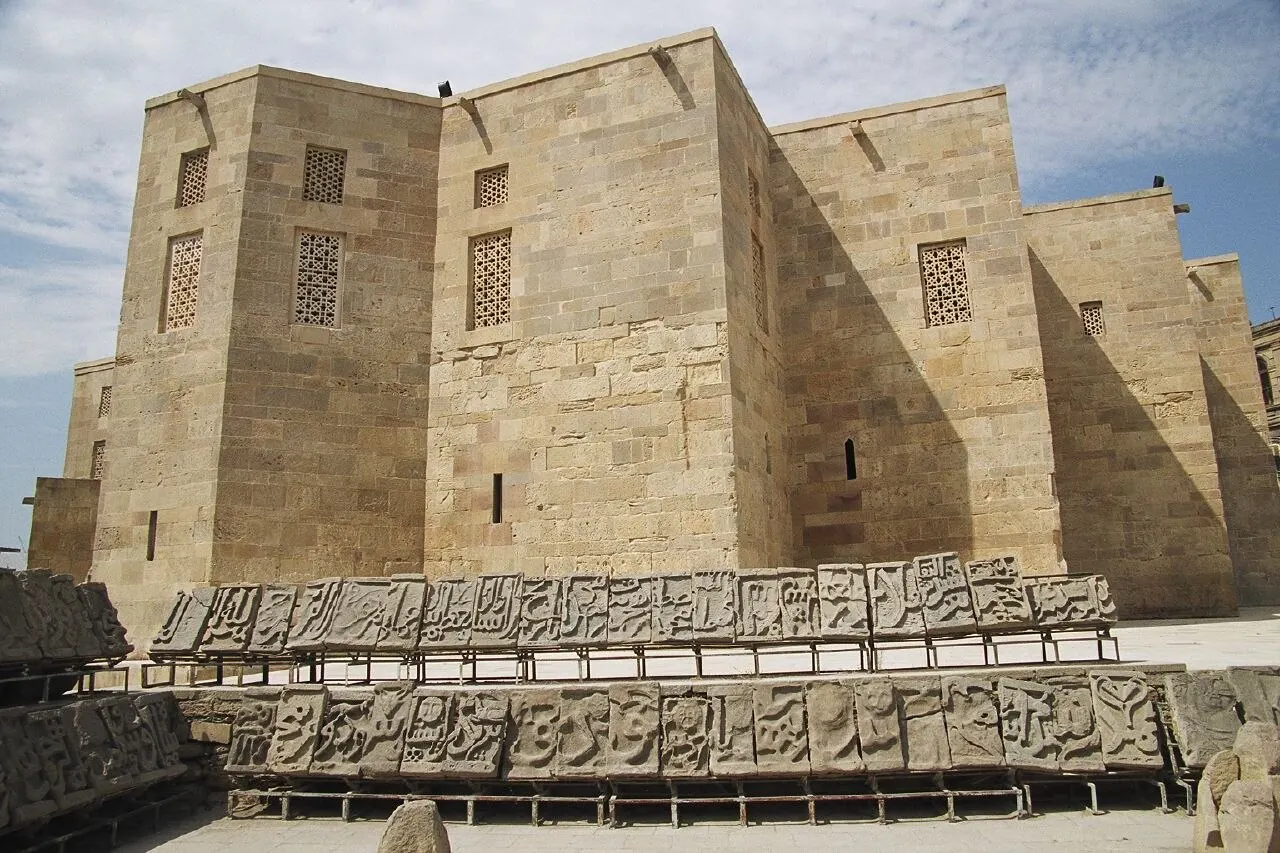
The Palace of the Shirvanshahs is best approached as a collection of spaces rather than a single grand room. Its courtyards, carved portals and associated buildings offer a different experience from the Maiden Tower: here you can follow relationships between royal life, ceremony and faith. Start with the visitor information so that the names of the buildings mean something when you encounter them. The heritage reserve identifies the palace as a central part of the historic walled city.
Give the stone details a slower look, then step back to understand how the complex fits into the sloping old neighbourhood. A guide or the official interpretation can help distinguish different periods without relying on dramatic legends. Keep this visit in the same half-day as the tower, but leave a meal break between them if museum fatigue sets in. Ask which parts are included in the current ticket, since a palace name does not guarantee access to every adjoining structure.
Plan it well: Use the site plan to identify the different buildings before following a guided group.
Icherisheher heritage authority: historical referenceTake the Caspian slowly on Baku Boulevard
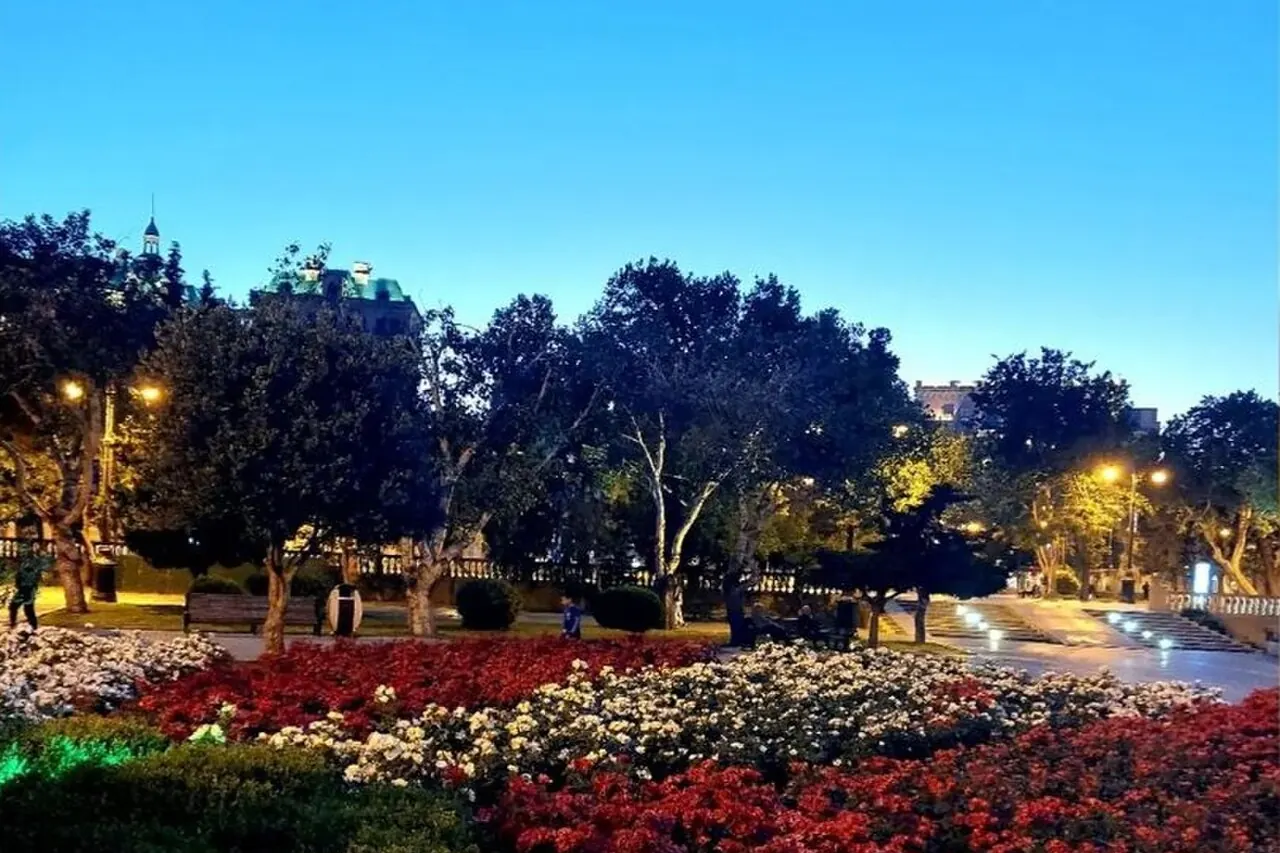
Baku Boulevard is the right place to loosen the schedule after enclosed museums and narrow lanes. The seafront park lets you alternate between watching the Caspian, looking back at the city and finding somewhere to sit. Rather than trying to walk its entire length, choose a segment near the Old City and the Carpet Museum. Azerbaijan's tourism board presents the promenade as one of the city's characteristic shared spaces, not simply a route between major attractions.
The experience depends strongly on the weather: wind can make an apparently gentle waterfront walk feel demanding, while summer sunshine makes exposed stretches less comfortable. Bring a layer or water as appropriate and build a cafe pause into the route. Evening is attractive for the change in light and the city skyline, but do not schedule a boat trip without checking its actual operation. Look inland as well as out to sea; the gardens and everyday promenade life are part of the point.
Plan it well: Pick a meeting point and a manageable segment rather than promising an end-to-end walk.
Azerbaijan Tourism Board: Baku BoulevardLook for regional differences in the Carpet Museum
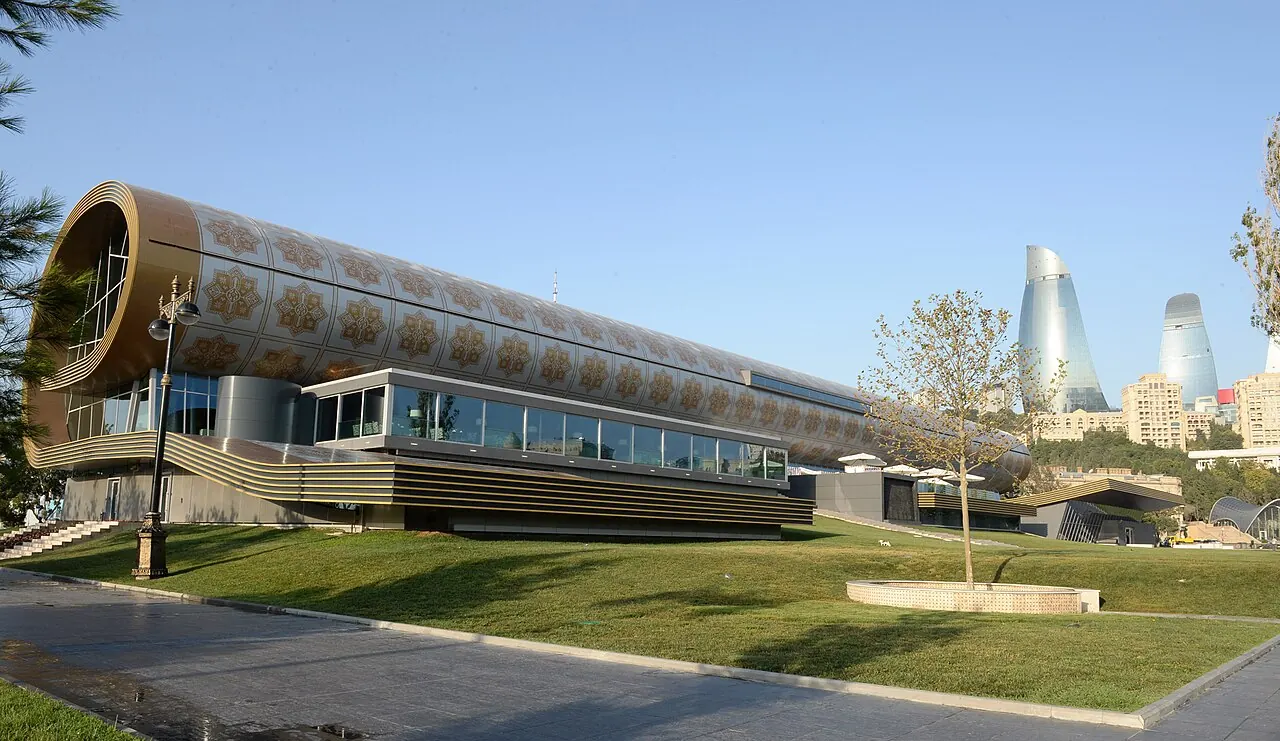
The Azerbaijan National Carpet Museum makes its subject visible before you enter: the building resembles a rolled carpet beside the promenade. Inside, give the designs more attention than the building's novelty. The museum and national tourism board explain carpet making through regional traditions and craft, so look for differences in borders, repeated motifs and colour rather than assuming all the examples tell the same story. This is a particularly useful stop before browsing textiles for sale.
Choose a few pieces to study closely instead of attempting to remember every label. If a demonstration or guided visit is offered on your date, ask what it covers and whether it needs a separate booking. Keep souvenirs and antiques distinct: purchasing an old carpet may involve export documentation, so clarify that with the seller before paying. The waterfront location pairs neatly with a short boulevard walk, making this a practical indoor anchor when wind or heat changes the rest of your plans.
Plan it well: Ask about current interpretation or weaving demonstrations at reception, not just the ticket options.
Azerbaijan Tourism Board: Carpet MuseumWalk the contours of the Heydar Aliyev Center
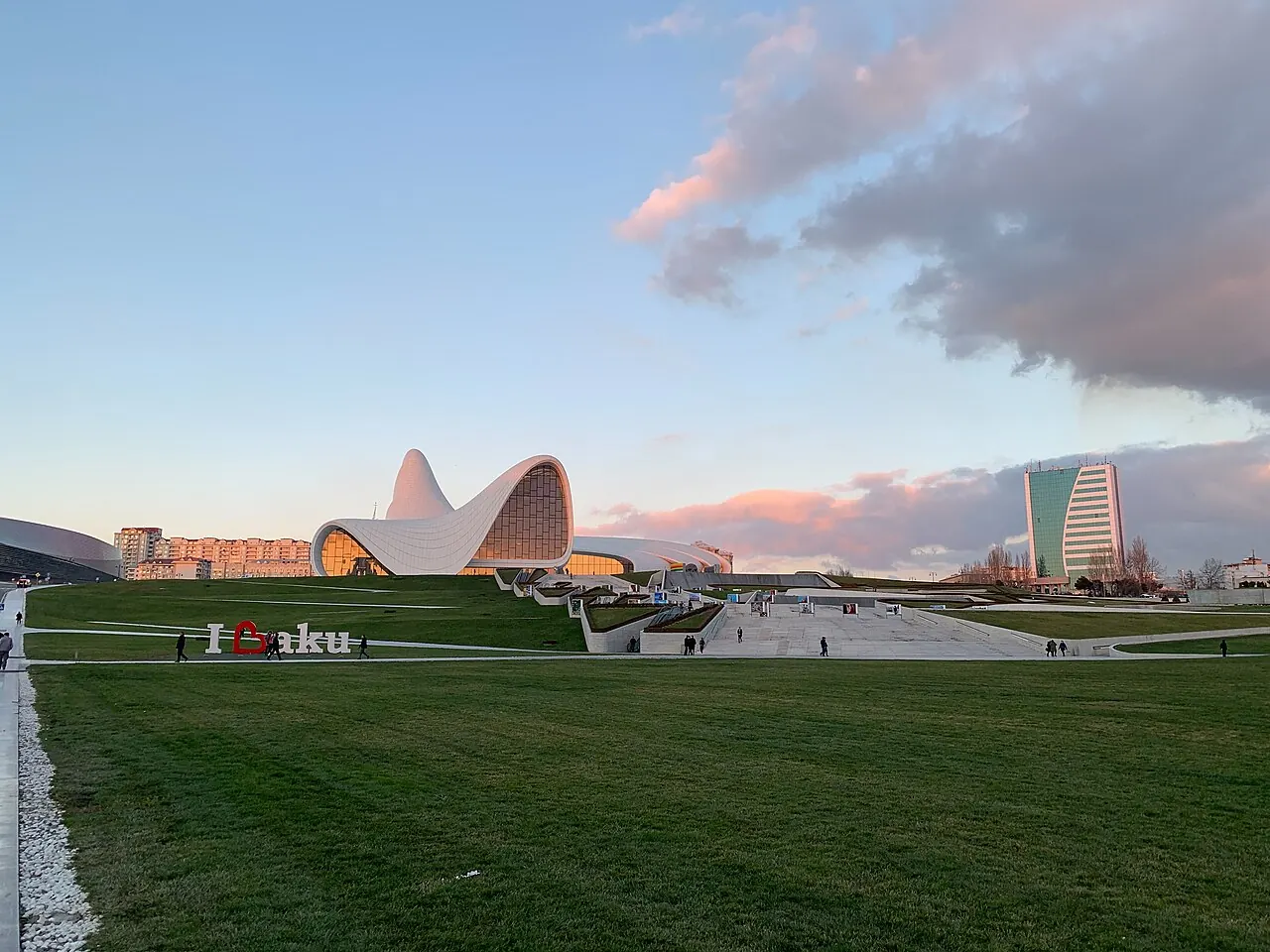
The Heydar Aliyev Center is worth seeing from several positions because its flowing white surface does not behave like a conventional facade. Follow the public paths around the grounds and watch how the roof and walls appear to merge as your viewpoint changes. Zaha Hadid Architects documents the design as a continuous relationship between the surrounding plaza and the building. The architectural walk can be rewarding without turning every visit into a full afternoon of exhibitions.
Decide in advance whether you are coming primarily for the exterior or for a particular display inside. Those are different visits, and exhibition access should be checked against the current programme rather than assumed from photographs of past installations. Travel here as a separate stop from Icherisheher; the distance is too large to treat it as the next lane in an old-town stroll. In strong sun, alternate exposed viewpoints with breaks instead of circling the grounds simply to collect more pictures.
Plan it well: Check the current exhibition programme and ticket inclusions before committing an afternoon.
Zaha Hadid Architects: Heydar Aliyev CentreSee the Flame Towers as part of the skyline
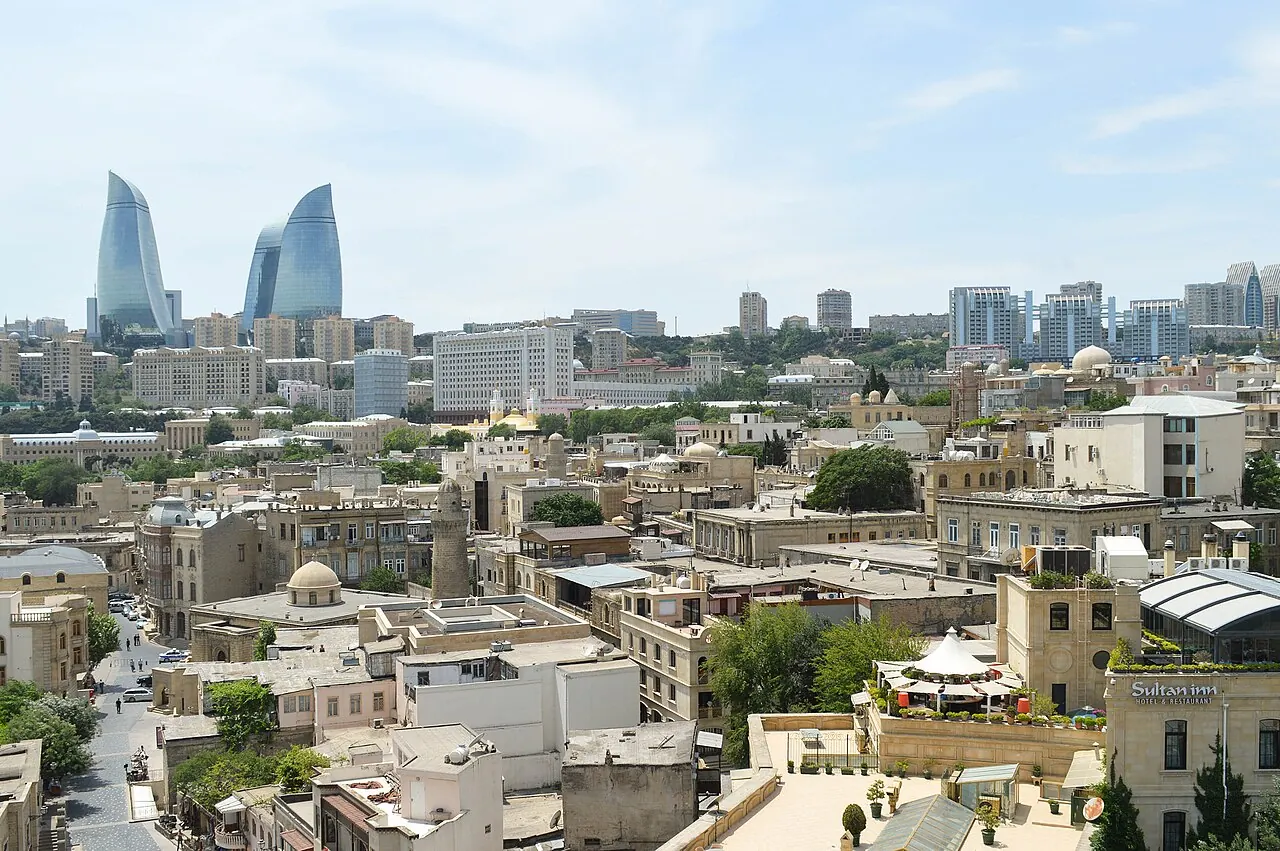
The Flame Towers are most useful to a first-time visitor as a skyline landmark, not as a promised public viewing deck. Their curved forms help you orient yourself from the waterfront and from streets above the Old City. Azerbaijan's tourism board recommends appreciating the towers from around the city, including the boulevard and Highland Park. Choose a viewpoint that also shows the bay, so the architecture makes sense in relation to the land and water rather than filling the frame alone.
If you head uphill, allow for the gradient and check how you will return before the evening gets late. Do not assume that a working funicular, a rooftop bar or access inside the towers is included in this stop; each requires its own current information. A daylight view reveals the shape of the buildings, while an evening look gives a different impression of the skyline. Visitors with limited time can simply include the towers in their boulevard walk without making another journey.
Plan it well: Treat this as an exterior skyline stop unless you have a confirmed booking for a specific venue.
Azerbaijan Tourism Board: Flame TowersPause among the fountains and surrounding streets
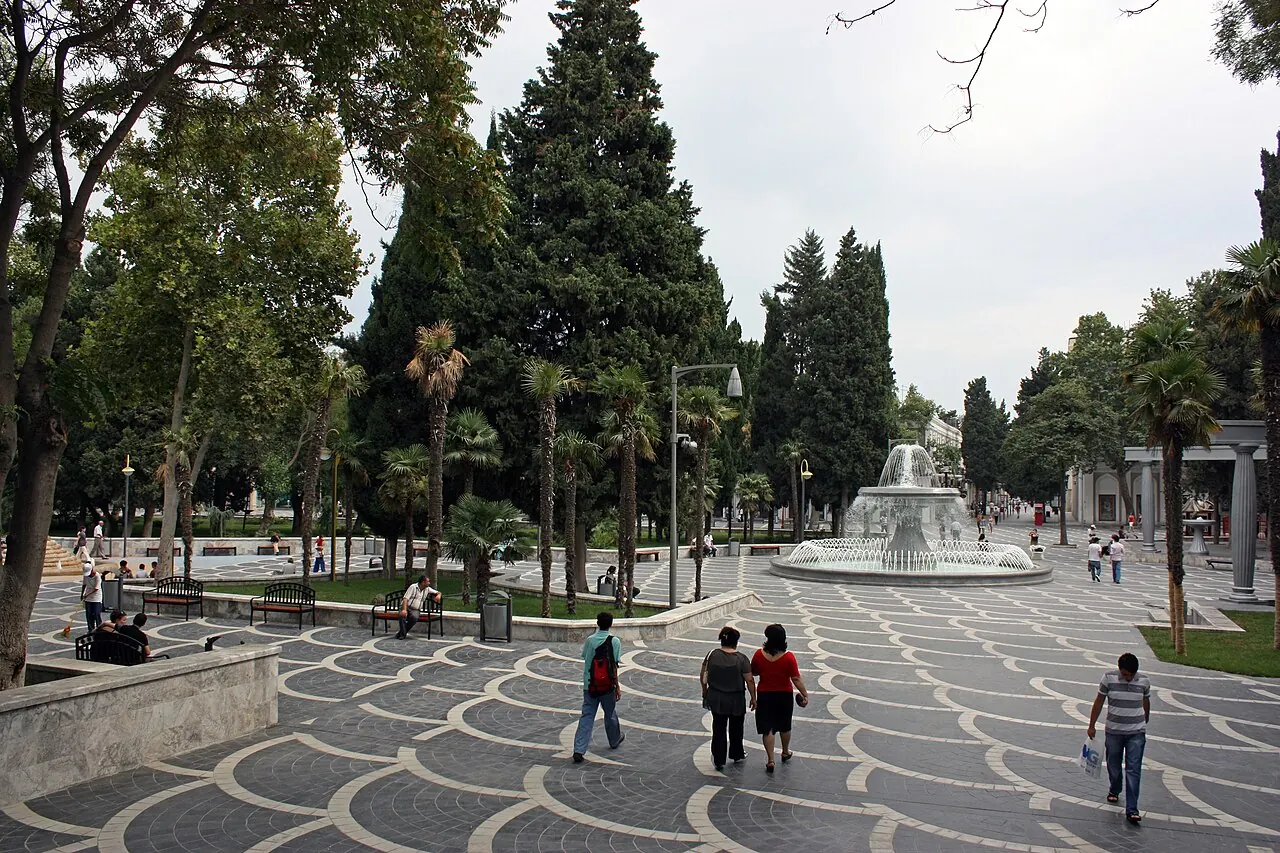
Fountains Square offers an easy change of scale after the heritage sites: open pedestrian space, trees, fountains and streets full of places to eat. The official visitor map marks it as a central orientation point, which makes it useful when different members of a group want to explore separately. Look at the buildings around the square as well as its water features. The interest lies partly in how the public space connects old-town sightseeing with the more ordinary centre.
Use the square for a meal break rather than adding another tightly timed attraction to an already full day. Read menus before choosing, and do not assume that a terrace with the most prominent view represents the best match for your budget. The surrounding streets invite a short wander, but keep a clear meeting point if you split up. This is also a sensible place to end the first evening: you can return to the waterfront or your hotel without extending the day to the outlying fire sites.
Plan it well: Agree on a specific fountain or street corner when arranging to meet.
Azerbaijan Tourism Board: official Baku visitor mapVisit Bibi-Heybat with respect for worship
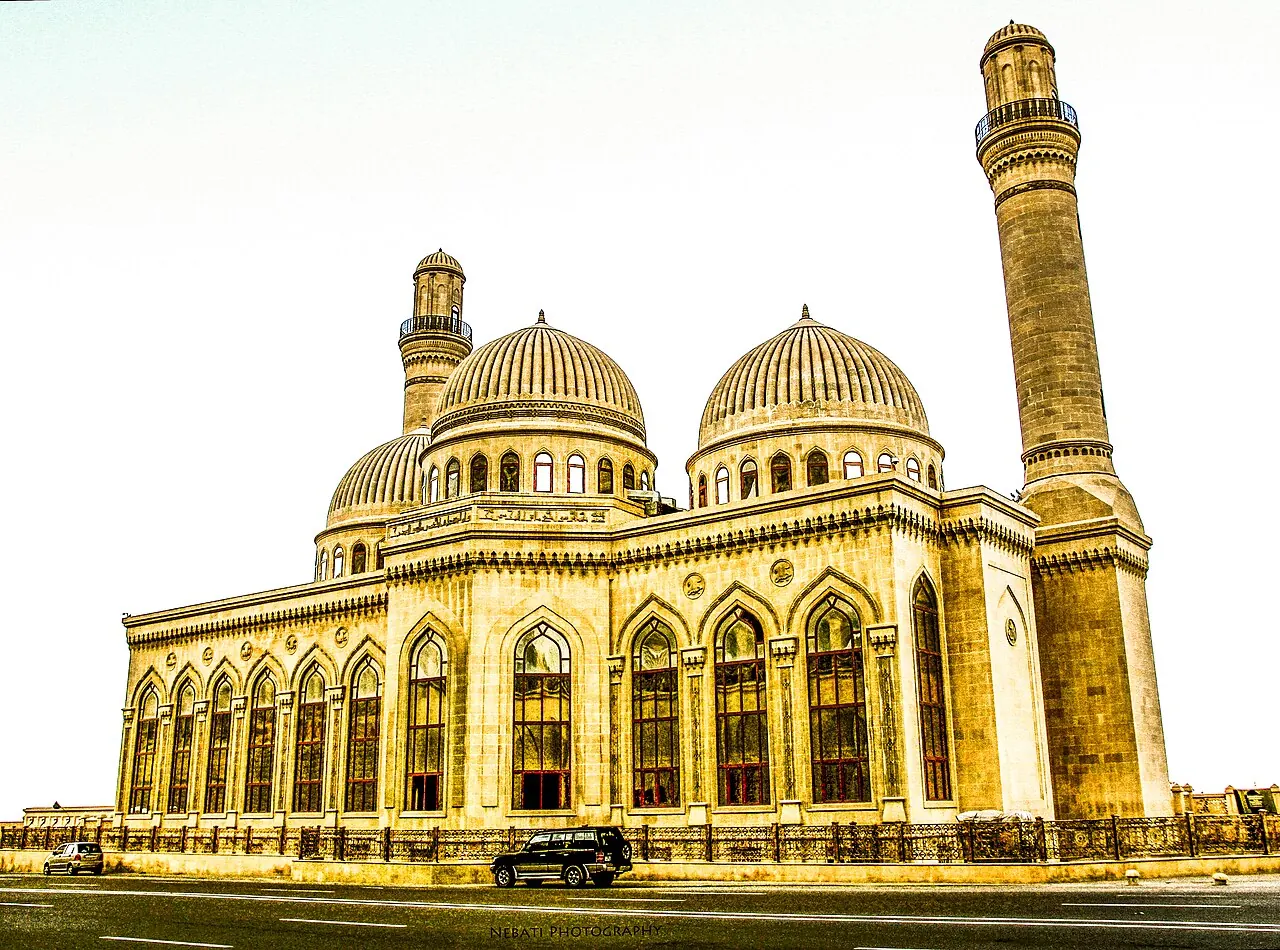
Bibi-Heybat takes the trip beyond central Baku to a living shrine overlooking the Caspian. Its official history explains that the earlier shrine was demolished in 1936 and the rebuilt complex reopened in 1998. That distinction matters: the site has a long religious history, but the building you see is not an untouched medieval survivor. Approach it as a place of devotion first, with architecture and the coastal setting adding context rather than replacing its religious purpose.
Ask where visitors may enter and follow staff guidance on clothing, footwear and photography. Prayer and pilgrimage take priority over a tourist timetable, so a quiet exterior visit may be the appropriate choice on your arrival. Arrange the outward and return journey together; this is not a casual extension of the pedestrian lanes in Icherisheher. Avoid crossing busy roads for a better photograph, and choose a safe public position for viewing the surroundings. An unhurried short visit is preferable to rushing through worship spaces.
Plan it well: Confirm visitor access on arrival and keep the return transport arranged.
Bibiheybat Holy Shrine: official history and visitor informationSeparate temple history from the flames at Ateshgah
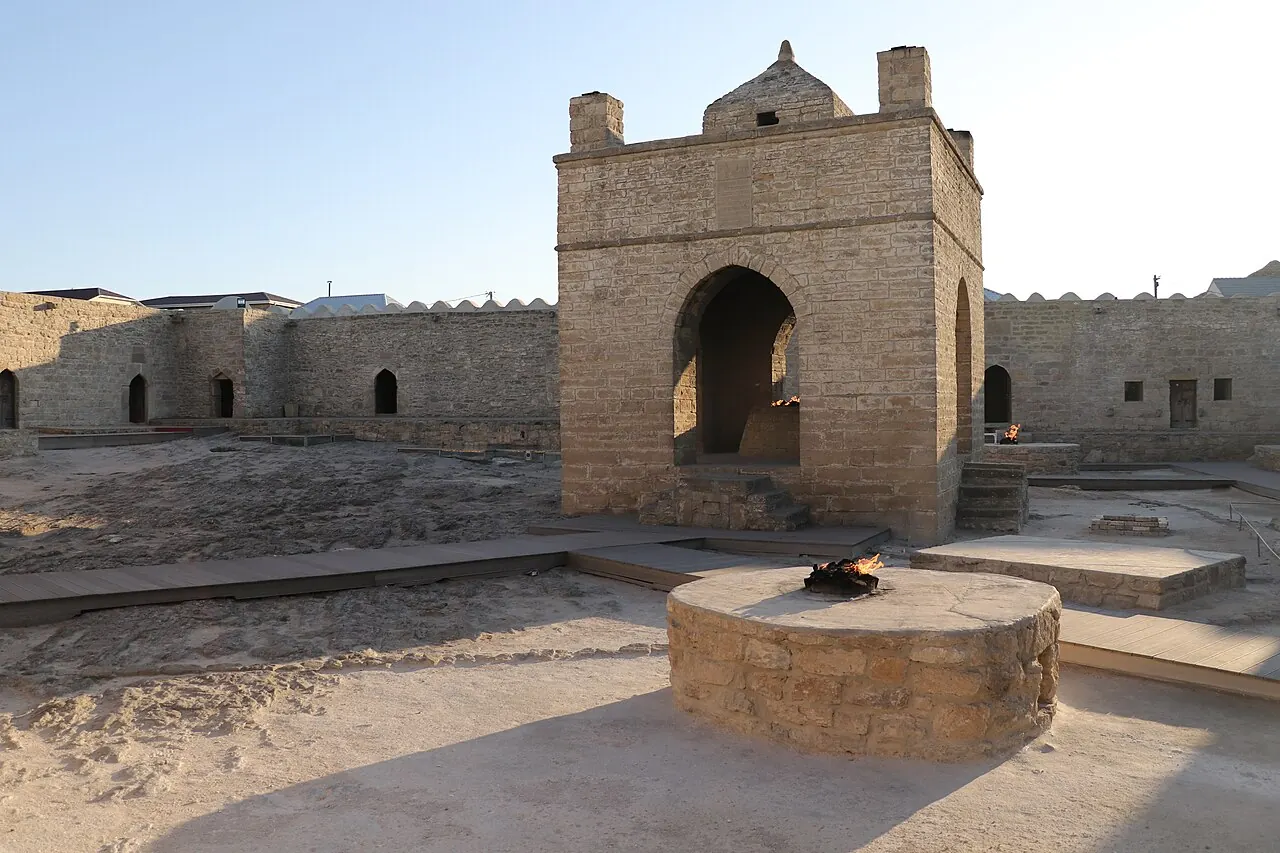
Ateshgah provides the historical half of a fire-themed excursion from Baku. Its courtyard and central shrine belong to a temple complex whose interpretation discusses the worshippers and travellers drawn to this landscape. Read the reserve's displays rather than treating the flame as the complete story. In particular, distinguish the history of natural burning gas in the area from the present visitor presentation: a flame visible today does not, by itself, explain every stage of the temple's use.
This is a separate journey to Surakhani, so allow travel time and agree what your transport arrangement includes. A combined visit with Yanar Dag can work, but the two sites are not the same attraction and should not be rushed into a single brief stop. Ask whether your ticket or tour covers both before purchasing. Inside the complex, look into the interpreted rooms around the courtyard and keep clear of the fire installations. A guide is useful when you want the religious history explained carefully rather than dramatically.
Plan it well: Confirm which reserve admissions and waiting time are included in a combined fire-sites trip.
Ateshgah Temple State Historical-Architectural ReserveWatch the gas-fed hillside at Yanar Dag
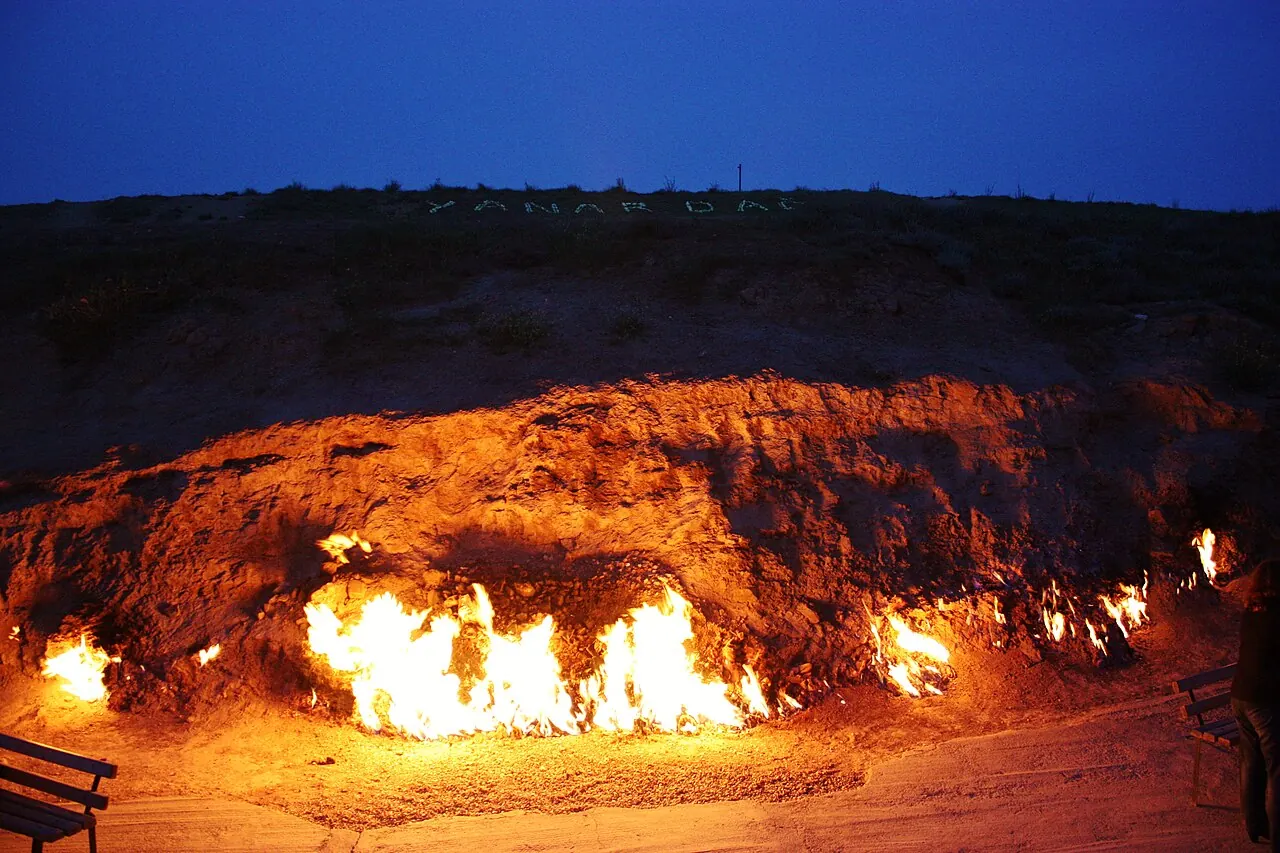
Yanar Dag is a compact natural spectacle: flames rise from a section of hillside rather than from a temple courtyard. The reserve describes the site as a historical, cultural and natural attraction and also provides museum interpretation. That combination makes it more rewarding than a quick photograph of fire. Spend a few minutes watching the changing flame line, then use the displays to understand why the burning landscape has such a prominent place in Azerbaijan's identity.
Keep expectations proportionate to the size of the actual burning slope; this is not an entire mountain ablaze. Remain behind the designated boundaries and follow staff instructions rather than moving closer for a dramatic picture. A later visit may make the fire more visible, but only if the reserve's current opening schedule and your return transport support it. Plan Yanar Dag with Ateshgah if both interest you, or choose just one when a second day would otherwise become mostly time in a vehicle.
Plan it well: Check the current closing time before planning a dusk visit; do not rely on old tour schedules.
Yanar Dag State Historical, Cultural and Natural ReserveHow to spend two days in Baku
Day 1: the walled city and the Caspian
Start at the Maiden Tower, walk the old lanes to the Shirvanshahs Palace and take a proper lunch break. Choose the Carpet Museum in the afternoon, then a short boulevard walk. Finish around Fountains Square or with an exterior skyline view of the Flame Towers, depending on your energy.
Day 2: choose architecture or an Absheron excursion
Give the Heydar Aliyev Center a morning if its exhibitions interest you. For the afternoon, choose a prearranged Ateshgah and Yanar Dag trip, leaving realistic travel time. Bibi-Heybat lies on a different side of the city: visit it instead of another stop, or reserve it for a longer stay rather than promising all three outlying sites in one short afternoon.
Before you go
Check entry routes before booking a regional trip
Official advice currently describes land and sea entry restrictions and closed land borders with Georgia and Iran. Do not assume an overland itinerary from Tbilisi or Yerevan is available. Confirm rules for your nationality with Azerbaijani authorities and read current regional travel advice.
FCDO: Azerbaijan entry requirementsPlan for the wind and exposed walking
The waterfront and hill viewpoints have little shelter in places. Bring a suitable layer, water and comfortable shoes; put an indoor museum between longer outdoor stretches.
Ask before photographing worship or people
Religious sites remain places of worship. Follow clothing and footwear instructions, avoid prayer times when requested, and ask before photographing individuals.
Clarify carpet export paperwork
Official entry guidance notes export certificates for antiques and art such as carpets. Ask the seller about the requirements before purchasing rather than discovering the issue at departure.
FCDO: exporting carpets and antiquesWhere to stay in Baku
A base near Icherisheher or Fountains Square keeps the first day compact and gives you several evening dining options. Choose a waterfront location for promenade access, but inspect the exact walking route rather than judging the distance from a map alone. For an Old City stay, ask about steps, vehicle access and luggage assistance. Confirm the room type, cancellation conditions and the transport plan for outlying sights before booking.
Explore Baku hotels