
Sarajevo city guide
10 things to do in Sarajevo
Explore the bazaar, understand the city's history and leave time for the hills. A Sarajevo visit that balances monuments, museum days and Bosnian coffee.
Plan your visit
Sarajevo is compact along the river but rises sharply into the hills. Start with the bazaar and its places of worship, then give a museum or a mountain outing its own part of the day. The siege deserves careful attention, but it is not the whole story of a city shaped by trade, faith, art and everyday hospitality.
Follow the craft lanes through Bascarsija
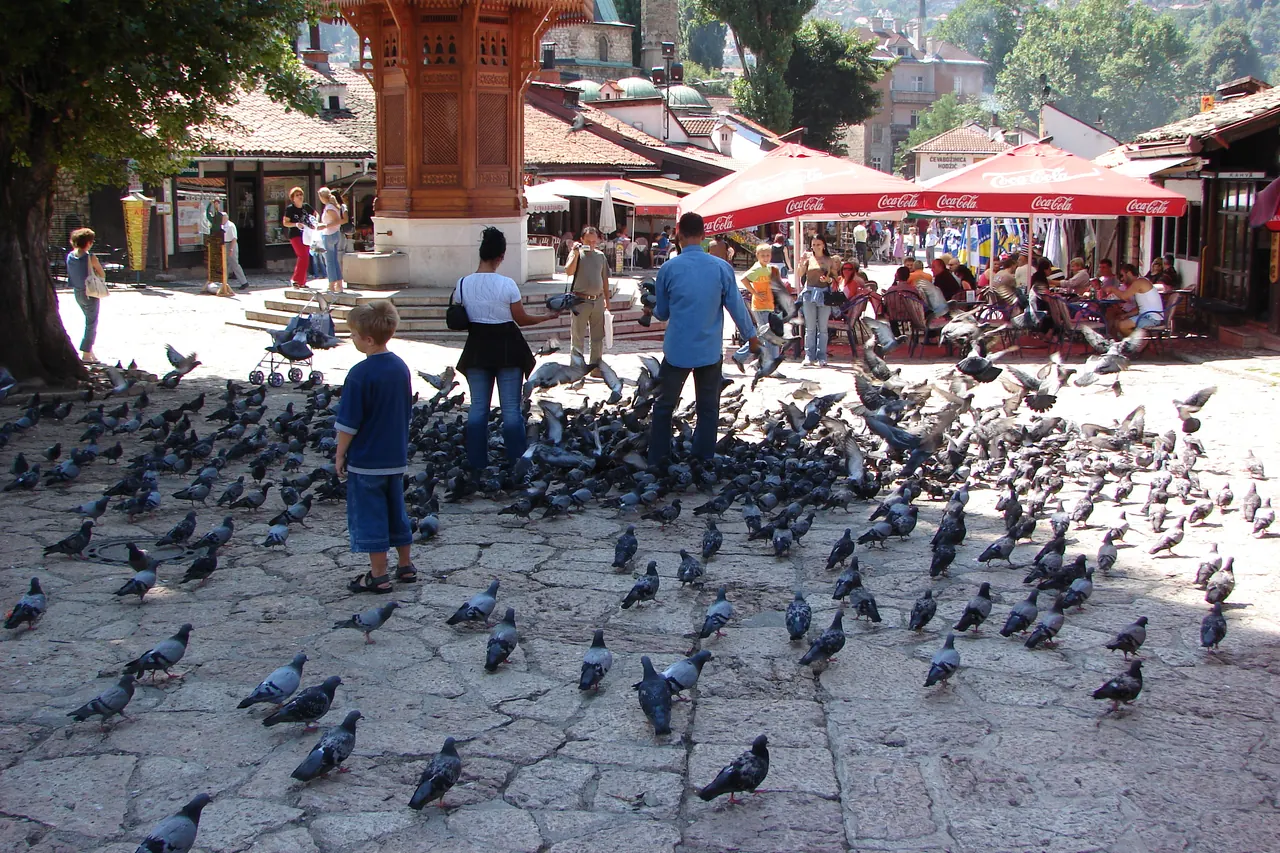
Begin at the Sebilj fountain, then move into the narrower lanes rather than staying on the main square. Bascarsija is Sarajevo's historic market district, where street names and shopfronts still reflect its craft traditions. In Kazandziluk, look at the copperwork before choosing a souvenir: ask whether a piece was made locally and whether it is intended for use or decoration. The district rewards a slow circuit with frequent pauses more than a march from one landmark to another.
Make a meal part of the walk, not an interruption to it. A small order of cevapi or a slice of savoury pie leaves room for a later Bosnian coffee, served as its own unhurried ritual. Browse before sitting down and check the menu rather than assuming every restaurant offers the same dishes. The bazaar is also a working neighbourhood; keep entrances clear, ask before photographing people at work and leave enough time to return to a shop that interests you.
Plan it well: Use the Sebilj as a meeting point, but explore Kazandziluk and the lanes around Saraci for the craft-shopping part of the visit.
Bascarsija craft district and historyVisit the Gazi Husrev-beg Mosque thoughtfully
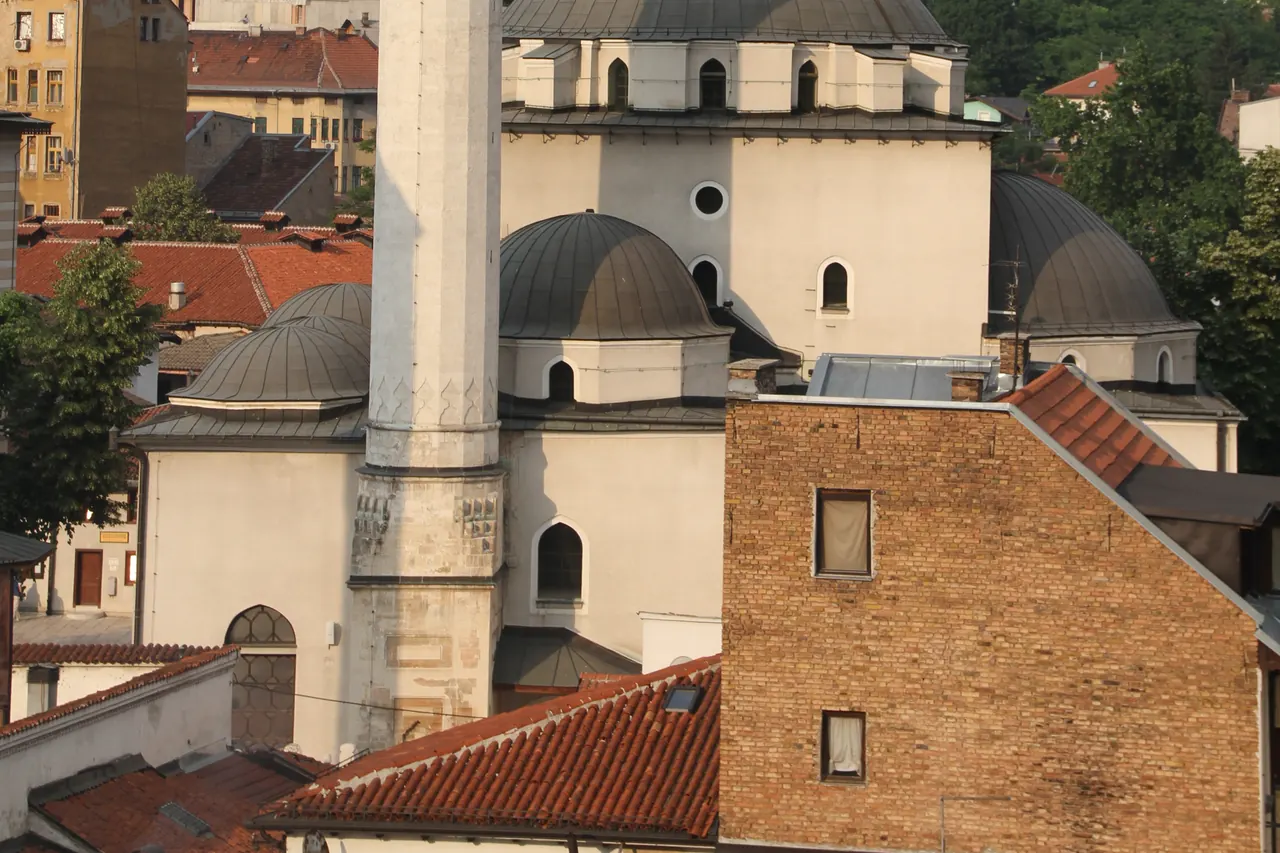
This mosque is a useful place to understand how the old bazaar grew around more than commerce. Its courtyard, fountain and neighbouring religious institutions belong to a larger charitable endowment. Instead of treating the building as an isolated photo stop, look at its relationship with the lanes outside and the buildings across them. The change from busy shopfronts to the courtyard also makes a welcome pause, provided you remember that worship takes priority over sightseeing.
Interior visits have designated windows that vary by season and during Ramadan. The mosque's own information office is the right place to ask about admission, clothing requirements and the next suitable visit; do not use a prayer time as a sightseeing slot. Wear clothing that covers shoulders and knees and follow staff instructions about shoes and head covering. If the interior is unavailable, continue through the bazaar and return at the advised time instead of waiting in the worshippers' way.
Plan it well: Ask at the courtyard information office before entering; the mosque and the museum in the madrasa are different visitor spaces.
Gazi Husrev-beg Mosque visitor informationLook beyond the facade at Sarajevo City Hall
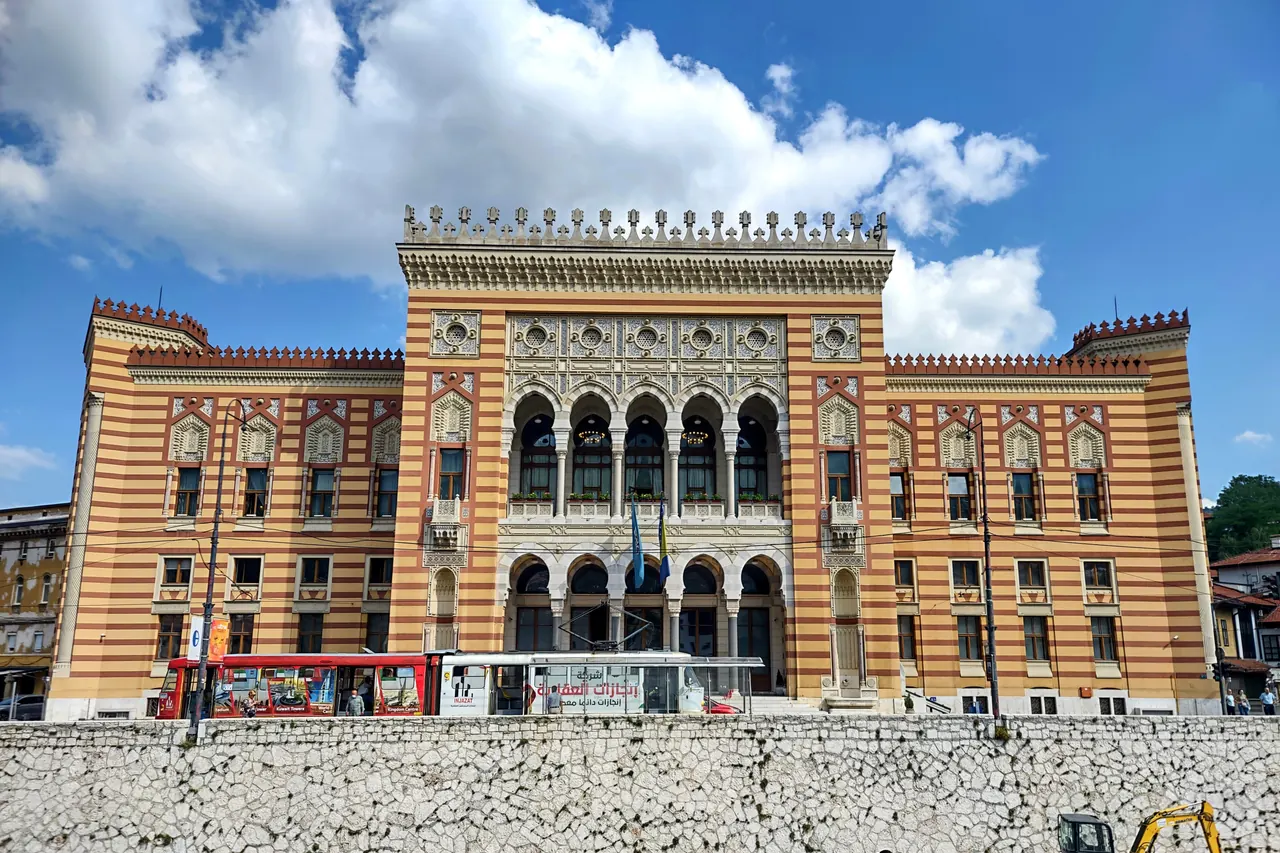
Vijecnica anchors the eastern end of the riverside walk with a facade unlike the surrounding Ottoman lanes. Step back across the street to see its overall proportions before going inside to examine the central hall and decorative details. The building was first a city hall and later housed the national library. That changing role matters: this is both a civic landmark and a place where the loss of cultural memory during the siege becomes tangible.
The official account describes the devastating fire in 1992 and the reconstruction completed in 2014. Give the historical interpretation time alongside the architecture, rather than leaving with only an atrium photograph. City Hall still hosts civic and cultural events, so published visitor hours can be interrupted. Check the official notices on your day and keep the nearby river walk as a flexible alternative. From here, return west along the Miljacka towards Latin Bridge or head into the bazaar for lunch.
Plan it well: An event can change interior access even when the building is normally open; check the City Hall website before making a special trip.
Sarajevo City Hall official history and visitsPut Latin Bridge into its historical setting
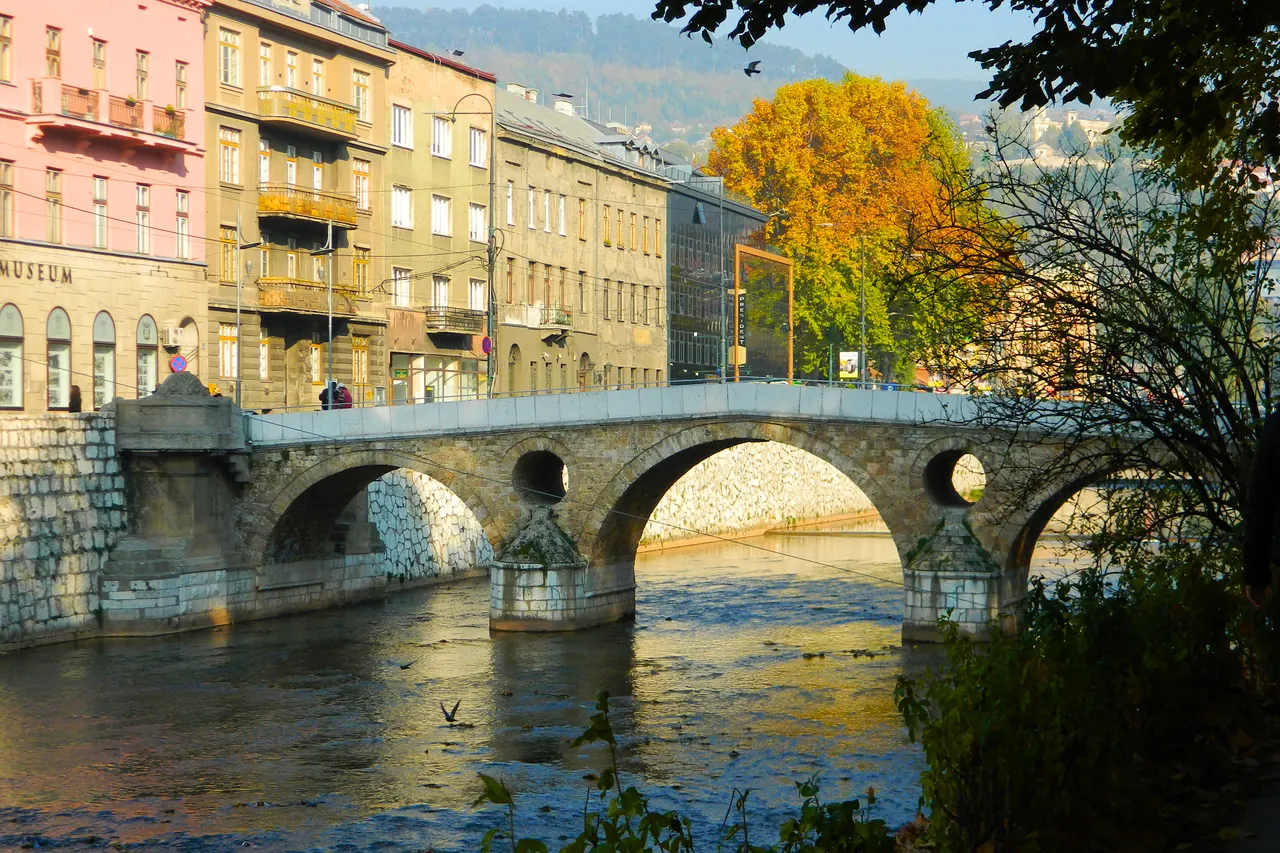
Latin Bridge is a modest crossing with an outsized place in twentieth-century history. The assassination of Franz Ferdinand and Sophie in 1914 happened beside its northern end, not in the middle of the bridge. Start with the river view, then locate the street corner and the Museum of Sarajevo 1878-1918 nearby. Seeing the ordinary road junction helps separate the actual location from the dramatic versions of the event that often accompany it.
The museum places the assassination within the wider period of Austro-Hungarian administration, which is more useful than reducing the visit to one gunshot and an inevitable world war. If you choose to go inside, read its current opening information first; the outdoor crossing and museum admission are separate experiences. Continue along the riverside afterwards and compare the building styles with those in Bascarsija. The bridge works well as a connecting stop between the bazaar and City Hall, without requiring another long journey.
Plan it well: Look for the museum on the north-bank street corner. Do not confuse the assassination location with the bridge itself.
Museum of Sarajevo 1878-1918Climb to the Yellow Fortress for the valley view
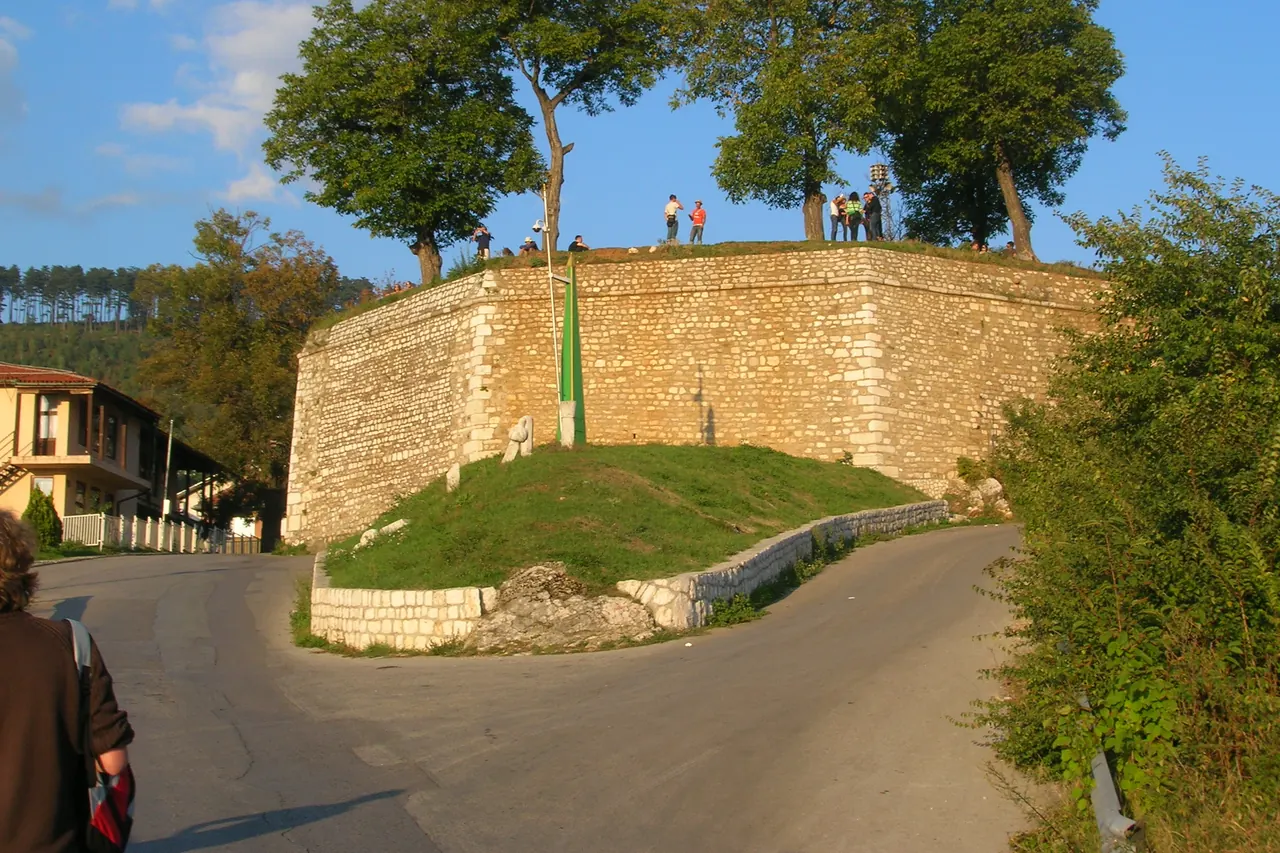
The Yellow Fortress, also called Zuta Tabija, gives you a different reading of Sarajevo: a city stretched along a valley rather than a cluster of monuments on a flat map. From the old town, the climb through hillside streets is part of the outing. Pause to notice the roofs and the changing perspective as you gain height. The surviving bastion belongs to the historic defences of Vratnik, but the present appeal is the relationship between the city, its river and its enclosing hills.
Choose a clear part of the day rather than assuming sunset is always the best option. A cloudy evening can obscure the view, while an earlier visit leaves more daylight for the descent. Bring a layer, wear shoes that grip and check the route before walking uphill; the climb is not a step-free extension of the bazaar. Be considerate around the cemeteries and residential streets on the approach. A viewpoint visit fits after an old-town afternoon, but it should remain optional if tired legs or weather argue otherwise.
Plan it well: Plan the downhill route as well as the ascent, especially if you stay until dusk. Respect cemetery boundaries on the approach.
Sarajevo tourism board panoramic sightsExplore the Olympic bobsleigh track on Trebevic
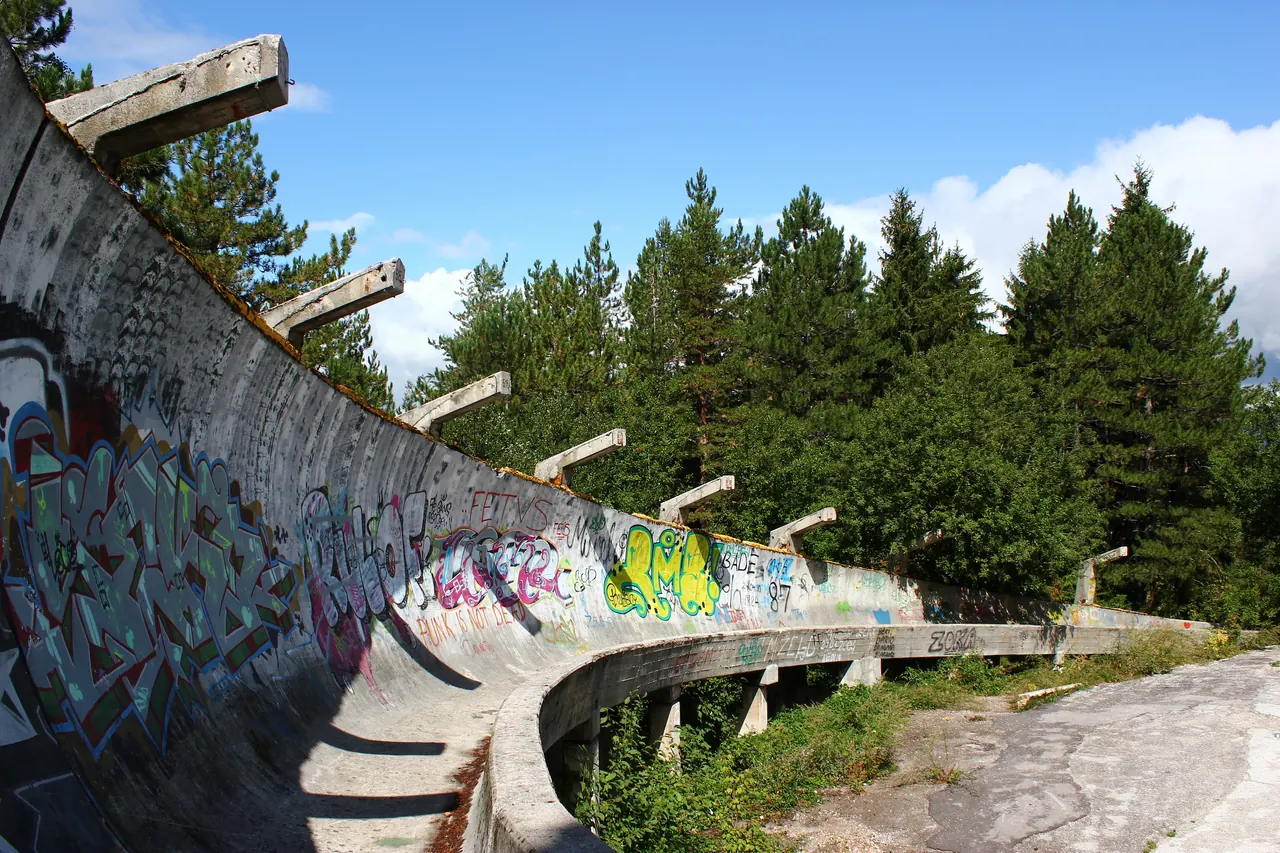
The concrete curves on Trebevic are a physical reminder that Sarajevo hosted the 1984 Winter Olympics. This is an outdoor encounter with sporting history rather than a functioning visitor ride: woodland, weathered surfaces and the shape of the former course are the things to examine. Walk only where access is permitted and avoid climbing on damaged structures. A mountain visit also shifts the emphasis away from the city's wartime narrative, even though the site has its own later history.
Treat the track as a mountain outing, not a quick detour between central museums. The protected-area authority identifies the Sarajevo cable car as one way onto Trebevic, but the track still requires a walk beyond the upper station. Check the operator's current service and last return before setting out, and carry water, suitable footwear and a layer. Stick to established paths and obey local warnings rather than exploring abandoned areas. In poor visibility or slippery conditions, keep your day in town and save the forest visit for better weather.
Plan it well: The cable-car ticket does not turn the track into a ride or include a guided walk; allow time and daylight for the return.
Trebevic protected-area visitor guidanceMake time for the Tunnel of Hope
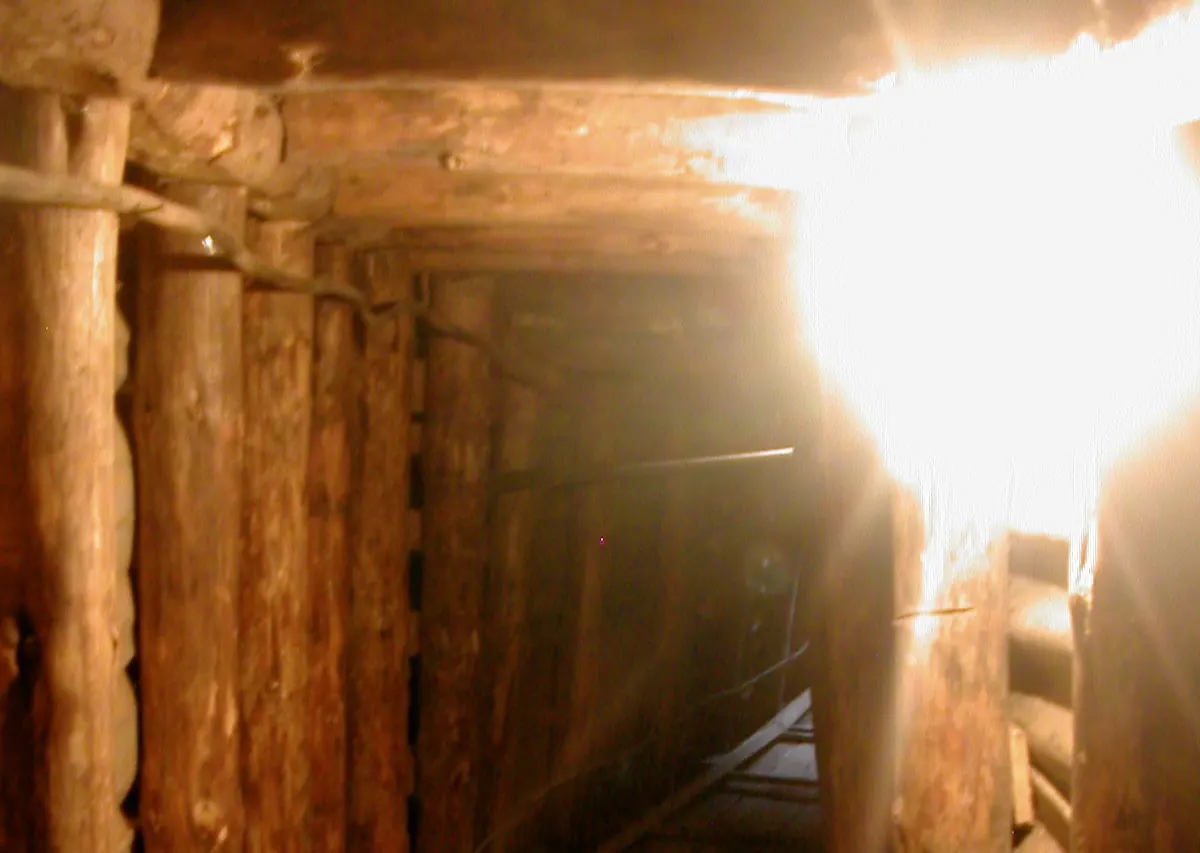
The Tunnel of Hope memorial complex explains a wartime lifeline built beneath the airport runway during the siege. Visit for the historical context as much as the surviving passage: maps, everyday objects and accounts of construction show what supplying a besieged city involved. The visitor site is on the Butmir side, outside the walkable old centre. Give it a separate journey and time to absorb the material instead of treating it as a dramatic photo opportunity before rushing back to lunch.
The memorial centre distinguishes original surviving tunnel sections from restored stretches, so read the interpretation before assuming every part is unchanged. Its published visitor information says that payment is not accepted by credit card or in foreign currency; bring Bosnian convertible marks and recheck this before travelling. Opening arrangements vary by season. The confined passage may not suit every visitor, so ask about the exhibition-only and mobility options. A taxi or organised historical tour can simplify the trip, but confirm the return journey and what the booking actually includes.
Plan it well: Use the memorial centre's Butmir visitor location, not an airport entrance. Bring local cash and confirm the return transport.
Sarajevo Memorial Centre Tunnel of HopeBroaden the story at the National Museum
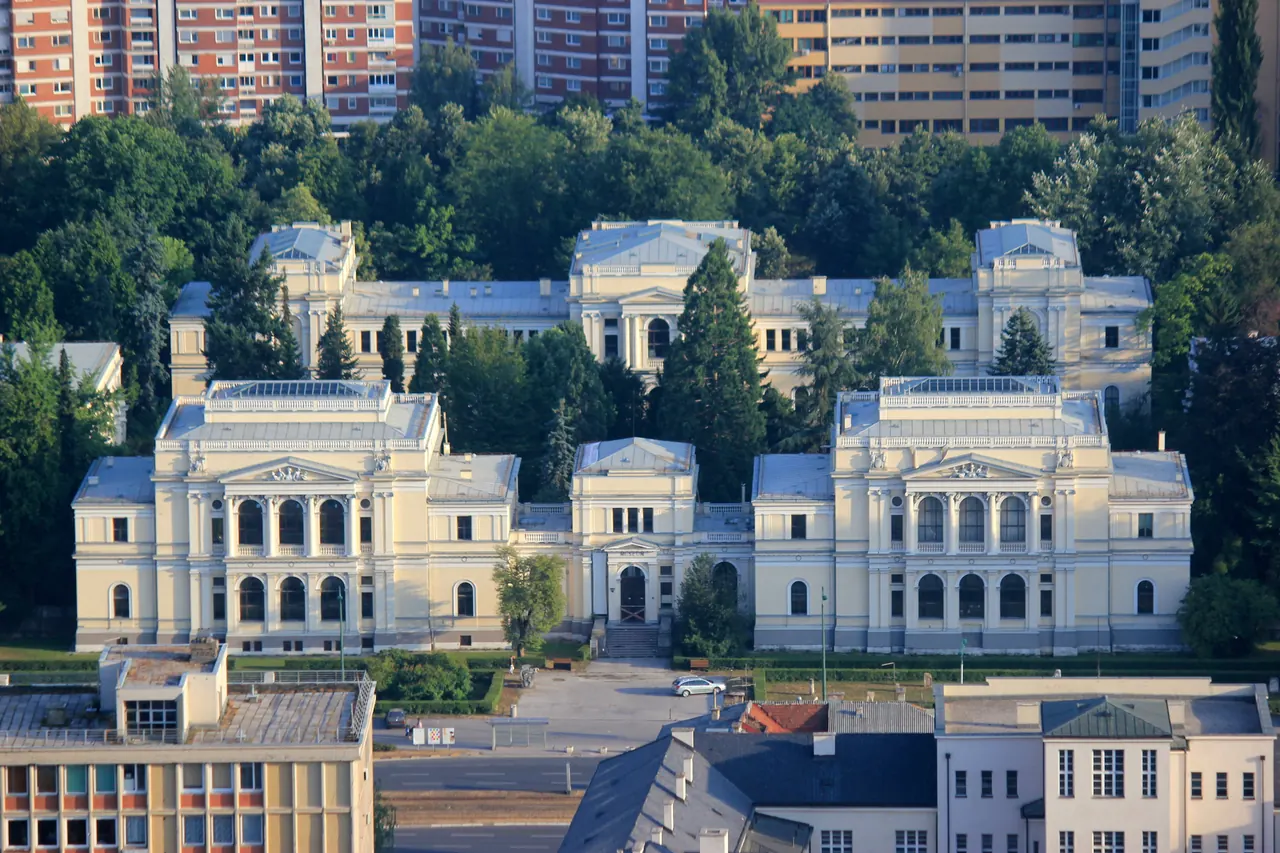
Choose the National Museum when you want a longer view of Bosnia and Herzegovina than the events of the last century. Its archaeology, ethnology and natural-history collections offer several ways into the country, so decide which interests you most before attempting every room. The museum complex itself feels different from the narrow bazaar, with separate buildings and a garden setting. It is a substantial stop in the western part of central Sarajevo, best given its own morning or afternoon.
The Sarajevo Haggadah is a particular draw, but it does not follow the same viewing timetable as the general exhibitions. The museum publishes specific viewing windows and separate arrangements for professional guidance, including advance requests. Check these directly if the manuscript is your main reason for coming; a normal opening day is not a promise that you can see it at any moment. The museum also lists Monday and public-holiday closures. Build the visit around its calendar, then return along the main urban corridor for a quieter evening in the centre.
Plan it well: Verify the Haggadah viewing window, not just the museum's opening hours. A general admission visit and an arranged guided viewing differ.
National Museum visitor hours and Haggadah accessPause at the Sacred Heart Cathedral
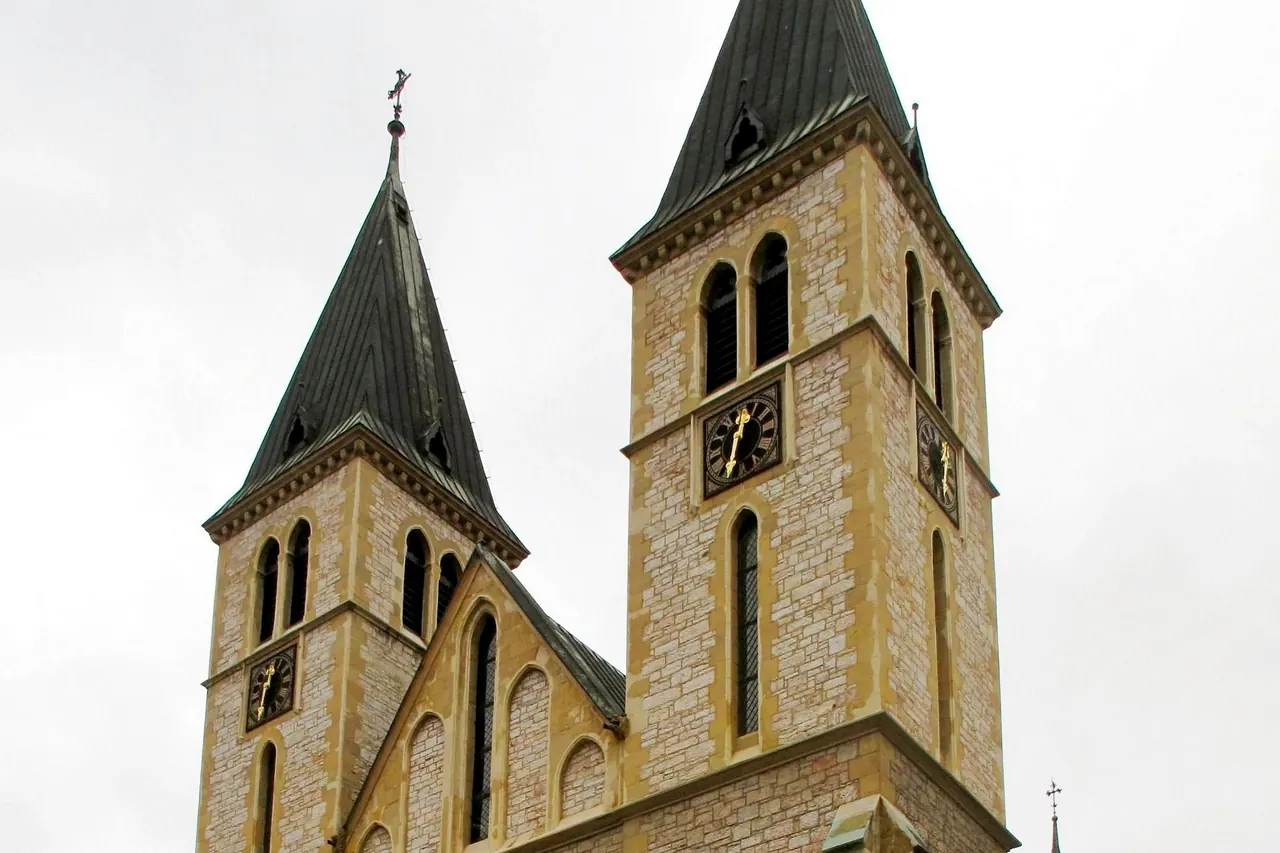
The cathedral is a natural pause on Ferhadija, where the streets begin to feel different from the craft lanes of Bascarsija. Look at the twin towers and the rose window from the square, then compare the surrounding facades with the older market streets behind you. Sarajevo's religious buildings are close together, but proximity does not mean their histories or communities are interchangeable. The Catholic cathedral adds another layer to a walk that may already have included a mosque and riverside civic architecture.
If visitors are being admitted, enter quietly and give the interior a few attentive minutes rather than walking straight down the aisle with a camera raised. Services and local use take precedence, and the exterior remains worthwhile when the church is closed to sightseeing. Avoid depending on unverified daily opening times. Afterwards, continue along Ferhadija for a cafe stop or turn back towards the bazaar. This works as a shorter, flatter option on a day when the climb to Vratnik would be too demanding.
Plan it well: A central church is still an active place of worship. Read entrance notices and postpone interior sightseeing during a service.
Sarajevo tourism board religious heritageSpend a green half-day at Vrelo Bosne
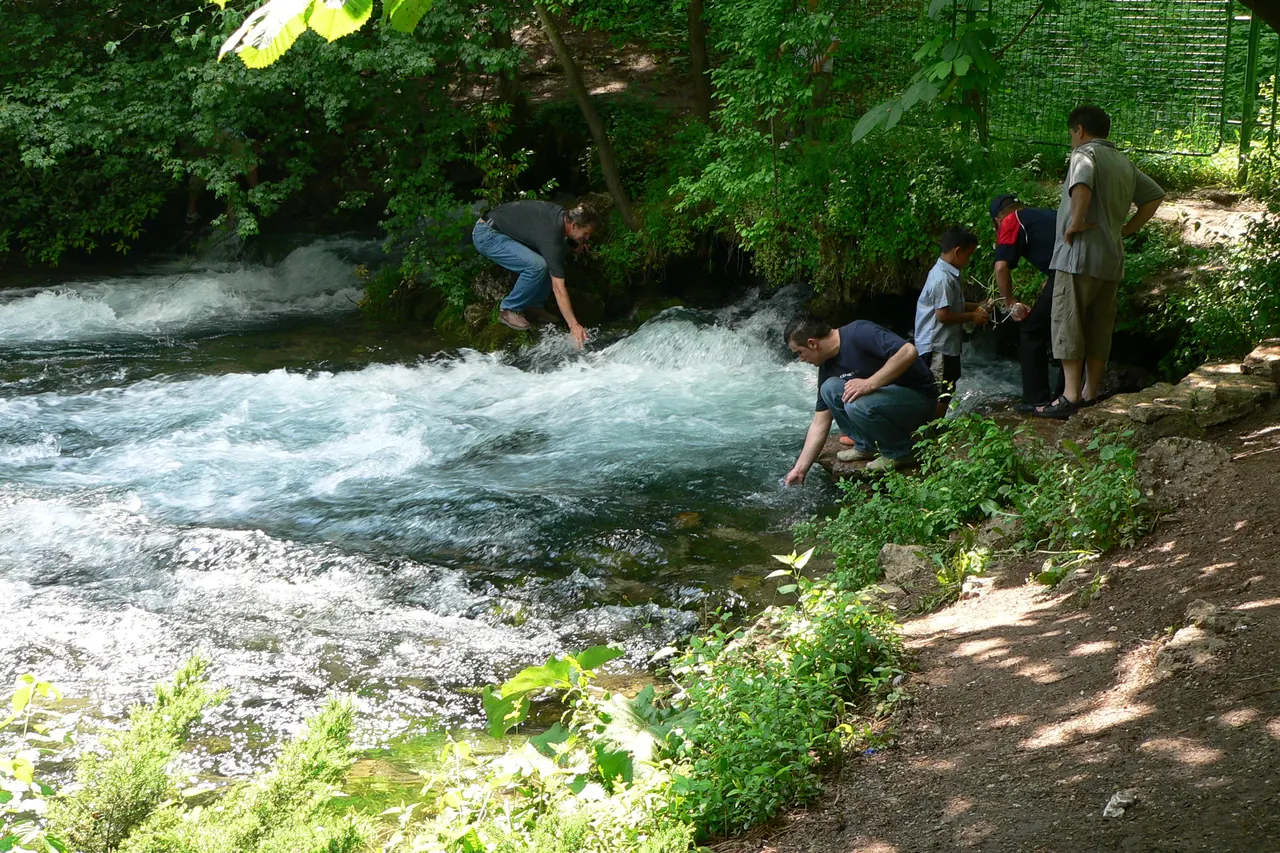
Vrelo Bosne protects the spring area of the Bosna River near Ilidza, southwest of the city centre. Its water channels, small bridges and shaded paths provide a different kind of Sarajevo day, with more attention to the landscape than to monuments. The protected-area authority describes walking paths, lakes and a children's play area. Choose a modest loop and time to sit rather than trying to turn the park into an ambitious hike or cover every path in one visit.
The tree-lined Velika Aleja approach can be part of the outing, but it adds distance; decide whether you want that walk before choosing your transport. Getting to Ilidza is not the same as arriving at the springs, so check the final connection and your return plan. Bring water and weather-appropriate shoes, and do not feed the wildlife or step into fragile waterside areas for photographs. This is a good alternative to Trebevic when you want a gentler landscape day, but it still deserves time outside a tightly packed old-town itinerary.
Plan it well: Separate the journey to Ilidza from the last leg to the park. Walking the avenue is an optional activity, not an assumed short transfer.
Vrelo Bosne protected-area authorityHow to spend two days in Sarajevo
Day one: bazaar, river and hillside
Start in Bascarsija, fit the mosque around its visitor windows, then follow the river between Latin Bridge and City Hall. Return along Ferhadija to the cathedral. Choose the Yellow Fortress only if weather and energy allow the uphill walk.
Day two: choose a historical or outdoor anchor
Use the National Museum as the main visit, checking the Haggadah window first, or make a separate journey to the Tunnel of Hope. Alternatively, devote the day to Trebevic and the bobsleigh track or Vrelo Bosne. Do not try to fit all four into one day.
Before you go
Carry some local currency
The Tunnel of Hope currently lists no card or foreign-currency payment. Carry convertible marks for that visit and check payment arrangements at smaller businesses.
Memorial centre payment informationCheck worship and museum calendars
Mosque visitor windows vary by season and Ramadan. National Museum closure days and Haggadah viewing windows can determine which day suits your plans.
Keep mountain plans conditional
Check the weather and cable-car operation before Trebevic. Use established paths, obey warning signs and never treat abandoned structures as a playground.
Where to stay in Sarajevo
Choose Stari Grad for early bazaar walks, checking street noise and stairs in historic buildings. The central corridor towards Marijin Dvor can suit museum and transport plans. Ilidza works differently: it is closer to the springs and airport-side outings but adds journeys to the old town. Compare the exact hotel location, access and room details rather than relying on a broad neighbourhood label.
Explore Sarajevo hotels