
Bruges city guide
10 things to do in Bruges
Explore Bruges beyond its postcard views, connecting the belfry and market squares with Flemish art, a medieval hospital, quiet waterside paths and city gates.
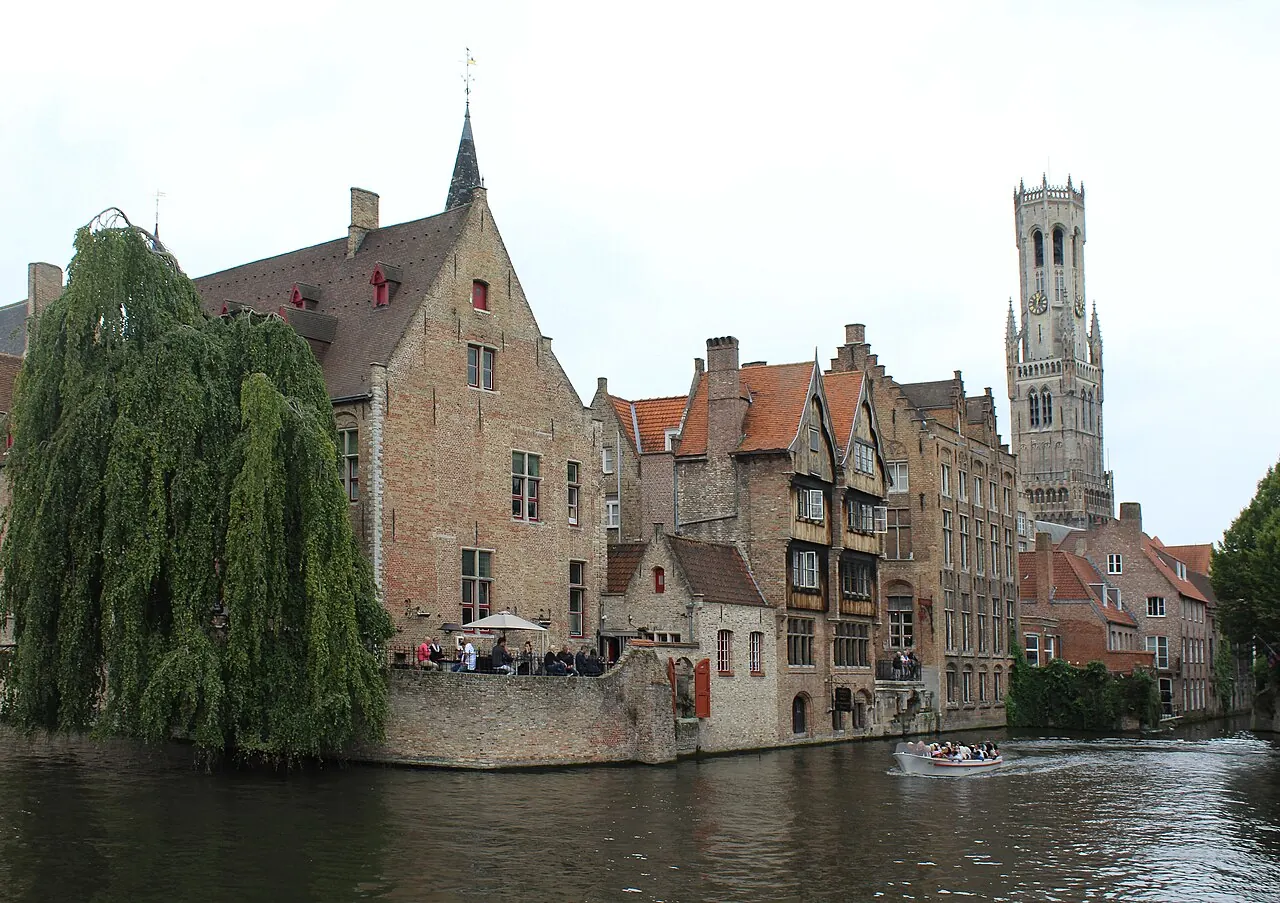
Plan your visit
Bruges is compact enough to connect several sights on foot, but that is not a reason to hurry. Build a day around one museum or a belfry climb, then use the squares, canals and southern green spaces as the flexible parts. These ten places show different sides of the city, including active religious settings and museums whose access may change during renovation.
Climb the belfry for a different view of the city
The Belfry is more than the tower that appears behind a canal photograph. Its position above the market halls makes the connection between trade, civic power and public space visible. Climbing changes your perspective on the street plan below, but the route also provides context for the tower itself. If the climb interests you, make it the main booked activity of a central Bruges morning rather than an uncertain extra between museum slots.
The official visitor information describes a staircase climb of 366 steps, so consider stamina, balance and confined stairways before reserving. Check current ticket availability and any weather-related closure notices; a city view is not worth ignoring an access restriction. You can still appreciate the exterior and market halls without climbing. Leave time afterwards to sit in the square and look at how the tower relates to the surrounding buildings instead of immediately rushing to another viewpoint.
Plan it well: A belfry climb and a visit to the halls below are different experiences; check precisely what your booking covers.
Visit Bruges: BelfortLook at the Markt before leaving the square
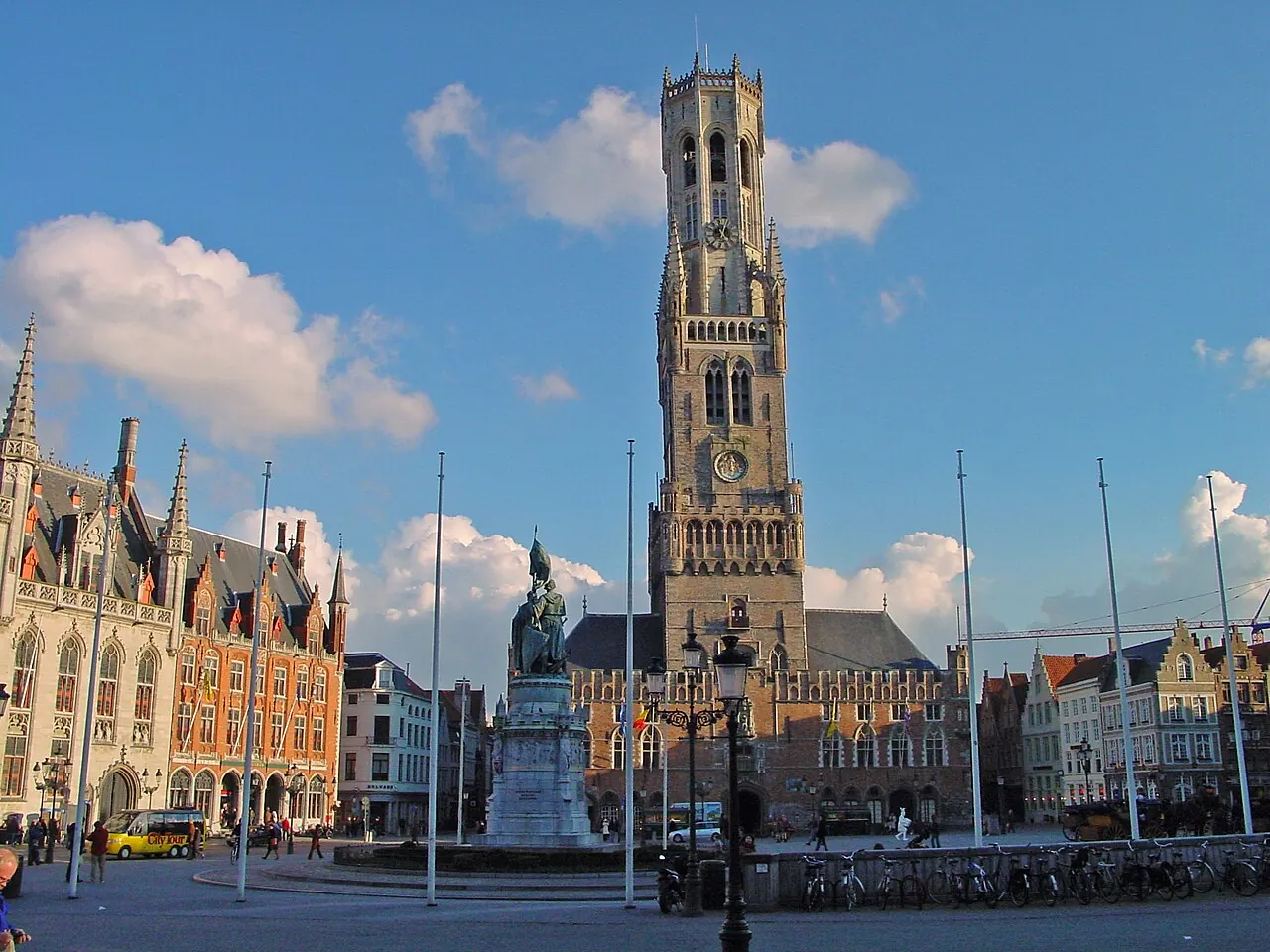
The Markt is a good place to pause and understand Bruges as a trading city, not merely a collection of attractive canals. Walk around its edges and compare the civic buildings, gabled facades and market-hall frontage. The square's open space makes those differences easier to see than they are in a narrow lane. A short stop here can establish the visual vocabulary for the rest of your old-city walk.
This is also a busy everyday visitor hub, so give yourself room to choose where to eat instead of sitting down at the first terrace beside a queue. Browse a menu and check what is included before ordering. Keep the square walk flexible around a belfry reservation, and do not assume that an open square means every indoor attraction on its perimeter is open too. The nearby Burg is a separate civic space with a different architectural character, worth approaching deliberately.
Plan it well: Visit the square at a second time of day if you are staying overnight; changing light and activity alter the view.
Visit Bruges: MarktRespect the two different spaces of the basilica
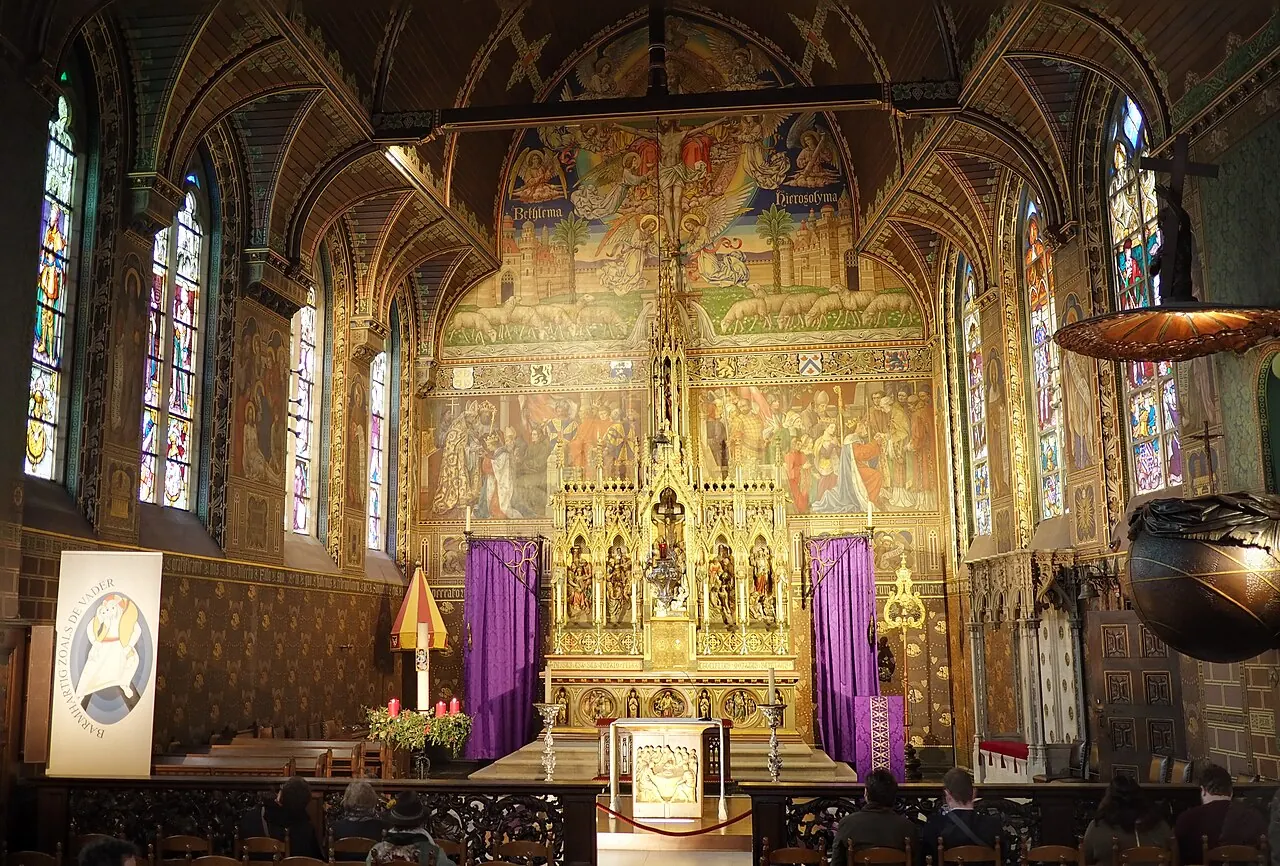
The Basilica of the Holy Blood makes a compact but distinctive stop on the Burg. Its lower and upper religious spaces are not simply interchangeable rooms in a museum, and the relic at the centre of its tradition has a devotional significance for worshippers. Look at the architecture and decoration with that context in mind. You can appreciate the building without making claims about the religious tradition or feeling obliged to participate in it.
Check the basilica's official visitor notices before going, particularly if seeing the relic is important to you. During services, access to the relevant worship space is for those attending the service rather than general sightseeing. The museum and treasury have a separate admission arrangement from the basilica itself. Keep voices low, follow photography instructions and let a change in access redirect your visit to the square rather than interrupting the activity inside.
Plan it well: Consult the official veneration and service schedule; an ordinary visit does not guarantee a particular relic-viewing opportunity.
Basilica of the Holy Blood visitor noticesLook closely at Flemish painting at Groeningemuseum
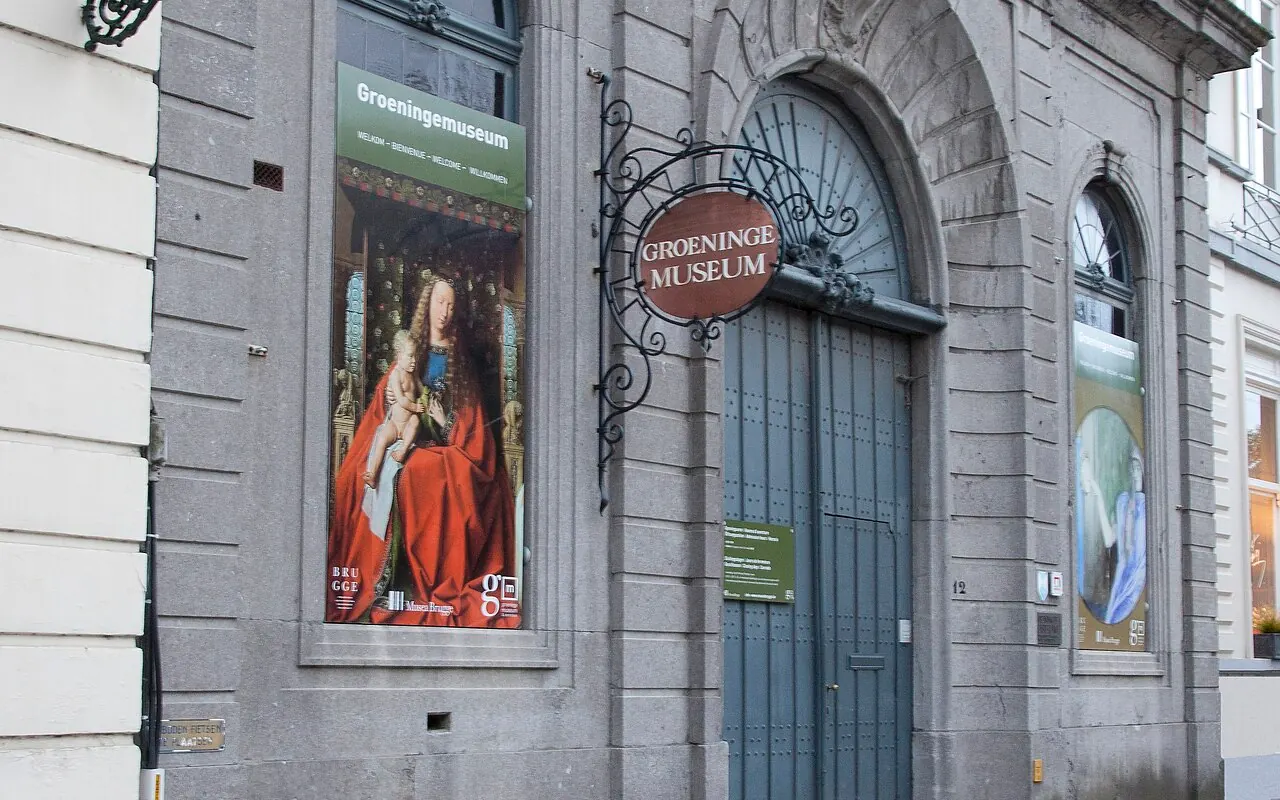
Groeningemuseum is the place to turn Bruges's artistic history into more than a set of famous names. Its collection includes early Netherlandish painting alongside later Belgian art, offering the chance to compare close observation, religious commissions and changing artistic priorities. Select a few works and read their context before moving on. Small painted details reward patience, and a focused museum visit can provide a richer understanding of the city than another rapid circuit of its streets.
Planning needs particular care here: the museum's official page announces a four-year refurbishment closure beginning on 11 January and says key Groeninge works will then be shown at BRUSK. Verify the applicable dates and current display location before making this the anchor of a future trip. Do not assume that a named work remains on view or that an old museum address is the correct place to see it. Check the current ticket calendar as well as the collection description.
Plan it well: For travel after the announced January closure, follow Musea Brugge's BRUSK and renovation updates before booking.
Musea Brugge: Groeningemuseum and refurbishment noticeEnter the beguinage quietly
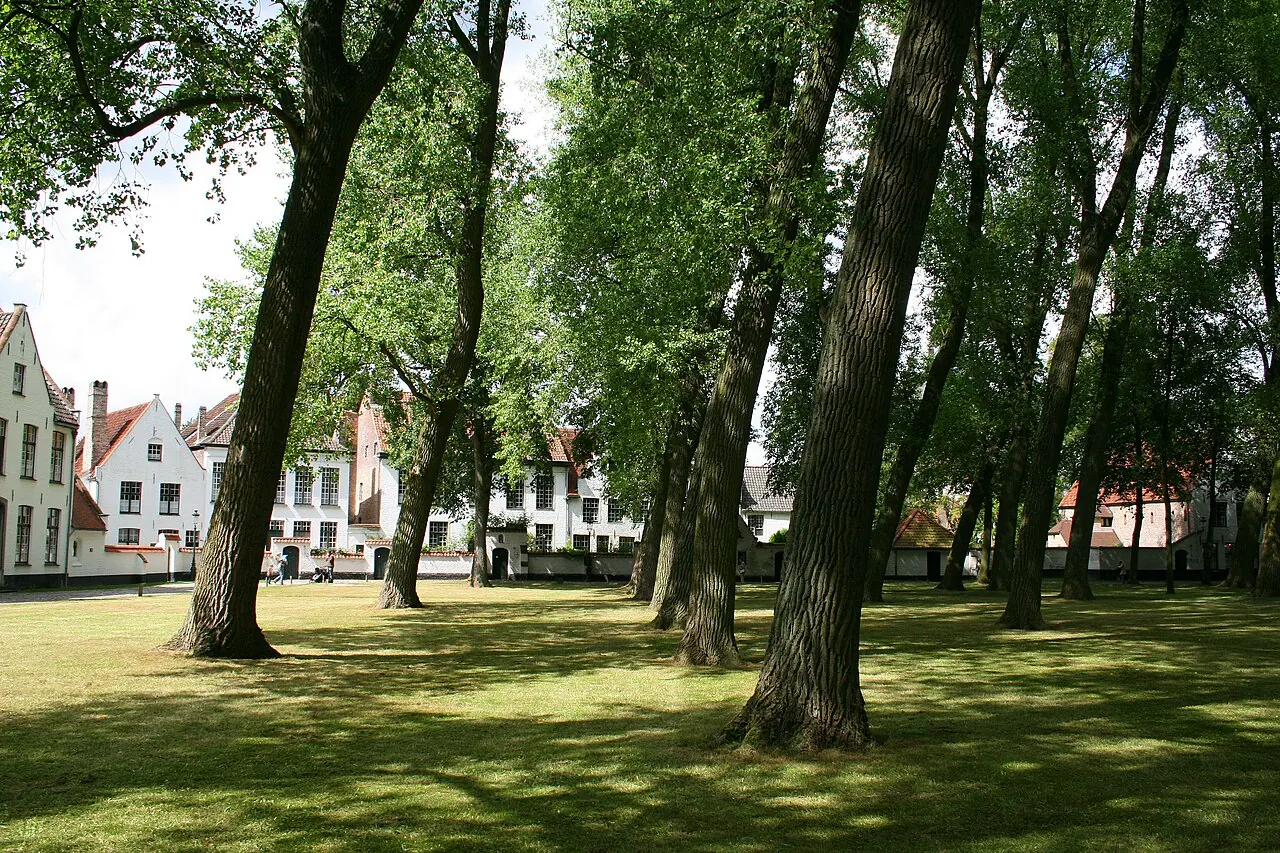
The beguinage offers a different kind of historical encounter from a crowded market square. Its white houses and shared green courtyard reflect a community organised around a particular way of life. Read about the beguines before entering so that the buildings are not reduced to a pretty backdrop. Their history is distinct from that of a conventional monastic order, and the surviving setting deserves that distinction.
This remains an inhabited place where silence is an explicit visitor expectation. Walk quietly on the permitted paths and keep photography away from private doors and windows. The official tourism information says the gates close at night, so make it part of a daytime southern-city walk rather than assuming access after an evening meal. Minnewater is nearby and provides a more suitable place to continue a conversation or pause outside the contemplative setting. Seasonal flowers vary; do not expect a spring display throughout the year.
Plan it well: Treat the courtyard as a lived-in place of silence, not a picnic spot or a stage for group photographs.
Visit Bruges: BegijnhofUse Minnewater as a slower part of the day
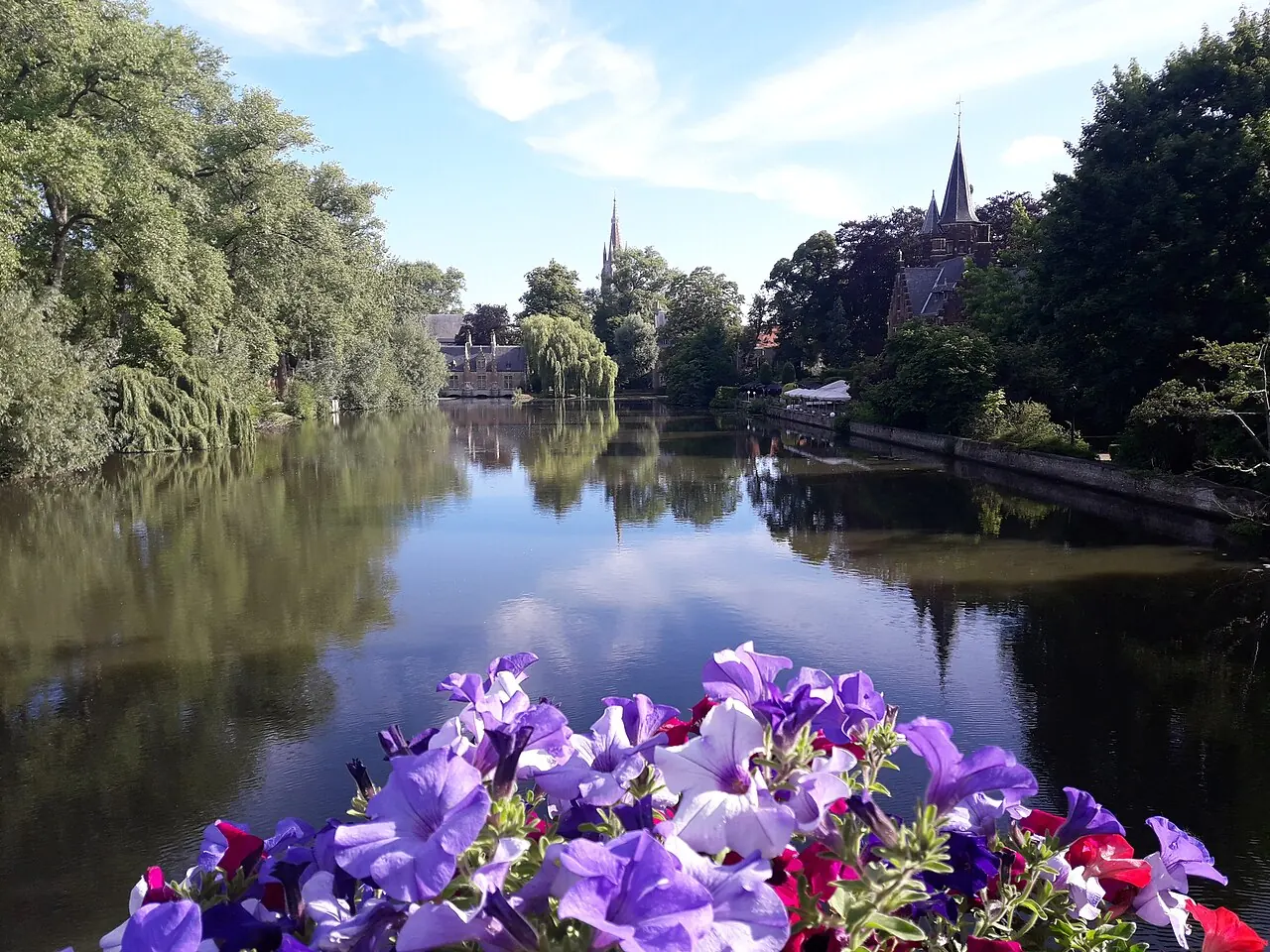
Minnewater, often called the Lake of Love, is useful precisely because it does not need to be a tightly programmed attraction. Follow a section of the water, look back toward the buildings and let the southern edge of the city provide a pause between indoor visits. The name and associated stories are part of its appeal, but you do not need to turn a walk here into a search for one mandatory romantic photograph.
Combine the waterside area with the beguinage and a southern museum rather than making separate trips across town for each. Choose paths according to the weather and your mobility needs, and remember that a park route may differ from the fastest route back to the railway station. Keep a train departure buffer instead of assuming a last-minute scenic detour will take the same time as a direct walk. Leave wildlife undisturbed and use benches or permitted spaces for a break.
Plan it well: Use the lake as the adjustable part of a museum day; shorten the outdoor loop if rain or departure timing calls for it.
Visit Bruges: MinnewaterSee the art inside the Church of Our Lady
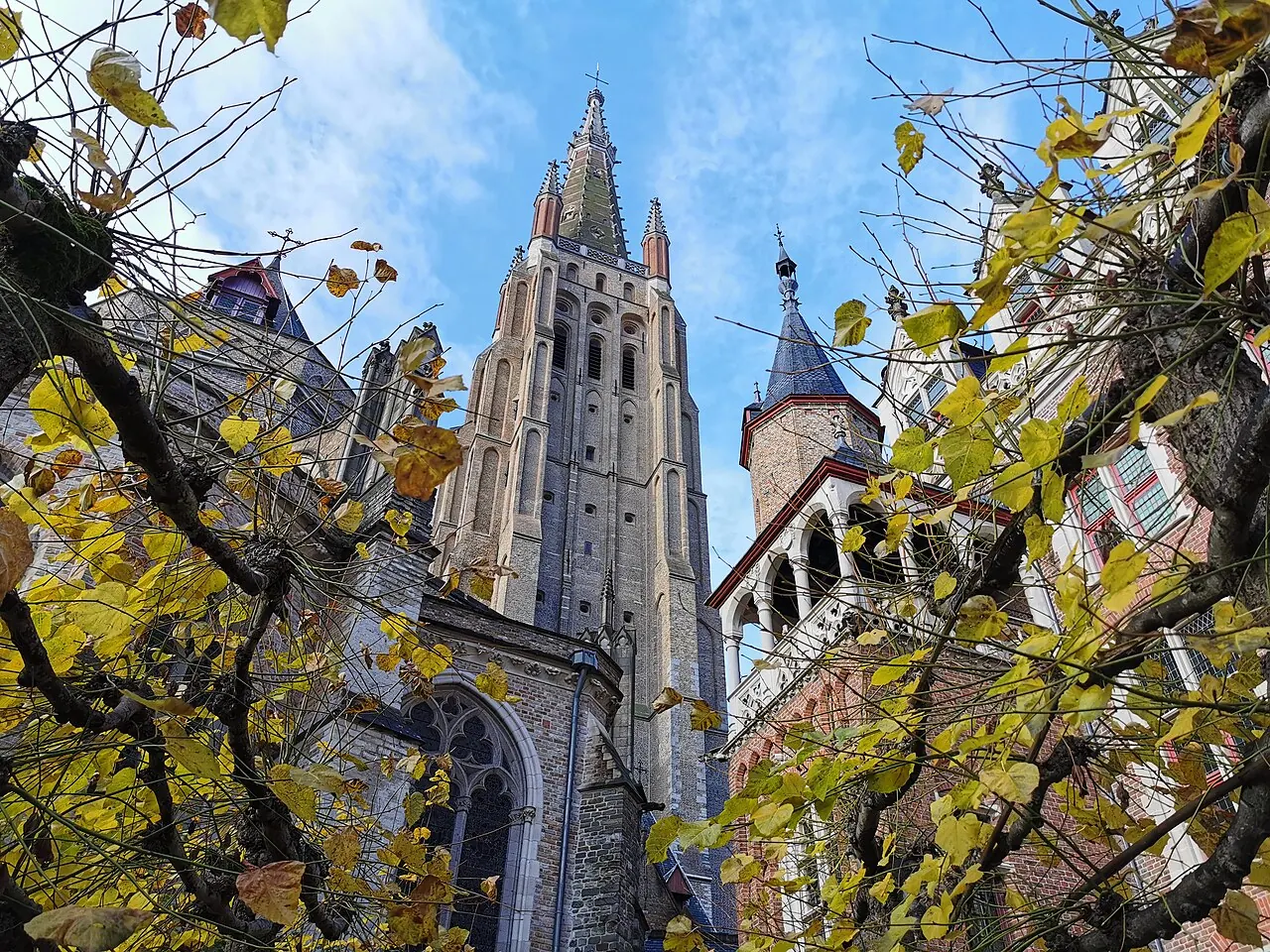
The Church of Our Lady is easy to notice in the skyline, but an interior visit adds an artistic dimension that the tower alone cannot provide. Michelangelo's Madonna and Child and the Burgundian tombs are reasons to look carefully at the museum area, not simply to step through the door and tick off the building. Consider how a working church and its art collection coexist rather than treating the entire interior as one undifferentiated gallery.
Check the current museum admission and access information before arriving, especially if the sculpture is the main purpose of your visit. Religious use and visitor circulation can affect what is available. A neighbouring hospital visit makes geographic sense, but the two sites tell different stories and require separate attention. Avoid planning their interiors immediately before closing; a brief exterior stop is an alternative, not the equivalent of seeing the collection you came for.
Plan it well: Ask which areas require the museum ticket; ordinary church access does not automatically include all art displays.
Musea Brugge: Church of Our Lady MuseumConnect art and care at St John's Hospital
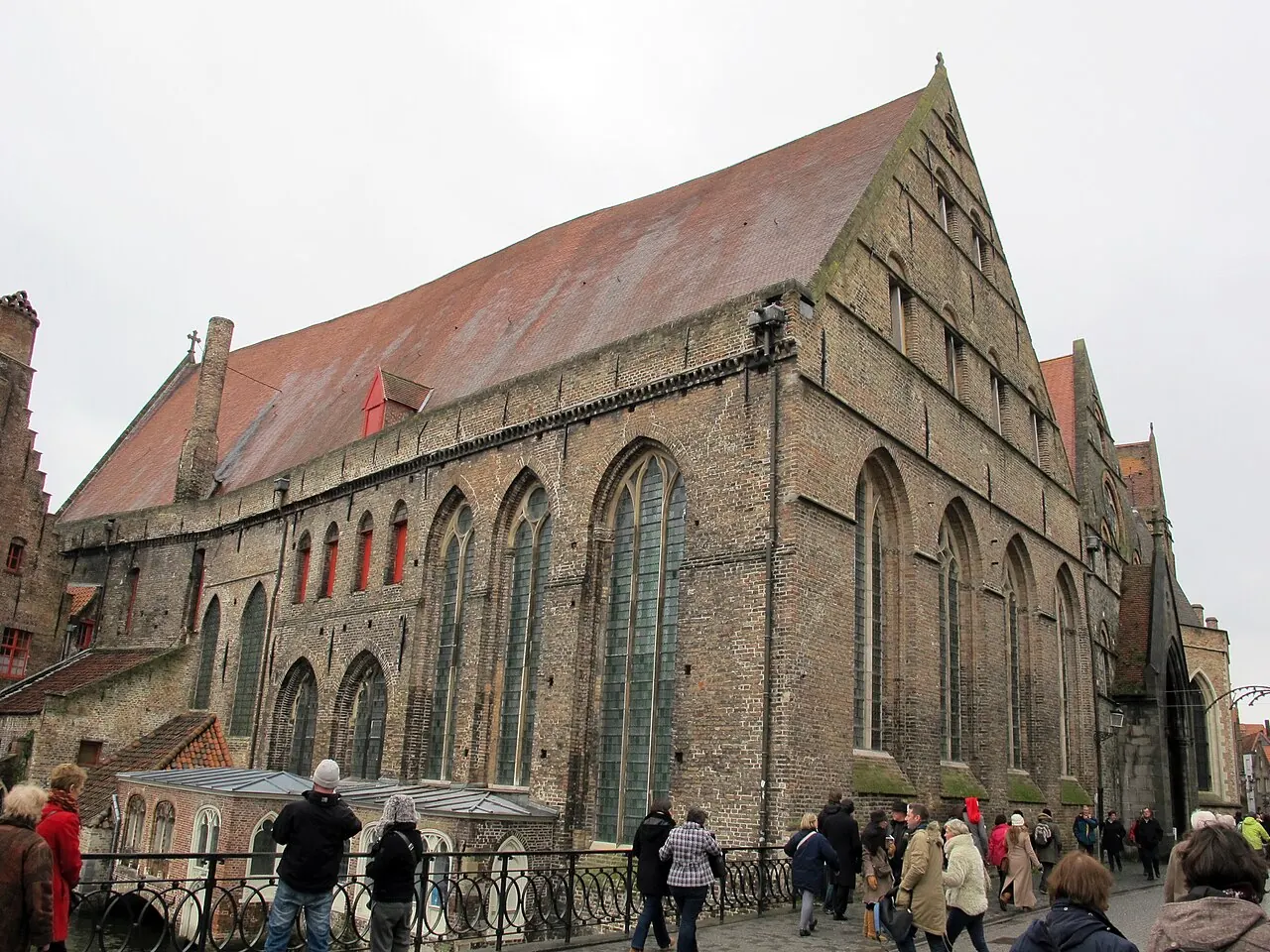
St John's Hospital gives Bruges a story about care, illness and human relationships alongside its familiar story of commercial wealth. The historic hospital setting and the art shown within it are most interesting when considered together. Take time with the interpretation of the building before concentrating on a few works by Hans Memling. Otherwise it is easy to miss why this collection belongs in this particular place rather than in a neutral gallery.
Consult the museum's current programme because its renewed presentation connects historic and contemporary material, and not every visitor arrives with the same interests. If you also want to see the historic pharmacy, check its own visiting arrangements instead of assuming every part of the complex follows the same schedule. This makes a strong principal visit for a southern-city day, with the Church of Our Lady or Minnewater as a second stop depending on your remaining energy.
Plan it well: Check the pharmacy separately and give the hospital itself attention, not only the paintings.
Musea Brugge: Museum Sint-JanshospitaalLook inside the civic story at City Hall
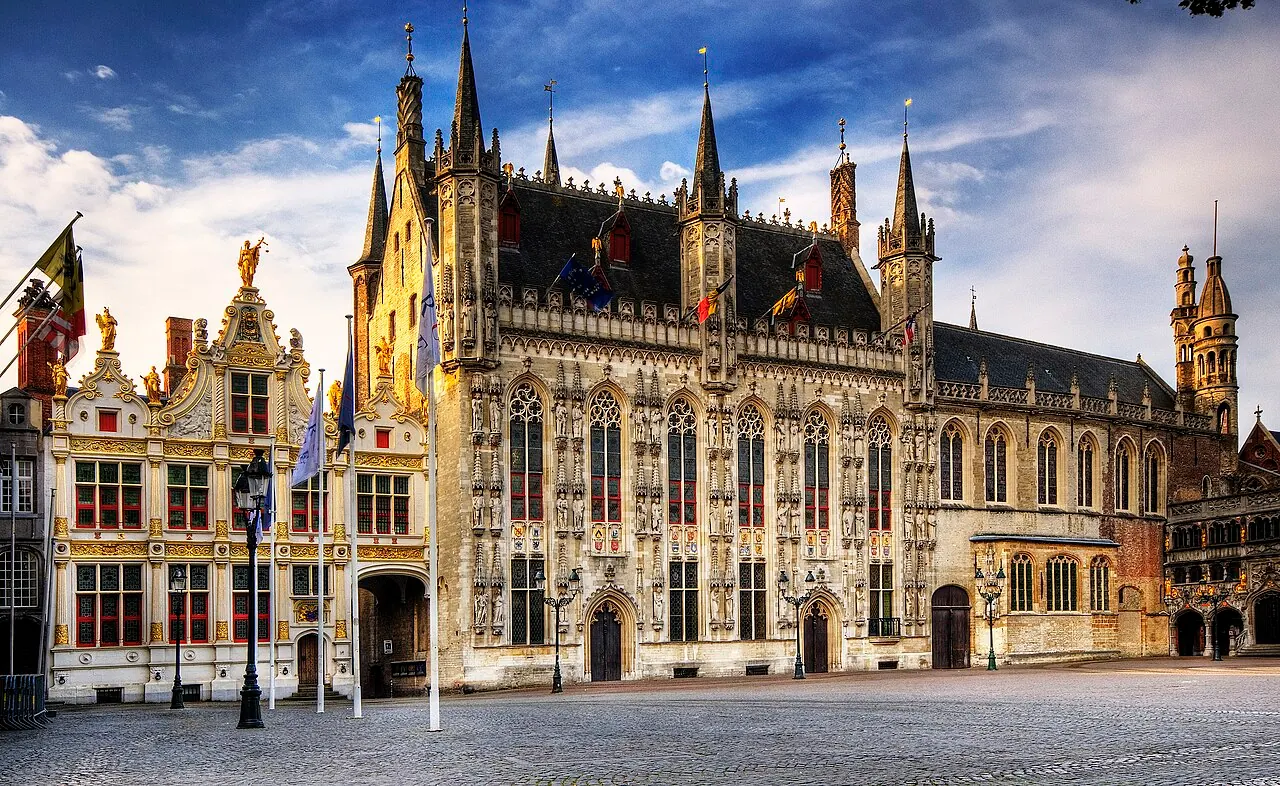
Bruges City Hall helps explain why the Burg feels different from the Markt. Here the architecture speaks more directly about government and civic authority, with an elaborate facade that deserves a look before you enter. The interior visit, including the Gothic Hall, gives the city's political history a material setting. It is a useful choice for travellers who prefer one concentrated architectural visit to another large art collection.
Use the museum's official information to check the current visitor route and whether events affect access. The building is not simply a backdrop to neighbouring religious sights, and an exterior view does not include the hall upstairs. Combine it with the Basilica of the Holy Blood if their schedules align, then leave time on the square to compare the buildings. Reading a little civic history beforehand makes the details more meaningful than approaching the facade only as a photo opportunity.
Plan it well: Check interior access on the official museum page rather than assuming an open municipal building means unrestricted sightseeing.
Musea Brugge: StadhuisWalk out toward the Kruispoort and ramparts
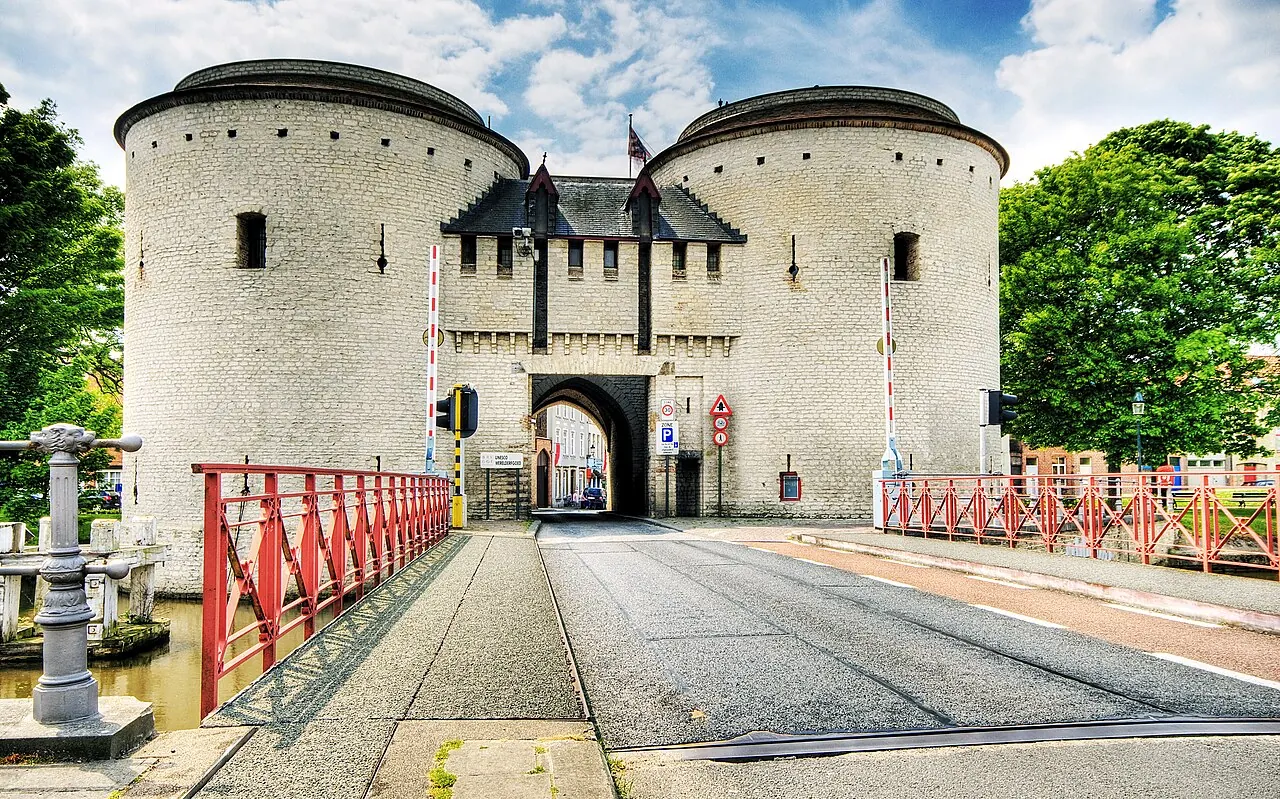
The Kruispoort is a worthwhile reason to venture beyond the busiest canal viewpoints. Its heavy towers and narrow passage make the former boundary of the city tangible, showing Bruges as a defended place rather than an open-air decorative set. Approach it as the destination of an eastern-city walk, paying attention to the transition from central streets toward the rampart landscape and the water around the old gate.
The official visitor listing presents the gate as an outdoor sight, so do not plan on an interior museum or a tower climb unless a specific event says otherwise. The surrounding roads, bridges and cycle routes remain active; use the appropriate crossings rather than stepping into traffic for a symmetrical photograph. Add a manageable stretch of the ramparts if weather and daylight suit, then work out your return route before continuing farther. This is a good longer-stay choice, not something to force between two central museum bookings.
Plan it well: Choose this for the outdoor setting and city-edge walk, not for an assumed indoor admission.
Visit Bruges: KruispoortHow to spend two days in Bruges
Day one: the two main squares
Start around the Markt with a prearranged belfry climb if suitable. Continue to the Burg for City Hall and the basilica, following visitor and service schedules. Leave the remaining canal walk and dinner unhurried.
Day two: art and the southern city
Choose Groeningemuseum if operating on your dates, or St John's Hospital as the principal visit. Add the Church of Our Lady, then walk quietly through the beguinage and pause at Minnewater. Use extra time for the eastern ramparts and Kruispoort.
Before you go
Check renovation and closure notices
Groeningemuseum has announced a multi-year refurbishment and a move of key works to BRUSK. Verify the display location for your dates. Other museums have their own closing days; a combination pass does not override them.
Musea Brugge planningKeep religious spaces respectful
The beguinage is inhabited and expects silence. The basilica and church remain places of worship, with access and photography rules that differ from outdoor sightseeing.
Account for cobbles and stairs
Choose footwear and luggage that suit uneven streets, and check specific mobility arrangements before booking the belfry or historic interiors. Keep extra time for the journey to the railway station.
Choose streets as carefully as landmarks
A central Bruges hotel can make early walks and evening meals convenient, but check the precise street, room access and luggage route over the cobbles. Compare quieter southern or eastern locations with the main-square area. For a rail arrival, investigate the station connection before prioritising a canal view.
Explore Bruges hotels