
Brussels city guide
10 things to do in Brussels
Start with the Grand-Place, then make room for surrealism, comic art, covered galleries and the Atomium without turning a weekend into a museum marathon.
Plan your visit
Brussels is more interesting when its contrasts are allowed to stay separate: ornate guild houses, a small comic fountain, art that unsettles ordinary objects and a giant structure built for a world fair. Keep the historic centre walkable, choose your museum subject carefully, and treat the Atomium as an outing rather than a detour between central bookings.
Look slowly around the Grand-Place
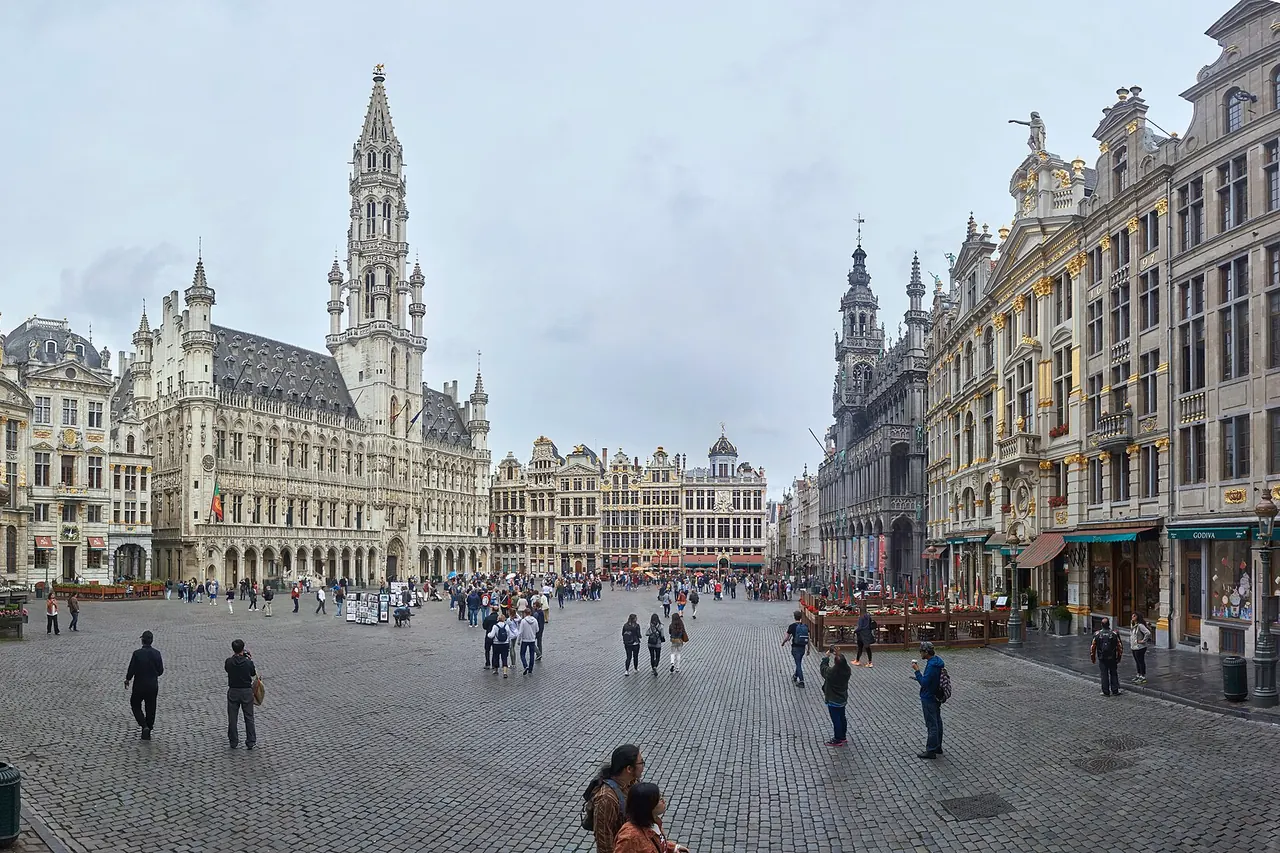
The Grand-Place is worth a complete circuit before you decide where to stand for a photograph. Compare the Town Hall's tower with the densely decorated guild houses and the building opposite it, rather than letting one facade become the whole experience. This is the architectural centre of the visit, and the surrounding narrow streets make the sudden opening into the square particularly effective on your first approach.
Leave time to return when the light changes, but do not expect an event such as the flower carpet on an ordinary weekend. If you want more historical context, choose a separately ticketed visit to the City Museum or a Town Hall tour and check its actual availability. The square itself fits comfortably with the Saint-Hubert Galleries and nearby lanes. Look at restaurant menus before sitting down; a view of the square is a location choice, not a guarantee about food or value.
Plan it well: Stand on several sides of the square before photographing it; event installations can change the open space.
Visit Brussels: essential landmarksWalk beneath the Saint-Hubert glass roof
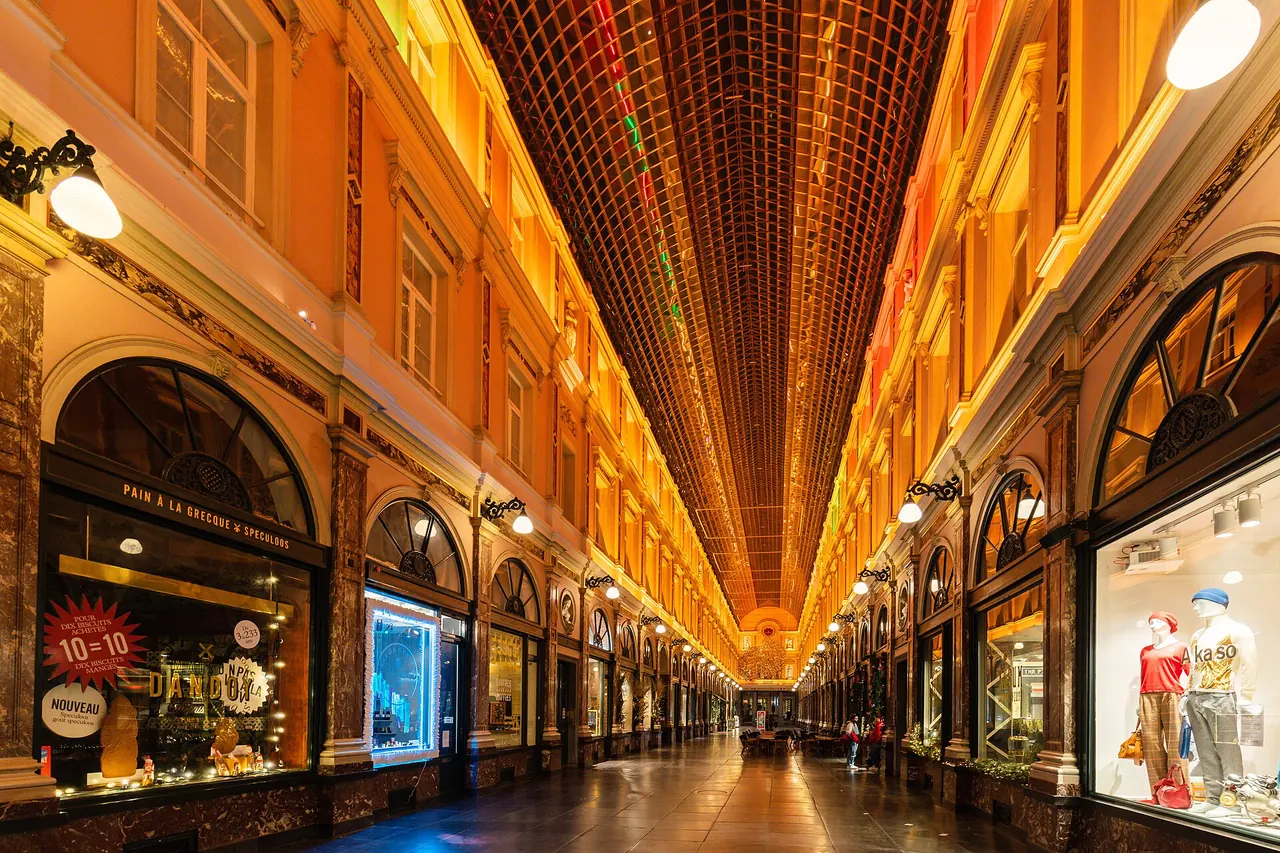
The Saint-Hubert Galleries make browsing an architectural experience. Look up at the glazed roof and along the repeated shopfronts before getting distracted by the chocolate displays. The arcade is close to the Grand-Place, but its ordered interior feels different from the surrounding lanes. It works well as a slower link through the centre, especially when you want some shelter without committing to another museum.
Choose one shop or cafe deliberately instead of buying from the first counter that catches your eye. Compare ingredients, package sizes and prices if chocolate is the objective, and remember that an elegant arcade contains individual businesses with different opening arrangements. Cultural venues here have their own programmes and tickets. Continue towards the cathedral when you want to extend the walk; if you linger over a drink, shorten the rest of the route rather than trying to recover time by rushing the next visit.
Plan it well: Treat the galleries as a covered walk with optional purchases, not as a ticketed sightseeing attraction.
Royal Saint-Hubert Galleries: access and contactFind the small fountain, then understand the tradition
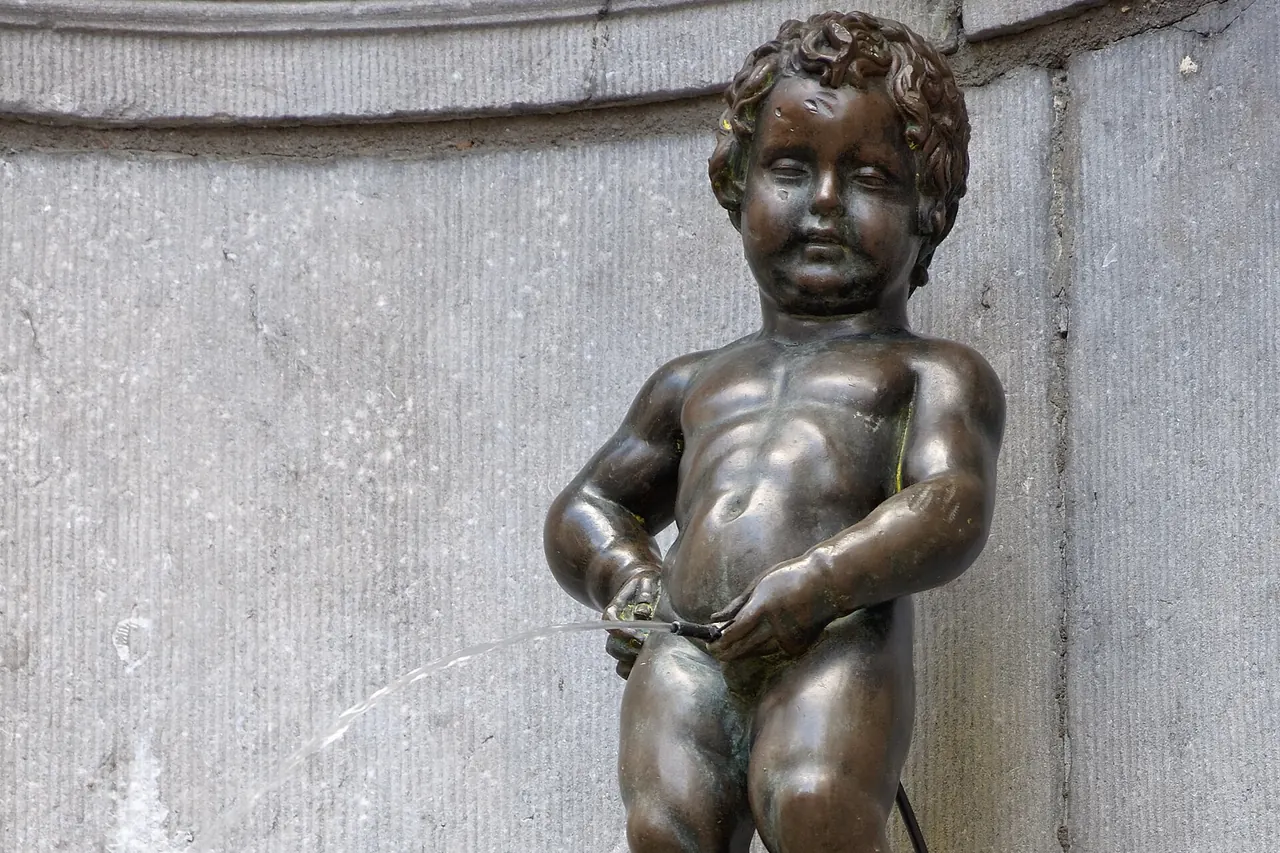
Manneken Pis is a deliberately small stop, and arriving with the right expectation makes it more enjoyable. The fountain figure stands in a niche near the Grand-Place, with a reputation far larger than its physical scale. See it as an example of the city's affection for irreverence rather than a monumental statue. A short visit is enough to notice the setting and, on some days, the costume chosen for the figure.
The original sculpture is preserved in the Brussels City Museum; the fountain displays a replica. That distinction gives you a useful choice: a quick street encounter, or a longer museum visit to explore the object's history and the traditions around it. Do not plan on a particular outfit being worn unless you have checked the dressing calendar. Keep the pavement moving when the corner is crowded, then continue through the nearby streets rather than treating the fountain as a destination requiring a separate journey.
Plan it well: A costume display and the City Museum are separate indoor visits; the street fountain is not the original statue.
Brussels City Museum: Manneken PisGive the Atomium its own outing
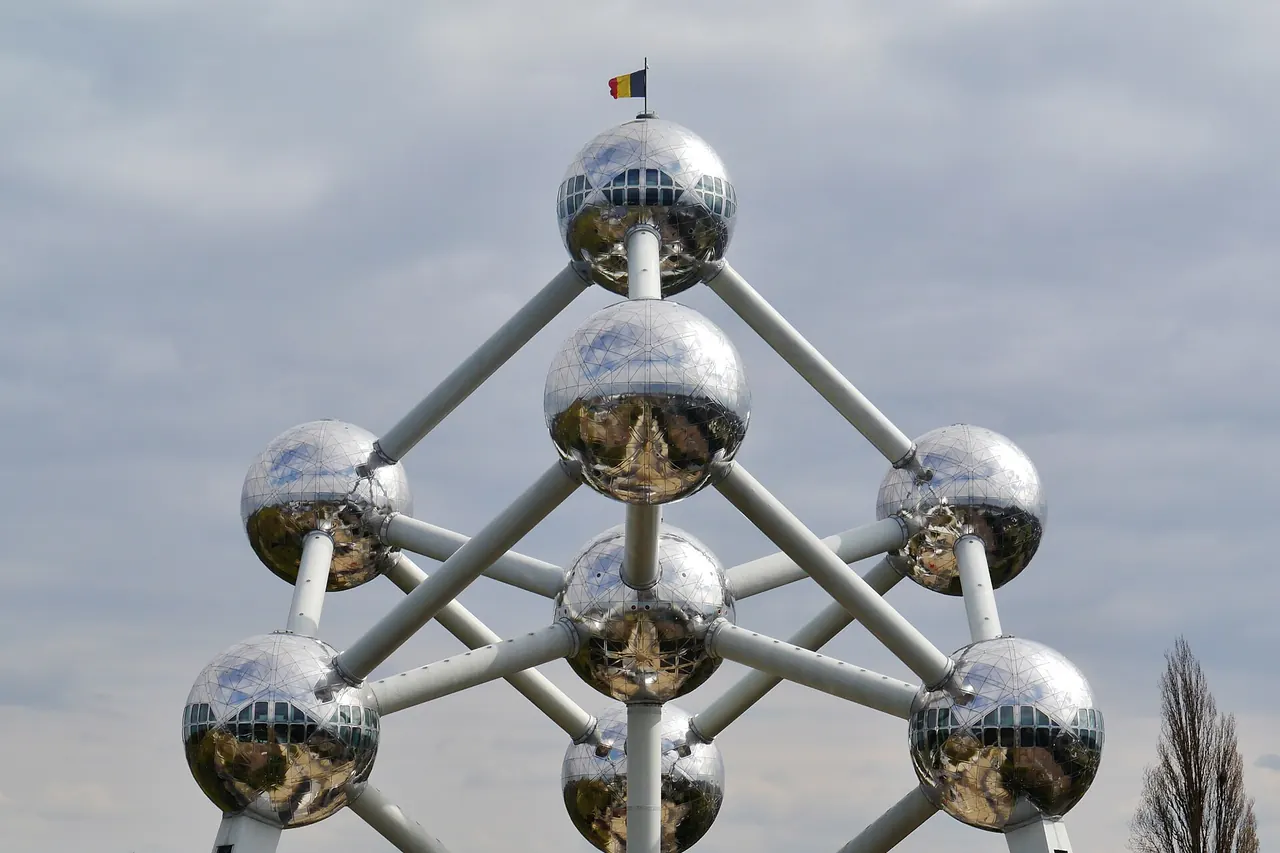
The Atomium brings a very different Brussels into view: the optimism and spectacle of the 1958 world fair rather than the historic trading city. Walk around the structure first to appreciate the connected spheres from ground level. Inside, the attraction combines exhibitions with movement through the building and a panorama. Decide whether that indoor experience interests you, rather than travelling across the city solely because the silhouette is famous.
Heysel is outside the compact central sightseeing cluster, so plan the metro journey and leave a realistic block of time. An online ticket can avoid the purchase queue without removing the entrance queue, and the official opening-hours page warns that a reserved time is not priority admission. Check the ticket coverage and access restrictions for the spheres you intend to visit. A restaurant reservation is not automatically an attraction ticket; keep the two arrangements separate when planning a meal here.
Plan it well: Use the official entry guidance; ticket purchase, building entry and restaurant access are different arrangements.
Atomium official access informationLet Magritte interrupt your expectations
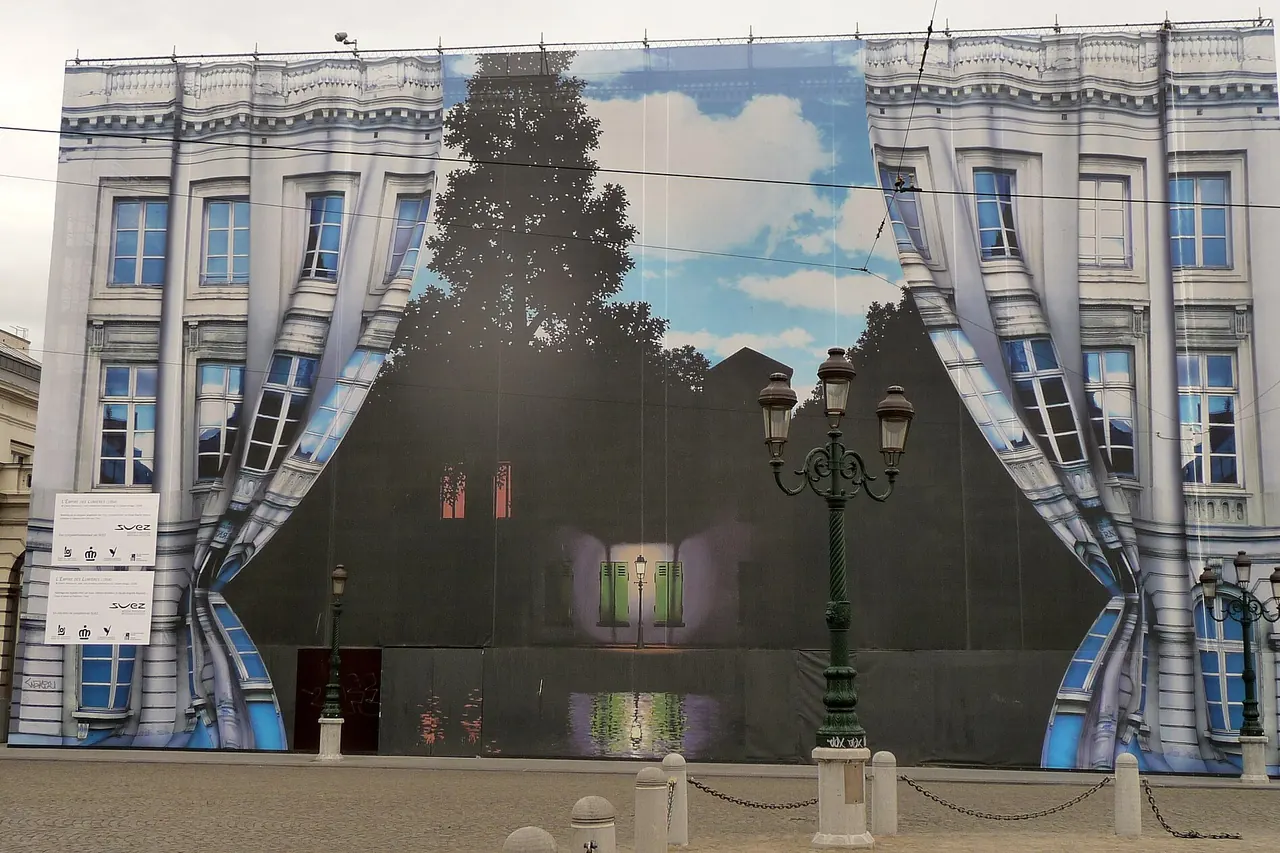
The Magritte Museum is a good choice when you want to stay with one artist's questions rather than survey centuries of painting. Familiar objects become less straightforward in his work, so spend time with the relationship between images, words and what you think you recognise. A few carefully considered paintings can be more rewarding than searching only for reproductions you remember from posters.
This is the museum on Place Royale within the Royal Museums of Fine Arts, not the separate Rene Magritte house museum in Jette. Check the location and ticket type before booking. Particular works can travel on loan, so avoid making your entire visit depend on one painting being present. The Musical Instruments Museum is nearby, but choose between the two if your energy is limited. Mont des Arts and the Sablon streets give you an outdoor continuation after the galleries.
Plan it well: Confirm Place Royale on the booking page; the artist's former home in Jette is a different museum.
Magritte Museum official siteHear the collection at the Musical Instruments Museum
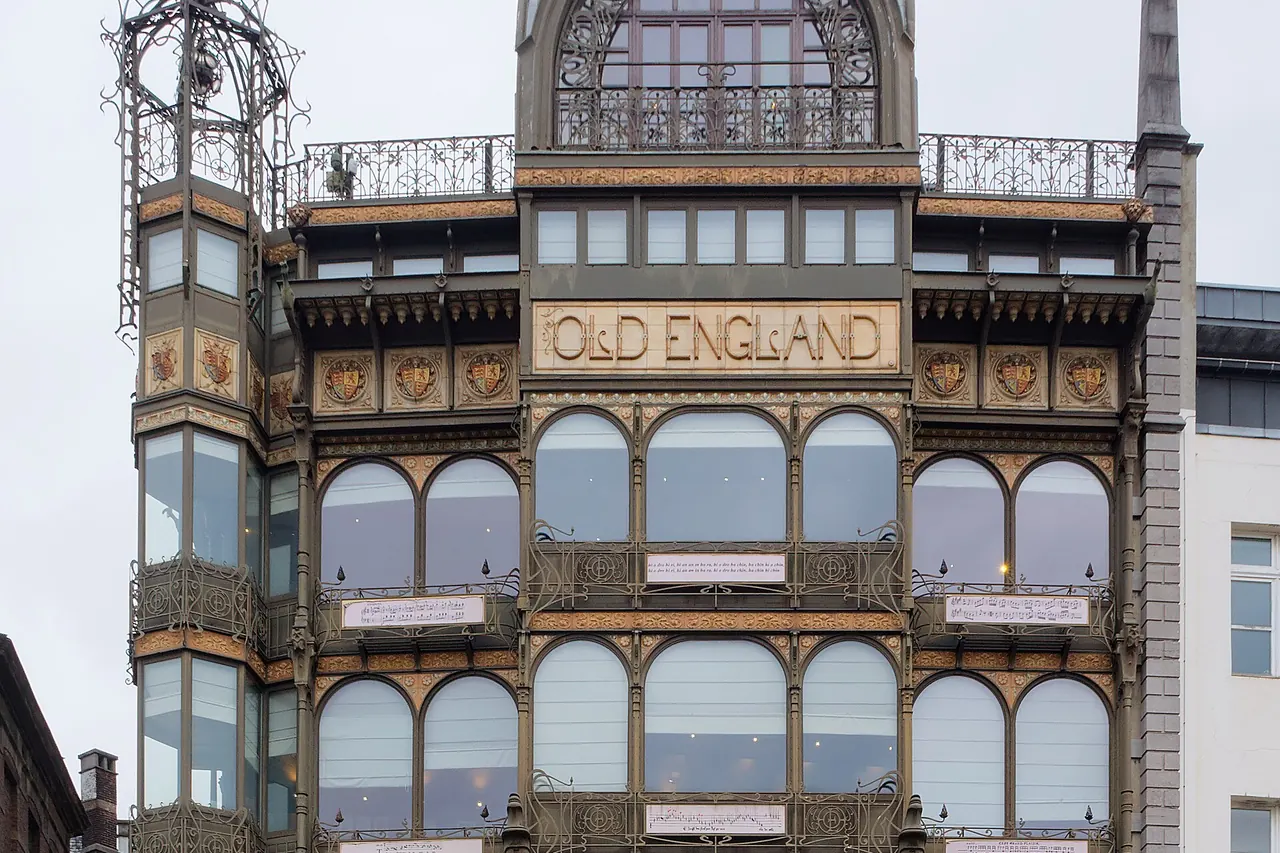
The Musical Instruments Museum is an alternative to a painting-led afternoon. Its appeal lies in connecting the form of an instrument with the sound it produces, so use the listening resources instead of only reading labels and moving on. Look at the Old England building from outside before entering: the Art Nouveau facade gives this collection a distinctive home near Place Royale.
Check the museum's current listening-guide arrangements and ticket slots before the visit, especially if you plan to use your own device or headphones. The rooftop restaurant is listed as temporarily closed on the official visitor pages at the time of review, so do not build lunch around older recommendations promising a panoramic meal. Make the collection the main reason to come. Afterwards, descend through Mont des Arts for a change from the enclosed galleries and instrument cases.
Plan it well: The museum currently lists its restaurant as closed; verify reopening directly before making meal plans.
Musical Instruments Museum practical informationSee how comics are made at the Comics Art Museum
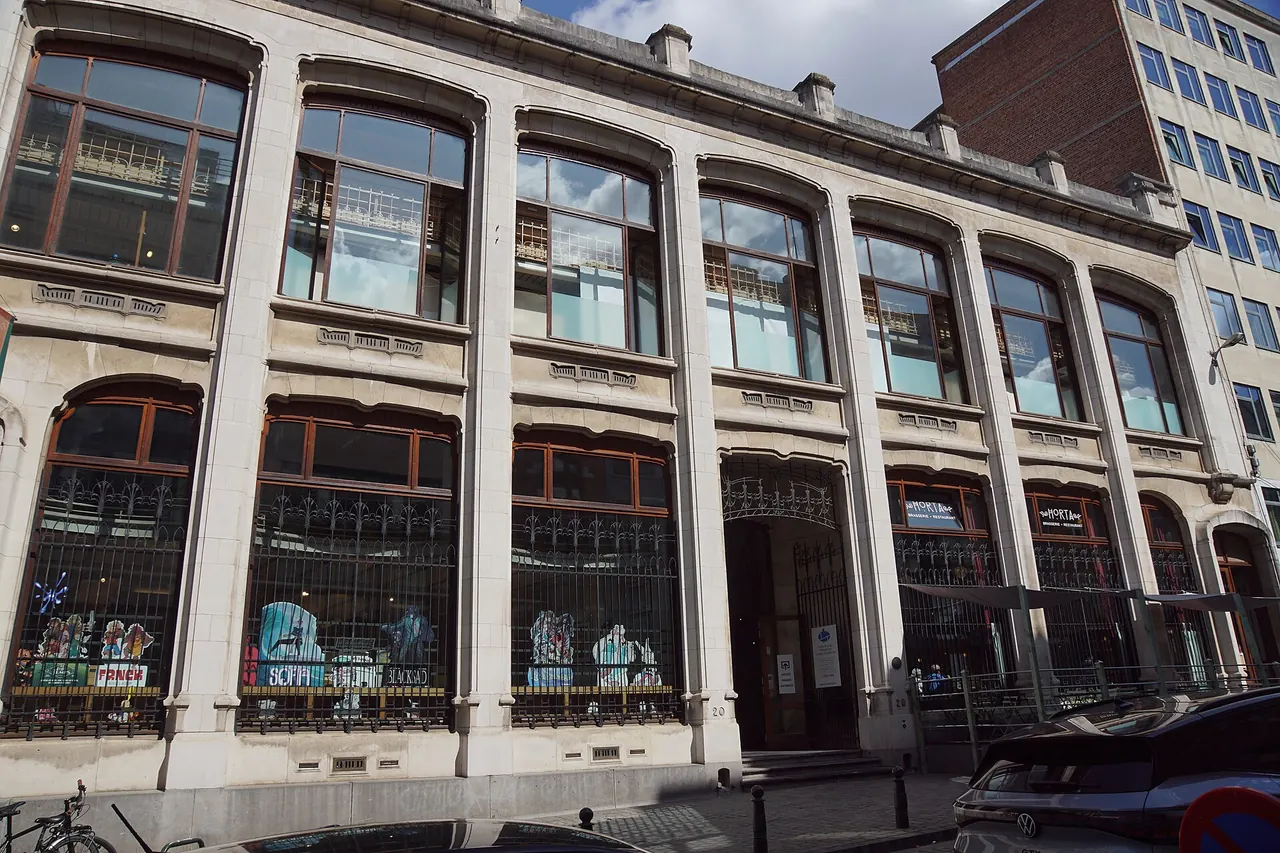
The Comics Art Museum gives Belgium's comic tradition more depth than a quick photograph beside a street mural. Look at how a page is constructed, how a story moves between panels and how a drawing becomes a published book. Recognisable characters may bring you through the door, but the process of making comics gives the visit a subject even if you did not grow up reading the same series.
The museum occupies a former department store designed by Victor Horta, so the architecture deserves attention alongside the displays. Check the exhibition programme and available interpretation languages when planning a family visit; not every show will speak to every age in the same way. Monday opening follows seasonal exceptions, making a date check useful. The central location lets you pair the visit with the cathedral or covered galleries without adding a journey to the Atomium on the same afternoon.
Plan it well: Choose this for comics and Horta's building together; street-art walks are a separate way to explore the subject.
Comics Art Museum: practical informationFind breathing space at Cinquantenaire
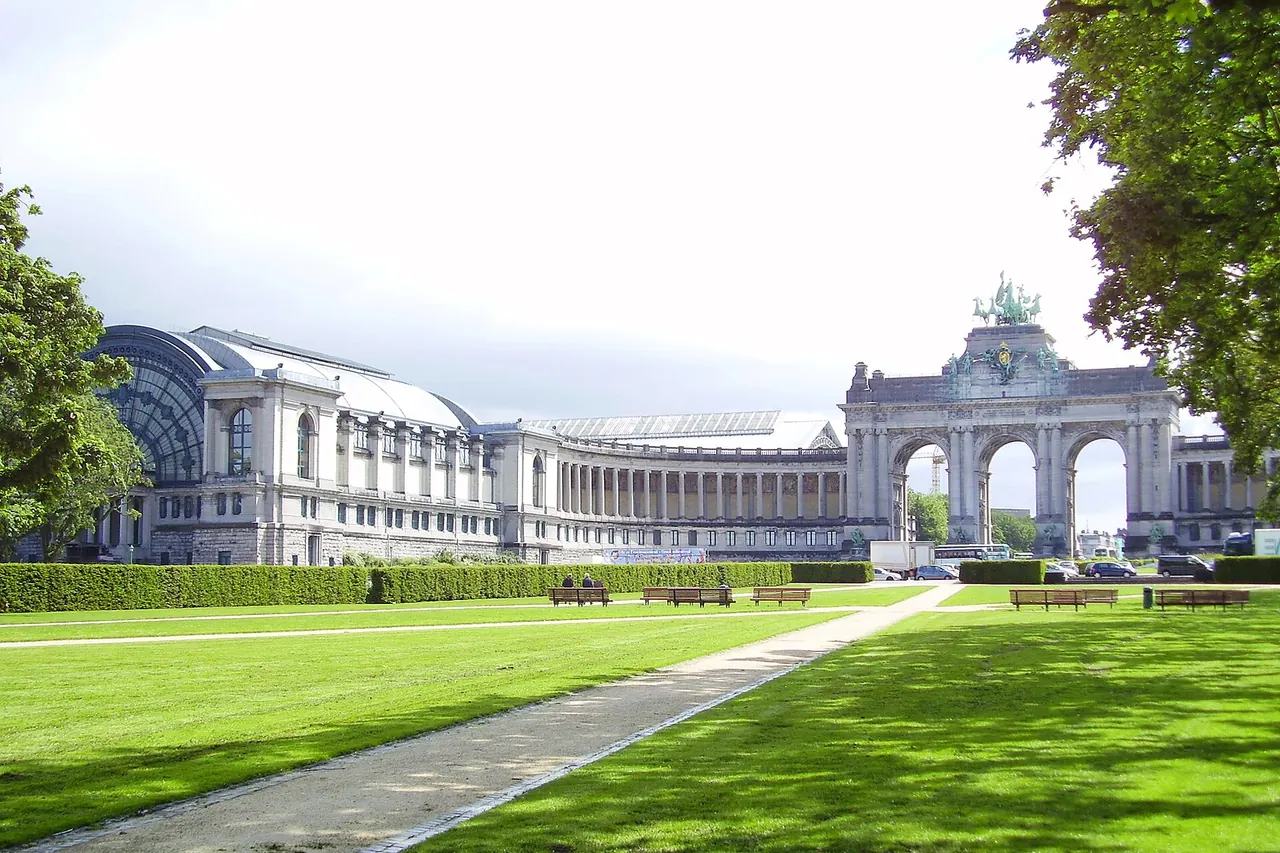
Cinquantenaire is a useful place to step away from the narrow streets of the historic centre. The park combines formal gardens and broad paths with a monumental arcade, giving you space to look at Brussels on a larger scale. Walk through the open central area, then turn onto a quieter side path. It makes a good contrast to an indoor morning rather than another item that requires exhaustive coverage.
The museums around the park have distinct subjects, including art and history, military history and cars. Choose one only if it matches your interests, and verify its own ticket and opening information. Access to a panoramic terrace through a museum is not the same thing as ordinary park access. The area sits near the European Quarter, so public transport may be more sensible than adding a long walk from the Grand-Place when you are already tired.
Plan it well: Treat the park as an outdoor visit; museum entry and any arch-top access require their own checks.
Visit Brussels: Cinquantenaire ParkPause inside the cathedral
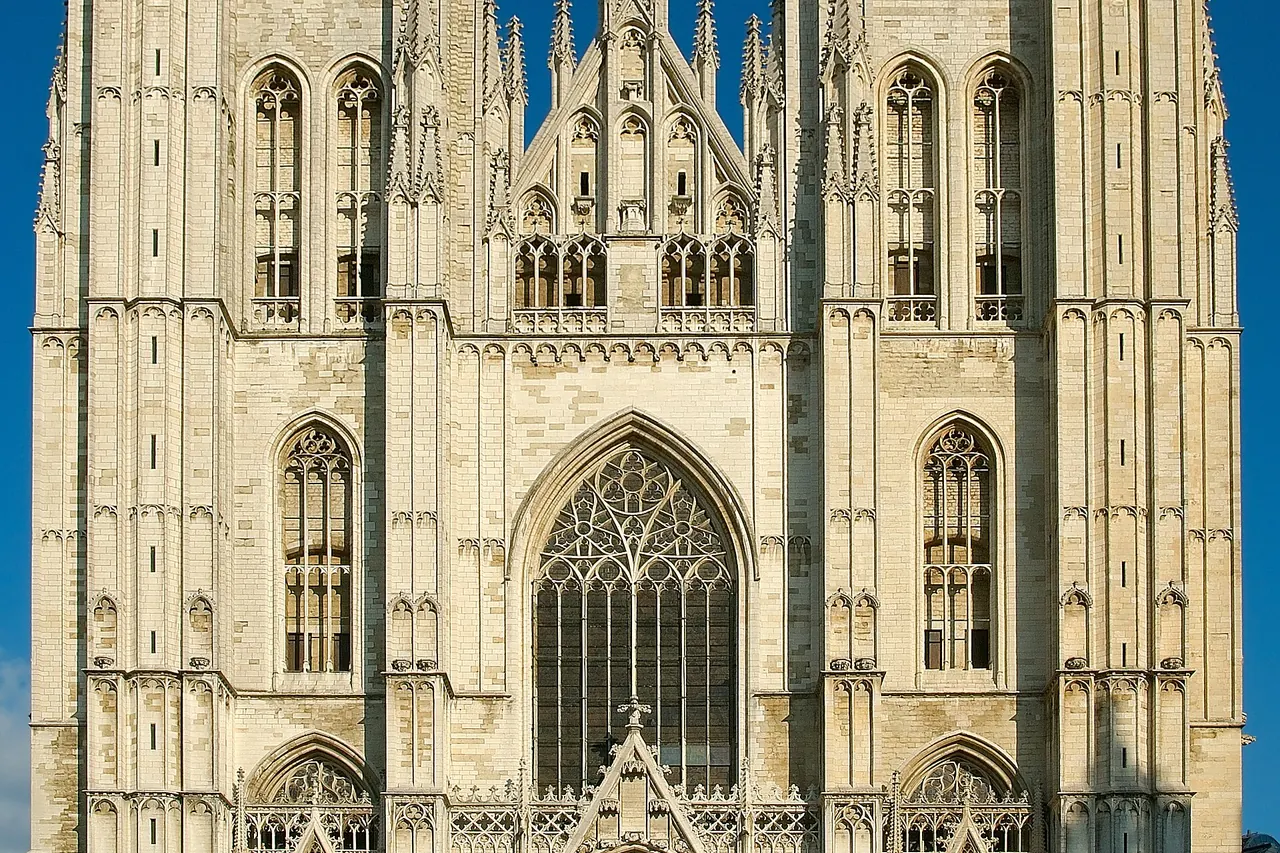
The cathedral is a good place to let the pace of the centre drop. Step back outside to see the twin towers, then look along the nave and towards the stained glass once inside. The space offers a different experience from the decorative density of the Grand-Place: height, light and quieter attention. Give the building a visit of its own rather than using it only as a shortcut between the station and the galleries.
It is an active place of worship, and ceremonies may affect tourist access. The treasury, archaeological remains, crypt and guided visits have arrangements separate from simply entering the main church. Check the cathedral's visitor page for the particular area you want and any payment method or reservation requirement. A short main-church visit pairs naturally with the Saint-Hubert Galleries; a more detailed tour needs its own time, especially if you also intend to visit the Comics Art Museum.
Plan it well: Check the optional-area admission rules; general cathedral access does not include every guided or underground visit.
Cathedral of St. Michael and St. Gudula: visitSee the Royal Palace with the season in mind
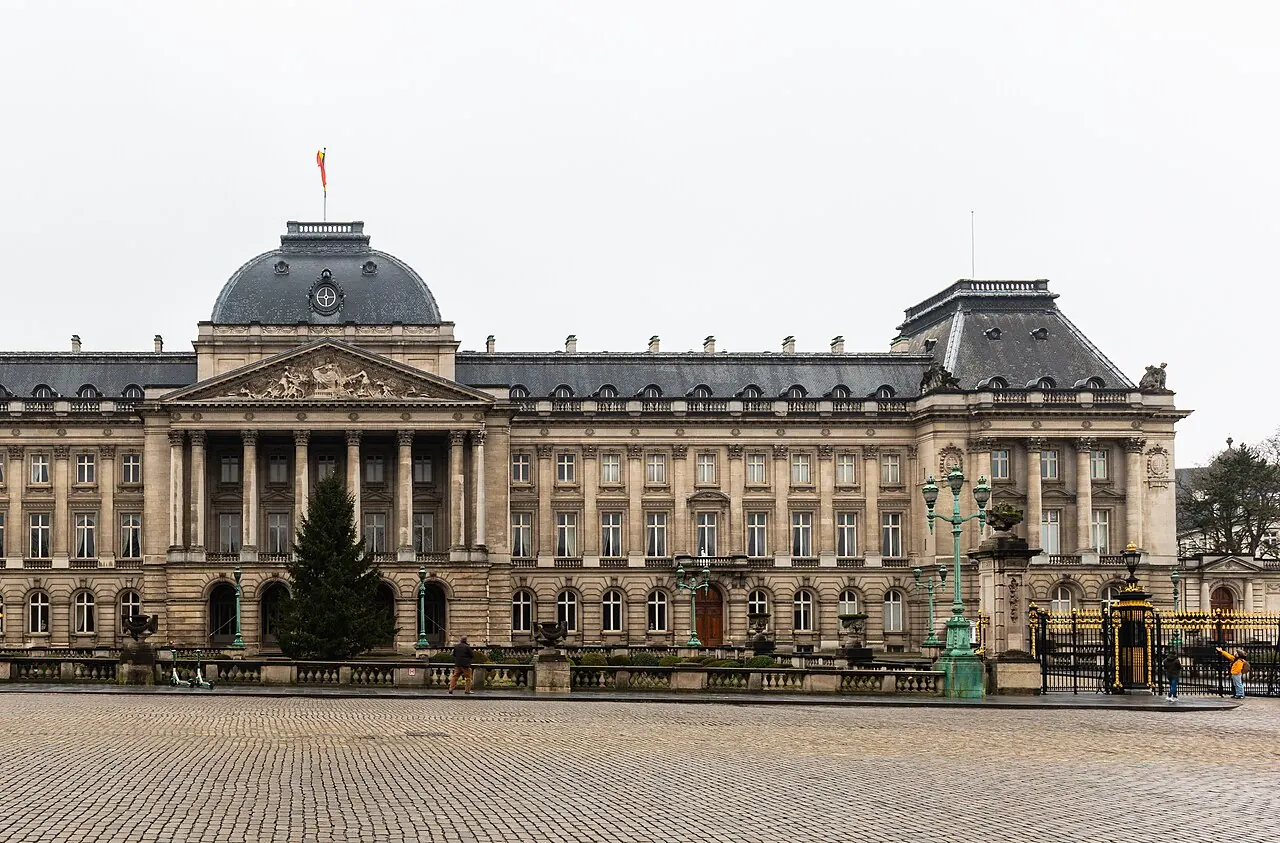
The Royal Palace introduces the formal upper town, where broad streets and institutional buildings replace the intimate scale around the Grand-Place. Take in the facade from across the street, then use Brussels Park opposite as an outdoor continuation. This is a useful architectural stop near Place Royale even when the state rooms are not open, particularly after a visit to Magritte or the Musical Instruments Museum.
Public interior visits are seasonal. The official 2026 programme ran from 3 July to 16 August, so an autumn trip should not be planned around walking inside. For another year, wait for the announced dates and follow the official reservation instructions. The central Royal Palace is also not the Royal Castle of Laeken, which is a different site. Keep this visit focused on the facade, park and surrounding upper-town streets unless you hold a valid booking for an open season.
Plan it well: The summer 2026 interior season has ended; check the next official programme before expecting state-room access.
Royal Palace official public-visit programmeHow to spend two days in Brussels
Day one: the compact centre
Begin at the Grand-Place, make the short Manneken Pis stop, then browse the Saint-Hubert Galleries and visit the cathedral. Choose either the Comics Art Museum or a longer City Museum visit if you want an indoor anchor. Return to the square when the light changes.
Day two: art or the world-fair landmark
Choose Magritte or the Musical Instruments Museum, then see the Royal Palace exterior and Brussels Park. Alternatively, make the Atomium the main outing. Cinquantenaire is an optional park-led extension, not a requirement to combine several distant districts and museums in one day.
Before you go
Use the right station and airport
Brussels Central, Brussels Midi/Zuid and Brussels North are different stations. Confirm your arrival and airport before choosing a hotel or buying a transfer; a flight labelled Brussels does not identify the same airport in every booking.
Check names in both languages
Street and stop names can appear in French and Dutch. Keep the exact address from your venue booking and use the local transport planner for the final journey.
STIB-MIVB transport informationSeparate passes from reservations
A museum pass, a transport ticket and a timed entry are different things. Check what your pass includes and whether a venue still requires a date-specific arrangement.
Choose a base by station and neighbourhood
The historic centre and Brussels Central suit a walking-led first visit; the upper town suits Place Royale museums, while the European Quarter can work for Cinquantenaire and metro journeys. Compare the actual route from your arrival station, evening surroundings and room noise. The Atomium is one outing, so it need not determine your hotel neighbourhood.
Explore Brussels hotels