
Brussels city guide
Where to stay in Brussels
Compare six Brussels bases by the streets you will use: Grand-Place, food-focused Sainte-Catherine, upper-city museums, Sablon, the European Quarter and Saint-Gilles.
Plan your visit
Brussels rewards choosing a neighbourhood rather than treating every central hotel as equivalent. Grand-Place is in the lower city, the museum quarter climbs above it, and residential districts create their own evening routines. Match the base to the places you want nearby, then check how your train or airport journey ends at the hotel door.
Choose your base
The historic centre is the strongest all-round choice for a first weekend. Sainte-Catherine and Dansaert put restaurants and independent shops first; the Royal Quarter suits museum days; Sablon offers a smaller-scale antiques-and-chocolate setting; the European Quarter serves institutional visits and park time. Saint-Gilles works when neighbourhood cafes and architecture matter more than being beside Grand-Place. Brussels has an upper and lower city: compare slopes and station exits, not only distances.
Historic centre: the most convenient first weekend
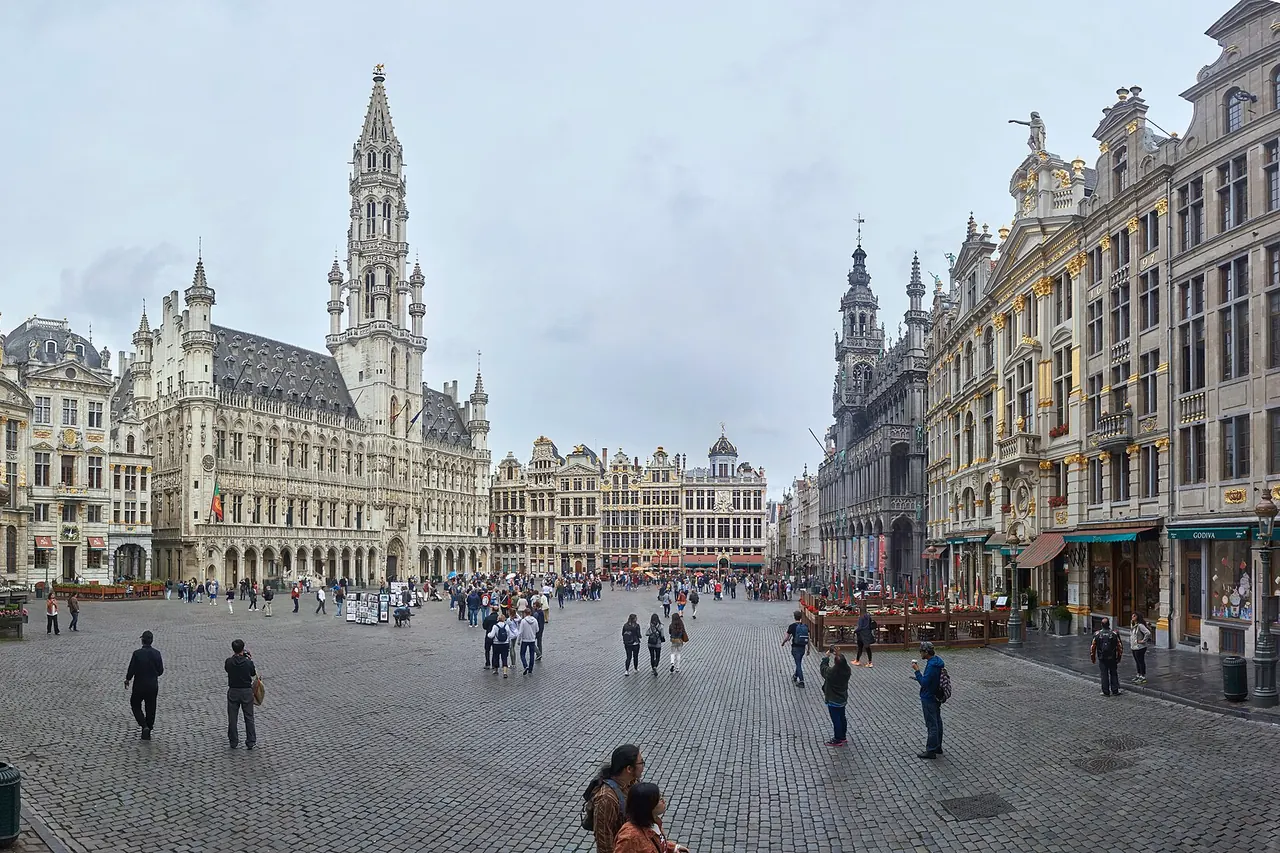
The streets around Grand-Place make a compact base for the town hall, Royal Saint-Hubert Galleries and Manneken Pis. The Bourse adds Belgian Beer World, while the Saint-Jacques streets offer cafes and a different evening feel from the square itself. Stay here when you want to leave the hotel, choose a direction and begin sightseeing without organising a local transfer. There is enough dining nearby to change plans after a museum day without another journey.
Brussels Central is the useful SNCB rail arrival point for the eastern side of the centre; De Brouckere and the central STIB-MIVB network serve other addresses. Airport trains make Central relevant, but the final cobbled or pedestrianised street still matters with luggage. Busy restaurant lanes and late evening activity can be intrusive, particularly for rooms facing them. Choose the Royal Quarter for an upper-city museum focus, or Saint-Gilles when local terraces are more important than waking beside the principal sights.
Plan it well: Grand-Place is the photographed map anchor, not the extent of the historic centre.
Visit Brussels: the historical centreSainte-Catherine and Dansaert: restaurants and independent shopping
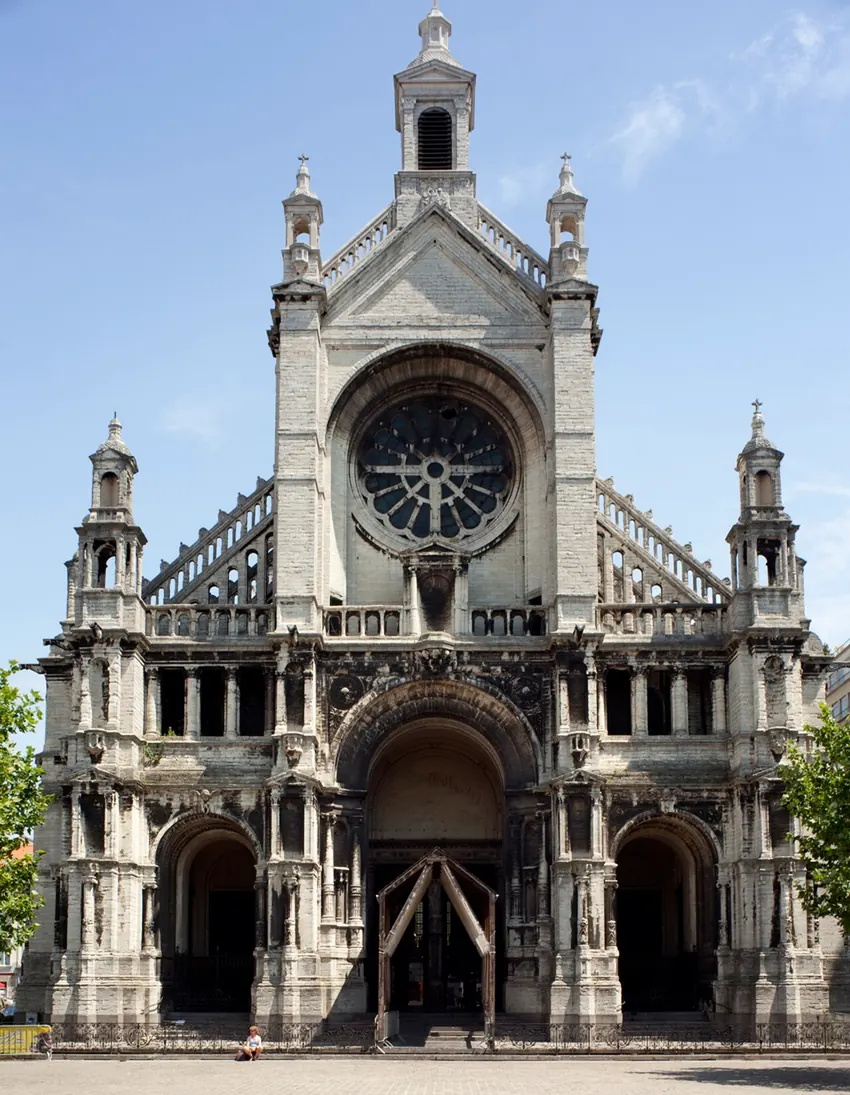
Sainte-Catherine and adjoining Dansaert give a weekend a stronger neighbourhood dining focus than staying directly on Grand-Place. The old fish-market setting around Vismet and the church explains the concentration of seafood restaurants; Rue de Flandre adds cafes, shops and the Maison de la Bellone. Rue Antoine Dansaert is the fashion-shopping route, while Halles Saint-Gery is a nearby cultural stop. Choose this base when browsing and deciding where to eat are central parts of the trip.
Sainte-Catherine metro station connects the area to the STIB-MIVB network; an SNCB airport arrival generally adds a transfer or walk from a city station. A listing further along Dansaert towards the canal is not beside the metro just because it uses the neighbourhood name. Evening terraces and busy restaurant streets make this an active base rather than a reliably quiet retreat. The Royal Quarter is stronger for museum-heavy days, while the historic centre keeps the rail-to-hotel journey simpler for a short stay.
Plan it well: The photograph and pin identify Saint Catherine's Church. Compare the actual hotel address along Dansaert.
Visit Brussels: Dansaert and Sainte-CatherineRoyal Quarter: museums and upper-city views
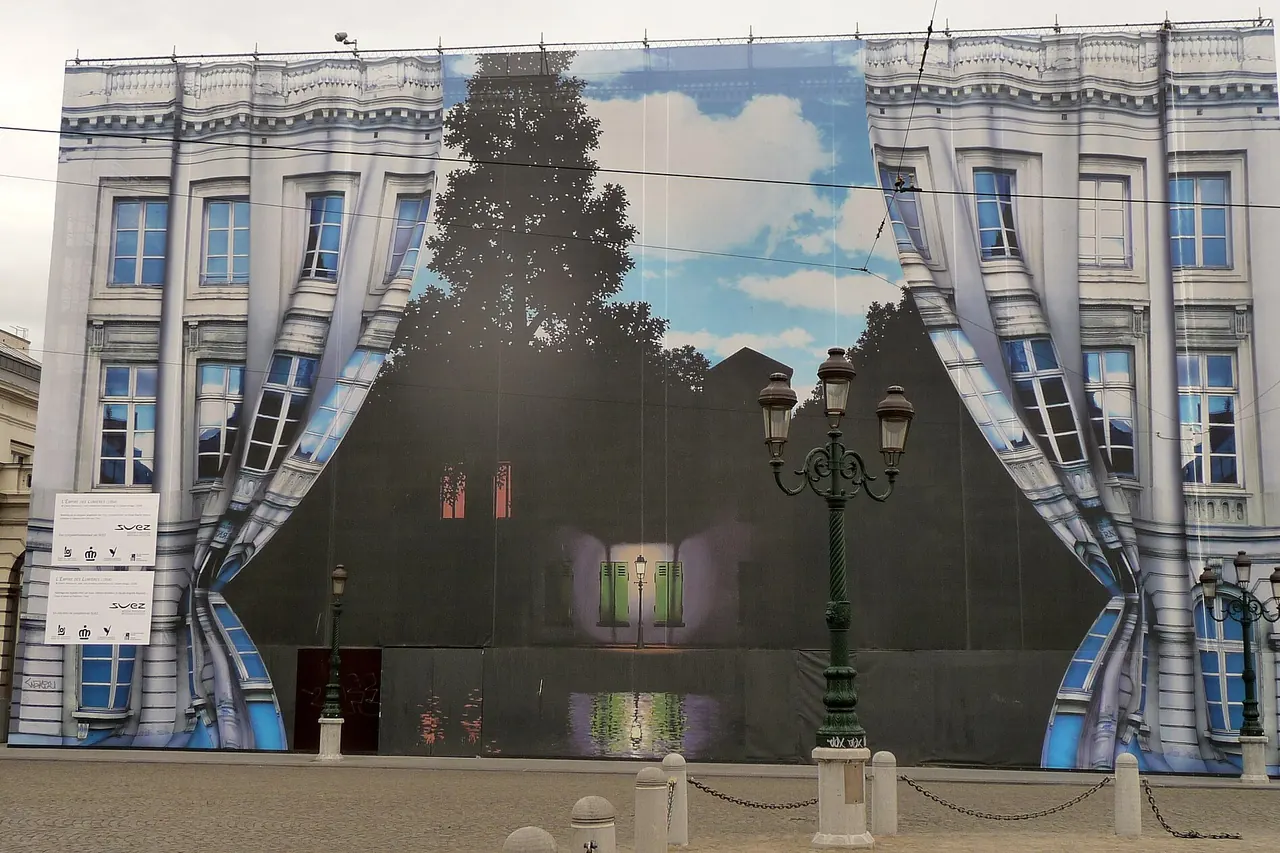
The Royal Quarter suits a visit centred on Magritte, the Musical Instruments Museum, Bozar and the other collections around Place Royale. Brussels Park offers a break from galleries, and the palace frontage gives the district its formal scale. Coffee and chocolate stops around the museum streets keep a cultural day from becoming a sequence of indoor appointments. Staying here means the climb from the lower city is part of going out, rather than an extra task before every morning's museum visit.
Brussels Central is nearby but lower down; Parc metro and the Royale tram stops are useful STIB-MIVB options depending on the address. SNCB airport trains connect with the central rail corridor, after which the station exit and slope deserve attention with bags. This district is less compelling for spontaneous late restaurant browsing than Sainte-Catherine. Choose it for a cultural itinerary, not simply because a hotel calls itself central; travellers wanting level walks around Grand-Place should compare a lower-city address instead.
Plan it well: The Magritte Museum on Place Royale is the pictured anchor. Brussels Central and the museum square are at different levels.
Visit Brussels: the Royal QuarterSablon: antiques, chocolate and smaller-scale streets
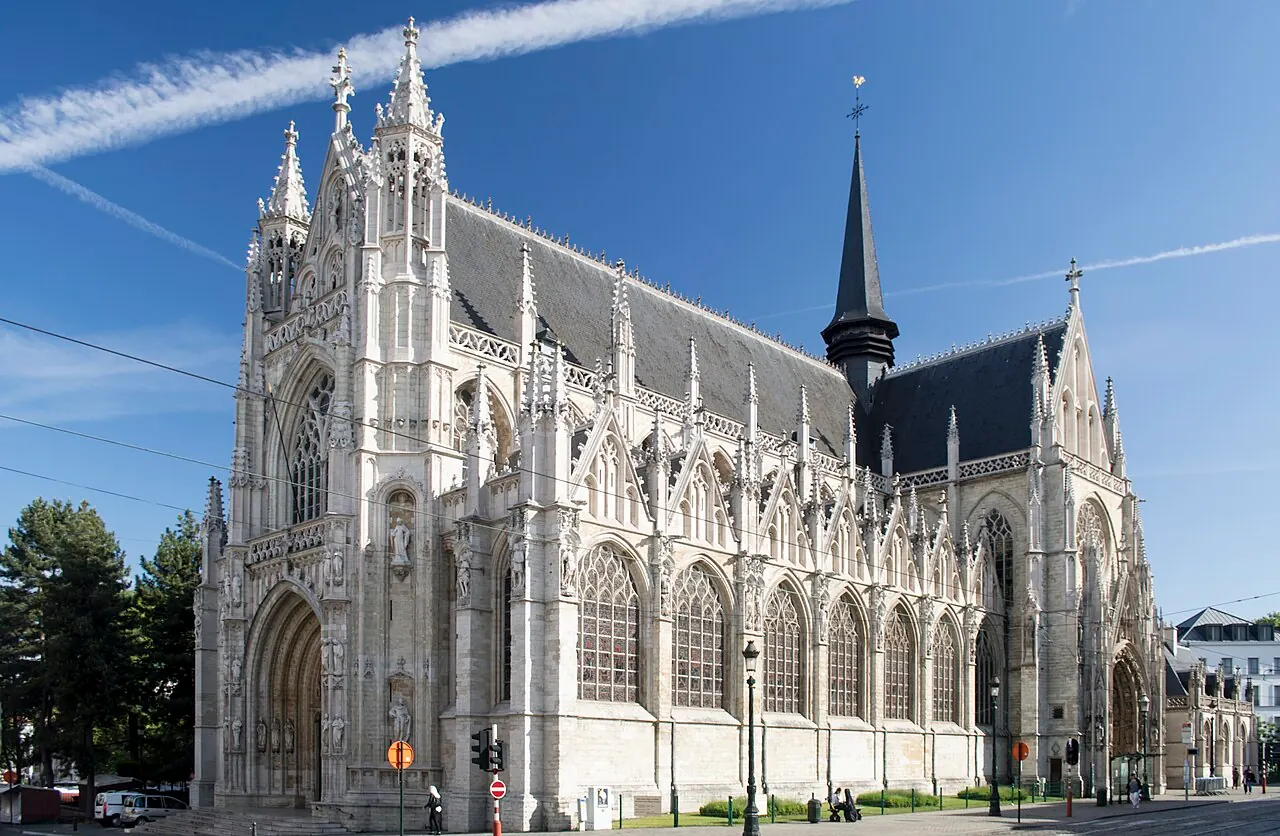
Sablon gives you a smaller-scale upper-city base around Notre-Dame du Sablon, the Petit Sablon garden and the antiques and chocolate shops of Grand Sablon. It works well for a trip that combines the nearby Royal Quarter museums with time browsing rather than another major attraction. The Marolles lie downhill towards the flea market at Place du Jeu de Balle: they make a rewarding neighbouring excursion, but their streets and atmosphere are not interchangeable with an address on Grand Sablon.
Compare the STIB-MIVB tram stops around Petit Sablon and Poelaert, or the walk to Louise metro, with the exact accommodation entrance. An airport train arrival still needs a final local journey from the central rail stations. The trade-off is slopes, traffic around some edges and less immediate mainline-rail access than the historic centre. Choose Sainte-Catherine if restaurant variety is the main priority, or a Central-side hotel if repeated rail trips leave little time for a more leisurely neighbourhood setting.
Plan it well: The Sablon church is the named map anchor; the Marolles are a neighbouring downhill district.
Visit Brussels: Sablon and MarollesEuropean Quarter: institutions, parks and practical work trips
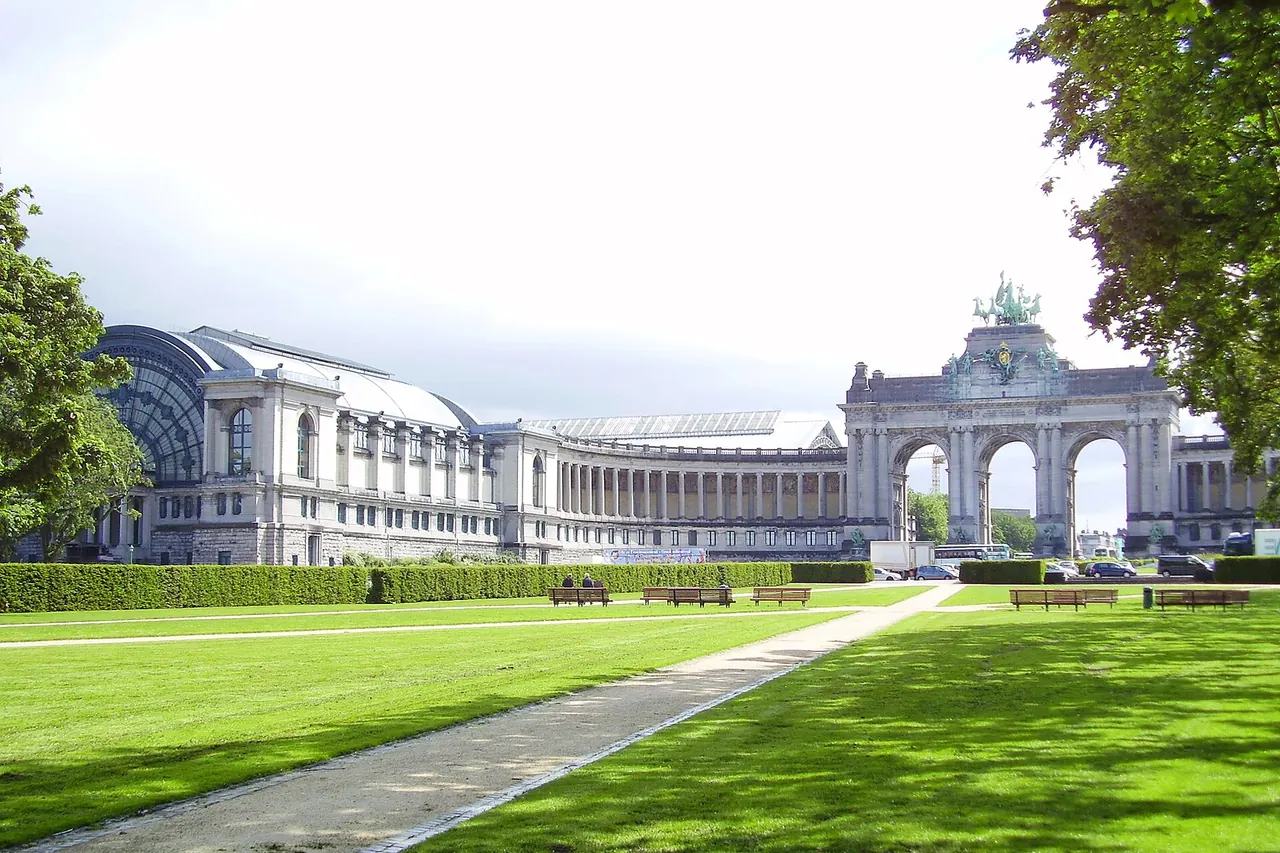
The European Quarter is a practical choice when EU institutions are an actual destination, with the Parlamentarium and House of European History adding visitor interest around the Luxembourg side. Leopold Park and Cinquantenaire offer two distinct green spaces, and the latter's museums give the area more substance than an office district. Dining around Place Jourdan is a useful alternative to spending every evening in the historic centre. Choose a hotel near the part of the quarter you will use most.
Schuman and Luxembourg are different rail and local-transport anchors; Merode suits the Cinquantenaire end. Check SNCB and STIB-MIVB together for airport arrival, including whether Airport Line 12 serves the stop convenient to your address. This is a spread-out district, so a hotel near the Parliament is not automatically handy for the park's eastern museums. Workday activity and individual restaurant opening patterns can shape evenings. The historic centre is a better first-weekend base if you have no institutional appointment and want Grand-Place outside the door.
Plan it well: Cinquantenaire Park is the illustrated anchor at the eastern side of this broad quarter, not a pin for the Parliament.
Visit Brussels: the European QuarterSaint-Gilles: local terraces and architectural walks
Central Saint-Gilles makes an appealing base when you want the city beyond its postcard core. The parvis around Saint-Gilles church gathers cafe terraces, market activity and neighbourhood bars; Place Louis Morichar and the streets towards the town hall add architectural interest. Maison Hannon and the area's Art Nouveau routes can shape a day without beginning at Grand-Place. Choose this part of Saint-Gilles for its local streets, not simply any hotel carrying the municipality's name.
Porte de Hal metro and tram or bus stops around the parvis connect with STIB-MIVB; compare the approach from Brussels Midi if arriving on an international train or an airport rail service. The station district and the parvis are different settings, and the final walk can climb. Evening terraces can be lively, while sightseeing in the historic centre adds local travel. First-time visitors with only one night may prefer Central or Grand-Place; stay here when returning to neighbourhood cafes is worth that extra journey.
Plan it well: The pin marks Saint-Gilles church at the parvis. It does not represent all of the municipality or the Midi station district.
Visit Brussels: central Saint-GillesArrival choices that affect your base
Distinguish the two airports
Brussels Airport at Zaventem has an SNCB station under the terminal and services into Brussels. Brussels South Charleroi is a different airport; do not apply the Zaventem rail plan to that arrival.
SNCB: Brussels Airport rail accessCompare the airport bus with rail
STIB-MIVB Airport Line 12 links Brussels Airport and the city. Check the actual route and stop for a European Quarter hotel; airport-to-city ticket conditions differ from ordinary local travel.
STIB-MIVB: Airport LineCheck the final slope and station exit
Use STIB-MIVB's current network and district maps for Sainte-Catherine, Parc, Louise, Schuman and Porte de Hal. A station-side hotel, an upper-city address and a parvis-side hotel create different luggage journeys.
STIB-MIVB: network and district mapsFind your Brussels base
Compare Brussels hotels by the neighbourhood you want to use in the evenings as well as by your daytime plans. Start near Central or Grand-Place for a short first visit, then consider a museum, dining or Saint-Gilles base when its particular streets suit the trip.
Explore Brussels hotels