
Bansko city guide
Bansko ski season 2026/27: Todorka terrain, lessons and gondola planning
A ski-focused guide to Bansko's gondola, mountain sectors, ability planning, instruction, rental, snow checks, safety, transfers and accommodation choices.
Plan your visit
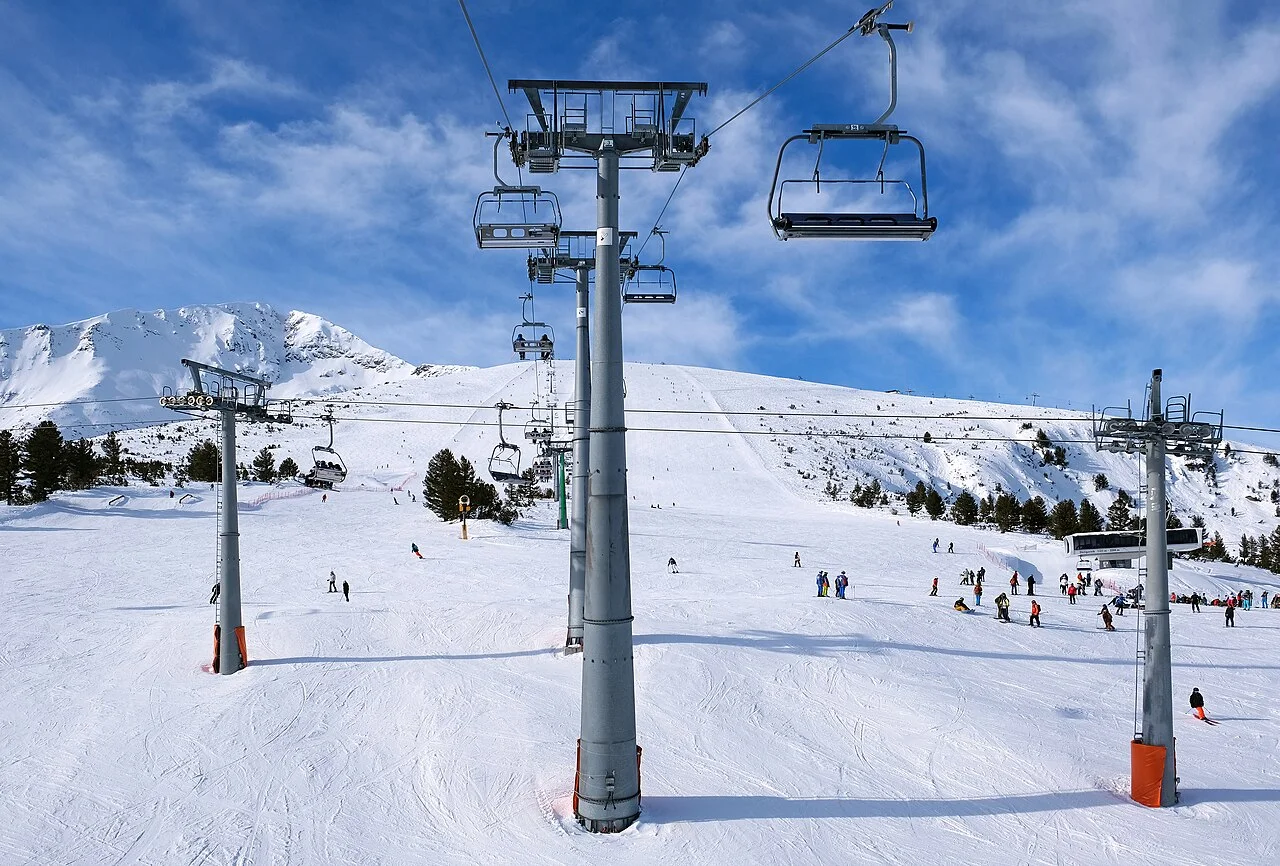
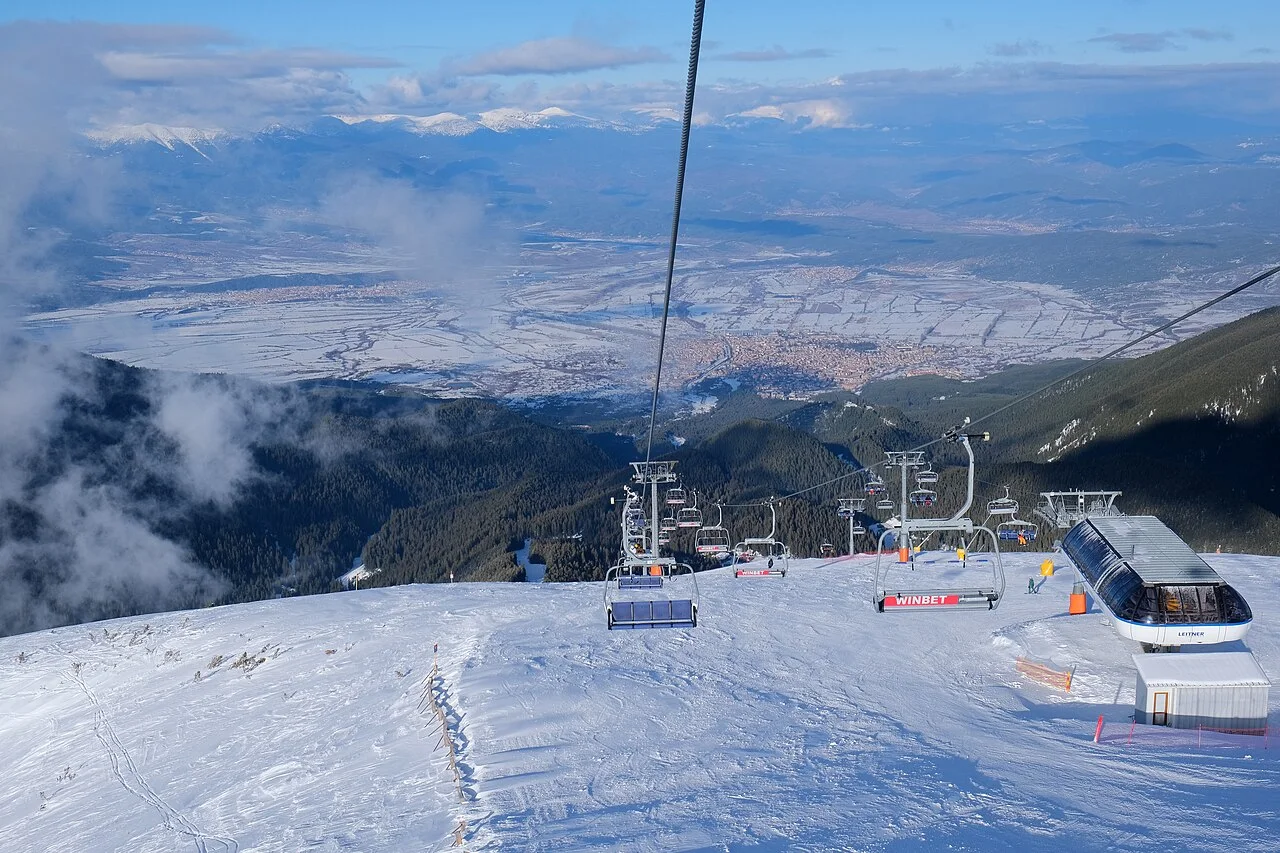
Bansko's ski day begins with a major planning decision: when and how to reach the town gondola. The gondola climbs to Banderishka Polyana, from which chairlifts distribute skiers toward Shiligarnik, Plato, Todorka and the lower Chalin Valog sector. The ski area has distinct beginner, intermediate and advanced zones, but access can concentrate heavily at one town terminal. Accommodation, lesson location and equipment collection should therefore be treated as parts of the mountain plan.
Understand Bansko's mountain sectors
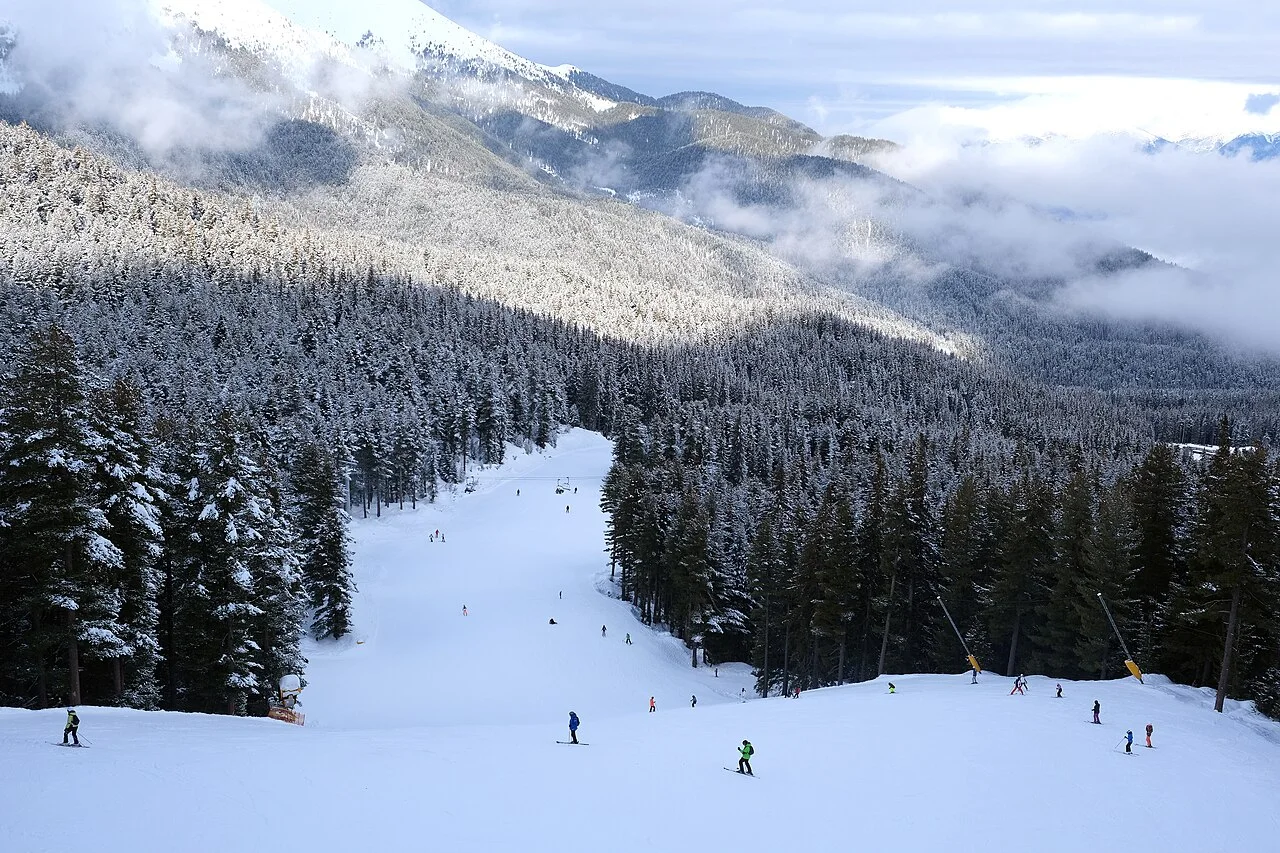
The town gondola reaches Banderishka Polyana, the principal redistribution and learning hub. Chalin Valog forms the lower sector, Shiligarnik the mid-mountain core, and Plato and Todorka the higher terrain.
Plan runs as linked sectors rather than isolated piste names. A closed chair or connector can alter access between the upper mountain, Banderishka Polyana and the ski road.
Plan it well: Check the return route before moving into a different sector late in the day.
Bansko lifts and ski slopesPlan beginner and family days around instruction
Beginners should start with instruction on the practice terrain around Banderishka Polyana before attempting longer descents. The ski road is not automatically beginner-friendly when crowded, icy or only partially open.
Intermediates have the broadest choice across the middle mountain. Families should agree a meeting point and avoid splitting between upper sectors unless everyone understands the lift network.
Plan it well: Confirm whether a child's lesson meets in town or at Banderishka Polyana.
Bansko ski-school rulesChoose accommodation with the gondola in mind
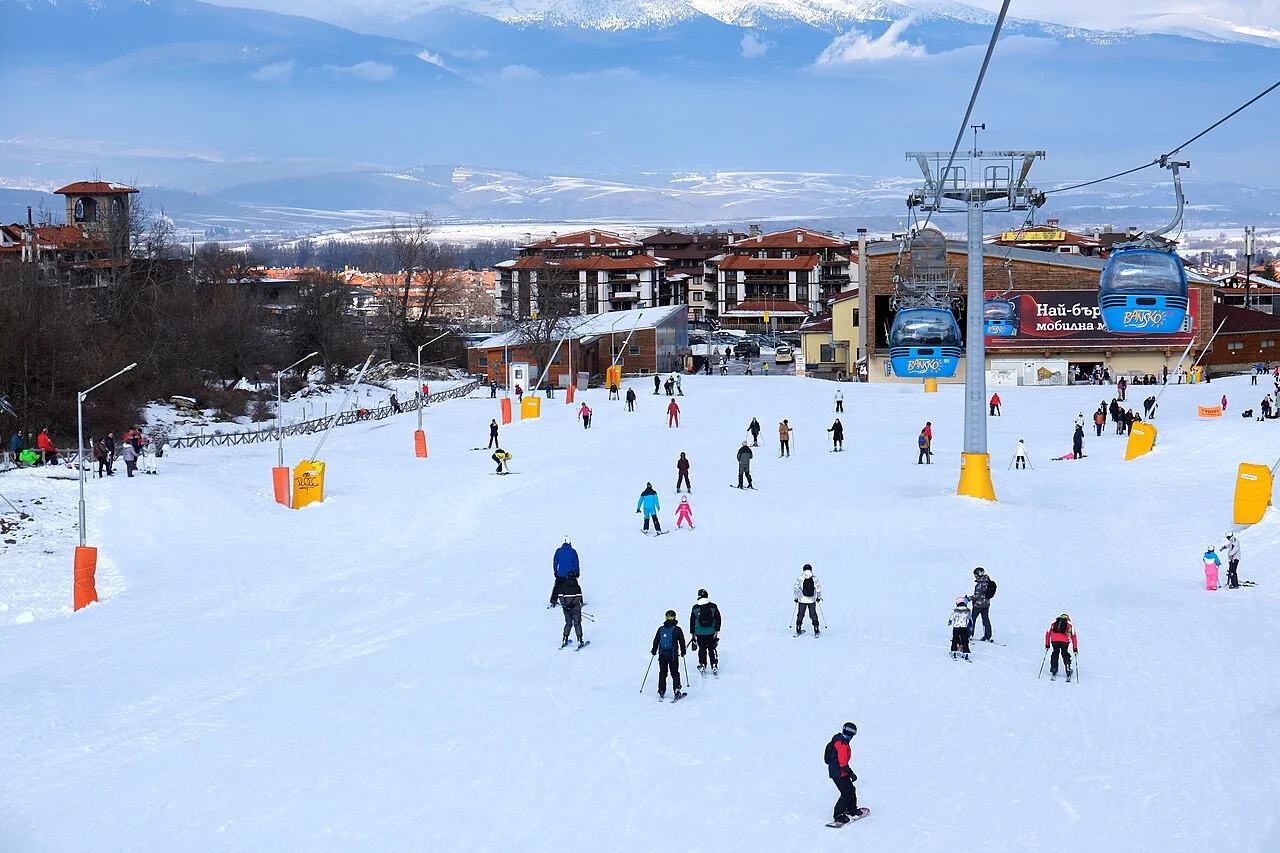
The gondola is the standard public connection from Bansko town to the ski area. Above Banderishka Polyana, the Banderitsa, Shiligarnik, Plato and Todorka lifts distribute skiers across the mountain.
Staying near the gondola reduces equipment carrying; central Bansko can be quieter but may require a walk or shuttle. Banya and Razlog add space and value but make every ski day dependent on a road transfer.
Plan it well: Compare actual gondola walking distance, shuttle frequency and ski storage.
Bansko lift networkBook lessons, rentals and equipment together
Operator rental locations include the gondola base, Banderishka Polyana and a hotel-based facility. Binding settings should reflect the skier's measurements and declared ability, with return and damage conditions checked at collection.
Confirm lesson language, level, lift-pass requirements and meeting point before payment. A mountain meeting point requires enough time for both the gondola journey and any queue.
Plan it well: Do not promise a fixed gondola queue time in a ski plan.
Bansko rental and school rulesSeparate expert pistes from off-piste terrain
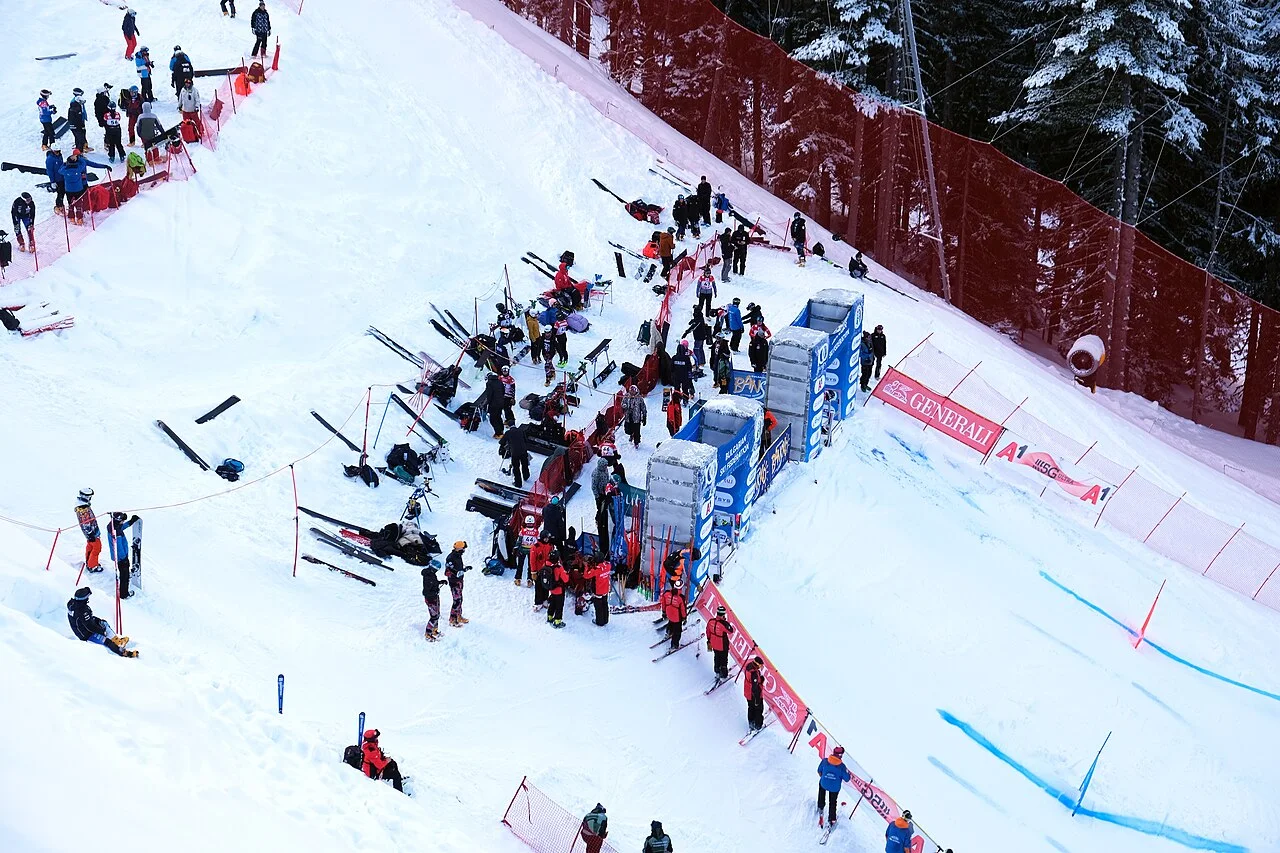
Steeper marked pistes and competition terrain provide challenges within the controlled ski area. Their proximity to open mountain terrain does not make neighbouring slopes patrolled or avalanche-controlled.
Resort protection and included mountain insurance are limited to prepared, secured and marked pistes. Pirin backcountry objectives require a qualified guide, avalanche equipment and current mountain-rescue information.
Plan it well: Keep expert piste and off-piste route clearly separate when planning a day.
Bansko ski-area general termsCheck live snow, webcams and transport
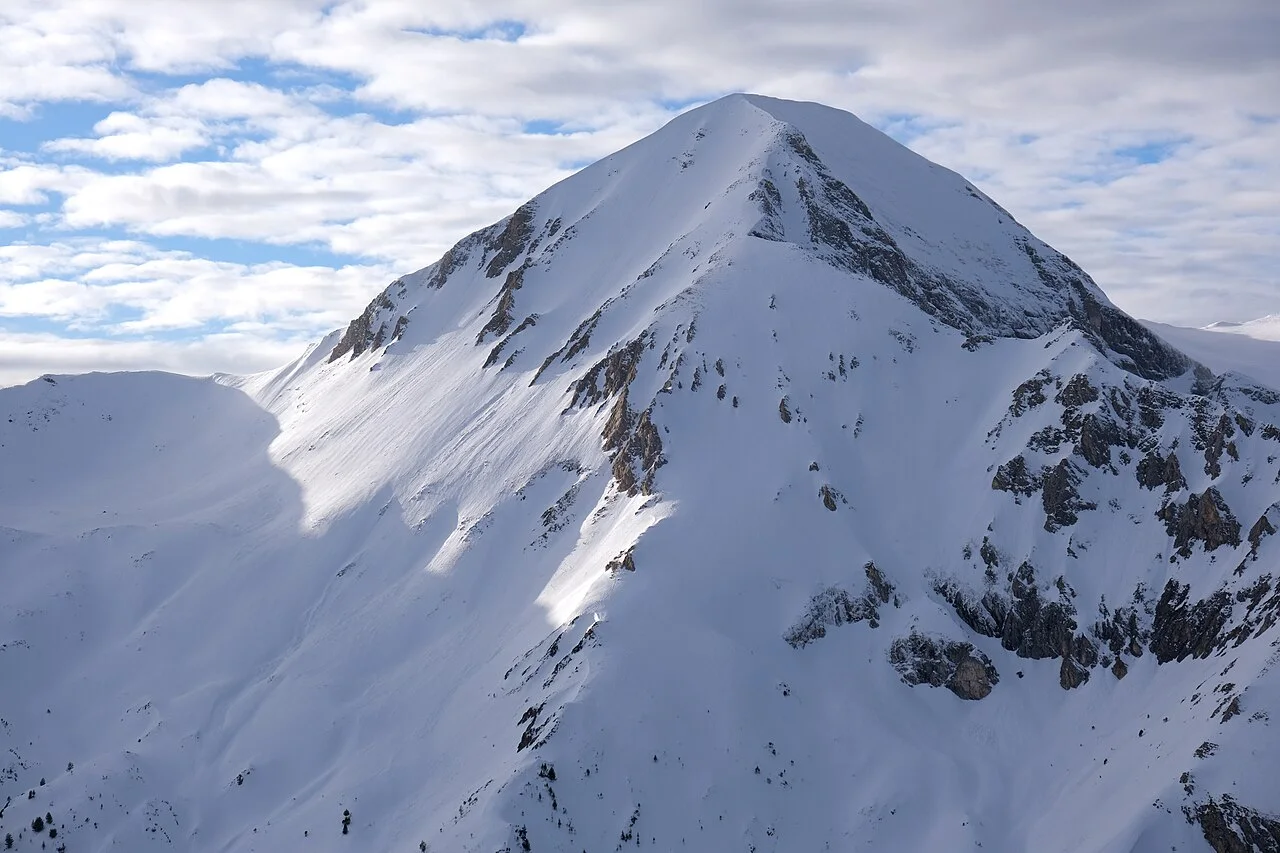
Conditions can differ sharply between Bansko, Banderishka Polyana, Shiligarnik, Plato and Todorka. The official webcam network is more useful than one resort-wide snow figure.
Buses connect Bansko with Sofia, but the bus and rail area is not the gondola base. Hotel shuttles and airport transfers vary by property, operator, weather and winter-road conditions.
Plan it well: Use live webcams rather than retaining a dated snow depth.
Bansko official webcams