
Sofia city guide
10 things to do in Sofia
See Sofia through ancient brick churches, archaeological collections and everyday public spaces. Keep a separate day for Boyana and the National History Museum.
Plan your visit
Sofia has a compact historic core, but its most rewarding visits are not all within one walk. A central day can move between Roman-era buildings, galleries and pavement cafes; Boyana requires a deliberate journey towards the mountain. Choose a few interiors to explore properly, then use gardens and streets to connect them without turning the city into a sequence of timed entrances.
Start with Alexander Nevsky Cathedral
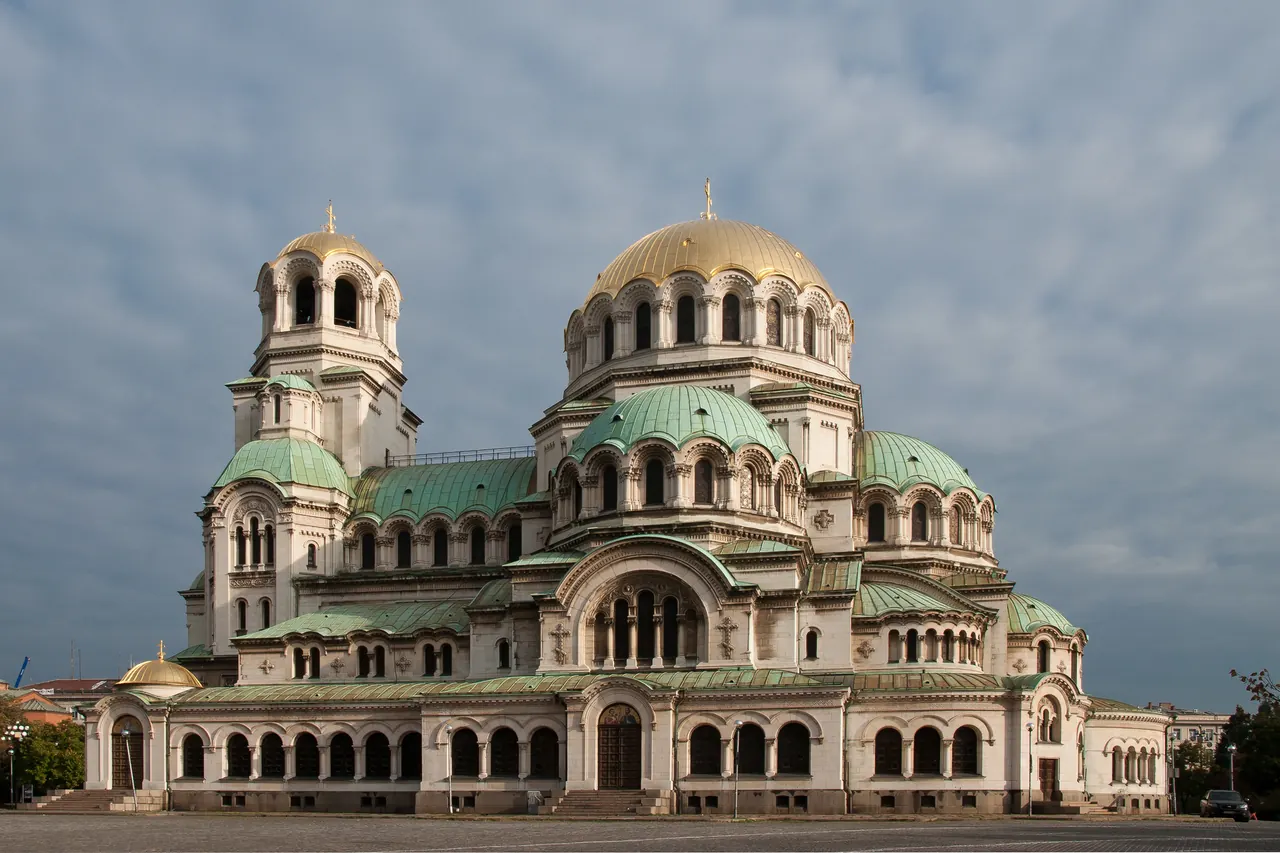
Alexander Nevsky is Sofia's most recognisable monumental church, with domes that make the surrounding square a natural place to orient yourself. Walk around the exterior before entering: different viewpoints reveal the layered roofs and scale more clearly than one close photograph of the front. Inside, give your eyes time to adjust and look at the decoration as part of a working religious space, rather than expecting the bright presentation of a conventional museum.
Keep voices low, dress respectfully and follow the cathedral's current photography instructions. Services may change where visitors can stand or how long it is appropriate to remain. Any separately operated exhibition space should be checked on its own terms rather than assumed to be part of church entry. Saint Sophia is close enough to make a thoughtful comparison of two very different buildings. Add a seated break between interiors if you want to appreciate their contrasts rather than remembering only a succession of domes and doors.
Plan it well: Look at the exterior from more than one side, then adapt the interior visit around services and posted photography rules.
Sofia tourism administration: Alexander Nevsky CathedralCompare the quieter scale of Saint Sophia
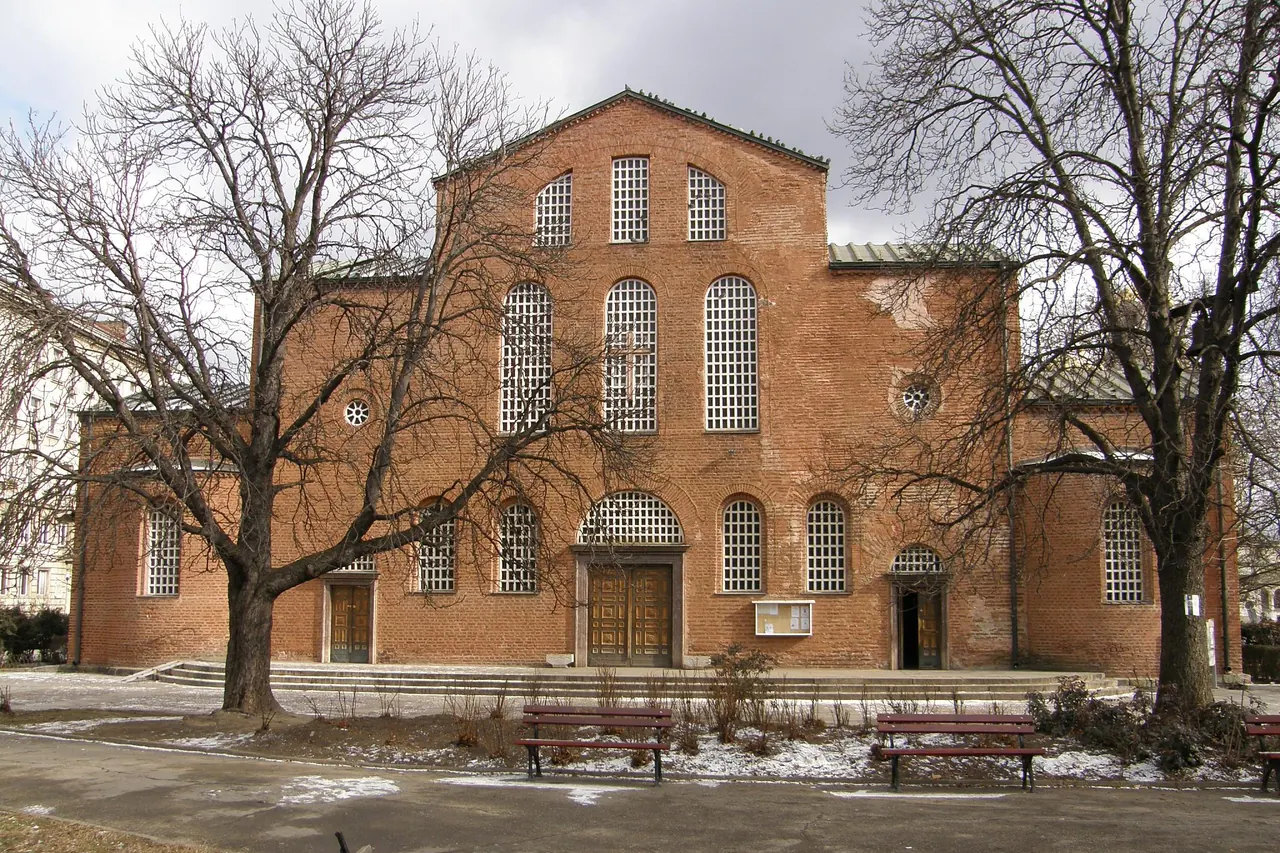
Saint Sophia offers a different encounter with the city's religious past from the much larger cathedral nearby. The present basilica is associated with the sixth century and stands on a site with earlier layers of worship. Its brick exterior and comparatively restrained form encourage you to notice proportions, wall surfaces and the arrangement of the interior. This is a worthwhile visit even if you have already seen several Orthodox churches elsewhere on your trip.
The church and the archaeological level beneath it are distinct visitor experiences. The Regional History Museum lists the archaeological level among its sites; check that specific branch's access before expecting to see the remains below. A quiet look inside the active church should still respect worship and any restricted areas. Pair the visit with Alexander Nevsky, then continue towards the civic centre rather than travelling away immediately. The contrast between these nearby buildings makes the historical layers easier to grasp than reading a long chronology before you have seen either one.
Plan it well: Confirm the archaeological level separately; the church being open does not guarantee admission to the museum spaces below.
Sofia tourism administration: Saint Sophia ChurchFind the Saint George Rotunda in its courtyard
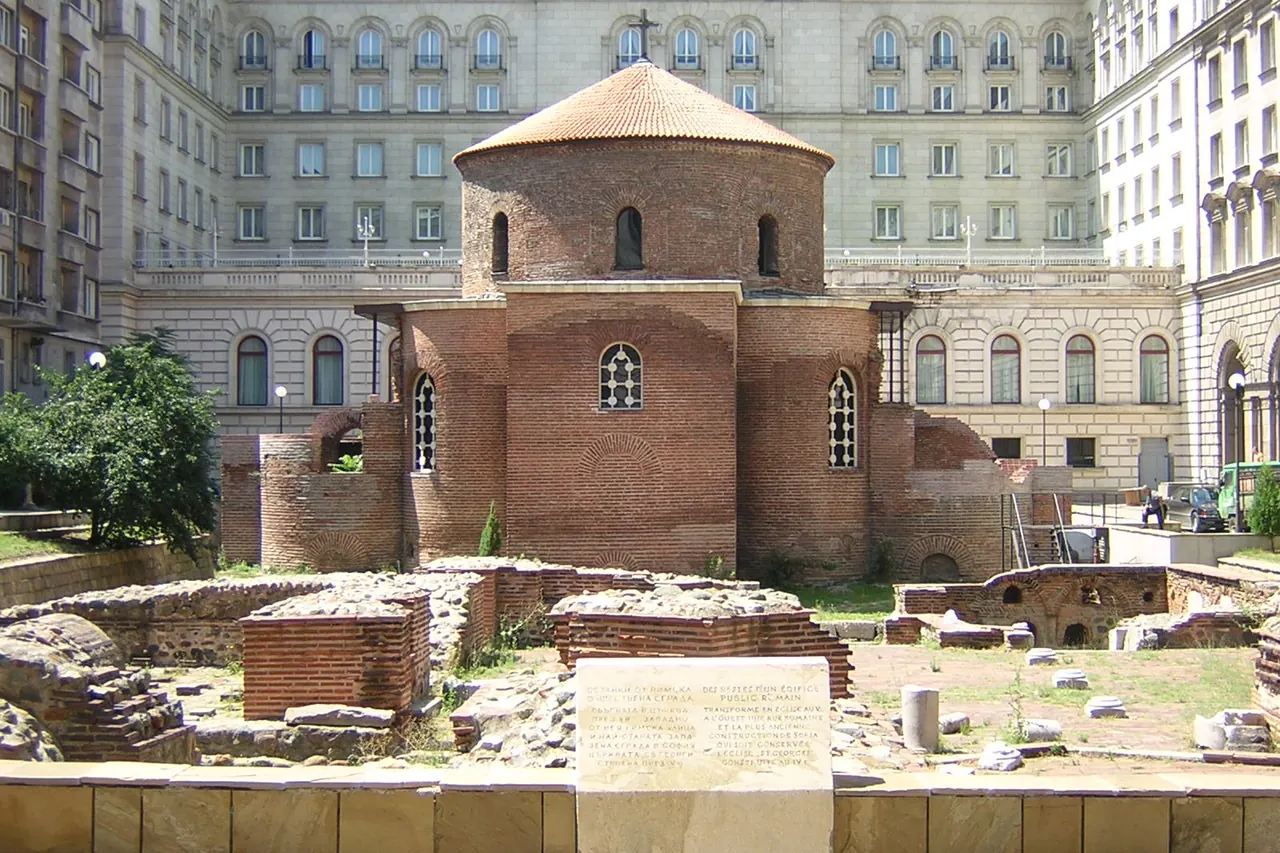
Saint George can be surprisingly easy to miss because it sits within a courtyard framed by much larger modern buildings. The red-brick rotunda and surrounding archaeological remains make the difference in scale part of the visit: an ancient structure survives inside the administrative city rather than on an isolated archaeological field. Look at the circular body of the church and the visible ground plan around it before deciding how much time to spend indoors.
Approach through the public route and respect security instructions in the wider Presidency setting. The small church is not a reason to wander into government entrances or roped-off remains. If worship is taking place, an exterior visit can be the more appropriate choice. Nearby central streets and the National Archaeological Museum allow you to connect the building with objects excavated from the broader region. This combination makes a useful short route for visitors interested in old Sofia without requiring a journey to the southern suburbs.
Plan it well: Stay on visitor paths around the ruins and follow courtyard security instructions; the surrounding buildings have other functions.
Sofia tourism administration: Saint George RotundaGive the National Archaeological Museum time
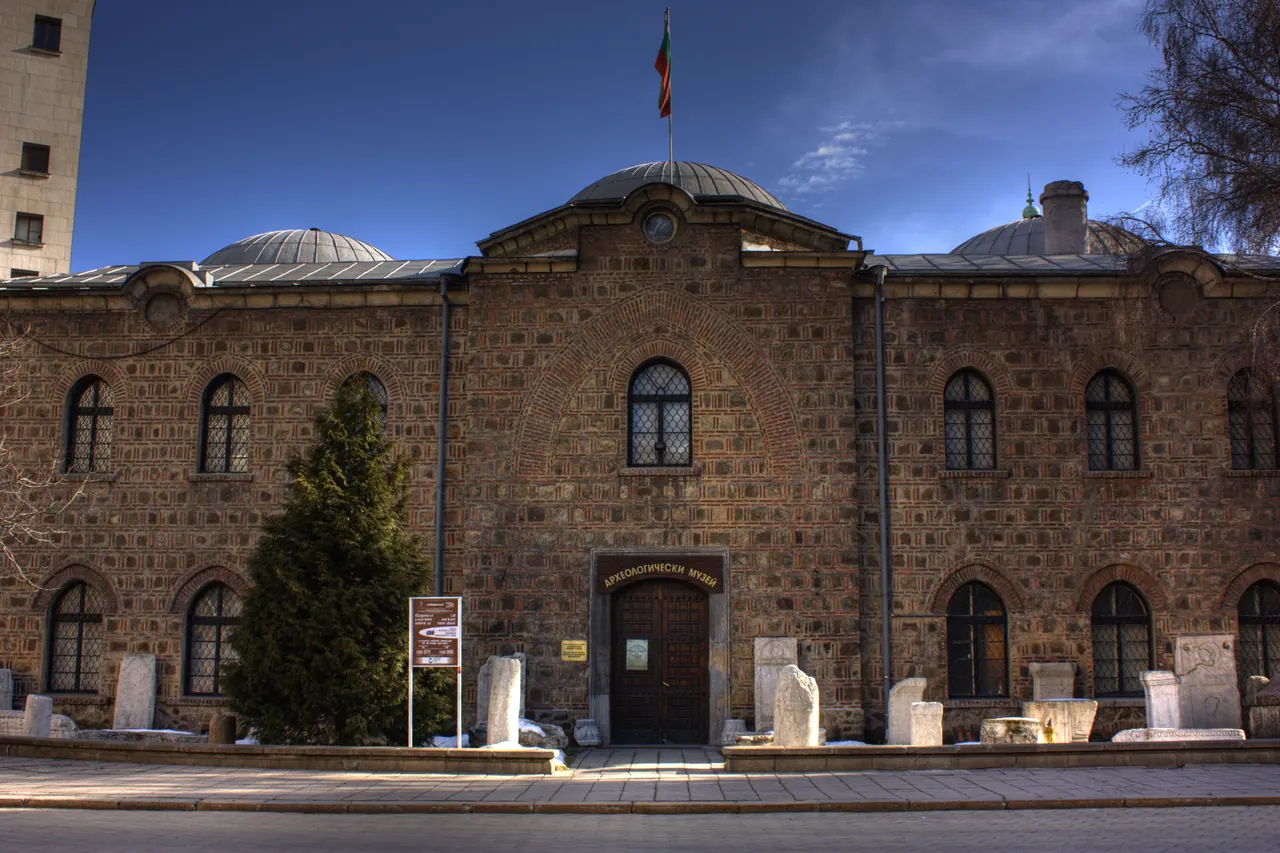
The National Archaeological Museum adds material detail to a city walk among old churches and Roman remains. Its collections reach well beyond Sofia itself, with the Central Hall presenting evidence of burial practices, sanctuaries and cultural exchange across the region. Read where an object was found before connecting it to the capital. A few carefully studied pieces can explain more than a hurried search for the most glittering display in the building.
Choose a theme that interests you, such as ancient religious practices or the relationship between local and wider Mediterranean cultures, and follow it through the labels. Consult the current exhibition programme because notable objects can be loaned or displayed differently, and temporary shows are not permanent promises. The central location makes the museum practical in poor weather, but it still deserves its own block of attention. Afterwards, return to Saint George or the civic streets with a clearer sense of the kinds of objects and practices that once belonged to these older landscapes.
Plan it well: Use provenance labels to distinguish finds from Sofia from those collected elsewhere in Bulgaria, and verify any must-see object before travelling.
National Archaeological Institute with Museum: Central HallVisit city history in the former mineral baths
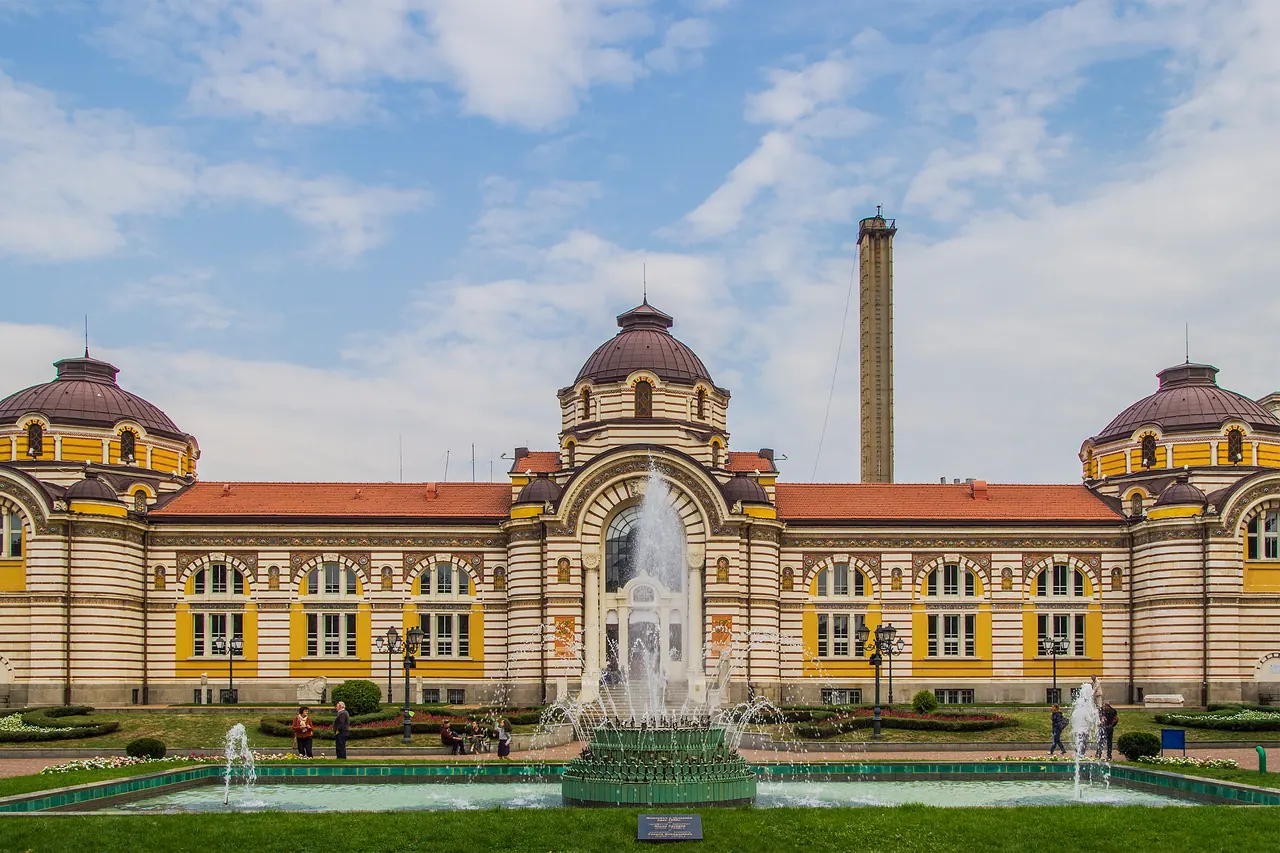
The Central Mineral Baths building is a place to explore Sofia's history, not to book a swim. Its decorated facade and domes preserve the character of the former bathing complex, while the Regional History Museum has occupied the building since 2015. Take time outside to see how the architecture faces Banski Square before entering. The change from public baths to city museum is itself a useful story about how Sofia reuses prominent buildings.
Choose this museum when you want the city's own development rather than a national survey. Check the current exhibitions and seasonal calendar, particularly if planning a Monday visit: the museum publishes different winter and summer arrangements. Its other archaeological branches have their own locations and access, so one museum name should not be treated as one universal entrance. Combine the main building with nearby central streets and the Serdica area, leaving enough time to inspect the exterior details rather than rushing indoors solely because the weather has changed.
Plan it well: This is the Regional History Museum's main building, not an operating bathhouse. Verify its seasonal opening pattern.
Regional History Museum Sofia: Central Mineral BathsLeave time for a Vitosha Boulevard stroll
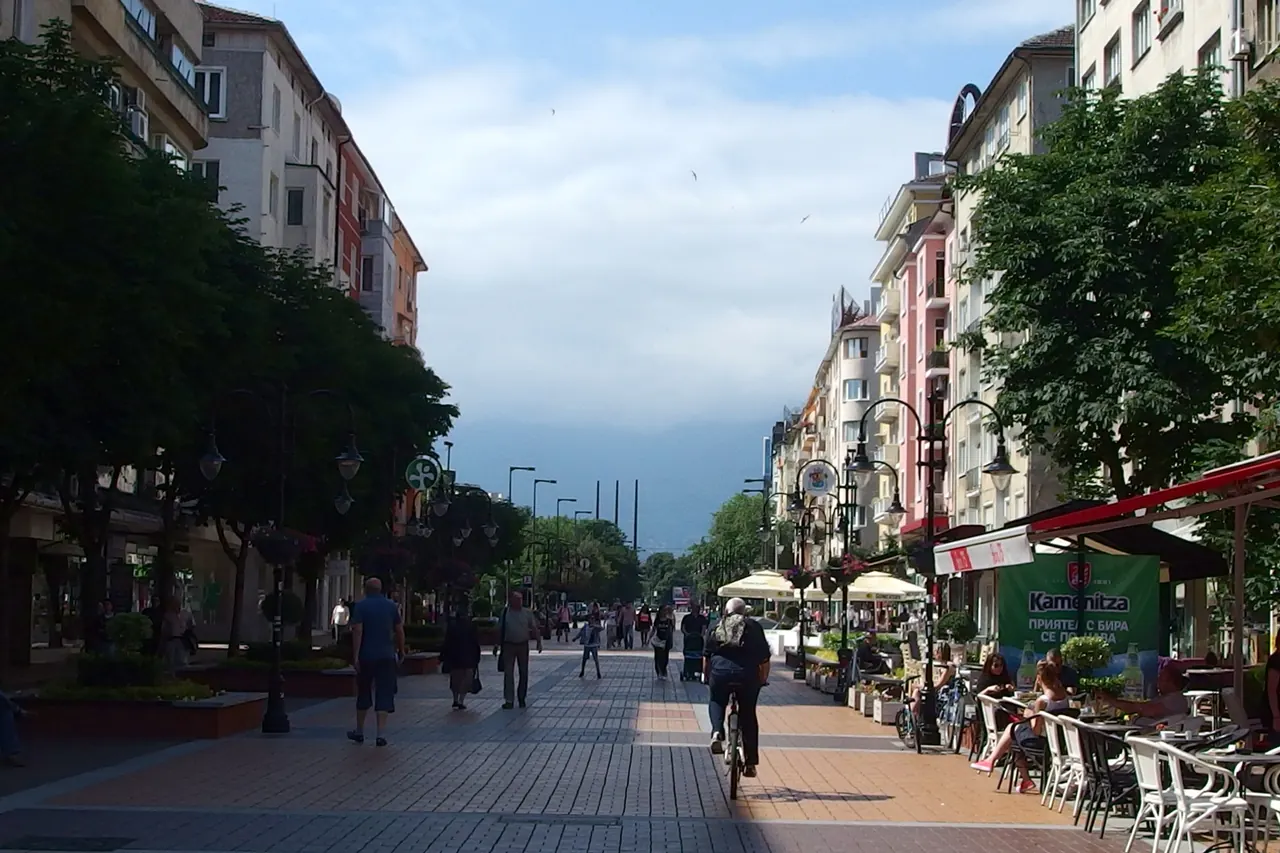
Vitosha Boulevard offers an everyday counterweight to the city's museums and religious buildings. Walk its pedestrian stretch at a pace that leaves room to look along the street, compare cafe menus and step into a side street that interests you. In clear conditions the mountain direction gives the promenade a sense of orientation, but this is a central urban walk, not the start of a casual mountain hike. Its value is in spending time rather than reaching one particular monument.
Choose a table for the kind of stop you actually want: a short drink, a meal or a longer pause after an indoor visit. Keep the busy pedestrian section distinct from the boulevard's traffic-carrying stretches when following directions. Towards the National Palace of Culture, the route can become a starting point for transport elsewhere; the tourism administration uses it in a suggested Boyana day. That does not make the southern museums walking-distance extensions of your cafe break. Confirm the onward journey before leaving the central area.
Plan it well: Use the pedestrian stretch for a relaxed central walk, and plan transport separately for Boyana or other mountain-side visits.
Sofia tourism administration: Vitosha and Boyana routePlan a focused visit to Boyana Church
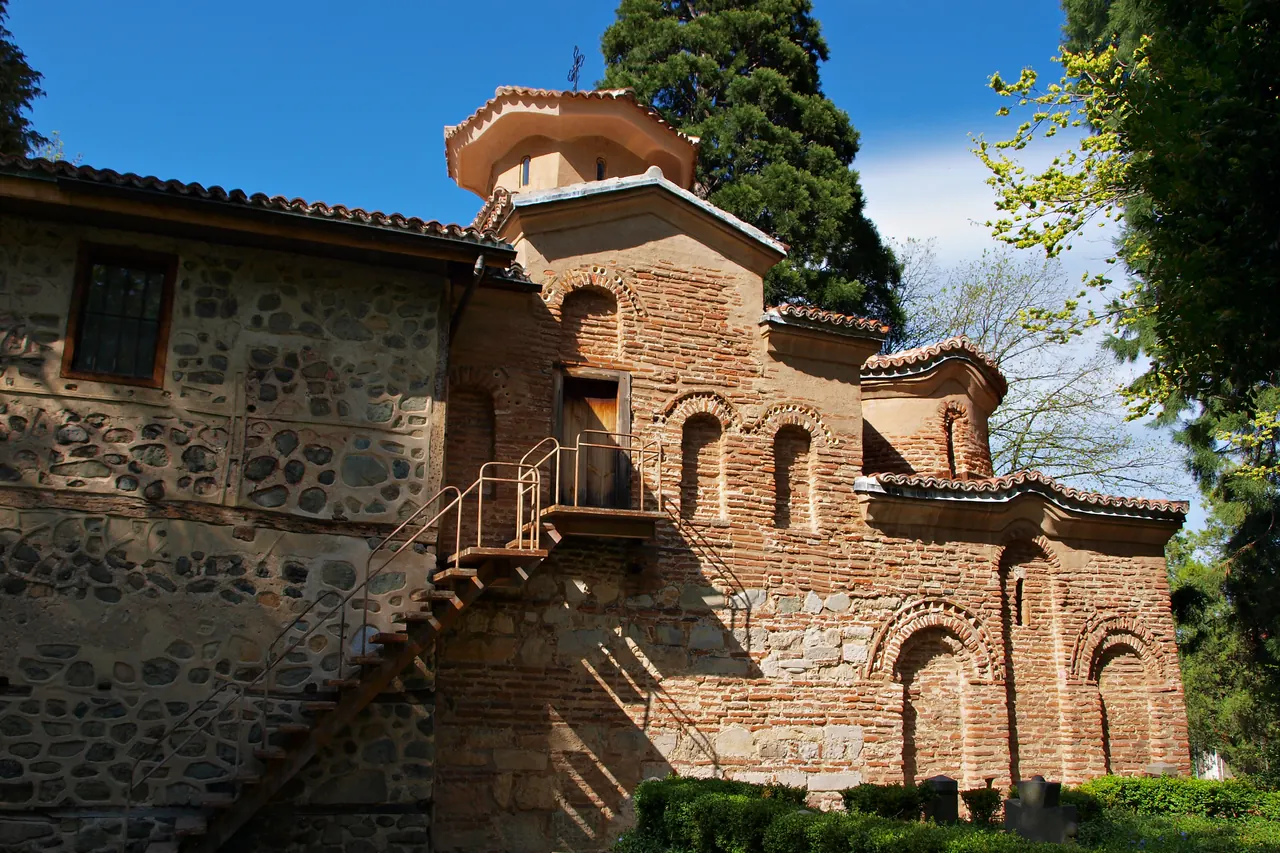
Boyana Church rewards the journey south with a small interior whose medieval paintings deserve close attention. The museum identifies the 1259 frescoes, including portraits of donors, as central to the site's importance. Outside, the different building phases are visible in the changing forms and materials. Read a little about the paintings before entering so the short interior visit becomes purposeful looking rather than an attempt to absorb every scene at once.
Conservation controls shape the experience. The official information currently limits entry to nine people at a time and the interior stay to ten minutes, with separate arrangements for organised groups and individual visitors. Confirm your slot and follow staff instructions, including any photography restrictions. Do not schedule a long journey assuming that arrival automatically means immediate entry. The National History Museum is a sensible companion in the same broader southern area, but still needs a separate transfer. Leave enough space between them for transport and any waiting at the church.
Plan it well: Check the official group and individual access windows before travelling; the short interior visit is controlled for conservation.
National History Museum: Boyana Church visitor informationBuild a wider timeline at the National History Museum
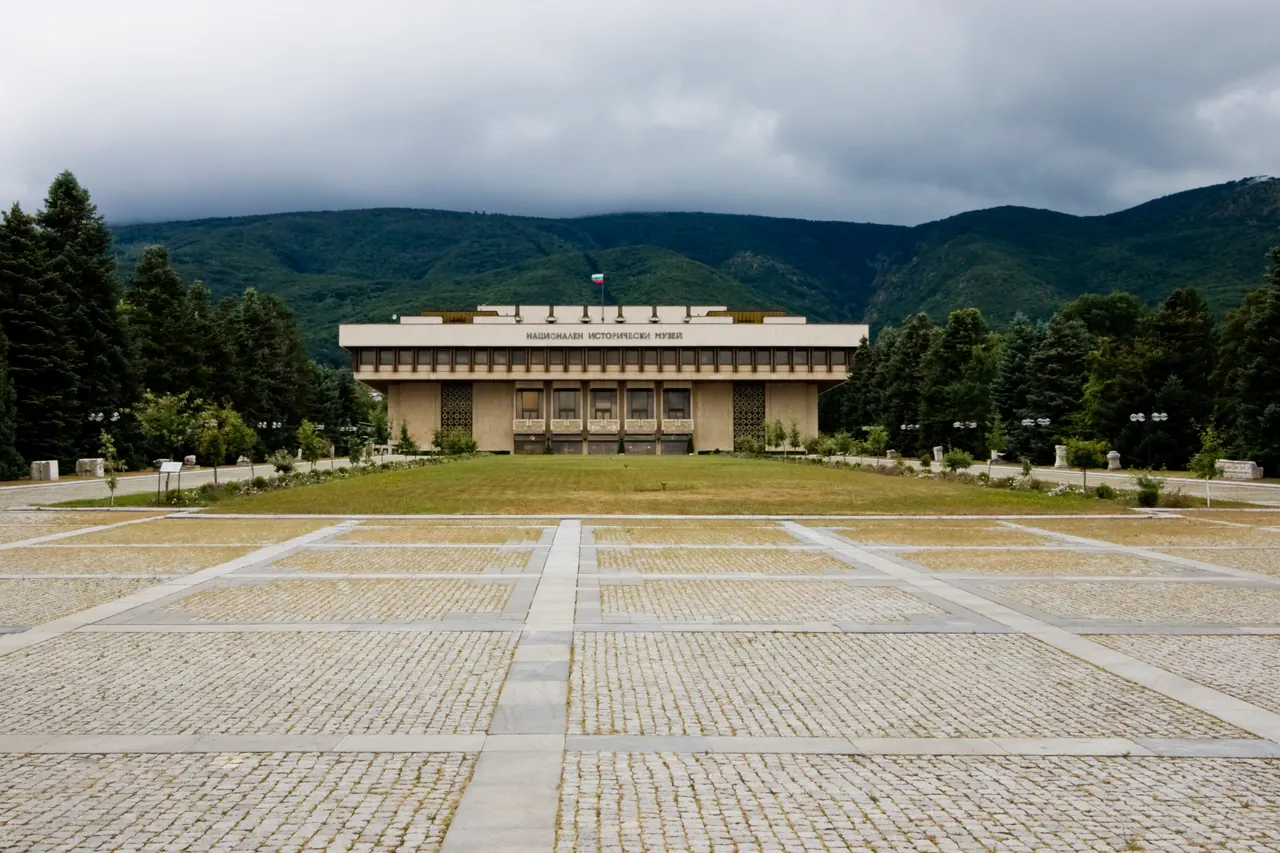
The National History Museum helps place Sofia's central monuments within a much longer Bulgarian story. Its permanent exhibition moves through prehistory, antiquity, the medieval state and the Ottoman period, with ethnographic material adding a different view of everyday life. Choose a few periods to study carefully rather than expecting a single visit to resolve the entire national chronology. The wide forecourt and substantial building also make clear that this is a different destination from the compact city-centre museums.
Download or inspect the gallery plan before going if you have limited time, and arrange a guided visit in advance when a particular language or topic matters. The official visitor page lists transport options, but check current routes and the return journey for your date. Pairing the museum with Boyana Church is practical only if you account for travel between their entrances and the church's controlled slots. Avoid adding a mountain hike simply because both museums are near Vitosha; that would be another outing with different time, equipment and weather requirements.
Plan it well: Use the museum's floor plan to choose priorities and book any requested guiding language before the day of your visit.
National History Museum: planning a visitGive Borisova Gradina an unhurried hour
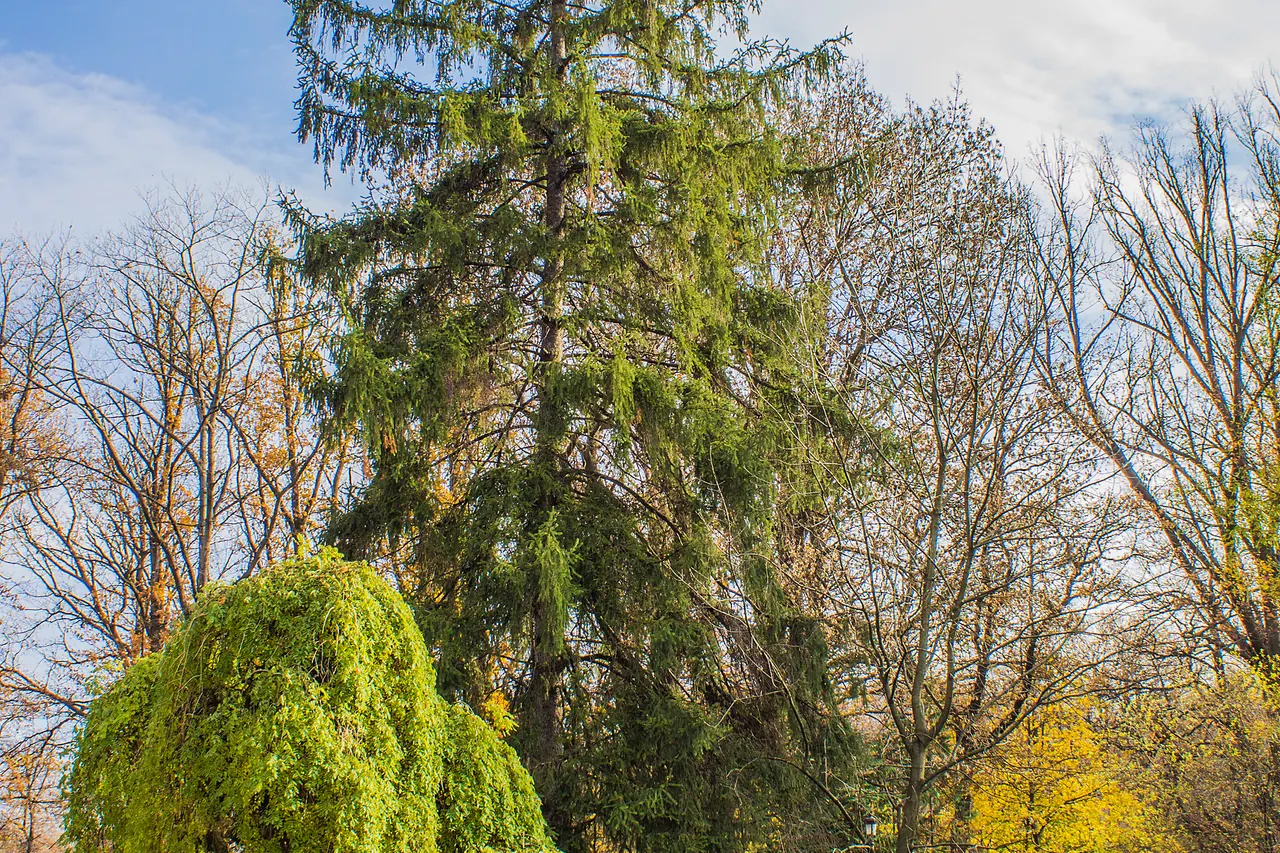
Borisova Gradina gives you a greener kind of Sofia visit, with a park landscape extending beyond the busy roads near Eagle Bridge and the stadiums. Choose an entrance that fits your central route and begin with a modest walk rather than trying to cover the entire area. The trees and changing seasonal foliage are part of the point: this is somewhere to sit, talk and let a museum-heavy day slow down rather than hunt for one compulsory photograph.
Keep track of your return point as paths branch, especially if you are meeting someone or relying on a particular transport connection. Events around the stadium district can affect the feel of the approaches, so allow flexibility instead of assuming the park will always be equally quiet. Bring water in warm weather and use established paths after rain. A shorter loop suits a first visit well; you can extend it only when daylight, weather and energy allow. It makes a useful alternative to another interior without needing to turn the afternoon into a full excursion.
Plan it well: Pick an entrance and return point before walking deeper into the park, accounting for any event-day crowds around the stadiums.
Sofia tourism administration: Borisova GradinaPause outside the Ivan Vazov National Theatre
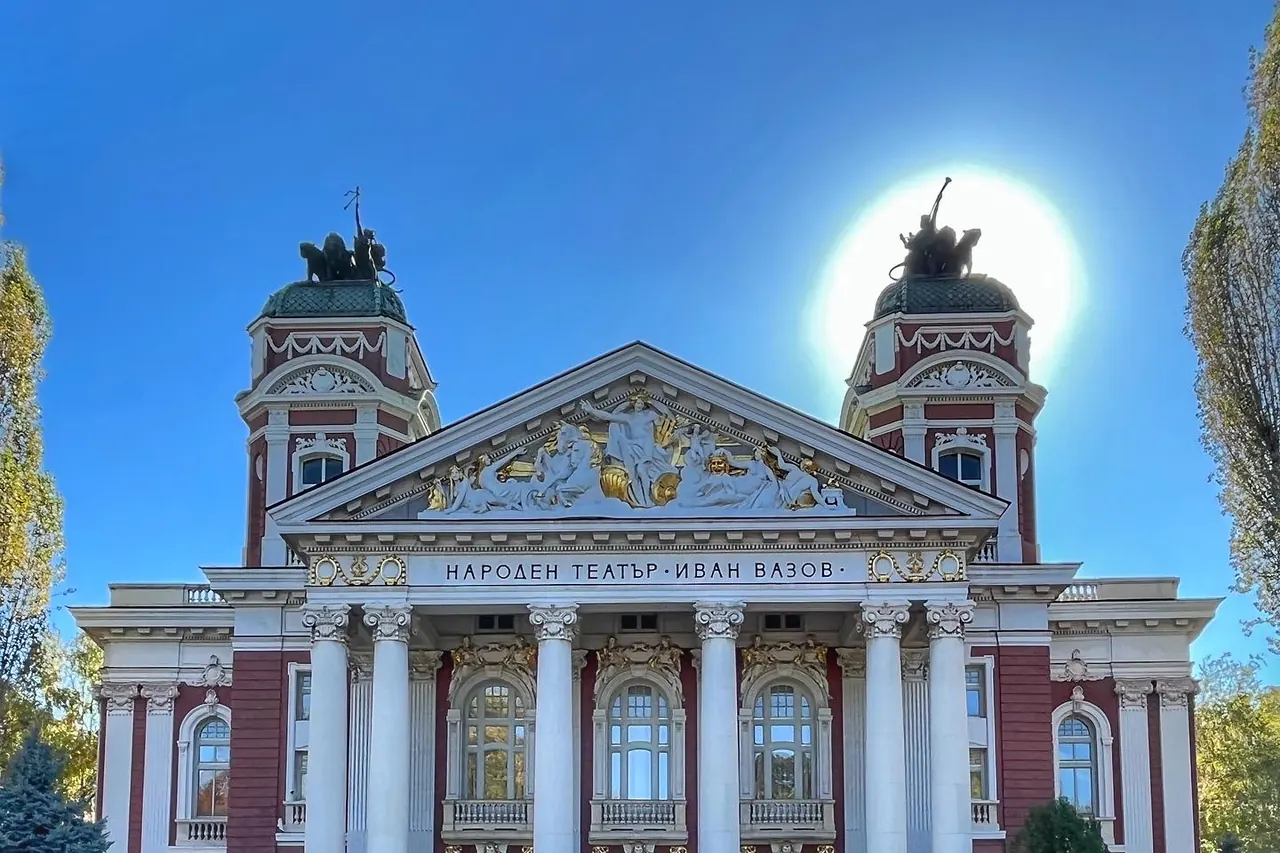
The Ivan Vazov National Theatre gives the City Garden a strong architectural focus, with its columned facade facing a public space used for more than sightseeing. Approach from the garden so you can see the building as part of a street and park setting rather than only from directly below the portico. A pause here fits naturally between the civic centre, archaeology museum and Vitosha Boulevard, making it a good place to ease the pace of a central day.
For a performance, use the theatre's current programme and verify the stage, language and any surtitles rather than assuming that an English-language website means an English-language show. Different productions may also suit very different audiences. Without a booking, enjoy the exterior and garden rather than expecting a casual tour of backstage or auditorium spaces. An evening at the theatre can become the anchor for dinner nearby, but leave the daytime route flexible. This is a working cultural institution, not simply a historic building whose interior is always open to wander through.
Plan it well: Confirm the production language, venue and any surtitles before choosing seats; exterior sightseeing and performance admission are separate.
Ivan Vazov National Theatre official programmeHow to spend two days in Sofia
Day one: central layers
Begin with Alexander Nevsky and Saint Sophia, then choose the archaeological museum or the former mineral baths museum. Walk past Saint George and the theatre, leaving the later afternoon for Vitosha Boulevard. Choose interiors around their actual calendars rather than entering every building.
Day two: Boyana or a gentler city day
Arrange Boyana Church and the National History Museum as a southern outing, checking the church slot and transfers first. For a lighter alternative, visit the central collection you missed and walk Borisova Gradina. A mountain hike is a separate plan, not a casual extension of these museum visits.
Before you go
Respect controlled church visits
Boyana's interior has strict capacity and time limits. Check individual and organised-group arrangements before travelling.
Boyana official visitor rulesCheck each museum branch
The city history museum operates several sites with different entrances and calendars. Its main baths building currently has seasonal opening patterns.
Sofia History Museum main buildingSeparate central walks from southern journeys
Boyana is outside the compact centre. Check transport, the venue entrance and the return route before combining timed visits.
Where to stay in Sofia
The central area around Serdika and the civic sights works well for a first visit, while streets near Vitosha Boulevard suit dining and evening walks. Compare noise levels and the actual room position on busy pedestrian routes. A southern neighbourhood base may fit a trip focused on Boyana or Vitosha, but adds travel to central museums. Check nearby transport stops and step-free entrance details along with the hotel room, particularly if you will be returning after a performance.
Explore Sofia hotels