
Sofia city guide
Where to stay in Sofia
Compare Serdika's historic core, cathedral-side Oborishte, Vitosha Boulevard, Borisova Gradina and Boyana, with clear metro and foothill trade-offs.
Plan your visit
Sofia lets you choose between a compact cultural centre, busy cafe streets, a park-side base and a genuinely outlying foothill neighbourhood. Most first visits work best near the central metro network. Boyana is a different proposition: good for a southern-city purpose, but not a walkable substitute for the cathedral district.
Choose your base
Serdika is the practical first-visit choice for history and airport metro access. Choose the cathedral side of Oborishte for churches and cultural walks, Vitosha Boulevard for restaurants and NDK events, or the northern Borisova Gradina edge for park and stadium days. Boyana suits a foothill-focused stay only when you accept surface transport back to the centre.
Serdika and the historic centre: history and a straightforward first visit
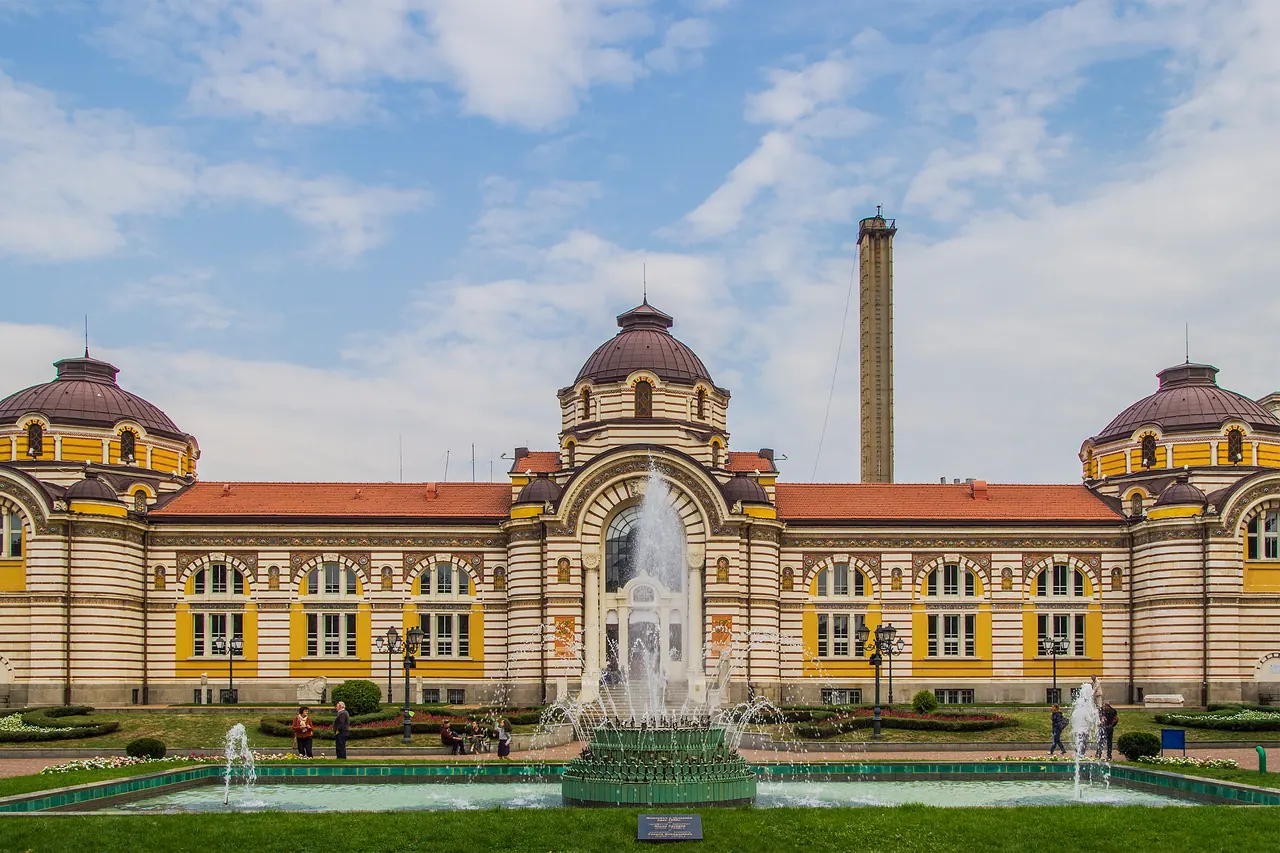
Serdika is the most practical starting point when you want ancient remains, civic landmarks and a useful metro interchange in the same daily orbit. The former Central Mineral Baths, now the city history museum, and Saint George's Rotunda give nearby walks substance beyond shopping. Cafe and restaurant choices spread through the adjoining centre, so the area works for a short visit where you return between sightseeing and dinner rather than stay out all day.
Metropolitan's operating network places Serdika on the M4 airport corridor, with the M2 interchange at Serdika 2. The airport station is beside Terminal 2; your arrival terminal and the final street approach still matter. A broad centre label can hide a room farther north along busy roads, so use the actual entrance rather than the word Serdika alone. Traffic, major junctions and street activity are the compromises. Choose cathedral-side Oborishte for a more church-and-gallery-led setting, or Vitosha Boulevard when restaurants and the National Palace of Culture drive the trip.
Plan it well: The map pin marks Sofia Central Mineral Baths, an orientation point for this area, not its boundaries.
Regional History Museum Sofia: Central Mineral BathsCathedral-side Oborishte: churches and cultural walks
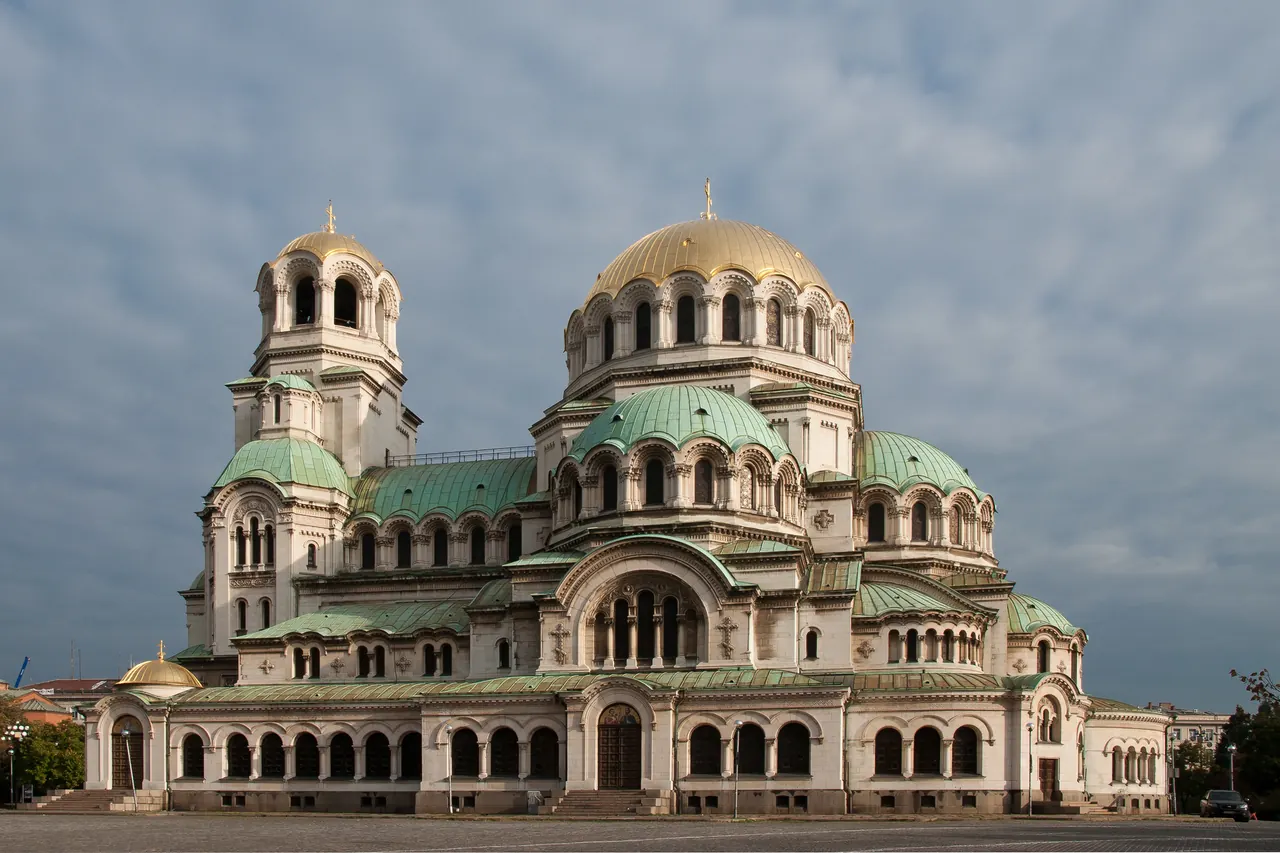
Choose the cathedral side of Oborishte for mornings around Alexander Nevsky and Saint Sophia, followed by the streets towards Doctor's Garden. The immediate setting is cultural and civic rather than one long bar promenade; cafes on the adjoining streets make it possible to pause between churches and galleries. It is a good base for visitors who want the cathedral district to be an everyday walk, not a stop reached from a distant hotel.
Metropolitan lists SU Sv. Kliment Ohridski on the airport-connected corridor. It is the useful southern approach for this part of the centre, while addresses farther east need their own final walk or surface connection. Oborishte is a wider district, so a hotel using the name is not necessarily beside the cathedral. Open squares and main roads can feel exposed to traffic, and cultural proximity does not guarantee quiet during events. Choose Serdika if transport convenience comes first, or Vitosha Boulevard if the evening restaurant circuit matters more than the church-and-garden setting.
Plan it well: The map pin marks Alexander Nevsky Cathedral, an orientation point for this area, not its boundaries.
Sofia tourism administration: Alexander Nevsky CathedralVitosha Boulevard and NDK: dining and event evenings
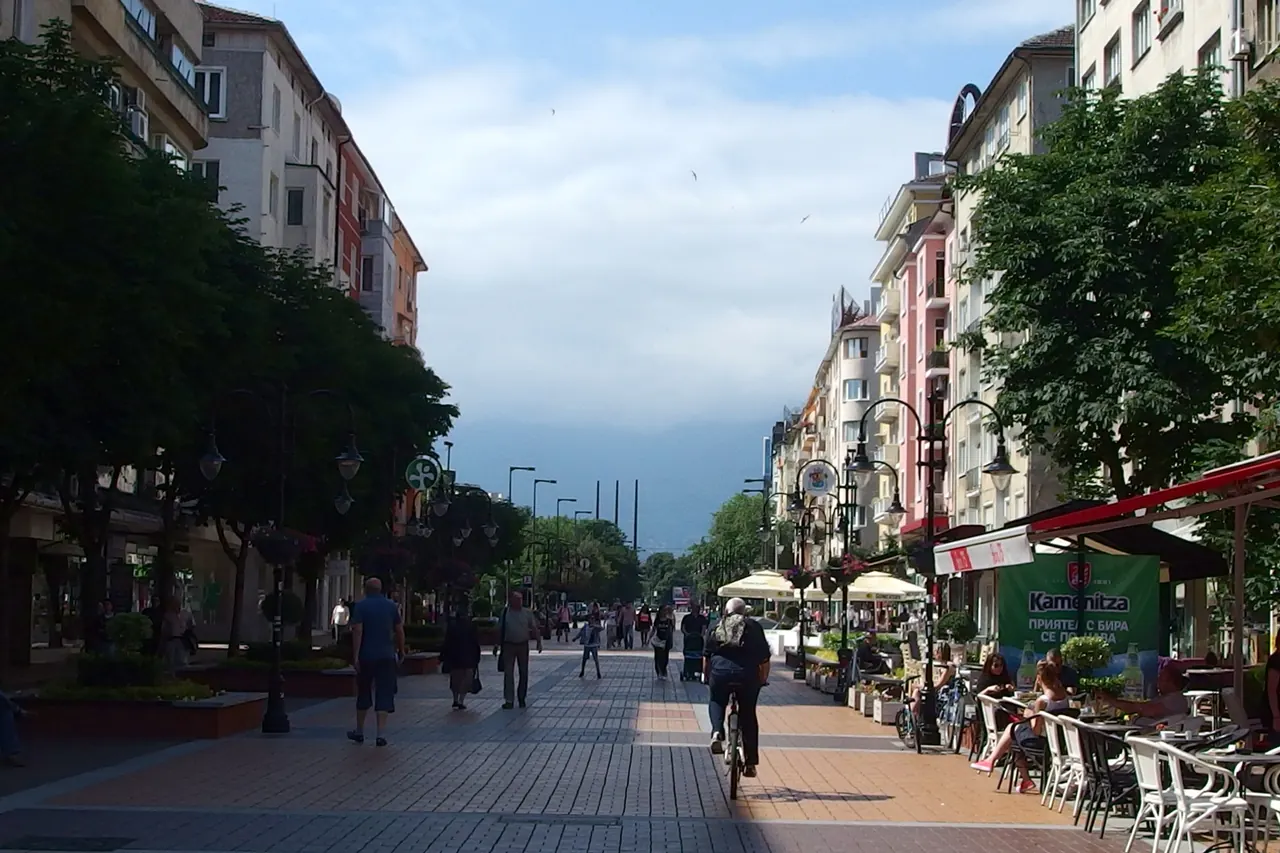
The pedestrian stretch of Vitosha Boulevard suits visitors who want to choose a cafe or restaurant after stepping outside. Use the southern centre around the National Palace of Culture, usually called NDK, when a performance or event is part of the trip; use the northern stretch for easier walks back towards the historic core. The boulevard and its side streets offer a different evening routine from the cathedral squares, with more emphasis on terraces and passing street life.
Metropolitan's network distinguishes National Palace of Culture on M2 from National Palace of Culture 2 on M3. For an airport arrival on M4, plan the interchange or the walk from the historic centre rather than expecting the airport line at NDK. Vitosha Boulevard continues beyond its pedestrian part, so verify which segment the hotel occupies. Terrace noise is the main trade-off on the busy walking section, and major roads resume around its ends. Choose a nearby side street for this dining-led base, or Serdika if airport simplicity and archaeological sights take priority.
Plan it well: The map pin marks Vitosha Boulevard, an orientation point for this area, not its boundaries.
Sofia tourism administration: Vitosha and Boyana routeBorisova Gradina and Orlov Most: park breaks and stadium visits
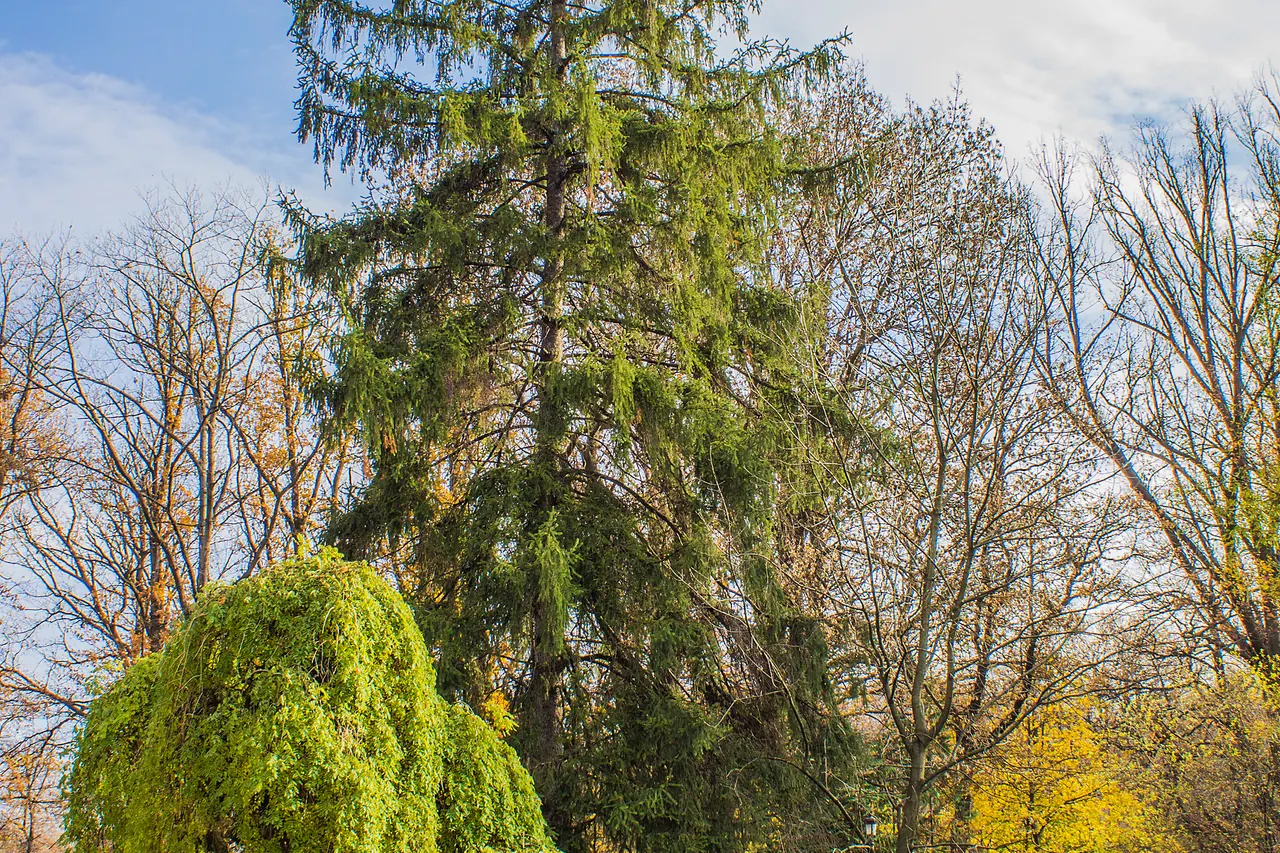
Use the northern, city-facing edge of Borisova Gradina when an outdoor break or a stadium visit is part of most days. Ariana Lake, Eagle Bridge and the Vasil Levski Stadium side form a practical reference; the park continues much farther south, becoming a very different walking proposition. Staying on adjoining streets gives you somewhere green to return to between cultural visits, while meals are found around the surrounding urban blocks rather than throughout the park.
Metropolitan lists Vasil Levski Stadium and SU Sv. Kliment Ohridski on the airport corridor, with Orlov Most on M3. Choose the entrance that matches the hotel and park side, not simply the station nearest a map's centre pin. Main roads near Eagle Bridge and event crowds around the stadium are real compromises, so park-side should not be read as automatically silent. Choose Serdika for the strongest historic-centre focus or Oborishte for cathedral walks. This base makes more sense when a park and eastern central-city access matter every day.
Plan it well: The pin and photograph identify Borisova Gradina itself. Hotels should be compared on its northern city-side streets, not treated as accommodation inside the park.
Sofia tourism administration: Borisova GradinaBoyana: a foothill-focused stay
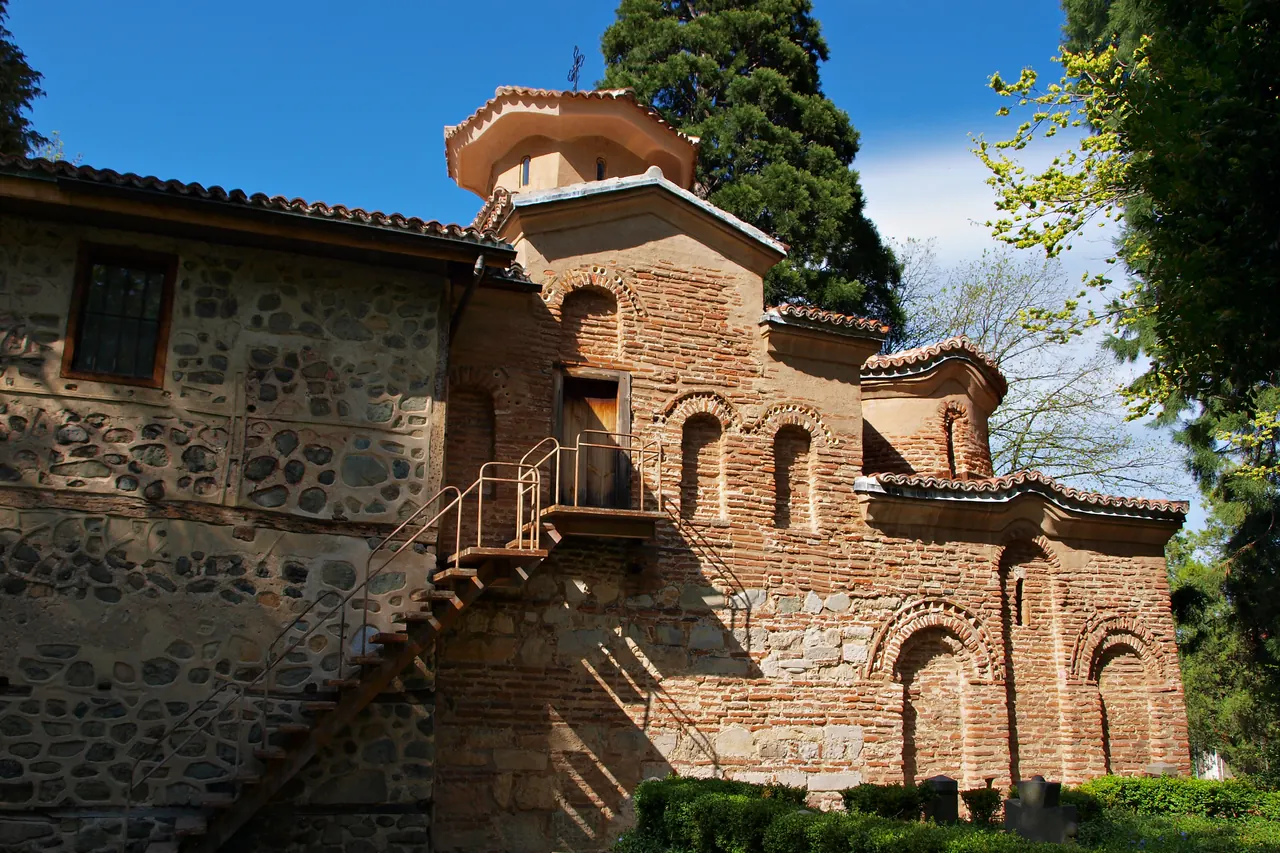
Boyana is a specialist choice for visitors who want Sofia's southern edge rather than the centre's evening circuit. Boyana Church and the National History Museum give the neighbourhood cultural reasons to stay, while the foothill setting can suit a trip organised around Vitosha outings. The church is a small, controlled visitor site and the museum is a separate address; proximity to either does not turn the neighbourhood into an all-day pedestrian sightseeing zone.
Sofia's Urban Mobility Centre lists bus 64 among services for Boyana, and the tourism route describes the connection from Vitosha metro station to Boyansko hanche. That is a surface journey after the metro, not a hotel beside an airport-line station. Dining and accommodation are more address-specific than around Vitosha Boulevard, and hillside approaches or road-based returns add planning. Choose Boyana when southern visits are central to the trip and you have checked the last leg. For a first visit with repeated cathedral, museum and restaurant stops downtown, Serdika or the NDK area is the more balanced base.
Plan it well: The map pin marks Boyana Church, an orientation point for this area, not its boundaries.
National History Museum: Boyana Church visitor informationArriving and getting around
Use the airport station at the right terminal
Metropolitan identifies Sofia Airport metro station beside Terminal 2 and lists M4 as the airport line. Check arrangements from your arrival terminal and the current service calendar; no central hotel comes with a guaranteed airport journey time.
Metropolitan: Sofia Airport stationSeparate the three central approaches
Serdika serves the historic core, SU Sv. Kliment Ohridski is useful for the cathedral and university side, and NDK requires attention to the M2/M3 interchange. Use Metropolitan's map for the hotel address rather than treating all central stations as interchangeable.
Metropolitan: operating metroAllow a surface connection for Boyana
The Urban Mobility Centre lists bus 64 for Boyana; the municipal tourism route explains the Boyansko hanche approach. Consult the route network and current stop information before choosing a foothill hotel for a transport-dependent stay.
Sofia Urban Mobility Centre: route networkFind your Sofia base
Compare Sofia hotels by the daily setting you want: Serdika history, cathedral-side streets, Vitosha dining, park access or a purpose-led Boyana stay. For the central options, match the station entrance to the property; for Boyana, include the surface connection in the decision.
Explore Sofia hotels