
Thimphu city guide
10 things to do in Thimphu
Bhutan's capital through living religious sites, a traditional household museum and nearby forest and mountain excursions, with current visitor rules.
Plan your visit
Thimphu is best explored as a working capital and a place of living Buddhist practice, not a collection of empty monuments. Arrange a Department of Tourism-certified guide under Bhutan's current rules and choose a few visits each day. As reviewed on 5 October 2026, Buddha Dordenma has temporary viewing-only restrictions; forest hikes and Dochula also need separate time and weather planning.
See Buddha Dordenma from the permitted viewing area
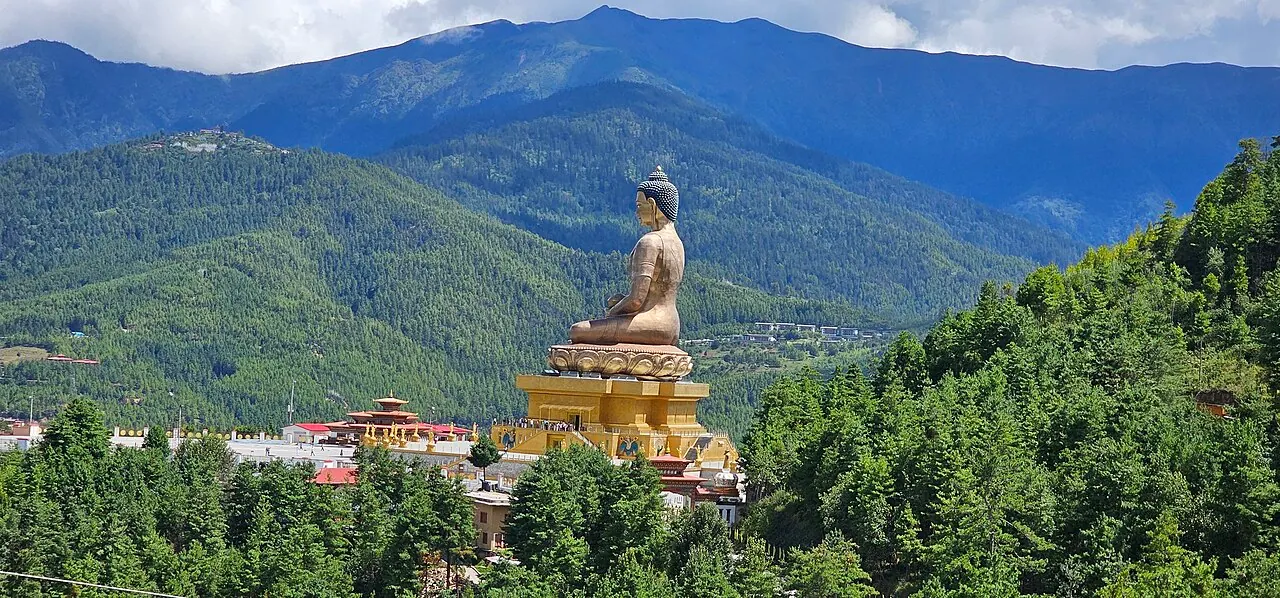
Buddha Dordenma gives the southern valley a landmark visible on a much larger scale than the small shrines and prayer wheels elsewhere in the city. The gilded bronze seated figure stands above Thimphu at Kuenselphodrang, with forest and the built valley providing its setting. It is worth looking at that relationship rather than concentrating only on a close-up of the statue. The site remains a religious destination, so approach even an outdoor view respectfully.
Current access is the important planning detail. The official national-monuments portal announces re-gilding work and restrictions from 17 August through 31 October 2026, allowing viewing only from a designated area and prohibiting temple entry and circumambulation around the statue. Have your guide confirm whether that notice remains in force for your visit. Do not plan an interior appointment or follow an older walking description through work areas; accept a distant view or choose a different stop if instructed.
Plan it well: Recheck the official re-gilding notice; the historical photograph does not show current scaffolding or access.
Thimphu Dzongkhag Administration: Buddha DordenmaUnderstand the government and monastic roles of Tashichho Dzong
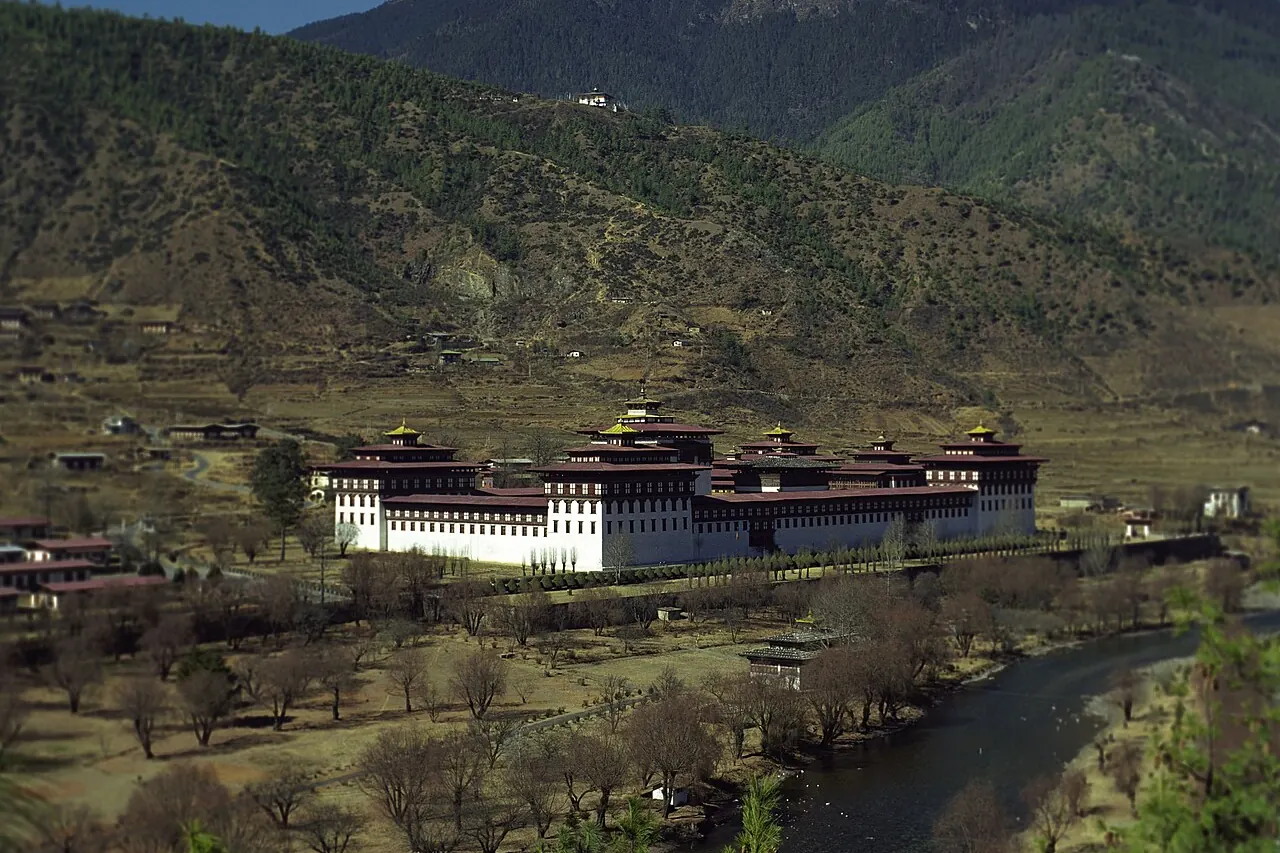
Tashichho Dzong makes Bhutan's connection between administration and religious life visible in one large architectural ensemble. The district administration identifies it as a seat of government and the Central Monastic Body, which explains why access is different from visiting a freely open museum. Start with the long white walls, roof levels and setting beside the river, then let your guide explain the parts visitors are actually permitted to enter.
Coordinate the visit around the day's authorised arrangements rather than relying on an old late-afternoon timetable. Government business, religious activity and festival preparations can all matter. An exterior view is still useful when interiors are unavailable, especially if you compare the scale with the smaller Simtokha Dzong later. If your journey overlaps the Thimphu Tshechu, check actual event dates and entry arrangements separately; the existence of an annual festival does not make a dance performance part of every visit.
Plan it well: Ask which courtyard or temple areas are open on your date before committing to a fixed appointment.
Thimphu Dzongkhag Administration: Tashichho DzongObserve everyday devotion at the Memorial Chorten
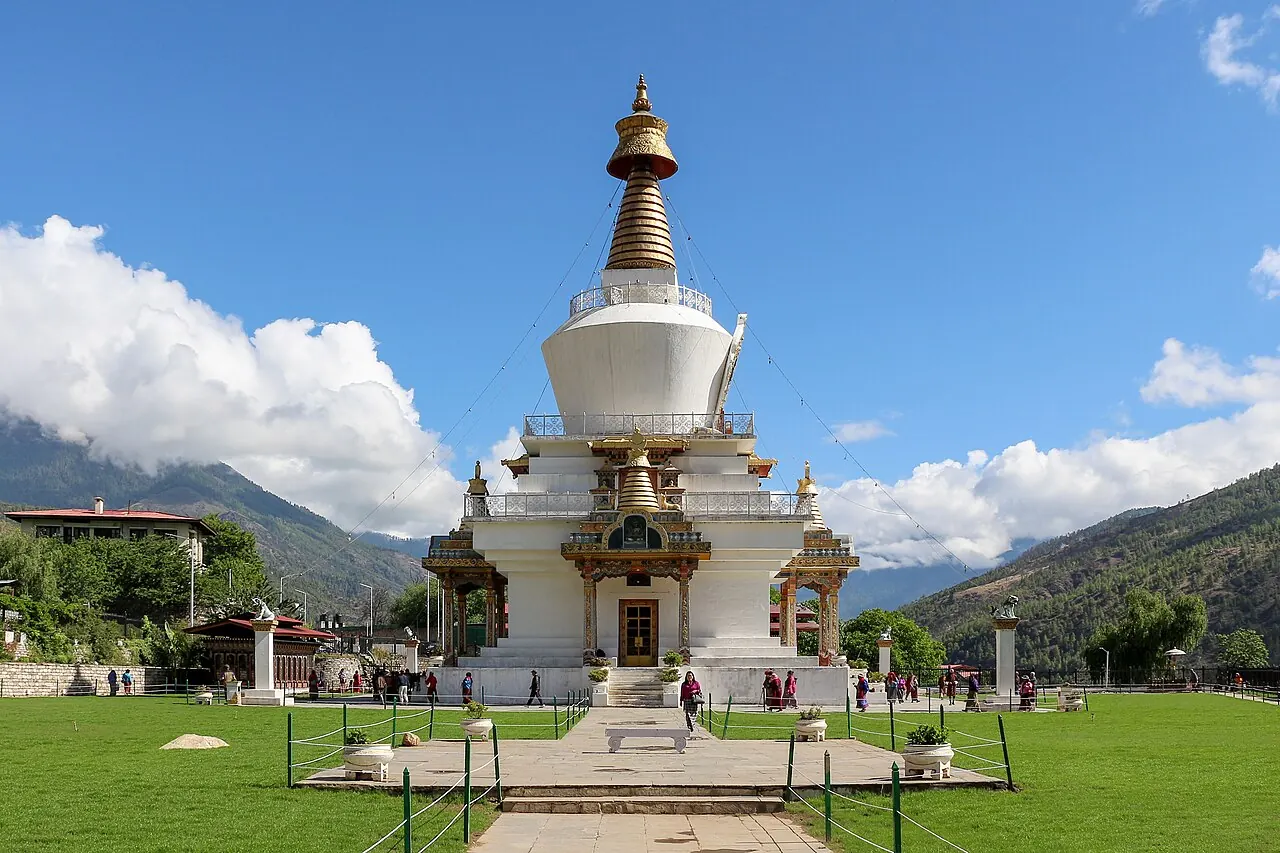
The National Memorial Chorten offers a closer view of everyday religious practice than a distant valley landmark. Built in memory of the third king, its white form and gold-coloured spire draw visitors, but the people making devotional rounds are the reason to slow down. The district's description notes clockwise circumambulation. Watch where people walk, keep their route clear and ask your guide about the prayer wheels before deciding whether to take part.
A quiet visit does not require a long checklist of objects. Leave time to sit or stand without photographing every moment, and treat worshippers as people using an important religious place rather than part of an arranged cultural display. Ask before taking an identifiable portrait. Because the chorten is central, it can fit comfortably before the Royal Textile Academy or a meal, provided your guide checks current admission arrangements and the group has appropriate clothing.
Plan it well: Keep the clockwise devotional route clear and obtain consent before photographing people.
Thimphu Dzongkhag Administration: National Memorial ChortenVisit a neighbourhood temple above the city
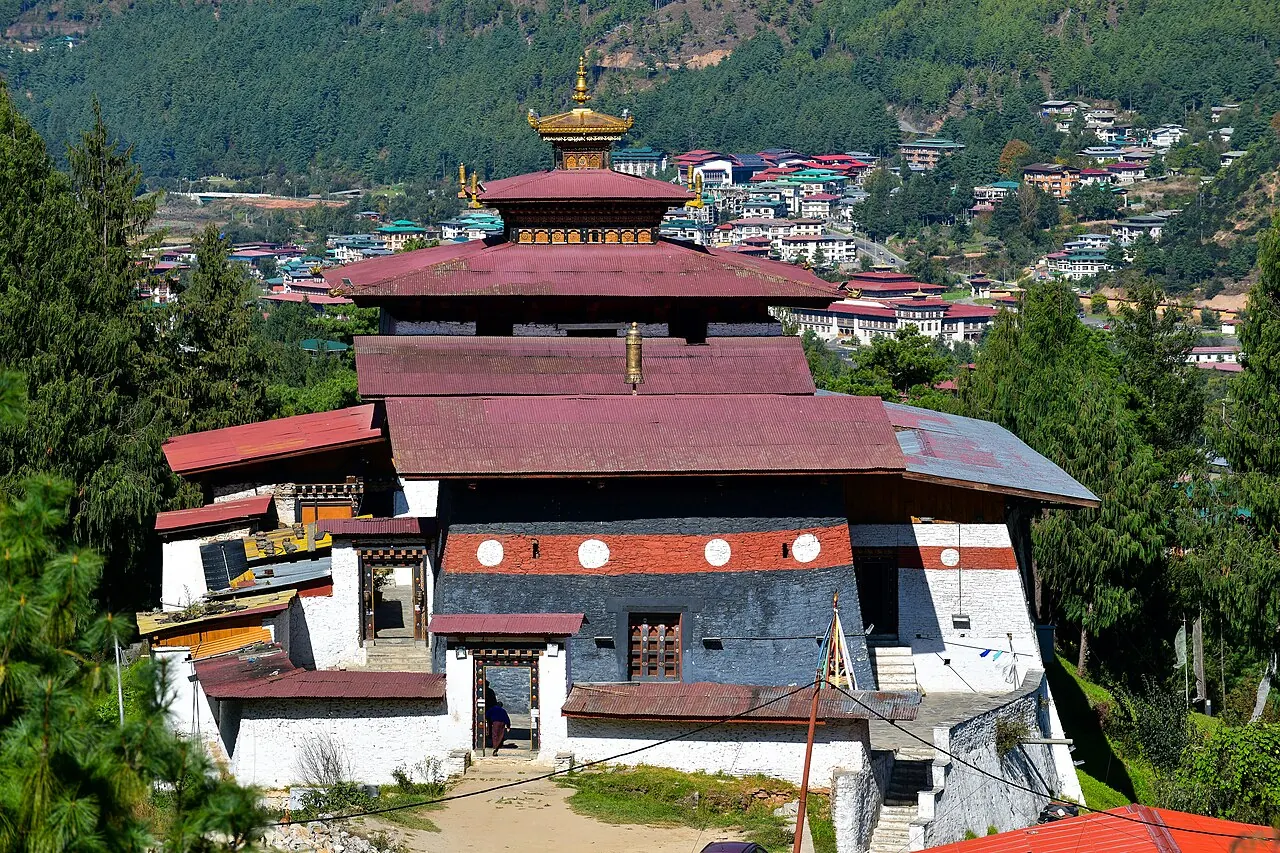
Changangkha Lhakhang brings the focus from national-scale monuments to a temple embedded in a city neighbourhood. Its hillside position helps you see how houses and religious buildings share Thimphu's sloping terrain. The national heritage inventory records the temple, and official tourism material includes it among spiritual places to visit. Use your guide to understand its local role instead of importing the same story you heard at a larger dzong.
Ask where visitors should enter, what can be seen without disturbing worship and whether any ceremony makes a visit inappropriate. Steps and an uphill approach deserve a realistic assessment for anyone with reduced mobility; a location pin alone says nothing about accessibility. Keep shoes and clothing suitable for religious spaces, and do not photograph rituals or children without permission. Pair this visit with another western neighbourhood stop, but avoid turning a series of active temples into a hurried architectural circuit.
Plan it well: Confirm the approach and permitted temple spaces with your guide; avoid interrupting families or ceremonies.
Bhutan Cultural Heritage Inventory: Changangkha Lhakhang listingSee Bhutan's textile traditions at the Royal Textile Academy
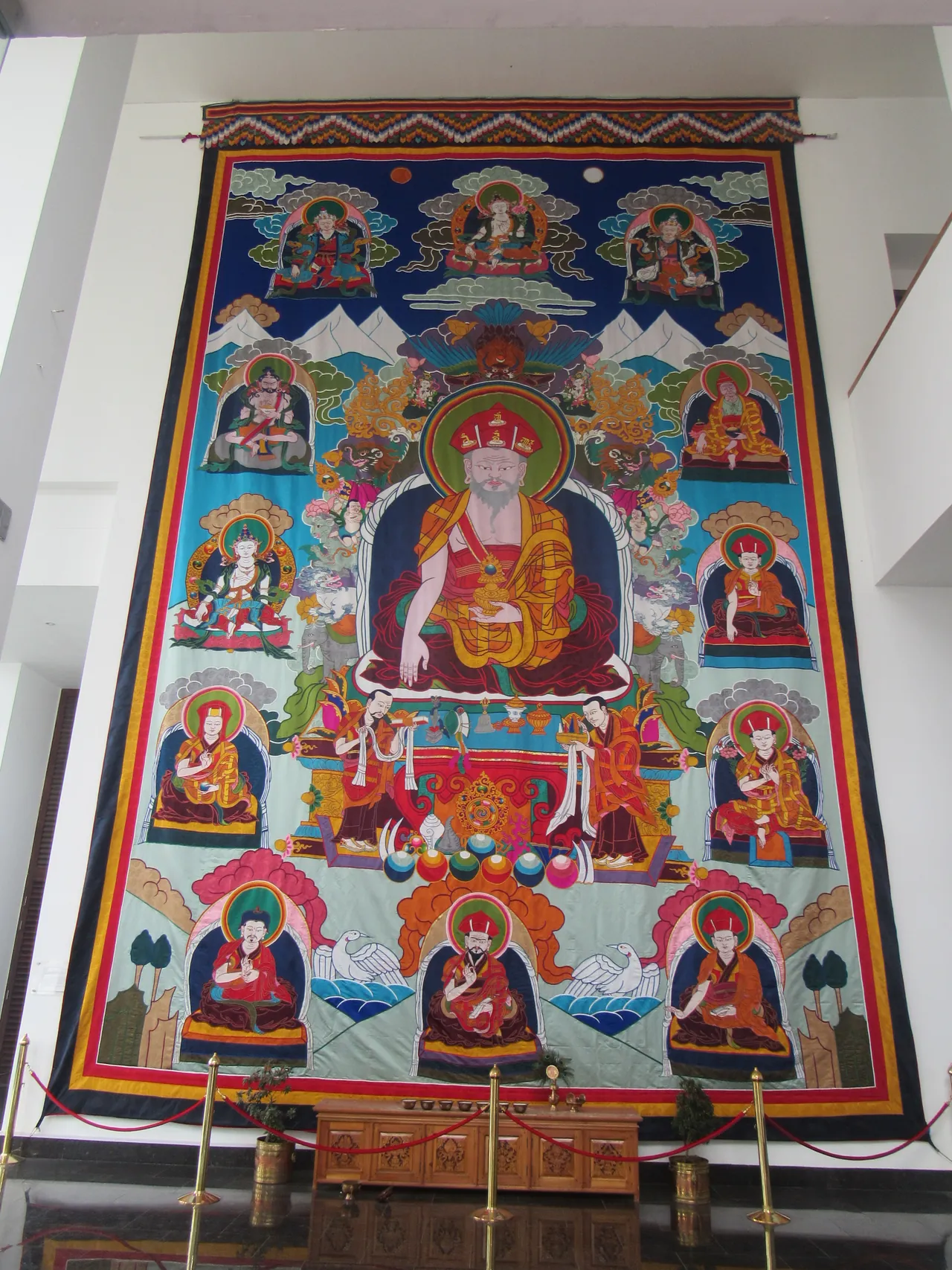
The Royal Textile Academy gives Thimphu's textile traditions their own place in your itinerary. Its museum combines an upper gallery of textile weaves with changing exhibitions below, while the wider academy supports weaving education and conservation. Look beyond colour: compare the pattern, material and use of two pieces, then ask how the techniques differ. This is a useful counterpoint to the dzongs and temples, connecting clothing and craftsmanship with the cultural life you see around the city.
Check the current exhibition programme and visitor arrangements before going. The academy is also a working training and conservation institution, so museum admission should not be taken as unrestricted access to every classroom or workshop. Ask separately about demonstrations and photography. The pictured thangka documents a past display rather than guaranteeing it is on view today. Give the galleries unhurried time between central outings, and use the visit to understand textiles before browsing local craft shops.
Plan it well: Confirm current exhibitions, demonstrations and photography rules separately from museum admission.
Bhutan Tourism: Royal Textile AcademyChoose a forest walk to Tango Monastery
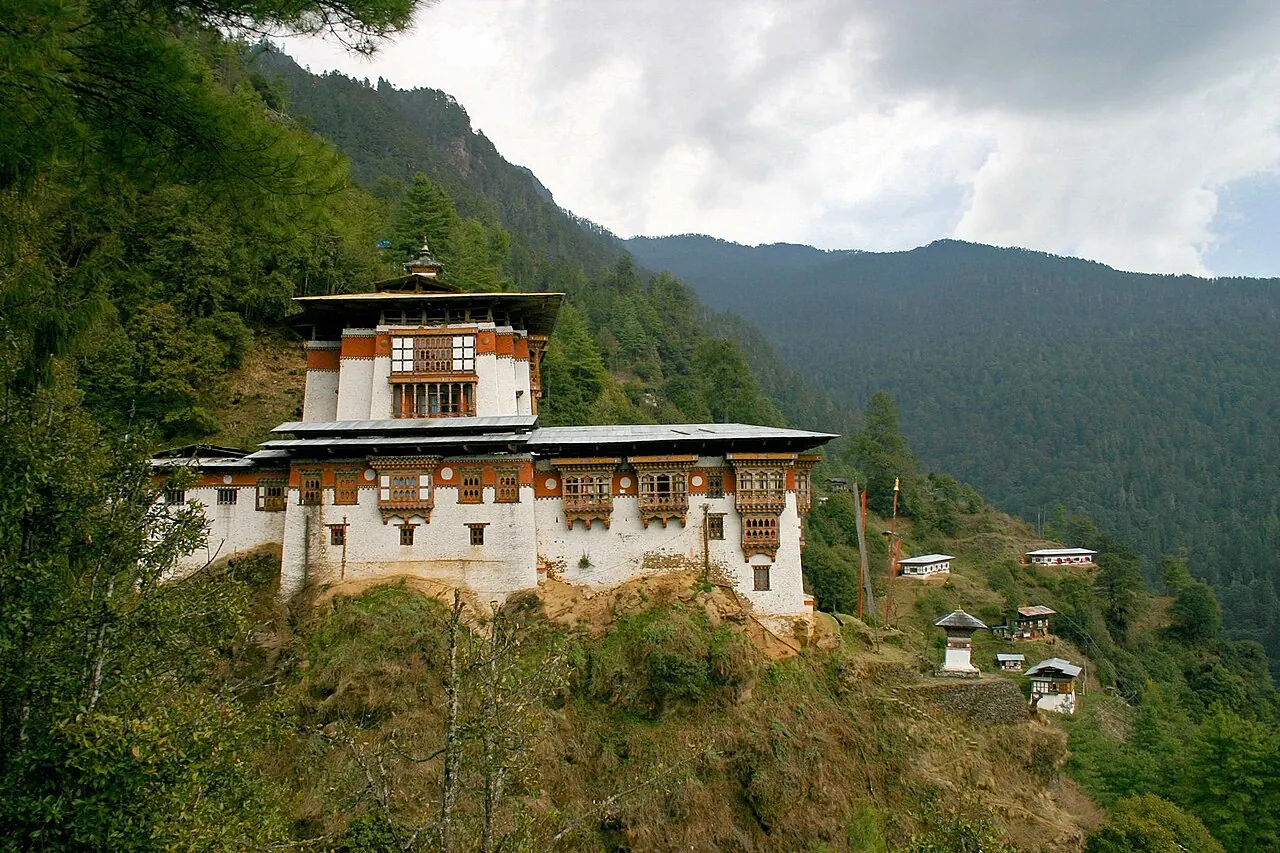
Tango Monastery is the choice here when you want the journey through forest to be part of the experience, not just a vehicle transfer to another doorway. Bhutan's official tourism site includes Tango among its day-hike options. Discuss the actual ascent, condition of the path and your group's pace with the guide before setting out. A published walking duration is a rough reference, not a guarantee for every visitor or season.
Start with enough daylight for the descent and arrange the driver meeting point clearly. Wear shoes suited to a hillside path, take water and layers, and be prepared to shorten the walk if weather or footing deteriorates. Reaching the monastery does not establish permission to enter every religious or teaching space, so ask about access as part of the plan. Do not combine a substantial Tango outing with an equally ambitious Dochula excursion simply because both lie outside the centre.
Plan it well: Agree the ascent, descent and transport plan together; protect the return journey when conditions change.
Bhutan Department of Tourism: Tango hiking optionMake a careful visit to Dechen Phodrang
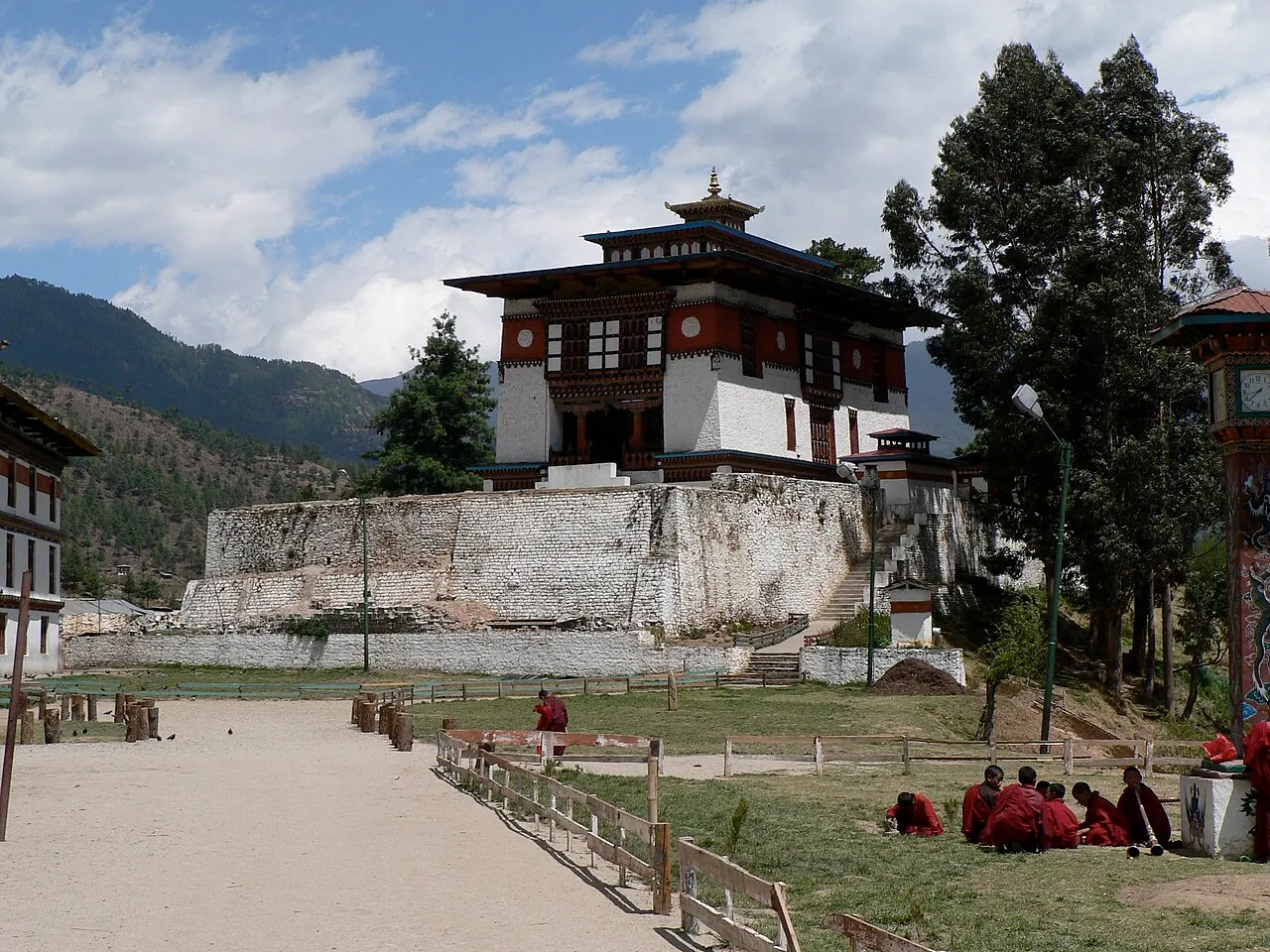
Dechen Phodrang offers a smaller northern hillside destination than the main dzong, and official Bhutan tourism includes it among the country's spiritual places. Its setting makes a worthwhile comparison with the buildings you have seen lower in the valley: notice how a religious complex occupies a slope and how its roofs sit against the trees. Ask your guide to distinguish this Thimphu monastery from similarly named places elsewhere in Bhutan when arranging the visit.
The practical emphasis is on respectful access, not promised interaction. Have the guide contact or consult the site about which areas can be visited, particularly where teaching or daily monastic routines are taking place. Do not seek photographs or conversations with children as an attraction, and leave private or working spaces alone. This can be a measured complement to Tashichho Dzong when the arrangements allow, but a quiet exterior look is preferable to arriving during an unsuitable activity.
Plan it well: Specify Dechen Phodrang in Thimphu when booking; do not confuse it with Dechenphodrang Ney in eastern Bhutan.
Bhutan Department of Tourism: spiritual destinationsCompare the compact fortress setting of Simtokha
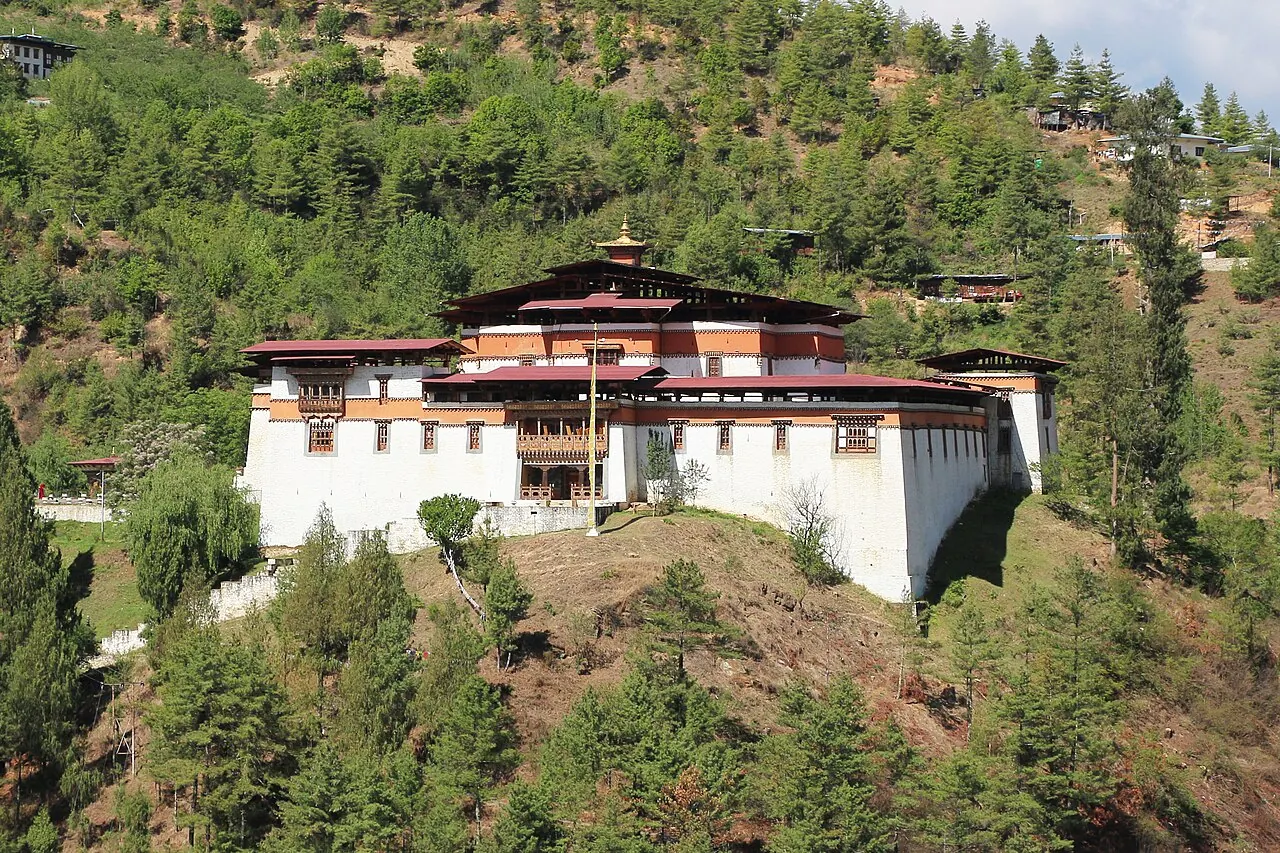
Simtokha Dzong provides a different scale of fortified religious architecture from the long riverside frontage of Tashichho Dzong. The national-monuments portal identifies it as a visitable monument, but that should not be read as permission to enter every room. Let your guide explain the available courtyard and building arrangement, then look closely at window frames, wall thickness and the transition between plain masonry and decorated timber.
Plan a deliberate southeastern stop rather than assuming the dzong is a quick roadside photograph on any transfer. Ask which areas are open and whether interpretation is available, and keep religious etiquette separate from your interest in construction. The smaller scale can make architectural details easier to compare, especially after seeing the capital's much larger government complex. A combination with a permitted Buddha Dordenma viewpoint is geographically sensible, but only when the current work restrictions and the day's visitor arrangements support both.
Plan it well: Check access on the official monuments portal and let your guide organise the actual entrance.
Bhutan national-monuments portal: Simtokha DzongObserve Bhutan's national animal at Motithang
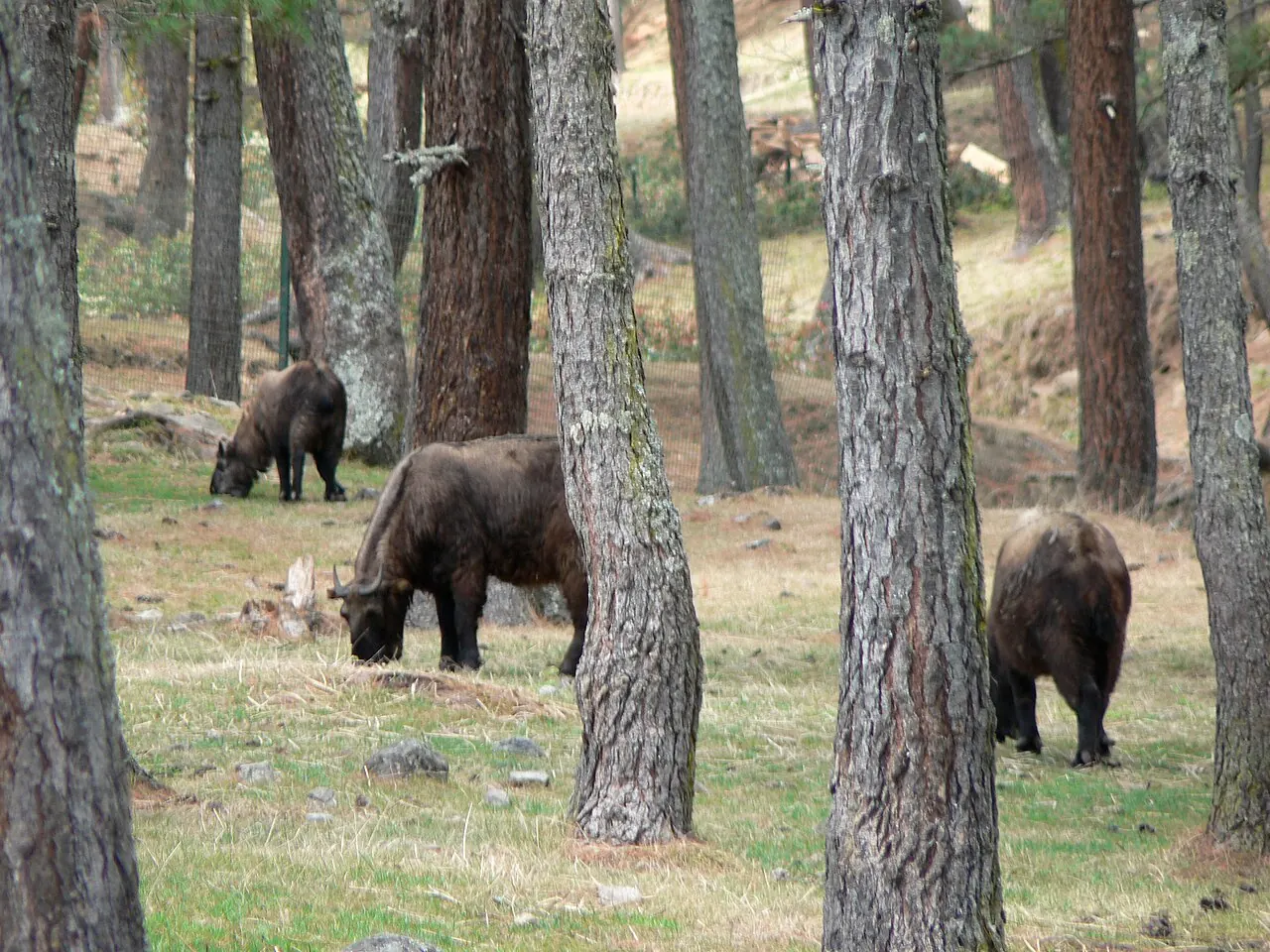
Motithang Takin Preserve gives a first-time visitor a chance to look carefully at Bhutan's national animal without planning a remote wildlife expedition. The district administration describes a managed preserve in the pine forest, not an unrestricted encounter with animals in the wider mountains. Concentrate on the takin's unusual proportions and behaviour from the designated visitor area. Its conservation setting is part of the visit, so do not judge the experience only by how close an animal comes.
Use a quiet pace and give other visitors room at viewpoints. Never feed, approach or try to draw an animal towards the camera, and follow the staff's instructions about paths and barriers. Visibility may change as animals move, so avoid promising a particular sighting to children. The preserve can make a useful change of subject after religious visits in the western city, but check the current walking conditions and transport arrangements rather than treating it as the start of an unplanned mountain hike.
Plan it well: Observe from the visitor paths; do not feed animals or climb barriers for a better photograph.
Thimphu Dzongkhag Administration: Motithang Takin PreserveGive Dochula's chortens and mountain setting their own excursion
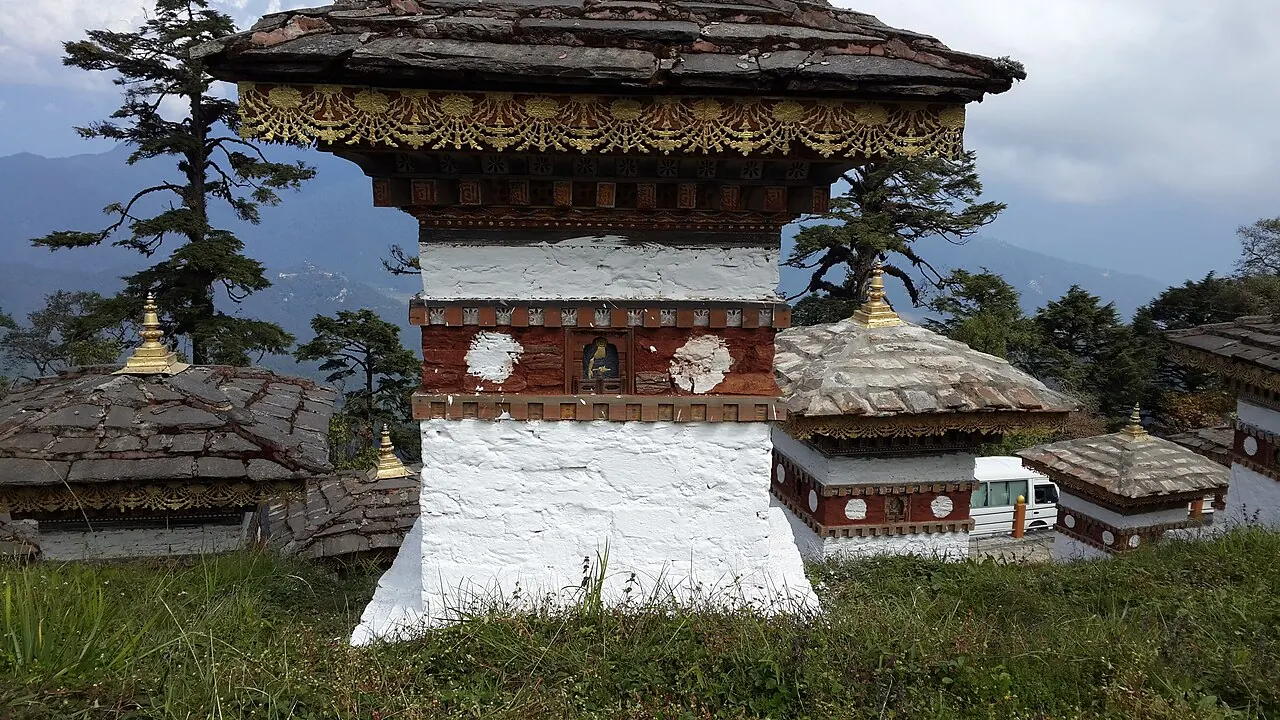
Dochula is outside the urban sightseeing loop, on the road towards Punakha. The pass combines a mountain setting with the group of 108 Druk Wangyal memorial chortens, giving you a meaningful visit even when clouds hide distant peaks. Walk respectfully around the permitted paths and ask about the commemorative purpose before treating the structures as a patterned backdrop. The district places the pass at about 3,100 metres, noticeably higher than the central city.
Arrange the road journey with your guide and driver, checking conditions and whether it fits a continuing transfer or a return excursion. Carry an extra layer and allow time to move slowly at the higher elevation; a clear Himalayan view cannot be booked in advance. If the weather closes in, shorten exposed walking rather than waiting indefinitely for a photograph. Do not add a longer forest hike from the pass without a separate assessment of fitness, daylight and the route's current condition.
Plan it well: Choose the trip for the memorial landscape as well as the view, and reconfirm road conditions that morning.
Thimphu Dzongkhag Administration: Dochula PassHow to spend two days in Thimphu
Day 1: central religious life and textile traditions
With your certified guide, begin at the Memorial Chorten, continue to the Royal Textile Academy and choose Changangkha or the takin preserve later. Fit Tashichho Dzong around its confirmed visitor arrangements rather than assuming every government and monastic area opens on demand.
Day 2: choose the southern sites or one longer excursion
For a city-focused day, see Simtokha and the currently permitted Buddha Dordenma viewing area, then consider an approved northern monastery visit. Alternatively, reserve the day for a guided Tango walk or a Dochula excursion. Do not combine both out-of-town routes with a full city programme.
Before you go
Arrange a certified guide
Bhutan's current tourism FAQ requires visitors to be accompanied by a guide. Book a Department of Tourism-certified guide and agree the city visits and excursions before arrival.
Bhutan Department of Tourism: guide requirementsCheck Buddha Dordenma's work restrictions
The official portal announces viewing-only access from 17 August to 31 October 2026 during re-gilding. Temple entry and walking around the statue are prohibited during that period. Reconfirm any extension or reopening.
Bhutan national-monuments portal: re-gilding noticeConfirm entry and the SDF
Visa or permit arrangements depend on nationality. Check the official application process and current Sustainable Development Fee before paying for travel; neither should be inferred from a hotel rate.
Bhutan Department of Tourism: entry and SDFKeep religious visits respectful
Cover shoulders and knees for religious sites, follow footwear instructions and ask before photographing interiors or people. Your guide should confirm each site's current rules.
Bhutan Department of Tourism: dress and monumentsProtect excursion time
Ask about current roads and forecasts before a forest walk or Dochula transfer. Keep daylight for the return and do not treat a mountain route as a short city detour.
Bhutan Department of Tourism: transport and weatherWhere to stay in Thimphu
Stay in accommodation approved by Bhutan's Department of Tourism and coordinate the address with your guide and driver. A central base suits meals and the Memorial Chorten, while a hillside property may offer quiet surroundings but adds transfers. Confirm heating, steps or lift access and the Paro arrival transfer before booking; the nightly room price is separate from national visitor charges.
Explore Thimphu hotels