
Minsk city guide
10 things to do in Minsk
Minsk's avenues, reconstructed old town, museums and riverside parks, with clear access cautions and a conditional two-day cultural itinerary.
Plan your visit
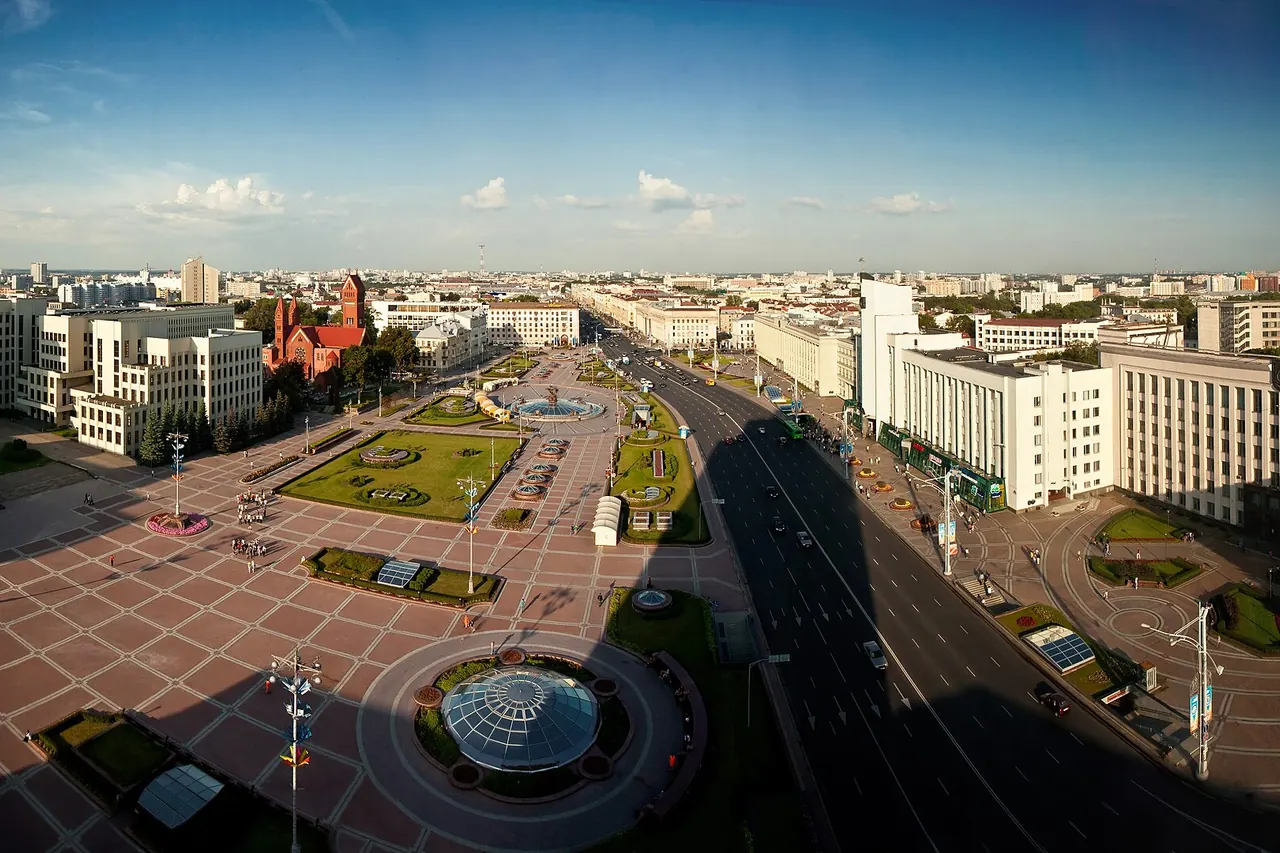
Minsk's broad avenues and monumental squares tell a different story from the smaller buildings around the Svisloch River. This guide brings together architectural landmarks, collections and green spaces, with enough context to distinguish historic fabric from later reconstruction. As reviewed on 5 October 2026, the UK Foreign, Commonwealth & Development Office advises against all travel to Belarus. Arrest and detention risks, limited consular assistance and changing border arrangements make this a cultural reference for future planning, not an endorsement of a sightseeing trip now. Consult your own government's advice before making any arrangements; the itinerary below is conditional on that advice and lawful access.
1. Read the scale of Independence Square
Independence Square is useful for understanding Minsk's civic scale before looking at individual buildings. Government offices, university buildings and the Red Church share a very large open space, but they do not speak the same architectural language. The contrast between a red-brick religious landmark and the surrounding institutional frontage is the reason to pause here rather than simply treating the square as a route to the main avenue.
For a conditional future visit, approach this as an exterior observation stop rather than an invitation to explore official buildings. Read the broad sightlines from permitted public areas, then move toward the church side if access allows. Keep political gatherings and security activity out of a sightseeing plan, and leave immediately if instructions or barriers change. The square's size also makes weather protection important: an exposed crossing is not the place to discover that you need another layer.
Plan it well: Do not photograph security personnel or approach restricted government entrances.
Belarus government: Minsk attractions2. See the Red Church from outside
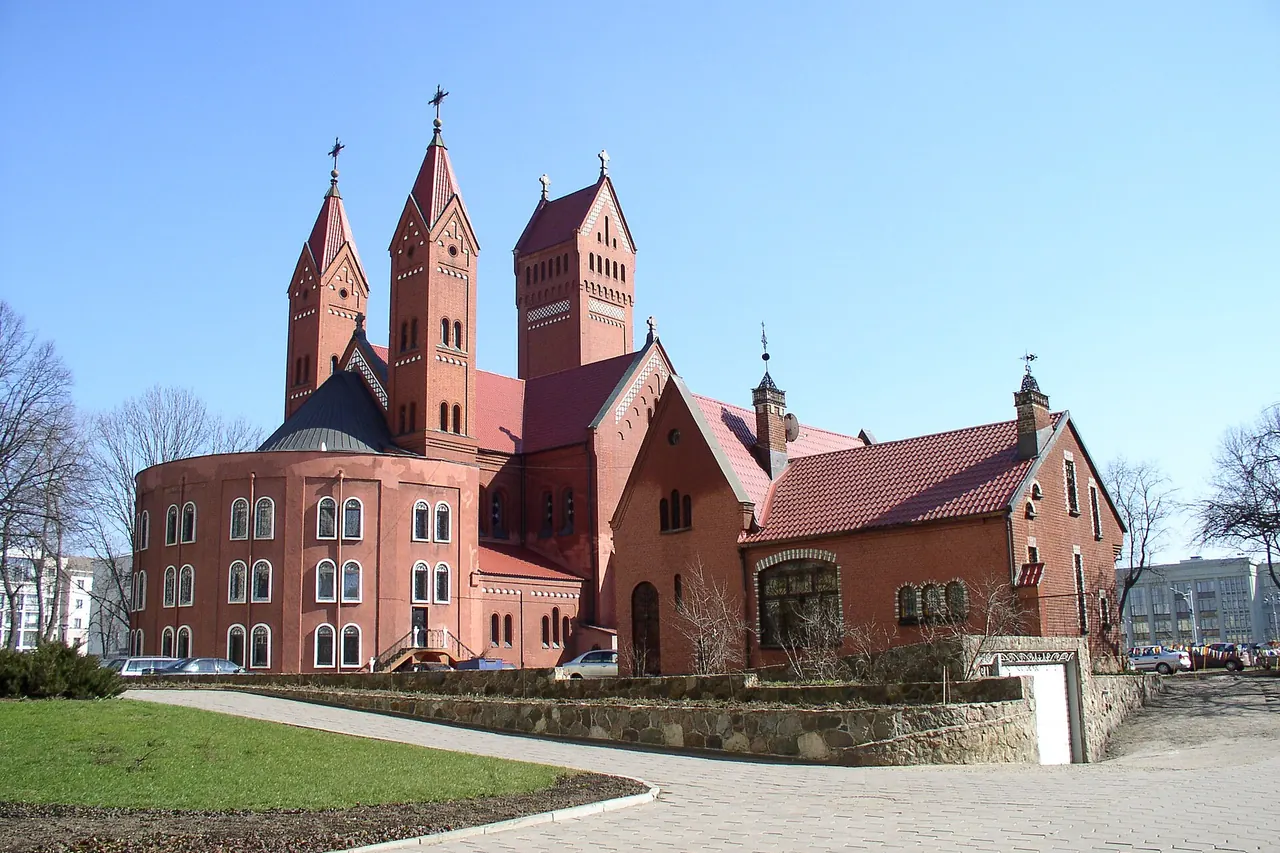
The Church of Saints Simon and Helena is widely called the Red Church, a name that makes sense as soon as its brickwork comes into view. Completed in 1910 and associated with the Woynillowicz family's memorial to their children, it gives Independence Square a markedly different texture from the surrounding civic architecture. Look at the grouping of towers and the relationship between the building and the open space, rather than expecting a conventional old-town church setting.
Access is a separate question from architectural interest. A March 2026 report from Forum 18 documented the parish's continuing concern over the church's prolonged closure and restoration; this review does not establish that visitors can enter. Keep any future stop to the exterior unless the parish confirms otherwise. Do not follow an older guide's casual invitation to go inside, and do not confuse a visible building or a photograph of an open door with current admission permission.
Plan it well: The church has faced a prolonged closure; interior access was not confirmed for this review.
Belarus government: Church of Saints Simon and Helen3. Locate the Holy Spirit Cathedral in Upper Town
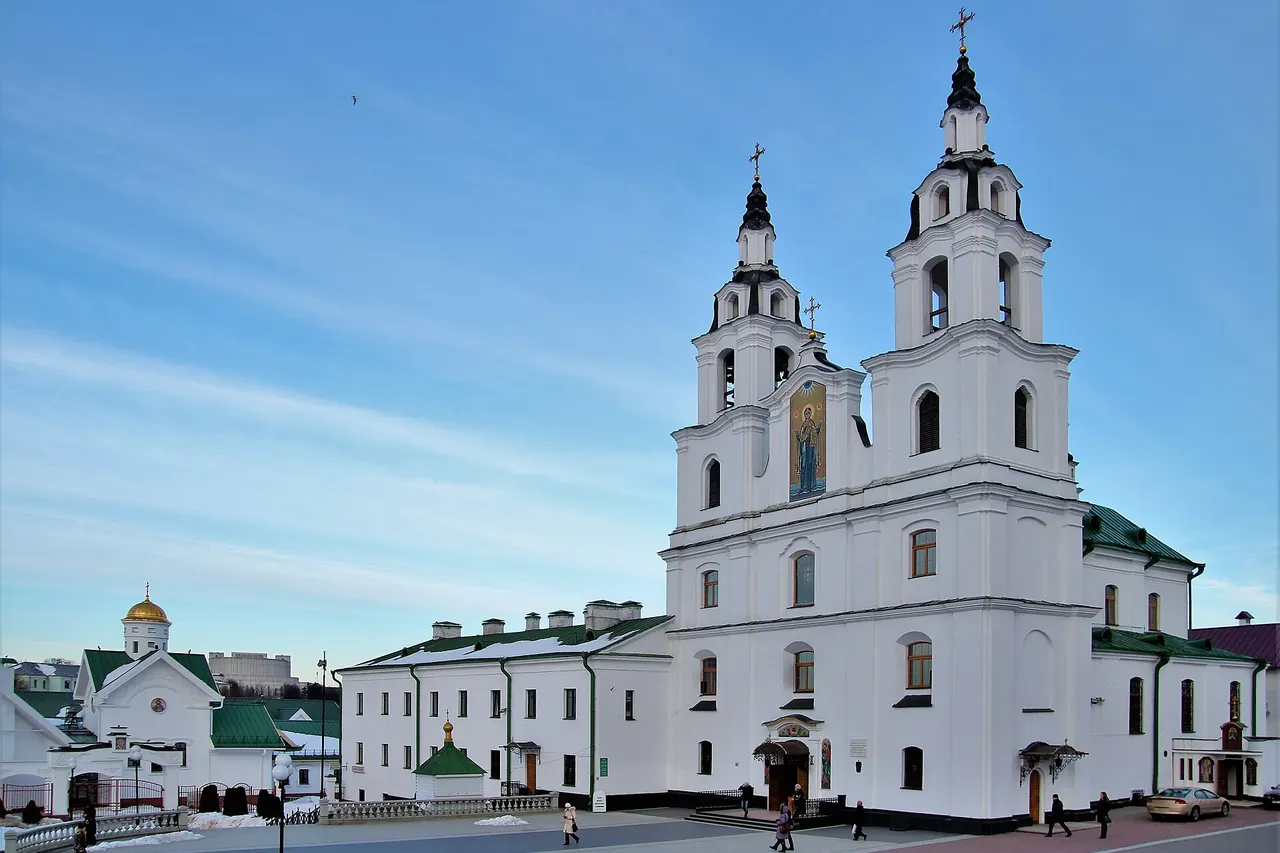
The Holy Spirit Cathedral provides a clear landmark in Upper Town, where the scale changes from ceremonial avenues to streets around older religious buildings. Its white facade and paired towers help orient the relationship between the higher streets and the Svisloch waterfront. Treat it as part of this compact urban ensemble, alongside the town hall and neighbouring church buildings, rather than a detached attraction that requires a separate cross-city journey.
If a future visit becomes appropriate, first look at the exterior from a permitted public viewpoint. The useful comparison is between the cathedral's vertical emphasis and the lower buildings around it. An interior visit needs more discretion: worship, parish instructions and temporary restrictions take priority over a route you have planned. Keep voices low, dress respectfully and ask before photographing religious objects or people. Leave room in the schedule to see only the outside without considering the stop unsuccessful.
Plan it well: A functioning church is not a museum: defer to services and any photography rules.
Belarus government: Upper Town landmarks4. Walk the lanes of Trinity Suburb
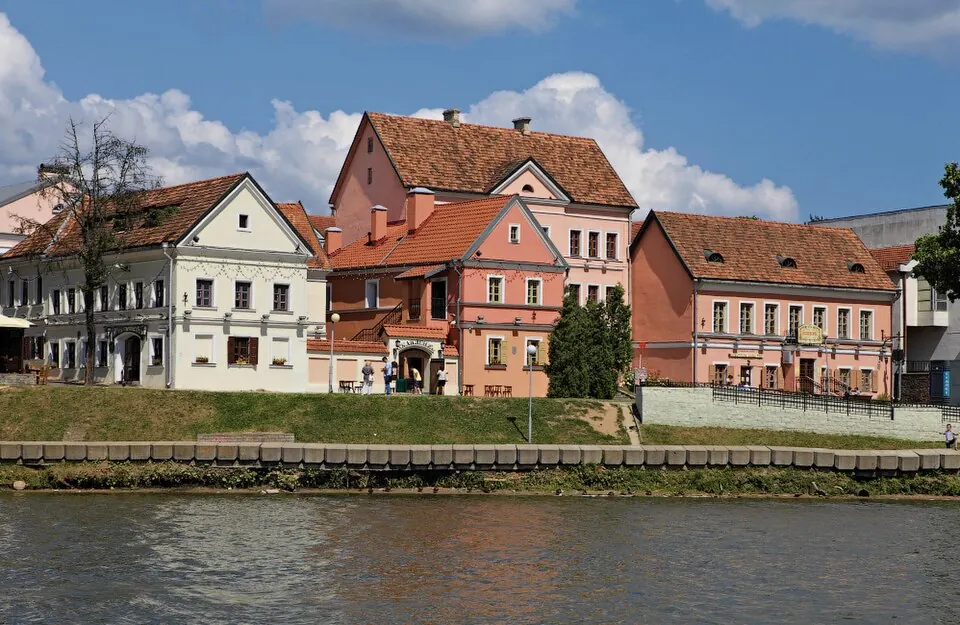
Trinity Suburb offers the small-scale counterpart to Minsk's wide avenues: low buildings, short lanes and a close relationship with the Svisloch River. The area's present streetscape is not an entirely untouched survival. Official heritage information describes rebuilding after a nineteenth-century fire, later losses and restoration in the 1980s. That layered history matters, because the pleasant coherence of the facades can otherwise conceal how much the city has changed.
Use a conditional future walk to compare the riverside view with the lanes behind it. A distant panorama shows the roofline, while the shorter streets reveal doors, windows and the way buildings meet the pavement. Some premises have everyday occupants or changing commercial uses, so do not assume every courtyard is public or every building is an exhibition. A restrained loop here pairs naturally with Upper Town without requiring an ambitious itinerary or a late return through unfamiliar streets.
Plan it well: Its present appearance reflects substantial restoration; do not mistake every facade for untouched historic fabric.
Belarus government: Trinity Suburb5. Examine the reconstructed City Hall
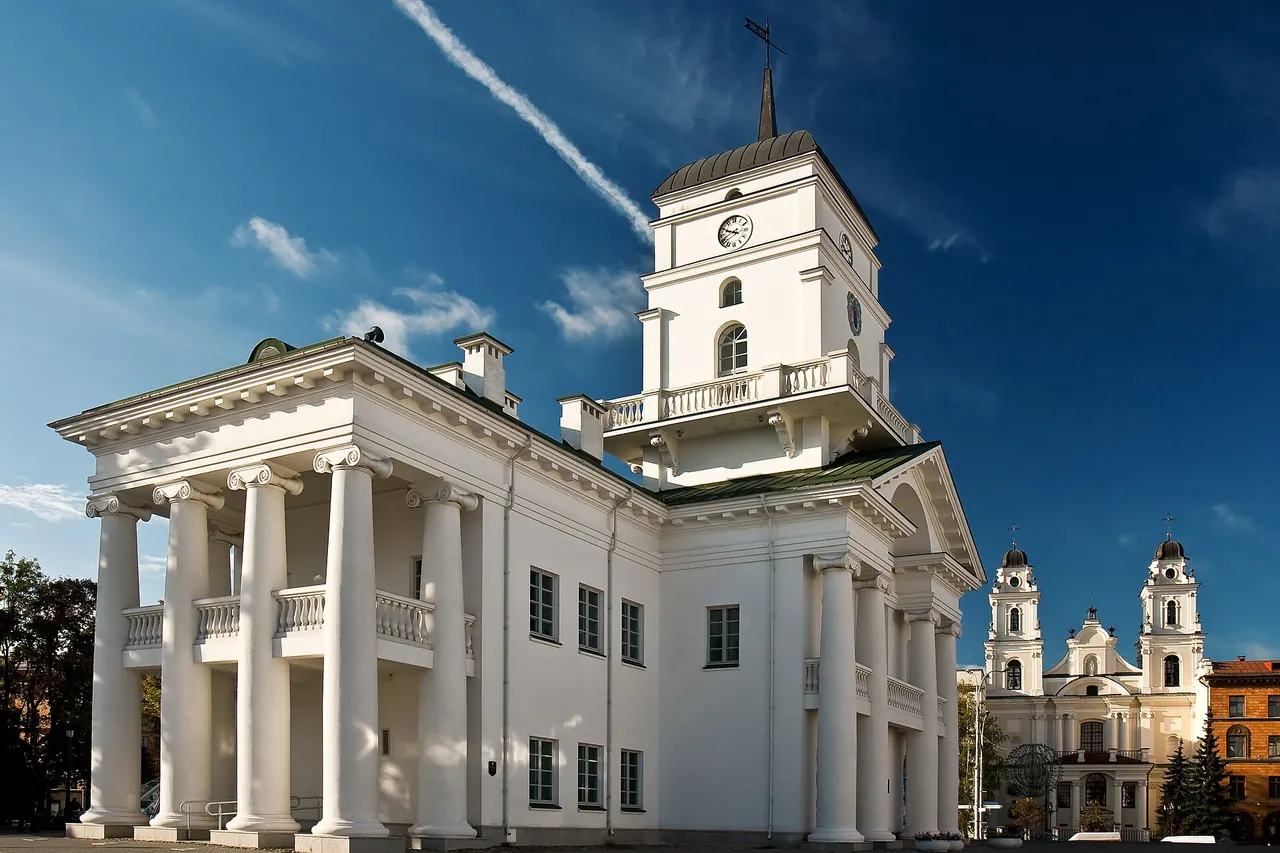
City Hall anchors Freedom Square with a clock tower and a formal columned entrance. Its importance lies in the story of municipal government as much as in the building visible today: Minsk's town hall was repeatedly altered, and the present structure recreates a lost civic landmark. Read it as a modern reconstruction in a historic location, not as evidence that the whole square has survived unchanged through the city's upheavals.
An exterior circuit is the simplest way to understand its proportions and relationship with the surrounding churches. Step back far enough to see the tower, then compare the more formal entrance with the quieter sides of the building. Exhibitions and events are a separate planning decision, so consult the current programme rather than treating the hall as continuously accessible. For a future itinerary, this is a natural linking point between the cathedral streets and Trinity Suburb, with no need to add a special transport leg.
Plan it well: The present hall is a reconstruction; an old civic site does not mean an original surviving building.
Belarus government: Minsk Town Hall6. Understand the National Library's unusual geometry
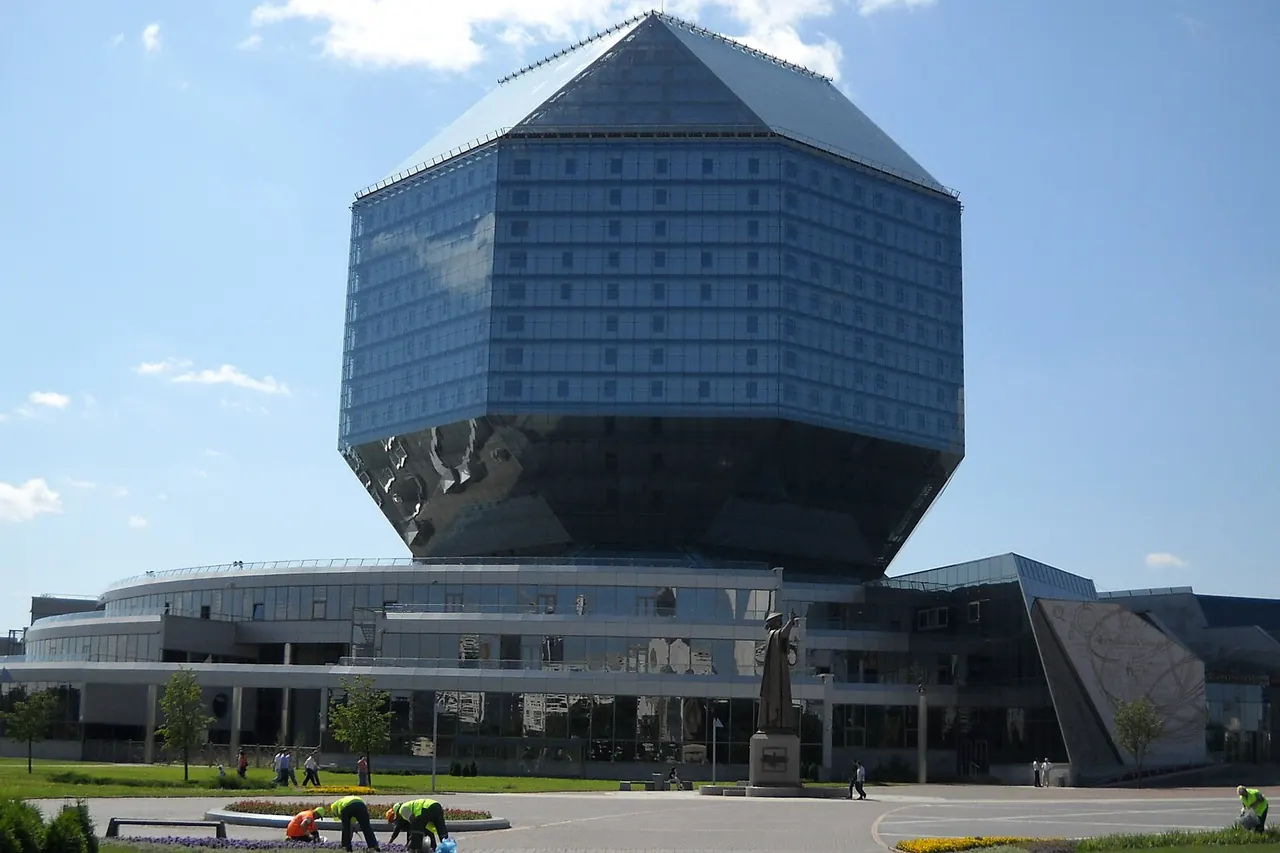
The National Library is the most conspicuously modern building in this selection, with a faceted upper volume that looks very different from the city's rectangular civic architecture. It is also a working national institution, not simply a viewing platform wrapped in an unusual shape. The exterior is worth studying from more than one angle: changes in light alter the glass surfaces, and the lower entrance buildings give the large volume its sense of scale.
Keep this as a separate future outing rather than squeezing it between central walking stops. Before travelling, ask the library which visitor facilities are operating and whether a tour, book museum or observation visit requires a particular entrance or booking. Reader access should not be confused with tourist access. A skyline view also depends on visibility, so poor weather is a good reason to favour a collection-based visit or to leave the stop out entirely rather than spending a long transport leg on an uncertain panorama.
Plan it well: Library use, a guided visit and the observation area may have different entry arrangements.
National Library of Belarus7. Give the Great Patriotic War Museum enough context
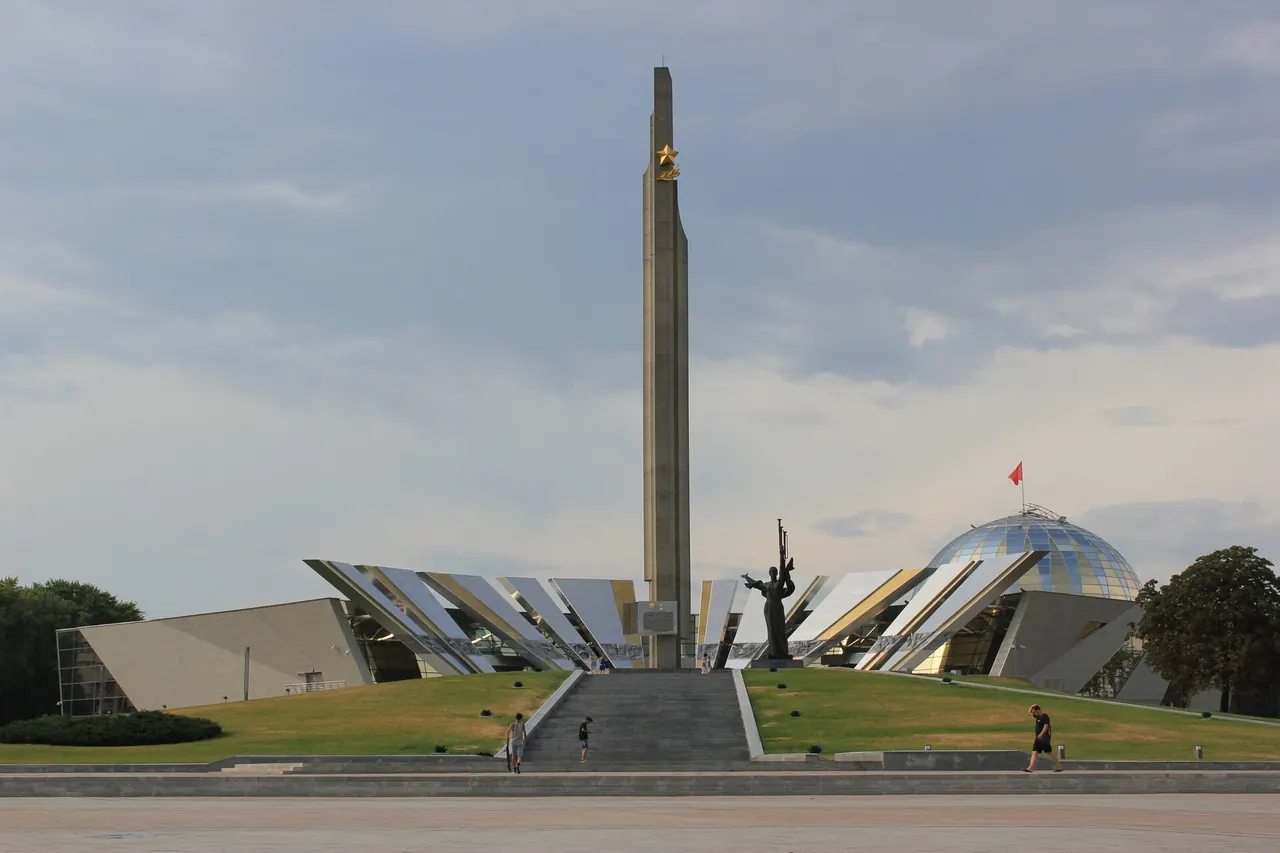
The Great Patriotic War Museum addresses the Second World War through Belarusian and Soviet wartime history. The building sits beside the Minsk Hero City memorial, making the outside setting part of the interpretation rather than just a place to wait for admission. This is a substantial historical collection with an official institutional perspective; a visit benefits from distinguishing individual objects and testimony from the wider narrative used to arrange them.
For future planning, give the museum a generous block of time and resist pairing it with several other collections in the same afternoon. Check the current admission process, any language support and the rules on photographing displays before entering. If you are travelling with children, consider how they respond to war imagery and plan a shorter route through the galleries. The neighbouring open space can provide a pause afterwards, but a memorial setting calls for a quieter approach than a recreational photo stop.
Plan it well: Check the museum's current visitor information and approach its displays critically and respectfully.
Belarusian State Museum of the History of the Great Patriotic War8. Pause at Victory Square
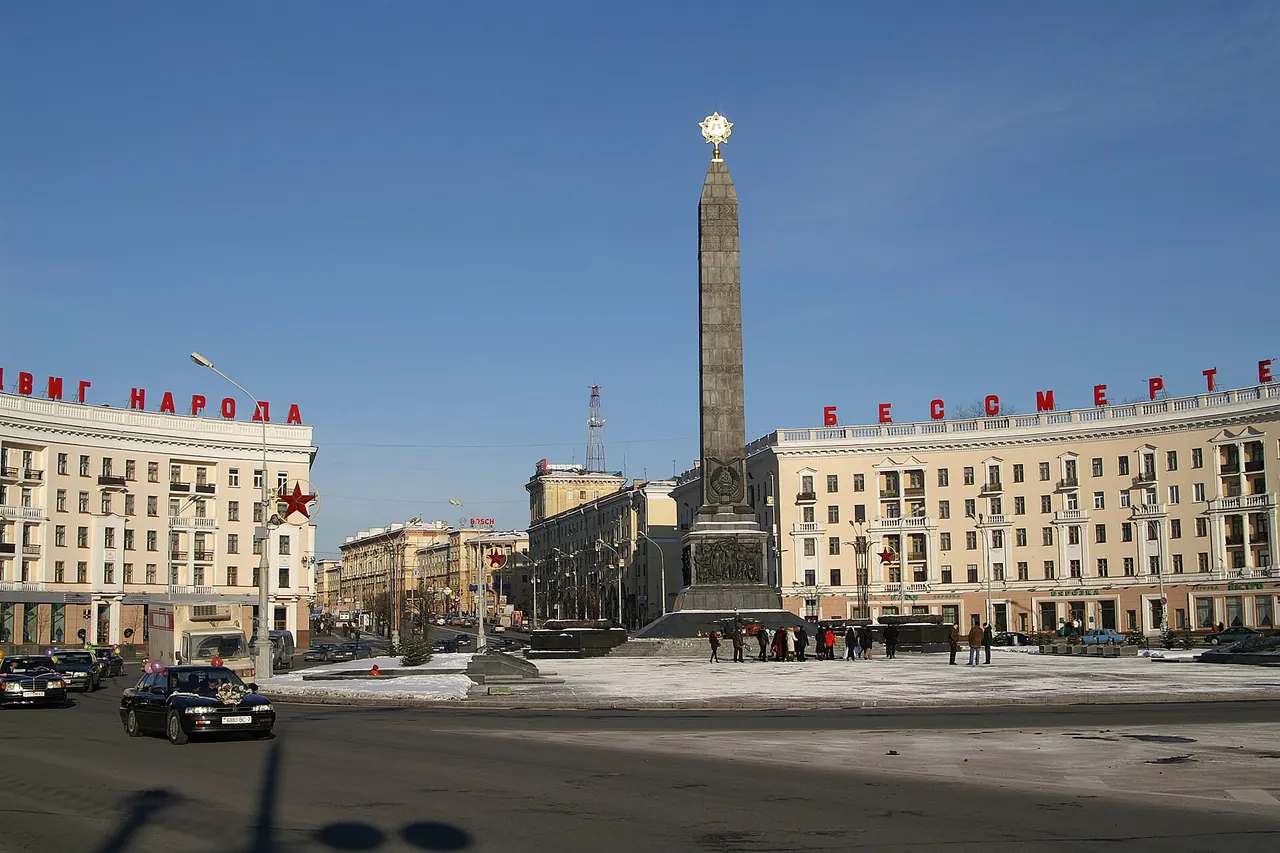
Victory Square places a wartime memorial at the centre of Minsk's broad avenue composition. The obelisk and eternal flame are not merely convenient landmarks; their purpose is remembrance. Look at how the surrounding facades frame the monument and how the road layout changes the experience of the space. From a distance it reads as one urban ensemble, while a closer approach makes the memorial details more important.
A conditional future stop here should remain modest and respectful. Use the designated pedestrian route rather than trying to cross traffic for a better photograph, and follow any ceremony-related restrictions. It is sensible to combine the square with the nearby Gorky Park area, where the character changes from formal commemoration to riverside greenery. That contrast is useful for reading the city, but do not use the memorial as a casual picnic location or obstruct people who have come to pay their respects.
Plan it well: Use designated crossings and treat the memorial as a place of remembrance.
Belarus government: Victory Square9. Follow the river edge through Gorky Park
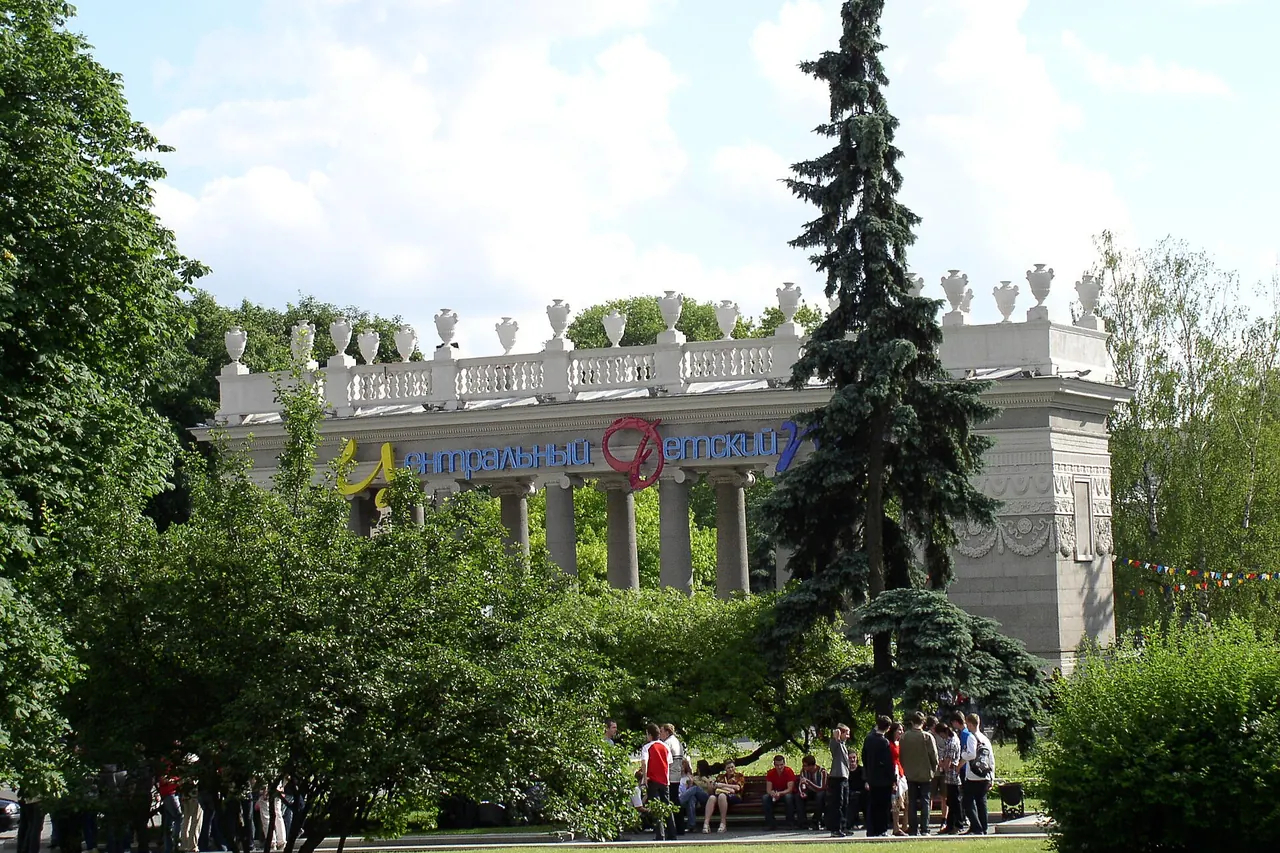
Gorky Park is the green-space stop in this central route, set beside the Svisloch and associated with children's recreation. It offers a different pace from the avenue and memorial squares: paths, trees and water give a walk more variety than another frontage-to-frontage journey. The park's amusement attractions are part of its identity, but they are not necessary to understand its place in the city's everyday landscape.
For a conditional future visit, choose a simple daylight loop rather than building the whole afternoon around a ride seen in an old photograph. Seasonal operation, maintenance and weather can all affect what is available. Families should check any height or age restrictions directly, and anyone with limited mobility should verify the intended entrance and route. Carry the layers needed for time beside the water; an unhurried park break works best when it is a genuine pause, not a race to the next museum.
Plan it well: Plan around the paths and trees, not an assumption that every attraction is running.
Belarus government: Gorky Central Children's Park10. Look beyond the facade at the National Art Museum
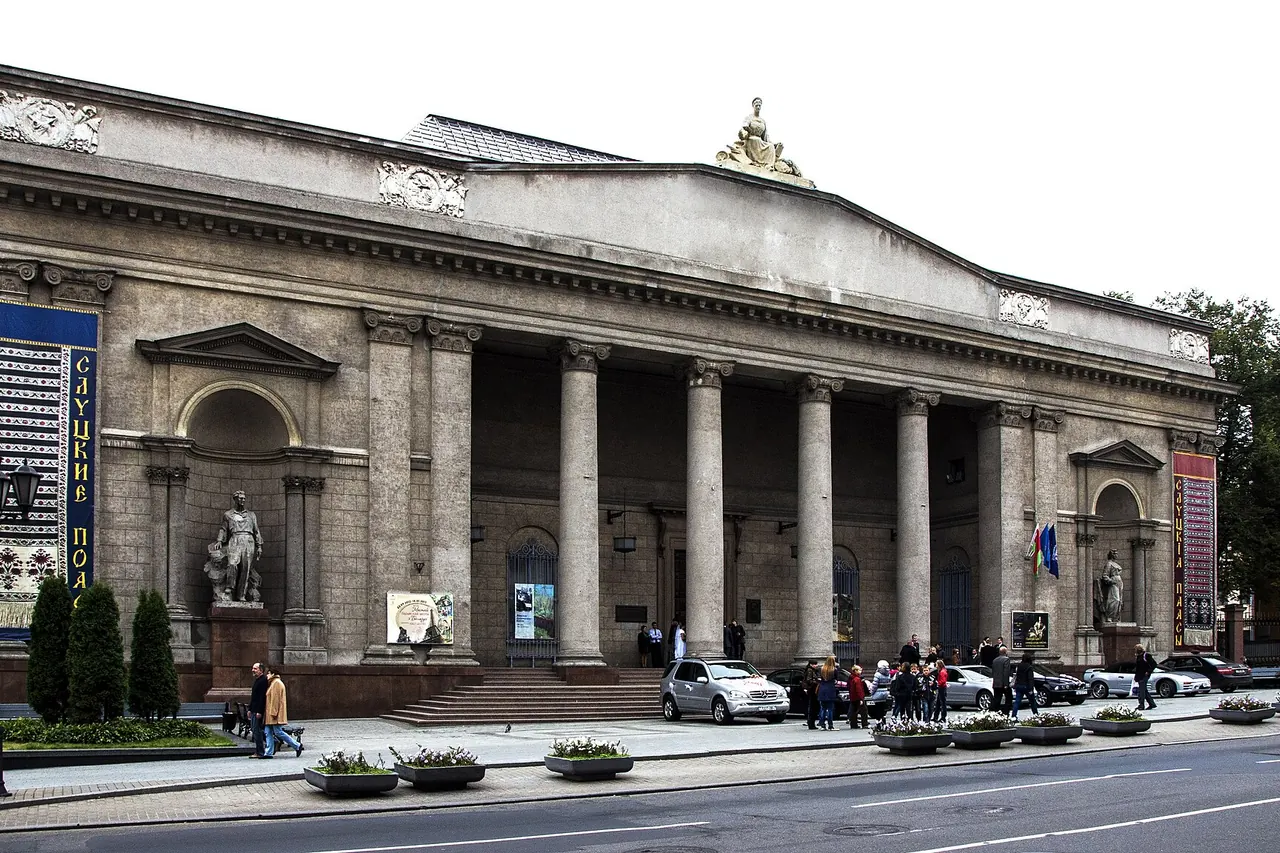
The National Art Museum gives a future cultural itinerary a collection-led stop rather than another architectural exterior. Its formal facade signals a major institution, but the more useful question is what the galleries are showing during the intended visit. Belarusian art can provide a different perspective on the country from monuments and public buildings, while the wider holdings help place individual works in a broader artistic context.
Read the museum's current exhibition programme and pick one or two areas to concentrate on. A manageable route leaves room to look closely at materials, subjects and labels instead of treating the collection as a checklist. Confirm which building and entrance apply to the chosen display, along with language and accessibility arrangements. This central location fits a quieter indoor block on a future itinerary, especially in poor weather, but admission should never be assumed from the fact that the exterior is visible on a walking route.
Plan it well: Choose a collection theme before entering rather than trying to cover every gallery.
National Art Museum of the Republic of BelarusHow to spend two days in Minsk
Day 1: central architecture, only when travel is appropriate
For future planning after official advice permits it, group Independence Square and the Red Church exterior with a focused National Art Museum visit. Continue to City Hall, Holy Spirit Cathedral and Trinity Suburb only as local access allows. This is a geographic sequence, not a recommendation to travel under the current advisory.
Day 2: a museum and the river
Choose the War Museum as the main collection stop, then consider Victory Square and a daylight Gorky Park walk. The National Library is a separate transport outing and can replace part of that route if its visitor facilities are confirmed. Drop stops rather than forcing all ten into a restricted schedule.
Before you go
Read official advice before considering travel
On 5 October 2026 the FCDO advises against all travel to Belarus, citing detention risks and limited consular assistance. This guide does not override that advice. Check your own government's current position and insurance exclusions before making plans.
FCDO: Belarus travel adviceEntry permission is nationality and route specific
Visa rules, designated border crossings and routes through Russia are not interchangeable. Check current requirements for your passport and journey; do not infer permission from a general visa-free headline. Ask any accommodation about registration obligations.
FCDO: Belarus entry requirementsRestrictions matter more than a sightseeing route
Avoid demonstrations and political gatherings, comply with official instructions and do not photograph military or security activity. Keep current identity-document requirements in mind. A site listed here may still have closed entrances or restricted visitor access.
FCDO: Belarus safety and securityWhere to stay in Minsk
For future travel only when official advice and your circumstances support it, compare central locations around Upper Town and the main avenue with the actual entrances and transport you need. Check registration support, payment methods, cancellation conditions and arrival arrangements directly with the property. An available hotel room does not establish that a journey is advisable or a border route is usable.
Explore Minsk hotels