
Toronto city guide
10 things to do in Toronto
See Toronto through a skyline viewpoint, a food market, a museum that fits your interests and time beside the lake, with neighbourhood stops kept flexible.
Plan your visit
Toronto is easier to enjoy when you group visits by neighbourhood rather than crossing the city for every famous name. Give the downtown waterfront one day and choose a museum or western-city outing for the other. Leave the islands weather-dependent, and remember that a lively market or a park can be the main experience rather than a gap between tickets.
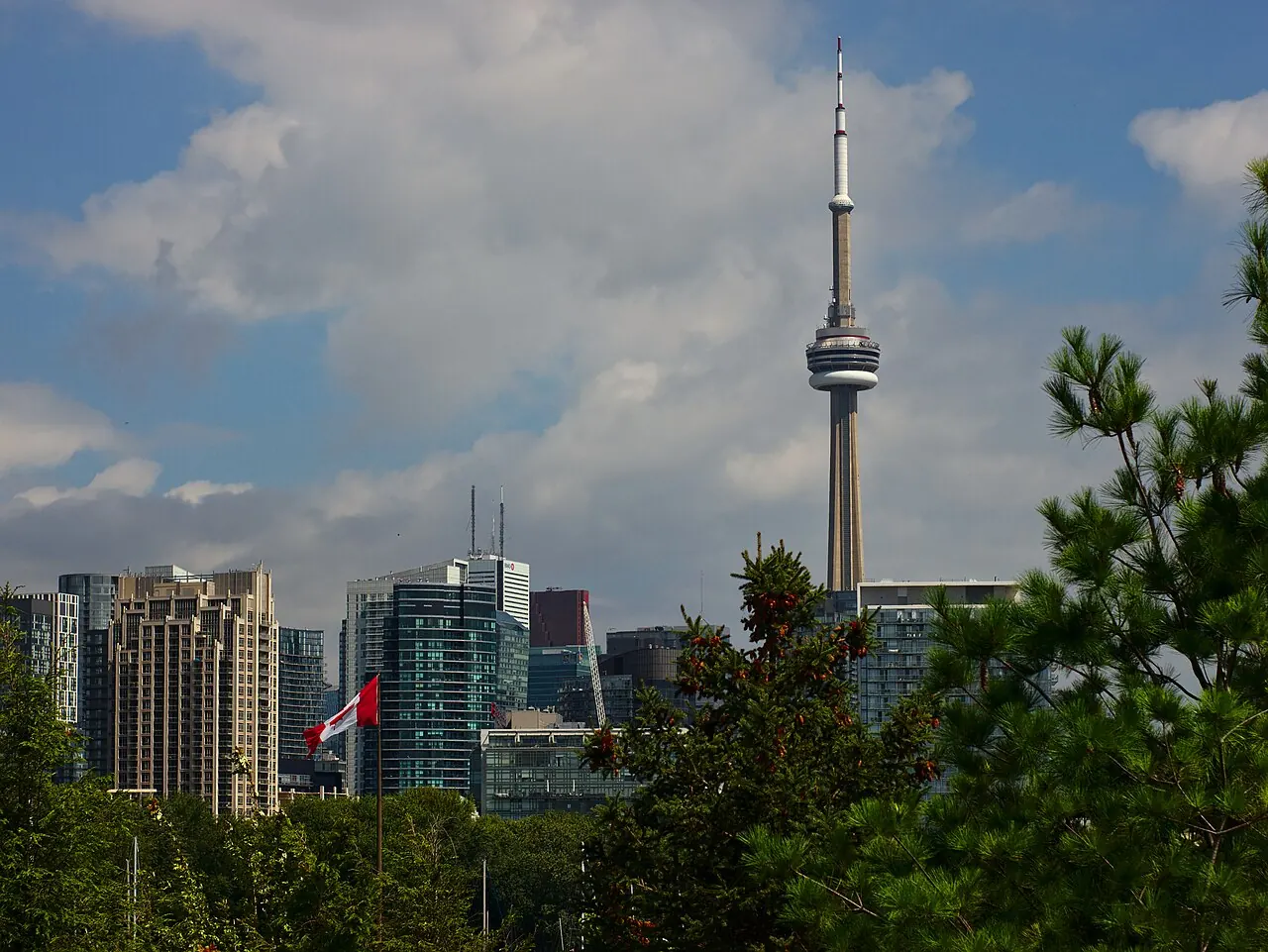
Use the CN Tower to understand Toronto's geography
The CN Tower makes most sense as an orientation stop. From above, the relationship between the downtown grid, the lake and the islands becomes easier to grasp, and that can help you choose what to explore next. Look for the waterfront and the streets you have already walked instead of spending the entire visit searching for the most dramatic photograph through the glass.
Visibility matters more than the hour you originally pencilled into an itinerary. Check the forecast and the tower's current visitor notices, then compare the areas included in the ticket you are considering. Observation access, dining and specialist experiences are not interchangeable products. Leave some flexibility afterwards for a lakeside walk rather than stacking another fixed arrival immediately after your descent, particularly when queues or temporary operating changes could affect the visit.
Plan it well: Read the live operating notice before booking; observation levels can have different arrangements on the same date.
CN Tower official visit planningChoose a theme at the Royal Ontario Museum
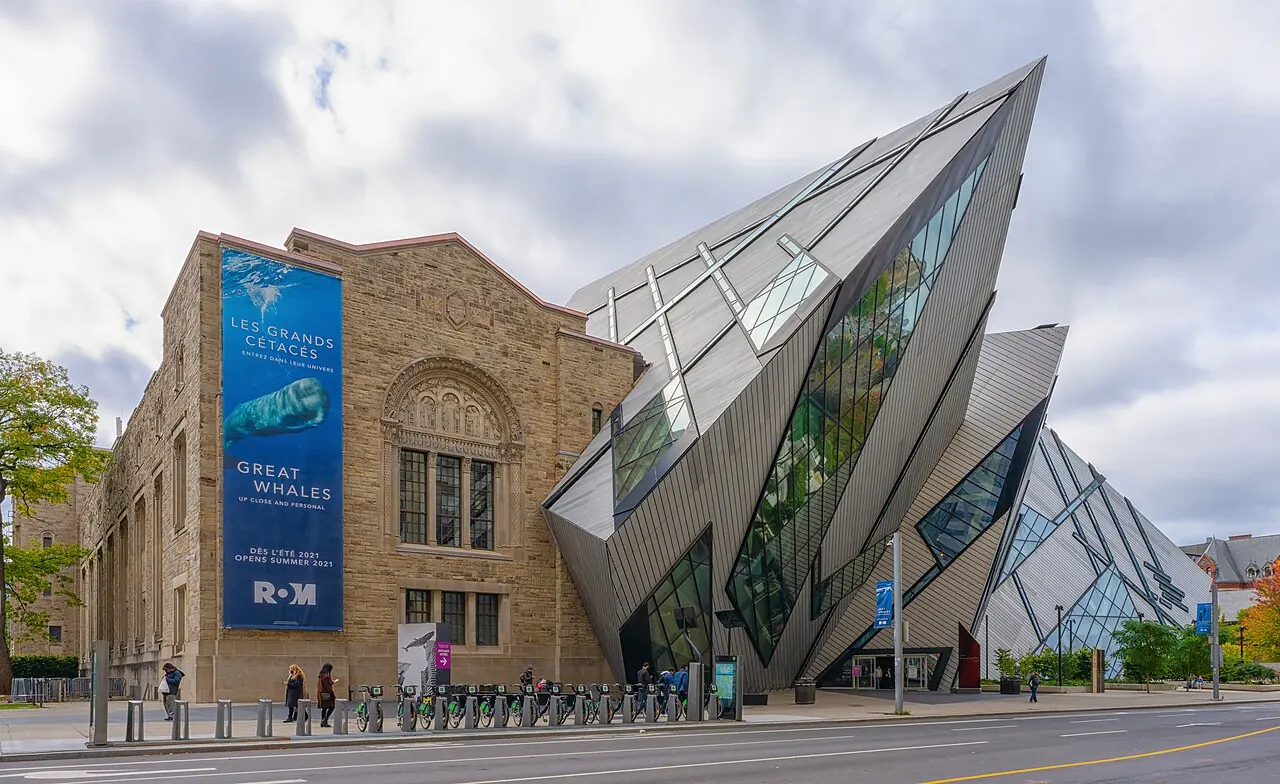
The Royal Ontario Museum suits visitors who enjoy moving between natural history, objects and the stories of different cultures. Its range is also the reason to make a choice before entering: pick two or three galleries that connect with your interests, rather than assuming a satisfying visit requires every floor. With children, agreeing on the first gallery together can make the day feel less like adults directing a museum marathon.
Check the current map, exhibition list and admission inclusions on the museum's site. A special exhibition may need a different ticket from the collection areas you have chosen, and temporary access arrangements can change the entrance or route. The building itself is worth noticing as you arrive, but leave your energy for the objects inside. Afterwards, keep Bloor Street or nearby green space as the adjustable part of the outing.
Plan it well: Check the museum map and exhibition inclusions before buying, especially when choosing between general admission and a special show.
ROM visitor informationSpend a deliberate afternoon at the AGO
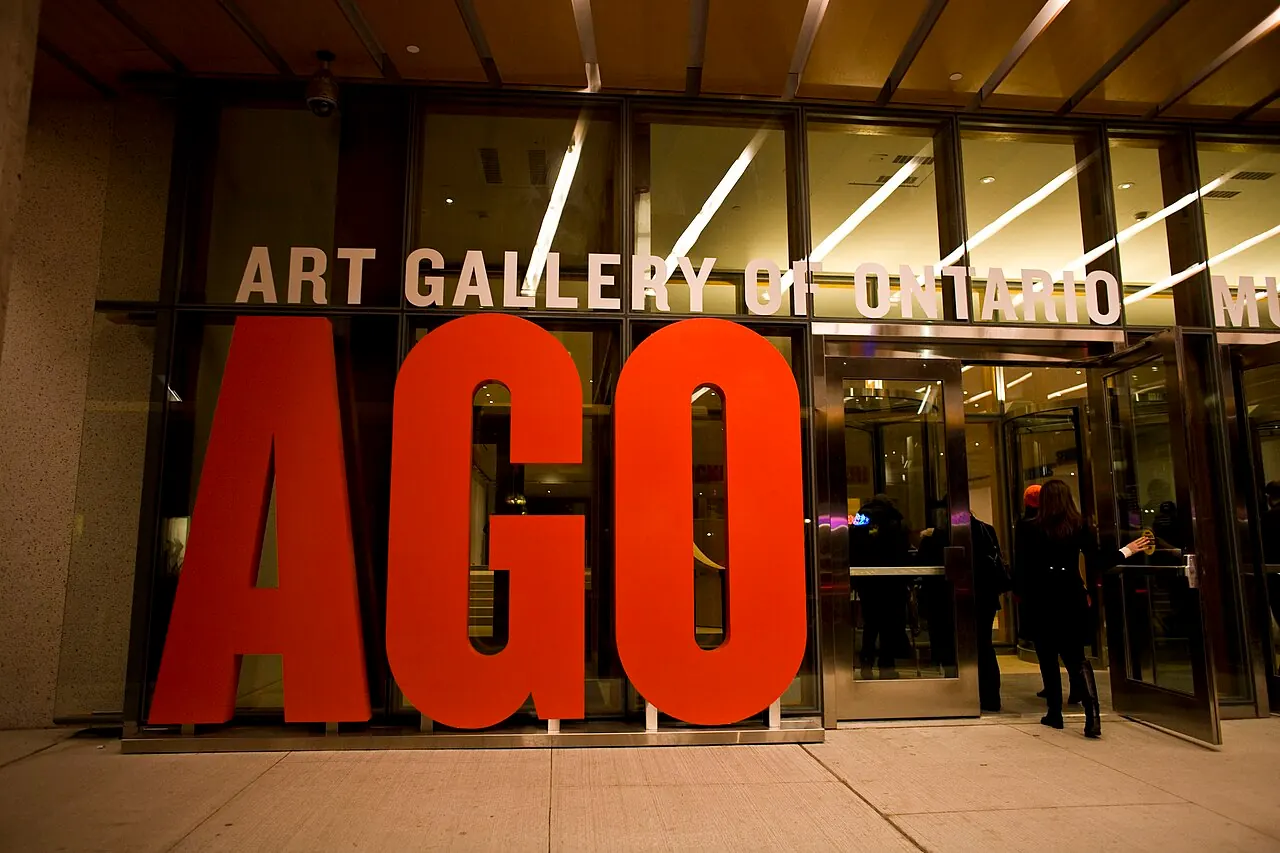
The Art Gallery of Ontario is the better museum anchor when your interest is specifically in art. Give yourself a thread to follow, whether that is Canadian landscapes, a particular artist or the way different works describe a place. Moving slowly through a few rooms makes comparisons possible; trying to see everything in one afternoon can turn the visit into little more than a succession of labels.
Look at the gallery's current exhibition programme and ticket conditions before deciding how long to stay. The surrounding Dundas Street area gives you plenty of ways to continue the day without immediately boarding another vehicle, but do not let restaurant plans dictate a rushed museum exit. If you are also considering the ROM, place them on different days or choose the one that best matches your interests rather than treating both as compulsory Toronto experiences.
Plan it well: Use the official gallery information to distinguish collection access from temporary exhibitions and eligible admission offers.
AGO official visitor guidanceBuild lunch around the South Market
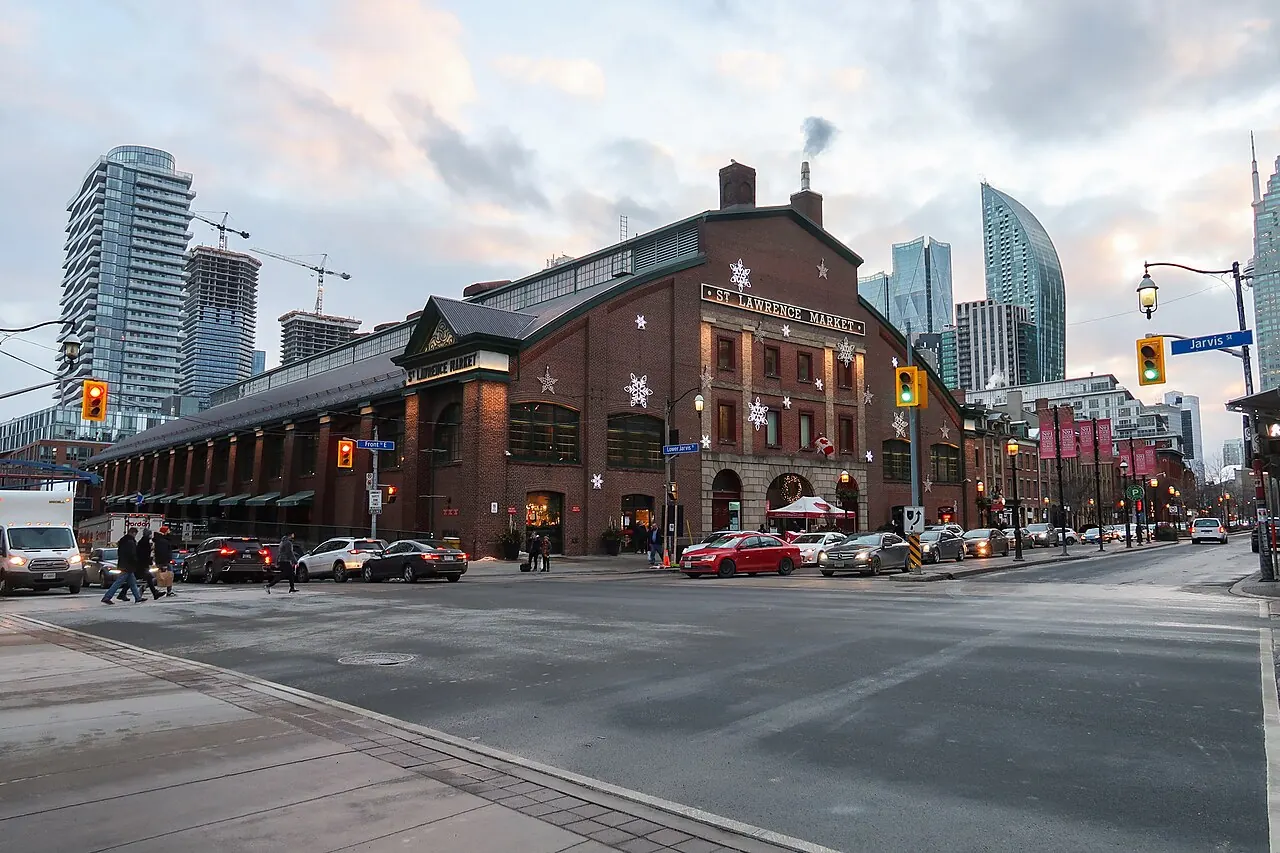
St. Lawrence Market works best as a food outing with time to browse before choosing lunch. Walk through the South Market, compare stalls and make room for one or two things you would not normally buy at home. Looking at what people are shopping for can be as interesting as the ready-to-eat options. You do not need a long list of supposedly essential foods to make the visit worthwhile.
The South Market and the farmers' market have different schedules. The official site currently lists the South Market as closed on Mondays, while the farmers' market is a Saturday activity; check holiday notices before arranging the day. Use the South Market building as your map destination, then decide whether to continue through Old Town or towards the Distillery District. Carry only what you are comfortable walking with afterwards.
Plan it well: Check South Market hours separately from the Saturday farmers' market; the map pin identifies the South Market building.
St. Lawrence Market official schedulesRead the old industrial setting in the Distillery District
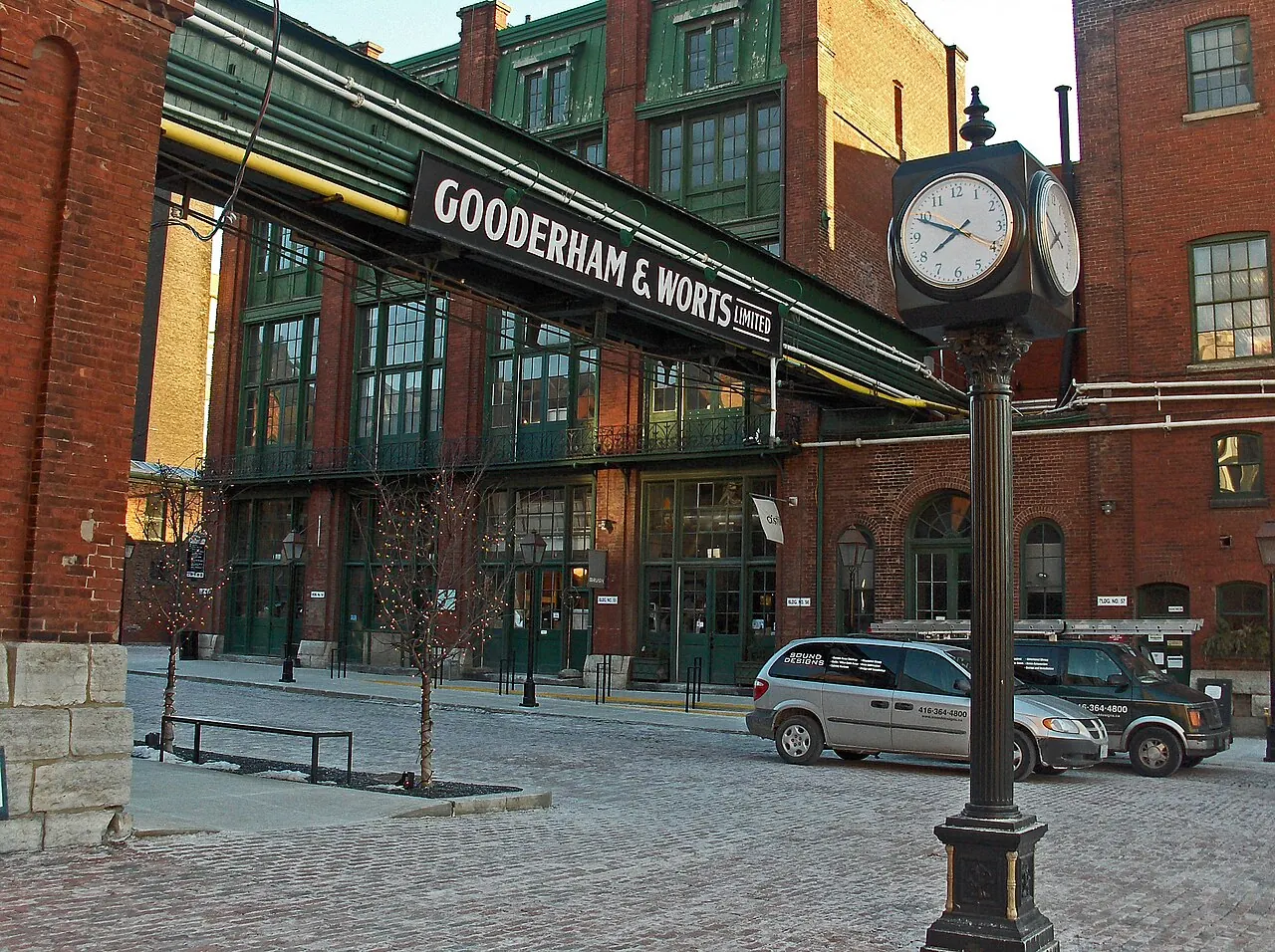
The Distillery District offers a compact change of scenery from Toronto's taller downtown streets. Walk among the brick buildings and notice how industrial architecture now frames shops, galleries and places to eat. The appeal is the relationship between the older setting and present-day uses, so leave time to enter a gallery or look down a side lane instead of collecting a single entrance photograph and moving on.
Check the district's events calendar before visiting, especially around seasonal markets or large organised events. Ordinary shop browsing and an event with controlled entry are not necessarily the same access arrangement, and individual businesses keep their own hours. It pairs naturally with an Old Town outing after the market, although the walk still needs time. For dinner, consult current menus and reservations rather than assuming every restaurant has space for an unplanned evening arrival.
Plan it well: Check whether a seasonal event changes entry conditions, and distinguish the district's access from individual shop opening times.
Distillery District official siteGive the Toronto Islands room in the day
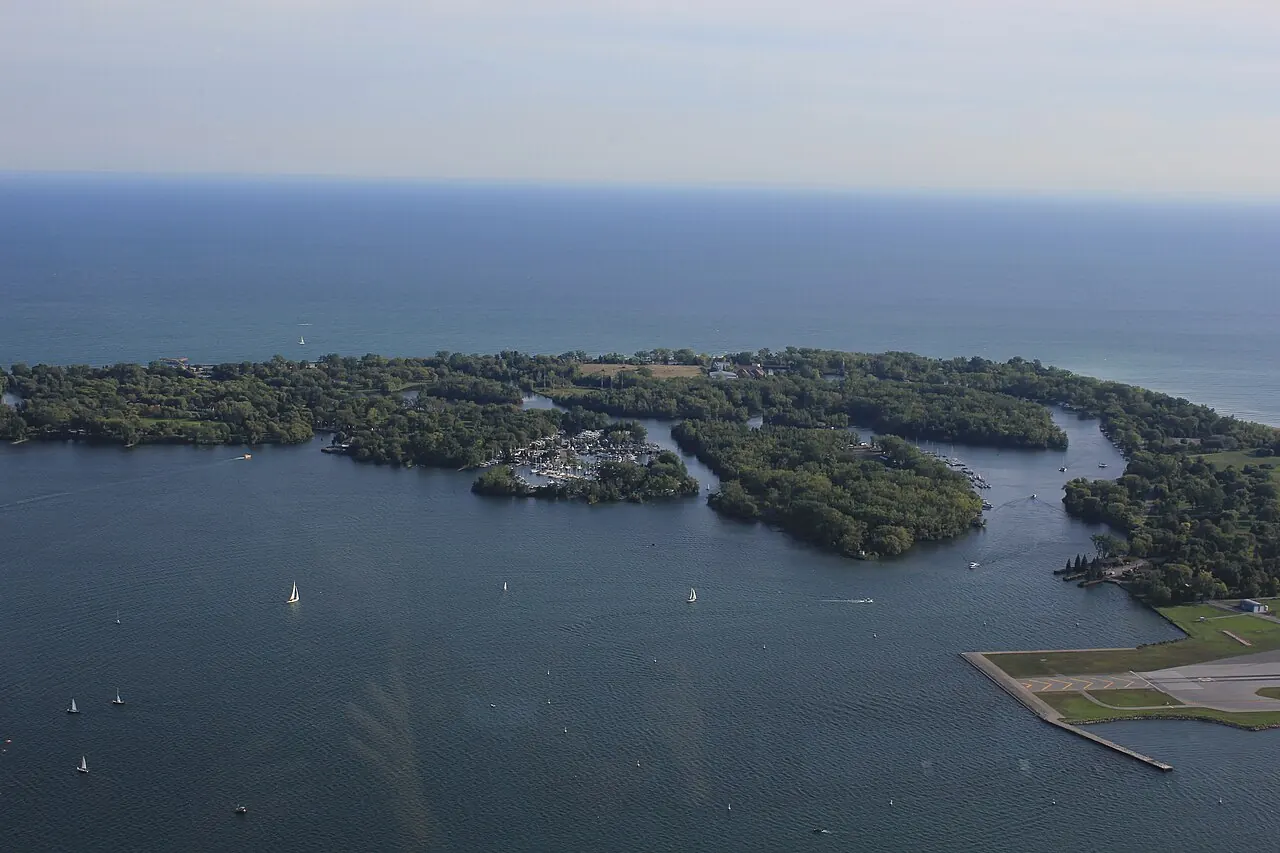
The islands are a separate outing, not a quick lakeside detour between two downtown admissions. The crossing puts the skyline behind you and introduces paths, beaches and a much slower setting. Decide whether you want a simple walk, time beside the water or a longer circuit before choosing a ferry destination. Trying to cover every island usually adds walking without making the visit more memorable.
Use the city's ferry information to check which routes are operating for your season and where you will return from. Leave a buffer for boarding queues and changing weather, and do not schedule an inflexible restaurant or airport transfer straight after the planned boat back. The park and the businesses or attractions on it have separate seasonal arrangements. Bring suitable layers even when the streets downtown felt warm, and keep beach plans dependent on current conditions.
Plan it well: Choose the outbound and return ferry stops deliberately; seasonal service is not identical at every island landing.
City of Toronto island and ferry informationTake a smaller route through High Park
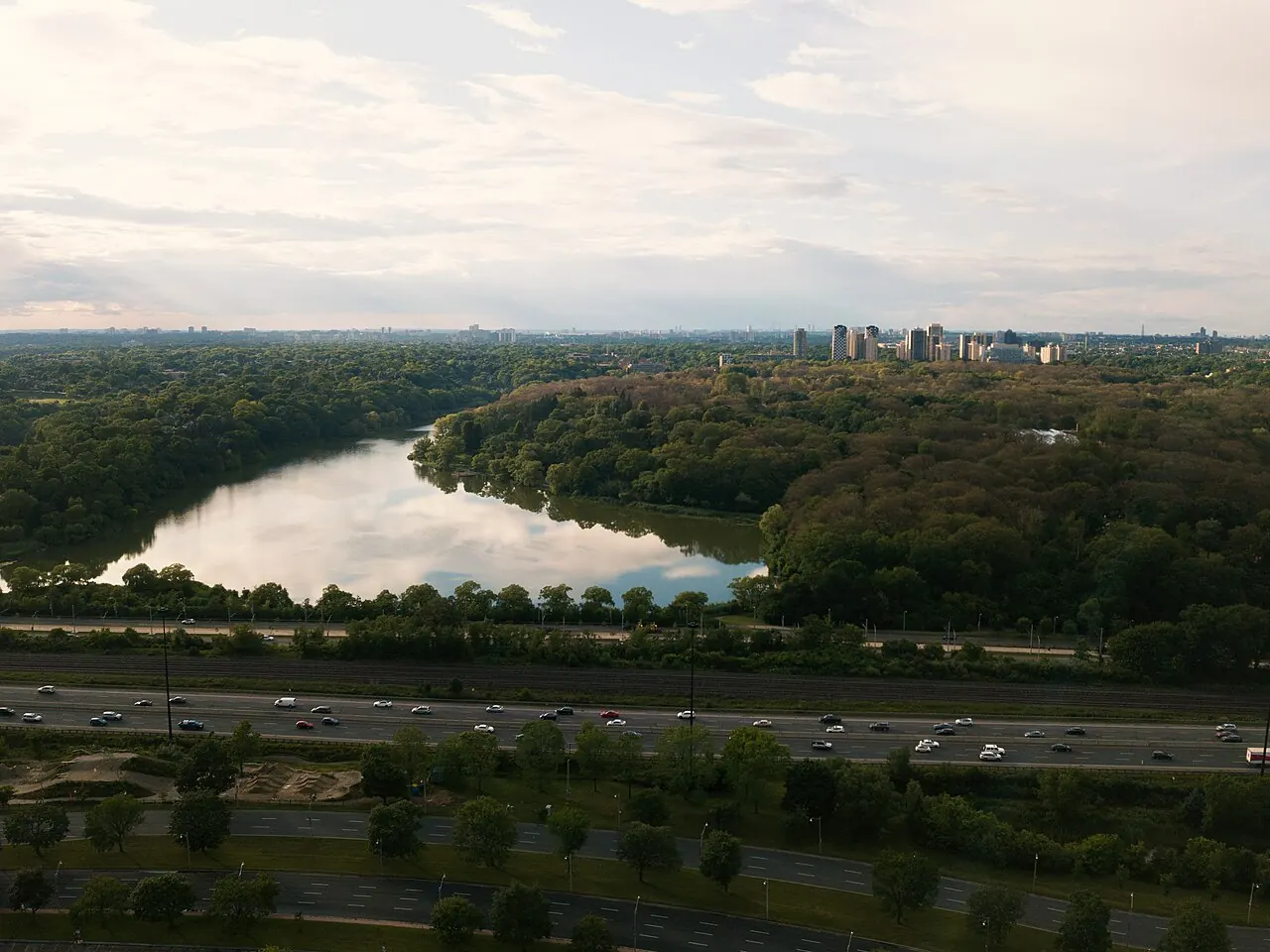
High Park gives a western-city day a different purpose from downtown sightseeing. Choose a route around a particular feature, such as Grenadier Pond or a garden area, and let the surrounding paths be the experience. The park is large enough that arriving without a plan can produce a long walk to the part you actually wanted. A short loop with time to sit is often the more enjoyable first visit.
The city's park page includes a wayfinding map and transport information, which are useful when deciding where to enter and finish. Paths, gradients and natural areas differ, so check the route against your mobility needs rather than assuming all green space is equally accessible. Seasonal blossom periods can attract crowds, but the park need not depend on a particular display. Keep to marked paths and leave wildlife and sensitive habitats undisturbed.
Plan it well: Pick the park entrance nearest your chosen feature and plan the exit as well, especially for a shorter afternoon visit.
City of Toronto High Park informationExplore the theatrical architecture of Casa Loma

Casa Loma is an opportunity to explore Toronto through a deliberately grand house rather than another skyline view. Notice how its towers, rooms and circulation turn domestic architecture into a statement. You can approach it as a design visit, looking at materials and proportions, or as a window into the ambitions behind the building. That gives the interiors a useful focus beyond simply deciding which room would make the best photograph.
Consult the property's current visitor information for the exact areas included and any seasonal programmes. A special evening event should not be assumed to include the same access as a regular daytime visit. The approach and internal routes need attention if stairs or slopes are difficult for your group. Make this the main northern-city outing rather than squeezing it into a narrow gap between a downtown reservation and an island ferry.
Plan it well: Check access arrangements and the areas covered by your chosen admission, including gardens or special-event spaces.
Casa Loma official visitor informationUnderstand hockey beyond the famous names
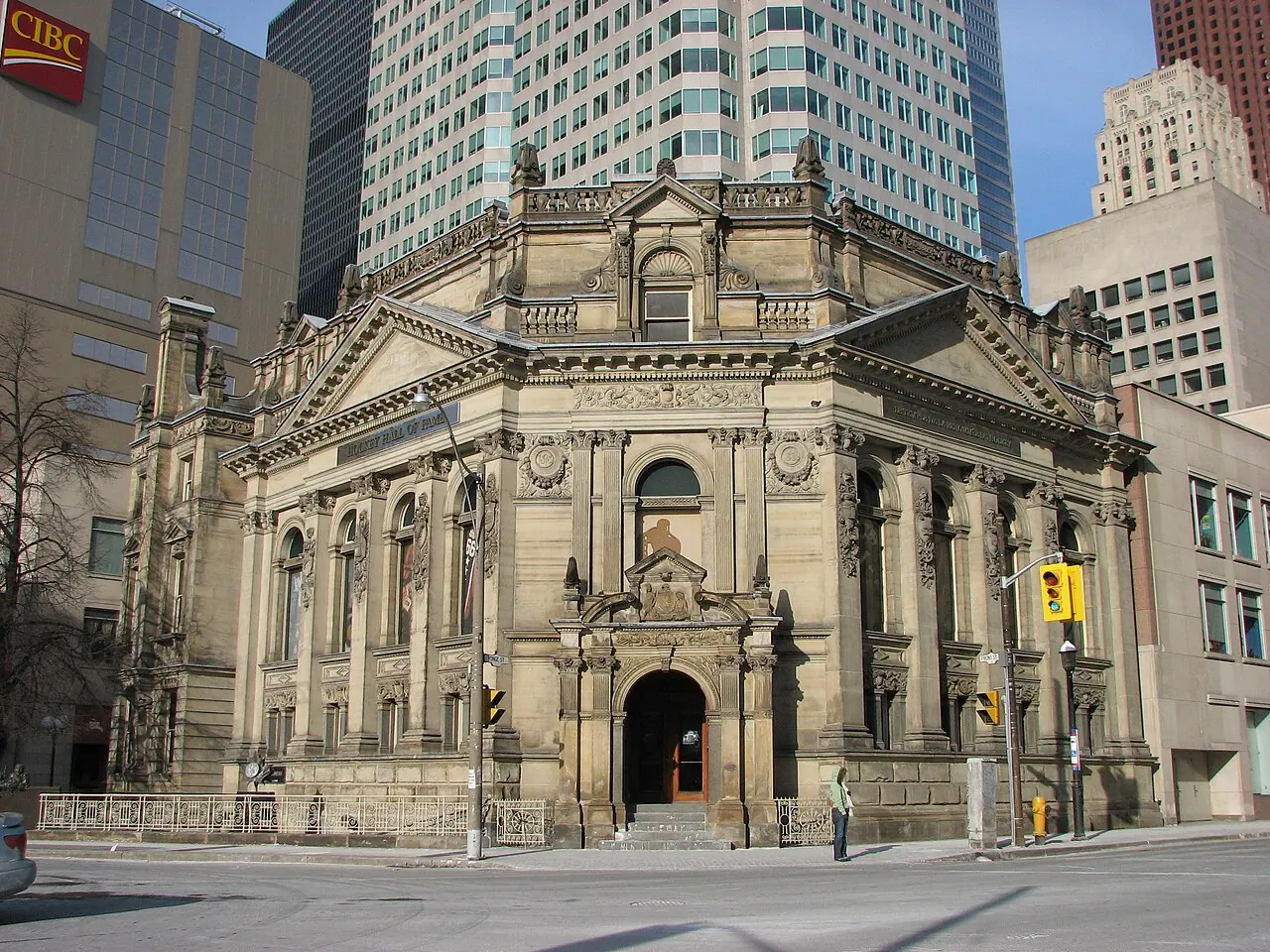
The Hockey Hall of Fame is the obvious choice for a fan, but it can also explain a sport that is unfamiliar to a first-time visitor. Look at how equipment, records and trophies connect to the way the game is played, rather than trying to recognise every player. A newcomer and an enthusiast can enjoy the same visit if each is free to linger at the displays that answer different questions.
Check the museum's current visitor guidance, including any special closures or programmes, before fitting it into an Old Town day. It is a good indoor option when the lakefront weather is unappealing, and its downtown position makes it easier to combine with the market than with distant parks. Give the experience enough time for the collection rather than treating a trophy photograph as the only objective. The historic building's exterior is worth a pause too.
Plan it well: Keep this as an indoor alternative for a wet downtown day, and check the official calendar for altered admission arrangements.
Hockey Hall of Fame official visitsSee Toronto's civic centre at Nathan Phillips Square
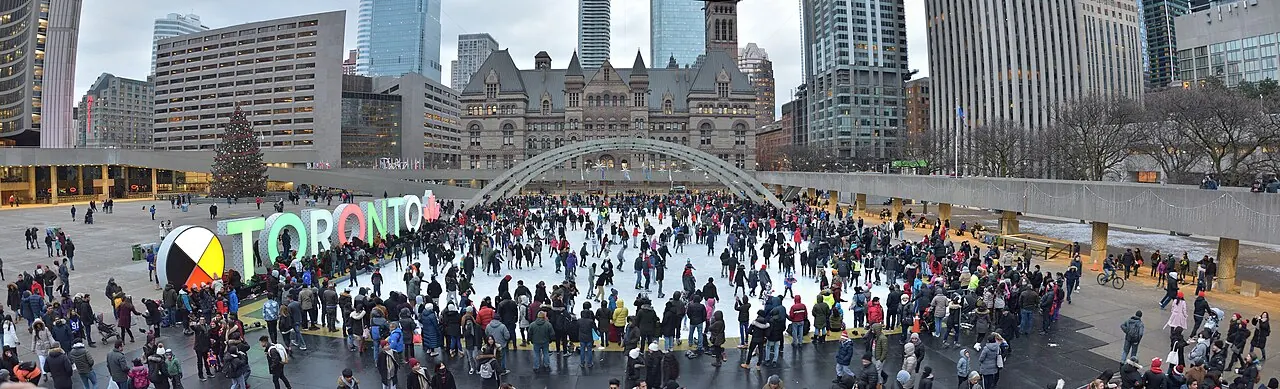
Nathan Phillips Square is a useful place to see the city functioning in public. The curved towers of City Hall, the open square and the Toronto sign make the setting instantly legible, but take a moment to watch how people use it rather than leaving after the obligatory picture. The square connects well with a downtown walk, so it need not become another transport journey on an already full day.
Activities change with the season and with civic events. A winter photograph of skating does not mean a rink will be operating on your dates, and a summer visit may encounter a different arrangement around the water. Check municipal notices if you are travelling specifically for an event or seasonal activity. For a simple first visit, use the square as a place to pause and orient yourself before continuing towards the AGO or the Old Town.
Plan it well: Check current City of Toronto notices for the square before planning around skating or a scheduled event.
City of Toronto Nathan Phillips SquareHow to spend two days in Toronto
Day one: downtown and Old Town
Start with the CN Tower if visibility looks promising, then leave time beside the lake. Visit the South Market for lunch on an operating day and choose the Hockey Hall of Fame or an Old Town walk. Finish in the Distillery District if its current event arrangements suit your plans.
Day two: choose water, art or the west
Choose the islands as the main good-weather outing, allowing ferry buffers. For an indoor day, select the ROM or AGO and add Nathan Phillips Square if geographically convenient. Casa Loma and High Park are alternative outings, not stops to bolt onto an island day.
Before you go
Tap with the same card for transfers
The TTC accepts supported contactless cards and mobile wallets. Use the same card or device for subsequent taps and retain it as proof of payment. Check eligibility if you need a concession fare.
TTC contactless payment guidanceUse live ferry information
Seasonal routes and lake conditions can affect an island day. Check outbound and return service before leaving, and keep the final transfer to a flight or train independent of an optimistic ferry connection.
Plan for a large city and lake weather
Group nearby visits and use transit for longer moves. A downtown address does not make every museum or park a short walk. Carry layers for the waterfront and replace outdoor plans when conditions warrant.
Stay near the day you want to have
Old Town works for market and Distillery District plans; the downtown waterfront is convenient for the tower and ferry terminal. Near Bloor, compare museum access with the subway route to your other visits. West-end accommodation can suit a neighbourhood-focused trip, but check the full journey to downtown. Compare room details and street noise alongside the address.
Explore Toronto hotels