
Davos city guide
Davos ski season 2026/27: five mountains, the right pass and where to base yourself
Plan a Davos ski trip around Parsenn, Jakobshorn, Rinerhorn, Pischa and Madrisa, with practical guidance on ability, passes, transport and live conditions.
Plan your visit
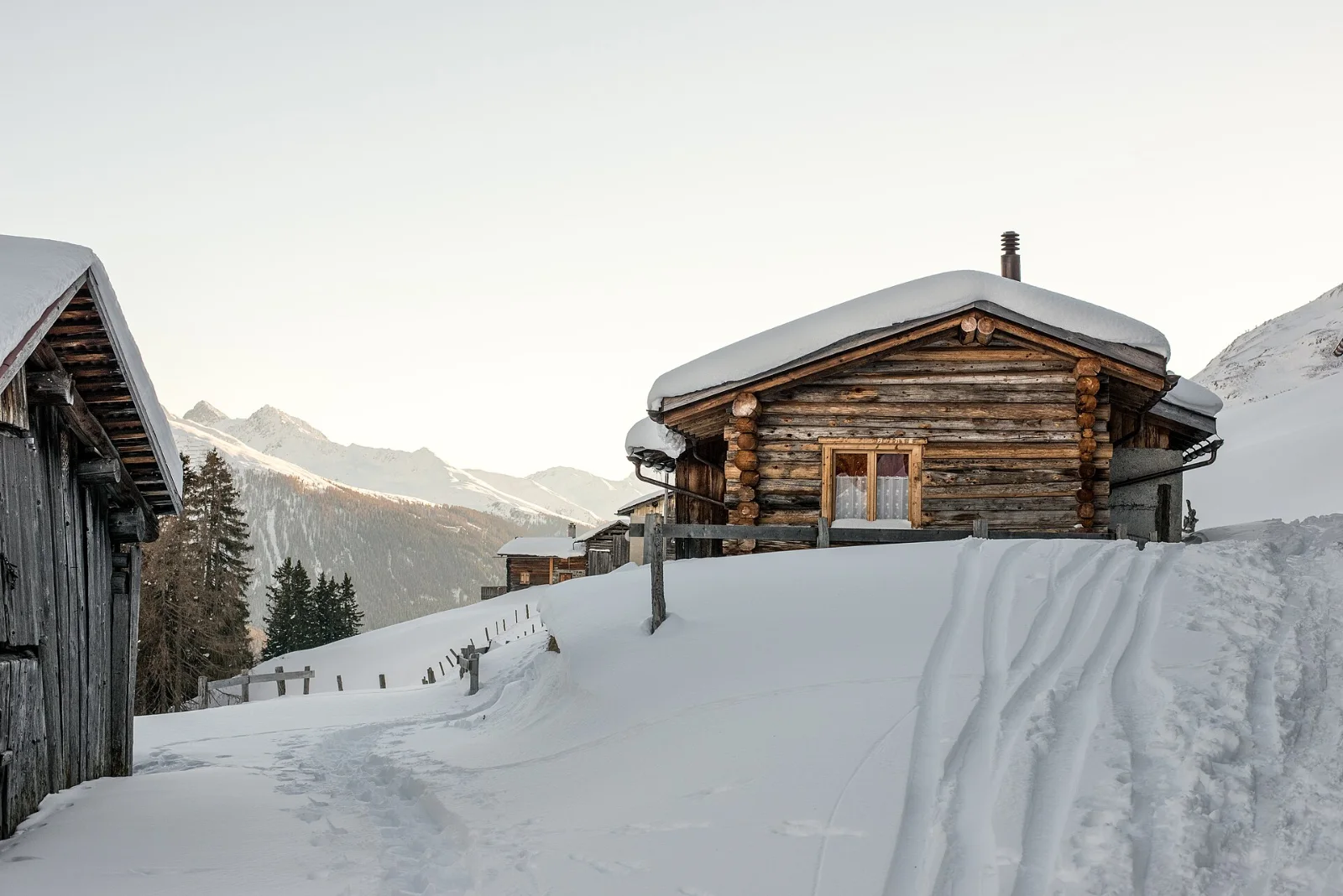
Davos is not one single ski hill. It is a network of five mountains with different characters, opening windows and transport patterns. Parsenn is the classic choice for long, broad descents; Jakobshorn adds steeper terrain and freestyle facilities; Rinerhorn and Madrisa are often easier to organise for families; Pischa is an ungroomed freeride mountain rather than a conventional piste area. The smartest plan is to match each day to your group instead of buying around a single headline kilometre count. Use the official live operating page every morning, check which valley runs are open, and keep one flexible day for weather or wind. This guide uses the published 2026/27 operating windows as a planning framework, but snow, wind and maintenance can change what is actually open.
Choose the right Davos mountain before buying a pass
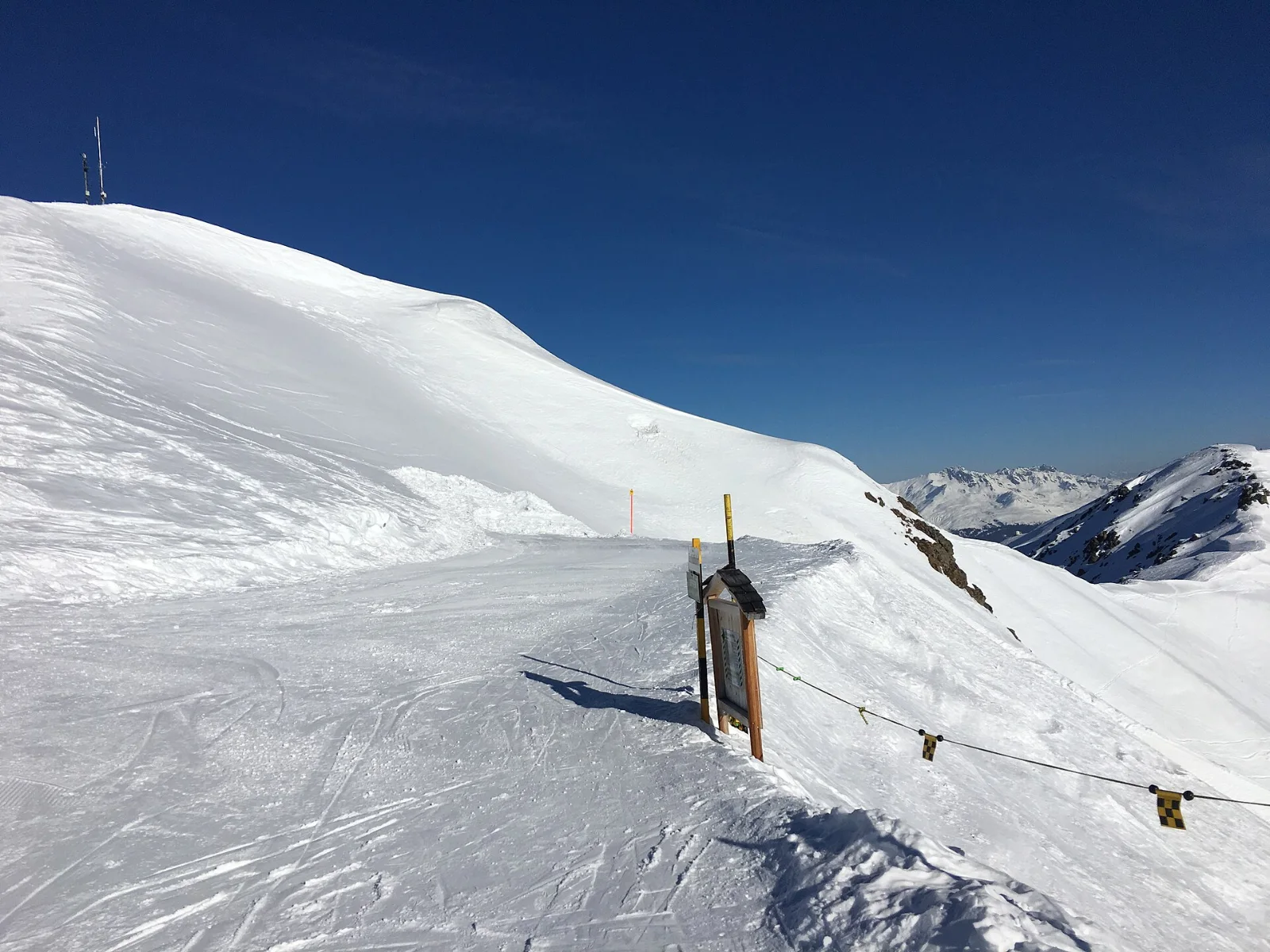
Davos works best when you plan by mountain, not by one total piste figure. Parsenn is the broad, classic all-round area for long cruising; Jakobshorn combines steeper skiing with freestyle facilities; Rinerhorn and Madrisa are usually easier to organise for families and mixed groups; Pischa is an ungroomed freeride mountain rather than a conventional piste network.
Map the group before you buy: confident intermediates may want most days on Parsenn, park riders will value Jakobshorn, and families can reduce friction by choosing Rinerhorn or Madrisa for a focused day. A regional pass can add flexibility, but it only pays off when the lifts and travel pattern match the days you will actually ski.
Plan it well: Write down each skier’s level and one priority before choosing the pass. If the answers differ widely, plan separate morning groups and a shared lunch point.
Official Davos Klosters Mountains ski overviewUse Parsenn for long, wide ski days
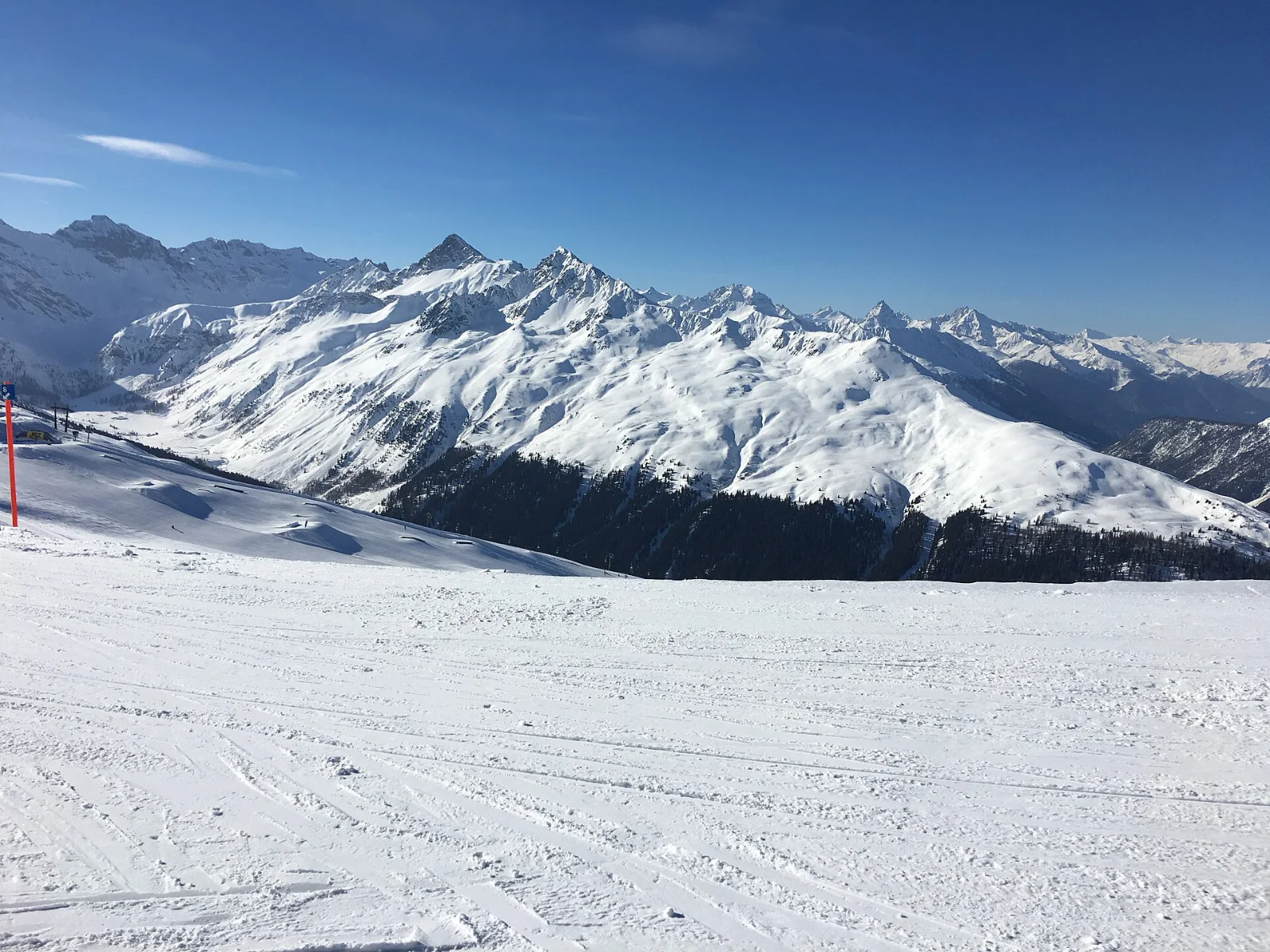
Parsenn is the clearest starting point for visitors who want a full day of broad pistes and sustained descents. The Parsenn funicular rises from Davos Dorf, and the network spreads towards Weissfluhjoch and the Klosters side. Official area information highlights long, wide runs and a descent of roughly 12 kilometres, but route length should not be confused with an easy finish.
Start with a central circuit and assess visibility, snow and leg strength before committing to a valley descent. Some lower runs depend heavily on snow conditions and may close even when upper lifts are operating. For a first ski day, returning by lift or rail is often a better choice than forcing a long final run late in the afternoon.
Plan it well: Stay near Davos Dorf if Parsenn is your main priority, and check the last lift and valley-run status before leaving the upper mountain.
Official Parsenn area guideTreat Jakobshorn and Pischa as specialist choices
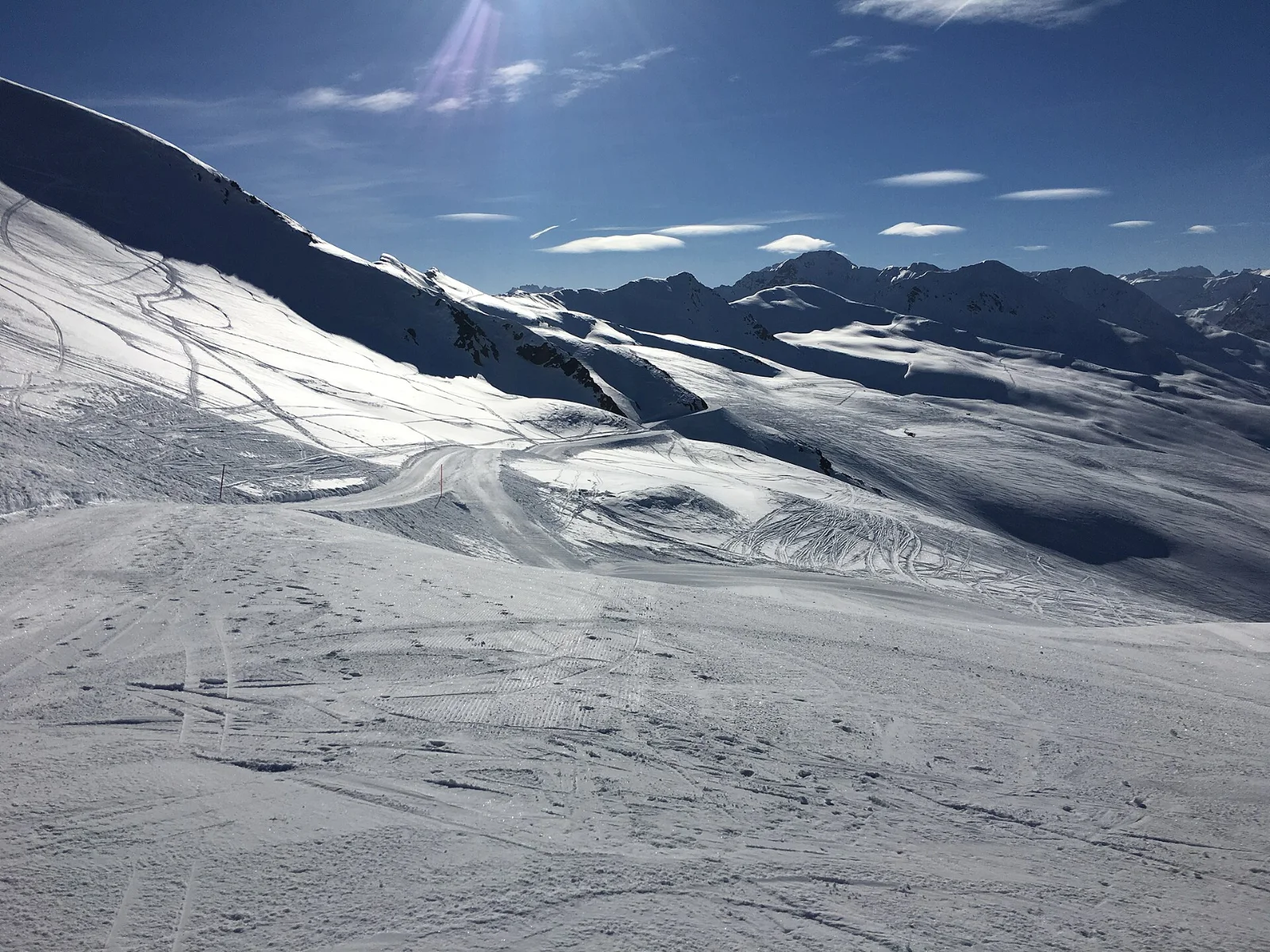
Jakobshorn and Pischa solve very different problems. Jakobshorn is the sharper choice for riders seeking steeper pistes, freestyle terrain and the JatzPark environment. Pischa has no conventional groomed piste network: it is promoted as a freeride mountain, so the attraction is open terrain rather than marked cruising.
Do not send a mixed beginner group to Pischa because the word “ski area” sounds familiar. Off-piste snow can hide avalanche, visibility and route-finding hazards, and conditions change during the day. Skiers without local knowledge, avalanche equipment and decision-making experience should use a qualified guide or choose marked terrain elsewhere.
Plan it well: Keep Jakobshorn for park and piste goals. Treat Pischa as a separate guided freeride day, with weather and avalanche conditions checked that morning.
Official Davos skiing and snowboarding overviewPut beginners, children and mixed groups on the right terrain
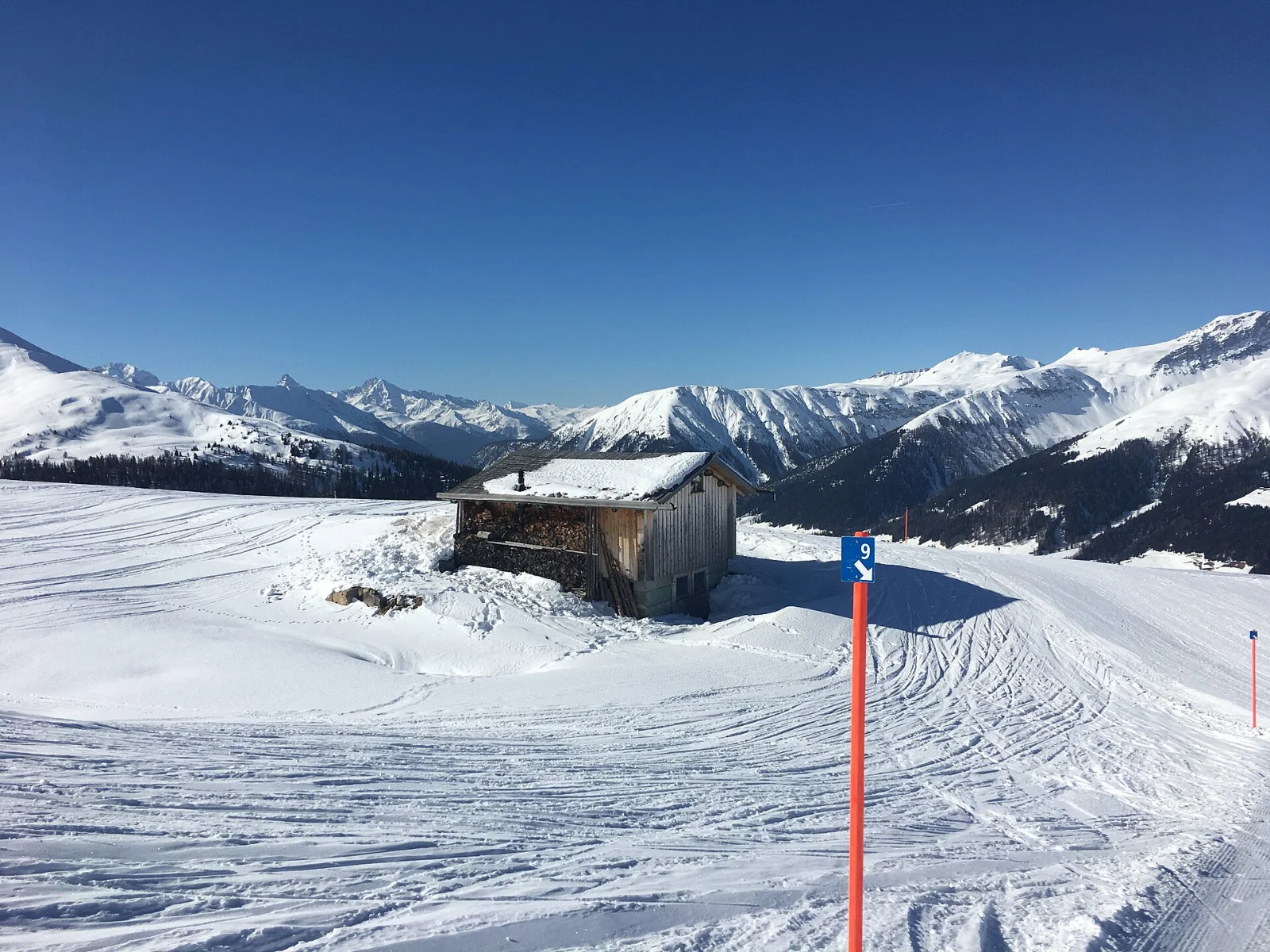
Rinerhorn and Madrisa are often the more practical mountains for families, school groups and parties with different confidence levels. Their value is not that every run is easy, but that a day can be organised around learning zones, manageable meeting points and a clearer progression than repeatedly crossing a large network.
Book instruction around the mountain you intend to use and confirm the lesson meeting point before travelling across Davos or Klosters. A morning lesson can give beginners a safer foundation while stronger skiers explore nearby terrain. Agree on a timed reunion instead of relying on phone coverage or chance encounters at a lift.
Plan it well: Ask the ski school which lift ticket a first-time skier actually needs; a smaller local product may be more sensible than a full regional pass for the first lesson day.
Official Davos Klosters snow-sports schoolsPlan passes, trains and your hotel base together
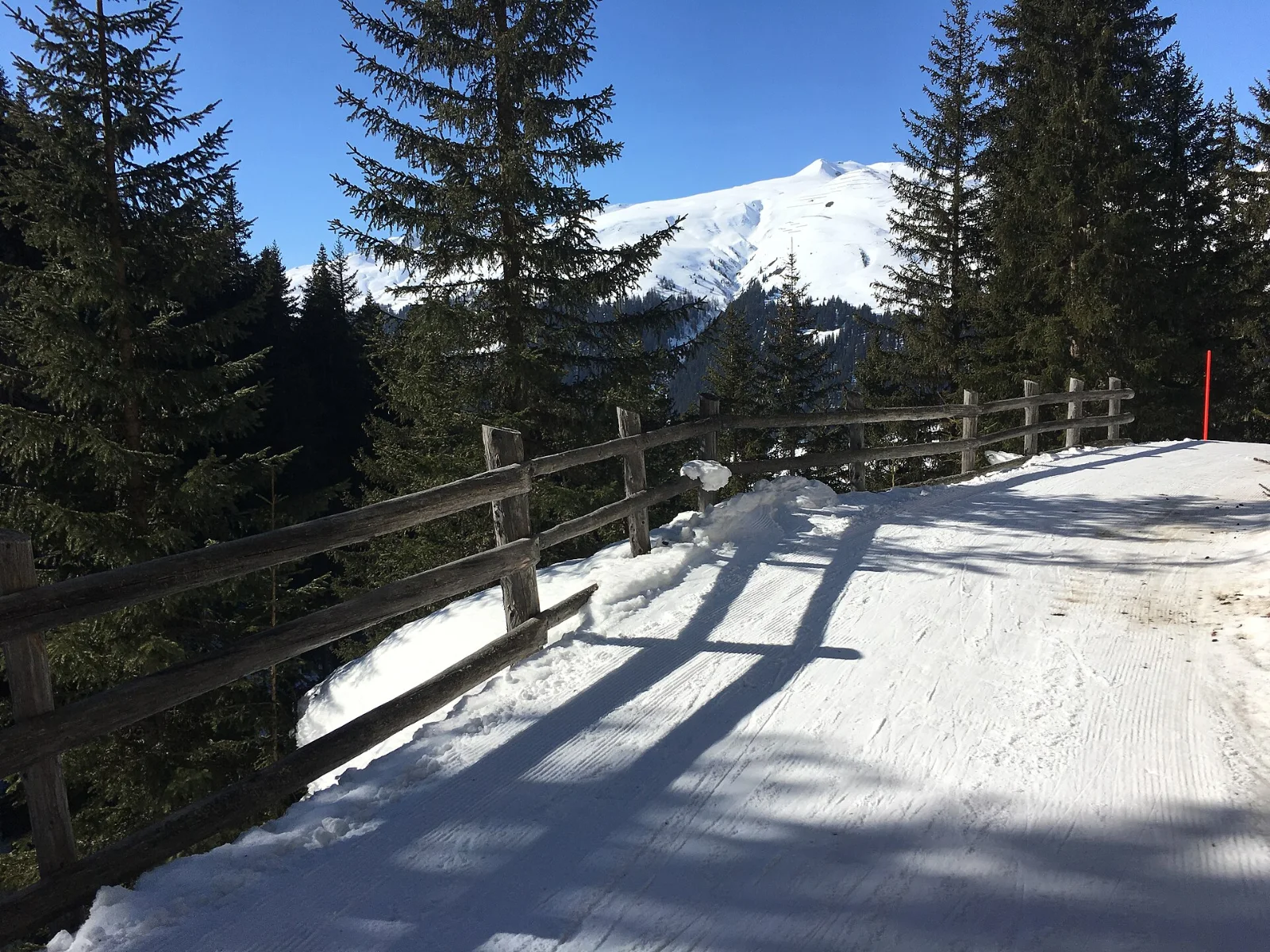
Davos is long and linear, so the hotel base affects the ski day. Davos Dorf gives the most direct start for Parsenn, while Davos Platz is the practical side for Jakobshorn. Klosters changes the approach to the Parsenn and Madrisa sectors. A cheap room can become poor value when every morning begins with an avoidable transfer in ski boots.
Regional trains, PostBus services and local buses connect the valley, but timetables still shape first lifts, lessons and the final return. Check whether the pass you are considering covers the mountain combination you want and whether guest transport benefits apply to your stay. Build the route from hotel door to lift entrance before booking, not after arrival.
Plan it well: Compare hotels by walking distance to the relevant station or lift, ski-storage options and the first realistic departure, not only by straight-line distance on a map.
Official Davos travel and public-transport informationBuild the 2026/27 operating calendar into the trip
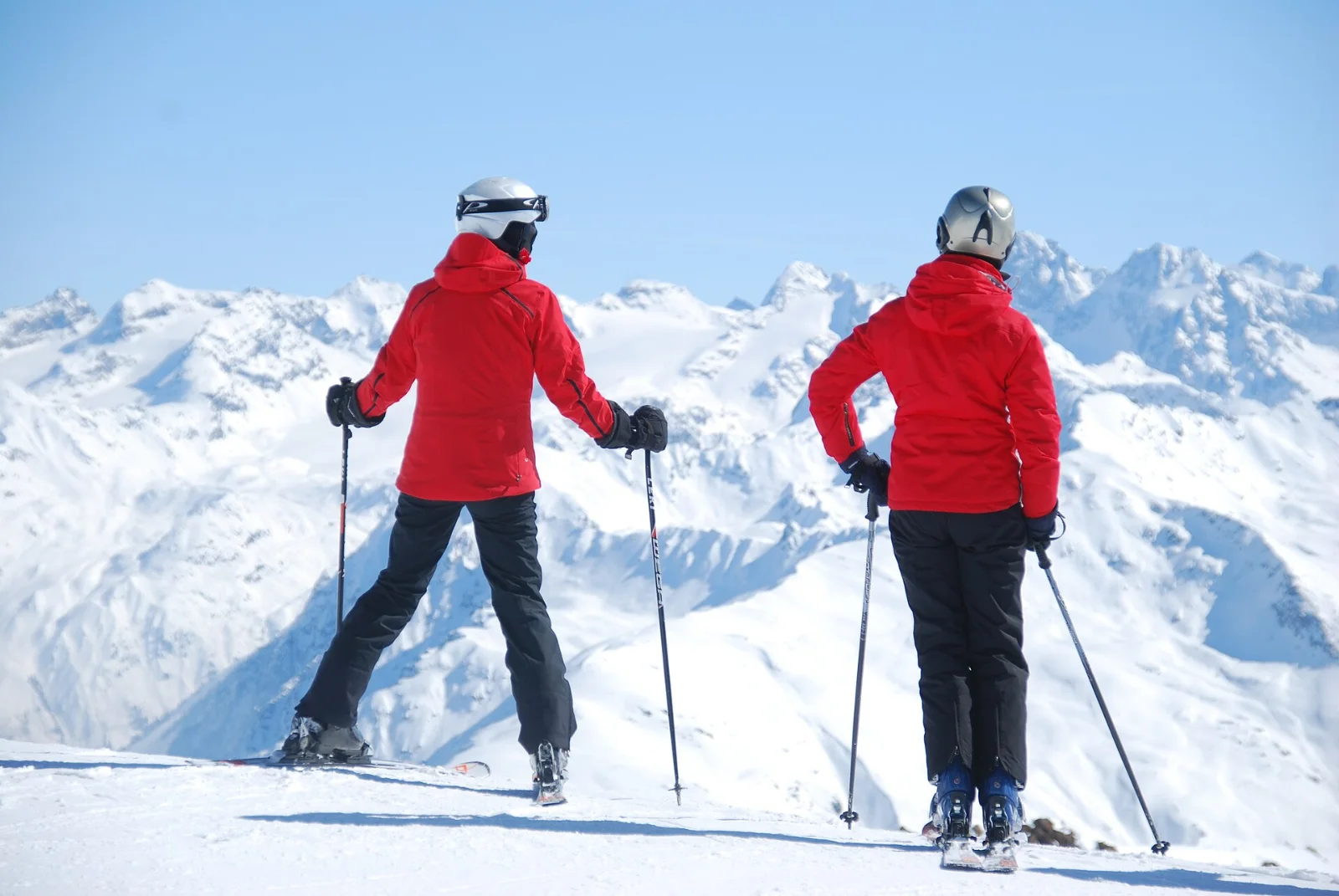
The published 2026/27 plan opens Parsenn on the Davos side for a 13–15 November weekend and continuously from 20 November, while the Klosters side follows from 4 December after a preview weekend. Jakobshorn is scheduled continuously from 4 December, Rinerhorn and Madrisa from 18 December, and Pischa from 26 December. Closing dates range from 29 March to 11 April, depending on the mountain.
Those dates are planning windows, not a promise that every lift or valley run will operate. The official page currently also lists Rinerhorn and Pischa as closed during the World Economic Forum period from 18 to 22 January 2027. Wind, snow, maintenance and events can narrow the available terrain, so check the live operating page before breakfast and keep one day flexible.
Plan it well: For an early- or late-season trip, choose accommodation around the mountain with the longest published window and avoid pre-booking every day around a smaller sector.
Official 2026/27 operating information