
Geneva city guide
10 things to do in Geneva
See Geneva beyond its waterfront hotels, from the Jet d’Eau and Old Town to humanitarian history, ceramic collections and gardens beside the international district.
Plan your visit
Geneva is best approached as several compact outings, not one continuous lakeside stroll. The Old Town rises above the waterfront; the international district asks for a separate journey; Plainpalais offers a different museum setting. Choose one substantial indoor visit each day and let the lake or a park provide a pause. UN tours require deliberate preparation, while the fountain and gardens remain weather-dependent parts of the plan.
See the Jet d’Eau from more than one angle
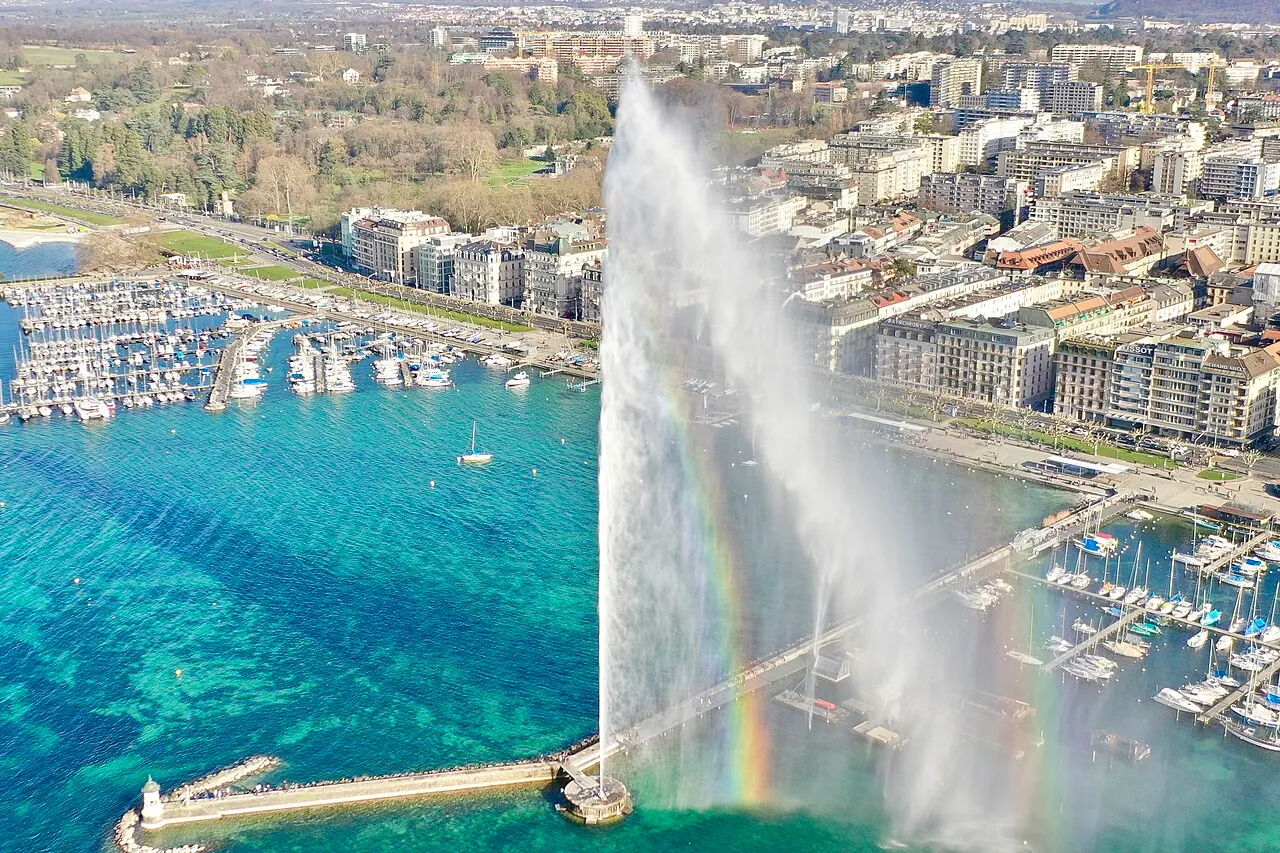
The Jet d’Eau gives Geneva’s waterfront a focal point without needing to become a formal attraction visit. Start with a view from the quays to understand the scale of the spray against the harbour and city, then walk closer only if conditions suit. Changing your position matters: from one bank it belongs to the lakeside skyline, while nearer the jetty its force becomes much more apparent. Give the wider lake scene time as well.
Do not build a rigid timetable around a fountain photograph. The tourism office explains that strong wind and low temperatures can lead to the jet being switched off, so a still harbour does not mean you have come to the wrong place. Expect spray if walking towards it and protect electronics accordingly. Combine the stop with the Eaux-Vives quays or the English Garden rather than trying to cover the whole lakeshore before an appointment in the Old Town.
Plan it well: Wind and low temperatures can stop the jet. Keep the waterfront walk worthwhile even when the fountain is not operating.
Geneva Tourism Jet d’Eau informationExplore St Pierre before choosing the tower climb
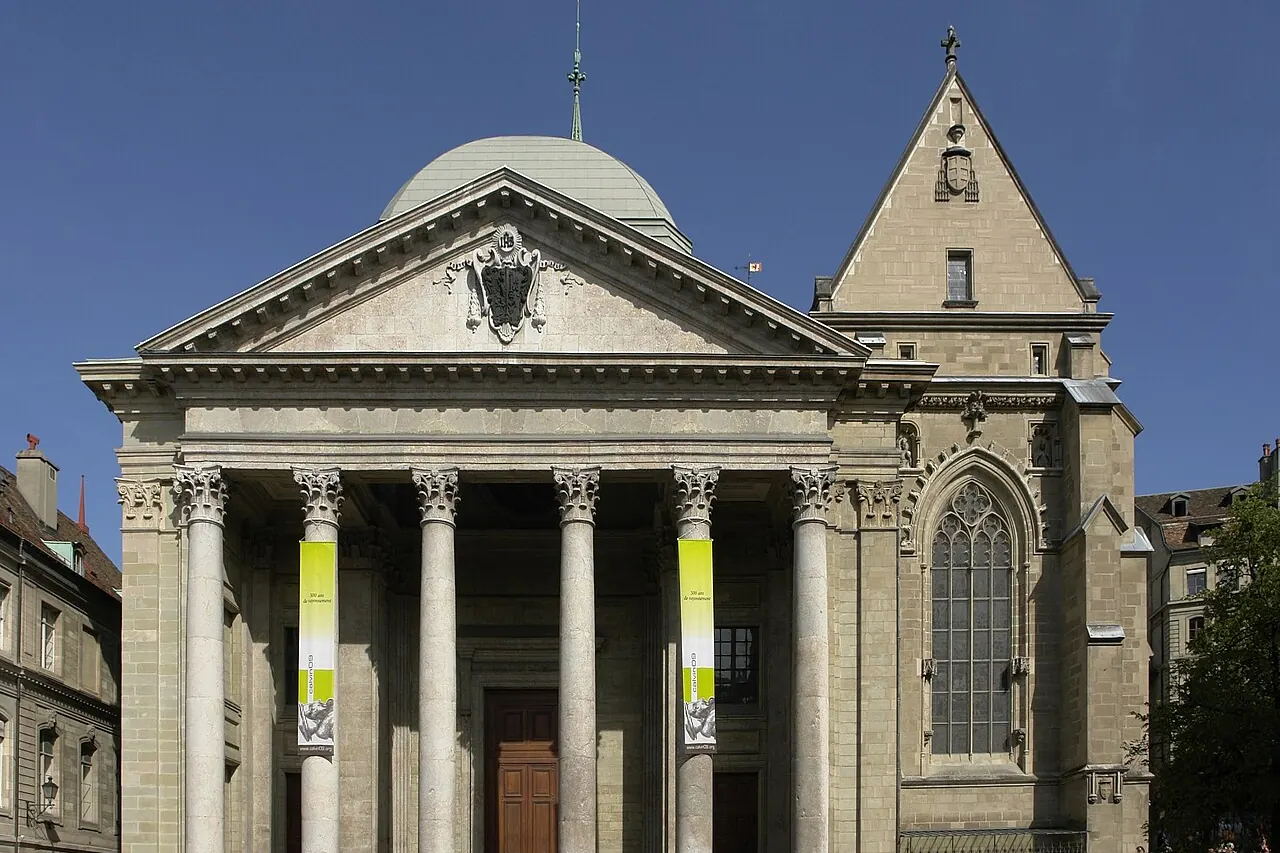
St Pierre gives the Old Town a clear destination, but approaching through its lanes and small squares is part of the visit. The cathedral is strongly connected with Geneva’s Reformation history, and the relatively restrained main interior offers a contrast with ornate Catholic churches elsewhere in Europe. Look at the building’s different architectural elements rather than expecting a uniform medieval monument. Afterwards, take time in the surrounding streets before heading back towards the lake.
A tower climb is a separate choice from looking inside the church. Check its current opening and access arrangements, and consider whether the stairs suit your group before committing. The elevated view is especially useful in clear weather, when the rooftops, lake and fountain can be read together. Nearby archaeological and museum experiences have their own entrances and admission; choose one if you want more historical depth rather than assuming all are included in a cathedral stop.
Plan it well: Allow for the uphill Old Town approach and the additional tower stairs; check tower access separately from church entry.
Geneva Tourism cathedral viewpointPlan an intentional visit to the Palais des Nations
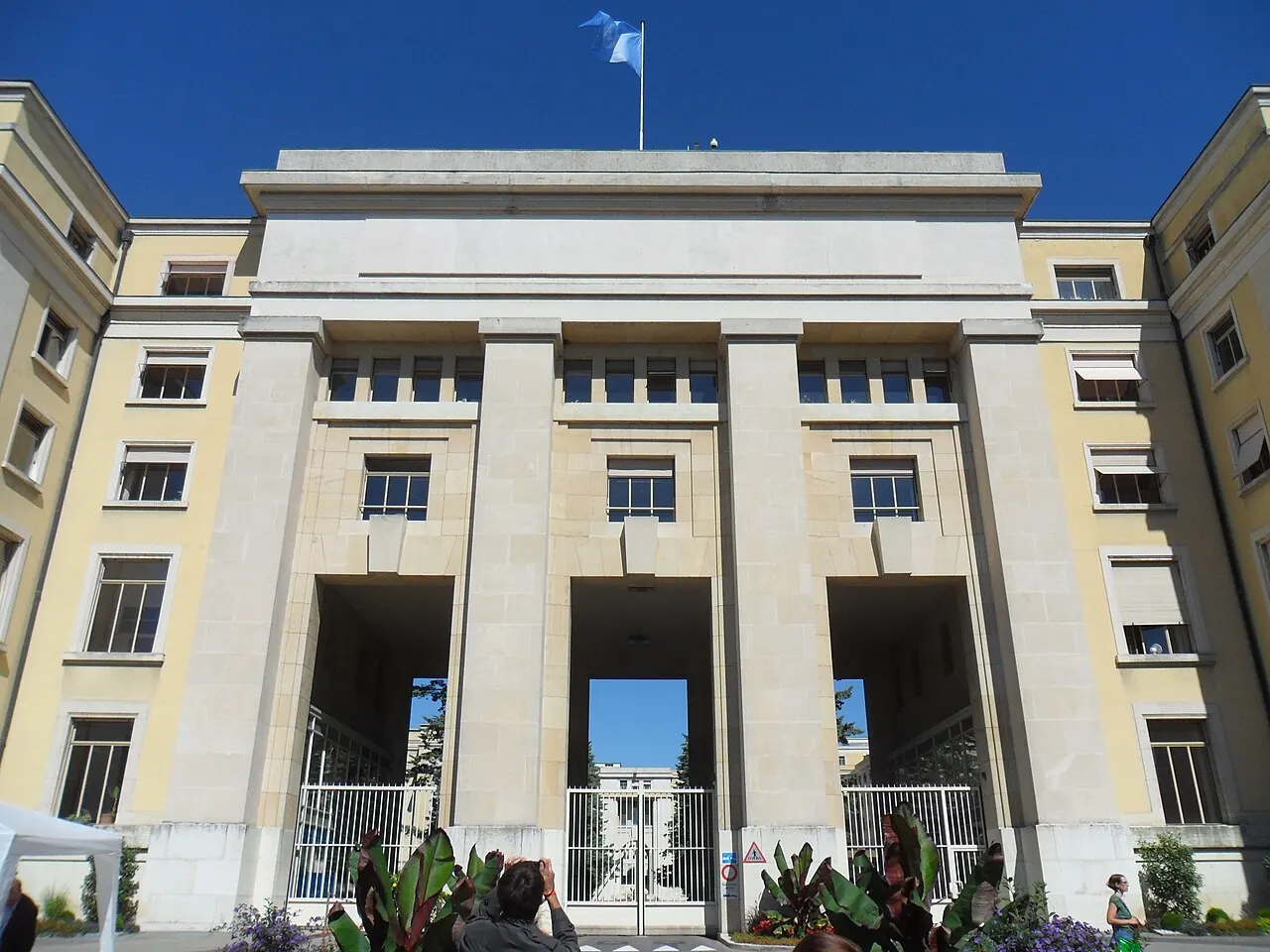
The Palais des Nations introduces Geneva as a working centre of international cooperation, not simply a city of lake views. Its League of Nations origins and present UN role make a guided visit useful for understanding the institutions behind the familiar flags. The building is a workplace, so the experience follows an organised route and depends on which spaces can be used that day. Do not expect unrestricted wandering through the grounds.
Use the UN’s official booking route, then complete the access-badge registration described in your ticket instructions. Bring an accepted identity document and follow the confirmed meeting point, with the requested advance arrival for security. The official site warns that renovation limits availability and can change the route, so a particular conference room cannot be promised. Build the international-district outing around the confirmed booking, leaving generous time before a nearby museum rather than scheduling two rigid appointments back to back.
Plan it well: Booking is not the final step: register the access badge, bring accepted ID and follow the meeting point in your confirmation.
UN Geneva official guided visitsGive humanitarian history your full attention
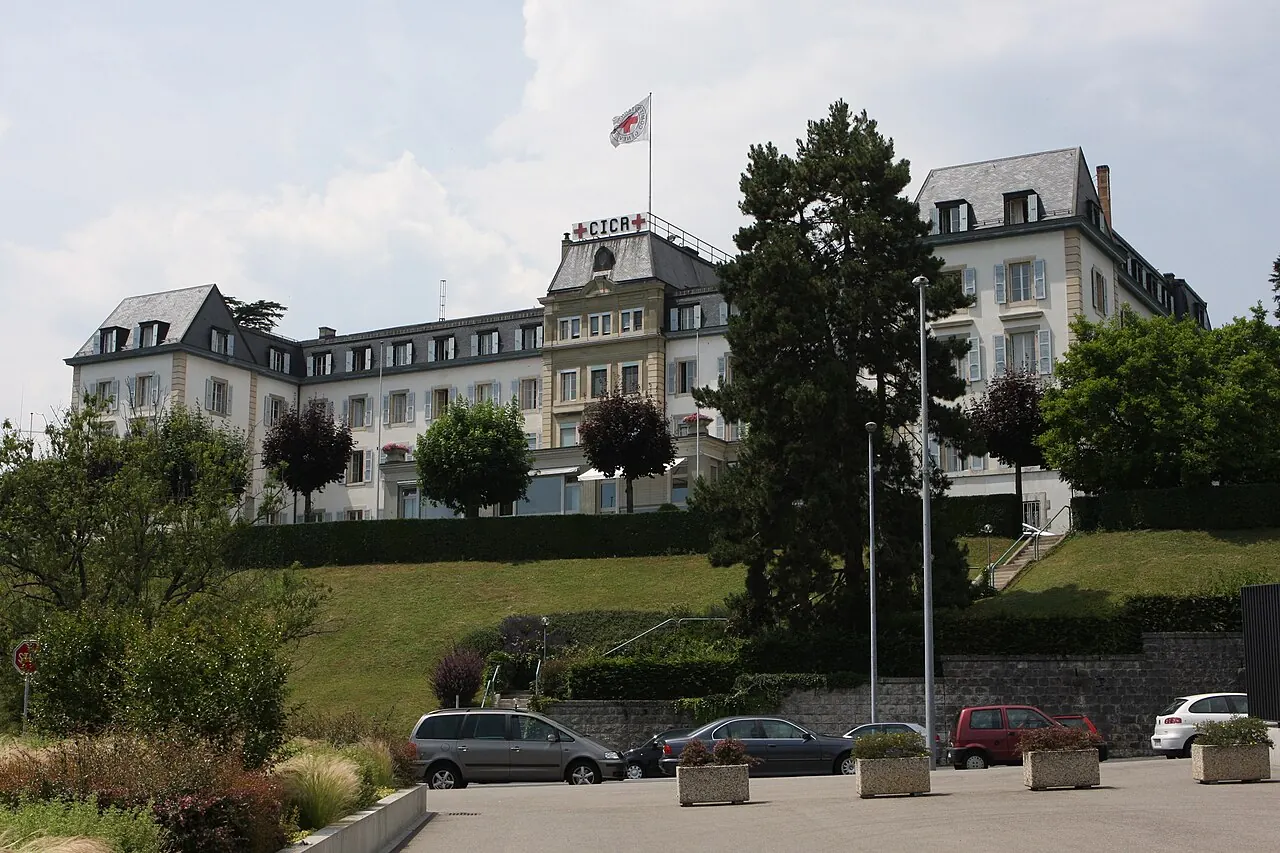
The International Red Cross and Red Crescent Museum adds human experience to the institutional buildings around the international district. Choose it when you want to think about humanitarian action and the people affected by conflict and disaster, rather than simply learn another organisation’s chronology. Objects, interpretation and personal perspectives make this a reflective visit. Allow enough time to read and pause instead of treating it as a quick extra after photographing the UN flags.
The museum is keeping its exhibition open while redesigning it in stages between 2026 and 2028. Its official information warns that sections may change or temporarily close, so check the current notices rather than relying on an older description of every gallery. Give the visit some breathing space afterwards, perhaps with the nearby botanical garden rather than another intense indoor collection. Sensitive subject matter is worth considering when planning for children or anyone who may prefer a lighter activity.
Plan it well: Consult the phased-redesign notices: the museum remains open, but individual exhibition areas can change during the 2026–2028 programme.
Red Cross Museum permanent exhibitionMake Bains des Paquis a lakeside pause
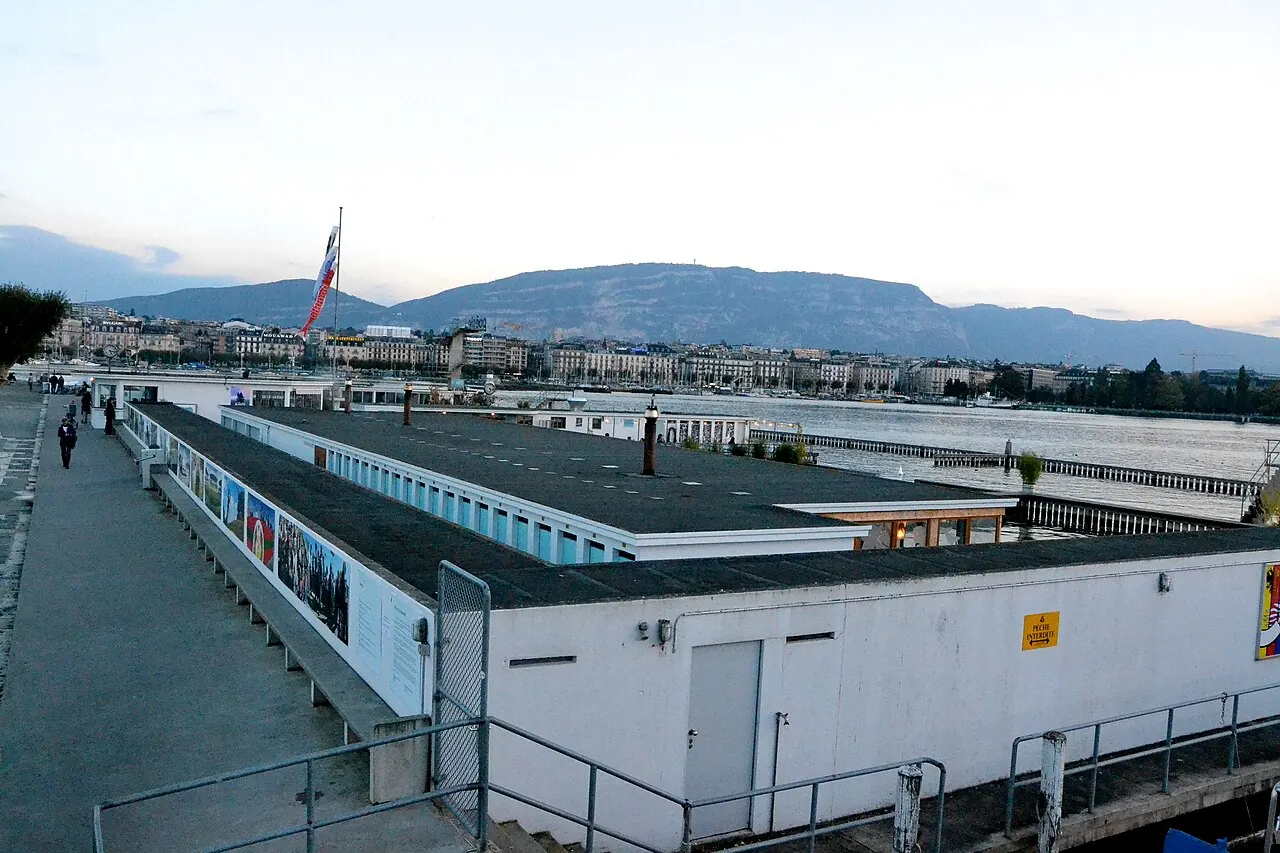
Bains des Paquis offers a more everyday encounter with the lake than a hotel terrace or a cruise itinerary. The bathing complex extends out from the right bank, with space for food, relaxation and a different perspective on the harbour. Come for the setting even if swimming is not part of your plans. The changing light and the activity around the water make it a place to settle into, not simply a stop for one photograph.
Separate a meal, a lakeside visit and any bathing or wellness facilities when checking arrangements. Their conditions and seasonal availability need not be identical, and a restaurant visit is not evidence that every facility is included. If swimming interests you, use the current local guidance and conditions, especially outside summer; this guide does not assess water safety for your date. The stop pairs well with a right-bank walk after arriving near Cornavin, leaving the Old Town climb for another part of the day.
Plan it well: Check the specific facility you want to use. A meal, swimming and wellness access are separate plans with potentially different conditions.
Geneva Tourism Bains des PaquisRead the Reformation Wall in its park setting
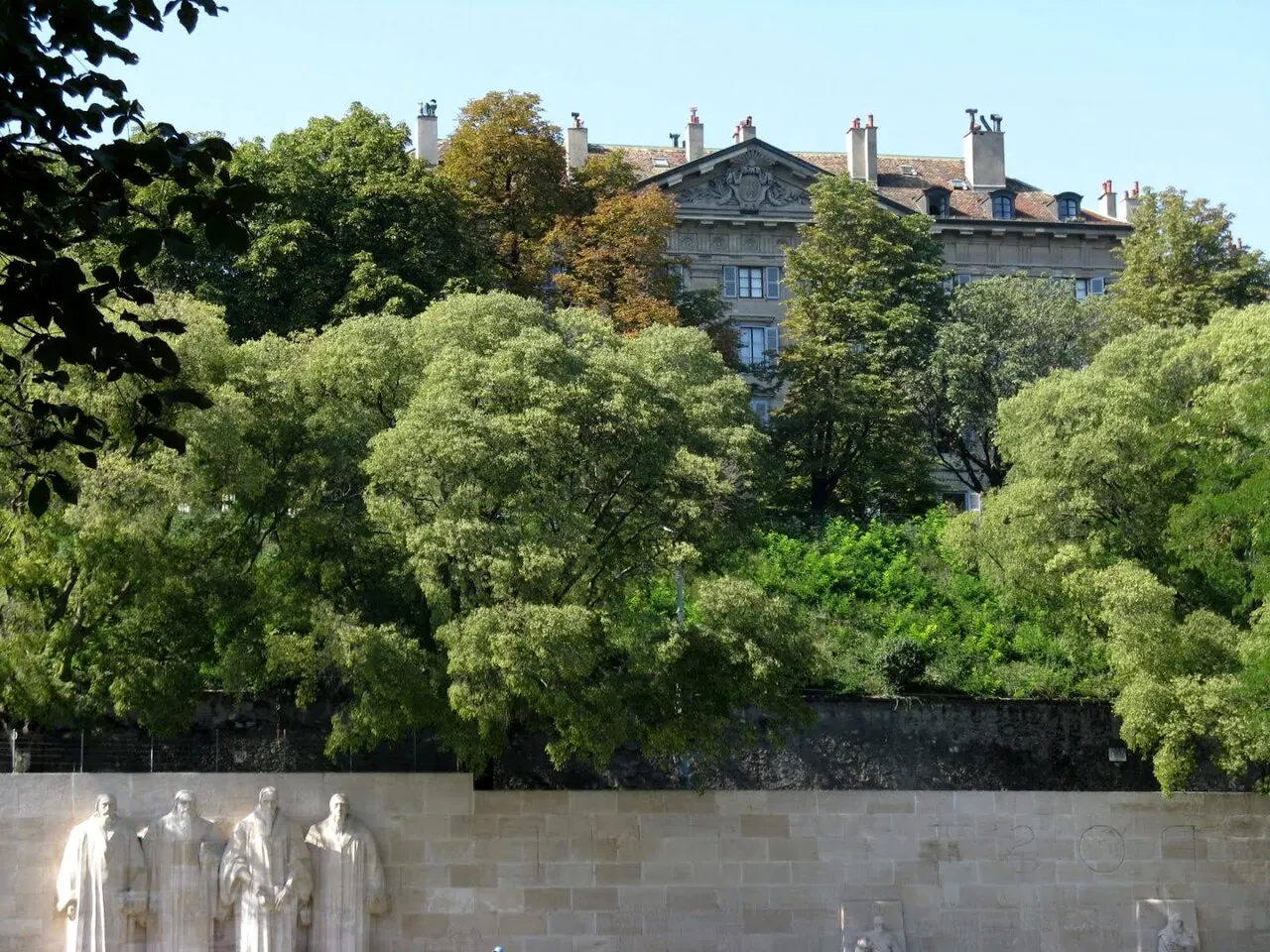
The Reformation Wall brings Geneva’s religious history into a public outdoor space. Its scale encourages a photograph, but the figures and inscriptions make more sense when you stop to read the interpretation and connect them with the cathedral visit. This is not just a collection of statues to identify: it expresses how the city has chosen to commemorate a history that extends beyond its own boundaries.
Use Parc des Bastions as part of the experience rather than approaching the wall and immediately leaving. The trees and open paths provide a change of pace after the tighter lanes of the Old Town, and a bench break can be more useful than another booked activity. The monument is a sensible companion to St Pierre or the Art and History Museum, but choose the next stop according to attention and weather. Check any current works or local restrictions on arrival instead of assuming an old photograph guarantees an unobstructed view.
Plan it well: Combine the wall with a park pause and a cathedral visit; take time to read rather than treating the figures as a photo checklist.
Geneva Tourism Reformation WallAsk where museum objects come from at the MEG
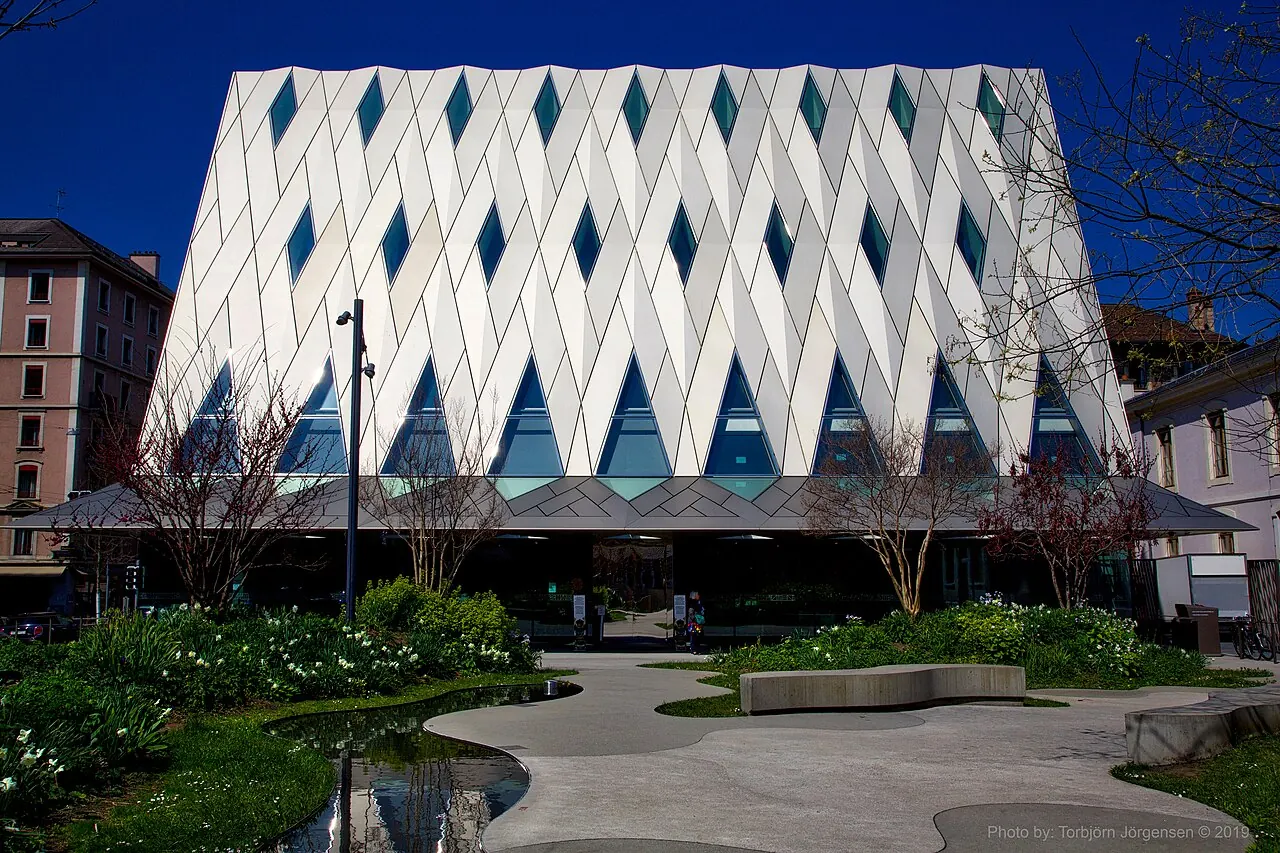
The MEG offers a different museum question from the grand buildings of the international district: how should objects from different communities be collected, interpreted and shown? Its current approach includes attention to provenance, relationships with source communities and the ethical issues surrounding collections. Read the labels as part of that discussion rather than treating the displays only as attractive objects. The striking contemporary building gives Plainpalais a clear cultural landmark before you enter.
Check the permanent and temporary exhibition descriptions for your dates, because the museum’s evolving presentation is more informative than a generic list of geographic regions. You may want one concentrated visit rather than combining it with several other collections. Plainpalais is a separate outing from the UN area, so use it as an afternoon anchor with a local meal or cafe break. Any workshop, performance or guided activity should be checked as a specific booking, not assumed to accompany ordinary admission.
Plan it well: Read the current exhibition descriptions, including provenance interpretation; workshops and performances have their own programme.
Geneva Tourism MEG visitor informationLook beyond decoration at the Ariana
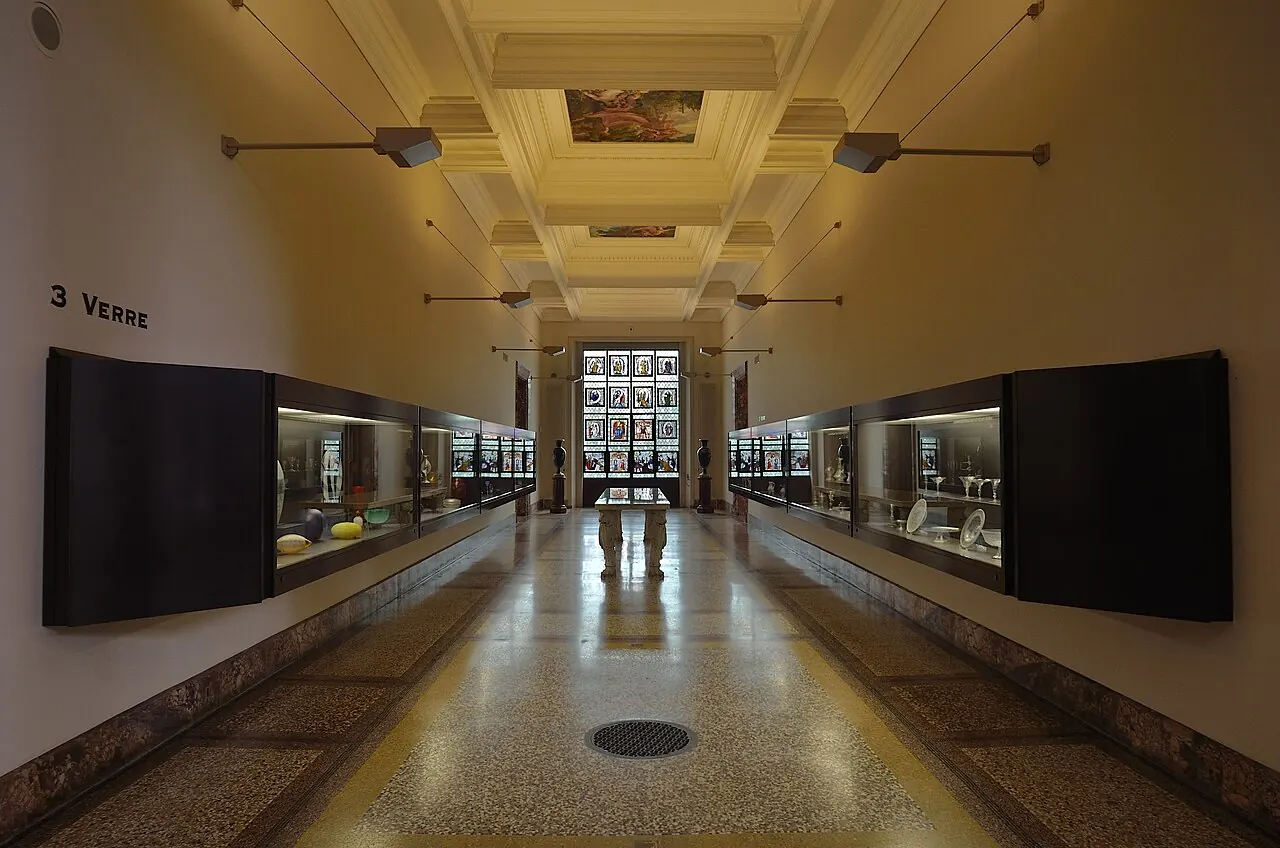
The Ariana’s ceramics and glass collections reward looking at material, technique and use rather than only the most elaborate object in a case. Choose it if you enjoy the way ordinary vessels can reveal trade, taste and craftsmanship across different places and periods. The building itself is part of the attraction, with a grand interior that contrasts with the functional offices nearby. Give the collection enough time for small details to become visible.
Check the distinction between the reference displays and temporary exhibitions when planning admission. The current programme matters more than assuming that a particular object will always be shown. It is geographically convenient after a UN tour, but convenience alone should not force two substantial visits into one morning. A botanical-garden pause makes a useful interval, or the Ariana can stand alone as the quieter main museum of the day. Verify opening days before setting an international-district itinerary around it.
Plan it well: Check admission for the display you want; reference collections and temporary exhibitions can have different arrangements.
Geneva Tourism Ariana MuseumMake time to look carefully in the botanical garden
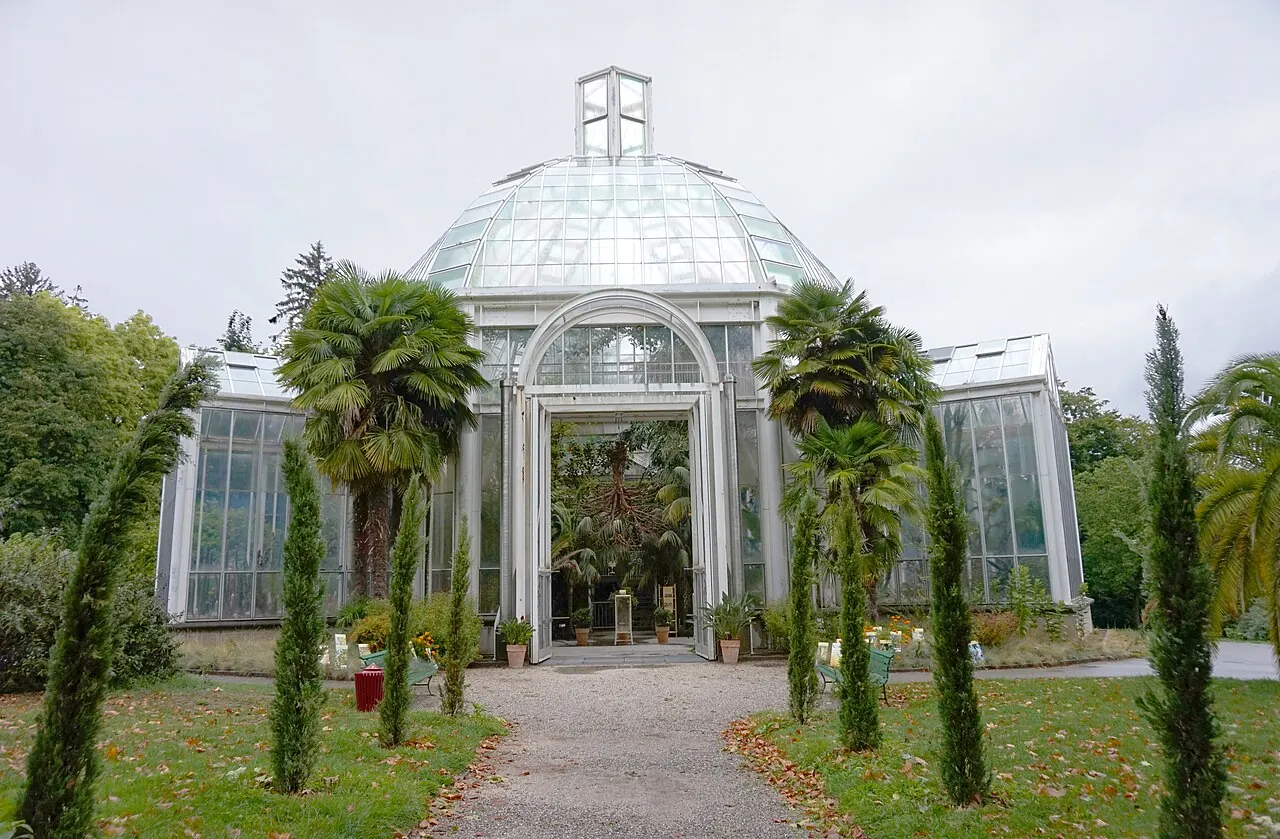
Geneva’s botanical garden is a place for observation as well as an outdoor break. The collection and conservation work give the planted areas a purpose beyond seasonal colour, and the labels can turn a casual stroll into a closer look at how plants differ. Start with the areas that suit the weather and your interests rather than trying to cover every path. Greenhouses and outdoor planting provide different experiences within the same visit.
Check the current garden hours and any separate greenhouse or activity notices, especially when daylight is shorter. The location makes it a useful companion to the Ariana or Red Cross Museum, with a lakeside walk as an optional extension rather than an obligation. Keep a park visit adaptable: a thoughtful half-hour with plants may suit your group better than another long circuit. Guided events and workshops belong to their own calendar, so verify them if they are the main reason for going.
Plan it well: Confirm the garden’s seasonal closing time and any greenhouse restrictions; an outdoor path and a programmed activity are not the same visit.
Geneva Tourism Botanic GardenChoose a collection at the Museum of Art and History
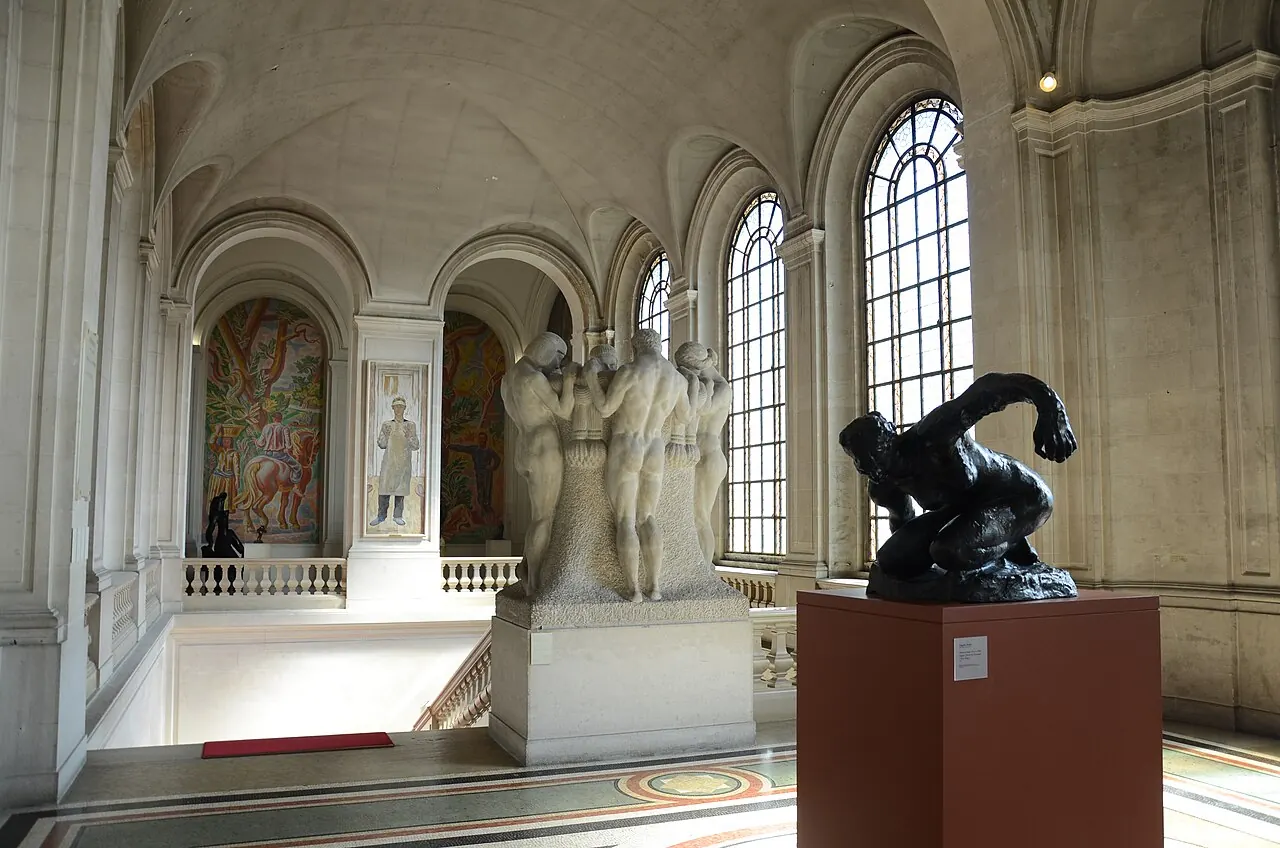
The Museum of Art and History is a useful choice when your interests are broader than one artistic medium. Archaeology, fine art and applied art sit within the same institution, so choose a thread that gives the visit direction instead of trying to see every gallery. A sculpture, household object or painting becomes more memorable when you have time to read its context. The generous building also provides a different scale from the compact Old Town lanes.
Look at the current exhibitions before deciding what to prioritise, and use the museum’s published admission arrangements rather than an old general statement about free entry. Only part of a large collection can be displayed at once, so a particular work is not guaranteed by its presence in the catalogue. This museum pairs naturally with the eastern Old Town and Parc des Bastions, but allow a meal or outdoor interval if you have already spent the morning inside the cathedral or another collection.
Plan it well: Choose a collection theme and check current admission; an object in the museum catalogue may not be on display during your visit.
Geneva Tourism Museum of Art and HistoryHow to spend two days in Geneva
Day one: lake, cathedral and a city-centre collection
Begin with the Jet d’Eau and a waterfront walk, then climb into the Old Town for St Pierre. Continue towards the Reformation Wall and Parc des Bastions. Choose the Art and History Museum or the MEG for a substantial afternoon visit, keeping Bains des Paquis as an alternative lakeside break.
Day two: international Geneva
Build the day around a confirmed Palais des Nations tour if available, allowing for badge registration and security. Choose the Red Cross Museum or Ariana afterwards, with the botanical garden as a pause. Without a UN booking, those museums still make a useful separate outing. These are editorial combinations, not timed walking routes.
Before you go
Reserve the UN visit before filling the day
Individual UN tours have limited availability. Check the official release and booking information, then use the confirmed time to organise the surrounding district.
UN Geneva booking FAQKeep the waterfront weather-dependent
The Jet d’Eau can be stopped by wind or low temperatures. Leave the quays flexible and choose a museum when the conditions make a longer lakeside walk unappealing.
Check museums by actual travel date
Opening days, temporary exhibitions and redesign work differ between institutions. The Red Cross Museum is undergoing phased changes, so a current visitor notice is more useful than an older gallery checklist.
Choose a base for your Geneva days
Cornavin and the right bank can simplify rail arrivals and walks to the Paquis waterfront; the Old Town suits cathedral-focused days but involves slopes and historic streets. For the international district, compare the actual public-transport connection rather than paying only for lake frontage. Check room location and street noise carefully, since the day’s most convenient base need not be beside a landmark.
Explore Geneva hotels