
Zermatt city guide
10 things to do in Zermatt
Matterhorn viewpoints, lift-served mountain days and old village streets, with clear seasonal limits for lakes and walking routes.
Plan your visit
Zermatt combines a car-free village with several mountain departures, each leading to a different part of the landscape. Gornergrat, Sunnegga and Matterhorn Glacier Paradise are not interchangeable tickets or identical journeys from your hotel. Make the most of a clear mountain day, but keep the old village and museum as worthwhile plans in their own right. High lake walks belong to a suitable walking season; winter visitors should use the routes actually designated and open for winter travel. Arriving without a private car in the village changes the luggage routine, not the need to check the final walk to your accommodation.
Ride the railway to Gornergrat
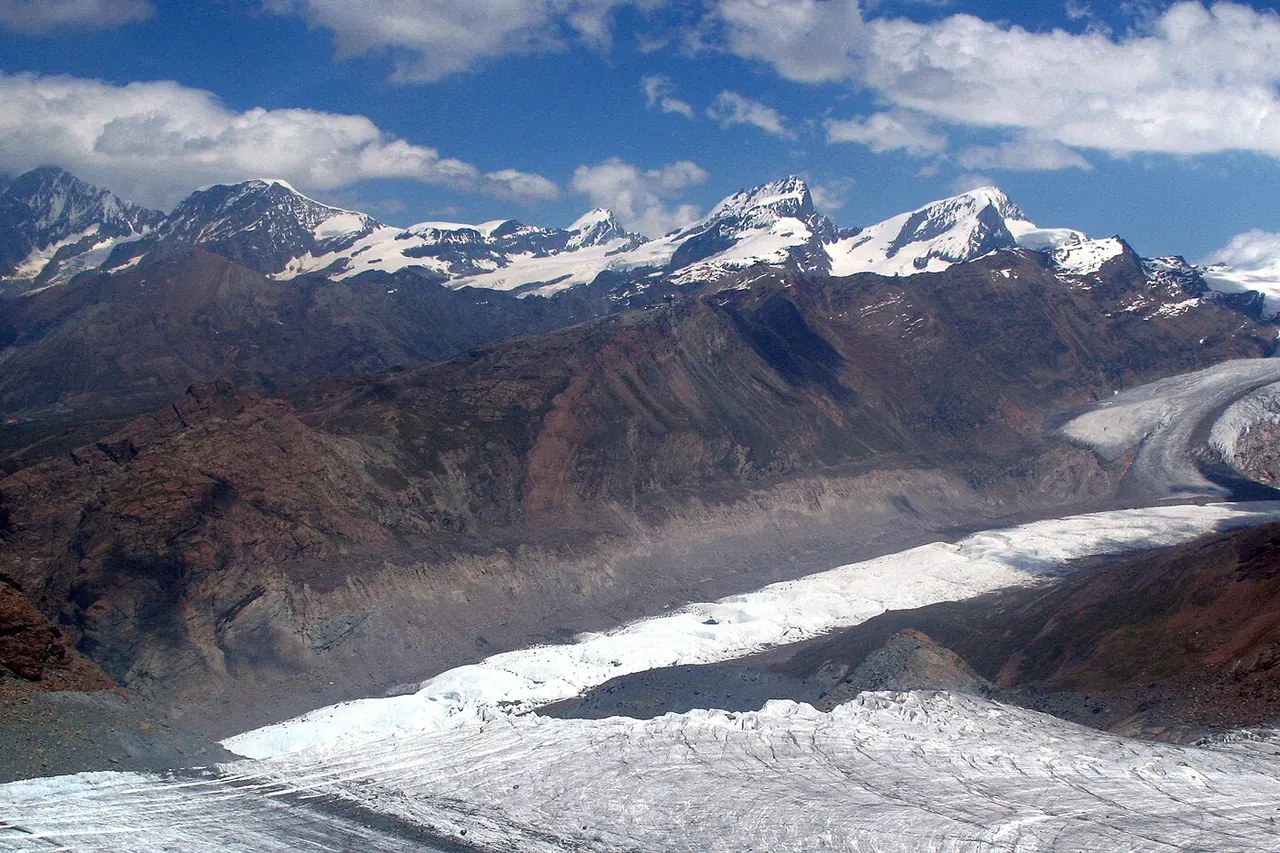
Gornergrat is a mountain railway outing with a broad view across the peaks and glaciers around Zermatt. It suits visitors who want a substantial mountain day without making a summit ascent on foot. Watch the landscape change during the climb, then give the upper visitor area time rather than treating the railway as merely transport to a photograph. The Matterhorn is part of a wider panorama, not the only feature worth identifying.
Check the operator's timetable, weather and ticket conditions for the journey you intend. Plan the descent before adding a walk between stations, and use only a route appropriate to the season and its current status. Warm layers and sun protection remain useful even on a mild village day. The map pin marks Gornergrat, not the departure station in Zermatt. If cloud hides the mountains, choose village heritage or the museum and leave the railway for a more promising day.
Gornergrat railway operatorReach Matterhorn Glacier Paradise
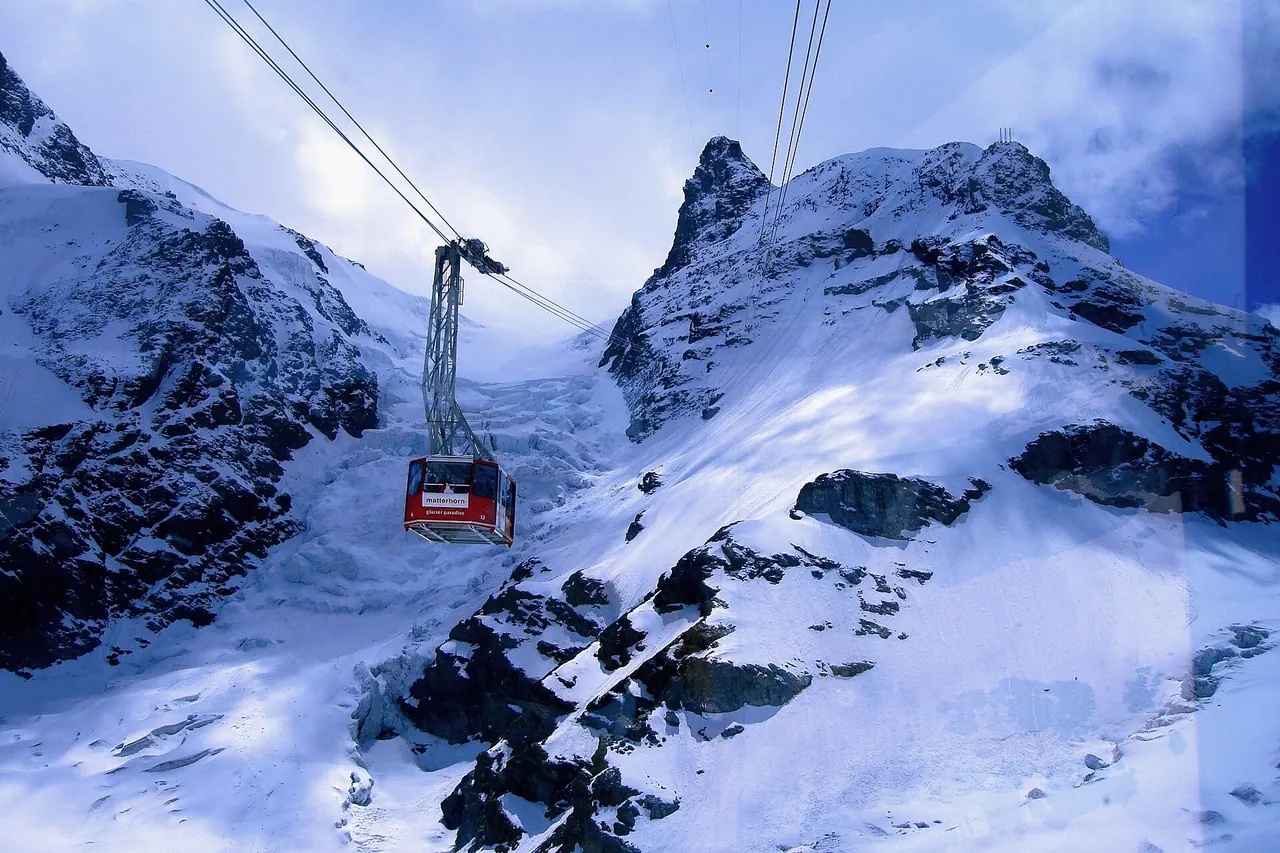
Matterhorn Glacier Paradise is the visitor experience on the Klein Matterhorn, reached through a lift journey that is distinct from the Gornergrat railway. It brings you into a much higher and more exposed setting than the village. Choose it for the mountain panorama and managed visitor facilities, not because you expect a casual stroll at the top. The trip deserves enough room in the day for the connections and time spent adjusting to the altitude.
Read the operator's advice on altitude, children and access, and check the complete lift chain before booking. Suitable clothing matters even when Zermatt is sunny and warm. Do not infer that every onward cross-border connection or ski area is covered by the same ticket. The peak pin is not a lower lift entrance. A lift-assisted sightseeing visit also does not equip you for travel on glaciers outside the managed facilities; those are separate mountain activities requiring appropriate expertise and planning.
Zermatt Bergbahnen: Matterhorn Glacier ParadiseChoose a Sunnegga mountain day
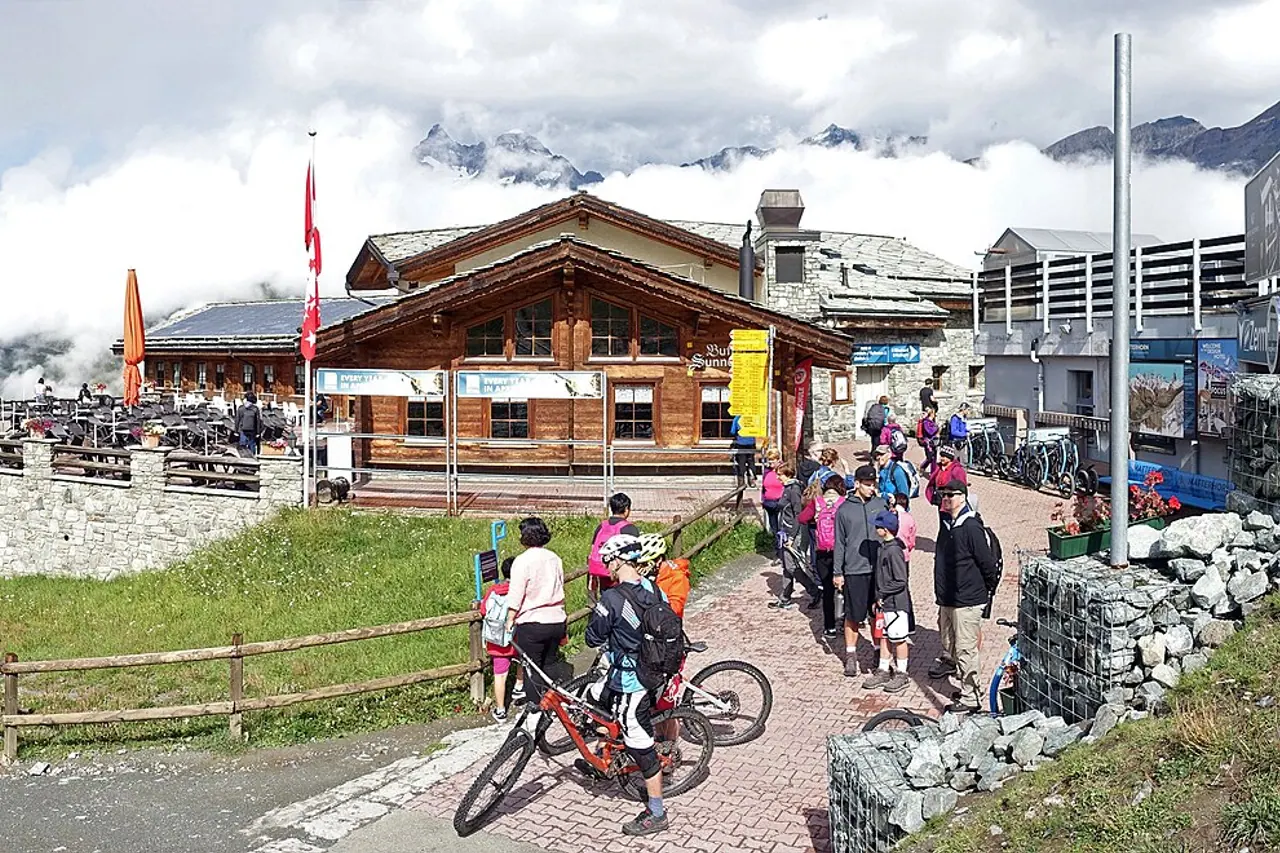
Sunnegga offers another mountain departure and a useful way to vary a Zermatt stay. The funicular approach from the village leads to a lift-served terrace and mountain landscape that can suit a mixed group better than committing everyone to the highest visitor site. Look at the onward connections and available activities before deciding how much of the mountain to include. A simple sightseeing day and a full ski day have different requirements.
Check the funicular timetable, onward lifts and the ticket suitable for your activity. The map identifies Sunnegga itself, not its village entrance. In summer, the nearby lake and marked paths can form part of a walking plan; in winter, consult the designated winter routes and ski information instead. Do not assume that an attractive summer family route remains a clear footpath in snow. Leave time to return to the village for a meal rather than adding every upper connection just because it appears on a map.
Zermatt Bergbahnen: SunneggaLook for a Matterhorn reflection at Riffelsee
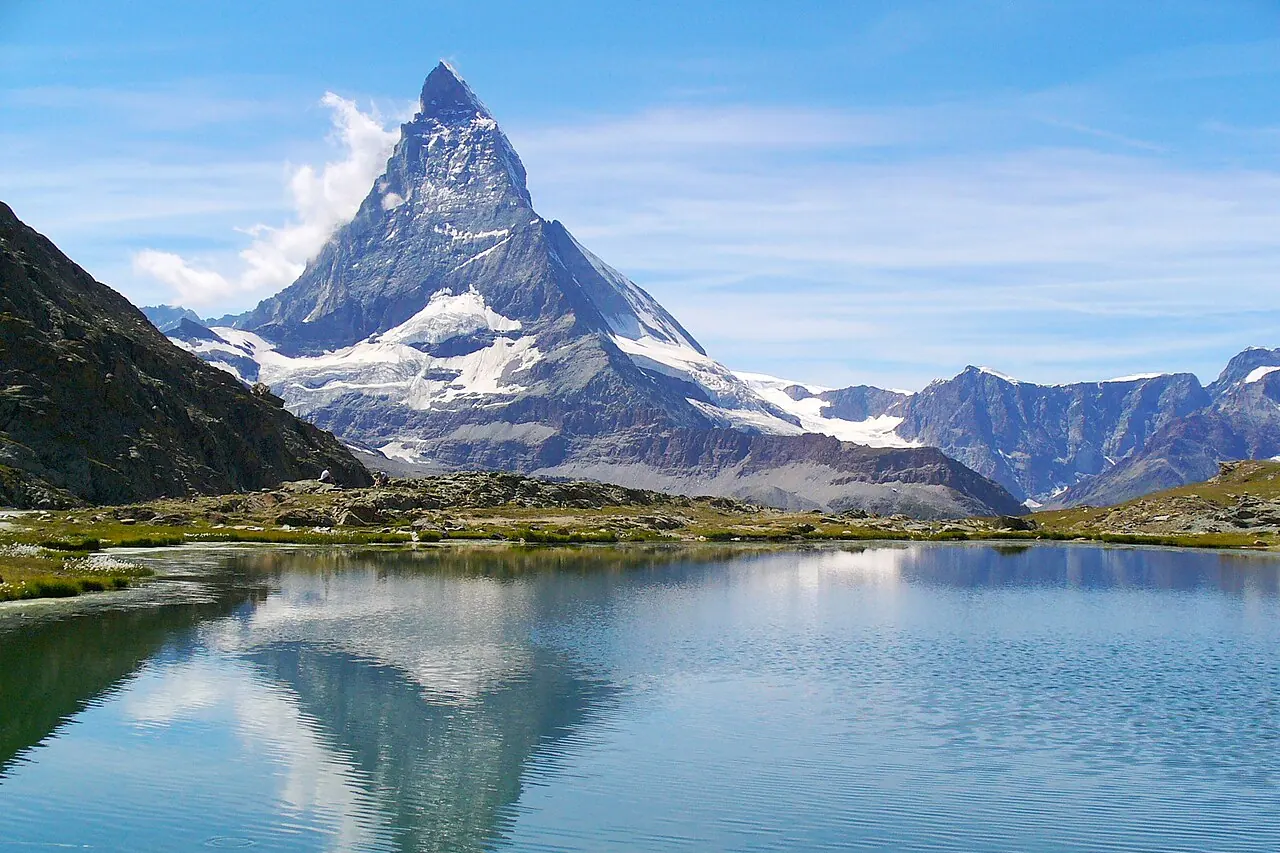
Riffelsee is a high mountain lake associated with the Gornergrat railway and the approach from Rotenboden. In a suitable snow-free walking period, it makes a memorable stop where the Matterhorn may reflect in still water. The appeal is the combination of lake, rock and mountain, not a guaranteed photographic effect. Wind and light change the view, so enjoy the wider setting even when the water does not behave like a mirror.
Check the route and railway timing for the day you travel. The lake pin is not an instruction to drive or to walk across snow-covered ground from the nearest station. Winter walkers should use the operator's currently open prepared route, which is a different proposition from a summer lakeside circuit. Wear appropriate footwear, keep away from unsafe lake edges and allow enough time for the return train. Combine this with a Gornergrat outing only when the walking conditions genuinely support the extra stop.
Gornergrat railway: RiffelseeWalk to Stellisee in the right season
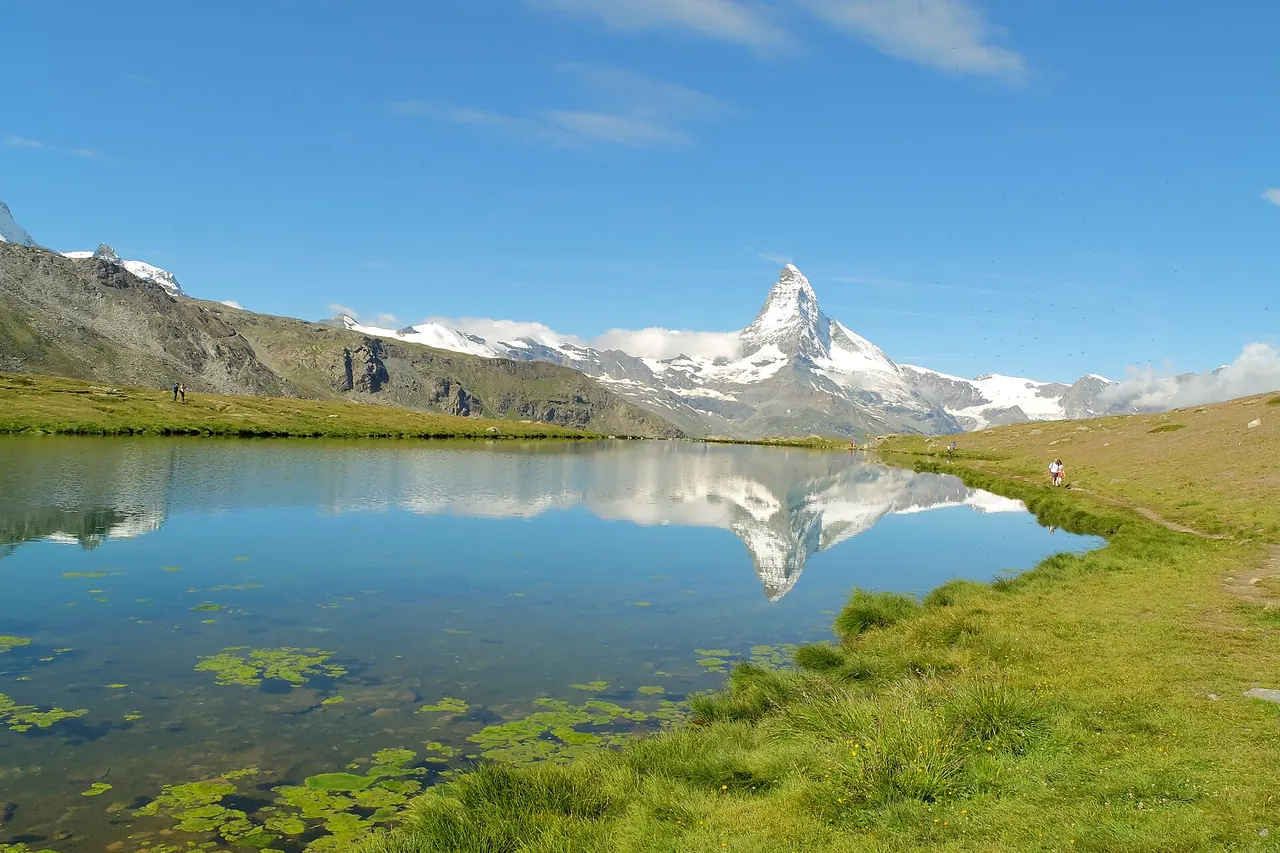
Stellisee is another high lake famous for its Matterhorn setting, reached through the Sunnegga and Blauherd side of the mountain rather than the Gornergrat railway. It rewards visitors who want an actual walking outing instead of a viewpoint immediately beside a village street. Choose the route deliberately and take time at the lake, watching how the surrounding terrain and the mountain view change with the light.
Ask about current path conditions, snow cover and the lift connections required for your chosen itinerary. Do not convert a summer lake walk into a winter recommendation solely because lifts operate nearby. The five-lakes walking idea is not automatically a short outing for every group, so select a route that matches fitness and remaining daylight. Bring suitable footwear and layers, and plan the descent before setting off. A reflection is weather-dependent, and staying on a safe marked route matters more than reaching a particular camera position.
Zermatt tourism: StelliseeExplore the Matterhorn Museum
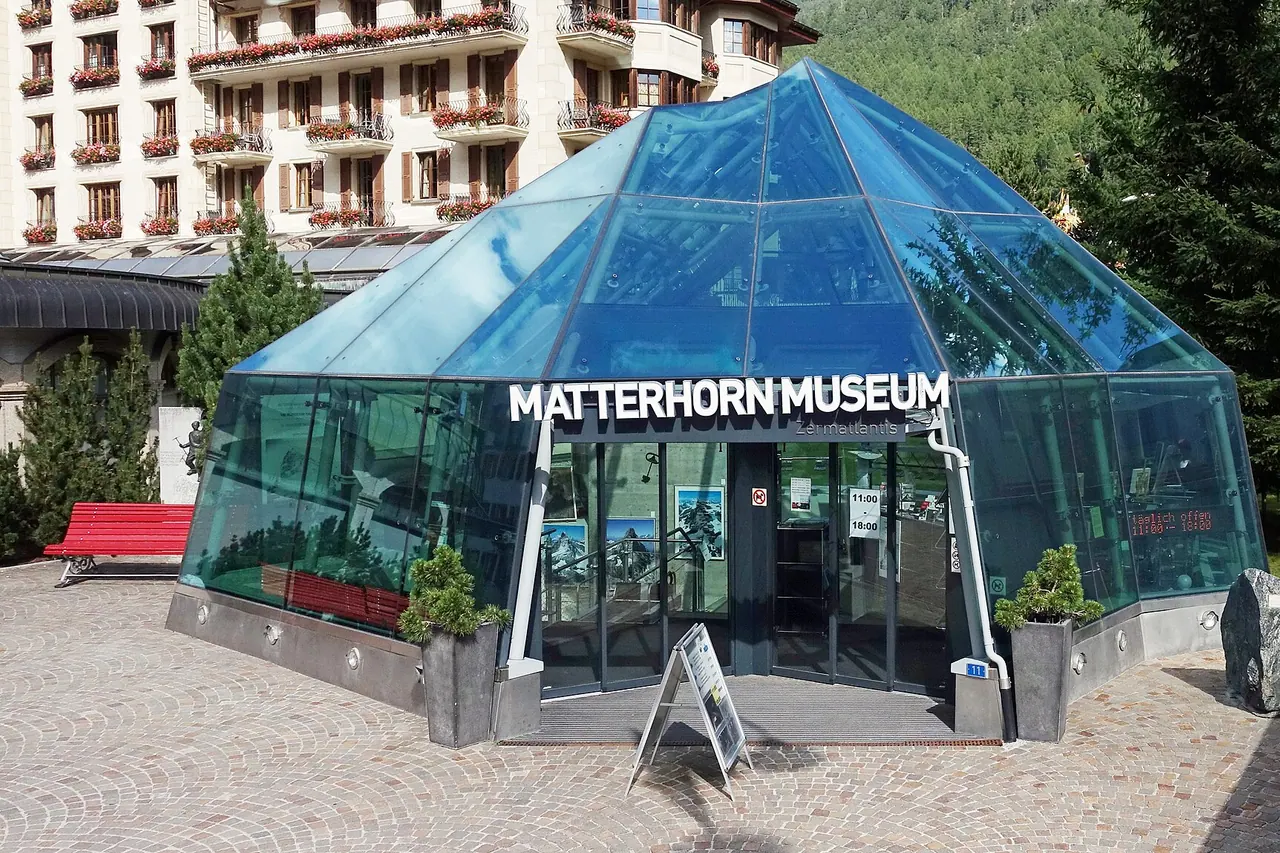
The Matterhorn Museum, also called Zermatlantis, is a valuable counterweight to days spent looking at peaks. Its displays connect village life with the history of mountaineering and the first ascent of the Matterhorn. The underground setting means that the modest surface entrance does not explain the whole visit. Give the exhibits time and read the historical context rather than reducing the museum to the best-known climbing object.
Check the current museum schedule, including seasonal closures, before using it as a guaranteed bad-weather plan. It fits naturally with a walk through the older village and a meal in the center, without needing a mountain ticket. Ask about access arrangements if stairs or enclosed spaces matter to your group. The map marks the museum itself, not the boundary of the historic quarter. A focused museum visit can also help explain the mountain landscape you see on the next clear day.
Zermatt tourism: Matterhorn MuseumVisit the managed Gorner gorge walkway
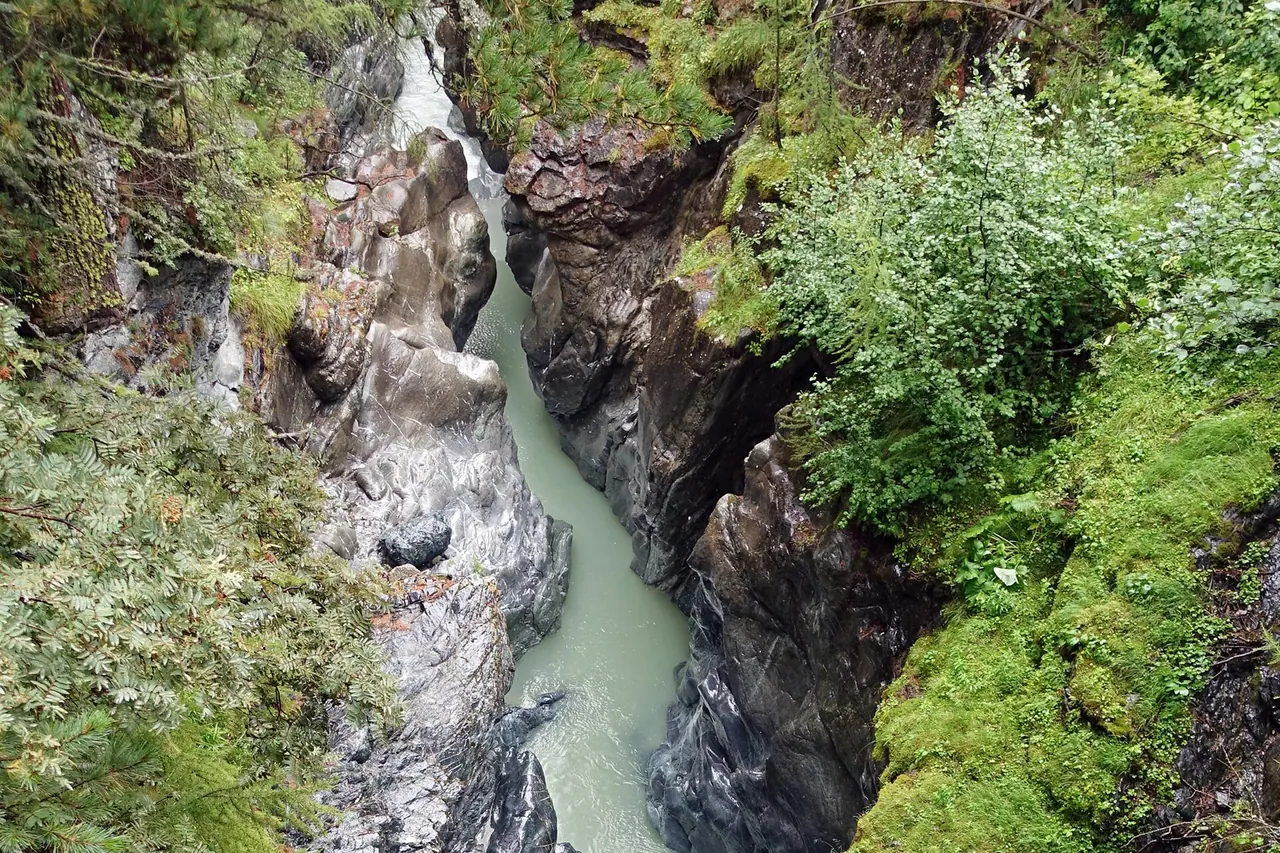
The Gorner gorge gives a close view of water and rock below the high mountain viewpoints. Its managed walkway is a different kind of outing from a railway ascent: the interest lies in the narrow gorge and the way visitors are carried through that landscape. Keep it as a focused excursion with enough time for the approach and the return, rather than an incidental stop squeezed between two major lift journeys.
Check the walkway's actual opening period and current access before leaving the village. Wooden paths, steps and exposed sections make suitable footwear important and may limit access for some visitors. Do not confuse the visitor walkway with guided gorge adventure or fixed-rope activities, which have separate equipment and booking requirements. The gorge pin marks the natural feature, not an invitation to enter unmarked terrain. If the managed route is closed, choose another village or mountain activity rather than looking for a way around the closure.
Zermatt tourism: Gorner gorgeSee Schwarzsee beneath the Matterhorn
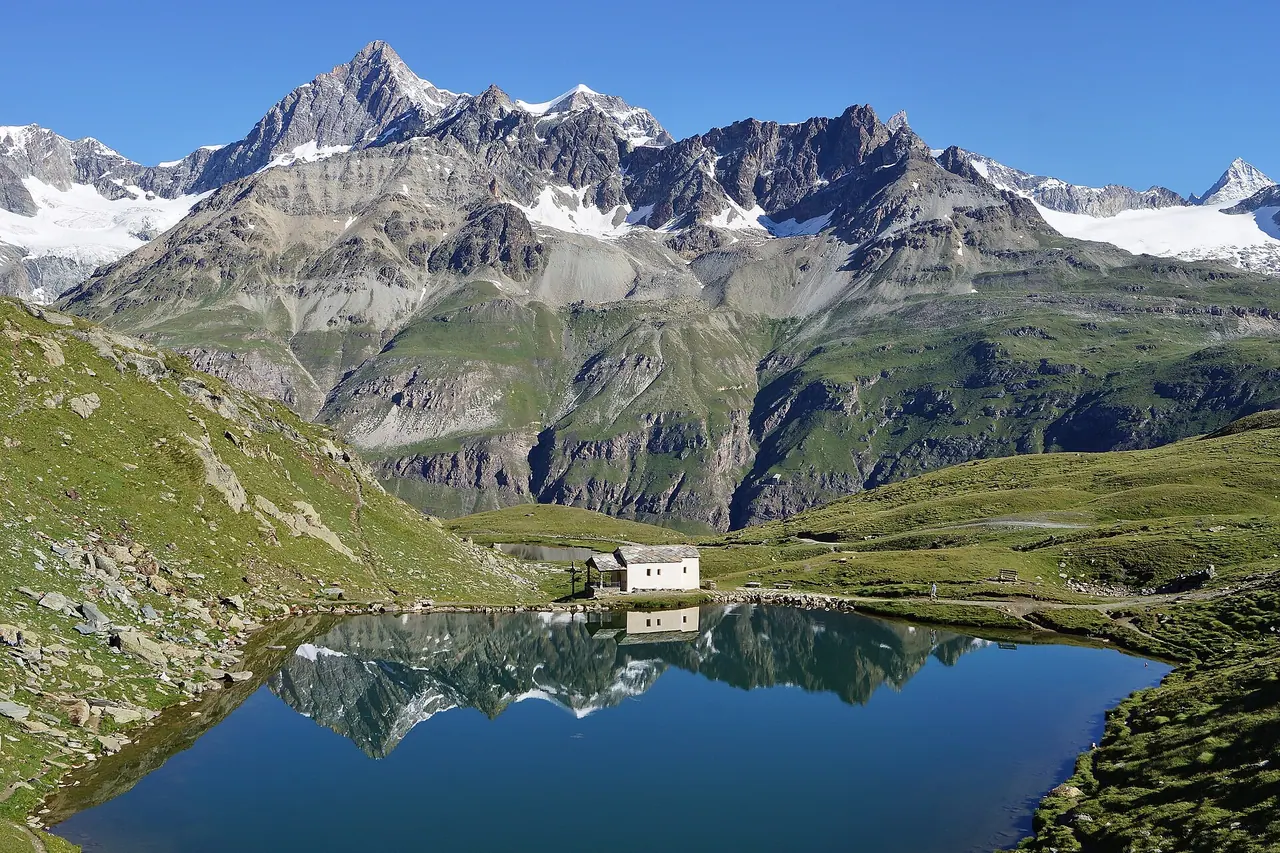
Schwarzsee is a small high lake in a landscape closely associated with the Matterhorn and its Hornli ridge. In an appropriate walking season, the lake and chapel make a quieter focus than trying to reach a distant mountain hut. Take time to look at the surrounding slopes and the view down toward Zermatt. The lake is the objective of this outing; the presence of climbing terrain nearby does not make that terrain part of an ordinary visitor circuit.
Check the relevant lift connection and the condition of the short visitor approach. In winter, follow current designated access information rather than expecting an open lakeside path or visible water. Routes toward the Hornli hut have their own difficulty and exposure and should not be added casually to a lake visit. The map marks Schwarzsee, not a driving destination. Choose warm layers and suitable footwear, and leave enough room in the day for the descent instead of assuming a lake stop requires no planning.
Zermatt tourism: SchwarzseeWalk the old village streets
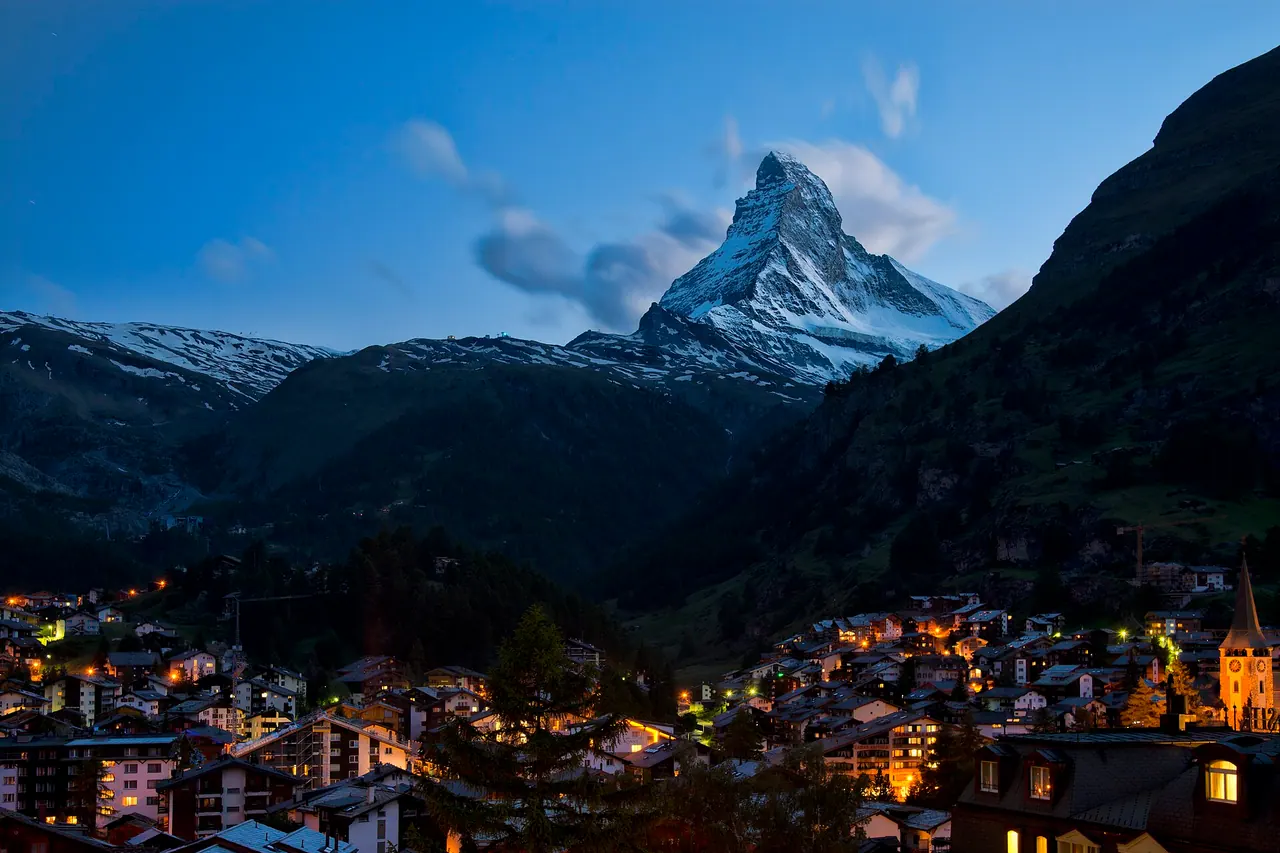
The older village gives Zermatt a scale that its famous mountain photographs cannot show. Timber buildings, narrow lanes and the relationship between houses and the surrounding slopes are worth exploring without an ambitious schedule. A village walk is particularly useful on arrival, when you can understand the route between the station, your accommodation and the different mountain departures. It also gives non-skiers a shared afternoon with people returning from the slopes.
Zermatt is car-free for ordinary private-car arrivals, but it is not free of all vehicles. Watch for authorized local traffic and keep luggage and children clear of narrow routes. Respect residential entrances and do not step onto private land for a photograph. In winter, good grip matters on village surfaces as well as on mountain paths. Pair the older streets with the museum or a relaxed meal, and avoid describing the town-center pin as the precise entrance to a hotel.
Zermatt tourism: arrival in the car-free villageVisit Findeln on a checked mountain route
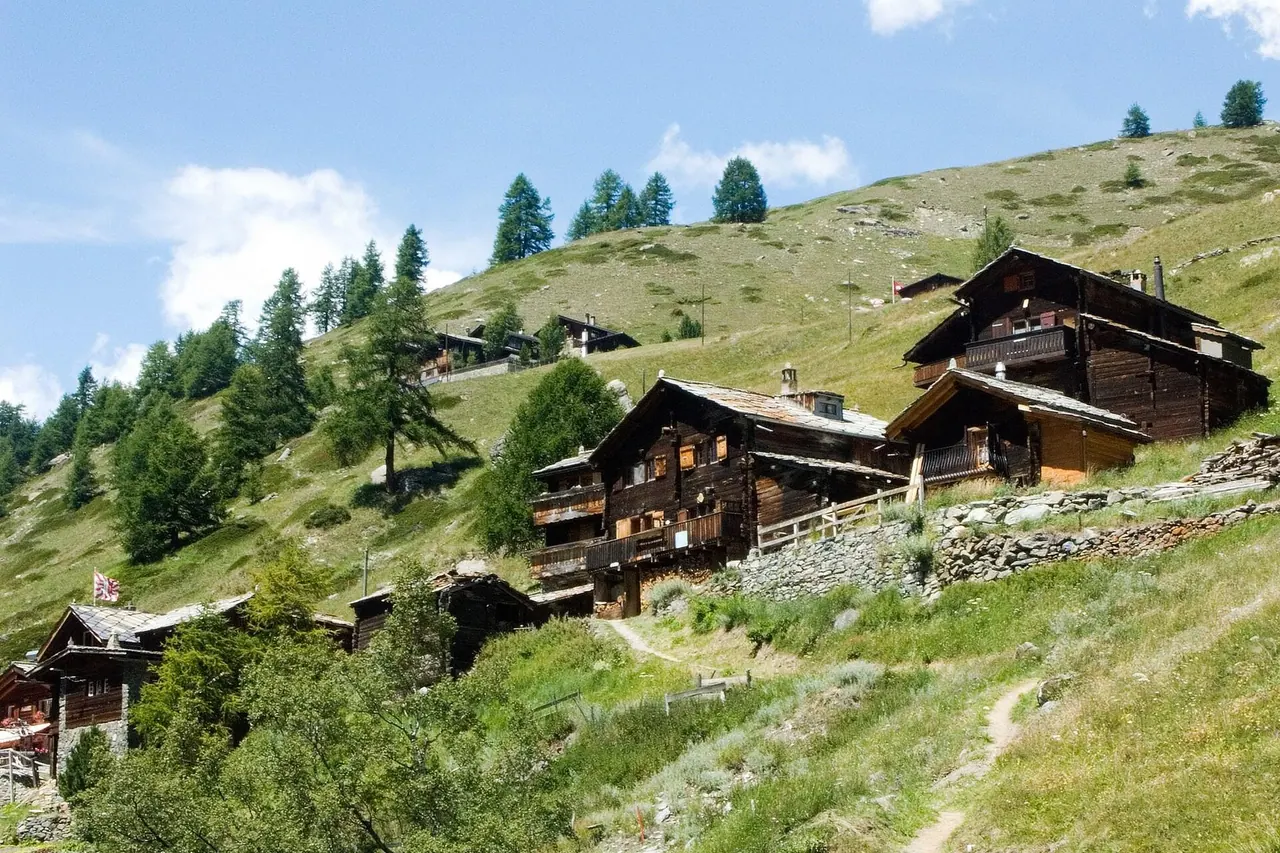
Findeln is a traditional mountain hamlet above Zermatt, not a neighborhood reached by an ordinary flat town walk. The cluster of buildings gives a human scale to the surrounding alpine scenery, and it can be a rewarding part of a properly planned walking day. The official Findlerweg links this landscape with Sunnegga, Leisee and the descent toward Winkelmatten. Use that route information to understand the outing rather than assuming the hamlet is beside the village.
Check the path's current condition, seasonal designation and descent options before setting off. Snow, ice and the operating plan for the mountain connections can change what is practical. Restaurant opening should be checked directly if lunch is essential; a photograph of a terrace is not a reservation or an operating guarantee. Stay on marked routes and respect the hamlet's buildings. This belongs in a mountain walking plan, while visitors seeking an easy arrival afternoon are better served by the old village and museum.
Zermatt tourism: FindlerwegA flexible first-visit plan
Arrival
Use the final rail connection to Zermatt, check the luggage route to your accommodation and walk the older village without adding a mountain commitment.
Clear mountain day
Choose Gornergrat or Matterhorn Glacier Paradise, checking the full operating plan. Riffelsee is an optional suitable-season walk, not an automatic winter stop.
Flexible second day
Choose Sunnegga and a checked walking route, or use the Matterhorn Museum and village. Visit the gorge only when its managed walkway is open.
Before you go
Private cars stop before Zermatt
If driving, organize parking and the onward journey from Tasch. Confirm any hotel luggage collection rather than assuming station pickup.
Choose the correct departure
Gornergrat, Sunnegga and Matterhorn Express have different village entrances. Hotel proximity to one does not establish equal proximity to all.
Altitude and season matter
Read the operator's altitude advice. Use currently designated winter paths rather than summer lake or hut routes when snow is present.
Choose a base for your actual mountain days
In Zermatt, the useful accommodation question is which departure and evening routine you want to repeat. The station quarter favors arrival and Gornergrat; the older center balances dining and village walks; Winkelmatten puts the southern village into the comparison. Tasch and Randa are separate rail-linked villages, not cheaper quarters of Zermatt. Include luggage handling, the final walk and the return train in the decision before comparing rooms.
Explore Zermatt hotels