
Zermatt city guide
Zermatt ski season 2026/27: slopes, sectors and snow-smart planning
Plan a Zermatt ski trip around the right sector, live lift status, piste level, lessons, equipment, cross-border skiing and a practical mountain base.
Plan your visit
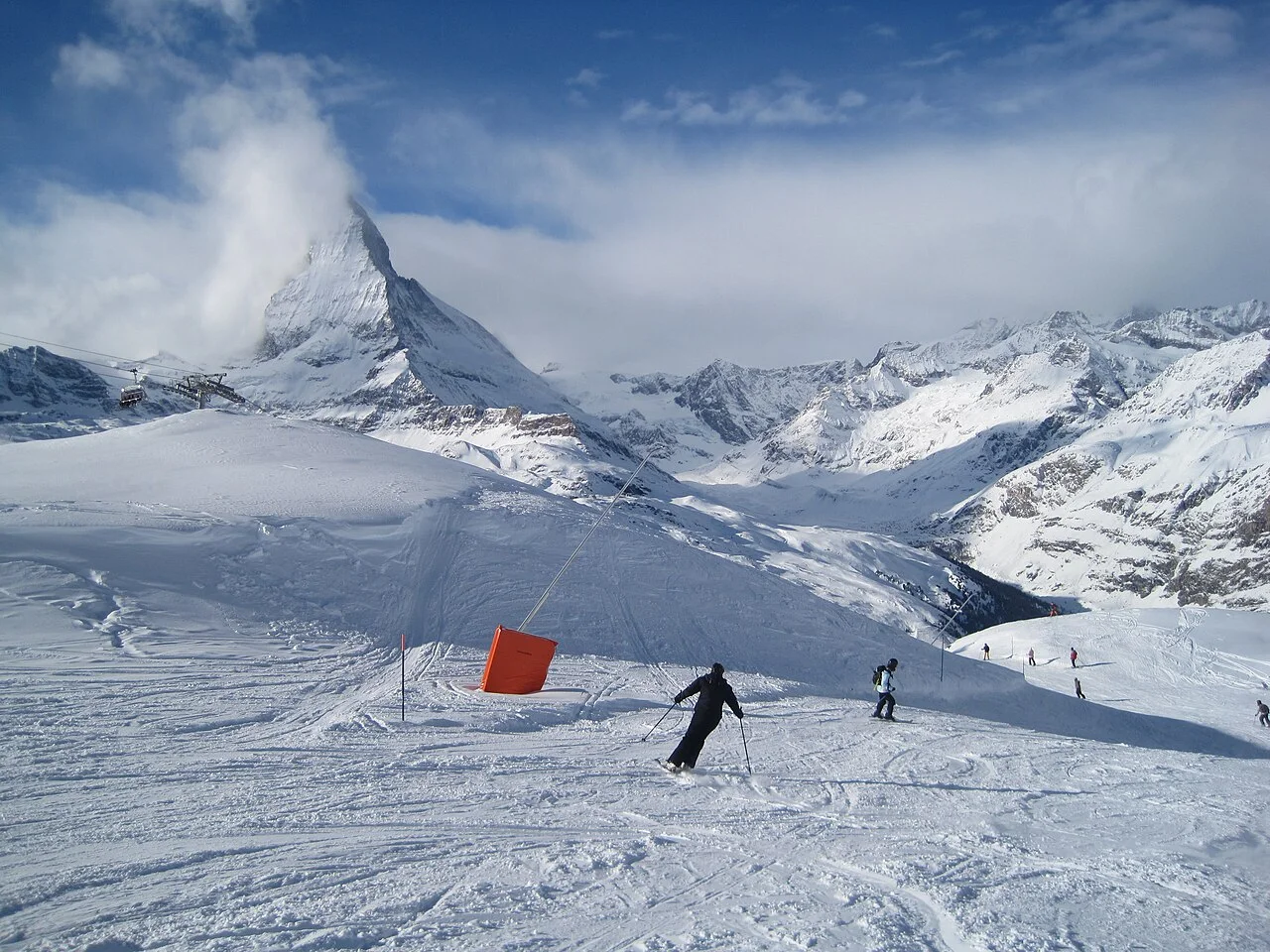
Zermatt is not one single mountain but a high-altitude network of Sunnegga-Rothorn, Gornergrat and Schwarzsee-Matterhorn Glacier Paradise, with an optional international link to Cervinia and Valtournenche. A useful ski plan starts with ability, weather and the last cross-border connection, then chooses the lift and accommodation base that support that day. This guide is deliberately about skiing: pistes, snow, lessons, equipment, mountain transport and safe decisions on the slopes.
Choose the right Zermatt ski sector
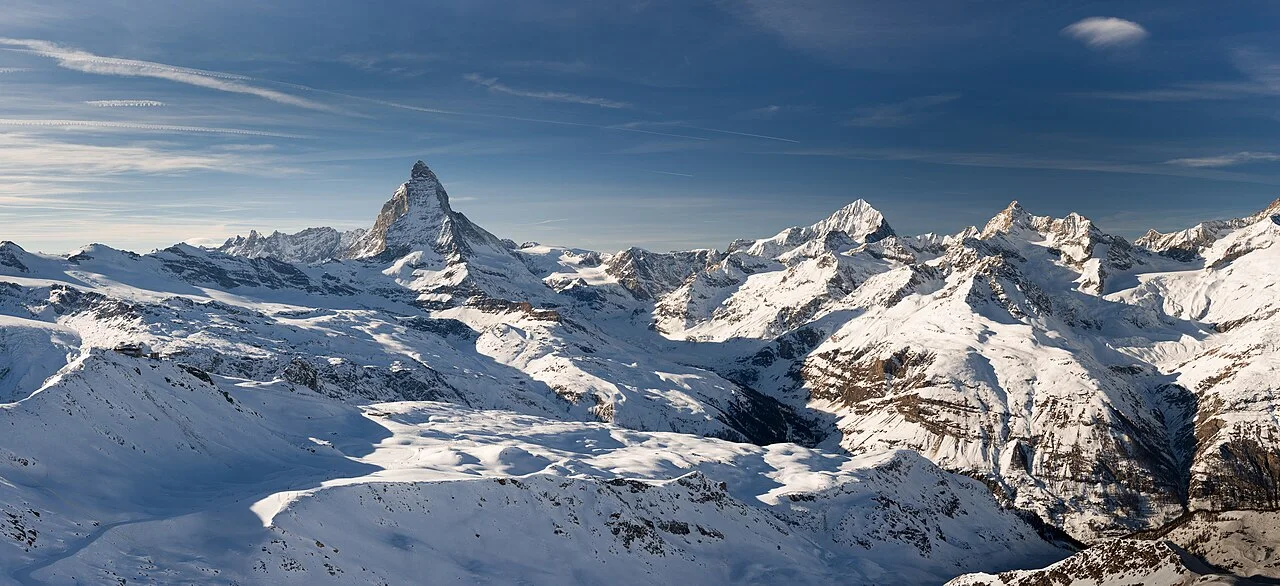
Treat Zermatt as three linked but distinct ski sectors. Sunnegga-Rothorn gives fast access to open, sunny terrain and classic Matterhorn-facing pistes; Gornergrat combines rail access with long scenic descents; Schwarzsee-Matterhorn Glacier Paradise reaches the highest terrain and the international connection. The official domain lists up to 200 kilometres on the Zermatt side and up to 360 kilometres when Cervinia and Valtournenche are included.
Choose by level and weather, not by the highest viewpoint. Wind can affect glacier lifts while lower sectors continue operating, and a late cross-domain transfer can leave little skiing time. Beginners should identify the exact practice terrain and lift product before travelling upward; stronger skiers can use the official piste map to build a route around open links rather than advertised totals.
Plan it well: Choose one main sector for the morning; crossing the entire domain before lunch can turn a ski day into a lift itinerary.
Official Matterhorn Ski Paradise skiing overviewRead the live lift, piste and snow status twice
Use the operator’s live page, not a generic resort forecast. It shows which lifts and pistes are operating and separates travel on foot from travel on skis. The same page lists the current last connection toward Cervinia, which matters even when the cross-border ticket is valid all day.
Pair that with the official snow report and avalanche bulletin. Snow depth in the village says little about glacier or upper-mountain skiing, while a low avalanche level does not make closed or unmarked terrain safe. If wind shuts the highest links, rebuild the day around open lower sectors instead of waiting at a base station.
Plan it well: Check once the evening before and again before breakfast; high-altitude wind can change the usable ski plan quickly.
Official live lifts and pistesMatch the piste to the skier, not the panorama
Beginners should start with the terrain covered by the dedicated beginner product around Sunnegga, Blauherd, Eisfluh, Findel and Leisee, then progress only when stopping and speed control are reliable. Confirm that the practice lifts and planned lesson meeting point are open; buying the largest pass does not create a better first ski day.
Confident skiers can use numbered pistes to plan scenic progression. The operator highlights Rothorn-Sunnegga on pistes 11 and 7, Tufternkumme on piste 15 and the Hirli area on pistes 52 and 54 for Matterhorn views. Treat those numbers as navigation aids, not promises of difficulty or opening: read the current map and signs before committing.
Plan it well: For mixed groups, agree on one lift and one piste-number meeting point; mountain restaurant names alone are easy to confuse.
Official ski passes and beginner-area detailsPlan the Cervinia crossing as a timed ski day
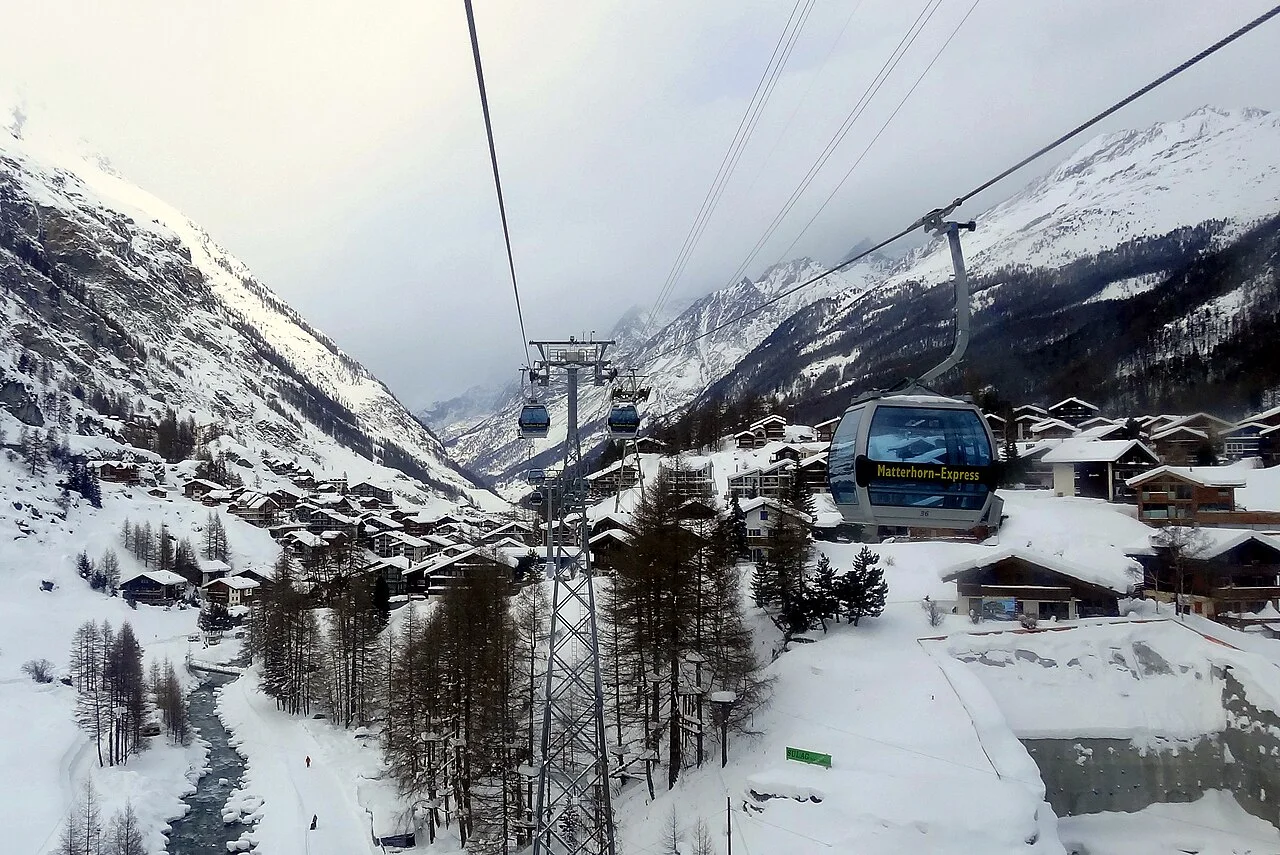
The International pass adds Cervinia and Valtournenche to the Zermatt domain, but the crossing is a mountain journey rather than a casual extra run. Start early, check that every required link is open and note the live last connection in both directions. Keep passports or required identity documents available and understand which rescue and transport rules apply across the border.
Choose the crossing only when every skier can maintain the pace on the planned pistes. A slower learner, lunch delay or wind hold can remove the buffer needed to return. If the link closes, an overland return can be long and expensive, so agree on a conservative turnaround point before leaving the Swiss side.
Plan it well: Turn back earlier than the published final connection when wind or visibility is unstable; a valid pass does not guarantee an open link.
Official Zermatt and International ski-pass informationBook lessons and equipment around the first lift
Select the school by lesson level, language and mountain meeting point rather than brand familiarity alone. Zermatt Tourism lists multiple official schools offering group and private lessons for children and adults. Confirm minimum age, group size, whether the lesson includes a lift ticket and which nursery or sector the class will actually use.
Reserve rental equipment near the valley station used on most mornings or choose a shop with overnight storage. Book the evening collection if offered, then test boot fit before the first lesson. Ask whether helmets, poles and damage cover are included and whether skis can be exchanged when conditions or ability change.
Plan it well: Match the school, rental shop and first lift on one map before booking; carrying boots across the village costs time and energy.
Official Zermatt ski-school directoryBuild one calm family ski day
For families, the best first objective is a calm learning area rather than a famous summit. Match the child’s age and level to the ski school, confirm where the lesson meets and keep lunch and toilet stops close to the same sector. Wolli’s beginner terrain and the Sunnegga side can support a gradual first-day plan when the relevant lifts are open.
Keep the day sector-based so a tired child can finish without an exposed cross-mountain return. Agree a single meeting point, carry an emergency contact card and use gondolas or mountain railways down when the final piste is beyond the group’s confidence. A family pass should fit the actual learning plan, not simply the largest advertised area.
Plan it well: A shorter, successful ski day is better than forcing children across sectors to complete an adult itinerary.
Official Zermatt ski-school and beginner informationChoose a car-free base around the lift you will use
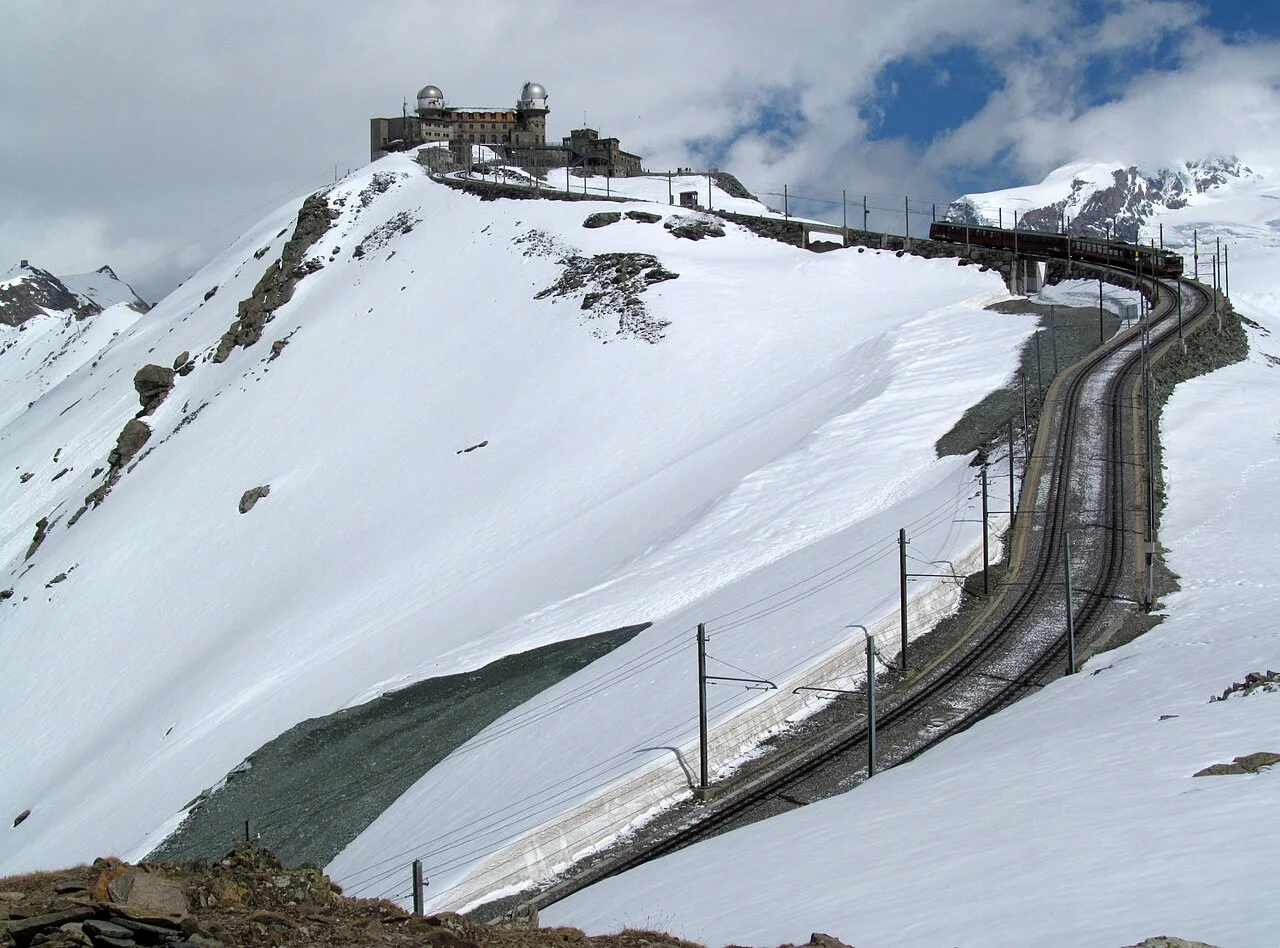
Zermatt is car-free: private vehicles stop in Täsch, where travellers continue by rail or authorised taxi. Inside the village, walking, electric taxis and local e-buses connect accommodation with the Sunnegga, Gornergrat and Matterhorn Express approaches. A hotel that looks central may still require an uphill walk while carrying skis.
Stay near Sunnegga for fast eastern-sector starts, near the station for Gornergrat rail access, or around Schluhmatt and Winkelmatten for Matterhorn Express. Täsch can lower lodging costs but adds a train transfer to every ski day. Families should verify the bus stop, ski storage and lesson meeting point before booking.
Plan it well: Compare the real walk in ski boots, bus stop and equipment storage before choosing a hotel by village-centre distance.
Official Zermatt arrival and local transport guideKeep freeride, touring and glacier terrain inside the rules
Marked pistes, yellow ski routes and uncontrolled off-piste terrain are not the same product. A route may be secured against avalanche but remain ungroomed, while terrain beyond the marked area can contain avalanche exposure, rocks and glacier crevasses. Closed pistes, ropes and patrol instructions must be treated as final.
Anyone entering freeride, touring or glacier terrain should use a qualified local guide when unfamiliar with the route and carry transceiver, shovel and probe with the training to use them. Read the current avalanche bulletin, weather and snow report before departure; a low danger level never makes every aspect or glacier line safe.
Plan it well: Tracks beyond a rope are not proof of safety; closures and patrol instructions remain final even when the snow looks inviting.
Official Matterhorn Ski Paradise snow and avalanche report