
Copenhagen city guide
10 things to do in Copenhagen
Find your Copenhagen balance between harbour walks, royal rooms, art and market lunches, with a seasonal Tivoli visit and enough space to slow down.
Plan your visit
Copenhagen is compact enough for a weekend but varied enough to punish an overfull checklist. Choose a palace or museum as each day's anchor, leave harbour walks flexible, and give meals a proper place in the schedule. The ten options below mix royal history, art, green space and food; Tivoli is a separate seasonal decision, not a guaranteed evening finale on every date.
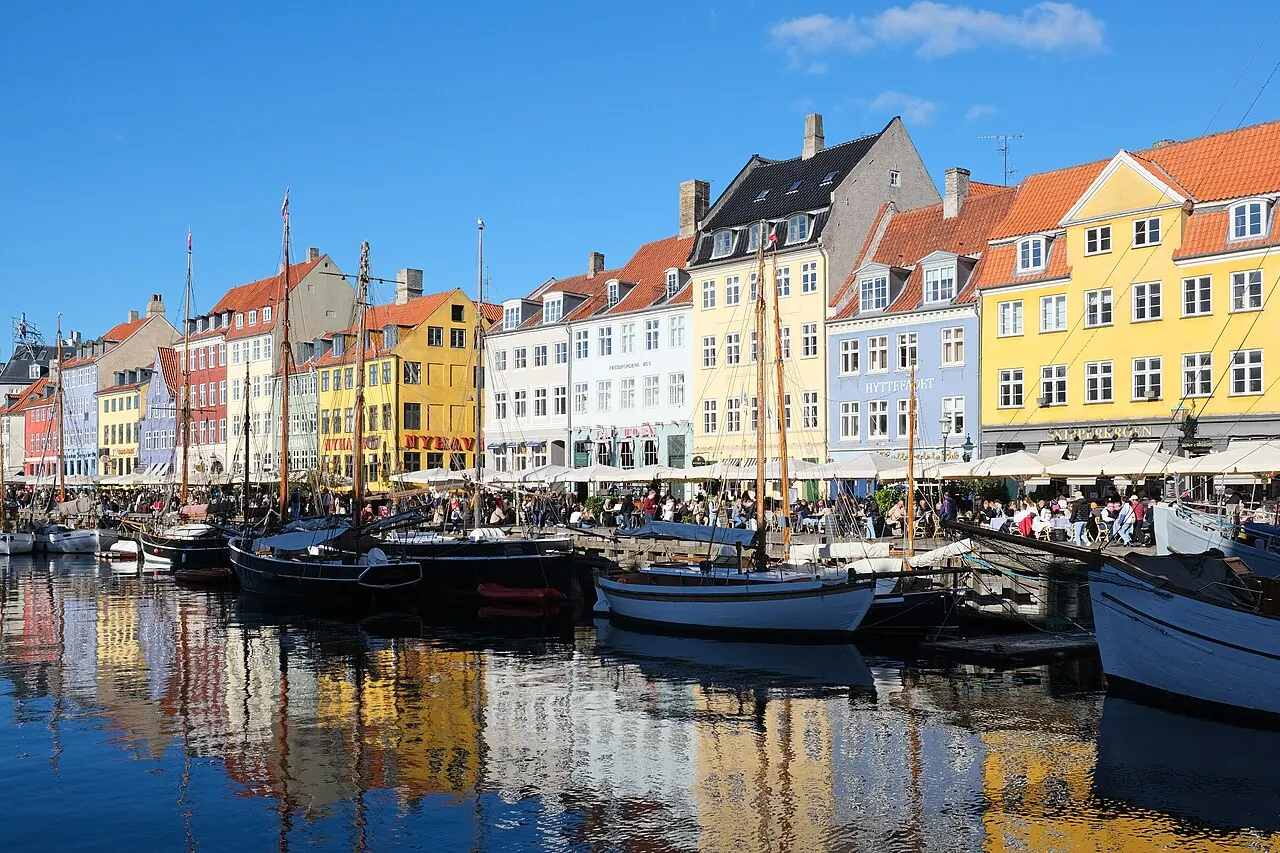
Start with the harbour at Nyhavn
Nyhavn is a useful introduction to Copenhagen because you can enjoy it without immediately buying a ticket. Walk both sides of the canal, compare the coloured facades and look at the moored boats before choosing somewhere to stop. The famous restaurant-side view is only one perspective. Continue towards the harbour mouth if you would rather watch the water than join the densest group around the first bridge.
The official tourism page identifies canal-tour departures here, but a walk and a boat trip are separate activities. If you want a cruise, check its actual departure point, duration and accessibility before arranging lunch around it. A waterfront table is a choice, not a requirement for seeing Nyhavn; you can eat elsewhere and return for another look. Keep pedestrian space clear when taking photographs, especially beside boarding areas and narrow sections of the quay.
Plan it well: Use Kongens Nytorv as a transport anchor, then keep the waterfront part of the outing unhurried.
VisitCopenhagen: NyhavnChoose your kind of Tivoli visit
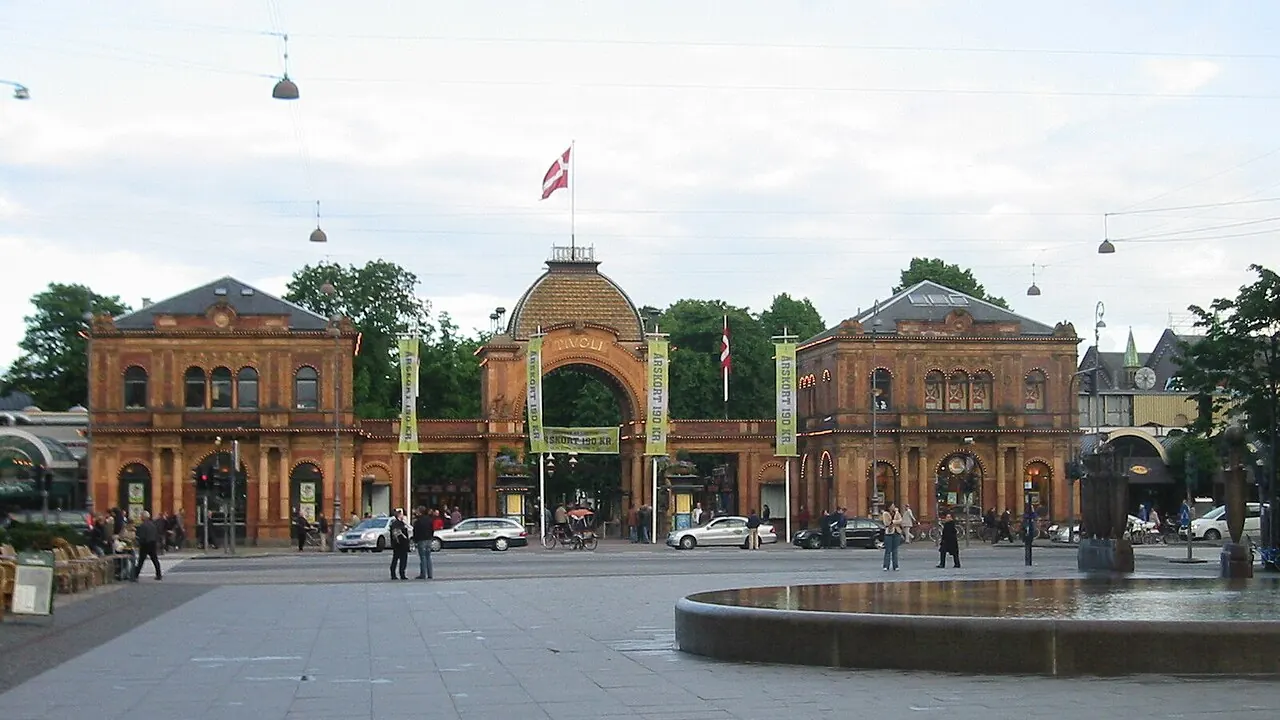
Tivoli can be a ride-focused outing, a garden-and-pavilion wander or an evening built around a particular programme. Decide what you want from it before choosing admission. Someone who mainly wants to see the setting has different needs from a family expecting repeated rides. Give the visit its own stretch of time rather than treating an amusement park as a quick architectural stop squeezed between museums.
The park publishes opening seasons, with gaps between them, so checking your actual date comes before deciding what to book. Entrance and ride products are not interchangeable; read the package description and any restrictions that matter to your group. An advertised performance may also have its own arrangements. If Tivoli is closed during your stay, use the evening for dinner or a harbour walk instead of trying to preserve an itinerary written for another season.
Plan it well: Confirm the date is an opening day before comparing entrance-only and ride-inclusive products.
Tivoli official opening seasonsMake Rosenborg a focused royal visit
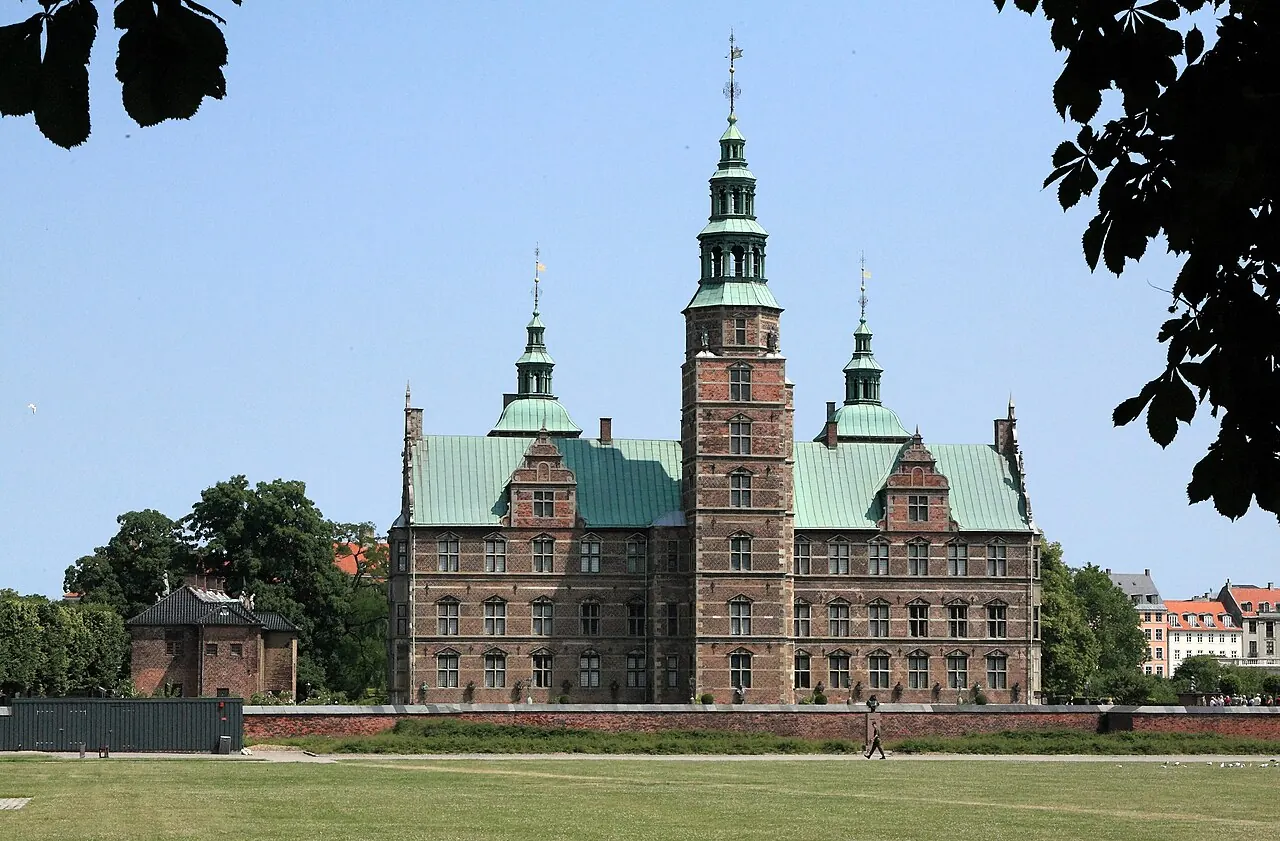
Rosenborg suits a visitor who wants concentrated royal history in a castle setting rather than a long sequence of grand city buildings. The rooms and treasures give the visit a clear indoor focus, while the King's Garden offers an outdoor contrast before or afterwards. Take your time with a few details instead of moving through every room as though the next object must be more important.
The Royal Danish Collection sells admission with time slots because the castle's capacity is limited. Reserve the arrival that actually fits your day, and leave the surrounding garden walk flexible rather than using it to bridge an unrealistically tight connection. Historic interiors also mean access needs careful checking: the official planning page specifically addresses stairs and mobility. A combined palace product is worthwhile only if the other included visits genuinely interest you and fit its conditions.
Plan it well: Check the castle's accessibility information before buying; a garden visit and an interior castle visit have different physical demands.
Royal Danish Collection: Rosenborg planningPick the part of Christiansborg that interests you
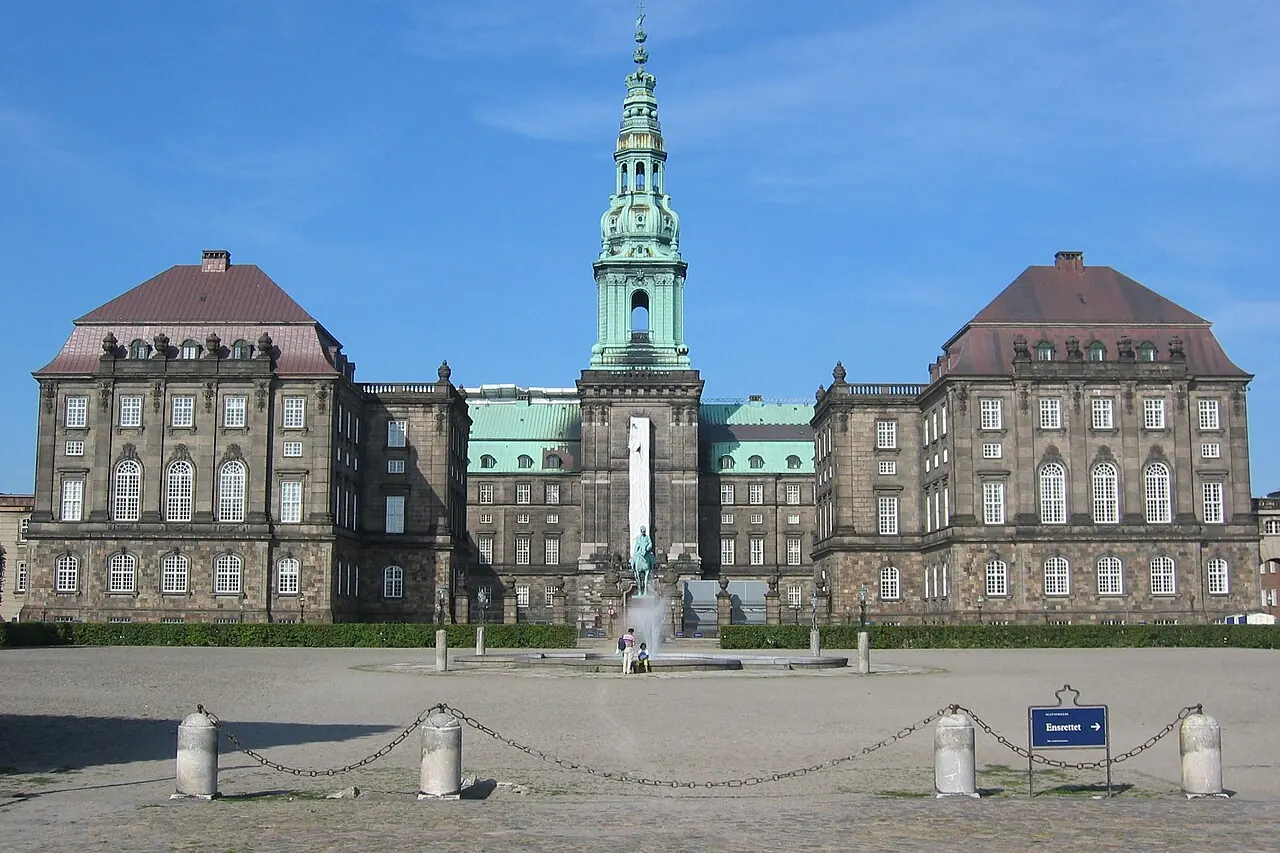
Christiansborg makes sense as a collection of different experiences, not one undifferentiated palace ticket. The official visitor information separates royal reception rooms, ruins and other areas, each offering a different way to understand the site. Choose the historic layer or interior that interests you most. The surrounding Slotsholmen setting is worth walking through even if you decide not to add another major indoor visit.
This is also a working centre of state activity, so public access should not be assumed to remain identical every day. Check the current opening information for the particular areas you intend to enter, and confirm what your ticket covers. Leave enough time for an actual look at the interpretation instead of booking a palace solely to fill a gap before lunch. It pairs geographically with the National Museum, but visiting both thoroughly makes a demanding museum day.
Plan it well: Match the booking to named visitor areas; seeing the courtyard does not tell you which interiors are available that day.
Royal Danish Collection: Christiansborg openingsLook beyond the central square at Amalienborg
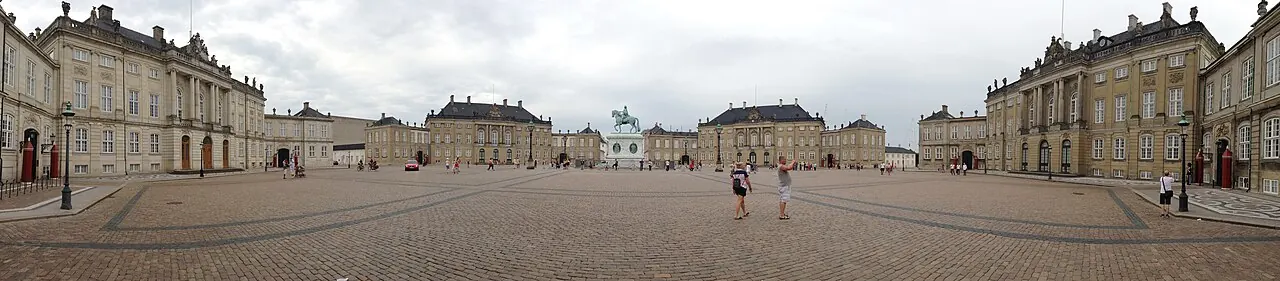
Amalienborg's broad square is an architectural experience in its own right. Stand where you can take in the relationship between the palace buildings, then continue towards the waterfront rather than treating a single photograph as the whole visit. It fits naturally into an eastern-city walk from Nyhavn. If royal domestic history is your main interest, the museum is a more purposeful next step than simply waiting in the square.
The palace setting and the museum are different things: public access to a square does not mean access to every royal building. Consult the Royal Danish Collection's museum planning page for admission and accessibility. If a guard ceremony is important to you, verify the arrangements for your date and allow room for other spectators without blocking working routes. Do not build a tightly connected schedule around a ceremony you have only seen described in an old guide.
Plan it well: Choose the museum for interpretation and the square for architecture; you do not need to buy an interior visit simply because you are nearby.
Royal Danish Collection: Amalienborg MuseumEnjoy the ascent through the Round Tower
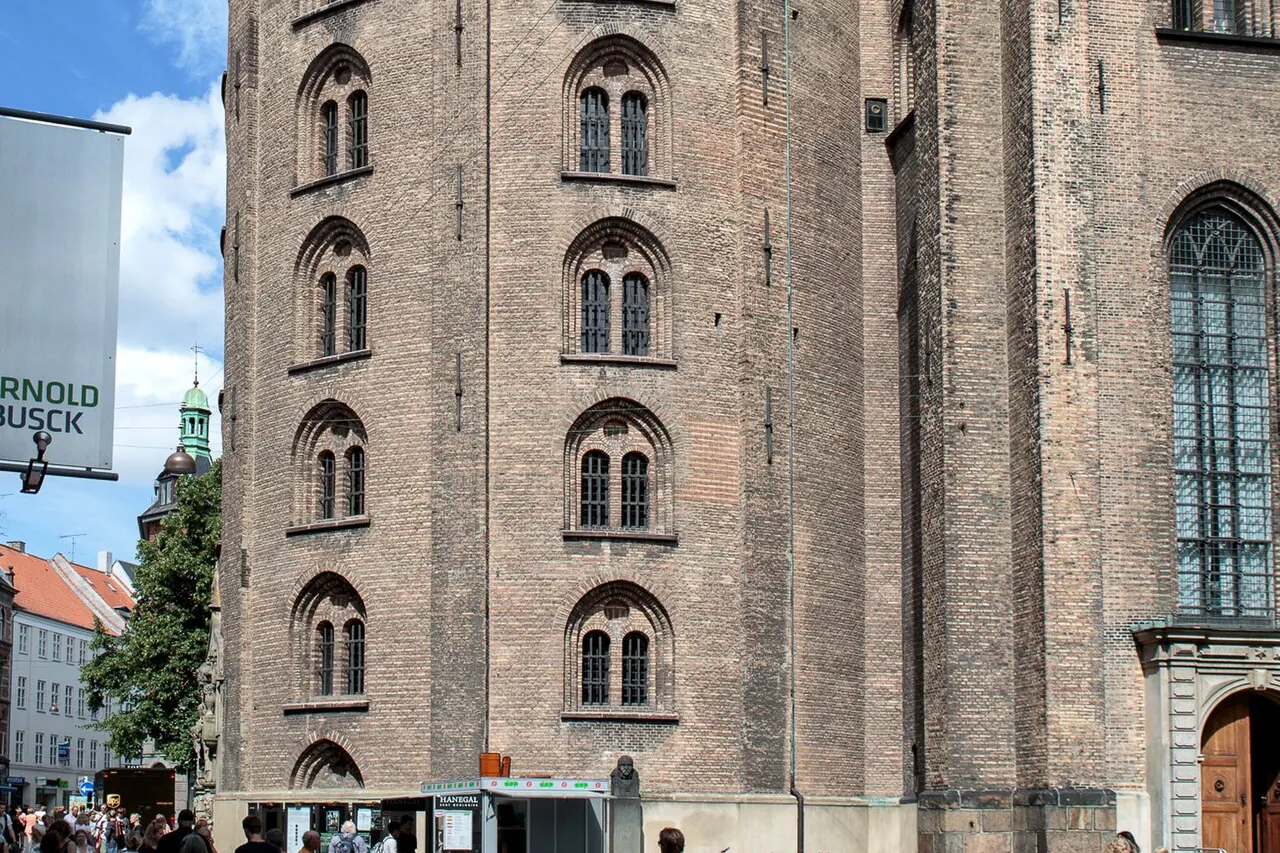
The Round Tower is unusual because the ascent itself is part of the attraction. Its spiral ramp changes the way you experience the building: the curve, windows and gradual climb deserve attention before you reach a viewpoint. Choose it for that architectural experience as well as for the rooftops. A small landmark can be more satisfying than a large museum when you have already spent the morning reading exhibition labels.
A ramp should not be taken as proof that the full visitor route is step-free or effortless. Check the tower's current access information for your own mobility needs, and consider how you feel about the final ascent and heights. Exhibition and observatory activities are separate programme questions, not guaranteed extras at any arrival time. Place this stop between central-city walks and a market lunch, leaving the order adjustable if weather would make the view less worthwhile.
Plan it well: If your priority is the view, check the weather; if it is architecture, let the ramp itself set the pace.
Round Tower: the spiral rampSlow down among art at the Glyptotek
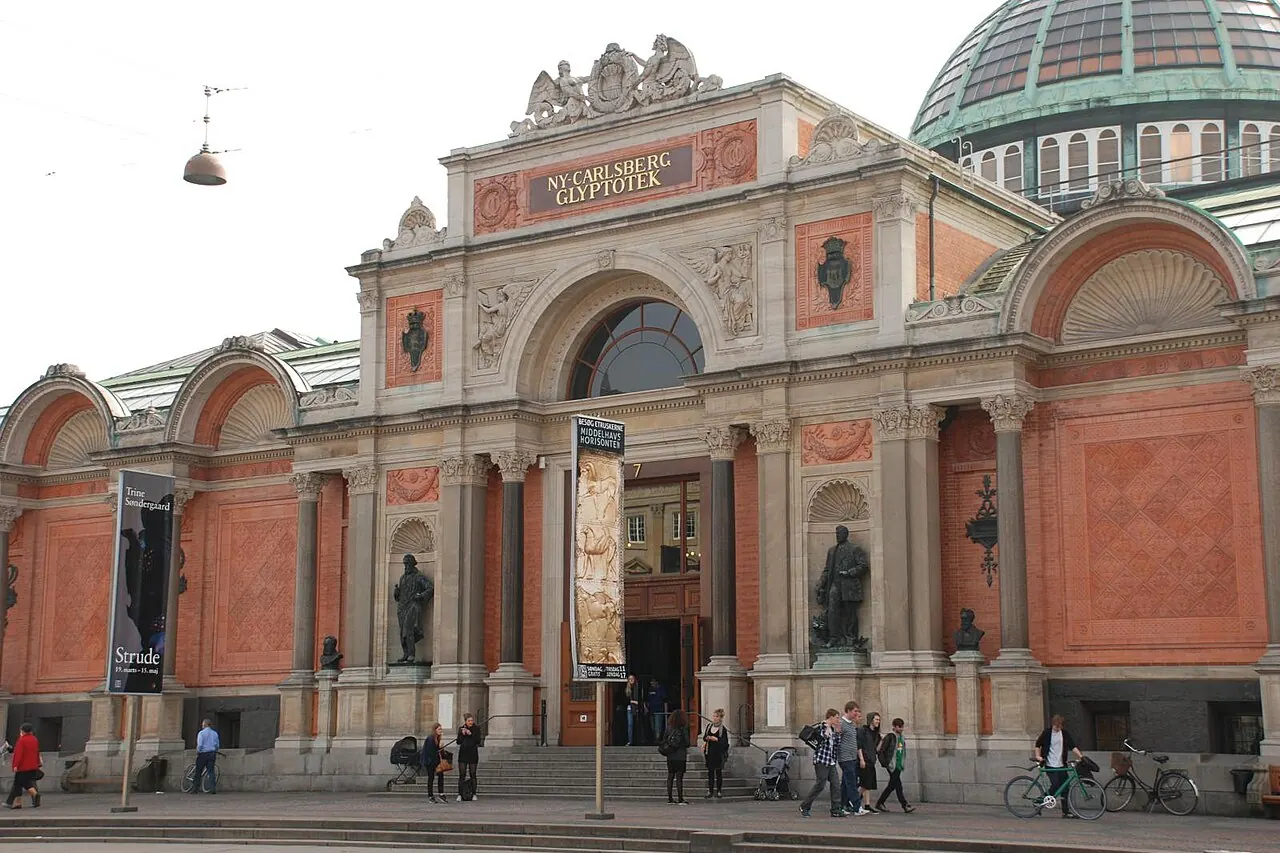
The Glyptotek offers a different rhythm from palace touring: sculpture, antiquities and art reward choosing a few rooms and staying with them. Its architecture and Winter Garden are part of the experience, but a cafe stop should not replace looking at the collection. Decide whether ancient objects or later painting interests you more, then build the visit around that preference instead of trying to see everything at equal speed.
The museum's current visitor page lists Monday as its regular closed day, so keep that detail in mind when arranging a long weekend. Check special-opening notices rather than assuming a holiday follows the usual pattern. Tivoli is nearby, but combining a substantial art visit with a full amusement-park session is a choice for a long day, not a default requirement. In wet weather, give the collection more time and shorten the outdoor portion of your itinerary.
Plan it well: Select one collection focus and leave the cafe until afterwards; confirm whether a temporary exhibition affects your ticket choice.
Glyptotek official visitor informationGive Danish history a place at the National Museum
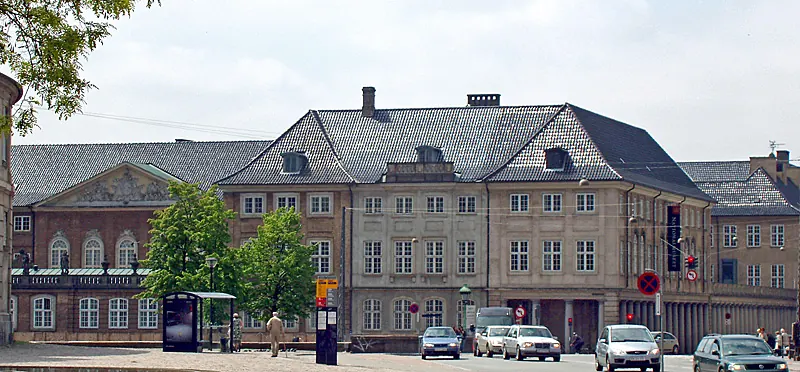
The National Museum is a good counterweight to Copenhagen's palace-heavy visitor circuit. Its range moves from ancient material and Viking history to the lives and habits of later generations, making it easier to think about Denmark beyond royal rooms. Pick a period or theme that interests you and use the museum's orientation material to find it. A selective visit is more memorable than a hurried sweep across several floors.
Look at the current exhibition and family information before promising a particular experience to children. The museum currently announces that its existing Children's Museum closes after 18 October 2026 while new experiences are built, with reopening planned for summer 2027. Other collections are distinct from that programme change. Check admission and opening arrangements for your date, and avoid treating a museum-wide ticket as a guarantee that every special exhibition or activity will be available.
Plan it well: For a family visit after 18 October 2026, verify the replacement activities instead of relying on older children's-gallery recommendations.
National Museum of Denmark official visitor siteMake lunch a market visit at Torvehallerne
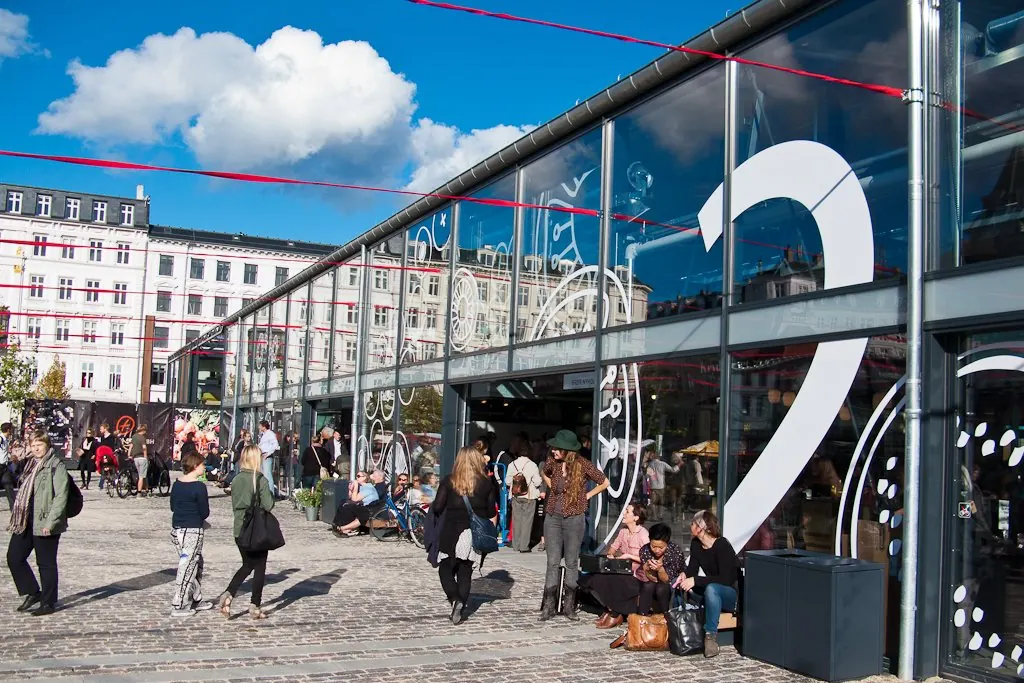
Torvehallerne is useful when you want a meal without committing everyone to the same restaurant menu. Walk through the glass market halls first, compare counters and decide what you actually feel like eating before joining a queue. The mix of ingredients and ready-to-eat food also makes the visit interesting for travellers who enjoy cooking. You can spend time looking without turning every appealing display into another purchase.
Keep expectations practical: a busy market is not guaranteed to offer a quiet table at the moment your group arrives. Check the current hall and individual business information if one particular stall is important, and confirm prices and portions before ordering. It combines well with Rosenborg or the Round Tower because lunch can remain flexible around a timed visit. Buy picnic supplies only if the weather and the next stop genuinely support eating outside.
Plan it well: Browse before ordering, then choose a place to eat that does not obstruct the flow through the halls.
VisitCopenhagen: TorvehallerneWalk the green edges of Kastellet
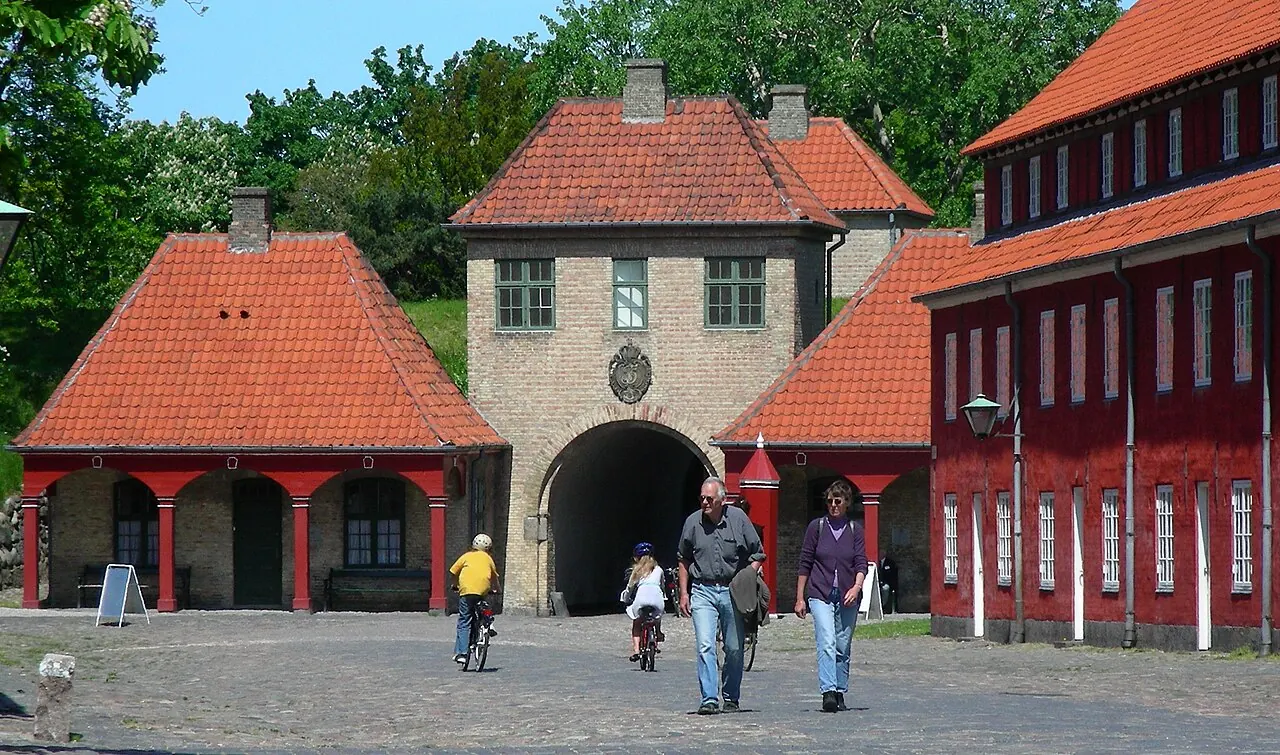
Kastellet gives a harbour-side day a quieter finish. The gateway, ramparts and green paths make the city's defensive landscape easier to understand than it would be from a map alone. Notice the contrast between the enclosed citadel and the open waterfront beyond it. This is a good place to leave the camera in your bag for part of the walk and pay attention to the shape of the ground.
The official tourism description notes that the buildings still serve as military barracks and offices even though public walking areas are accessible. Keep to permitted routes and respect signs instead of assuming every red building or doorway is a visitor attraction. Paths and gates can have specific opening arrangements, and exposed sections need sensible footwear in wet conditions. Pair the walk with Amalienborg and the waterfront, but shorten it if a long museum morning has already used your energy.
Plan it well: Treat the citadel as a working site with public paths, not an invitation to enter military buildings.
VisitCopenhagen: the CitadelHow to spend two days in Copenhagen
Day one: royal Copenhagen and the harbour
Use a Rosenborg time slot as your anchor, with Torvehallerne for lunch. Continue to Nyhavn and Amalienborg, choosing the museum only if you want another substantial interior. Finish with the public paths at Kastellet if weather and energy allow.
Day two: choose art, history or play
Pick the Glyptotek or National Museum for the morning, checking closure and programme notices. Christiansborg is an alternative royal-history anchor. Add the Round Tower and central streets, or reserve the later part of the day for Tivoli on a confirmed opening date.
Before you go
Keep cycling space clear
Use pedestrian crossings and check for cycles before stepping across a cycle lane. Stop for photographs away from both the bicycle flow and narrow waterfront paths.
Compare passes against your real itinerary
Check current attraction coverage, reservations and transport terms before buying a city pass. A list of included places is not a reason to add more museums than you actually want.
Official Copenhagen Card informationPlan for weather and seasonal openings
Leave harbour and rampart walks adjustable, bring a wind-resistant layer, and confirm Tivoli dates before building an evening around the park.
Where to stay in Copenhagen
Compare the historic centre for walkable sightseeing, the Central Station area for rail connections, and quieter neighbourhood bases with straightforward metro access. Read the actual route from the station to the hotel, especially with luggage. A harbour view, nearby nightlife and a short airport journey are different priorities; use room details and cancellation terms to decide which matters most.
Explore Copenhagen hotels