
Tallinn city guide
10 things to do in Tallinn
Medieval towers, modern Estonian art and a working waterfront: ten Tallinn places worth choosing between, with a two-day plan that goes beyond the Old Town.
Plan your visit
Tallinn's Old Town deserves more than a hurried circuit of its towers, but it should not absorb the whole trip. Spend one day among its civic buildings, churches and fortifications, then choose Kadriorg's art museums or the Seaplane Harbour for a different perspective. Cobbles, climbs and seasonal tower access matter more than the small distances suggest.
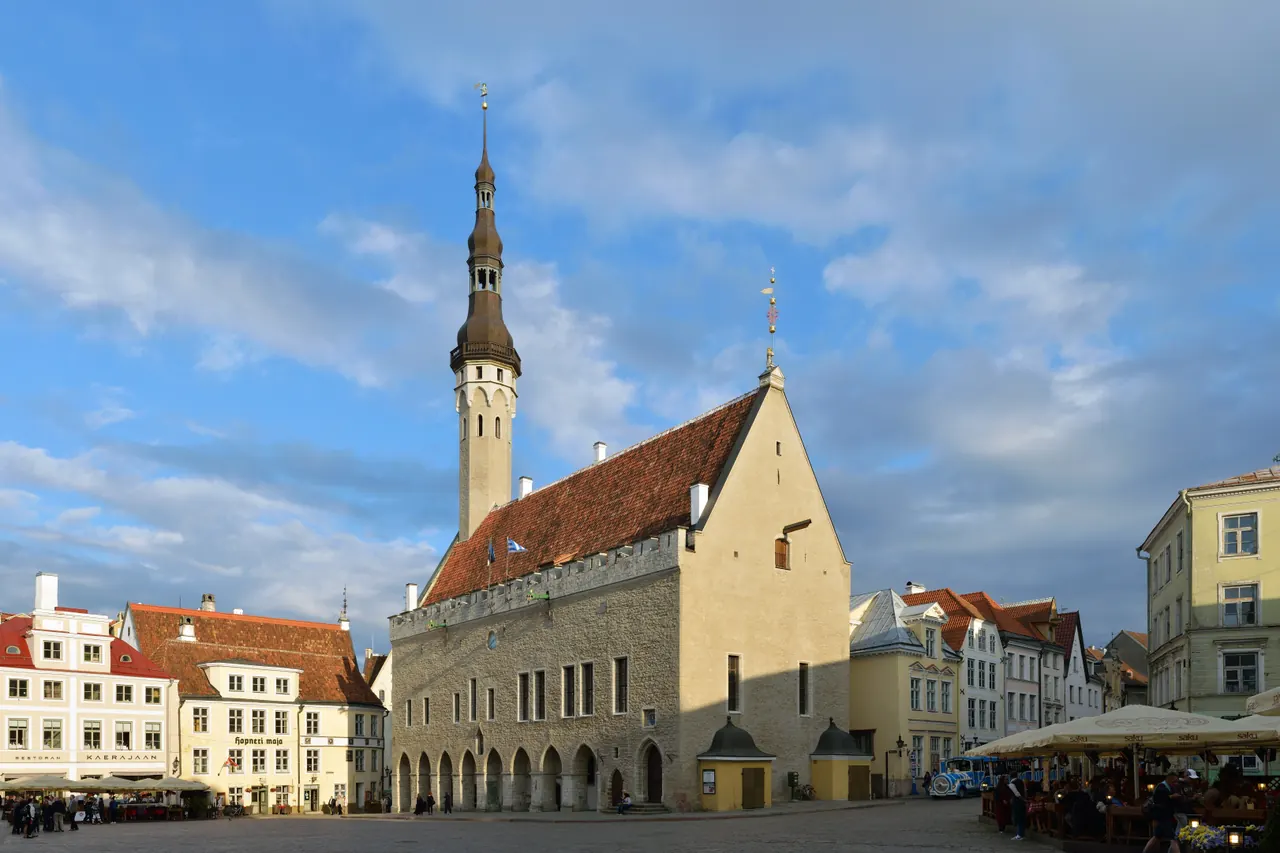
Begin with the civic heart at Tallinn Town Hall
Tallinn Town Hall is a useful place to begin because it gives the Lower Town a civic centre, not just a collection of picturesque streets. Walk around the square before approaching the building, noticing how its long facade and slender tower relate to the merchant houses around it. The Gothic form is distinctive enough to reward an exterior visit even when you are not planning to enter. Keep a little time for the streets leading away from the square.
The Town Hall publishes separate arrangements for visits, groups and its tower, with availability that should be checked for your dates. Do not treat a summer opening pattern as a year-round guarantee. If the interior is important, arrange that first and let the square remain flexible around it. A table facing the building offers a different perspective, but the surrounding businesses and seasonal events are not part of Town Hall admission.
Plan it well: Check the exact Town Hall visit you want; the square, interior rooms and tower are distinct experiences.
Tallinn Town Hall visitsChoose St Olaf's for a demanding tower view

St Olaf's spire is an important part of Tallinn's skyline, but the view from the tower is a separate choice from admiring the church at street level. Think about whether a stair climb suits everyone in your group before buying admission. The reward is a different angle over the roofs and towards the harbour, while the exterior helps you orient yourself as you explore the northern streets of the Old Town.
The tourism office describes the viewing platform as seasonal and reached by a long staircase. This is not a lift-based panorama and should not be presented as an accessible alternative to a hill walk. Check the current season and conditions before making the climb the anchor of your day. You can still spend time around the church and neighbouring lanes if the platform is unavailable or the weather makes the elevated visit unattractive.
Plan it well: The viewing platform is a stair-climb experience; confirm the seasonal opening and your group's comfort with narrow stairs.
Visit Tallinn: St Olaf's viewing platformRead Estonia's political history at Toompea Castle
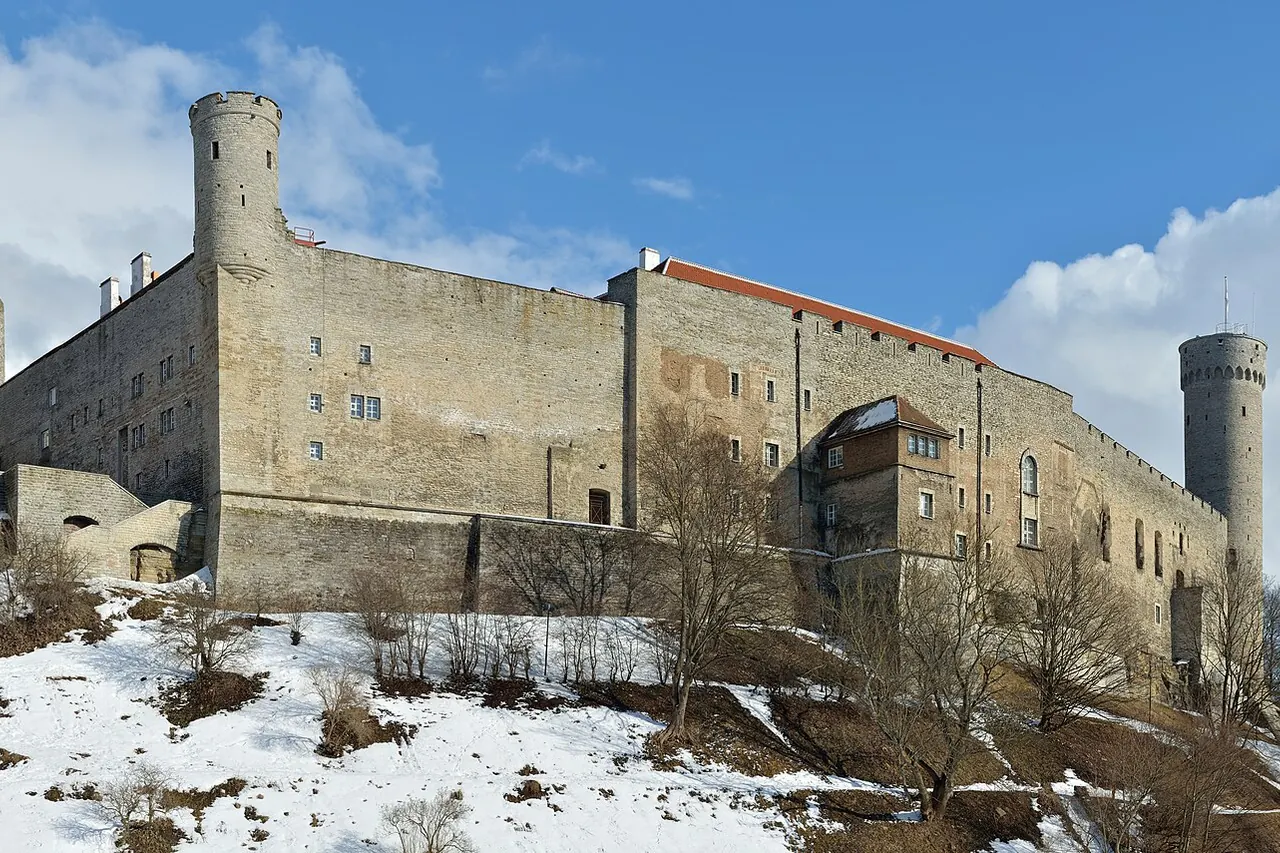
Toompea Castle is a functioning seat of parliament as well as a historic landmark. View its different sides to understand how a medieval defensive complex developed into the buildings used by Estonia's legislature. The fortress walls and the more formal facade tell different parts of that story. This is a better approach than expecting a single castle museum with unrestricted access to every room and tower.
The Riigikogu offers tours through its own booking system and publishes separate arrangements for special access. Arrange an interior tour deliberately if parliamentary history interests you; otherwise, make the exterior part of a wider Toompea walk. The Tall Hermann tower is not an ordinary daily visitor viewpoint. Add the nearby cathedral area and a suitable public overlook, but keep time for the climb and do not assume that the Upper Town's old streets are step-free.
Plan it well: Use the parliament's official tour booking route and bring whatever identification its current instructions require.
Riigikogu: Toompea Castle and visitsUnderstand the setting of Alexander Nevsky Cathedral
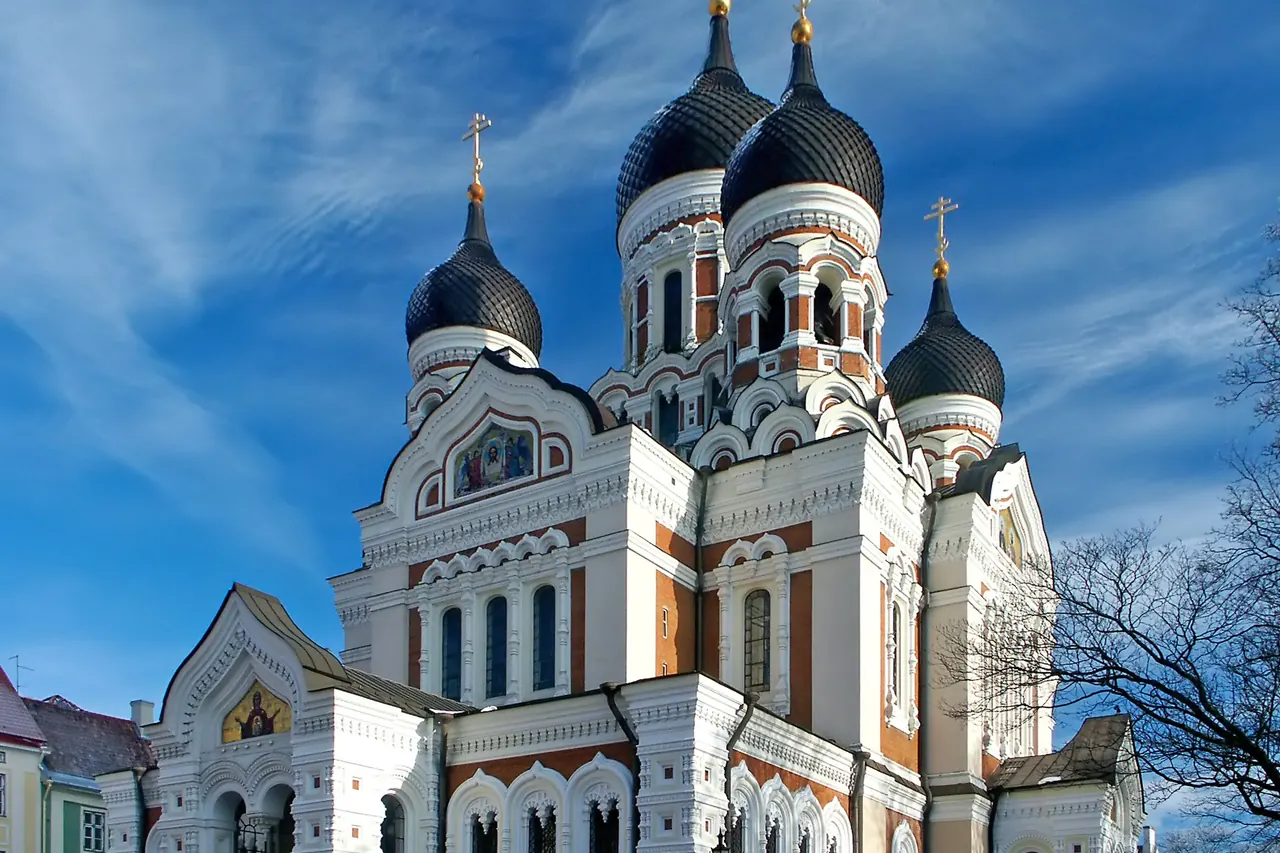
Alexander Nevsky Cathedral creates a strong visual contrast with the surrounding Old Town. Look at the domes, facade decoration and mosaic panels, then notice its position directly opposite the castle. Estonia's tourism authority explains the church in the context of the Russian Empire and nineteenth-century Russification, so it should not be presented as a medieval Estonian building. The political setting is part of understanding the architecture.
An exterior stop pairs naturally with Toompea Castle, while an interior visit depends on the church's current visitor and worship arrangements. Give people praying space and follow posted photography rules instead of treating the building as a set. You do not need to settle its complicated historical meaning during a brief visit, but reading a little context beforehand makes the contrast with the parliamentary buildings more useful than simply collecting another skyline photograph.
Plan it well: Keep the historical context distinct from present-day worship, and check visitor access for your season rather than relying on a summer timetable.
Visit Estonia: Alexander Nevsky CathedralExplore the city's defences at Kiek in de Kok
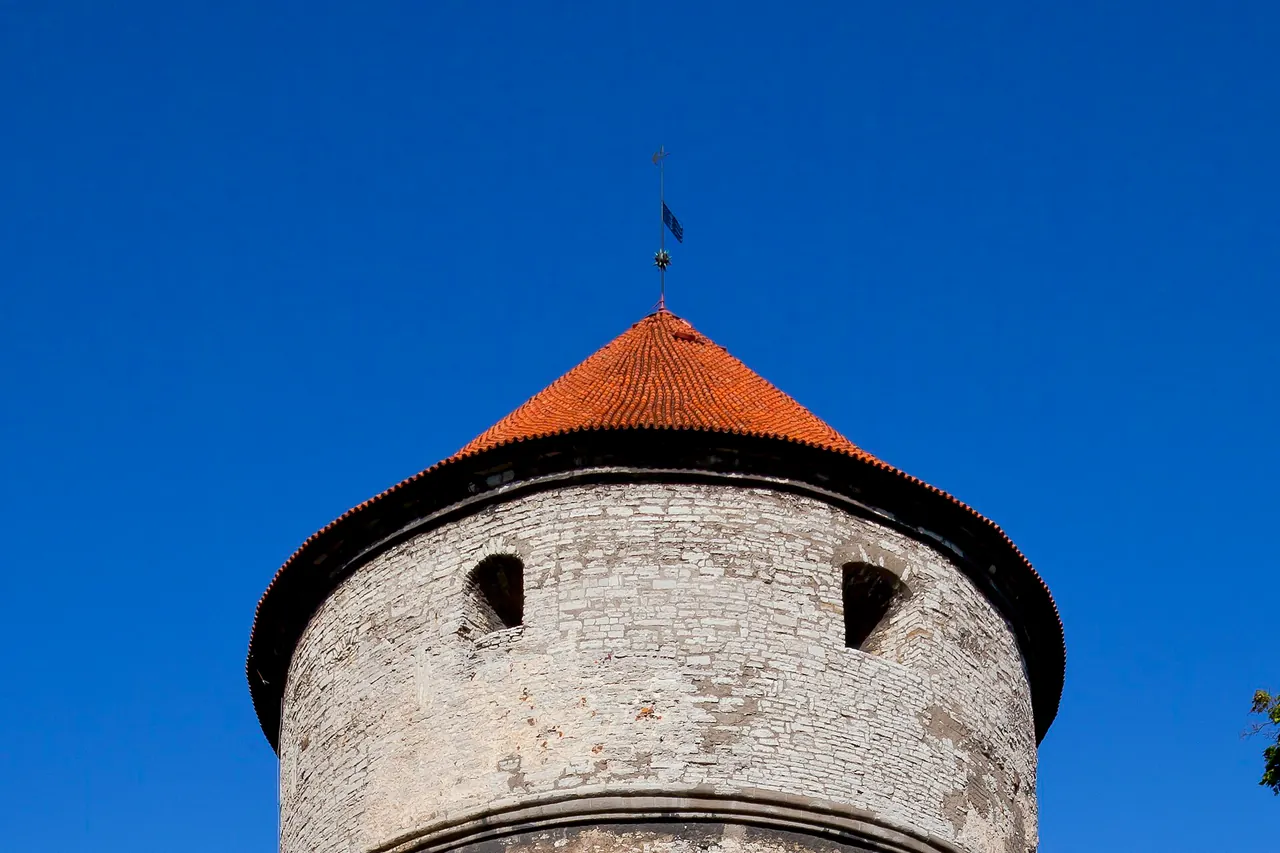
Kiek in de Kok turns Tallinn's fortified outline into a more concrete story. The tower and associated museum spaces help explain how the city defended itself, while the bastion passages offer a very different setting below the streets. Choose the parts that interest you rather than assuming every ticket covers the entire fortifications complex. This is a good historical anchor for visitors who prefer practical urban history to another church interior.
The museum's visitor page sets out current routes and access information. Towers, walls and underground passages can involve uneven stairs and distinct visiting arrangements, so read the details before committing your group to a long combined visit. Give the museum its own time and keep Freedom Square nearby as the open-air portion afterwards. An interest in tunnels should drive the booking, not a desire to tick off an attraction whose physical demands you have not considered.
Plan it well: Confirm the selected ticket's tower and bastion-passage inclusions, together with the route's stair and accessibility requirements.
Tallinn City Museum: Kiek in de KokGive Kadriorg Palace a garden-and-art visit
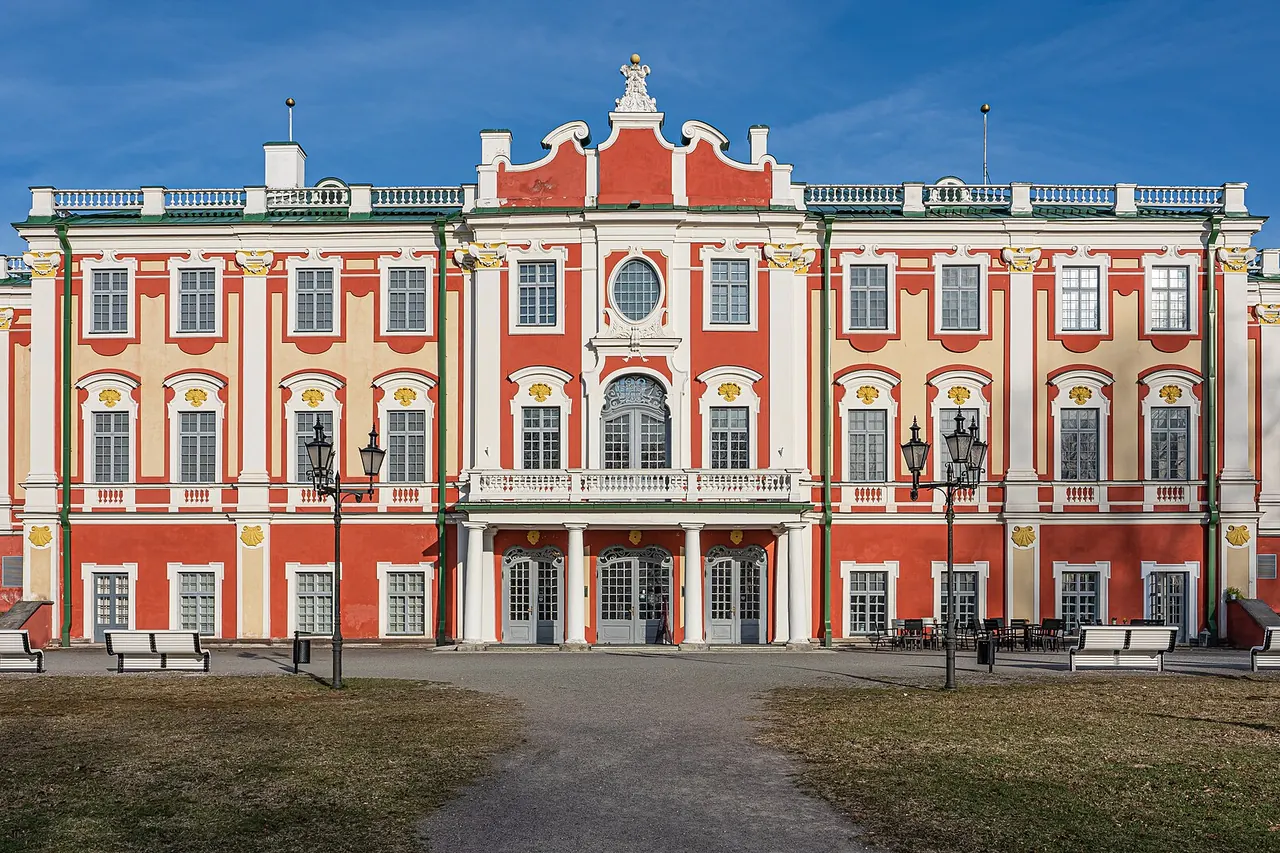
Kadriorg Palace offers a change from the Old Town's stone lanes. Approach through the park so the palace feels like part of a landscape rather than a building reached only for its photograph. The art museum inside makes the outing more than a garden stroll, with a different emphasis from Kumu's Estonian art collections. Choose the palace if historic interiors and art in that setting are the stronger attraction for you.
The museum's own directions locate it on Weizenbergi Street within Kadriorg Park and explain assistance for visitors with mobility needs. Use those arrangements if relevant rather than assuming the old building works like a modern gallery. A park walk can connect this visit with Kumu, but two museums are not compulsory just because they are nearby. Leave time to sit outside when the weather allows, and check each museum's calendar independently.
Plan it well: Kadriorg Palace and Kumu are different museums; choose one substantial collection visit unless you genuinely want a full art day.
Kadriorg Art Museum directions and accessDiscover Estonian art at Kumu
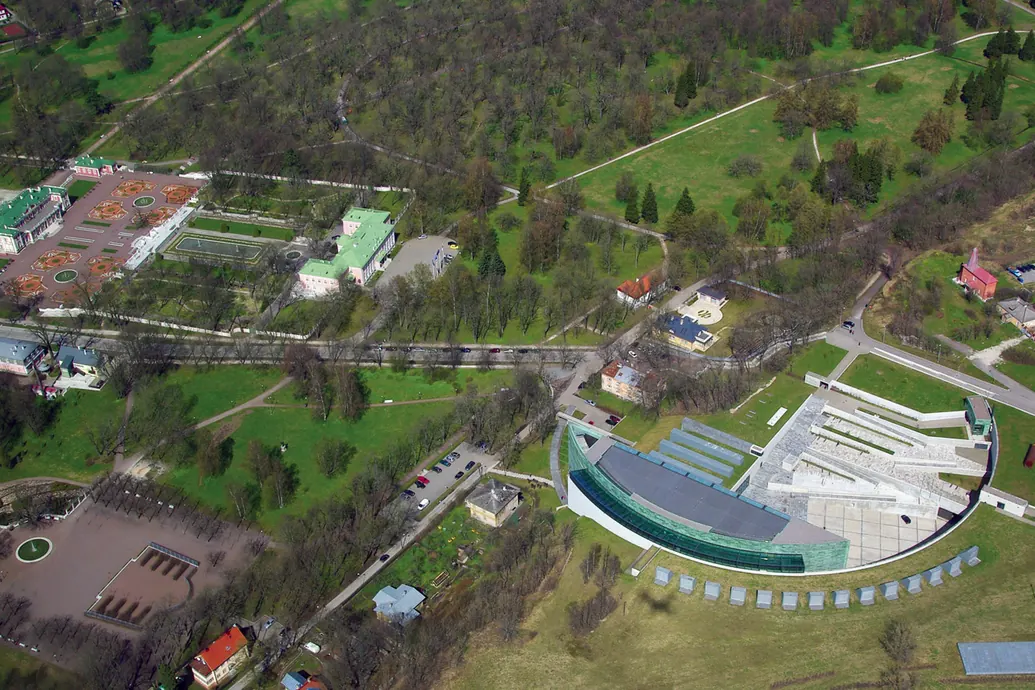
Kumu is the place to look beyond Tallinn's medieval image and spend time with Estonian art. Its permanent displays move between earlier works and the Soviet period, while temporary exhibitions add other perspectives. Rather than attempt every floor equally, choose the part of that history you want to understand and follow the collection's interpretation. The distinctive contemporary building reinforces the sense of leaving the old-town postcard behind.
The museum describes its different floors and exhibition spaces on the official collection pages. Check what is currently on display before choosing a route, especially if your time is limited or a temporary show is the main reason to travel. Kadriorg Park provides a useful pause before or after the galleries. Keep the journey back to the centre in your plan; a proper museum visit here should not be squeezed between two Old Town tower reservations.
Plan it well: Read the current exhibition list and floor plan before arrival, then give your chosen collection more time than the building's exterior.
Kumu permanent exhibitionsMake the Seaplane Harbour your maritime outing
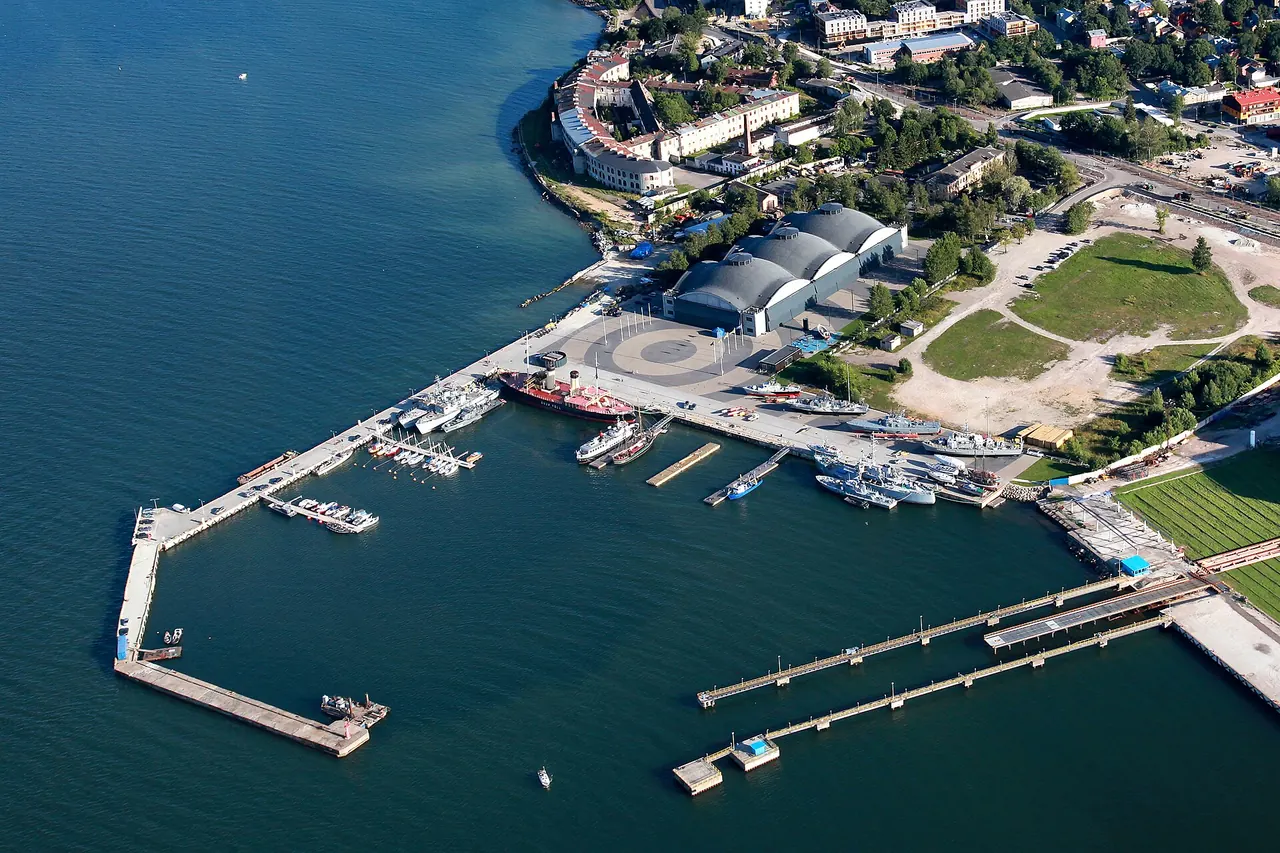
The Seaplane Harbour gives Tallinn a maritime dimension that a church-and-square itinerary can miss. The hangar setting and large exhibits make this a substantial museum experience, with the surrounding waterfront adding space outside. Choose it if engineering, ships or life at sea interests you, and give it priority over a string of smaller indoor stops. It can work particularly well as the main museum for a mixed-interest group.
The operator distinguishes access to the hangar, temporary exhibitions and museum ships through its ticket options. Check those inclusions and the seasonal calendar before arranging a waterfront afternoon; ship access and ticket sales can finish before the museum's final closing time. The museum recommends allowing at least two hours, which is a useful indication of scale rather than a deadline. Combine it with Kalamaja at a relaxed pace instead of rushing back for another timed admission.
Plan it well: Check museum-ship access separately and allow a buffer before last admission, especially outside the summer season.
Seaplane Harbour visitor informationLook closely at medieval art in Niguliste
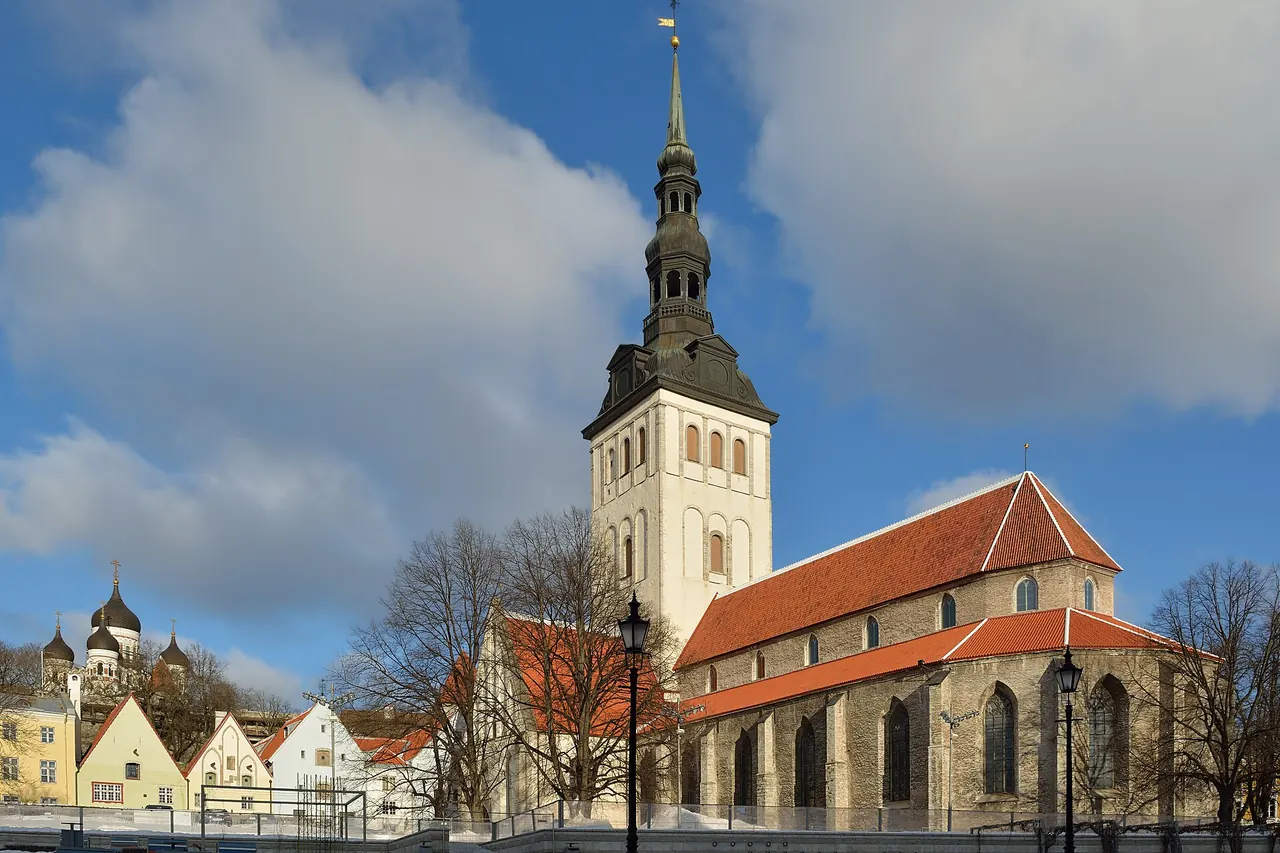
Niguliste offers a focused art visit inside a former church, making it a different choice from entering every working church along a walk. The medieval collections and the surviving Dance of Death painting invite a slow look at images that once carried religious and social meaning. Give individual figures and details some attention rather than treating the work as one more famous object to photograph before leaving.
The museum also has a viewing platform and a music programme, but they should be planned from current visitor information rather than assumed to happen during any admission. If art is your priority, keep the galleries as the main reason to come. If you want a concert, check the date and ticket arrangements separately. The location makes a useful pairing with the southern Old Town and Freedom Square, without needing another strenuous tower climb on the same afternoon.
Plan it well: Consult the museum's programme for concerts and the viewing platform; do not assume an ordinary gallery visit coincides with a performance.
Visit Tallinn: Niguliste MuseumConnect old and modern Tallinn at Freedom Square
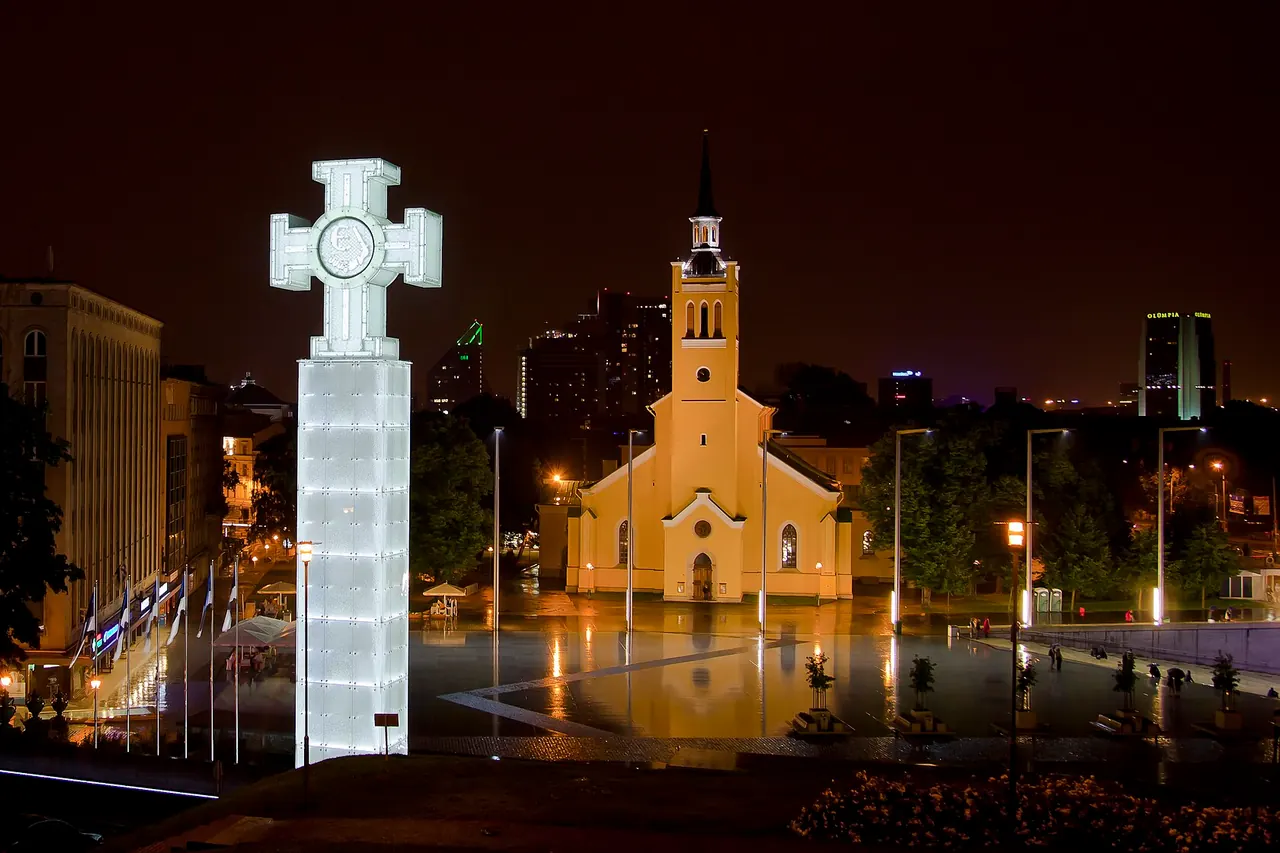
Freedom Square changes the tone of a Tallinn walk. Its open pedestrian setting and War of Independence monument bring modern national history into view after the tightly packed medieval streets. Pause to read the space rather than treating it as a traffic junction on the way to somewhere else. Looking back towards the Old Town helps explain how the historic core meets the city's later development.
The tourism office notes the preserved remains of defensive structures near Harju Street, visible through a glass screen. That detail makes a useful link with Kiek in de Kok rather than a second unrelated history stop. The square also works as a place to meet, rest or reconsider the rest of the day. Public events can change its atmosphere, so avoid building a quiet-moment promise around a setting that also serves the city as a gathering place.
Plan it well: Look for the archaeological viewing screen by Harju Street, then keep the remainder of the square visit adaptable to weather and events.
Visit Tallinn: Freedom SquareHow to spend two days in Tallinn
Day one: two levels of the Old Town
Start by the Town Hall, then choose St Olaf's seasonal tower or a slower northern-streets walk. Continue to Toompea Castle and Alexander Nevsky Cathedral. Pick Niguliste or Kiek in de Kok for the main museum, finishing at Freedom Square rather than adding every tower.
Day two: art or the waterfront
Choose Kadriorg Palace or Kumu, leaving time for the park around the visit. Alternatively, spend a substantial part of the day at the Seaplane Harbour and explore Kalamaja afterwards. Doing both districts is possible with more time, but should not be the default for a short break.
Before you go
Treat tower access as seasonal
St Olaf's viewing platform has a seasonal calendar and a substantial staircase. Check the actual dates and weather rather than assuming every famous skyline feature is a year-round visitor platform.
Plan for cobbles and changes of level
The Old Town's compact size hides uneven surfaces, steep streets and steps. Check museum-specific assistance and transport options if your group needs easier routes.
Give the second day a different setting
Kadriorg and the Seaplane Harbour each justify leaving the historic centre. Choose the one that fits your interests and leave time for its surrounding neighbourhood rather than collecting museums at speed.
Where to stay in Tallinn
An Old Town base puts the historic streets close by, but check steps, vehicle access and room noise carefully. The modern centre can simplify transport connections. Kadriorg suits an art-and-park emphasis, while Kalamaja fits a waterfront-focused visit. Compare the exact route to your first activity and the hotel's lift and luggage arrangements rather than relying on a broad neighbourhood label.
Explore Tallinn hotels