
Cairo city guide
10 things to do in Cairo
A first visit linking the pyramids and new museum in Giza with Cairo's older museums, religious architecture, market streets and green viewpoints.
Plan your visit
Think of Cairo as several outings rather than one walk. Giza's pyramids and Grand Egyptian Museum sit west of the Nile; downtown, Coptic Cairo and the historic eastern districts deserve separate plans. Choose a few substantial visits each day and allow time for traffic, meals and the change of pace between an outdoor archaeological site and a large museum.
Give the Giza pyramids a full outdoor visit
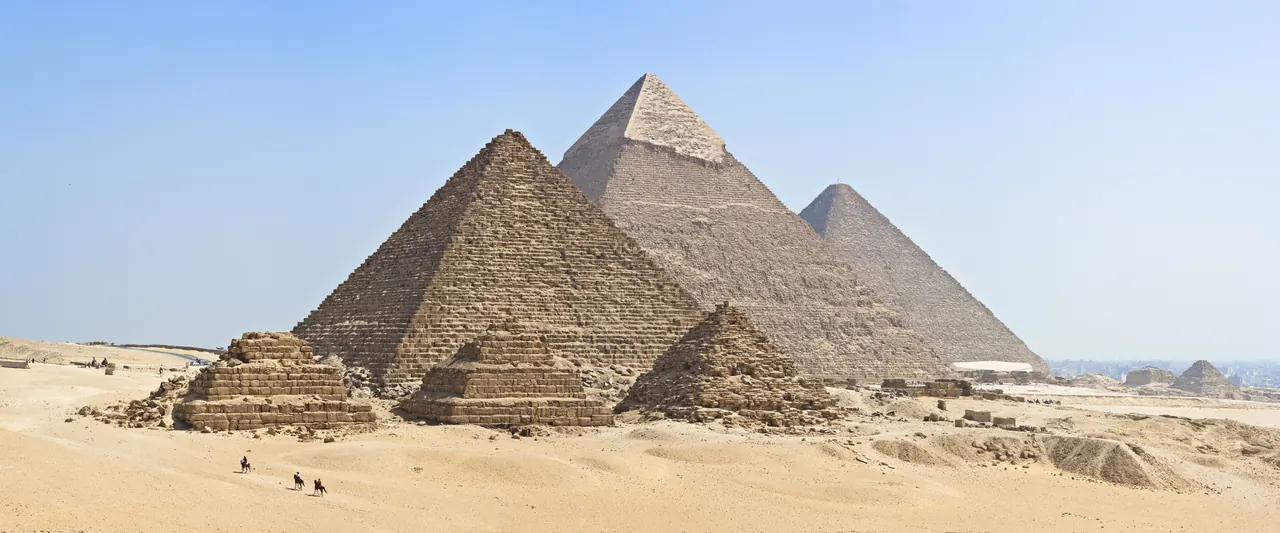
The Giza plateau is a landscape of monuments, not simply a platform for one photograph of the Great Pyramid. Look at the relationship between the three large pyramids, their smaller neighbours and the wider funerary complex before moving toward the Sphinx. The spaces between the structures help communicate their scale more effectively than a tightly framed picture alone.
Make the plateau the main outdoor outing of a day and arrange the journey back before you arrive. Sun, distances and uneven surfaces can make a hurried circuit exhausting, so decide which viewpoints matter to your group and build in water breaks. General site admission does not include every pyramid interior or separately ticketed tomb. Choose those additions deliberately, checking current official availability rather than accepting an assumption that every entrance is covered by one ticket.
Plan it well: Confirm exactly which monument interiors your ticket covers and agree any guiding or transport service before using it.
Egypt Ministry of Tourism and Antiquities: Giza plateauPlan a focused visit to the Grand Egyptian Museum
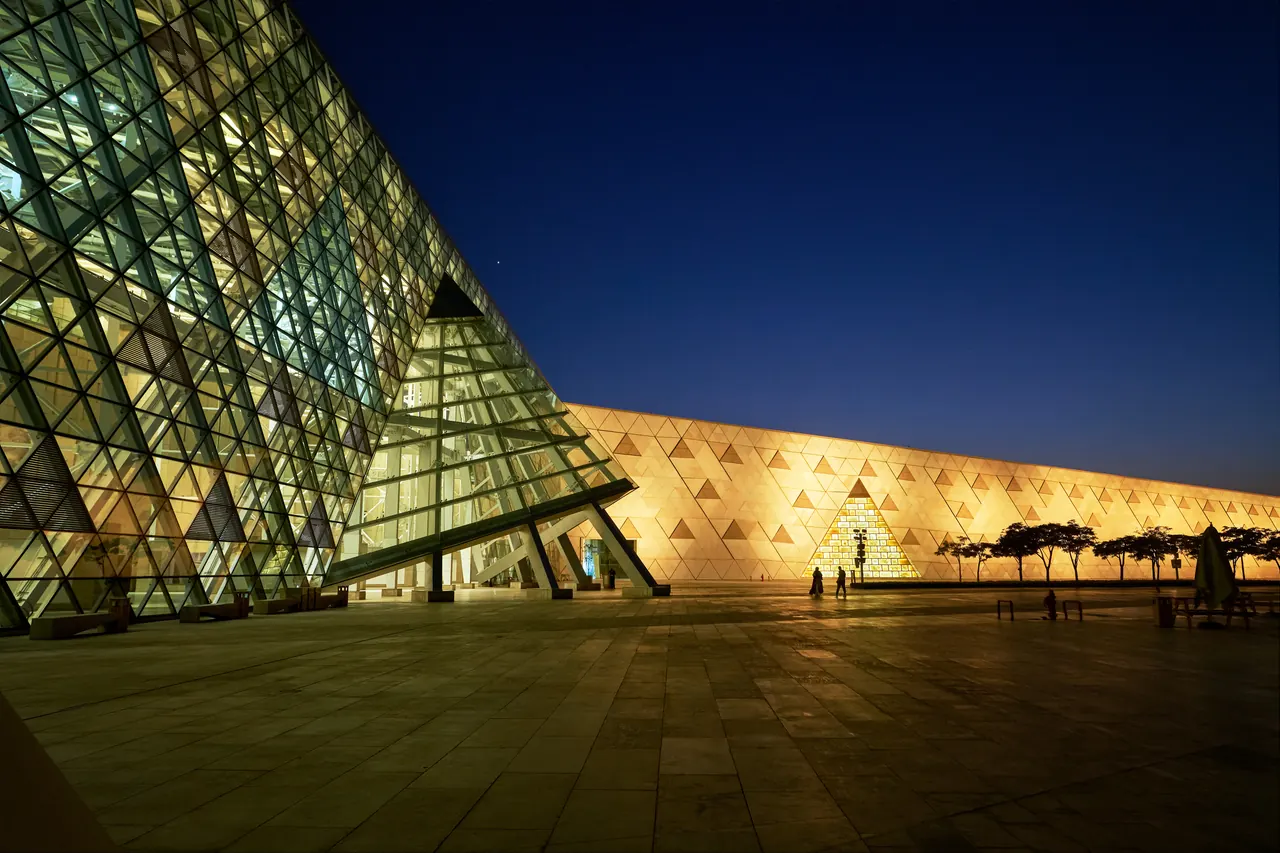
The Grand Egyptian Museum gives ancient Egyptian objects a very different setting from the older museum downtown. Treat the architecture and spacious circulation as part of the visit, then choose galleries around a subject you genuinely want to understand. The current museum programme includes the Tutankhamun galleries; old soft-opening advice is not a reliable basis for planning a visit now.
Use the official museum website to check current ticket inclusions and enter the authorised booking service from there. A dated entry slot needs a transport buffer, especially if you are coming across Cairo rather than staying in Giza. Do not assume the pyramids and a comprehensive museum visit fit comfortably into a short afternoon: combining them works better when you consciously shorten one. Allow time to sit, eat and review what you have seen instead of making every room a compulsory checkpoint.
Plan it well: Choose your gallery priorities before booking, and confirm photography restrictions for the particular spaces you enter.
Grand Egyptian Museum: plan your visitSee the Egyptian Museum as a distinct downtown visit
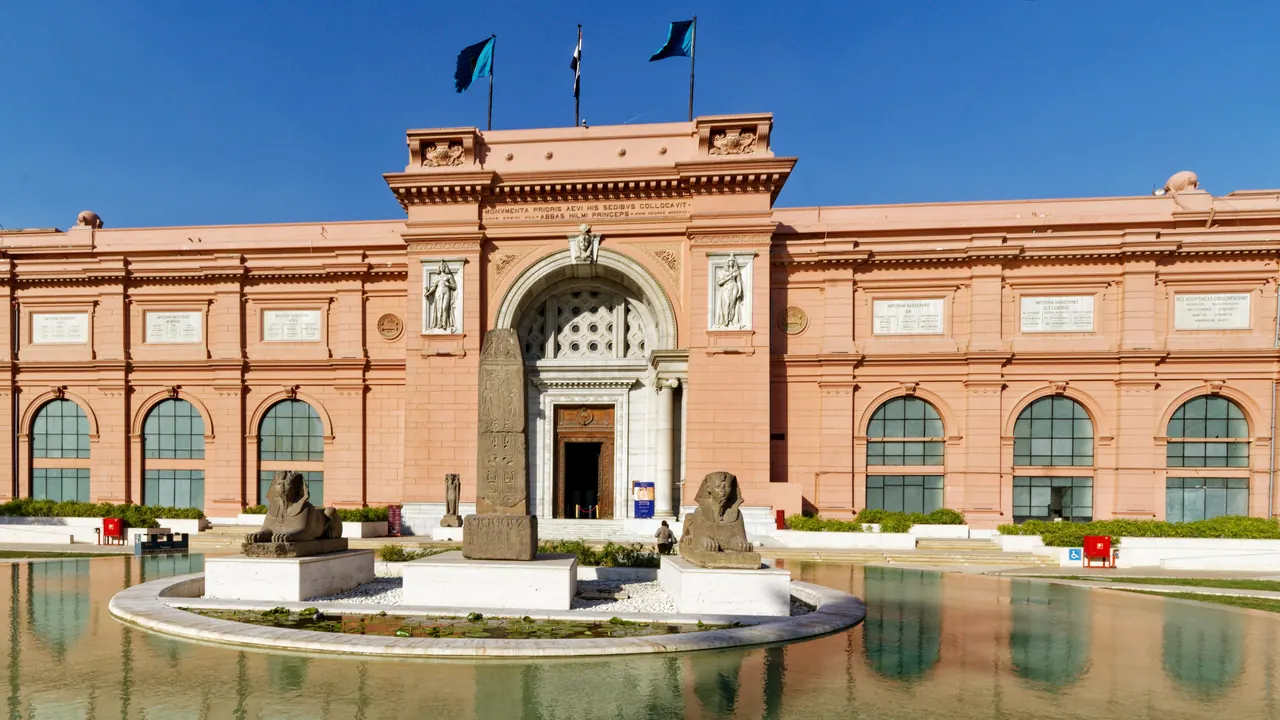
The Egyptian Museum at Tahrir Square remains a separate destination from the Grand Egyptian Museum in Giza. Its historic building and collection offer another way to approach ancient Egypt, with objects from different periods rather than a single headline treasure. Pick a few themes, such as royal imagery, burial practices or everyday materials, and use the room labels to connect the objects you encounter.
Collection transfers mean old guidebook promises about particular treasures can be misleading. Read the museum's current information before making a specific object the reason for your journey; do not assume every famous display once associated with Tahrir is still here. A downtown visit works well as its own morning or afternoon, leaving time for a meal nearby. Keep it separate from a full Giza museum day unless museums are the clear focus of your trip.
Plan it well: Search the current official collection information for any must-see object rather than relying on a historic checklist.
Egypt Ministry of Tourism and Antiquities: Egyptian MuseumExplore Khan al-Khalili without rushing to buy
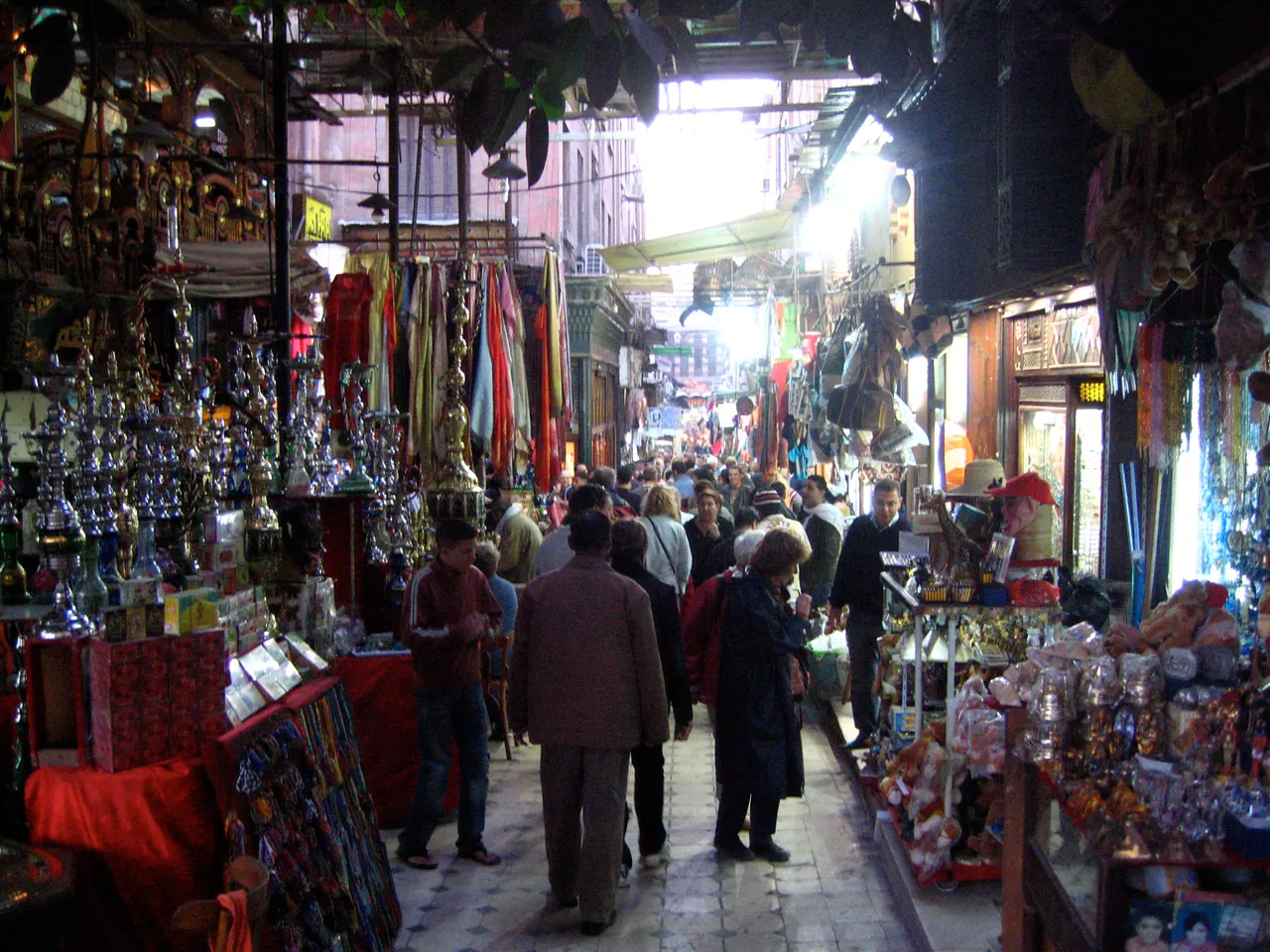
Khan al-Khalili is best approached as a network of market lanes within the historic city, rather than a shop you can finish in one transaction. Look at the metalwork, lanterns and small storefronts as you move through the public streets, leaving room to notice the buildings above the displays. A purchase is optional; the changing street scene is reason enough to explore.
Choose a clear meeting point before separating from companions and keep the first circuit short enough to retrace. If you want to buy something, ask about the material, compare examples and agree the full price before committing. Distinguish a sales invitation from independent advice, and ask before taking close photographs of traders or customers. Plan a meal or drink as a genuine pause, not an excuse to squeeze the market between two time-sensitive museum reservations.
Plan it well: Keep a recognisable meeting point and a map available; agree prices and any service charge before ordering or purchasing.
Experience Egypt: Historic CairoRead Cairo from the walls of the Citadel
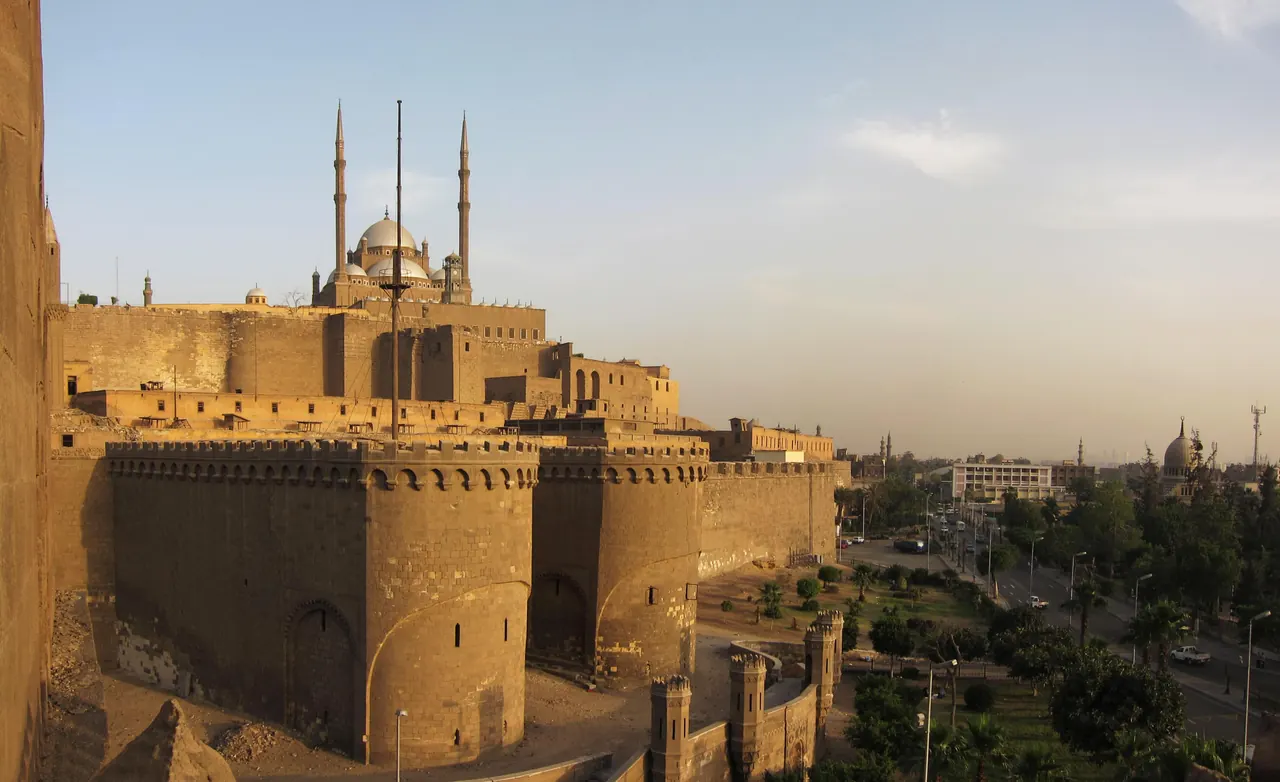
The Citadel places Cairo's defensive history above the city streets, with walls, towers and later buildings sharing a broad hilltop setting. Walk the public grounds to understand that larger complex before concentrating on the Muhammad Ali Mosque. The skyline view helps connect districts you may otherwise experience only through traffic and separate museum visits.
Choose the interiors that interest you instead of assuming every building is part of one uninterrupted circuit. Current openings and access instructions should determine the route, especially if your group needs fewer steps or less exposure to heat. A visit pairs geographically with the Sultan Hassan area below, but they have different entrances and the connecting journey still needs planning. Religious spaces call for appropriate clothing and attention to staff instructions, even when they are also major visitor attractions.
Plan it well: Check the current buildings open within the complex and plan a separate transfer to the monuments below the hill.
Egypt Ministry of Tourism and Antiquities: Cairo CitadelLeave time for the gardens of Al-Azhar Park
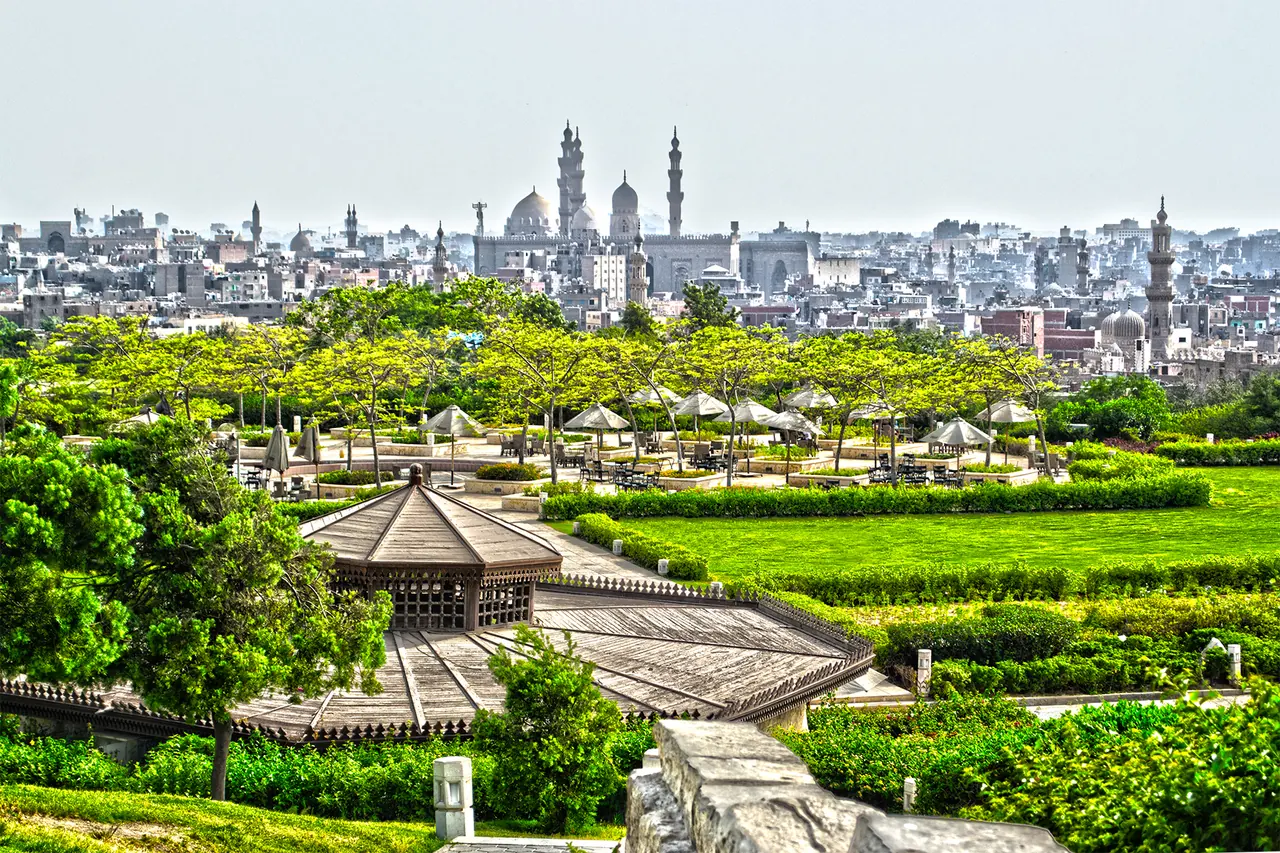
Al-Azhar Park provides a different way to look at Historic Cairo: gardens and open viewpoints give breathing space after enclosed museum rooms and busy streets. Treat the landscaping as a place to spend time, not merely a platform for a skyline photograph. A short walk with several stops can be more rewarding than trying to cover every path before your next reservation.
Choose an entrance and meeting point, then decide how much of the grounds suits the weather and your energy. Paths, slopes and exposed areas make water and comfortable footwear useful even when the visit is intended as a rest. Check the park's own current admission and facility information rather than assuming everything inside is included. It can round off a historic-district outing, but leave the return journey flexible instead of tying a relaxed garden visit to a distant timed ticket.
Plan it well: Plan the park as an unhurried stop with water and a clear return journey, not just a gap between bookings.
Al-Azhar Park: official visitor informationGive the Coptic Museum its own attention
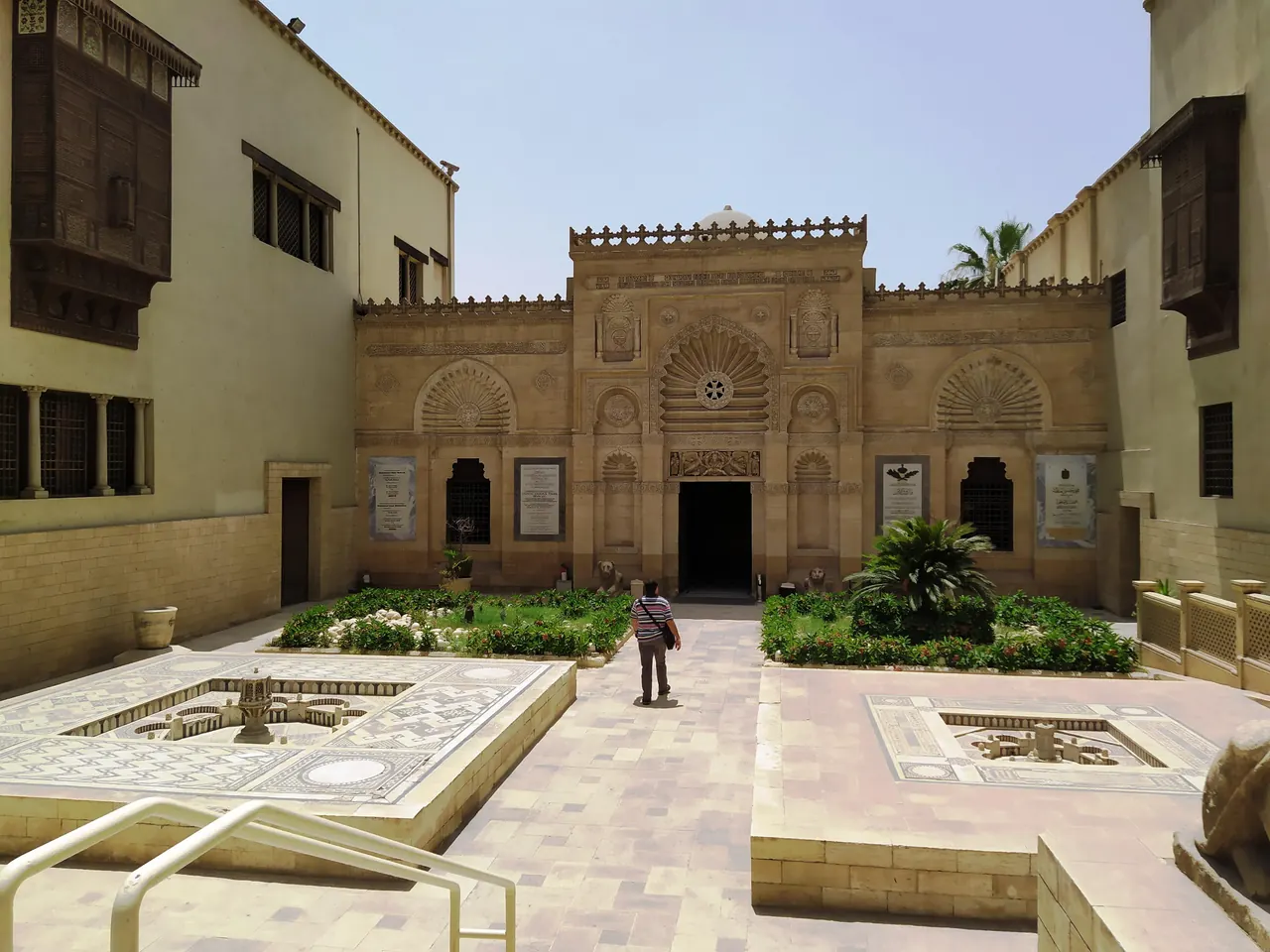
The Coptic Museum puts the artistic and religious history of Egypt's Christian communities into focus. Look at how carved stone, wood, textiles and other objects carry both religious subjects and the visual language of their period. Taking one material or motif through several displays is a useful alternative to trying to remember every date in a museum label.
Make the museum the indoor anchor of an Old Cairo outing, with the Hanging Church as a nearby companion rather than a reason to hurry through the galleries. Check the current visitor information and the entrance route before travelling. Churches in the area have their own access arrangements and may be in use, so a museum ticket should not be treated as an all-purpose pass. Leave time outside to understand the compact historic setting without attempting every doorway in one morning.
Plan it well: Check the museum entrance separately from neighbouring churches and choose one theme to follow through the galleries.
Egypt Ministry of Tourism and Antiquities: Coptic MuseumLook up inside the Hanging Church
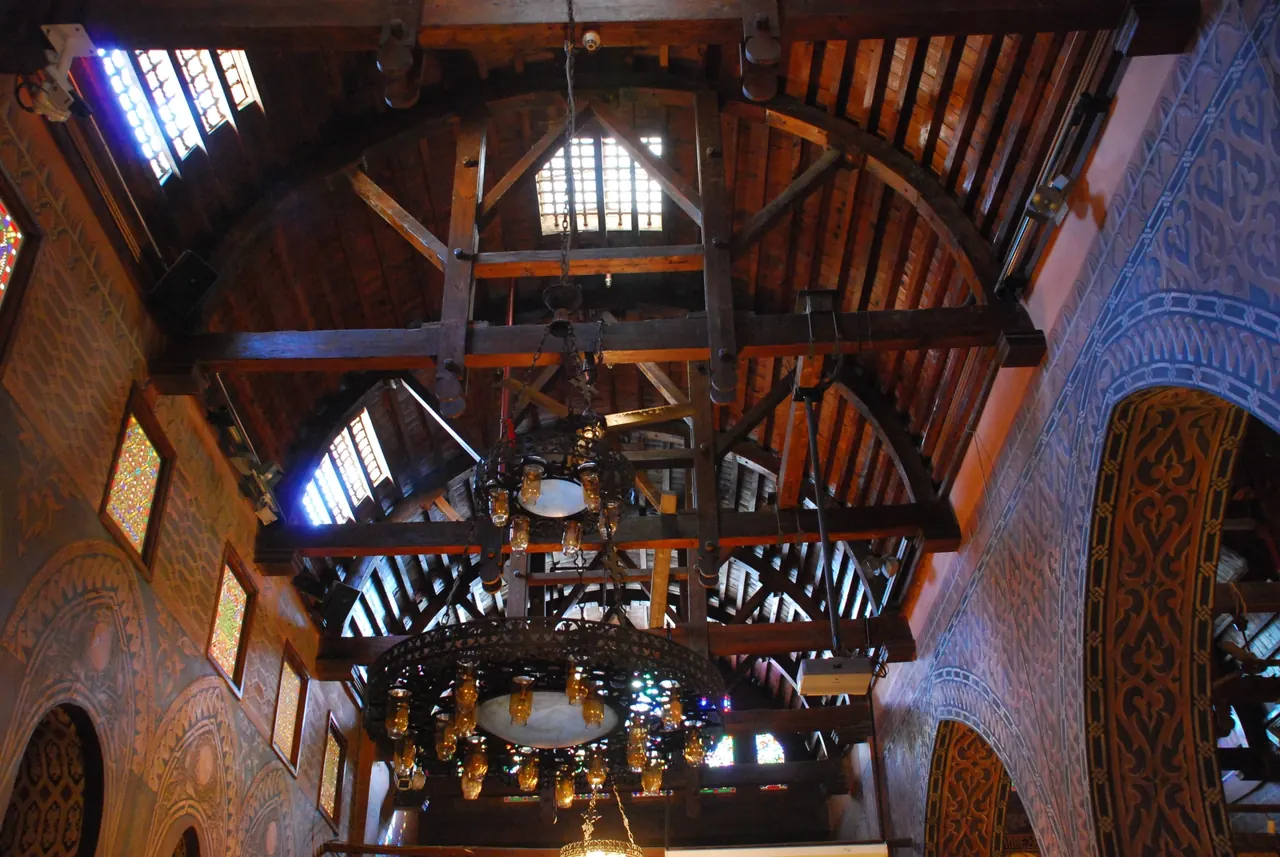
The Hanging Church takes its name from its setting above remains of the Roman fortress, not from a suspended modern structure. Inside, the wooden roof, icons and marble pulpit offer several scales of detail to notice. Look up first to appreciate the shape of the space, then slow down for the smaller elements rather than viewing the church only through a camera.
This remains a religious place as well as a historic monument. Ask about visitor access if worship is taking place, dress respectfully and follow local instructions about photography and movement. Its proximity to the Coptic Museum makes a compact combination, but the two have independent entrances and purposes. Steps and changes in level may affect a visit, so anyone requiring a step-free route should seek current advice rather than assuming the church's small footprint makes access straightforward.
Plan it well: Give worshippers priority and ask about photography; the church and museum have separate access arrangements.
Egypt Ministry of Tourism and Antiquities: Hanging ChurchNotice the space and stucco at Ibn Tulun Mosque
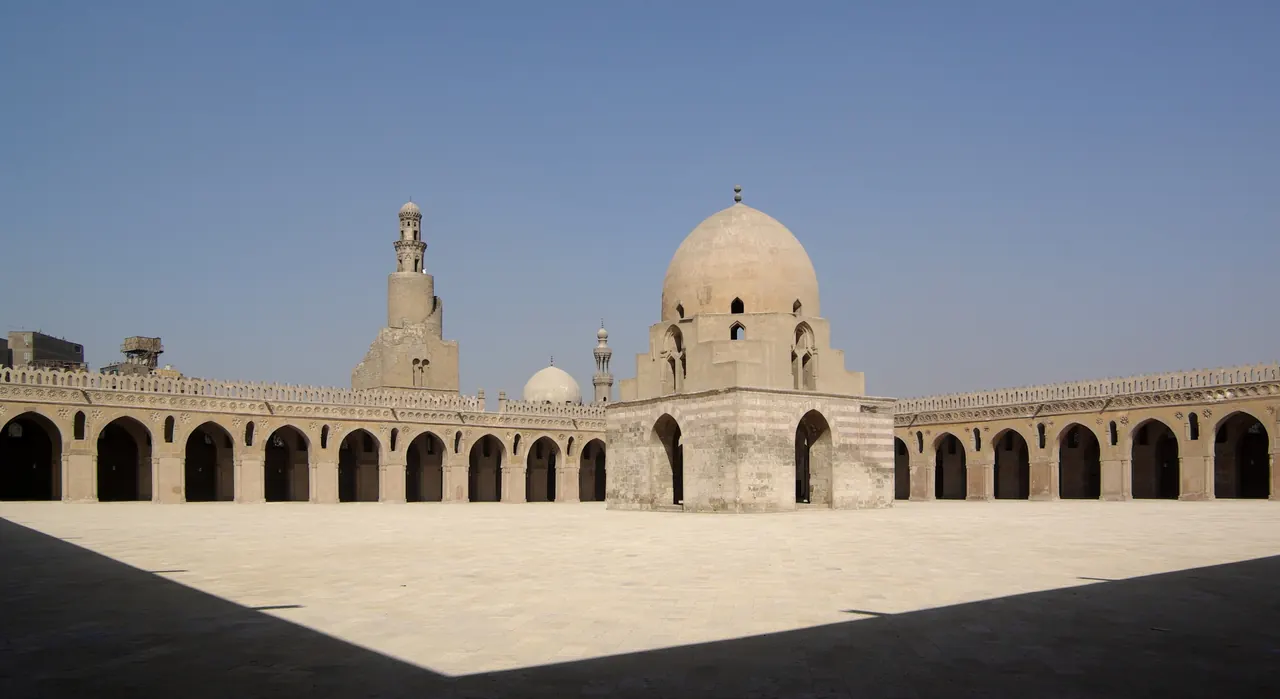
Ibn Tulun Mosque rewards attention to space as much as decoration. Its broad courtyard, repeated arches and stucco detail create a different architectural experience from Cairo's densely furnished historic interiors. Built in the ninth century for Ahmad Ibn Tulun's capital, the mosque is an opportunity to consider how a large congregational building organises light, shade and movement.
Walk slowly around the permitted public route and look at the arches and windows before concentrating on the distinctive minaret. Do not make a climb the purpose of the visit without confirming that access is currently allowed; seeing the tower from the courtyard already explains its unusual form. Check visitor instructions, respect prayer and ask where shoes should be removed. Use transport deliberately for the onward journey rather than assuming the mosque, Citadel and market form one effortless walking circuit.
Plan it well: Check courtyard and minaret access separately and follow staff instructions about shoes and prayer spaces.
Egypt Ministry of Tourism and Antiquities: Ahmad Ibn Tulun MosqueUnderstand Sultan Hassan as a mosque and school
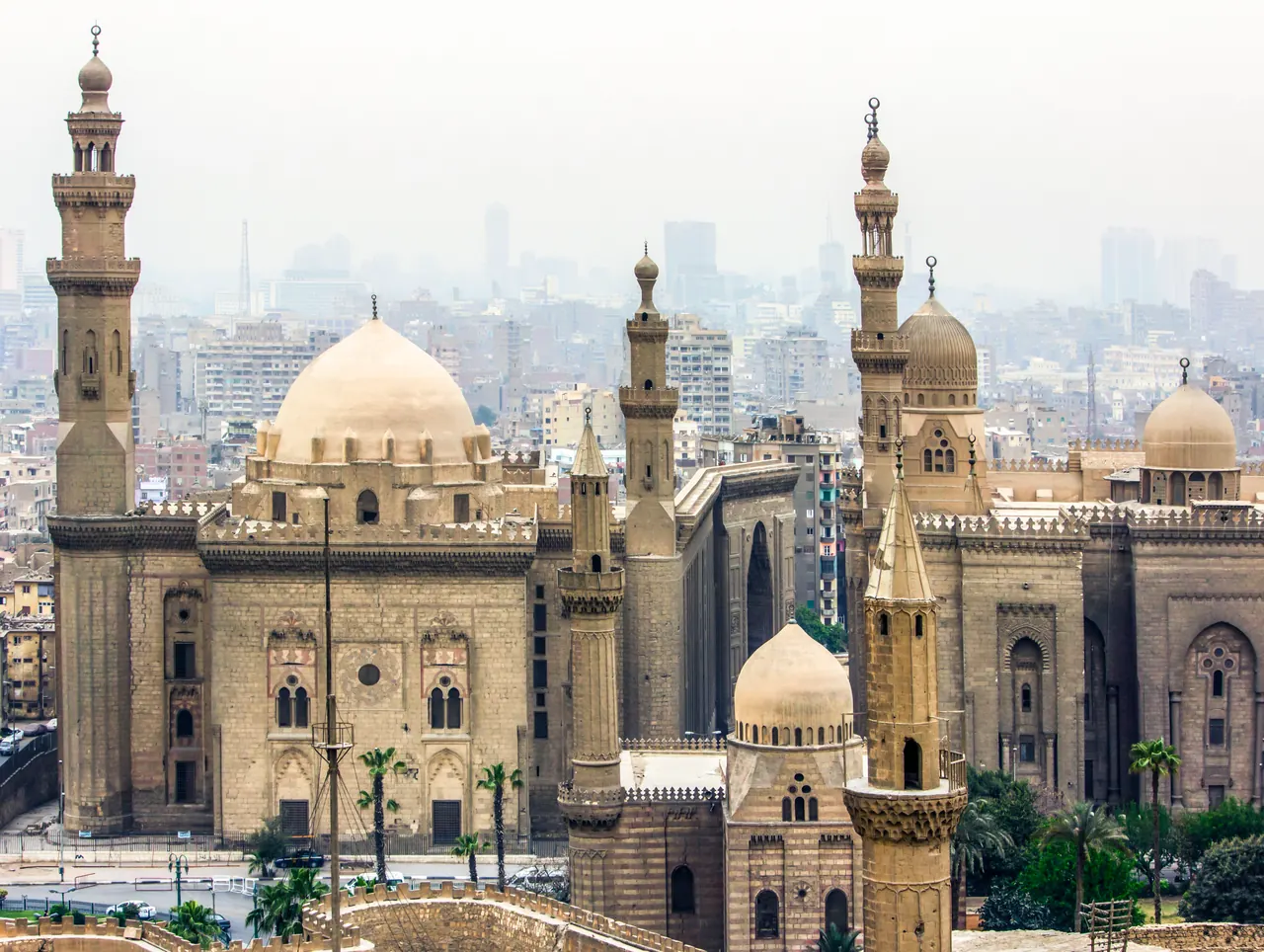
Sultan Hassan's complex combines a mosque with spaces for religious education, giving the monumental exterior a purpose beyond its imposing scale. The courtyard and the large halls opening onto it make that organisation legible during a visit. Look at the relationship between the open centre, stonework and decorated prayer direction rather than treating the building as a single grand room.
Place it in the same part of your plan as the Citadel, while allowing for their distinct entrances and the road journey between them. The neighbouring Al-Rifai Mosque is a separate building, so confirm the current ticket and access arrangements rather than assuming the two interiors work identically. Appropriate clothing and considerate movement are important in both. Avoid crossing busy roads just to recreate a wide exterior photograph; choose a permitted pedestrian route and spend your time on the architecture itself.
Plan it well: Ask which interiors your current admission covers and use the designated approach rather than crossing traffic for a viewpoint.
Egypt Ministry of Tourism and Antiquities: Sultan Hasan complexHow to spend two days in Cairo
Day one: choose a Giza focus
Begin with the pyramid plateau, with only the monument interiors you have deliberately chosen. After lunch, visit the Grand Egyptian Museum if you have reserved entry and want a focused gallery selection; otherwise give the plateau a longer visit and put the museum on another day. Leave a traffic buffer for the return to your hotel.
Day two: one historic-city circuit
Choose the Citadel and Sultan Hassan as the main monuments, then add Khan al-Khalili or Al-Azhar Park according to your energy. For a museum-led alternative, pair the Coptic Museum and Hanging Church, with the Egyptian Museum on a separate downtown outing. Two days introduce Cairo; they do not comfortably cover all ten places.
Before you go
Distinguish the two major Egyptian museums
The Grand Egyptian Museum in Giza and the Egyptian Museum at Tahrir are different visits. Check current collections and use the venue's own booking links, not an old article's display promises.
Grand Egyptian Museum: official FAQsBuild journeys around traffic and the actual entrance
Use the venue's published entrance location when arranging a car or meeting a guide. Allow time before a dated museum slot and avoid assuming a nearby map pin means a short or comfortable walk.
Respect worship and check current travel advice
Follow clothing, shoe and photography instructions in churches and mosques. Read current official advice and entry requirements for your nationality and your complete route before departure; this sightseeing guide is not a security assessment.
UK FCDO: current Egypt travel adviceChoose a base for the places you want to see
Downtown around Tahrir suits the Egyptian Museum and a central urban stay; check street noise and the actual pickup point. Giza is practical for the pyramids and Grand Egyptian Museum but requires longer journeys to many Cairo districts. Zamalek offers a Nile-island base with its own dining options, yet bridge traffic still matters. Choose the area around your priority outings, then compare the hotel's real entrance, transfer arrangements and room orientation rather than a broad 'Cairo' address.
Explore Cairo hotels