
Cairo city guide
Where to stay in Cairo
Compare eight Cairo and Giza bases, from Tahrir and Zamalek to pyramid-side Haram, the GEM approach, Maadi and the distinct historic districts.
Plan your visit
Cairo's major sights are spread across the river and several very different districts. The useful question is which part of your trip deserves the shortest repeat journey. A pyramid view, a Nile address and a metro connection solve different problems; none should substitute for the hotel's exact location.
Choose your base
Choose Downtown for a first visit with several sightseeing clusters, Zamalek for galleries and dining, or Maadi for a longer residential stay. Heliopolis suits Al Korba evenings and an airport-side city base. On the west bank, Haram is the pyramid-side choice; Remaya and the GEM approach suit museum-led visits. Historic Cairo puts Al-Muizz outside the door, while Old Cairo and Manial suit Coptic heritage and the southern central Nile. None makes every major sight a short walk: decide which journeys you want to repeat.
Downtown and Tahrir: a first visit with mixed sightseeing
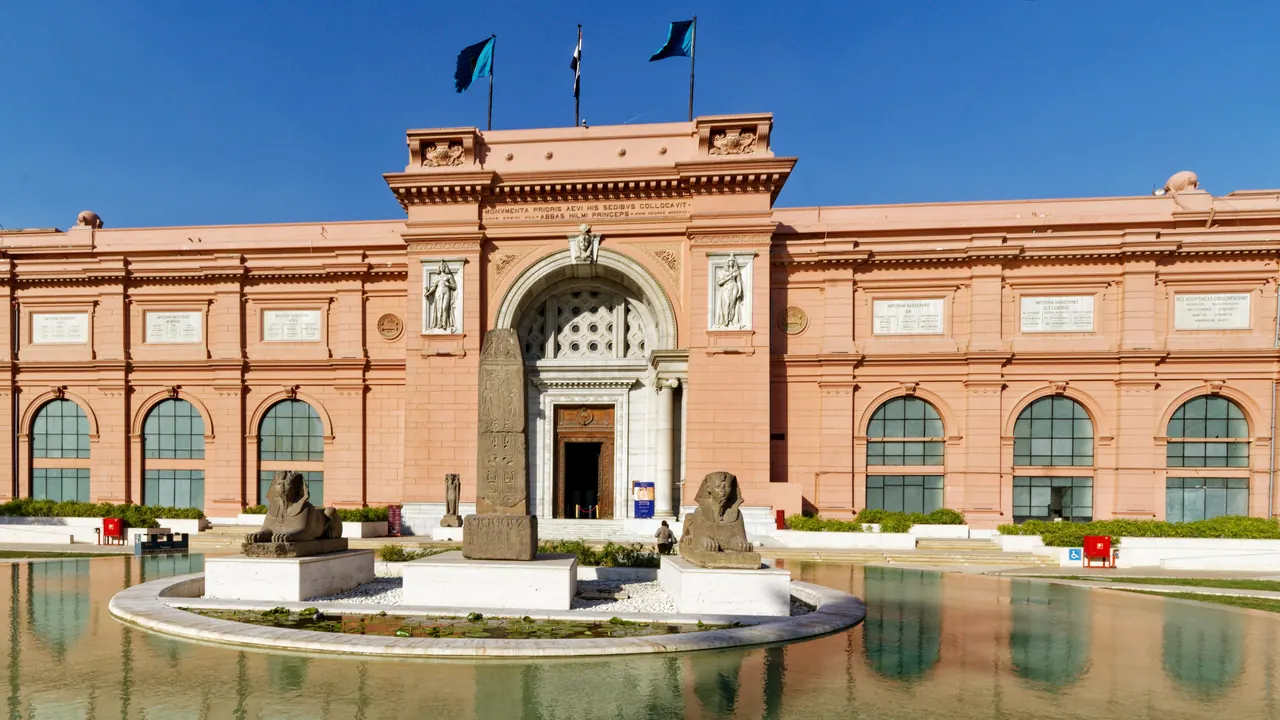
Downtown is the practical compromise when your plans include more than one part of Cairo. The Egyptian Museum anchors Tahrir, while the streets towards Talaat Harb offer older commercial buildings, cinemas, cafes and everyday meals rather than a resort setting. This suits visitors who want a street-level city stay and a recognizable meeting point. Ask whether the room faces the street or an internal courtyard: an attractive historic facade does not establish what the room will sound like.
Sadat station connects Metro Lines 1 and 2, while Nasser connects Lines 1 and 3; Cairo Metro and Mobility Cairo show the relevant interchanges. These help with Old Cairo and other urban journeys, but neither the pyramids nor GEM is at a Downtown metro exit. Cairo International Airport still requires a road connection. Busy crossings and repeated west-bank travel are the trade-offs. Choose Zamalek for a gallery-and-dining focus, or a Giza base if most days revolve around ancient Egypt.
Plan it well: The photo and marker identify the Egyptian Museum at Tahrir, not the Grand Egyptian Museum in Giza.
Egyptian tourism and heritage authoritiesZamalek: galleries, dining and an island neighbourhood
Zamalek's appeal is the concentration of galleries, restaurants and cafes among the streets of northern Gezira Island. It is a useful base for travellers who want to spend evenings in the neighbourhood instead of returning to a large sightseeing hub. The tourism authority's dedicated Zamalek guide supports that art-and-food character. An island address still needs a closer look: river-facing hotels and rooms on busy through streets can feel very different, and a Nile view is not a guarantee of a quiet room.
Mobility Cairo's Green Line 3 map places Safaa Hegazy in Zamalek, with connections towards Nasser and Attaba. Check the walk from the actual hotel rather than treating all of Gezira as station-side. Cairo Opera House is on the island's southern section, not automatically on a northern Zamalek doorstep. Airport arrival is by road; pyramid and GEM visits also need a west-bank journey. Choose Downtown for direct access to the older metro interchanges, or Haram for a pyramid-first itinerary.
Plan it well: The marker is the Wikidata neighbourhood point for Zamalek; it is not a boundary or a hotel location.
Egyptian tourism and heritage authoritiesGiza's Haram and pyramid-side streets: a pyramid-first visit
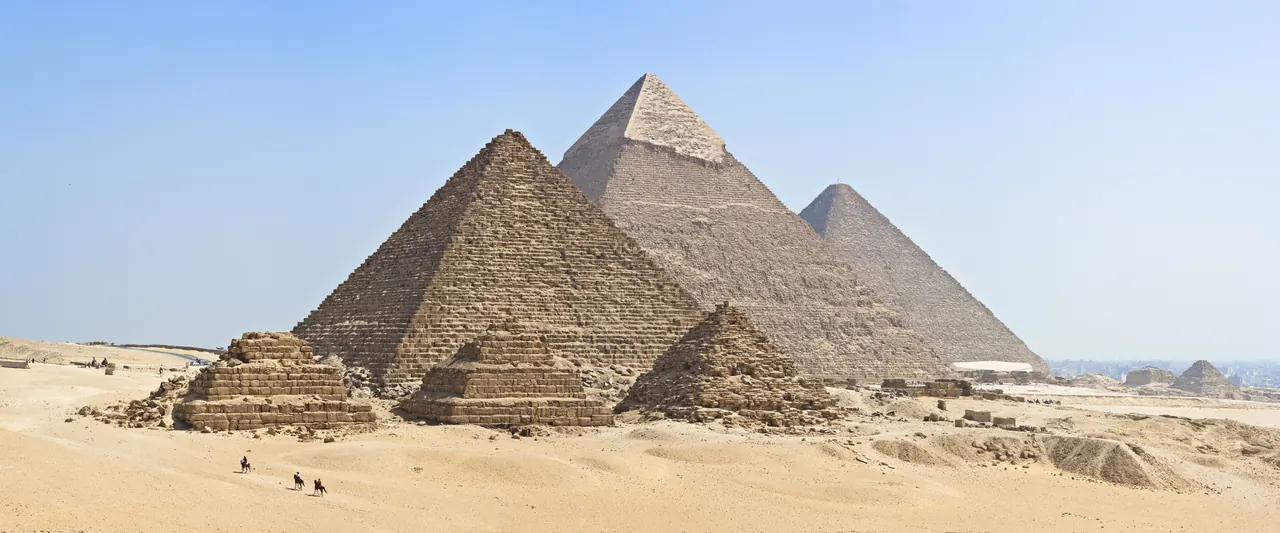
Haram is the choice when the Giza plateau is the main reason for the trip. Accommodation marketed around the pyramids ranges from streets near the Sphinx-side visitor approach to larger properties closer to the main-road side. Those positions are not interchangeable. The plateau itself is a protected archaeological site, not a neighbourhood through which you can freely shortcut between hotels. Meals may be in the hotel or on surrounding commercial streets; choose the actual address and entrance relationship, not just a photograph of a pyramid view.
Cairo Metro's Line 2 reaches Giza station, but that station is not at the pyramids: a road connection remains. Airport arrivals and Downtown evenings also involve road travel, and congestion makes a fixed transfer-time promise unhelpful. Confirm the visitor gate for your planned ticket and how the hotel reaches it. Choose Remaya for repeated GEM visits, or Downtown if you want varied city sightseeing and metro interchanges rather than several days organized around the plateau.
Plan it well: The photo and marker show the Giza pyramid complex, not a hotel street or a particular visitor entrance.
Egyptian tourism and heritage authoritiesRemaya and the GEM approach: museum-led days on the west bank
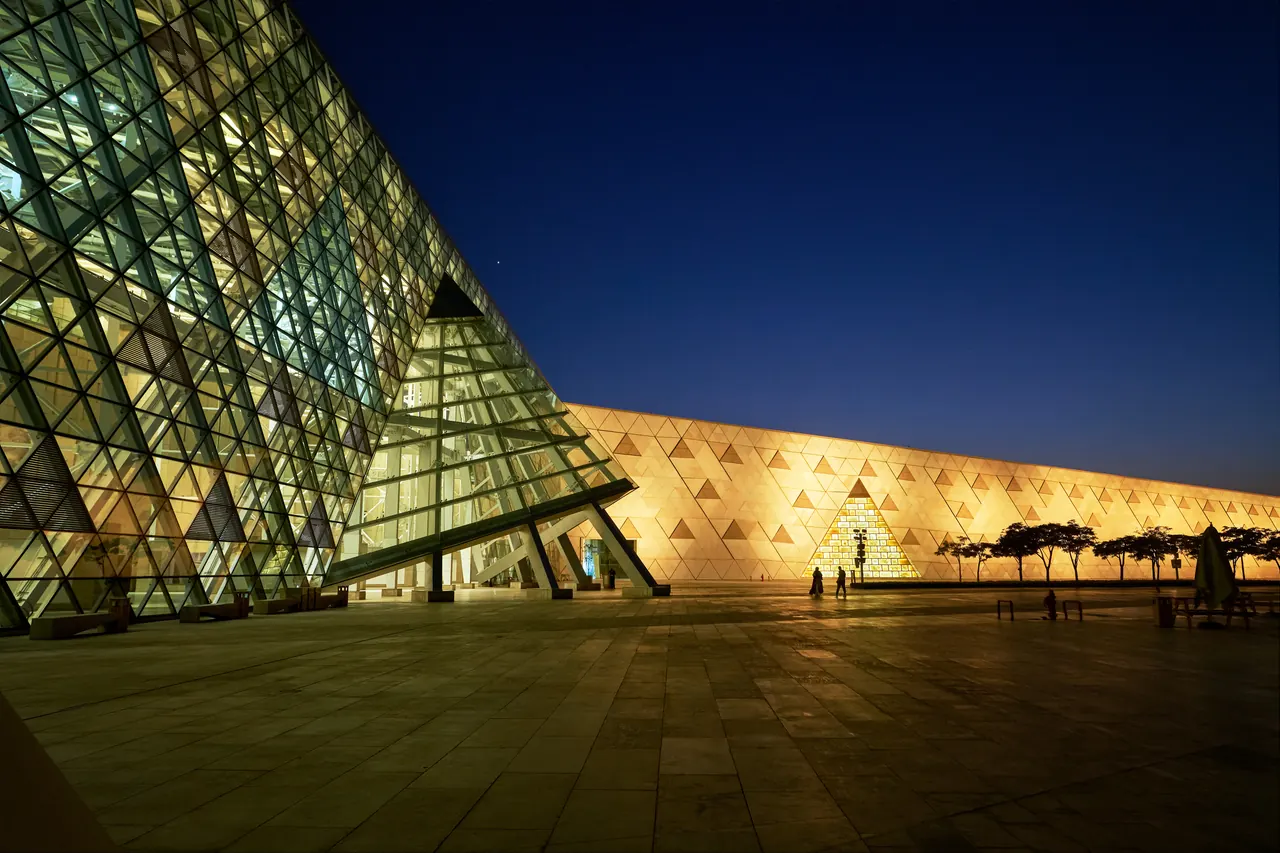
Remaya and the Grand Egyptian Museum approach are a different lodging proposition from the Sphinx-side streets. This western road-side setting suits visitors planning substantial museum time, organized onward travel or hotel-based evenings. GEM's official visitor information places it at El Remayah Square on the Cairo-Alexandria Desert Road. Its commercial area includes places to eat, but a museum restaurant does not turn surrounding major roads into a walkable dining neighbourhood. Check what the hotel itself offers when you expect to return after a long gallery visit.
The museum's arrival instructions identify the car approach through Gate 2; its metro information is not an operating rail connection. A map that puts a hotel near the museum does not establish a pedestrian route to the correct gate, so arrange the actual last-mile journey. Airport access is road-based and should name which airport you are using. Choose Haram for a plateau-centered stay, or Zamalek if neighbourhood dining matters more than keeping the museum journey on this side of the river.
Plan it well: The photo and marker show GEM's building. They do not identify a hotel, a metro stop or a pedestrian entrance.
Egyptian tourism and heritage authoritiesMaadi: longer stays and residential dining
Maadi suits a longer visit when familiar local meals and residential streets matter more than having monumental sights outside the door. Road 9 is the clearest dining reference point; Sarayat's older villa streets and Degla's cafes offer different versions of the neighbourhood. Choose between them deliberately rather than accepting any address labelled Maadi. A Nile-side property can be well away from the Road 9 and station area, so a river view and a walkable restaurant routine are separate decisions.
Cairo Metro's Line 1 includes Maadi and Thakanat El Maadi, making the station relationship useful for journeys north towards central Cairo. The walk from a specific Degla or riverside address still needs checking. Airport access requires a road connection, and a pyramid or GEM outing is not a short local trip. The downside is distance from the historic center and repeated travel on a brief sightseeing break. Choose Downtown for a first visit packed with different monuments, or Zamalek for a more central gallery-and-restaurant base.
Plan it well: The marker is Maadi's district point. Wadi Degla is an outing beyond the residential base, not a park on every hotel's doorstep.
Egyptian tourism and heritage authoritiesHeliopolis and Al Korba: arcaded streets and an airport-side city stay
Al Korba is the useful Heliopolis focus for travellers who want neighbourhood evenings: arcaded buildings and restaurants around Beirut Street give it a more specific identity than a generic airport-area label. Baron Empain Palace provides a heritage anchor elsewhere in the district. This is an eastern Cairo city base, not accommodation inside an airport terminal. Check whether a hotel is actually around Al Korba, further along a large avenue or marketed under the wider Heliopolis name.
Mobility Cairo's Green Line 3 maps show El Ahram, Haroun and Heliopolis stations; the best one depends on the address. Those stations connect into the city, not directly into Cairo International Airport. A terminal transfer remains road-based, even when the hotel is on the airport side of Cairo. The trade-off is repeated cross-city travel for the pyramids, GEM and Coptic Old Cairo. Choose Downtown if those varied outings dominate, or select a genuinely terminal-adjacent hotel separately for a flight-only overnight.
Plan it well: The marker is Baron Empain Palace, a verified Heliopolis landmark, not the center of Al Korba or the airport.
Egyptian tourism and heritage authoritiesHistoric Cairo around Al-Muizz and Khan al-Khalili: heritage streets outside the door
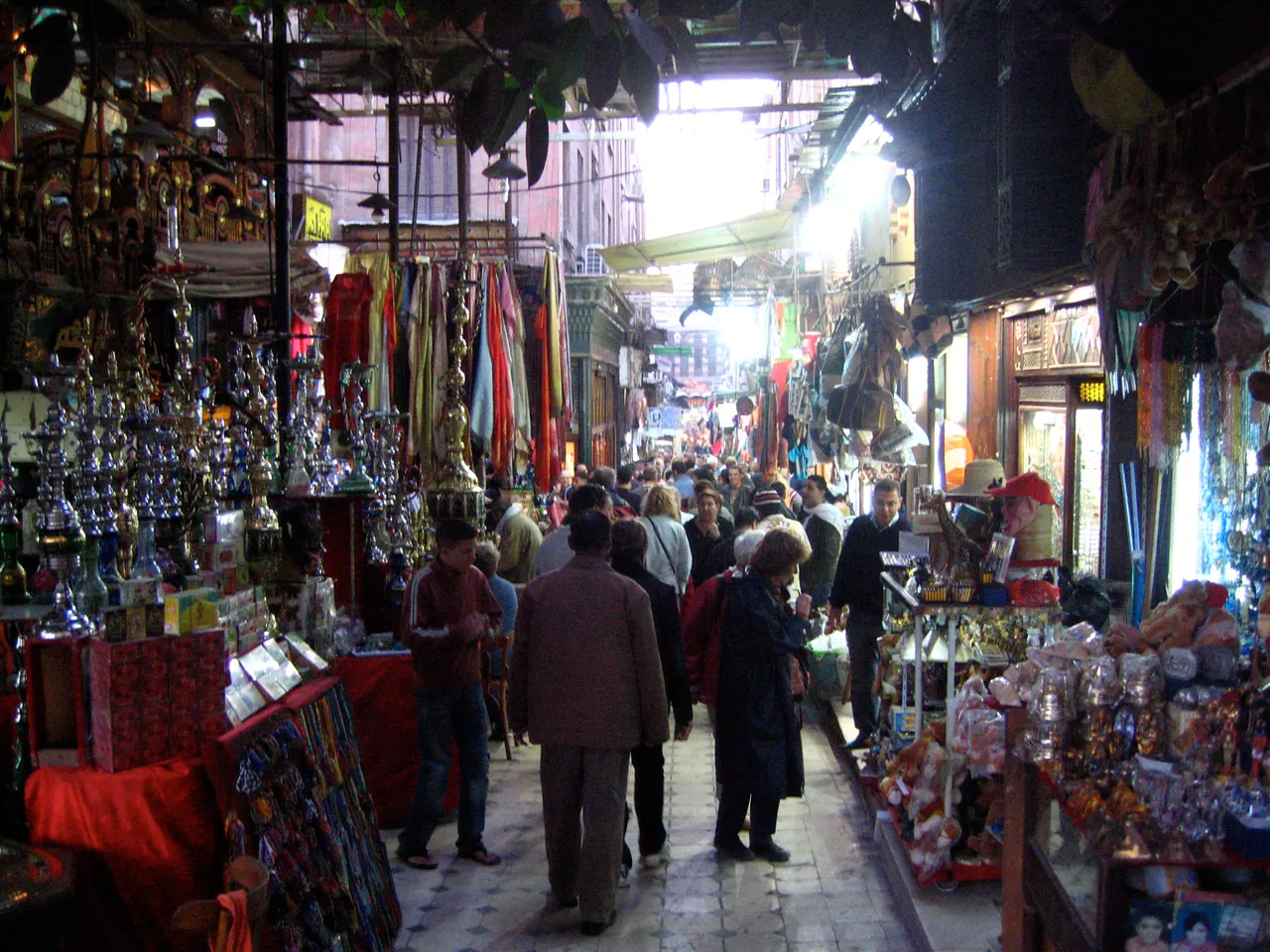
Stay around Al-Muizz when the historic street network itself is the priority, not simply a day trip to the bazaar. The official Historic Cairo guide places major monuments along the route between Bab al-Futuh and Bab Zuweila, with Khan al-Khalili and its cafes nearby. Bayt al-Suhaymi is a useful northern reference point. Small heritage hotels do exist here: Le Riad's own address is on El Moez Street, with Egyptian dining on its rooftop. That makes this a real lodging choice, though not one with the same breadth of large hotels as Downtown.
Mobility Cairo identifies Bab El Shaariya and Attaba on Line 3, but neither name means your room is directly at the station. Confirm where a car can set down, how luggage reaches the entrance and whether the final approach is on foot. Airport arrival needs a road leg. Dense market activity and a less straightforward last mile are the trade-offs; choose Downtown for simpler transport interchanges or Zamalek if restaurants and galleries matter more than sleeping within the heritage streets.
Plan it well: The photo and marker show Khan al-Khalili. Coptic Old Cairo and the Citadel are separate sightseeing clusters.
Egyptian tourism and heritage authoritiesOld Cairo and Manial: Coptic heritage and the southern central Nile
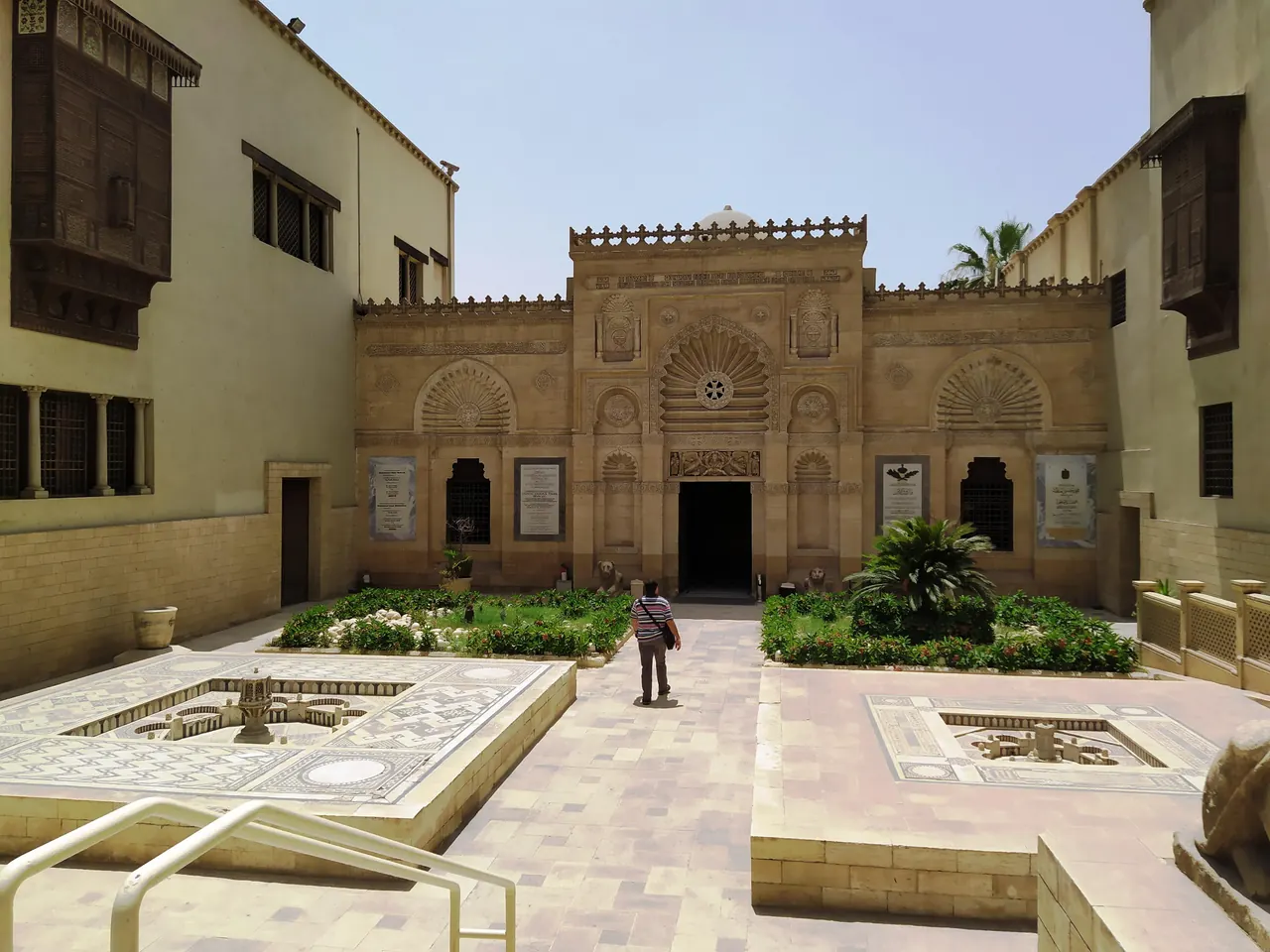
This southern-central choice suits visitors who want to prioritize the Coptic Museum, the Hanging Church and the historic religious complex rather than the Al-Muizz markets. Manial adds Prince Muhammad Ali's palace on Roda Island and a different riverside lodging setting. These are connected parts of a wider stay option, not one compact pedestrian quarter. Compare a mainland address near the Coptic cluster with an island hotel deliberately. Larger Nile hotels may supply several dining venues; they do not necessarily give you a cafe-lined heritage lane outside the entrance.
The Coptic Museum's official page places it near Mar Girgis on Metro Line 1. El Malek El Saleh is another mainland station to consider for a Manial approach, but an island hotel still needs a bridge crossing and a checked last-mile route. Airport arrivals are road-based, as are practical journeys to the Giza sights. The downside is the gap between the island lodging and the mainland monuments. Choose Downtown for a more balanced first visit, or historic Al-Muizz for market streets instead of the Coptic cluster.
Plan it well: The photo and marker identify the Coptic Museum on the mainland. They do not depict Manial, Roda Island or a riverside hotel.
Egyptian tourism and heritage authoritiesArriving and planning Cairo journeys
The airport connection is a road journey
Cairo International Airport lists buses from its Terminal 1 parking-area station and road-based taxi and limousine options. The city metro is not a direct terminal connection. Specify your terminal and airport when arranging a pickup; Sphinx International is a different arrival point.
Cairo International Airport ground transportMatch the hotel to the right metro line
Cairo Metro covers Lines 1 and 2, including Sadat and the Old Cairo stations. Mobility Cairo's Green Line 3 maps show Zamalek and Heliopolis connections and interchanges at Nasser and Attaba. Check the exact hotel walk and current operator notices.
Mobility Cairo network and neighbourhood mapsA Giza station is not a pyramid entrance
Use Cairo Metro's station list to distinguish the urban Giza station from the plateau. Neither that station nor a hotel with a pyramid view establishes your visitor gate, pickup point or journey to GEM.
Cairo Metro stationsConfirm GEM's real arrival instructions
The museum's official visitor page gives its Remaya address and car-access instructions. Use its operating arrival information rather than assuming a planned metro connection already serves the entrance.
Grand Egyptian Museum visitor informationAdvisory context: check the trip beyond Cairo
Egypt travel advice includes regional risks and location-specific restrictions elsewhere in the country. Check your government's current advice and insurance conditions before booking and before any onward excursion; a neighbourhood comparison is not a safety assessment.
UK FCDO Egypt travel adviceFind a Cairo hotel in your chosen base
Compare Cairo hotels by the journeys you will repeat: Tahrir interchanges, a specific Zamalek or Maadi station, an Al Korba address, or the correct west-bank visitor approach. Check the entrance and pickup location before relying on a broad district label.
Explore Cairo hotels