
Sharm el-Sheikh city guide
10 things to do in Sharm el-Sheikh
Choose between Red Sea reefs, protected coastal landscapes and places of worship, with clear distinctions between local outings and demanding Sinai excursions.
Plan your visit
Sharm el-Sheikh works best when you decide what sort of Red Sea day you want: a beach with suitable swimming arrangements, a supervised reef outing or a look at the protected coast on land. Its districts are spread out, while the monastery and mountain excursions reach far beyond the resort setting. Check current official advice and the exact route before travel, choose operators suited to your experience and leave room for wind, sea conditions and access changes. This list offers alternatives, not ten activities to squeeze into a weekend.
Find your bearings around Naama Bay
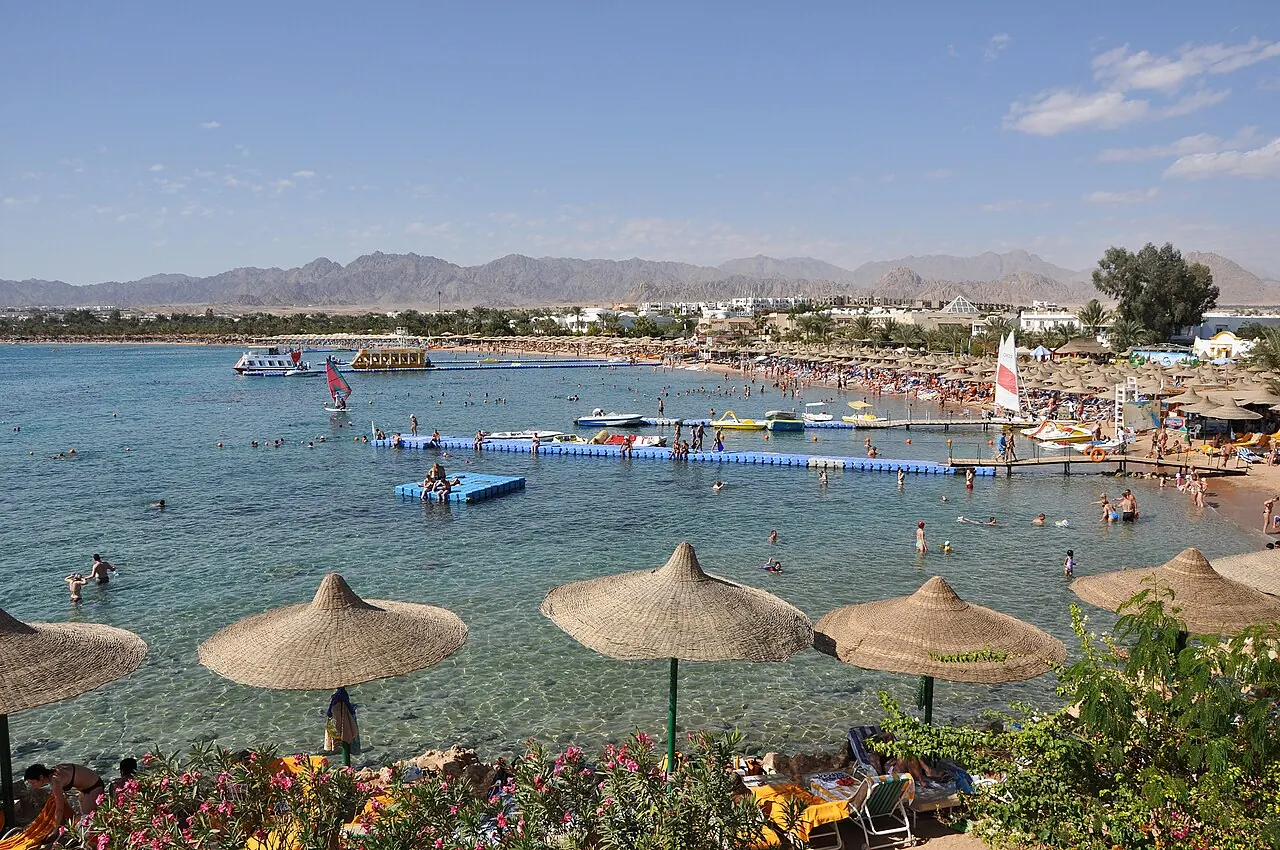
Naama Bay makes a useful first look at Sharm because it brings the waterfront, accommodation and places to eat into one recognisable district. Walk along the bay before choosing where to stop, noticing how the beach is divided between different operators rather than assuming every stretch has the same access. The broad curve of the shore is also a helpful point of reference when deciding whether your holiday is mainly about central evenings or quieter resort time.
An evening walk and a swimming day are separate plans. For the latter, check the particular beach's entry arrangement, permitted swimming area and available facilities before bringing a group over from another hotel. For dinner, compare menus and decide on the full bill before ordering rather than treating a waterfront address as a guarantee of value. Keep transport back to your accommodation in mind: Sharm's resort districts are spread out, and a pleasant promenade does not connect them all.
Plan it well: Check the specific beach's access and facilities; the bay's public-facing promenade does not make every hotel beach interchangeable.
Experience Egypt: beaches, snorkelling and divingSee the coast and reefs of Ras Mohammed
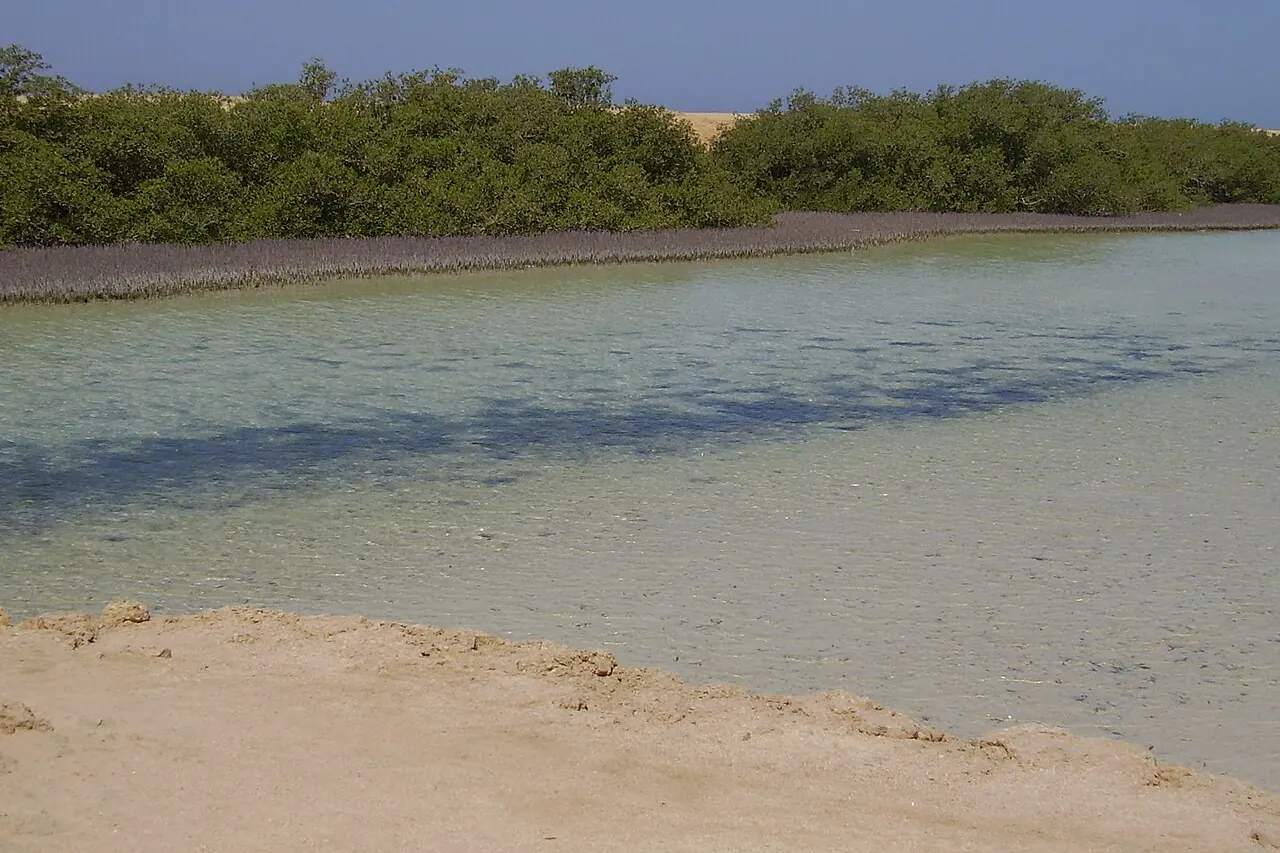
Ras Mohammed is not just a label attached to a snorkelling cruise. The protected peninsula also has a terrestrial landscape of exposed coast, desert and mangroves, giving a fuller picture of where the Red Sea meets Sinai. Decide whether those land features matter to you before booking. A boat trip can be an excellent water-focused choice without including any meaningful time walking around the peninsula shown in the photograph.
Ask for the actual itinerary, embarkation point and permitted stops, then compare those details with a land-based park visit. Wind, sea conditions and local instructions can change an outing, so keep alternatives possible. In the water, stay within the guide's limits and never stand on coral to adjust equipment. On land, follow marked or authorised routes and leave shells, plants and stones where they are. Bring shade protection and drinking water without assuming every stop has a shop.
Plan it well: Choose land or sea deliberately and ask for named stops; a park-branded cruise need not include a peninsula walk.
Egyptian Tourism Authority: protected areasExplore the reefs in the Straits of Tiran
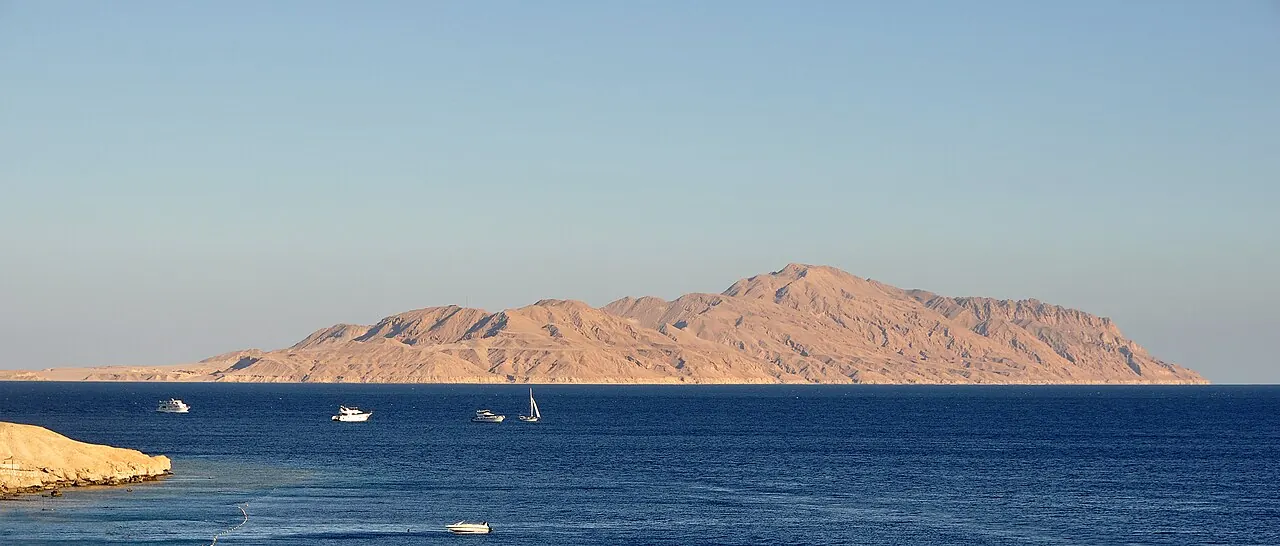
The Straits of Tiran offer a different boat outing from the protected peninsula to the south. Tiran Island's rugged outline provides the backdrop, while the reefs in the straits are the usual focus of trips from Sharm. The island and the reef sites are not interchangeable destinations: a boat advertised with Tiran in its name does not establish that you will land on the island. Look for a clear description of the water activity instead.
Choose an operator who separates snorkelling, introductory diving and certified diving requirements. Ask which reefs are intended, whether their conditions suit your experience and what happens if the planned route changes. A famous reef name should not persuade a nervous swimmer to enter unsuitable water. Confirm equipment, supervision, transfer arrangements and the total trip inclusions before paying. The map pin identifies the island, not your departure jetty or an independently accessible beach; navigate to the operator's confirmed meeting point.
Plan it well: Book the reef activity and confirmed departure point, not an assumed island landing.
Emperor Divers: Sharm reef sitesLook beyond the resorts at Nabq Protected Area
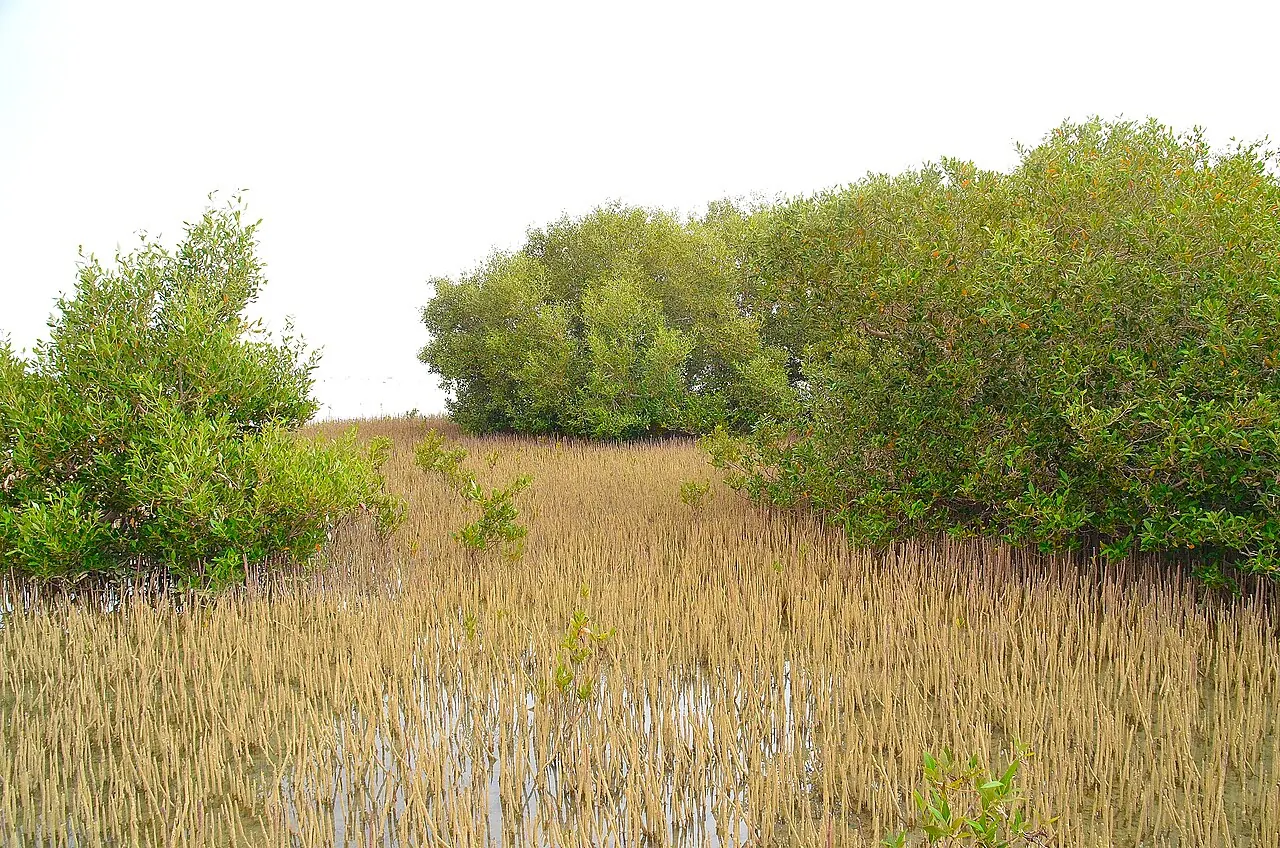
Nabq Protected Area offers mangroves, coastal desert and a different perspective from the hotel beach. The trees' roots and shallow shoreline are worth observing slowly rather than treating the reserve as a quick photograph between resort activities. Do not confuse the protected area with the nearby Nabq resort district: choosing a hotel whose address includes Nabq does not mean you have visited the reserve or can reach its permitted routes on foot.
Arrange an outing that explains where you will enter, which activities are authorised and how transport works inside the protected area. The environmental authority's visitor material provides background, but an older brochure is not a current timetable or permit guarantee. Ask about conditions on the day and bring what you need for sun, wind and time outdoors. Stay out of sensitive vegetation and avoid leaving food or litter. Wildlife sightings should remain a possibility, never an advertised certainty.
Plan it well: Specify the protected area when arranging transport; a Nabq resort transfer is a different journey.
Egyptian Environmental Affairs Agency: Nabq visitor materialSee Al-Sahaba Mosque in the Old Market district

Al-Sahaba Mosque gives the Old Market district a distinctive architectural focus, with its minarets and domed forms rising above the surrounding streets. Begin with an exterior view that leaves entrances and circulation clear. The setting works well with a separate look around the district's shops, but the mosque is an active place of worship, not a stage set whose users are there to complete a visitor's photographs.
Interior access should be confirmed locally, including whether non-worshipping visitors are admitted at the time you arrive. Do not infer permission from other tourists entering or from an open door. Wear appropriate clothing, follow any instructions about shoes and photography, and wait if a service makes visiting unsuitable. Outside, ask before photographing people closely. If your interest is mainly architecture, a considerate exterior visit can be worthwhile without requiring an interior tour or disrupting those coming to pray.
Plan it well: Confirm permission before entering and let worship determine the timing of any visit.
South Sinai Governorate: local mosque and worship newsVisit the Heavenly Cathedral respectfully

The Heavenly Cathedral represents Sharm's Coptic Christian religious life and offers a different architectural setting from the Old Market mosque. Approach it as a functioning church rather than another guaranteed stop on an excursion circuit. Its exterior is worth examining in its own right, and a permitted interior visit can add context through the church's visual religious traditions. Keep the distinction between religious interpretation and sightseeing entertainment clear.
Check the current visiting arrangement and service calendar before making a special journey to Hay El Noor. Modest clothing, quiet conversation and permission for photographs are useful starting points, but the guidance of staff and worshippers takes precedence. Do not walk into an area being used for prayer because a group is moving through the building. Pair the visit with another nearby district outing only if transport makes sense; it need not become a hurried detour on a full boat-trip day.
Plan it well: Ask about the current service and visitor arrangements rather than treating the church as an always-open attraction.
Coptic church directory: Heavenly CathedralChoose a reef outing at Ras Umm Sid
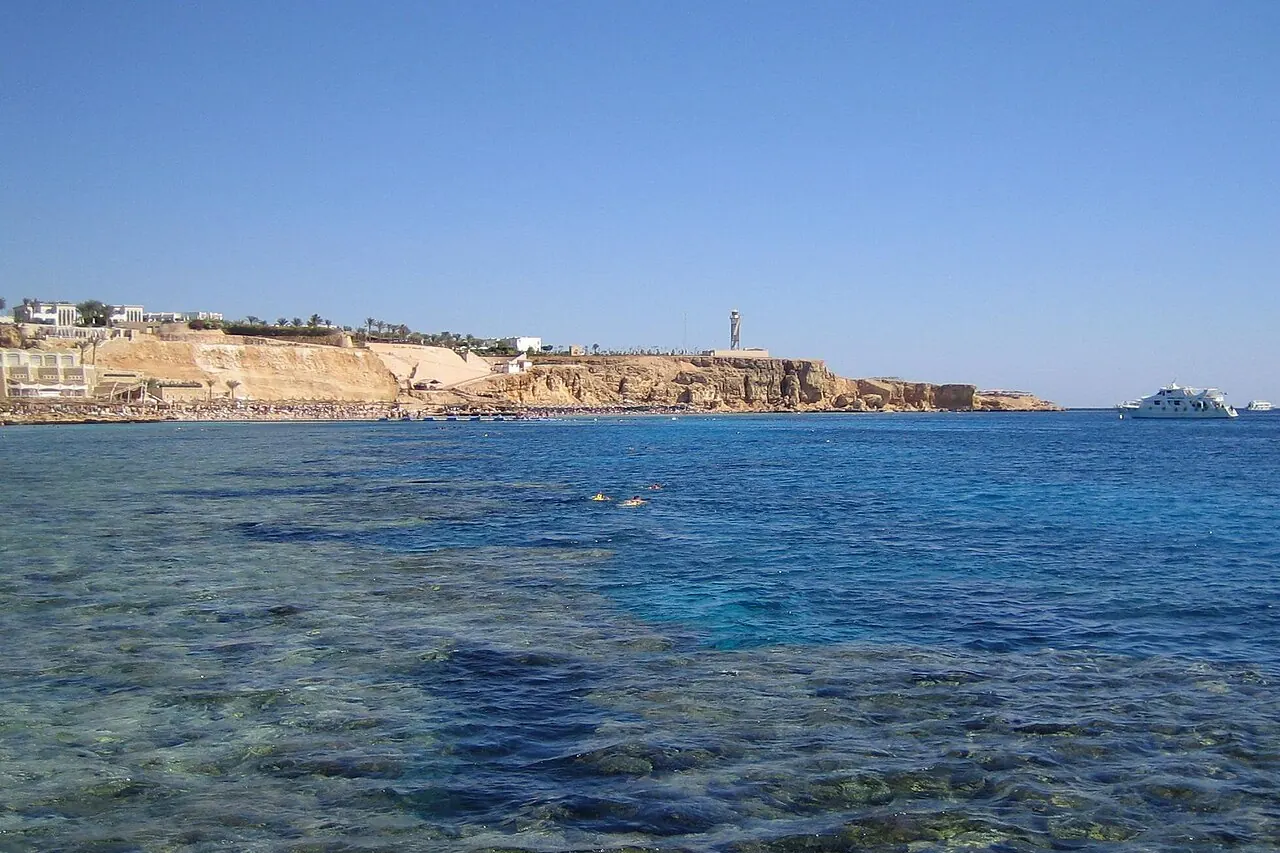
Ras Umm Sid is a headland and reef setting in the Hadaba area, not a single beach entrance with universal access rules. Its cliffs and coastal views make the land setting worthwhile even if you choose not to enter the water. For swimmers and divers, the attraction lies in seeing the reef under appropriate conditions, with the right access point and a realistic understanding of your own confidence in open water.
Confirm which beach or operator your plan uses, how entry works and whether access involves steps, a jetty or another arrangement. A map pin on the cape is not a promise of a public path through hotel grounds. Ask about currents and the designated swimming zone on arrival, and follow lifeguard or guide instructions. Avoid touching coral or pursuing marine life for photographs. If the sea is unsuitable, use the outing for a view and a break rather than trying to rescue the original swimming plan.
Plan it well: Verify the access point and water conditions; a headland pin does not show a permitted route through private grounds.
PADI: Ras Um Sid dive siteMake Saint Catherine's Monastery a separate excursion
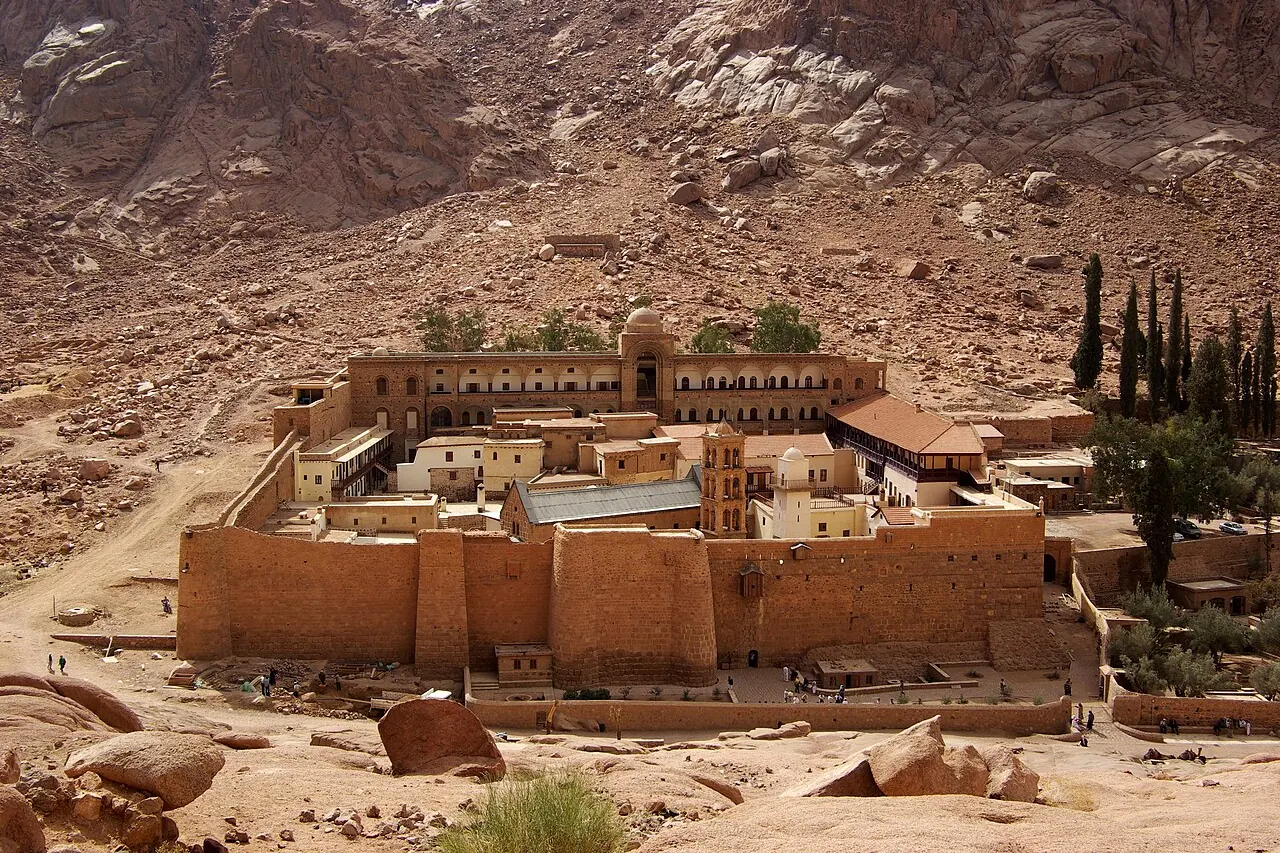
Saint Catherine's Monastery belongs to a substantial excursion into Sinai's interior, not a casual stop between Sharm beaches. The fortified complex sits beneath the mountains and remains a living religious institution. Give its setting and interpretation time: the relationship between walls, mountain landscape and monastic life is more meaningful than simply collecting a photograph of a famous facade before the return journey.
Confirm the permitted route, your entry documents and current official travel advice before agreeing to the excursion. The monastery has its own worship programme and visitor arrangements, and access to a particular collection or interior should never be assumed from a general tour description. Ask the operator exactly what is included and what happens if access changes. Bring respectful clothing and suitable footwear. Combining the monastery with a mountain ascent creates a more demanding schedule, so consider whether one experience deserves the whole outing.
Plan it well: Keep the excursion conditional on the exact permitted route, entry documents and the monastery's current visiting arrangements.
Egyptian Ministry of Tourism and Antiquities: Saint Catherine's MonasteryAssess a guided Mount Sinai ascent realistically
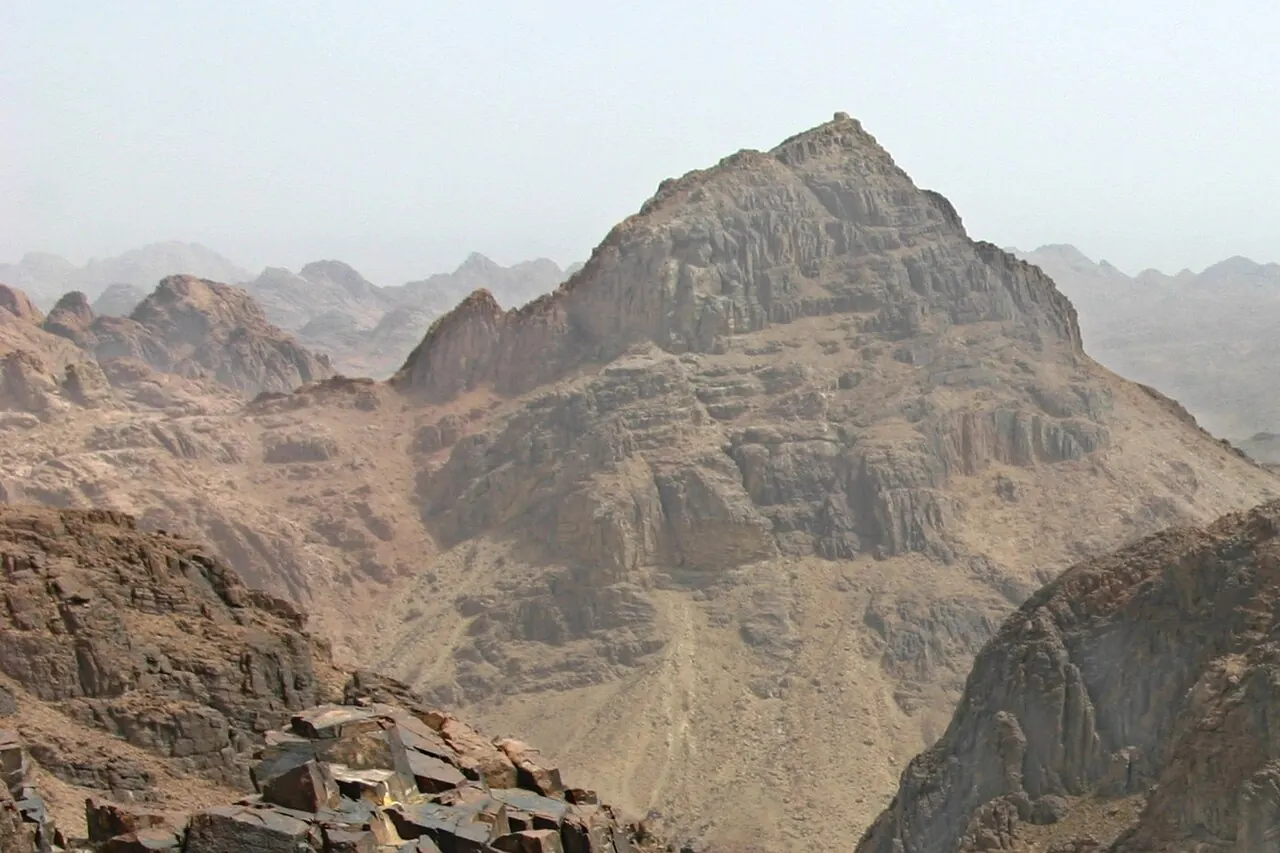
Mount Sinai is an excursion for travellers who genuinely want a mountain walk and understand its religious significance, rather than a compulsory addition to every beach holiday. The granite landscape has its own appeal, while the mountain's connection with Moses belongs to religious tradition. Seeing a summit photograph tells you little about whether the route, departure time and physical demands are suitable for your group.
Choose an authorised guide and discuss fitness, footing, weather and the exact route before booking. An overnight ascent requires appropriate warm layers and lighting as well as water; a resort's daytime temperature is not a useful guide to mountain conditions. Check current travel and route advice, and do not rely on a package name to establish access. Keep a plan for turning back if necessary. A monastery visit afterwards also has a separate timetable, and neither activity should be rushed to meet an unrealistic transfer schedule.
Plan it well: Discuss the route and a turn-back plan in advance; an overnight ascent is not a substitute for a short coastal walk.
Egyptian Tourism Authority: mountain trailsConsider the Thistlegorm only as an experienced dive
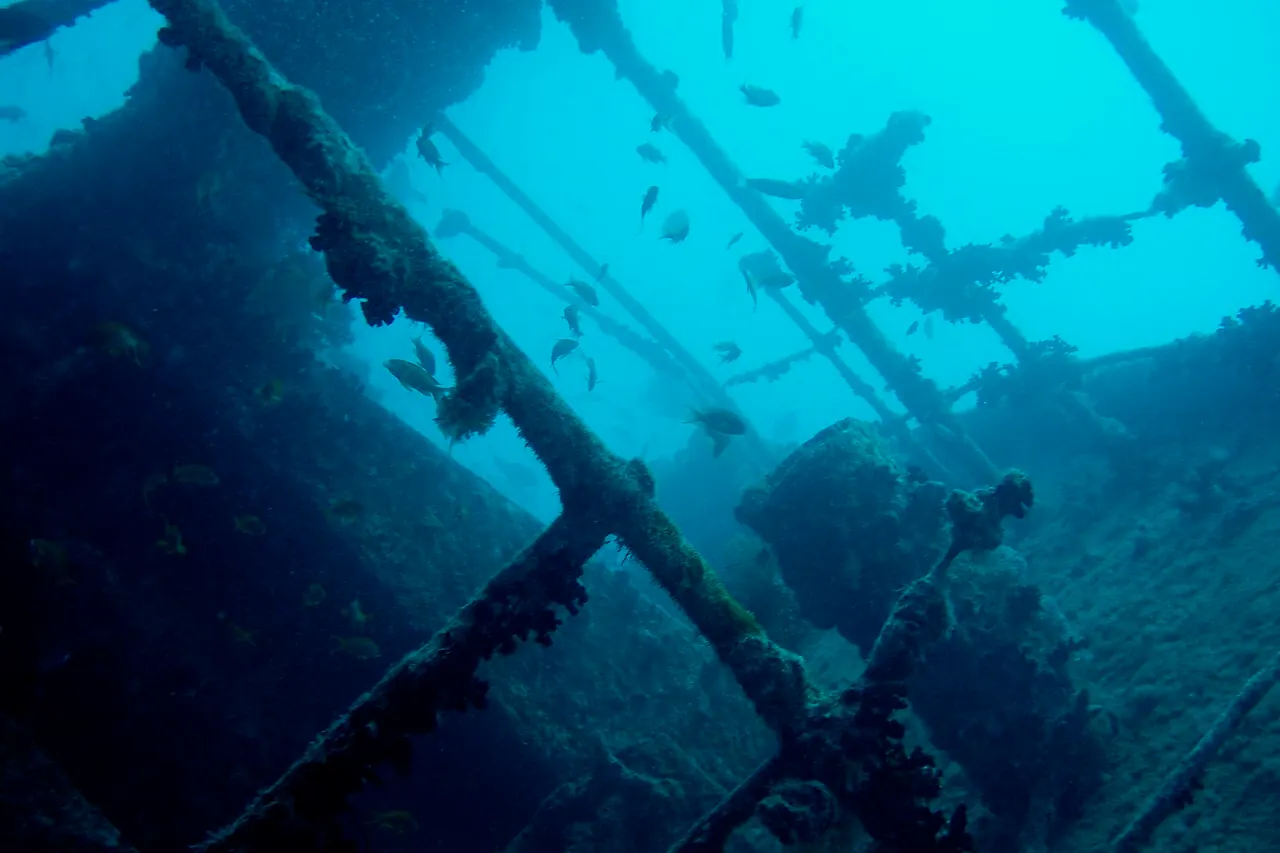
The SS Thistlegorm is an underwater wreck outing for suitably experienced divers, not a sightseeing boat stop where everyone can simply get in. The ship and its surviving cargo provide a powerful diving subject, but access depends on experience, buoyancy and conditions rather than enthusiasm alone. Choose this section only if you are already considering a qualified diving programme and can discuss your recent experience honestly with the operator.
The Chamber of Diving and Water Sports' current preservation guidance excludes divers with fewer than twenty dives or buoyancy problems and forbids touching the wreck. Treat those rules as a minimum, not an automatic entitlement to dive: an operator may require more experience or decline a dive because of conditions. Confirm training, equipment and appropriate insurance, and follow your training agency's flight-after-diving guidance. Do not enter enclosed spaces beyond your qualification or disturb objects for photographs; responsible distance is part of appreciating the wreck.
Plan it well: At least twenty dives and controlled buoyancy are required by current CDWS guidance; do not touch or remove anything from the wreck.
CDWS: Thistlegorm preservation and diver requirementsTwo days based in Sharm el-Sheikh
Day one: orient the coast and choose a district
Begin with Naama Bay, then choose a suitable beach or a Hadaba viewpoint rather than crossing several resort districts. Later, visit the Old Market area and view Al-Sahaba Mosque respectfully. The Heavenly Cathedral is a separate option when its visiting arrangements and transport suit the day.
Day two: one substantial outing
Choose a Ras Mohammed land visit, a suitably supervised reef boat trip, or Nabq Protected Area according to your interests and conditions. Saint Catherine's Monastery and Mount Sinai need a separate excursion day with verified routes. Thistlegorm is an experienced-diver alternative, not an extra stop to append to a snorkelling itinerary.
Before you go
Check the exact route against official advice
Egypt's current official travel advice distinguishes areas of Sinai and discusses regional disruption. Check your own government's advice, transport and insurance before travelling, particularly for interior excursions; an operating coastal resort does not establish that every inland route is appropriate.
FCDO Egypt travel adviceConfirm entry permission for your planned excursions
Visa and entry arrangements depend on nationality, arrival route and travel beyond a restricted resort stay. Ask the Egyptian authorities or your carrier about your exact plan rather than assuming a Sinai-only permission covers every excursion.
Official Egypt entry guidanceMatch the water activity to the swimmer or diver
Use suitable licensed operators, ask about supervision and conditions, and keep a land alternative. Do not touch coral or wildlife. Diving qualifications, recent experience, insurance and flight timing need their own checks; a snorkelling booking does not qualify someone for a wreck dive.
Where to stay in Sharm el-Sheikh
Compare Naama Bay for central waterfront evenings, Hadaba for its headland setting, and the northern resort districts for the actual facilities you want. Verify beach access, swimming arrangements, transfers and the travel time to your chosen operator rather than judging a hotel solely by a coast-facing photograph. All-inclusive terms, cancellation conditions and accessible routes vary by property. Pick one convenient base and plan excursions from it instead of expecting a continuous walkable strip between all resort areas.
Explore Sharm el-Sheikh hotels