
Sharm el-Sheikh city guide
Sharm el-Sheikh Beach Escapes: Reefs, Bays and Sinai Nature
Choose a sheltered bay, snorkel without damaging coral, understand Ras Mohammed and Nabq, and shape a responsible three-day Red Sea stay.
Plan your visit
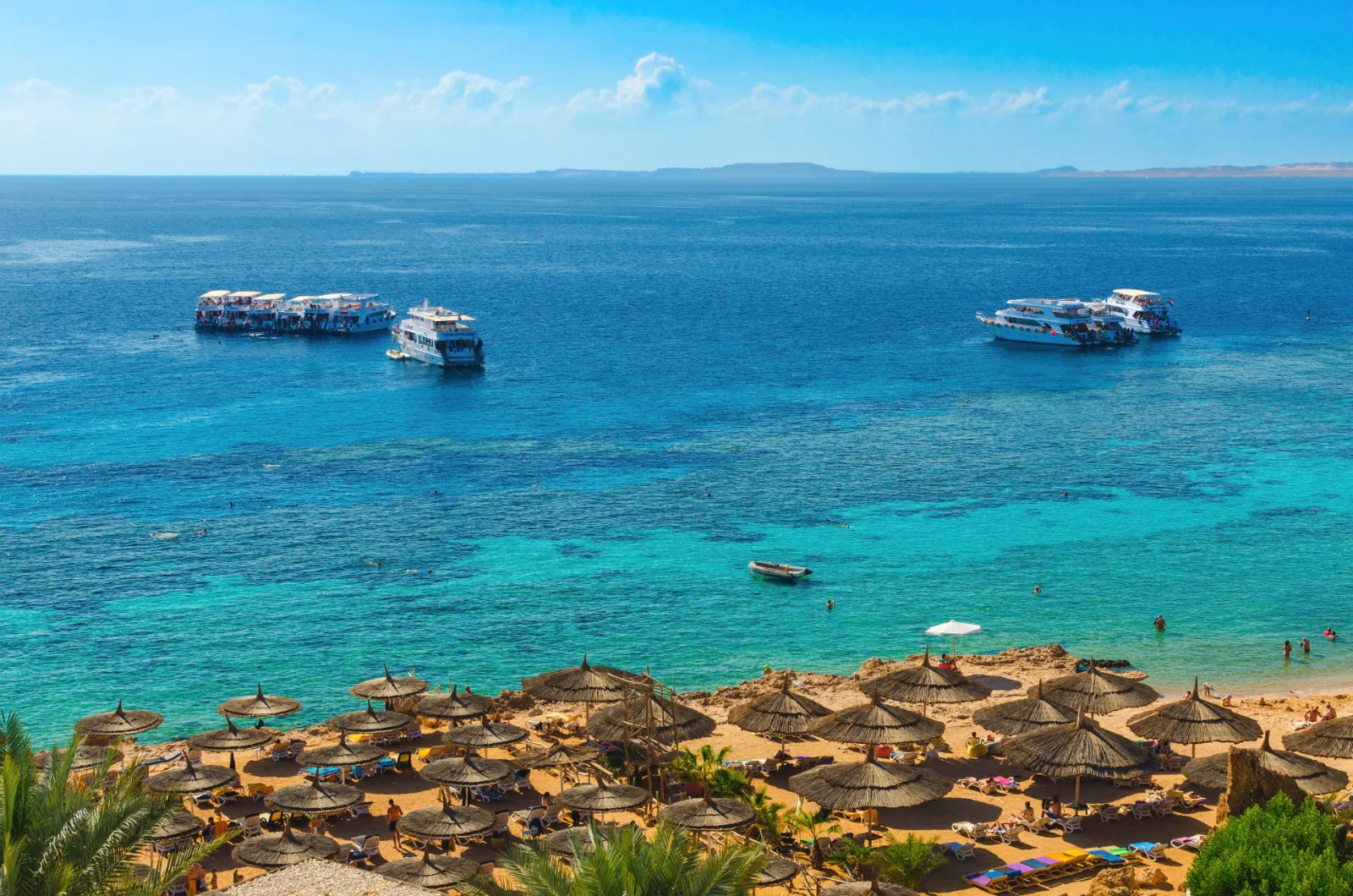
Sharm el-Sheikh’s beach experience is shaped by sheltered bays, fringing coral reefs and the dry mountains of southern Sinai. Naama Bay offers the easiest resort access, Ras Um Sid is known for reef scenery and Ras Mohammed National Park provides a protected marine landscape that demands careful behaviour. Entry can be from sand, jetty or reef edge, so the right beach depends on swimming ability, wind and access. A responsible short stay combines one easy bay, one carefully managed snorkelling session and time for protected nature or local culture, with no touching, standing on or removing coral.
Choose your bay
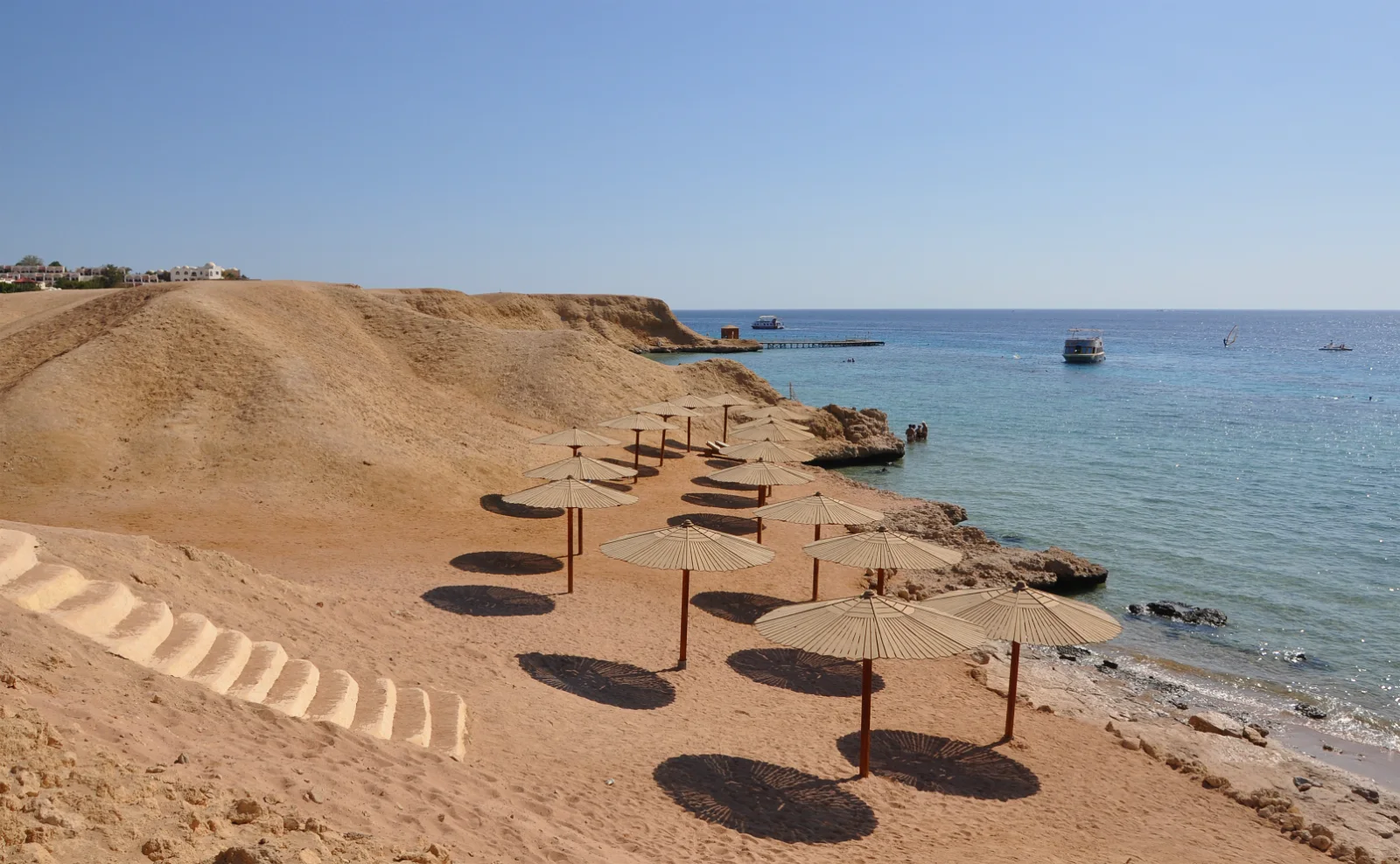
Naama Bay offers the simplest combination of sand, services and a walkable resort setting, making it useful for a first day or less-confident swimmers. Ras Um Sid and Hadaba appeal to travellers focused on reef views, but entry methods and water depth vary by property and site. Sharks Bay and Nabq have different exposure and transfer times. Ask exactly how swimmers enter, whether a jetty is required and what lifeguard or snorkelling supervision is available. Choose one bay that matches ability and wind rather than moving between several private access points.
Plan it well: Verify whether entry is from sand, steps or a jetty before choosing a beach.
Experience Egypt: Sharm el-SheikhReef swimming and seasonal safety
Coral reefs are living, fragile habitats. Never stand on coral, touch marine life, feed fish or take shells and fragments. Use designated entry points and follow guides, lifeguards and protected-area rules. Wind can create chop or make a jetty entry unsuitable, while intense sun and heat demand shorter sessions, water and shade. Less-confident swimmers should choose sheltered, supervised areas and use flotation only where permitted. Keep fins away from the reef in shallow water and do not follow wildlife into deeper areas. If a site closes, accept the closure rather than seeking an informal entry.
Plan it well: Stay horizontal above coral and use only designated water entries.
Egyptian Environmental Affairs Agency: protected areasRas Mohammed marine nature
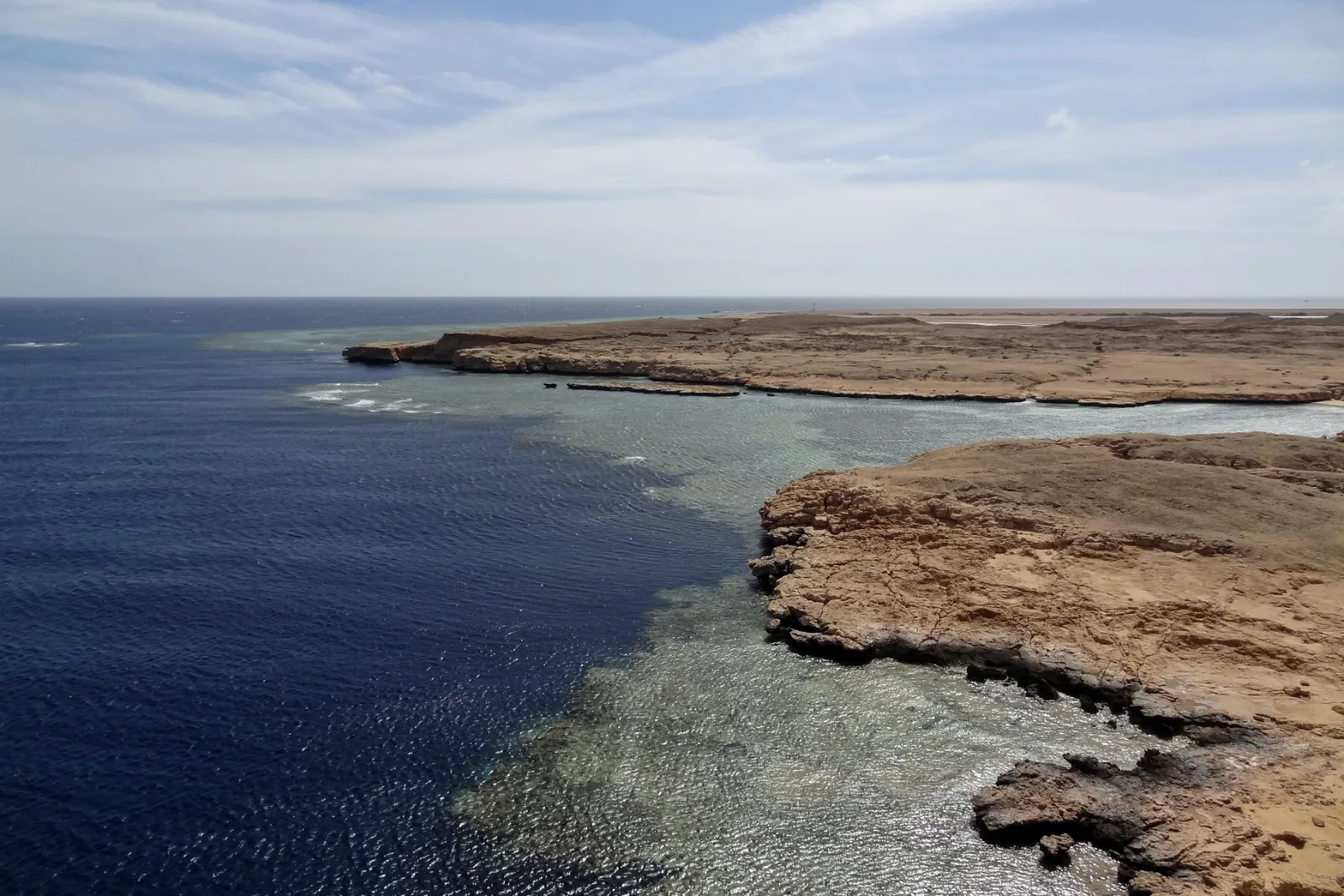
Ras Mohammed National Park protects reefs, mangroves, desert landscapes and important marine habitats. Visit with a licensed operator or according to current park arrangements, and treat the day as conservation travel rather than a collection of snorkelling stops. Follow zoning, do not remove natural material and keep distance from nesting or resting wildlife. Sea conditions differ between sites, so guides must be willing to change the plan. Carry water and sun protection, and verify what the excursion includes before booking. Small groups and clear environmental briefings are stronger signs than promises of close animal encounters.
Plan it well: Choose a licensed operator that explains park zones and reef behaviour.
EEAA: Ras Mohammed National ParkNabq’s mangroves and coast
Nabq Protected Area shows a different side of the region, with mangroves, tidal flats and desert coast rather than only resort beaches. Access and permitted activities must follow current protected-area rules. Use established routes, keep vehicles out of sensitive ground and never approach birds or other wildlife for a photograph. Wind and shallow water can make conditions unsuitable for casual swimming, so visit for landscape and ecology first. A responsible excursion should explain why mangroves matter to the Red Sea coast and should leave no litter, food or disturbance behind.
Plan it well: Treat Nabq as a protected landscape, not as an informal off-road beach.
EEAA: Nabq Protected AreaCulture, markets and food
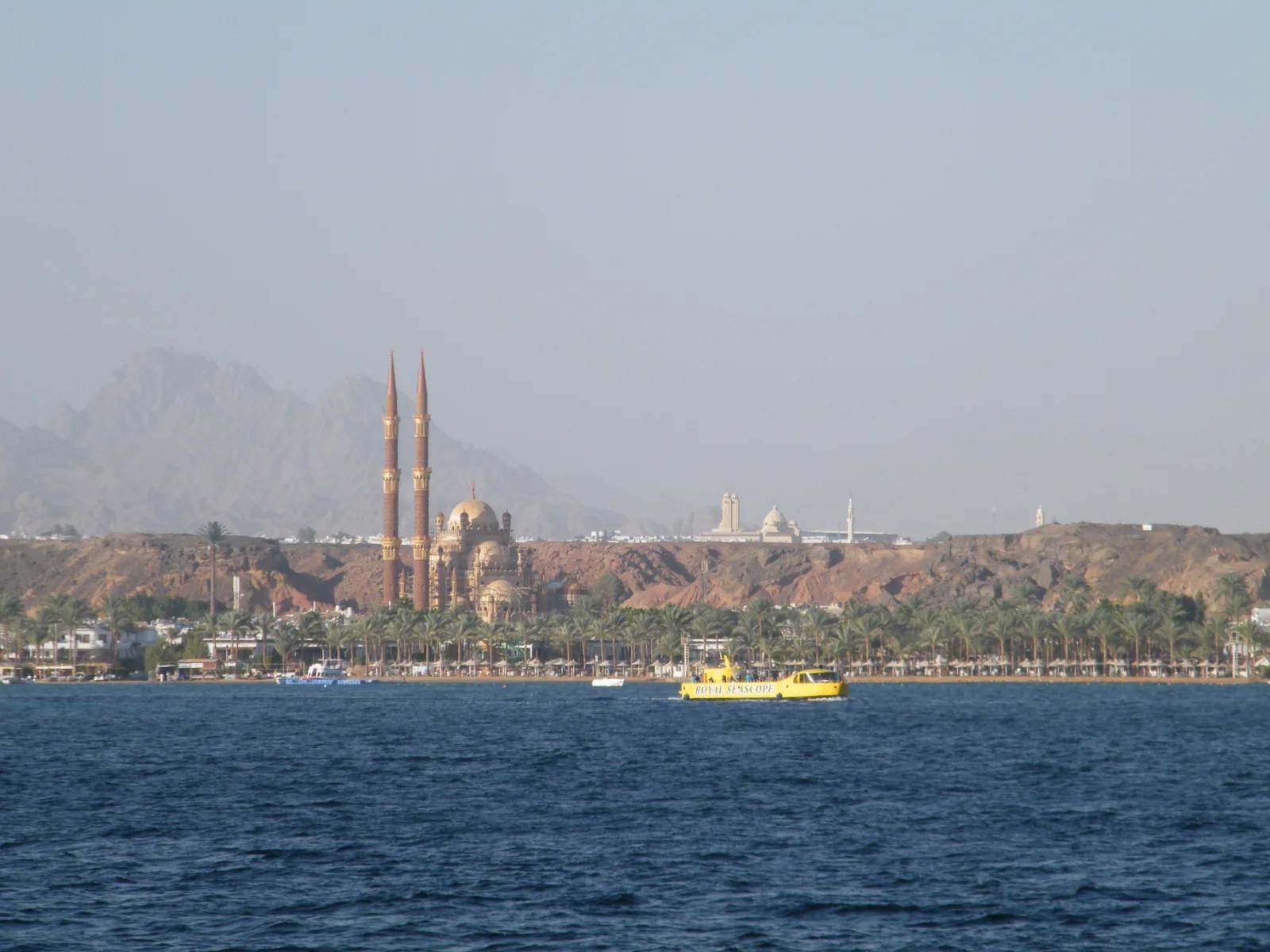
Old Market and Al-Sahaba Mosque provide cultural context away from the resort bays. Dress respectfully, avoid visits during worship when access is limited and ask before photographing people. Compare displayed prices and treat bargaining as a polite conversation rather than a contest. For food, look for Egyptian dishes alongside Red Sea seafood, ask what is seasonal and order gradually. Avoid coral, shells and wildlife products sold as souvenirs. Sharm el-Sheikh Museum can add regional history on a day when wind limits water activities; verify current opening information directly before travel.
Plan it well: Never buy coral or shells, and dress respectfully around religious sites.
Sharm el-Sheikh MuseumA balanced three-day plan
Begin day one at Naama Bay or another easy-access beach, confirming entry and wind before swimming. Use day two for Ras Mohammed with a licensed operator and keep the evening quiet. On day three, choose between Nabq’s protected landscape, a second supervised reef site or the museum and Old Market according to conditions. If wind affects snorkelling, move culture and landscape forward rather than forcing an unsafe session. This sequence provides resort water, protected marine nature and local context while limiting transfers and giving the reefs time and respect they require.
Plan it well: Let wind and official access decide which day becomes the marine excursion.
Experience Egypt: Sharm el-Sheikh