
Alicante city guide
10 things to do in Alicante
Connect Alicante's castle and old town with its working cultural institutions, then choose between a long beach afternoon and a properly planned Tabarca crossing.
Plan your visit
Alicante is a city as well as a beach destination. Its central streets, museums and waterfront make a compact visit, but the hilltop castle, San Juan beach and Tabarca require different kinds of planning. Use the castle to understand the setting, give at least one museum time beyond a quick circuit, and leave space for an ordinary promenade or meal. The island is an optional outing with a boat connection, not another stop on a central walking tour.
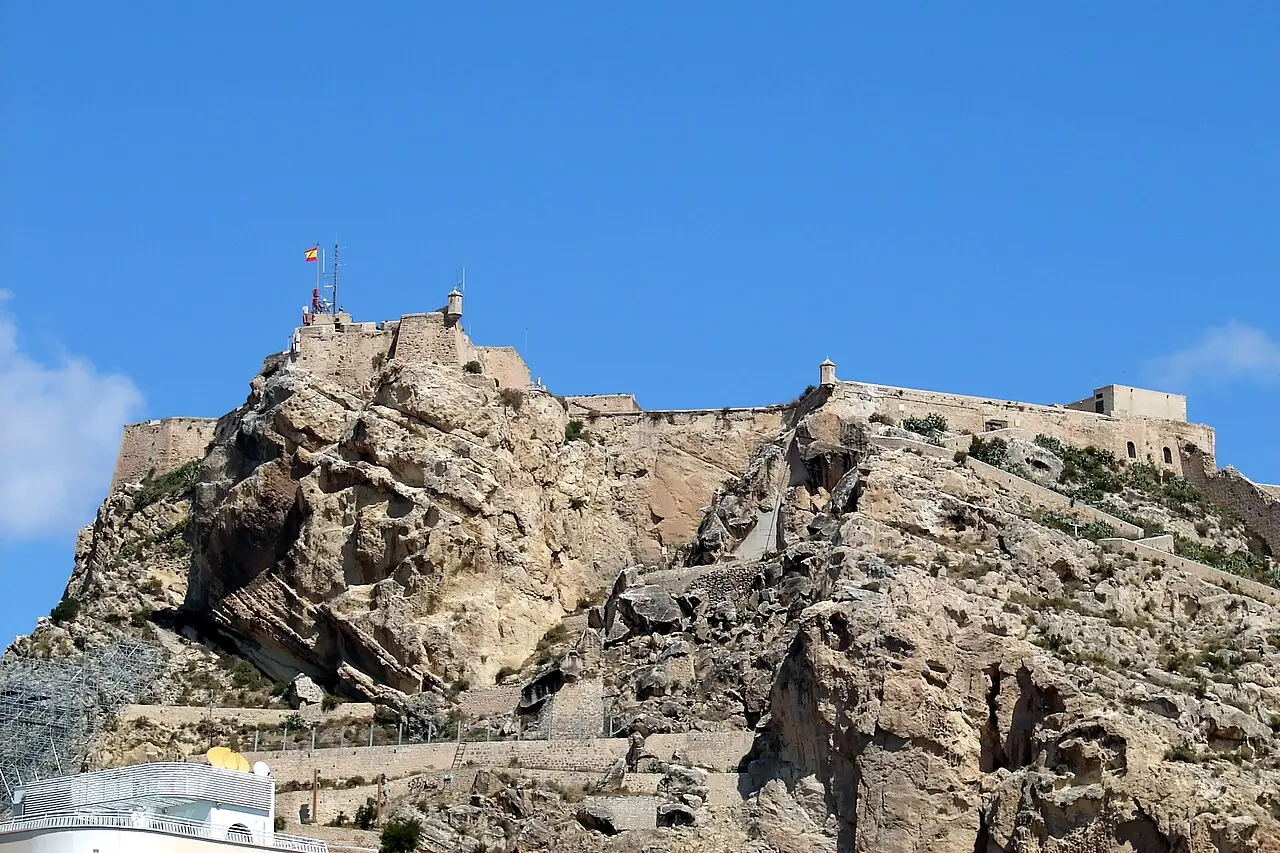
See Alicante from Santa Barbara Castle
Santa Barbara Castle rises above Alicante on Monte Benacantil, giving its courtyards and viewpoints a direct relationship with the city and bay below. Follow the visitor route rather than heading only for the highest photograph. Looking from different sides helps explain why this hill became a defensive position, while the changes between enclosures make the castle more interesting than a single skyline landmark.
The walk up, lift access and road-based options are different approaches with their own conditions. Check the official castle information before relying on one, especially when travelling with a pushchair or someone who needs fewer steps. Carry water and leave enough energy for the descent if you choose to walk. A clear plan for the return is useful after a hot visit; being able to see your hotel below does not make the route back straightforward.
Plan it well: Verify the current lift or shuttle arrangements rather than assuming they are included or always operating.
Santa Bárbara Castle: official visitor informationWalk Santa Cruz with time for the climb
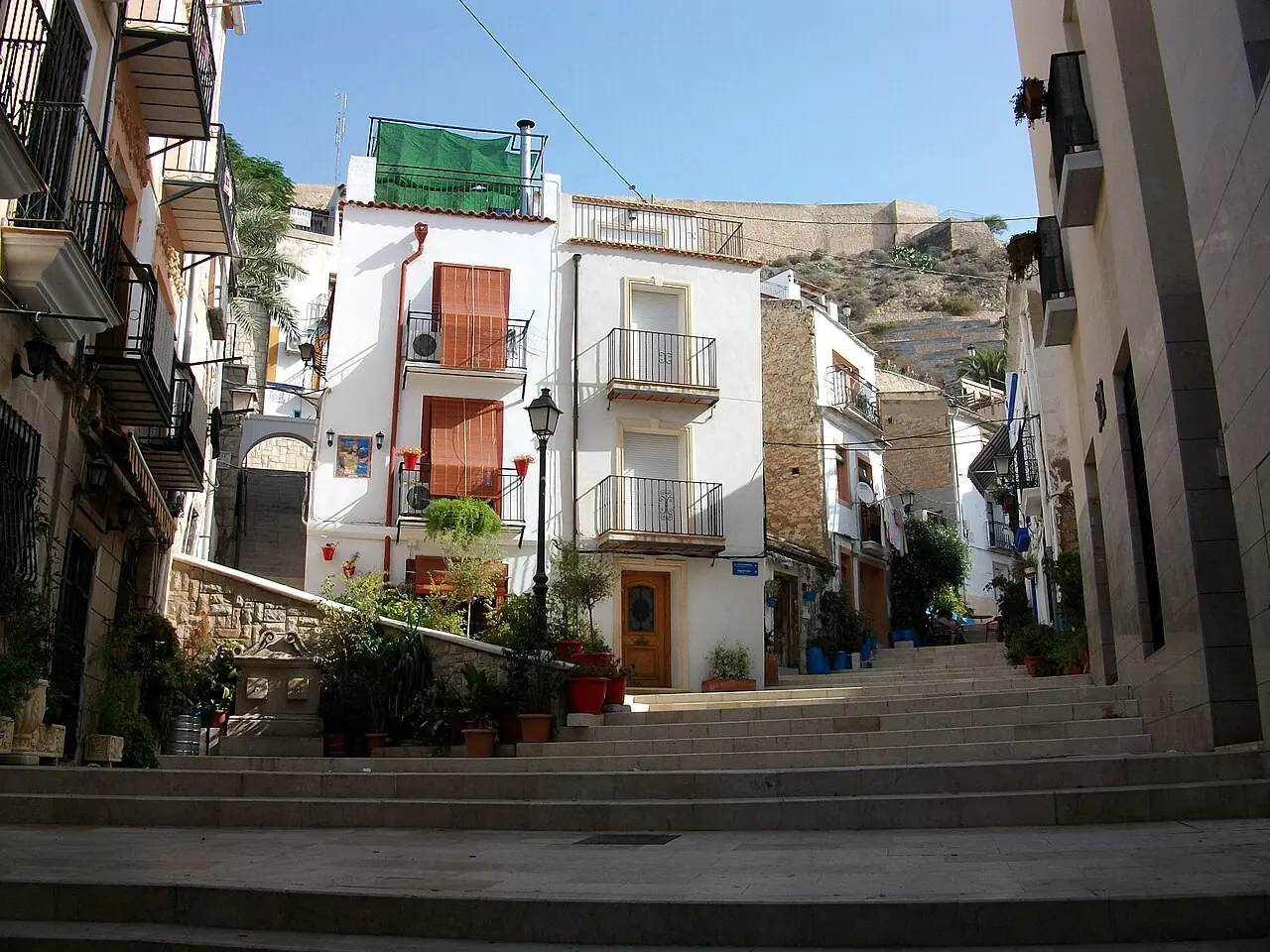
Santa Cruz is the hillside part of Alicante where white houses, planting and narrow passages create a different scale from the broad waterfront. A short walk is enough to notice the changes of level and the way the streets frame glimpses of the sea. Let the route be about the neighbourhood rather than a hunt for a particular doorway seen in someone else's photograph.
These are residential streets as well as visitor routes. Keep noise down, leave doors and steps clear, and avoid pointing a camera into someone's home. The gradients mean that a route described as being in the old town may still involve real climbing. Wear shoes with grip, shorten the loop when it is hot and identify a comfortable return path. Pair the walk with a central meal instead of treating it as another substantial ascent immediately after the castle.
Plan it well: If steps are difficult, ask for a gentler route rather than following the shortest map line.
Old town-Santa Cruz: official visitor informationLook closely at the Basilica of Santa Maria
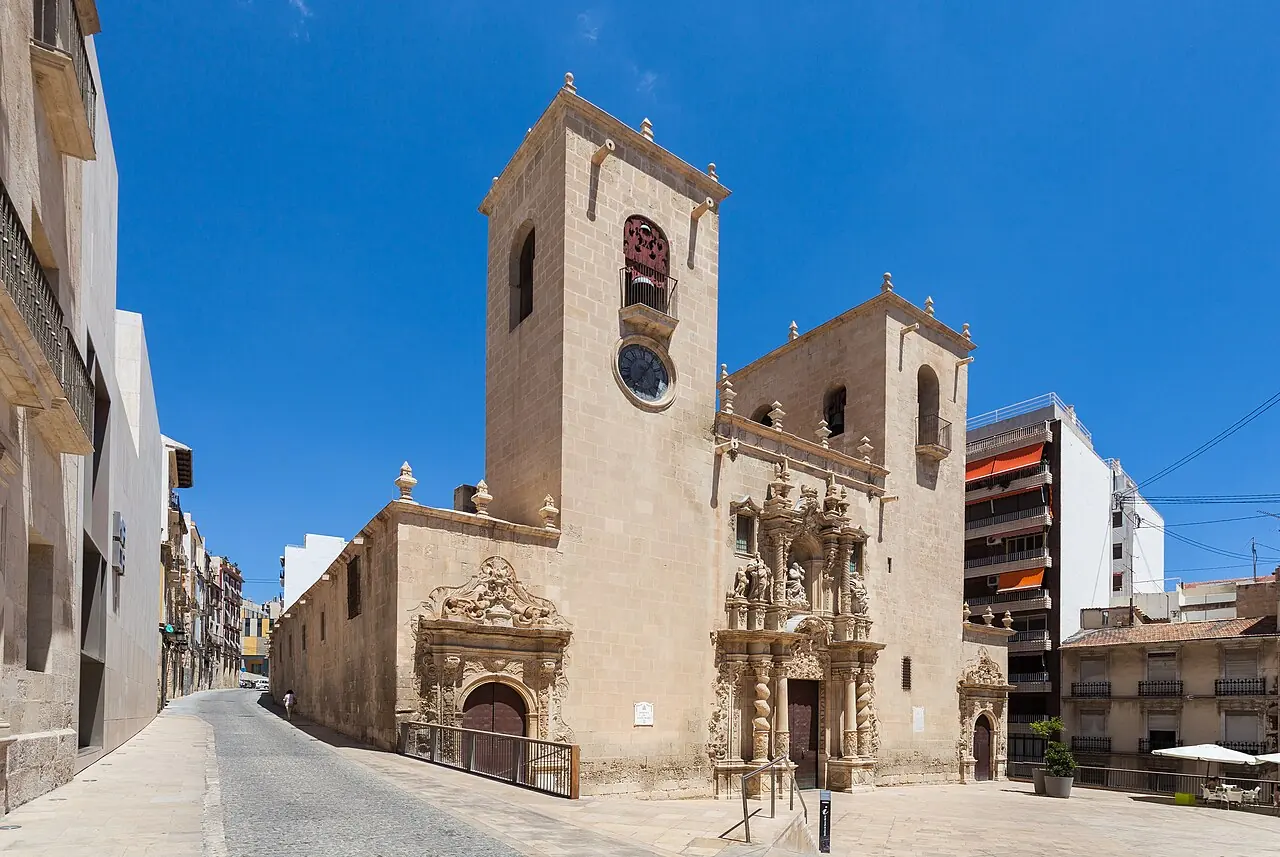
The Basilica of Santa Maria brings another layer of history to the eastern old town. Its facade and interior belong to different moments in the building's development, so take a moment to compare them rather than reading the exterior as a complete account. The tourism board identifies it as Alicante's oldest church, and its position beside the contemporary art museum makes an interesting contrast between neighbouring cultural spaces.
Check the current visitor arrangements if you want to enter, and respect services as the building's primary function. A quiet visit requires appropriate clothing, low conversation and attention to photography notices. The square outside is also worth a pause when access is restricted. Bring the church into a walk with MACA and the waterfront rather than making a separate cross-city trip, and avoid promising yourself entry at a particular hour without consulting the operator.
Plan it well: An open church door does not automatically mean unrestricted tourist access during a service.
Basilica of Saint Mary: official visitor informationPause beneath San Nicolas's dome
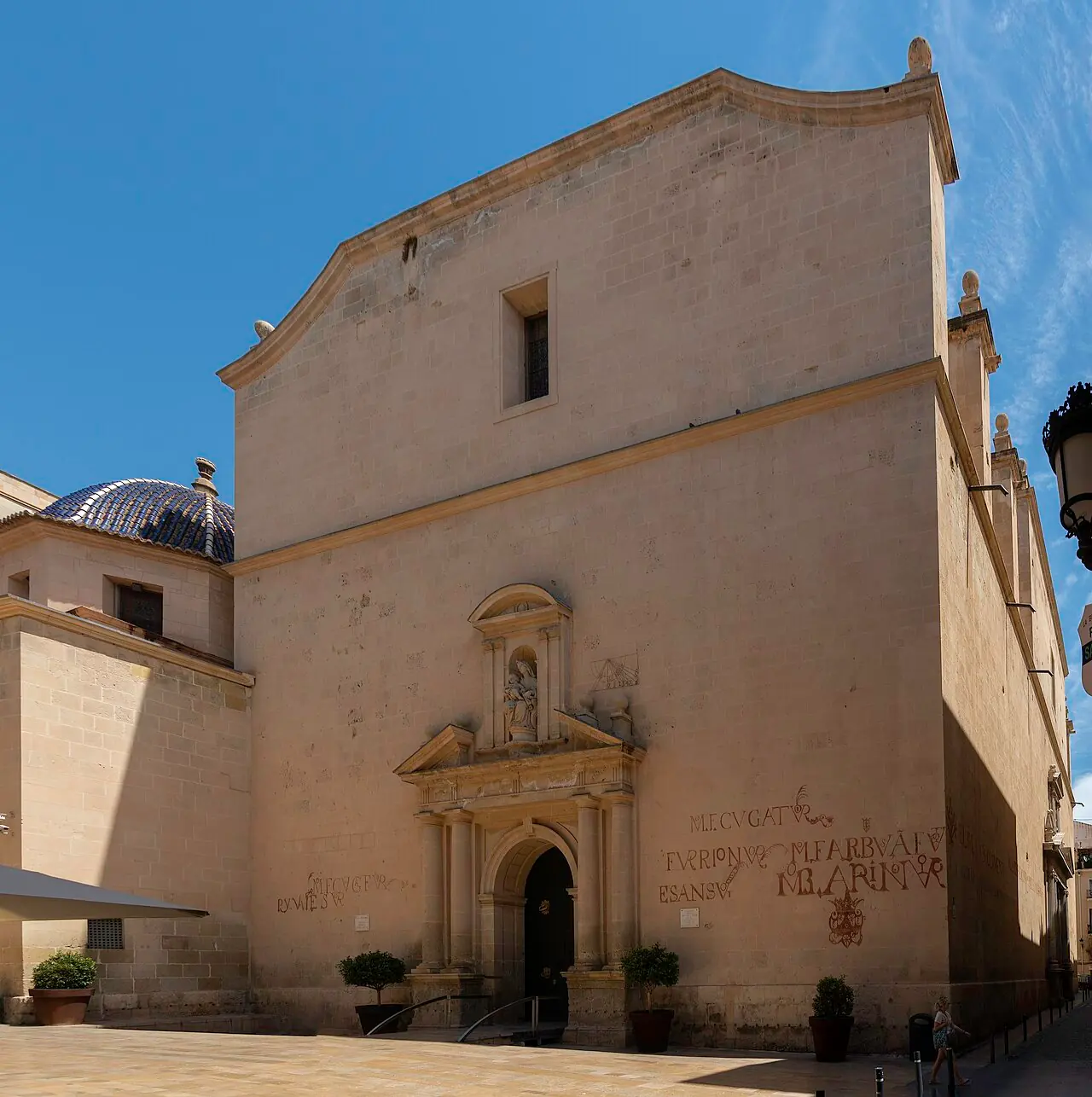
The Co-cathedral of San Nicolas gives the central old town a quieter indoor counterpoint to busy squares and restaurant streets. Its restrained Renaissance character differs from the more elaborate impression of Santa Maria's facade. Look at how the nave and dome organise the interior, then step back outside and notice how tightly the surrounding streets sit around this substantial religious building.
Consult the church or tourism information for current cultural access rather than treating a street map as confirmation that the interior is available. Services, special events and visitor rules may affect your plans. Dress respectfully and leave worshippers space; a brief, attentive visit is preferable to walking through while talking. This stop fits naturally between Santa Cruz and the waterfront, but it is not a reason to rush an appointment at a museum elsewhere in the city.
Plan it well: Keep the visit flexible around worship and posted visitor conditions.
Co-Cathedral of St. Nicholas of Bari: official visitor informationFollow the waves of the Explanada
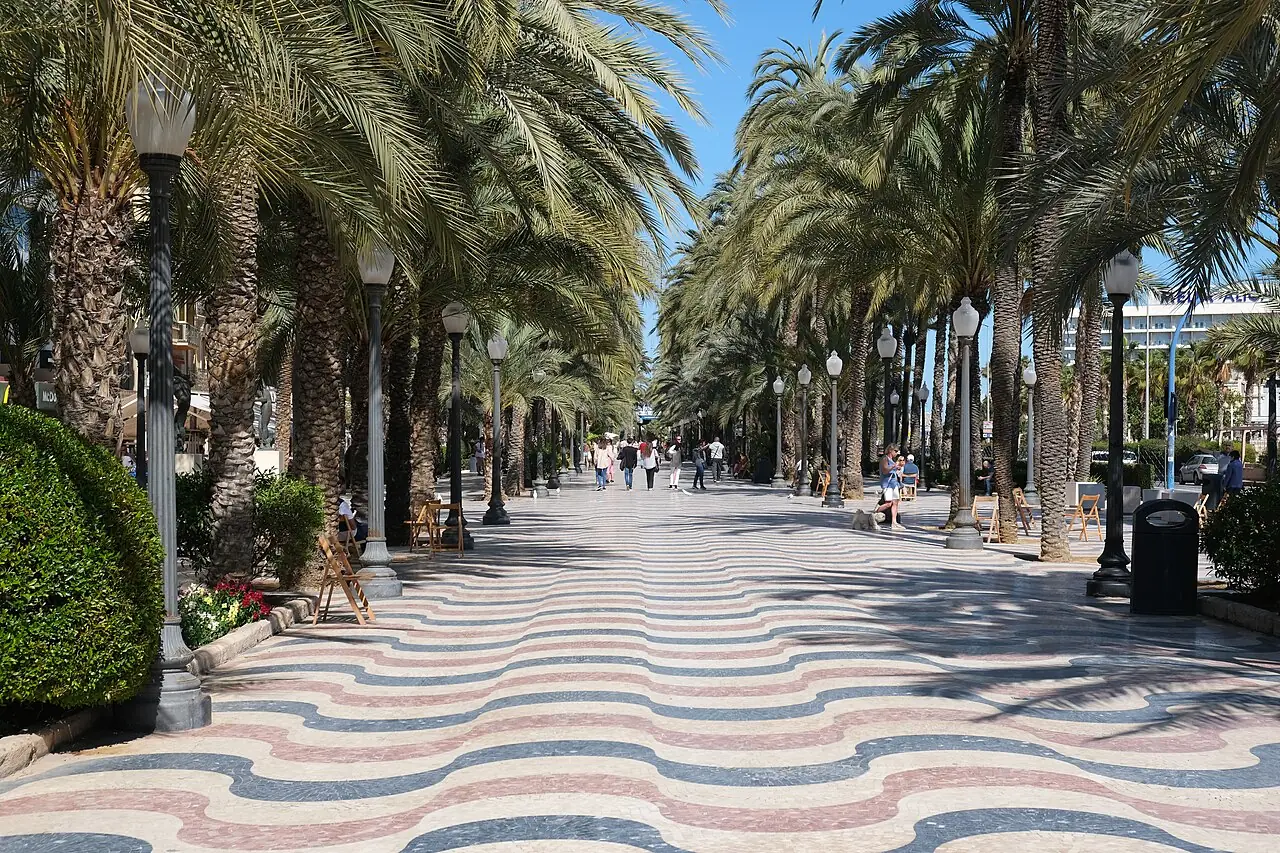
The Explanada de Espana is Alicante's familiar palm-lined promenade, with a wave-patterned pavement that connects the city's public life to the waterfront. It is worth seeing slowly: look at the tiles, pause on a bench and notice the buildings along the inland edge rather than walking the whole stretch with your attention on a phone. The promenade works as a shared meeting place as much as a sightseeing stop.
Bring it into the gaps between more demanding visits. A castle morning or museum afternoon benefits from an undirected walk before another booking. Keep the pedestrian flow moving when taking photographs and supervise children near crossings towards the harbour. Restaurants and seasonal stalls are individual businesses, not part of a fixed attraction package, so read menus and any displayed terms. For a group meetup, choose a particular end or landmark rather than the entire promenade.
Plan it well: Name a precise meeting point: the promenade is a route, not one small square.
Paseo de la Explanada de España: official visitor informationGive Postiguet an easy city afternoon
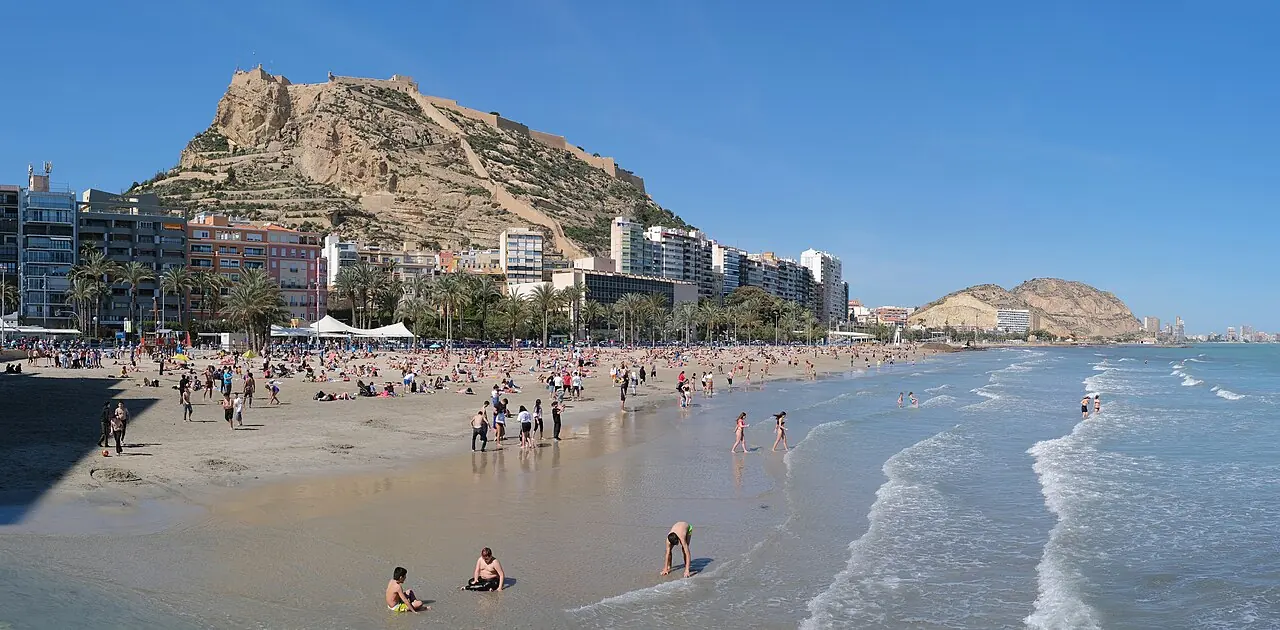
Postiguet is the beach that makes it possible to combine Alicante's old town with an ordinary afternoon by the sea. The castle above and promenade beside it make the setting unmistakably urban. It is useful for a shorter visit when a separate coastal transfer would take too much of the day. Settle on a particular access and let the beach be a pause rather than another activity to complete.
Central convenience does not establish safe swimming conditions or the availability of seasonal services. Check the flags, lifeguard advice and notices on the day, and agree where your group will meet if some prefer to stay on the promenade. Sand, sun exposure and road crossings need their own practical thought when travelling with children. If you want a longer beach landscape and are happy with a separate journey, San Juan offers a different kind of outing.
Plan it well: Decide whether your group wants a central break or a dedicated beach trip before choosing between beaches.
Platja del Postiguet: official visitor informationLet MARQ explain the region's archaeology
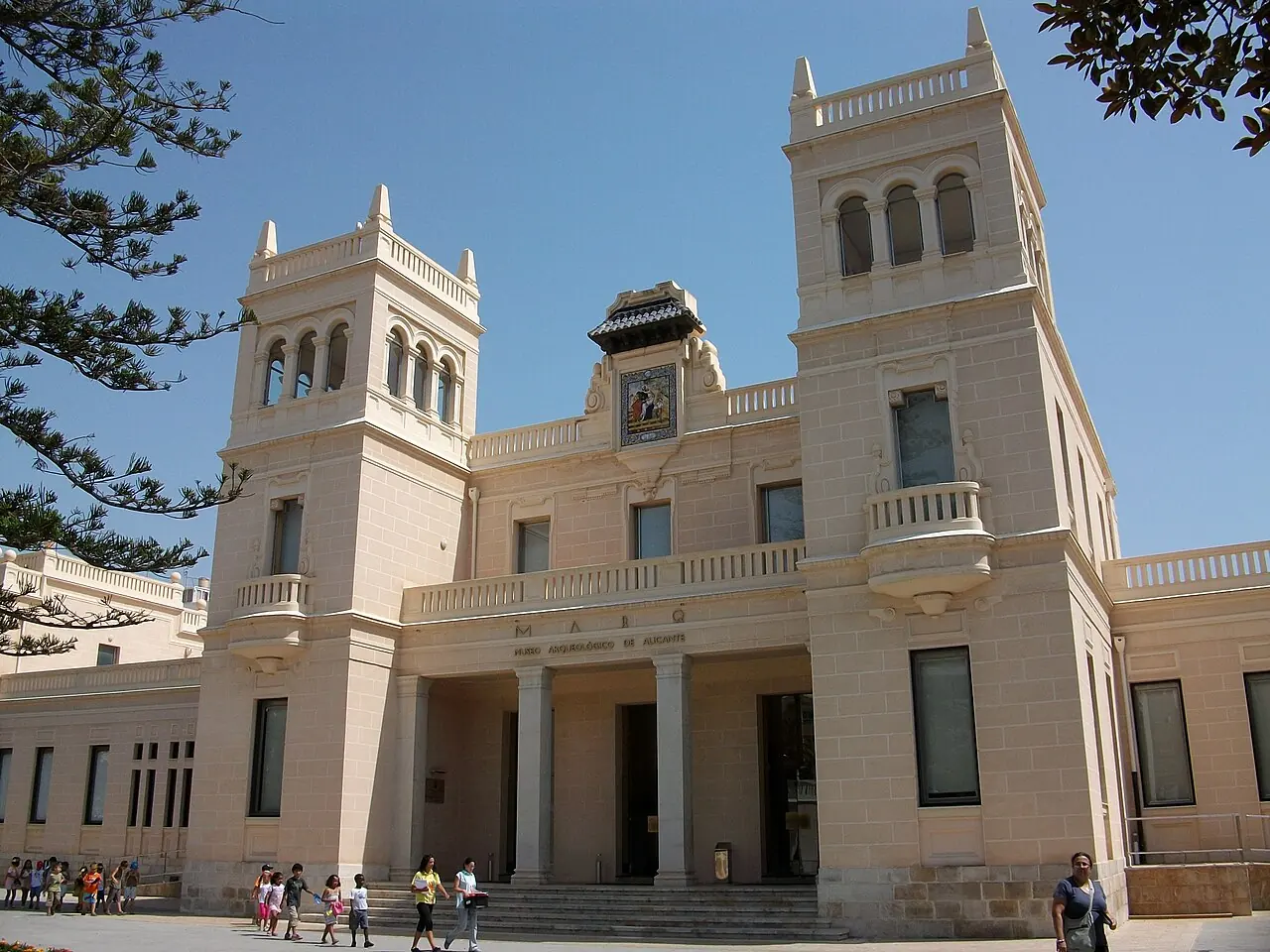
MARQ, the Archaeological Museum of Alicante, is a way to understand the region beyond the buildings visible on a central walk. Its archaeological approach encourages you to think about how objects are found and interpreted, not simply how old they are. Give the permanent galleries enough time to establish that context before moving into a temporary exhibition that may have a quite different theme.
Check the official programme and visitor arrangements before deciding which ticket or experience to choose. The museum and the archaeological sites associated with its organisation are not all in the same building, so inspect the address carefully. This is a useful change of pace after the castle and stepped streets, but allow for the journey from the waterfront. Plan a break afterwards instead of assuming an indoor visit requires no energy or attention.
Plan it well: Museum admission and an excursion to an associated archaeological site are different bookings.
Archaeological Museum of Alicante: official visitor informationCompare modern works at MACA
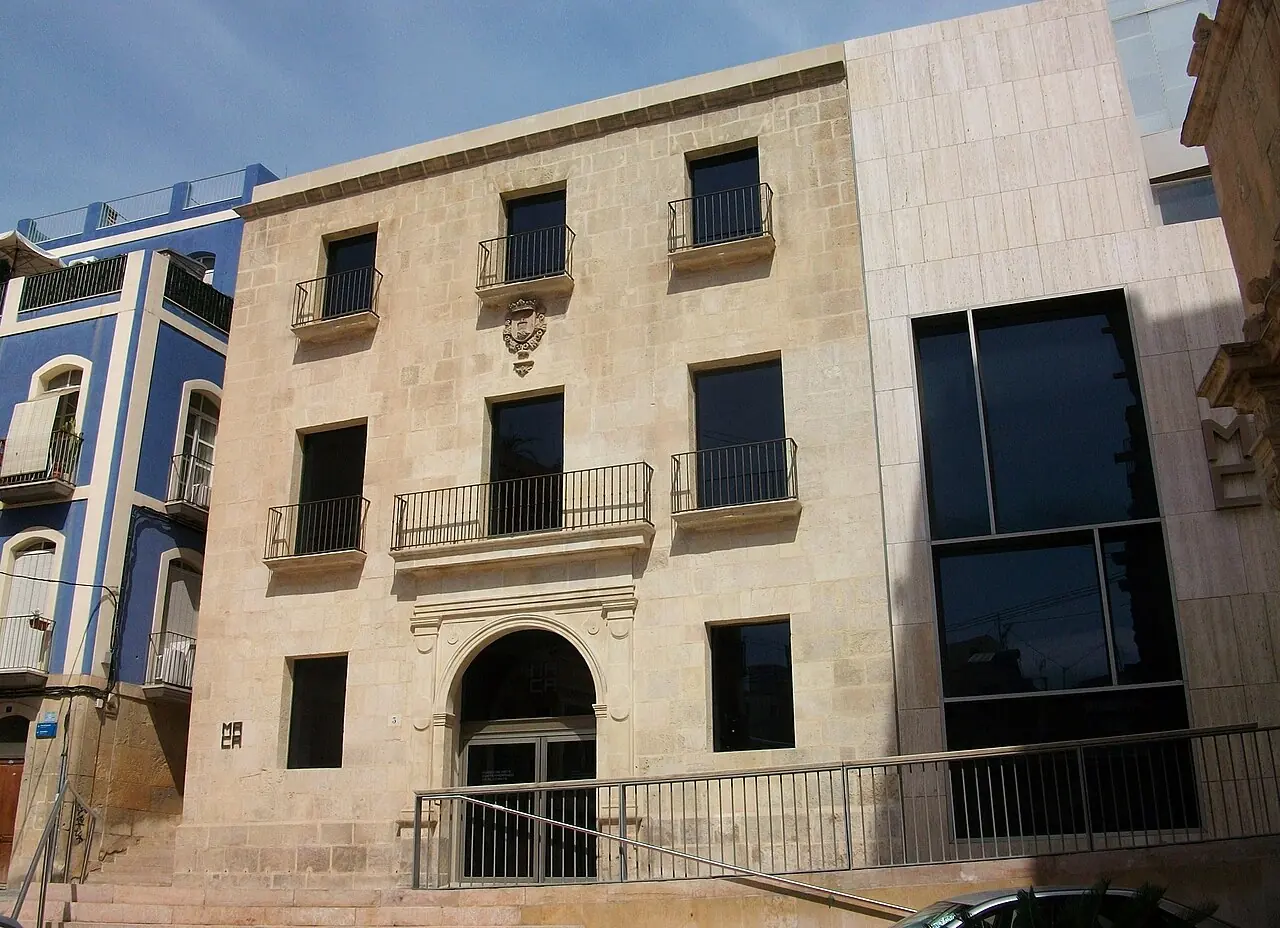
The Alicante Museum of Contemporary Art, commonly called MACA, sits beside Santa Maria in the old town. It gives a central walking day a more contemporary focus without needing a distant transfer. Approach the display through a few works that catch your attention, comparing material, scale and composition. The change from historic street architecture to modern art is part of what makes the location useful.
Consult the museum's current visitor information and exhibition programme rather than relying on an older guide's list of what is on display. Bag and photography rules may differ from those of other museums you have visited. Leave space for people who want a slower look, particularly around smaller rooms. Pair this with the basilica exterior or a waterfront break, but avoid treating the galleries as a quick indoor shortcut between two outdoor photo stops.
Plan it well: Check what is currently displayed; a collection holding is not a guarantee that one work will be on view.
Alicante Museum of Contemporary Art: official visitor informationGive Tabarca a day with a return boat plan
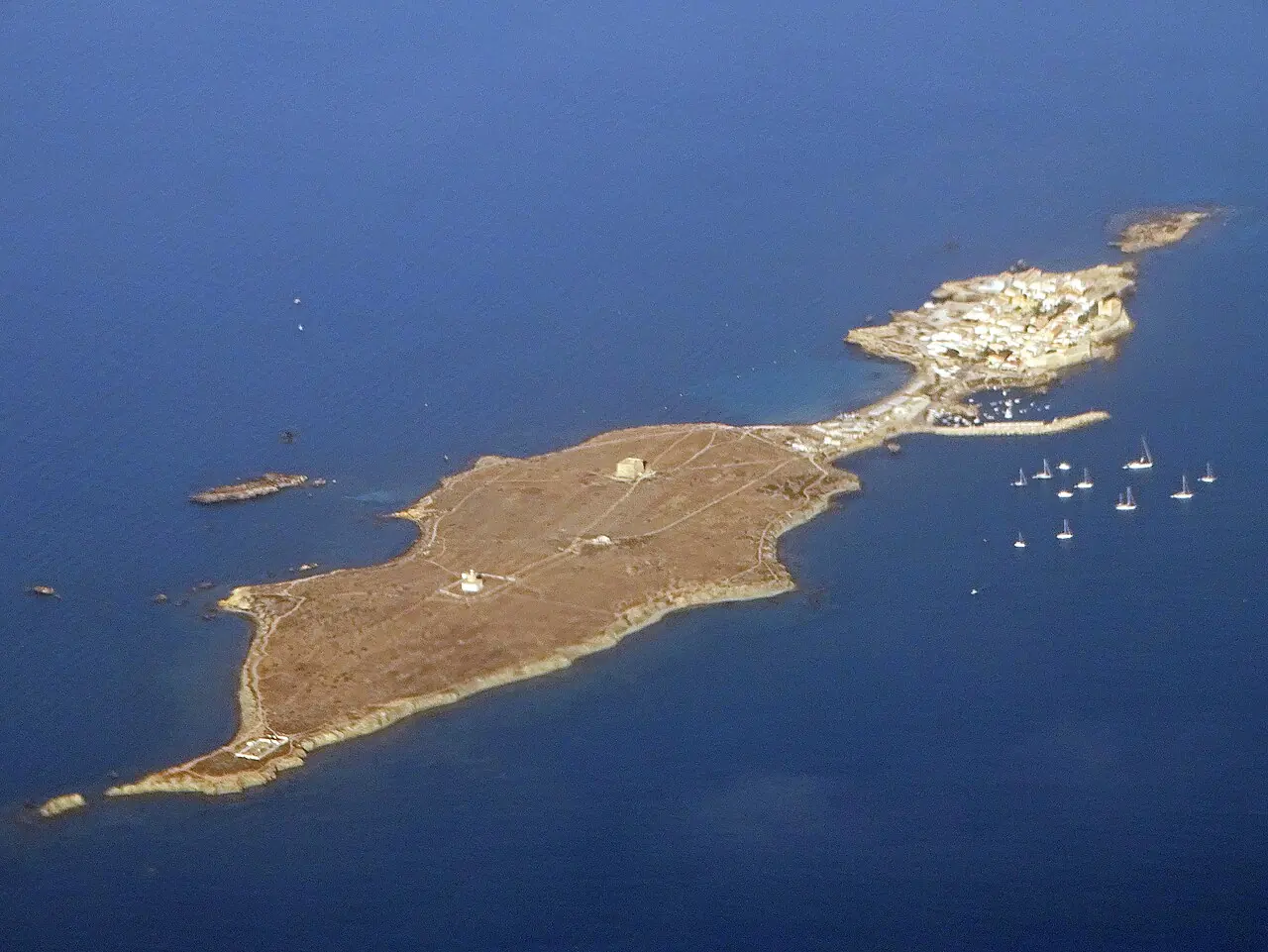
Tabarca combines a small inhabited island, a walled settlement and a coastal landscape beyond central Alicante. The value of the outing is the change of setting: walk the village, compare its built streets with the more open ground, and leave time to sit by the water. It is not necessary to buy several activities to make the crossing worthwhile, and the island's marine environment deserves care.
Check whether your chosen boat departs from Alicante or another mainland port, since listings can describe the same destination from different starting points. Confirm the return sailing and the operator's weather arrangements before you leave. Bring sun protection and do not assume that every path or swimming spot suits every visitor. Follow protected-area rules, avoid disturbing wildlife and keep the itinerary realistic: an island crossing is a separate day, not a spare hour after the castle.
Plan it well: Book against the actual departure port, not only the word Tabarca in the excursion title.
Tabarca: official visitor informationSpread out along San Juan Beach
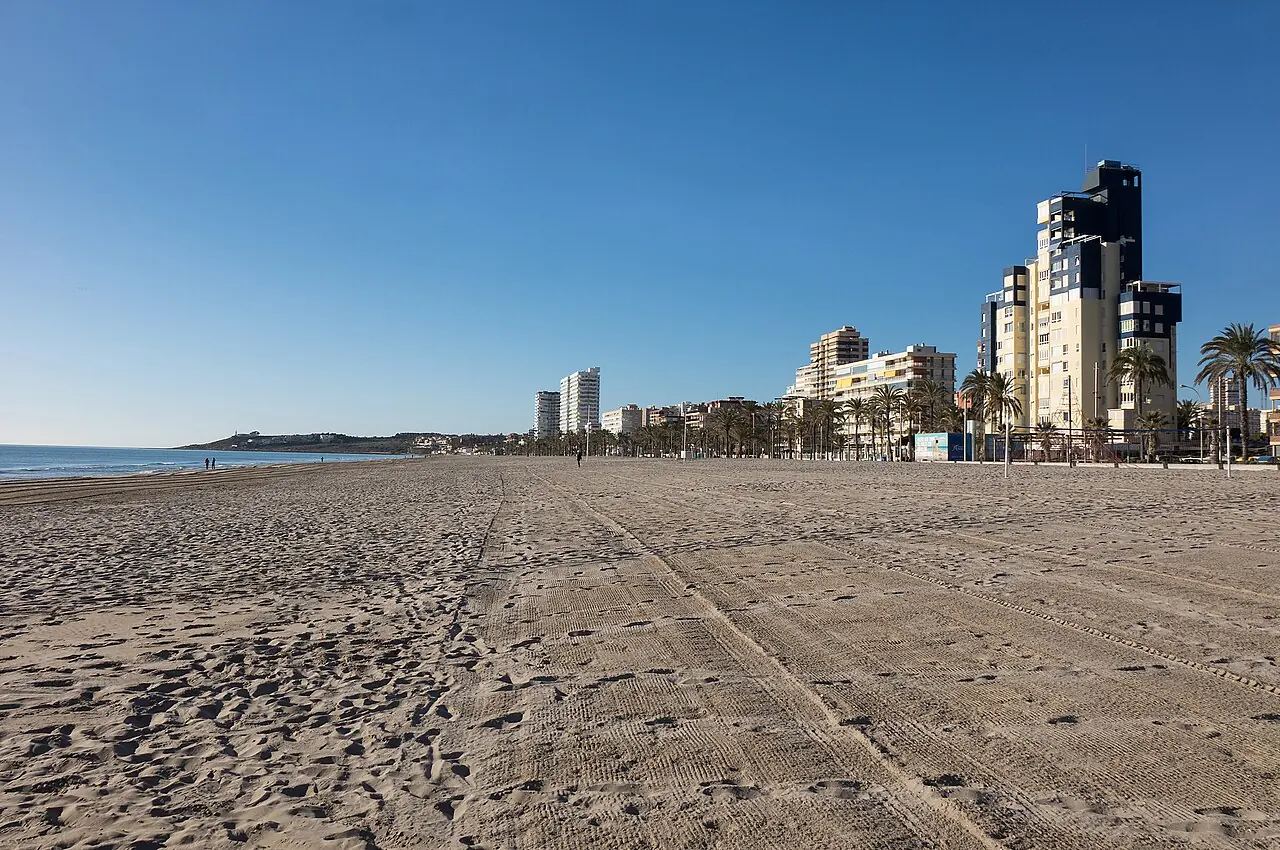
San Juan Beach offers a longer seaside landscape than central Postiguet, with space to build an afternoon around a promenade walk and the sand. Choose a section that matches your plans rather than arriving anywhere along a long shoreline and expecting your companions to find you. It is a useful contrast to the old town when you want the sea to be the main event, not a short break.
Plan the journey using current TRAM or bus information and the precise access point. The beach district and the separate municipality of Sant Joan d'Alacant are not interchangeable destinations. Read swimming flags and seasonal notices on arrival, and check hire terms before using equipment. Leave time for the return if you have an evening booking in the centre. A long coastal day works better with a simple meal plan than with another demanding museum reservation attached.
Plan it well: Confirm that the hotel or meeting point is at Playa de San Juan, not simply somewhere named San Juan.
San Juan Playa: official visitor informationA flexible 2-day Alicante itinerary
Day one: castle and the central streets
Visit Santa Barbara with a planned ascent, then take a shorter Santa Cruz walk. Choose one church interior or MACA, leaving the Explanada and Postiguet for a less structured afternoon.
Day two: choose culture, coast or island
Give MARQ a proper visit and continue to San Juan for the coast, or make Tabarca the main outing with confirmed return sailings. The island option replaces, rather than joins, the museum-and-beach day.
Practical planning tips
Airport arrival
The tourism board identifies C6 as the airport-to-city bus. Check current stops and operating information, then plan the final leg to your hotel.
Airport arrival: official informationCoastal transit
Use TRAM's current planner for Albufereta and the San Juan district. Verify the stop, service and final beach walk against the exact address.
Coastal transit: official informationRespect access conditions
Castle approaches, museum reservations and church visitor access have different arrangements. Check each operator and leave flexibility around worship or weather.
Respect access conditions: official informationFind your base in Alicante
Choose the old town for walking and evening meals, Ensanche for practical connections or Postiguet for a compact city-and-beach break. Albufereta and Playa de San Juan favour a coastal routine with more deliberate central journeys. Compare the exact address and room details before booking.
Explore Alicante hotels