
Alicante city guide
Alicante Beach Escape: Postiguet, San Juan and Tabarca
Compare central Postiguet, broad San Juan, rocky Cabo de las Huertas and a responsible Tabarca day trip in one practical Alicante beach guide.
Plan your visit
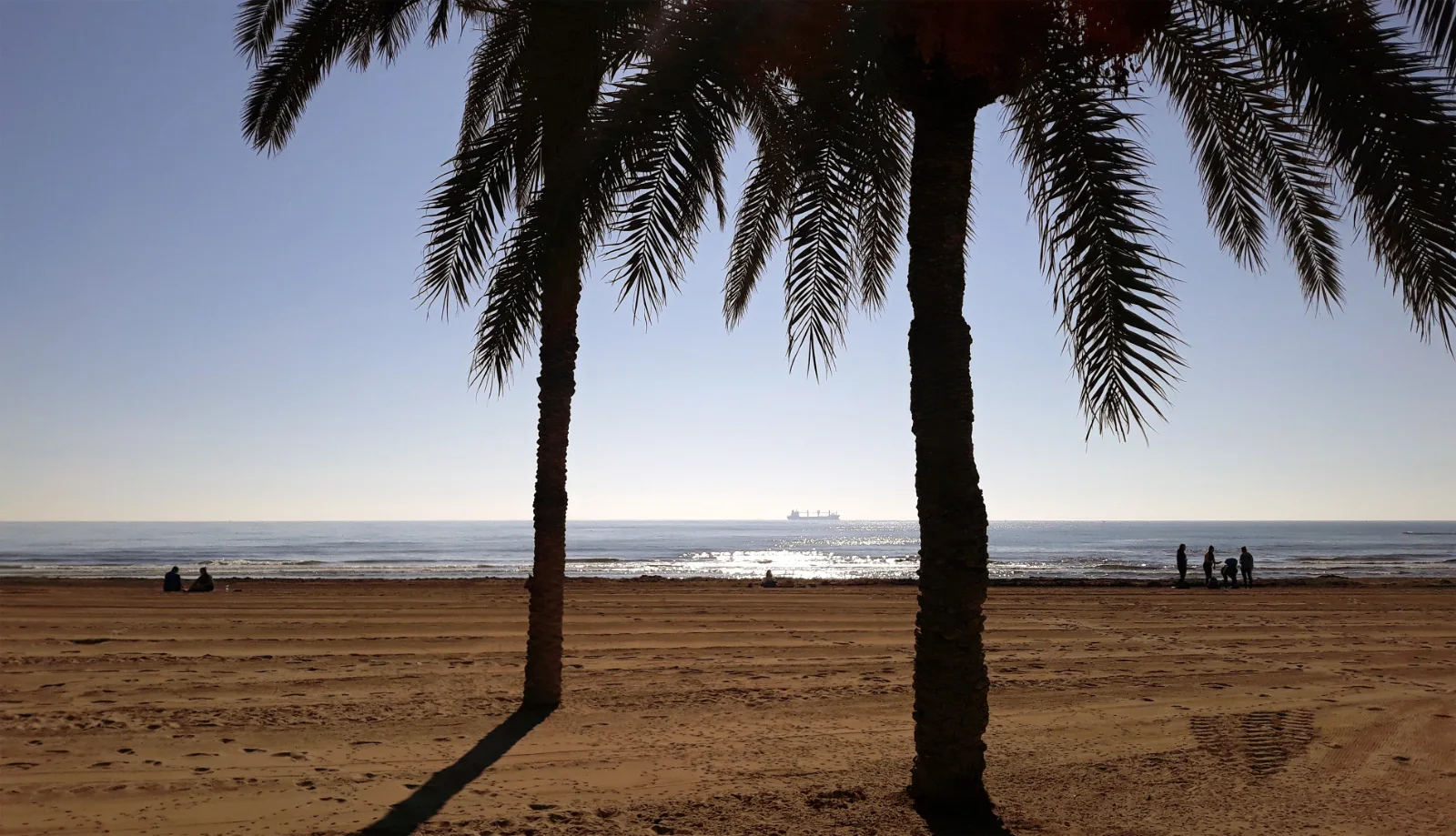
Alicante offers three distinct coastal experiences within one compact break. Postiguet is the central urban beach beneath the city’s castle hill; San Juan provides a much broader sweep of sand for a full beach day; and Cabo de las Huertas introduces rocky coves and a more exposed shoreline between them. Tabarca adds a possible island excursion within a protected marine setting, provided weather and transport cooperate. Public transport can connect the main coastal areas, reducing the need for a car and the pressure on limited parking. The key is not to treat every beach as interchangeable: match each day to conditions, walking ability and desired atmosphere, while keeping enough flexibility for wind, waves and seasonal service changes.
Postiguet or San Juan?
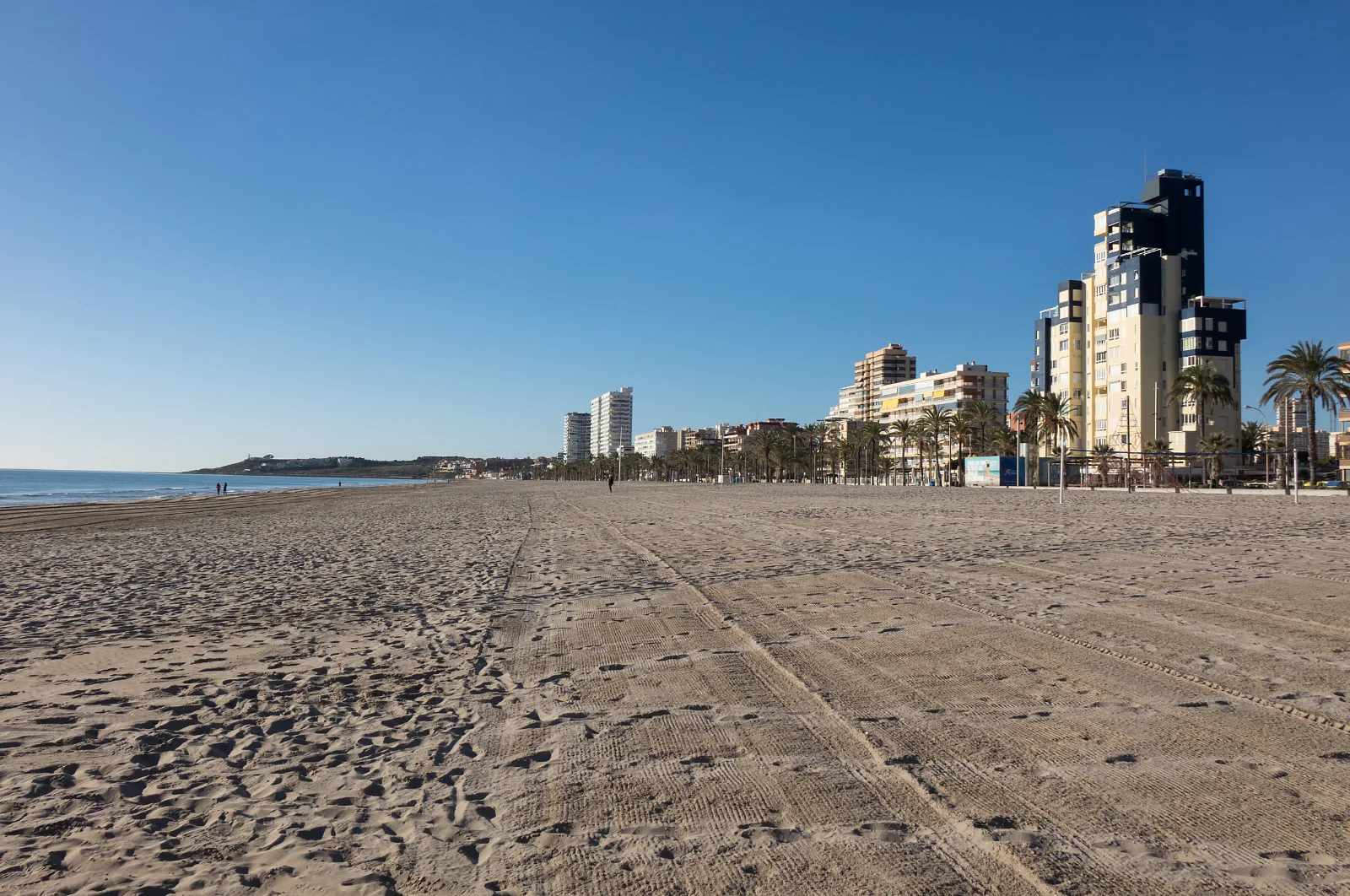
Postiguet is the practical choice for a short swim between city sights. It sits close to the centre and works well on arrival or departure day, though its convenience also makes it busy. Playa de San Juan is better for visitors who want a broad beach, a long walk and more space for an extended stay. Reaching it requires a little more planning, but tram and bus links make a car unnecessary. Neither beach is automatically safer on a given day: exposure, waves, flags and staffed zones matter more than reputation. Choose Postiguet for city integration and San Juan for a dedicated beach day, then arrive early during warm weekends to reduce crowding and avoid the strongest heat.
Plan it well: Use the tram or bus for San Juan instead of planning around parking.
Alicante Tourism: beachesThe coves of Cabo de las Huertas
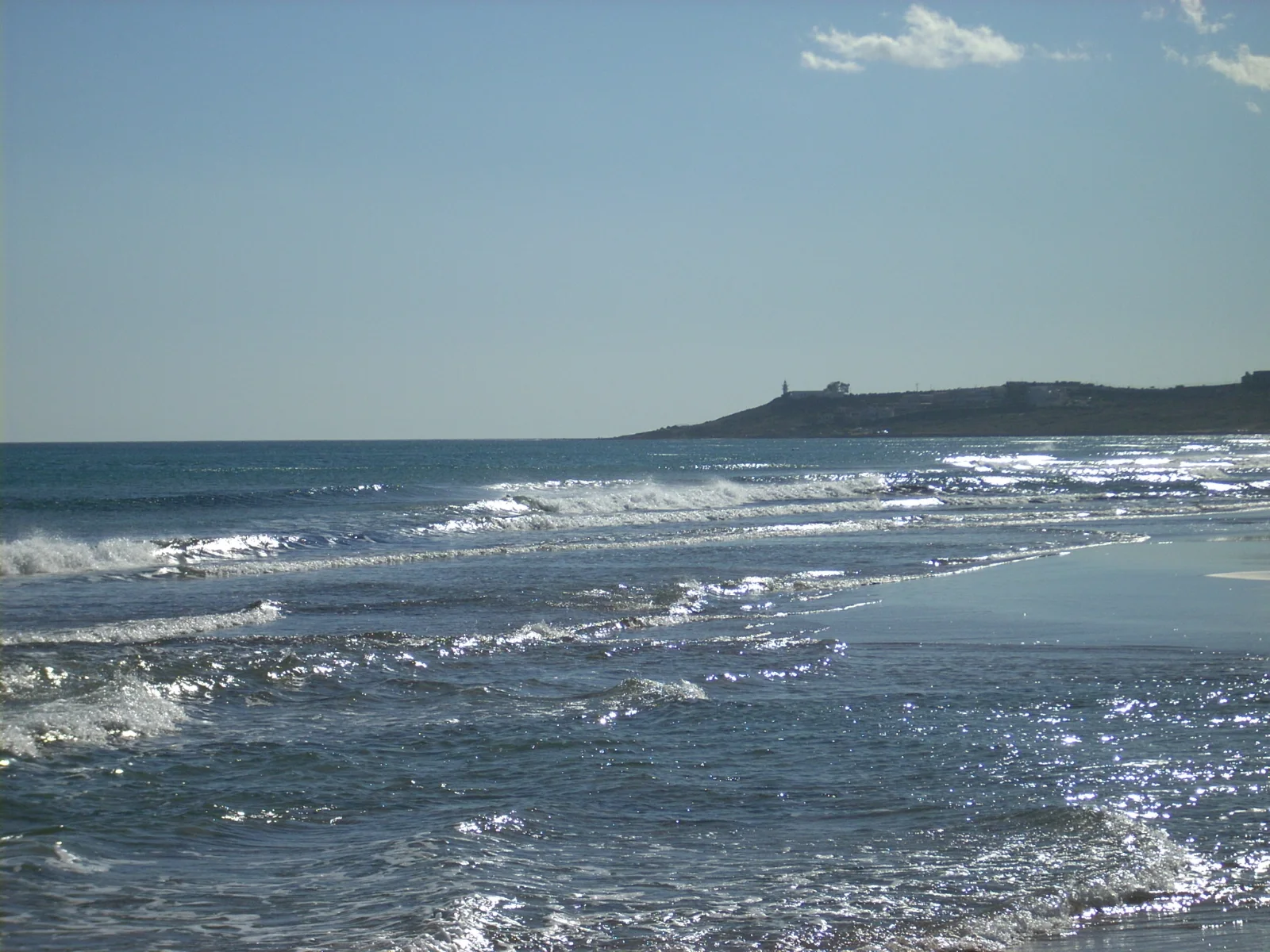
Cabo de las Huertas breaks Alicante’s sandy coastline into rocky inlets such as Cantalar, Palmera and Los Judíos. These coves offer clear-water scenery and a quieter visual character, but entry can be uneven and conditions are less forgiving than on a managed sandy beach. Wear secure footwear for approaches, keep possessions compact and never jump from rocks without reliable local confirmation that it is permitted and safe. Some areas have limited shade and fewer services, so bring water and plan a shorter stay. The coves are valuable as landscape stops even when swimming is unsuitable. Respect environmental restrictions, avoid removing marine life or stones, and keep away from fragile or fenced vegetation.
Plan it well: Wear secure footwear and never jump from rocks where depth is unknown.
Cabo de las Huertas covesWater safety, accessibility and the seasons
Lifeguard coverage, assisted-bathing services and equipment operate seasonally and may differ among Alicante’s beaches. Consult current municipal or tourism information and the beach flag before entering the water. Wind can alter wave conditions quickly, while rocky coves create additional slip, surge and exit risks. Postiguet and San Juan generally provide the simplest approaches for travellers who need level access, but the availability of amphibious chairs or personal assistance should be confirmed before travel. Summer brings the fullest service level and largest crowds; spring and autumn may be comfortable for walking but cannot guarantee warm or calm water. In winter, regard the coast primarily as an outdoor route unless conditions and personal experience clearly support swimming.
Plan it well: Confirm accessible-beach assistance and operating dates before travel.
Alicante accessible beachesA Cabo de las Huertas coastal route
A flexible coastal outing can link the eastern end of Albufereta, Cabo de las Huertas and the approach to San Juan. Rather than promising a continuous engineered promenade, treat the headland as a sequence of paths, coves and viewpoints with variable surfaces. Start in the cooler morning, use established routes and turn back where erosion, waves or fencing make progress doubtful. The low profile of the cape produces wide views toward both Alicante and San Juan, especially when the light is soft. Public transport allows a one-way walk, but check current stops and schedules first. Carry water, sun protection and footwear suitable for rock, and avoid exposed edges during strong wind or poor visibility.
Plan it well: Plan a one-way walk with public transport and turn back at eroded paths.
Alicante public transportTabarca and responsible island culture
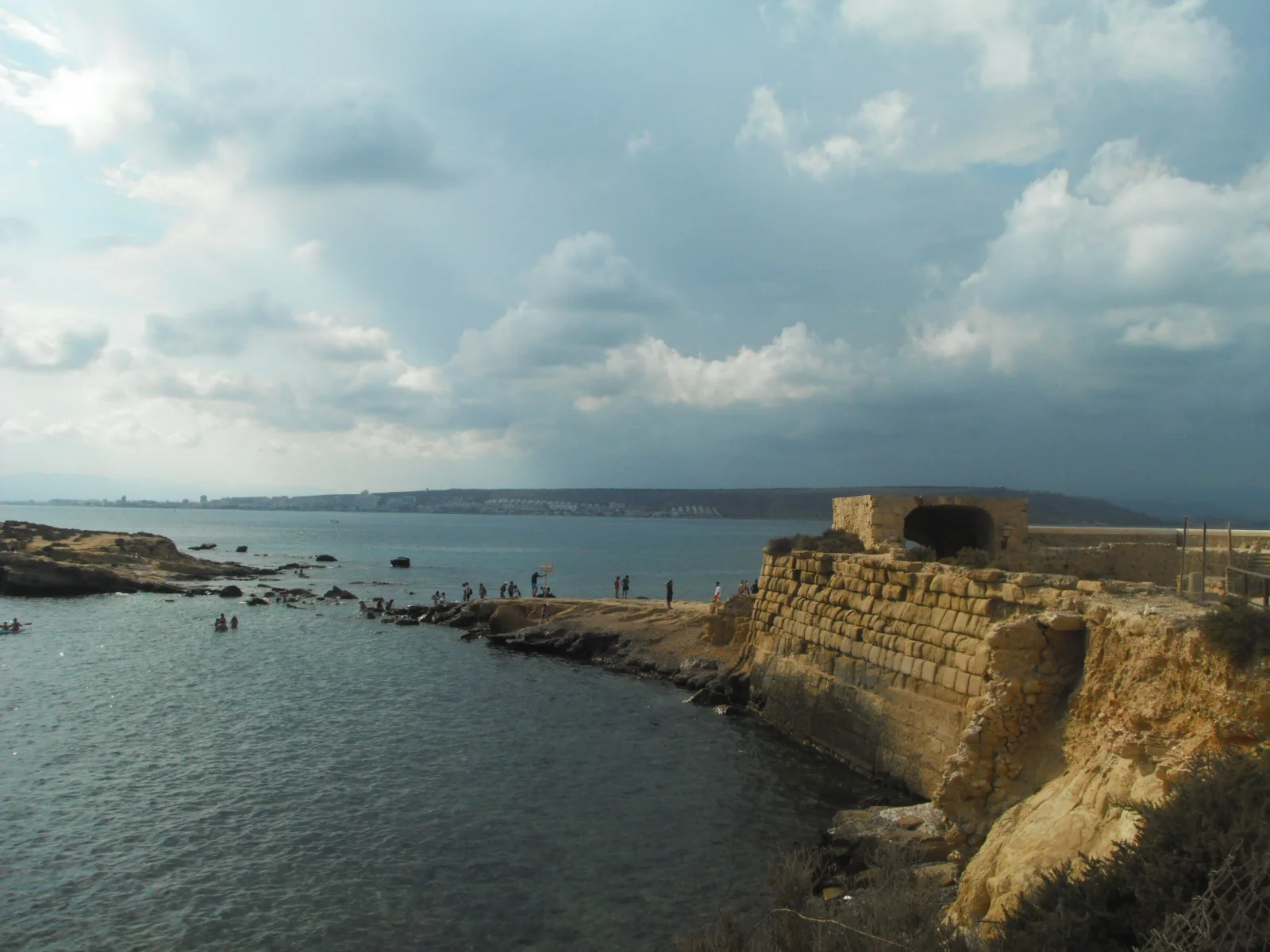
Tabarca combines a small historic settlement with rocky shorelines and a protected marine environment. Boats run from the mainland, but schedules and comfort depend on season and weather, so the trip should remain optional rather than the foundation of a short stay. Walk within established paths, take litter back to suitable bins and do not collect shells, plants or marine organisms. Snorkelling is best undertaken only in appropriate conditions and without touching or feeding wildlife. The island is associated with fish and rice dishes, including caldero-style preparations; visitors can support local businesses while asking about origin and avoiding unnecessary food waste. Fresh water, shade and capacity are limited compared with the mainland, particularly during popular periods.
Plan it well: Reconfirm Tabarca boats on the day and never remove marine life or shells.
Alicante Tourism: TabarcaA balanced two- or three-day plan
Begin day one with central Alicante and the castle area, then use Postiguet for a late-afternoon swim or waterfront walk after checking the flag. Give day two to San Juan: travel by public transport, arrive early, enjoy a substantial beach session and finish with a walk toward the cape without committing to rough ground. If staying three days, choose between Tabarca and Cabo de las Huertas according to weather. Tabarca deserves most of a day, while the cape can be paired with Albufereta or a slower city lunch. Do not force both into one rushed schedule. Retain an indoor alternative for strong wind or poor sea conditions, and leave time for Alicante’s markets and rice-focused food culture away from the shoreline.
Plan it well: Keep an indoor alternative ready for strong wind or unsuitable sea conditions.
Tabarca marine environment