
Barcelona city guide
10 things to do in Barcelona
Choose the Gaudi visit that matters to you, then balance Barcelona's architecture with an old-town market, a focused museum and time beside the sea.
Plan your visit
Barcelona is easier to enjoy when you choose a few interiors deliberately rather than buying every famous ticket. Pair a major architectural visit with nearby streets, keep Montjuic as a separate hillside outing, and leave the coast flexible. These ten places are alternatives and useful combinations, not a demand to complete the list in a weekend.
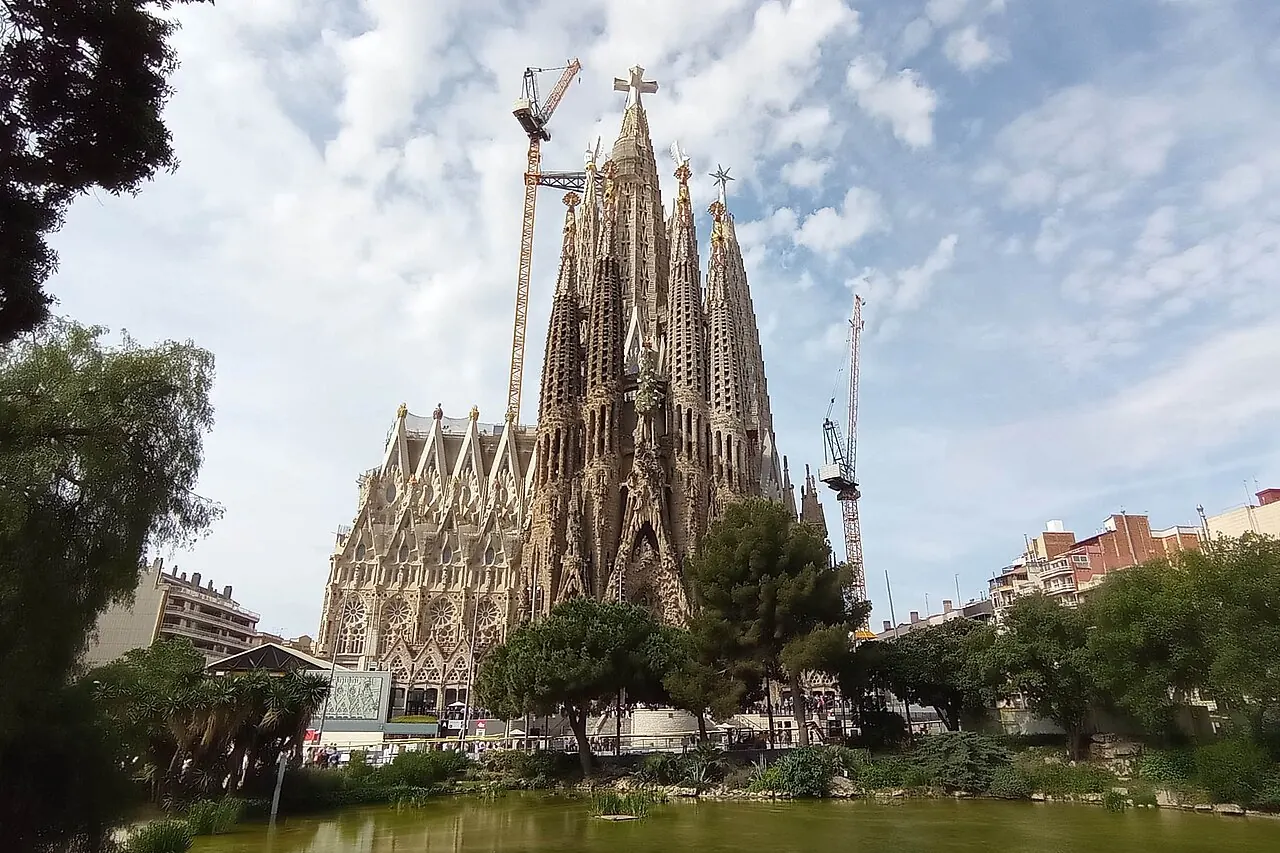
Give Sagrada Familia time beyond the facade
Sagrada Familia is the architectural visit to prioritise if you want to understand how a building can organise light and space rather than simply decorate them. Looking at the facades prepares you for the change inside, where branching columns and coloured windows redirect your attention upwards. Leave time to stand still and look across the nave; moving continuously between camera angles can flatten a visit that depends on scale.
Book through the basilica's official ticket channel and read what your chosen option actually includes. A tower visit is not interchangeable with ordinary entry, and construction can change access without meaning the entire building is unavailable. The current rules require identity documentation for personalised tickets and appropriate church clothing. Avoid placing another reservation immediately afterward. A meal or an Eixample walk gives you time to absorb the visit, while promising a completion date for the whole project would be misleading.
Plan it well: Bring the identification required for your ticket and check any tower restrictions separately from basilica access.
Sagrada Familia: official visitor rulesLook at Park Guell as a designed landscape
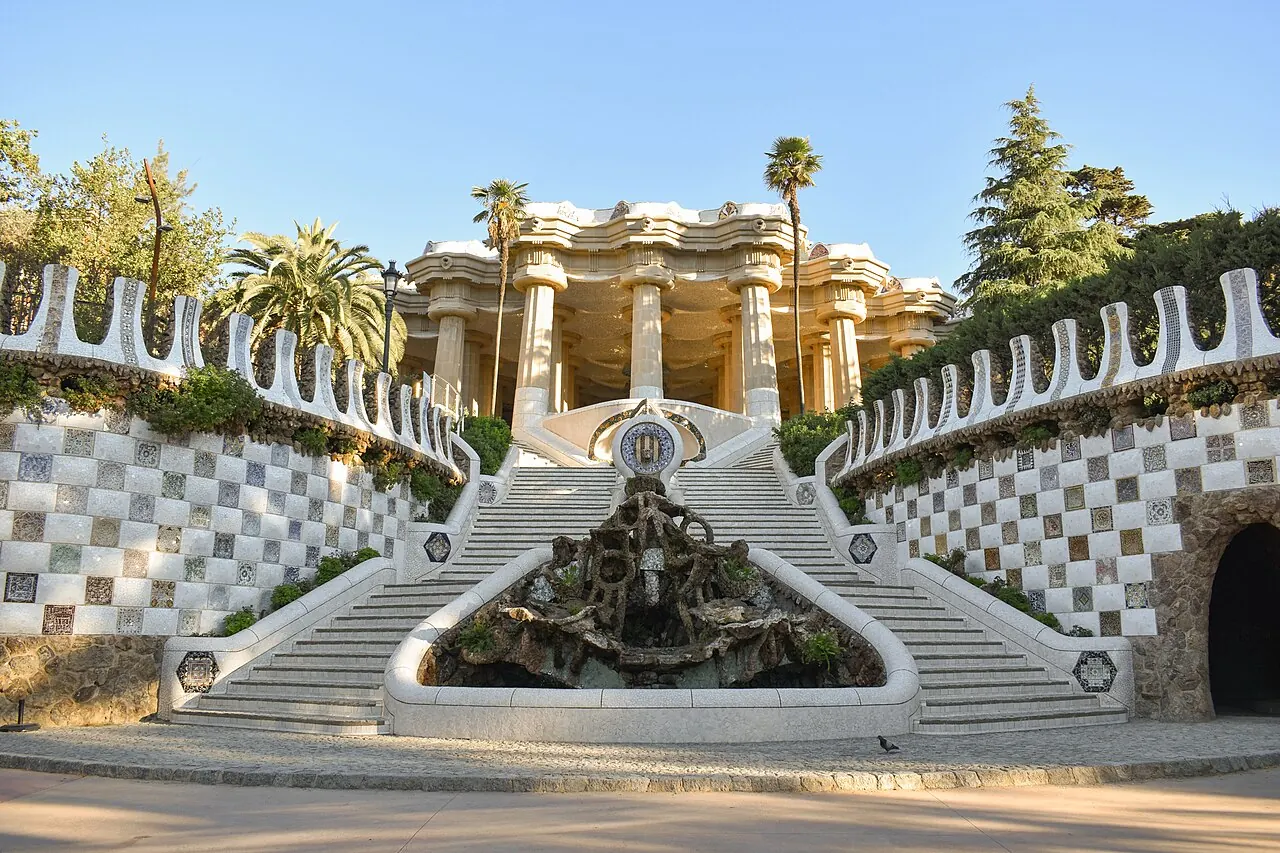
Park Guell is most interesting when its architecture and hillside setting remain connected. The mosaic surfaces, columns and winding forms do not stand alone: they guide you through changing views over Barcelona. Walk beyond the most familiar photograph when your energy allows, and pay attention to how the built structures meet the ground. A visit here can be a substantial outdoor outing, not merely a short stop at the dragon staircase.
The official ticket page specifies online purchase, timed arrival and no re-entry after leaving. Plan the approach to your selected entrance instead of assuming every nearby metro stop leads to an easy level walk. Bring water, allow for slopes and choose a route that suits your group. Check notices about restoration work before deciding what you most want to see. If you add another Gaudi interior the same day, leave enough time for travel and a proper lunch.
Plan it well: Locate the entrance and rest areas on the official map before setting out; the hillside approach matters as much as the ticket time.
Park Guell: official tickets and visit guidanceFollow the details inside Casa Batllo
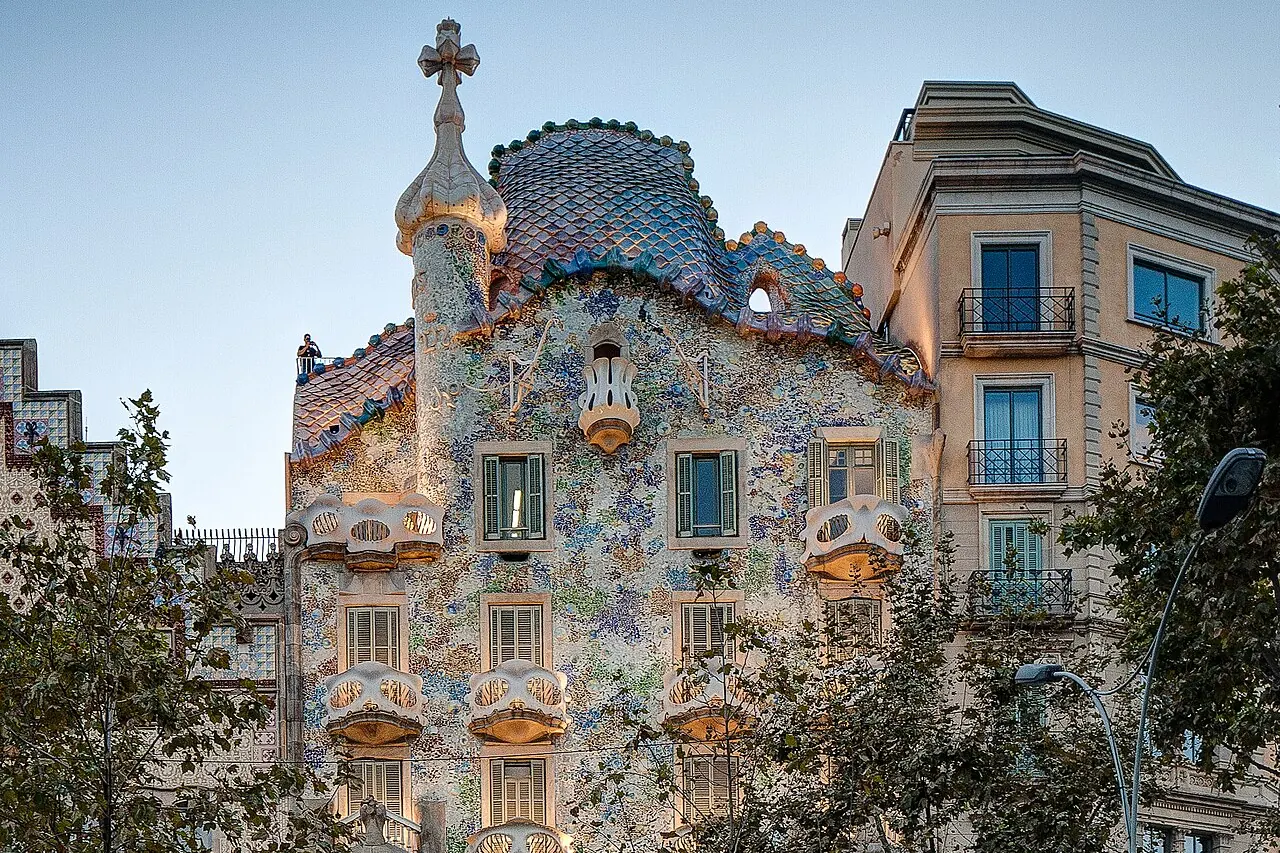
Casa Batllo is a concentrated way to explore Gaudi's treatment of a domestic building. Begin outside with its balconies, coloured surfaces and roofline, then look for the relationship between decoration and everyday spaces inside. The house offers an alternative to a broad architecture circuit: give its rooms and circulation your attention rather than rushing through in order to reach the next famous address.
The venue publishes several experiences, so compare the actual included spaces and visitor format before booking. An admission category, a special exhibition and an exclusive residence tour can involve different arrangements. Passeig de Gracia is a useful setting for a wider facade walk, with Casa Mila farther along the avenue, but seeing both interiors is not essential to appreciating the district. Check accessibility services directly with the house if lifts, seating or an audio guide in a particular language will determine your visit.
Plan it well: Choose by the spaces you want to see, not by the most expensive package name; different experiences do not include the same route.
Casa Batllo: practical visitor informationCompare stone, courtyards and roof forms at Casa Mila
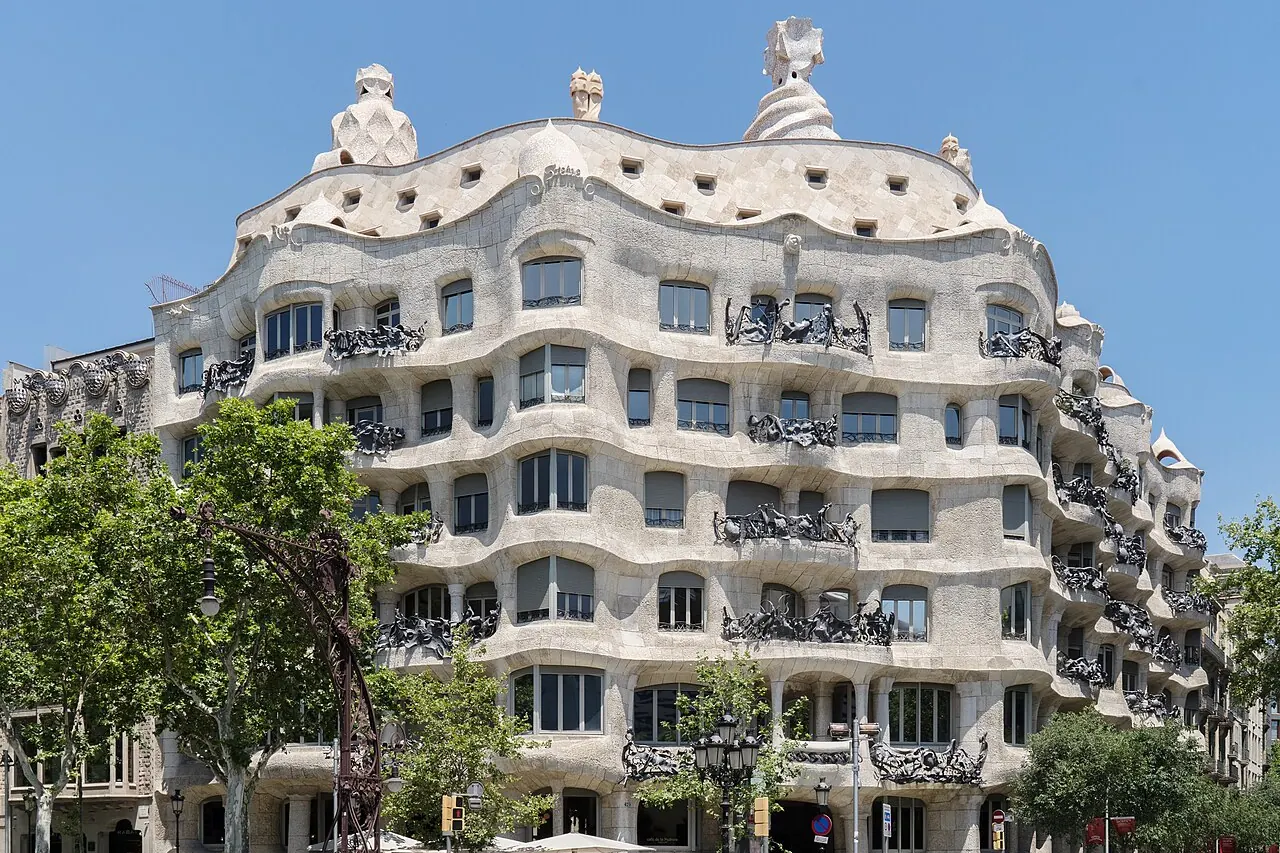
Casa Mila, often called La Pedrera, makes a useful contrast to Casa Batllo. Its broad stone facade and wrought-iron balconies suggest a different architectural rhythm, and a visit can turn your attention from colourful surfaces towards structure, circulation and the roofscape. Look carefully at the building from the avenue before heading inside; the exterior is part of the experience rather than a queue-side distraction.
The official site distinguishes daytime visits, sunset admission and night experiences. Read each description rather than assuming an evening booking provides the same spaces or interpretation as a daytime route. You can also choose just one Gaudi house interior and enjoy the other's facade on a Passeig de Gracia walk. Leave an interval for food and ordinary street life, and check the venue's current accessibility information if the rooftop or stairs are a particular concern for your group.
Plan it well: Daytime and nighttime products are different visits; compare routes and access before buying a combined architecture package.
La Pedrera: official visitor optionsUse Barcelona Cathedral to anchor an old-town walk
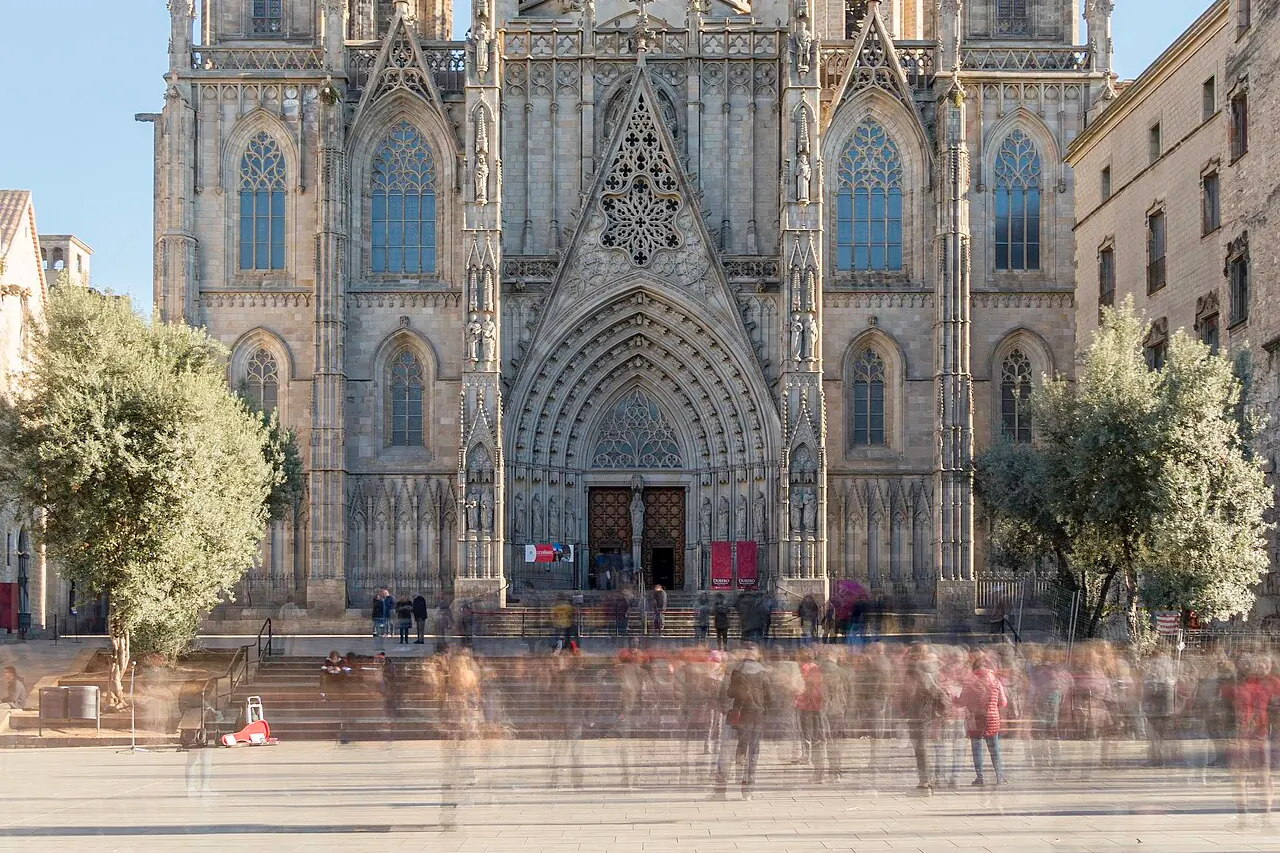
Barcelona Cathedral gives the Gothic Quarter a clear starting point, particularly if the surrounding lanes initially feel disorienting. Notice the facade from the square, then decide whether the visitor route inside interests you. The cathedral is separate from Sagrada Familia, with a different history and architectural character; calling both simply the cathedral can lead to confusion when comparing tickets or directions.
The official tourist-visit page lists the spaces available to visitors and distinguishes sightseeing from the building's religious function. Consult the current arrangements before assuming a service, cloister or rooftop belongs to your chosen visit. Respect worshippers, wear appropriate clothing and keep your group out of doorways on the surrounding narrow streets. Afterward, a short circuit through nearby squares is more rewarding than rushing across the entire old town. Add the Picasso Museum only when its reservation leaves room for lunch and the walk there.
Plan it well: Search and book by the exact name Barcelona Cathedral, not Sagrada Familia; they are different buildings and ticket systems.
Barcelona Cathedral: tourist visitBrowse La Boqueria as a working food market
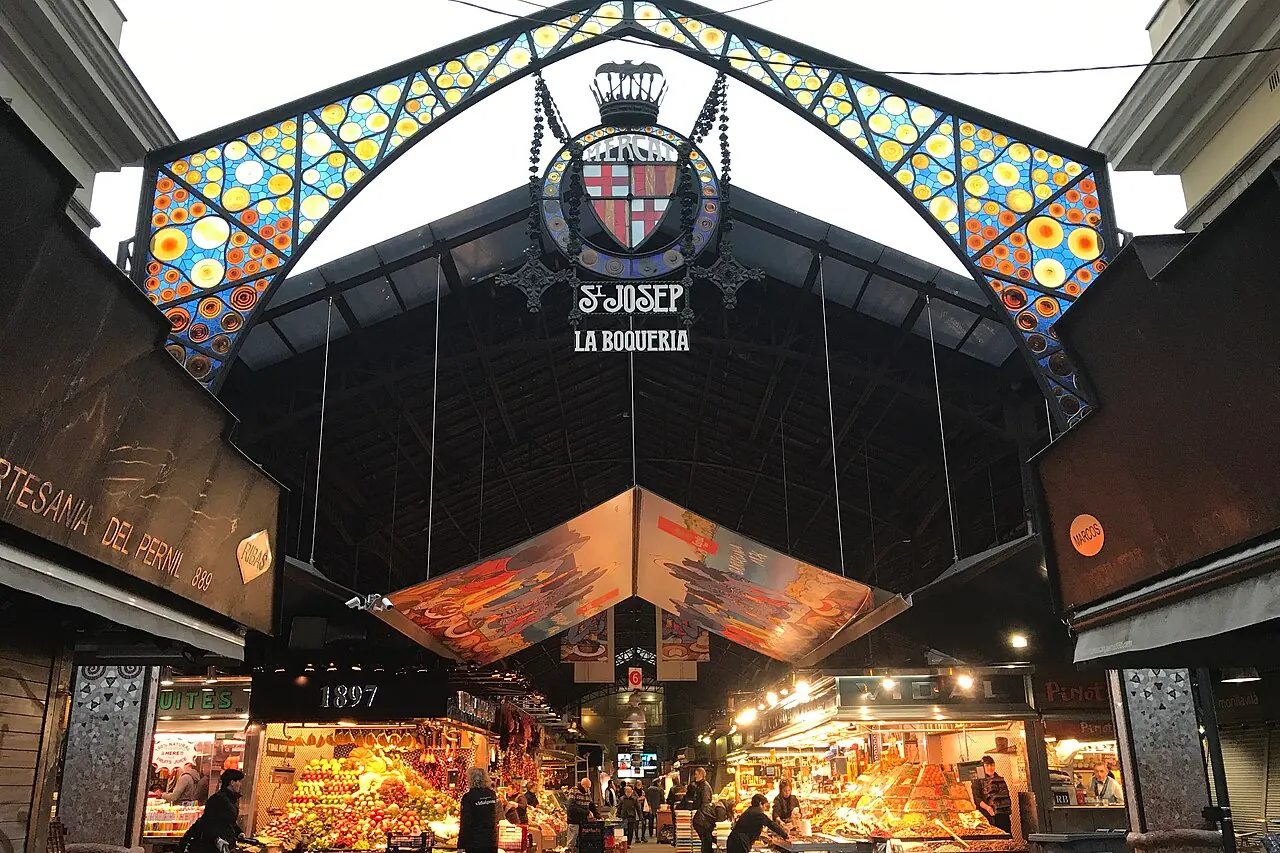
La Boqueria is a market where shopping, cooking and visitor curiosity overlap. Move past the entrance displays and look at the variety of produce, fish, preserved foods and counter meals, then choose something you genuinely want to eat. A small purchase and a considered browse make more sense than trying to sample a compulsory list of foods. Leave the aisles clear for people buying ingredients and for stallholders moving goods.
The market's official website publishes its trading schedule and current renovation news, so check both before making it your lunch plan. Individual stalls and counters need not share identical hours, and temporary works can alter how you enter or move around. Keep bags close in busy passages and ask the price before ordering. Pair the visit with the nearby old town, but avoid treating a seat at a popular counter as guaranteed; have a second lunch option ready.
Plan it well: Read current market works notices and ask about allergens directly at the stall; a display label may not describe every ingredient.
La Boqueria: official market informationFocus on one artist at the Museu Picasso
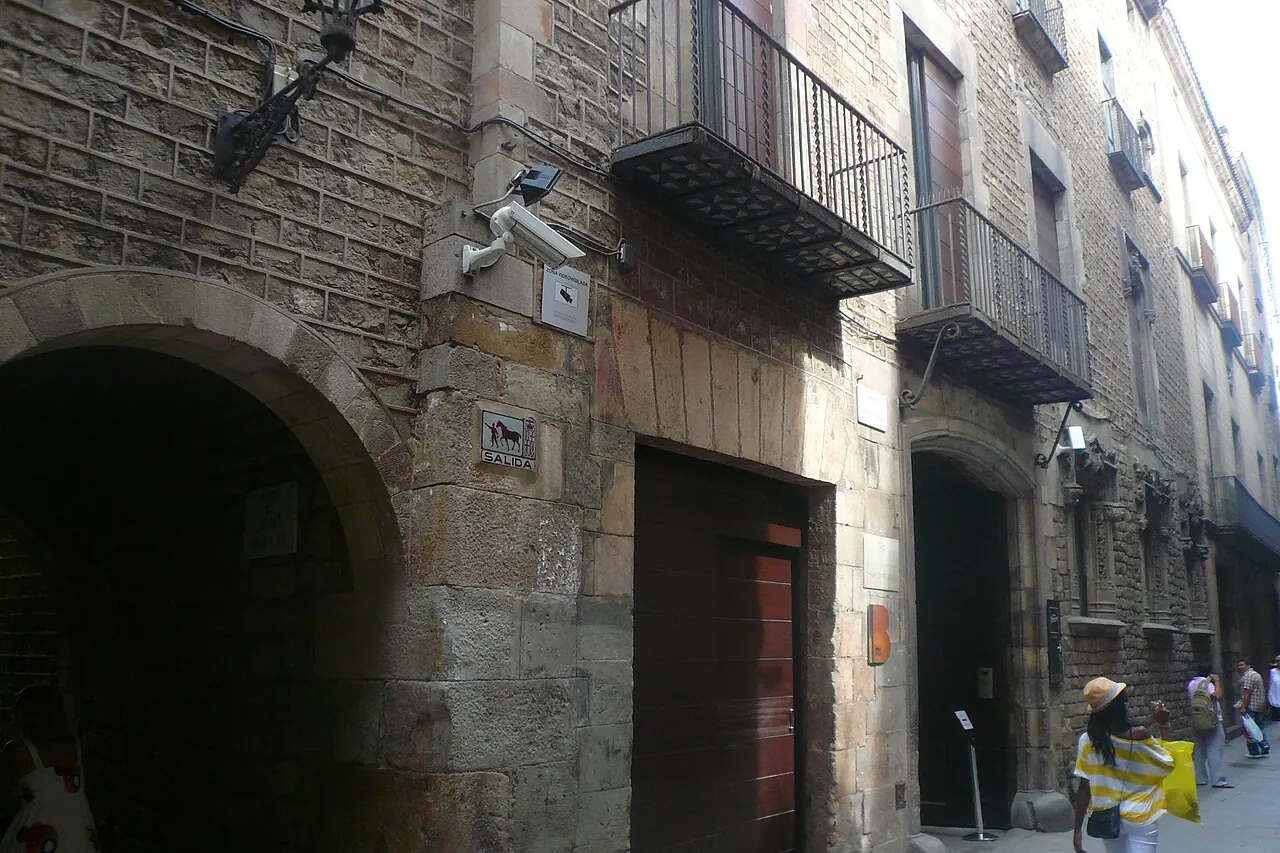
The Museu Picasso is a useful choice when you want a focused art visit rather than a survey of every major collection in Barcelona. Its historic buildings on Carrer de Montcada give the journey between galleries a character of its own. Choose a few works or periods to study closely, and use the museum's interpretation to understand how Picasso's development relates to the city rather than looking only for a famous title.
The official planning page links tickets, current exhibitions, access regulations and the museum map. Check those details before booking, especially if a temporary exhibition is your main reason to come. A pass or reduced-rate entitlement may still involve a reservation or supporting documents. Leave time for El Born afterward: a meal and a short neighbourhood walk are a more comfortable companion than another substantial museum. Arriving with large luggage can complicate a departure-day visit, so check the current storage policy first.
Plan it well: Choose your museum time before arranging lunch in El Born, and confirm any pass-holder reservation requirements.
Museu Picasso: plan your visitSee a different Modernista vision at the Palau
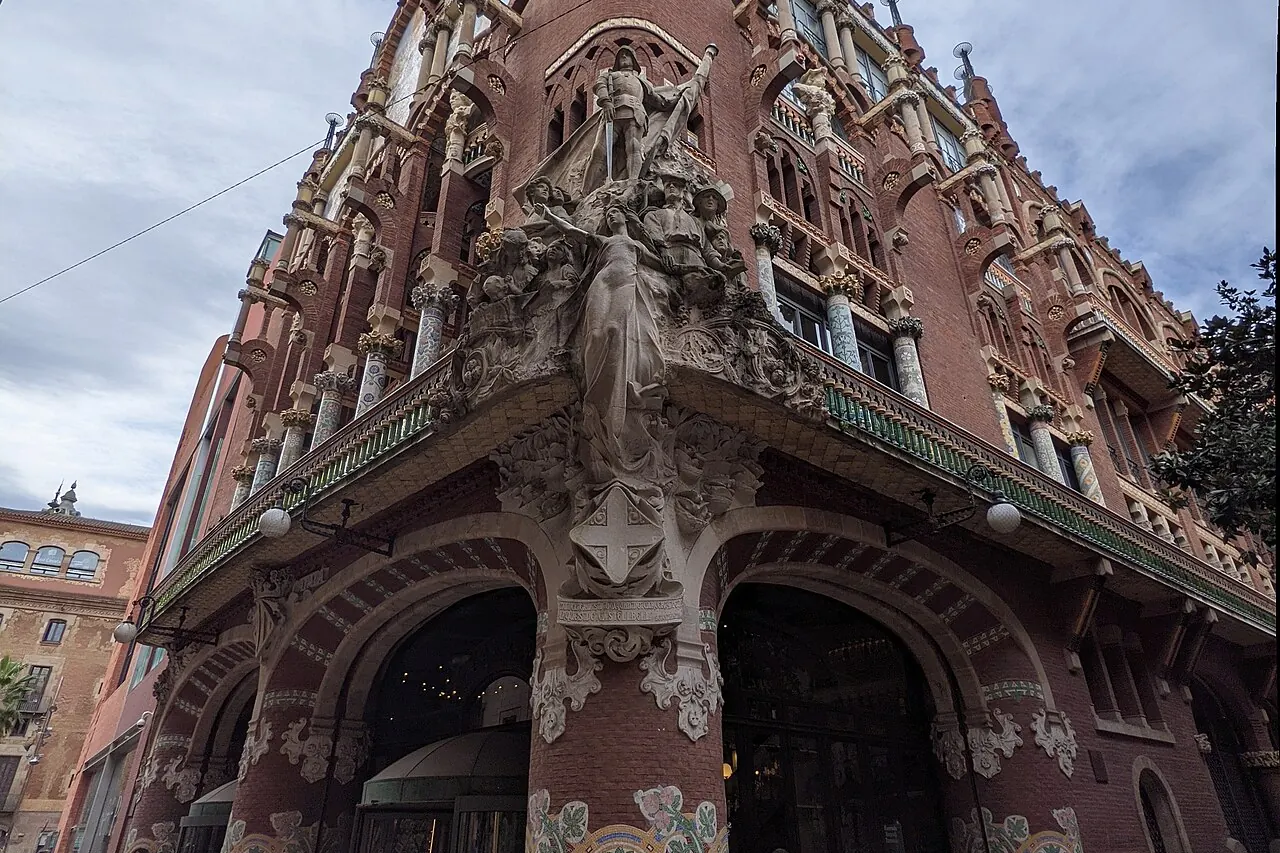
The Palau de la Musica Catalana broadens an architecture itinerary beyond Gaudi. Designed by Lluis Domenech i Montaner, it brings stained glass, mosaic, sculpture and a working concert hall into one unusually rich setting. An architectural visit invites close attention to those details; a performance offers a different reason to spend time in the building. Decide which experience matters to you instead of assuming that any ticket answers both interests.
The venue offers guided, audio-guided and self-guided visits, with differing formats and language options. A concert seat does not automatically include an architectural tour or access to every visitor space. Check the current product description, and leave time to find the correct entrance in the surrounding streets. The Palau pairs naturally with a Gothic Quarter or El Born walk, but a performance can run later than a daytime tour and should shape your dinner plans accordingly.
Plan it well: Buy a building visit and a concert ticket as separate decisions; check exactly what each permits.
Palau de la Musica: official visits and ticketsGive Montjuic Castle a hillside afternoon
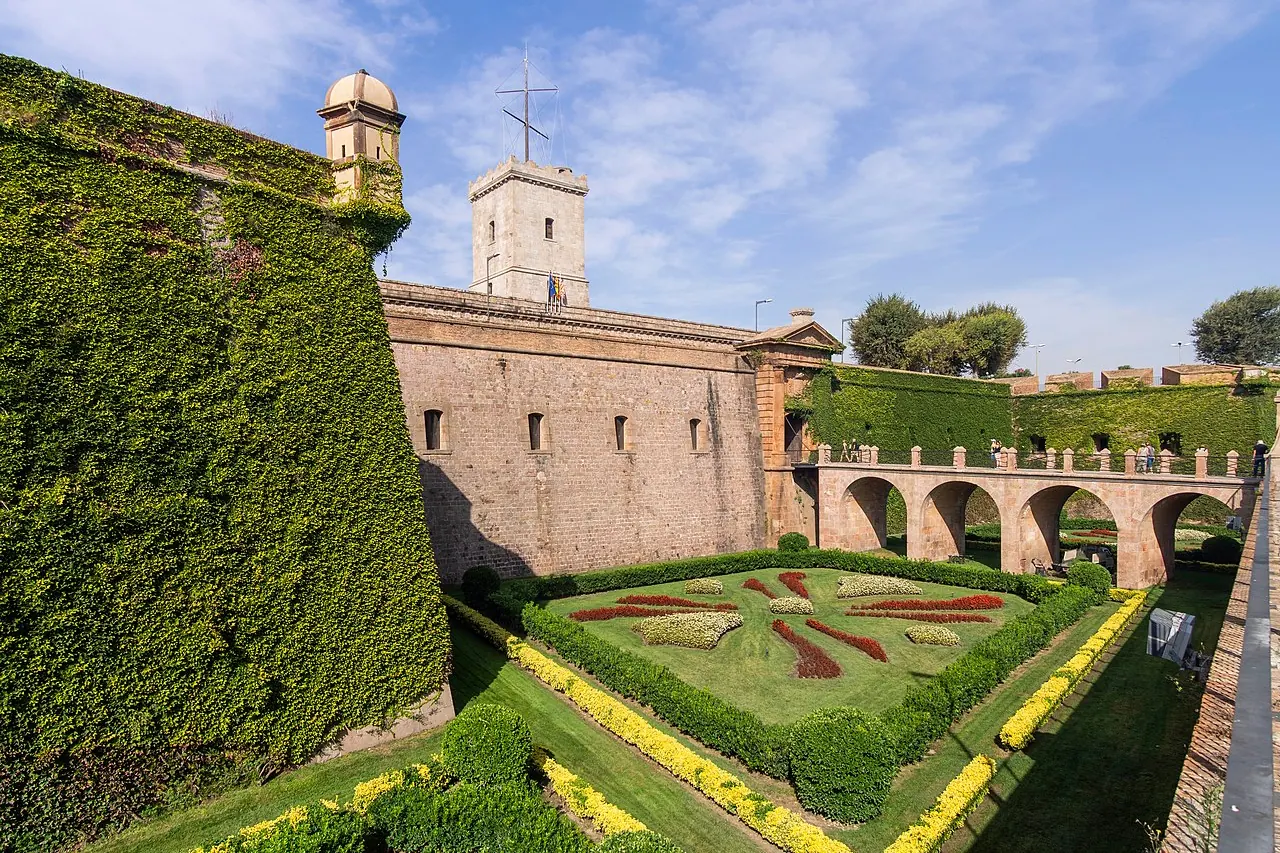
Montjuic Castle offers harbour-facing views and a more serious historical subject than a simple scenic lookout. Read the site's interpretation of its military past as you explore the fortifications, and separate that history from the pleasure of looking out over the city. The broad spaces and exposed position create a different experience from Barcelona's dense old town, especially when you have been moving between indoor attractions.
Plan your transport in both directions before setting out. The Montjuic funicular, the Montjuic cable car and the harbour cable car are different services; a familiar cable-car photograph does not identify the right route. TMB describes the Montjuic cable car as reaching the castle, but transport fares and castle admission are separate questions. Bring water and avoid promising a completely level visit without consulting the site's access information. Leave time for another hillside stop only if you still have energy.
Plan it well: Check the exact transport service and ticket inclusions; reaching the castle by cable car does not automatically provide castle admission.
TMB: Montjuic cable car routeLet Barceloneta be a coastal interval
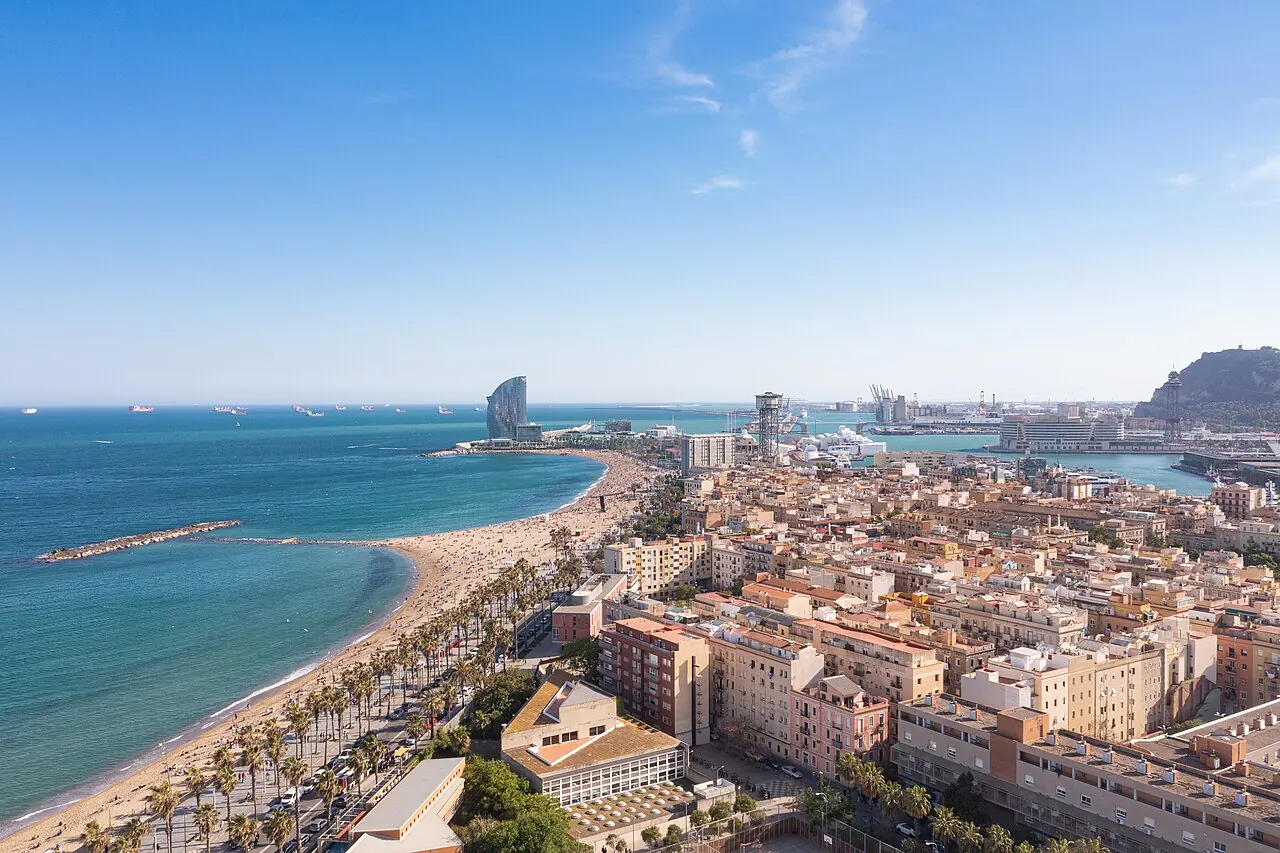
Barceloneta lets you finish an old-town day with an entirely different horizon. Walk through the neighbourhood towards the sea, then choose between a promenade stroll and time on the sand. The area is more than its beach: residential streets and places to eat give the outing context. Keep beachwear for the waterfront rather than treating the entire neighbourhood as an extension of a resort.
Swimming should depend on current flags, water conditions and lifeguard instructions, not on the weather in a photograph. Keep valuables under supervision and avoid leaving a bag unattended while everyone enters the water. A coastal walk remains worthwhile when bathing is unsuitable, especially if you simply want air and a break from enclosed streets. El Born is a useful earlier stop, but do not squeeze the beach into a short gap between timed admissions; sand, changing and a meal all take time.
Plan it well: Check the city's live beach information and follow the posted flags; an open promenade does not mean bathing is advised.
Barcelona City Council: beach visitor informationHow to spend two days in Barcelona
Day one: architecture and Eixample
Make Sagrada Familia the booked anchor, then walk and eat in Eixample. Choose Casa Batllo or Casa Mila for a second interior only if the timing leaves a generous break. Park Guell is an alternative substantial outing, not a quick add-on.
Day two: old town and coast
Start around Barcelona Cathedral, browse La Boqueria on a trading day, then choose the Picasso Museum or a Palau building visit. Continue through El Born towards Barceloneta if the weather suits. Give Montjuic Castle a separate half-day on a longer stay.
Before you go
Reserve fewer interiors well
Choose the places you most want to enter and use official booking channels. Leave travel, security checks and meals between reservation times instead of treating every landmark as a compulsory ticket.
Travel with a compact bag
Crowded markets and transport call for attention to belongings. Check each venue's luggage policy rather than assuming a large bag or suitcase can be stored.
Check the route as well as the stop
Park Guell and Montjuic involve hills. Confirm the entrance, transport service and accessible approach rather than judging the effort only by the nearest station on a map.
Where to stay in Barcelona
Eixample is a practical base for architecture and dining, while the Gothic Quarter and El Born put old-town walking nearby but can involve narrow streets and late-night noise. Barceloneta suits a coast-focused stay, not necessarily a quiet one. Compare the actual metro walk, lift access and room-facing direction, and verify the full nightly cost before booking.
Explore Barcelona hotels