
Barcelona city guide
Where to stay in Barcelona
Eight Barcelona bases compared for modernist sights, old-town evenings, market streets and beach time, with the metro and airport connections that distinguish them.
Plan your visit
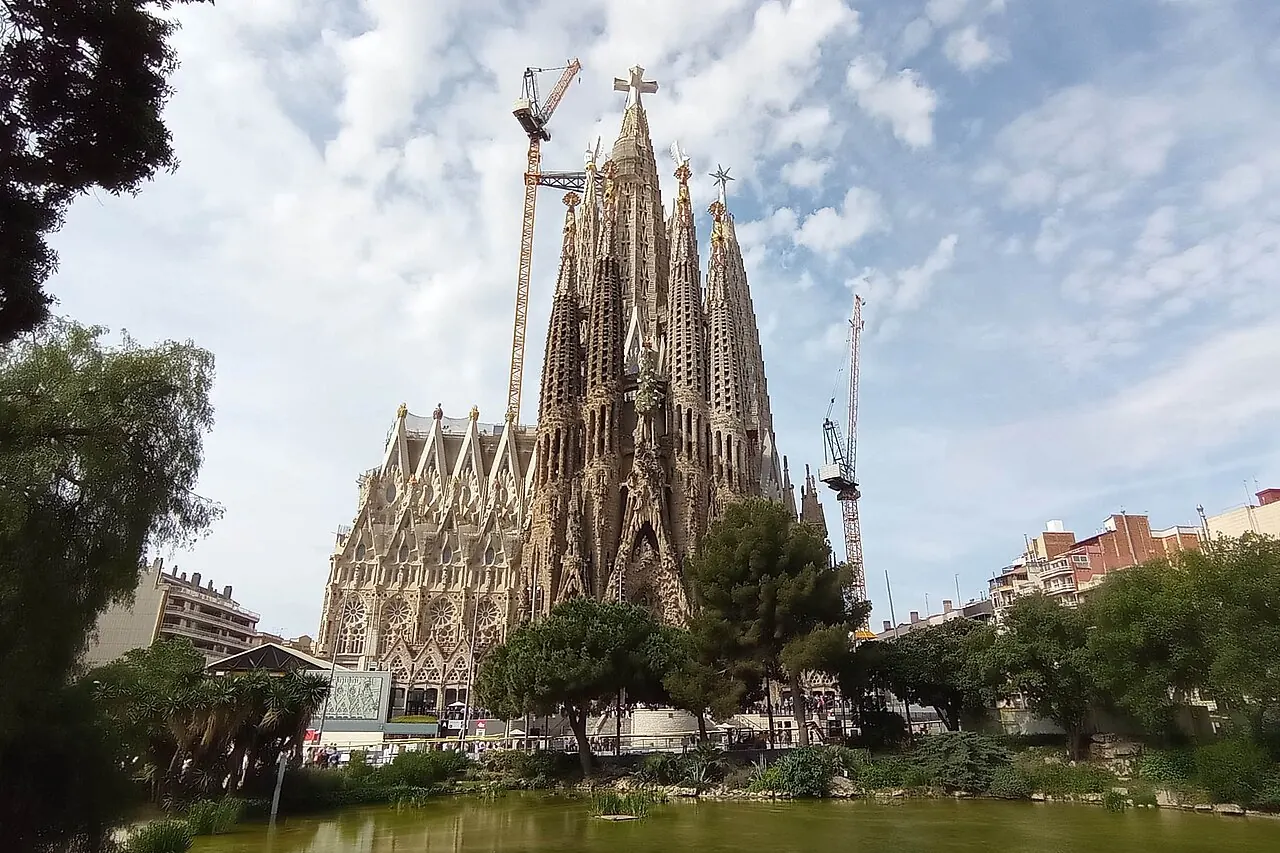
Barcelona's compact-looking map conceals very different stays: a broad Eixample avenue, a narrow medieval lane and a coastal hotel do not offer the same daily routine. Pick the neighbourhood for your evenings and repeated journeys, then look at the hotel's nearest useful station. No single base puts every Gaudi site, old-town square and beach at the door.
Choose your base
Central Eixample is the flexible first-visit choice; the Gothic Quarter and El Born favour historic streets and late dinners. Vila de Gracia suits neighbourhood squares rather than the waterfront. Barceloneta prioritises the old-town beach, while Poblenou combines a residential dining spine with the eastern coast. Sant Antoni is a market-and-food base on the Eixample edge; El Raval suits contemporary culture and a more mixed old-town setting.
Central Eixample: modernist sights and flexible connections
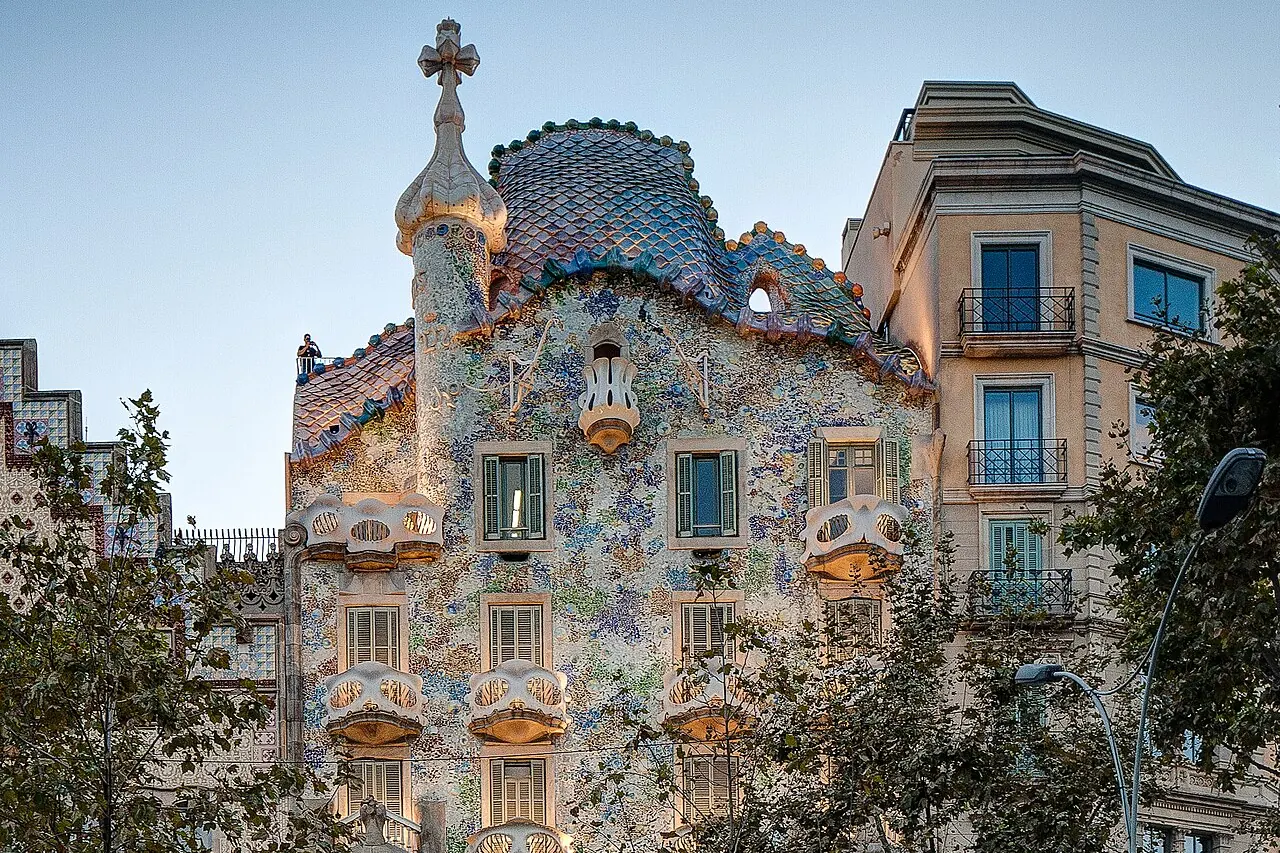
Focus on the Passeig de Gracia and central Dreta de l'Eixample streets rather than treating the entire large district as one hotel zone. Casa Batllo and Casa Mila are on this avenue, with restaurants along surrounding grid streets and Rambla de Catalunya providing another useful dining-and-walking spine. Broad junctions and clearly laid-out blocks make a different arrival experience from the medieval centre. Sagrada Familia is also in Eixample, but farther east: a hotel beside the basilica is not the same base as one near Casa Batllo.
Passeig de Gracia combines metro lines L2, L3 and L4 with the R2 Nord airport train from Terminal 2. Terminal 1 arrivals need the airport's inter-terminal connection to use that train. Busy avenues can mean traffic-facing rooms, and the beach is a separate trip. Choose El Born for medieval streets at the doorstep or Poblenou when the coast matters more than central modernist buildings.
Plan it well: Casa Batllo anchors the central Passeig de Gracia base, not the whole Eixample district.
Barcelona tourism: EixampleGothic Quarter: historic sights outside the hotel door
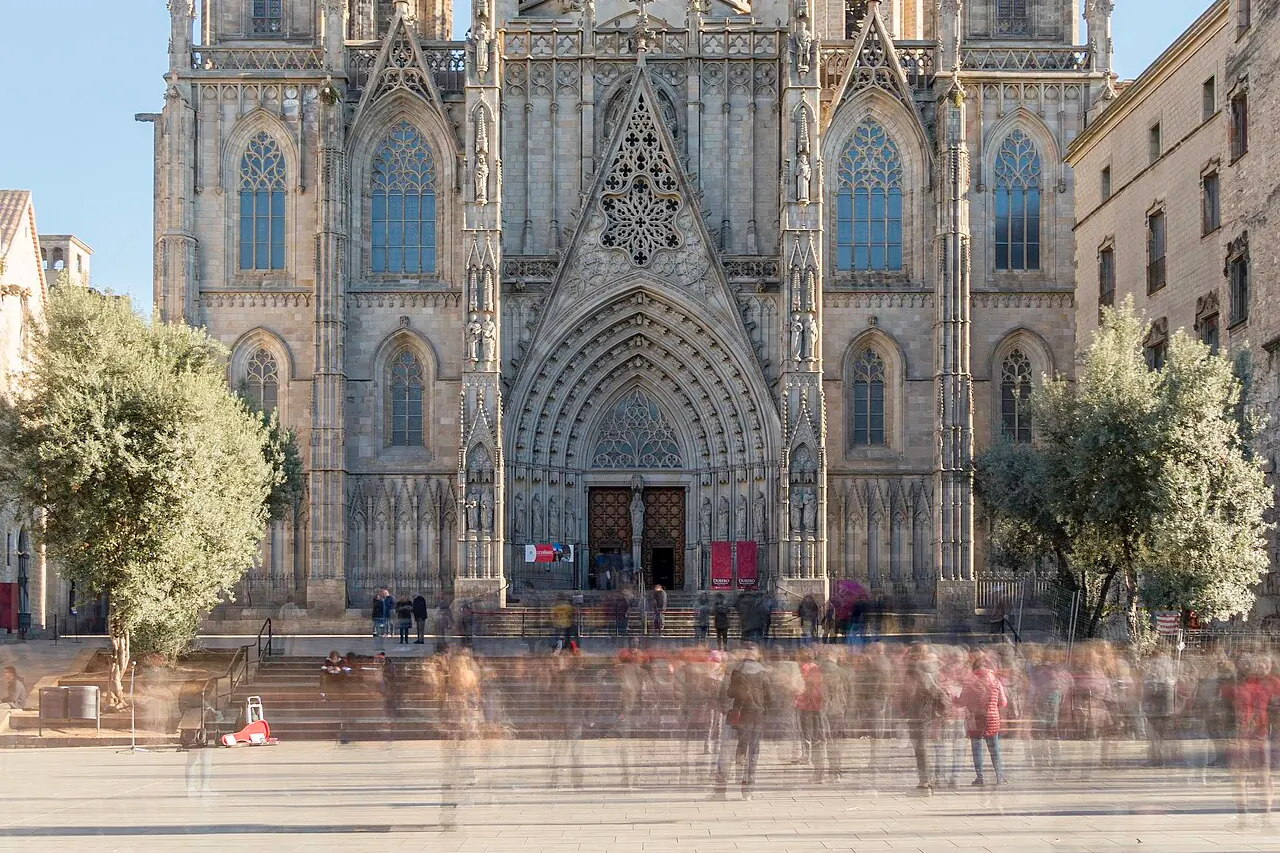
The Gothic Quarter places the cathedral, Placa del Rei, Placa Sant Jaume and the former Jewish quarter within a dense web of lanes. It suits travellers who enjoy starting with a short walk through old streets and returning to a neighbourhood dinner rather than a broad avenue. Placa Reial and Carrer de Ferran bring a busier evening character; quieter-looking cathedral-side lanes still need an address-level check. La Boqueria is across La Rambla in El Raval, not inside this quarter.
Liceu on L3 and Jaume I on L4 serve different edges of the Gothic Quarter. Airport metro L9 Sud does not run here directly: allow for a line transfer, or continue from an Aerobus central stop on foot or by local transport. Narrow approaches can leave the taxi drop-off away from the entrance. Choose Eixample for easier station-oriented arrivals, and Gracia if neighbourhood squares matter more than continuous landmark footfall.
Plan it well: The cathedral is a landmark anchor within the Gothic Quarter; the hotel entrance may be down a pedestrian lane.
Barcelona tourism: Gothic QuarterEl Born and La Ribera: museums with lively evening streets
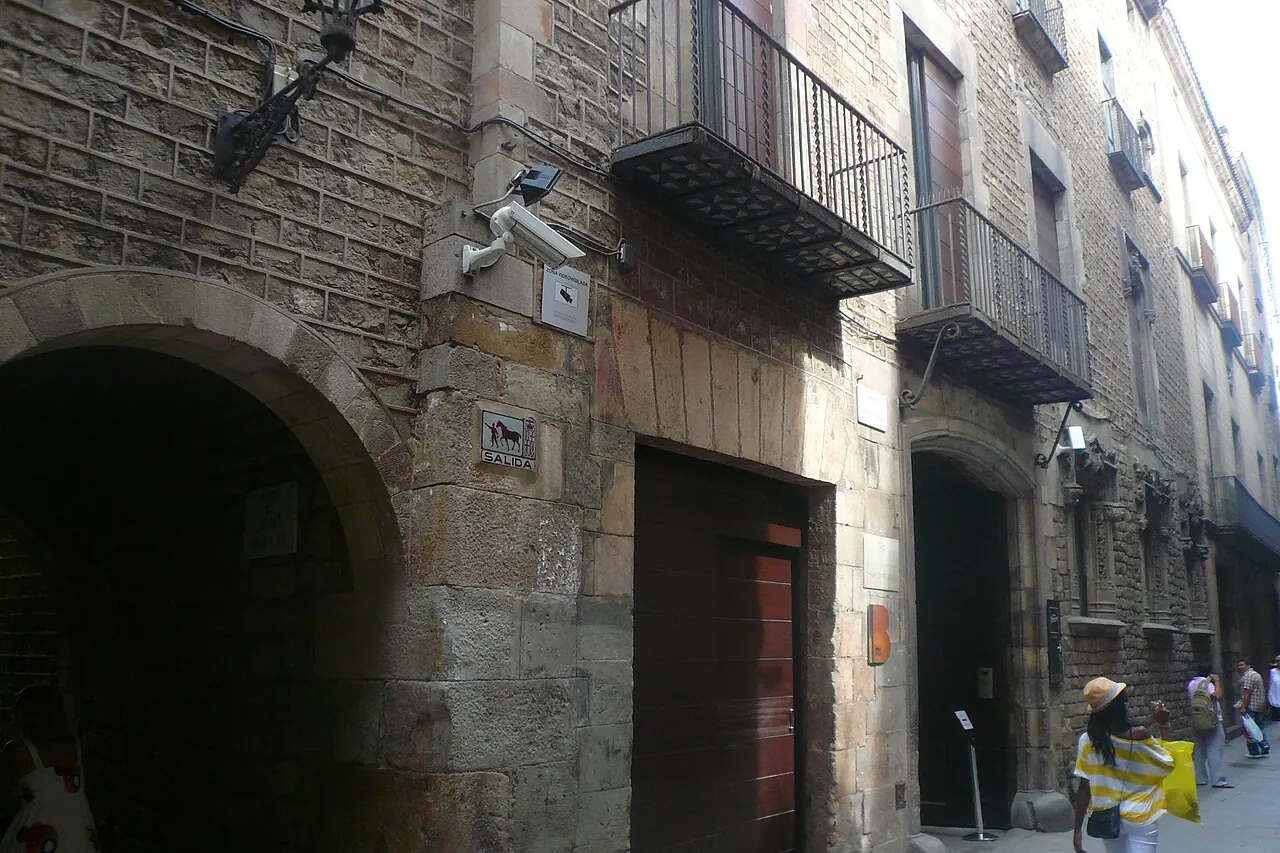
El Born is the practical visitor name for the museum-and-dining streets around Passeig del Born, Santa Maria del Mar and Carrer de Montcada in La Ribera. The Picasso Museum gives an obvious daytime focus, while small shops, wine bars and restaurants make returning here in the evening part of the appeal. Ciutadella Park is on the eastern side. Do not place the Palau de la Musica in the middle of El Born: it belongs to the broader Sant Pere side of the old city.
Jaume I on L4 is useful for the southern museum streets; Arc de Triomf on L1 suits the northern edge and the park. Neither is a direct airport-metro stop. This is an attractive base for a walking itinerary, but bar terraces and late conversations can be the cost of a picturesque lane. Choose the Gothic Quarter for the cathedral cluster, or Sant Antoni for a market-led neighbourhood evening without the same medieval tourist focus.
Plan it well: The pin and photograph identify the Picasso Museum's historic building on Carrer de Montcada.
Barcelona tourism: La RiberaVila de Gracia: squares and a neighbourhood dining routine
Vila de Gracia is the lower, village-like part of the wider Gracia district. Its small streets and squares, including Placa del Sol and Placa de la Vila, suit a stay built around cafes, neighbourhood restaurants and unhurried evenings. This is a useful contrast to the grand avenues immediately south and to the heavily visited old town. Park Guell is uphill in La Salut, not a park beside every Gracia hotel; choose this base for the village streets rather than an assumed doorstep park entrance.
Fontana on L3 serves the western side, with Joanic on L4 useful toward the east. Airport L9 Sud requires a transfer; the L3 connection at Zona Universitaria is one route into this part of the city. Some squares stay lively after dinner, particularly during events, so the village label does not guarantee silence. Eixample is better for rail-arrival convenience, and Barceloneta is the choice for repeated beach walks.
Plan it well: This pin is for Vila de Gracia, not Park Guell; check the slope and route separately for a park visit.
Barcelona tourism: Gracia and Park GuellBarceloneta: beach time beside the old maritime quarter
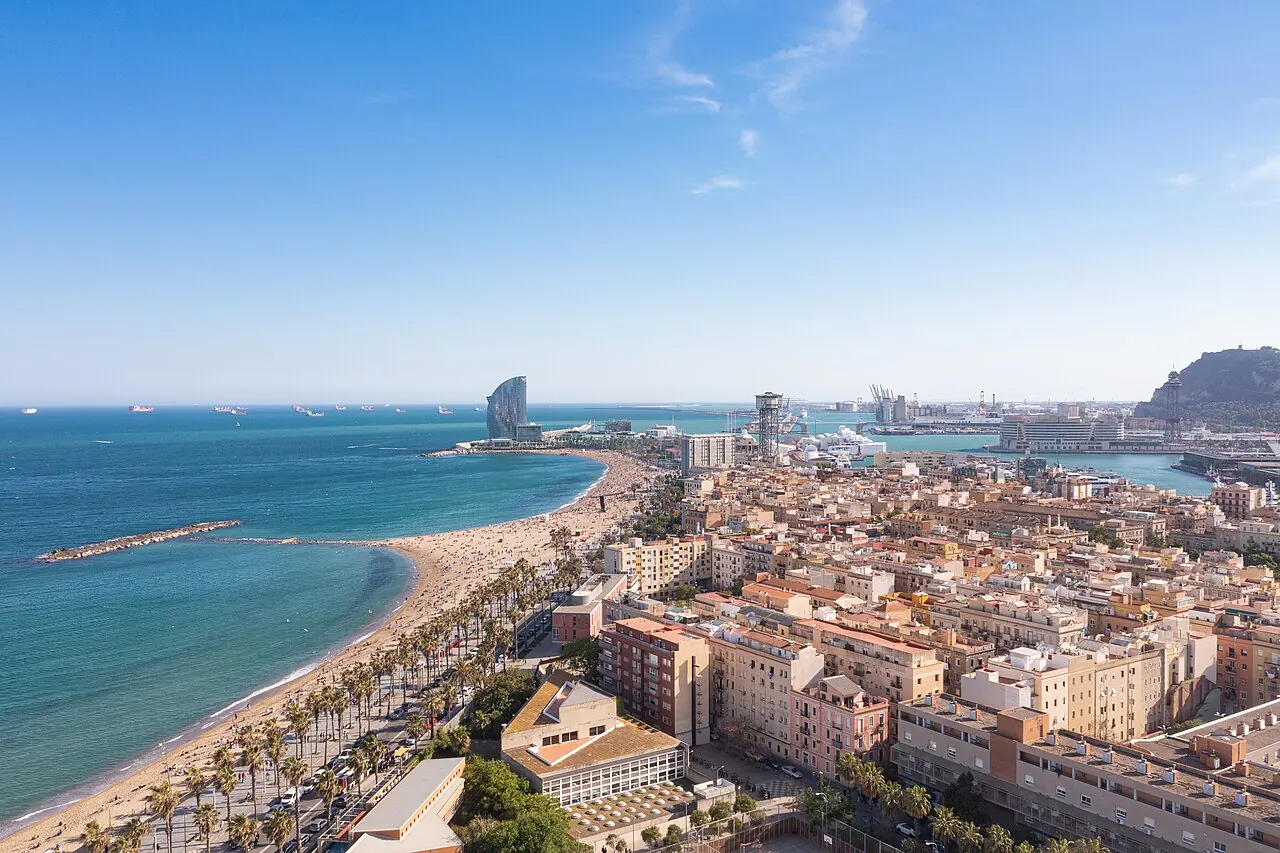
Barceloneta combines its eighteenth-century street grid with the beach and Port Vell. Around Carrer de Baluard, the neighbourhood market and Sant Miquel square give it more than a resort-strip identity, while seafood restaurants and the seafront provide an obvious evening routine. Choose an address inside the historic blocks for that atmosphere; a large waterfront hotel at the far end of the shoreline delivers a different, more self-contained stay. The beach is the main advantage over El Born, not a promise that every central attraction is equally close.
Barceloneta station on L4 is on the inland edge, so the remaining walk grows for hotels farther along the water. Airport access needs a rail or bus connection and a final local leg rather than a direct seaside metro ride. Beach crowds and seafront activity are the trade-off. Choose Poblenou for a different coastal neighbourhood, or central Eixample when airport rail and modernist sights take priority.
Plan it well: The map identifies the neighbourhood; the L4 station is inland from much of its shoreline.
Barcelona city: BarcelonetaPoblenou: a neighbourhood main street near the eastern beaches
Poblenou is a useful alternative to Barceloneta when you want the eastern beaches and an everyday restaurant street rather than an old-town waterfront setting. Rambla del Poblenou is the neighbourhood's dining and strolling spine, with industrial buildings and the changing 22@ area giving surrounding blocks a different character. The park and Bogatell beach sit on its coastal side. A business hotel inland among former industrial plots is not interchangeable with one near the rambla's seaside end, even when both use the same neighbourhood name.
Poblenou and Llacuna stations on L4 connect this side of the city with Jaume I and the central interchange at Passeig de Gracia. Airport travel requires that local connection plus the chosen airport service; L9 Sud is not a direct Poblenou line. The compromise is a longer journey to the Gothic Quarter and many Gaudi sights. Choose Eixample for a central sightseeing spread, or Barceloneta to combine beach walks with the historic port.
Plan it well: The area pin is not a beachfront hotel pin; compare the address with Rambla del Poblenou and the L4 stations.
Barcelona city: El PoblenouSant Antoni: market streets between Eixample and the old city
Sant Antoni centres on the large market where fresh food, the Encants stalls and the Sunday book market give different reasons to return. Carrer del Parlament and the surrounding streets make a useful cafe-and-dinner routine without requiring a nightly trip into the cathedral quarter. The neighbourhood sits at the western old-city edge but follows the wider Eixample street pattern. It suits visitors who enjoy food shopping and restaurants as much as monument ticking, rather than those wanting a room overlooking a famous building.
Sant Antoni station is on L2, with Urgell on L1 useful for the northern edge. The airport-bound Aerobus stop on Sepulveda is different from its city-bound Gran Via-Borrell stop, which matters when choosing a hotel for both journeys. Traffic on perimeter roads and busy dining corners remain possible. Choose El Born for museums in medieval palaces, or Gracia for more village-like squares; neither offers the same market-and-airport-bus combination.
Plan it well: The pin is for the neighbourhood; verify the direction-specific Aerobus stop instead of assuming both directions use one corner.
Barcelona city: Sant Antoni marketEl Raval: contemporary culture in a mixed old-town setting
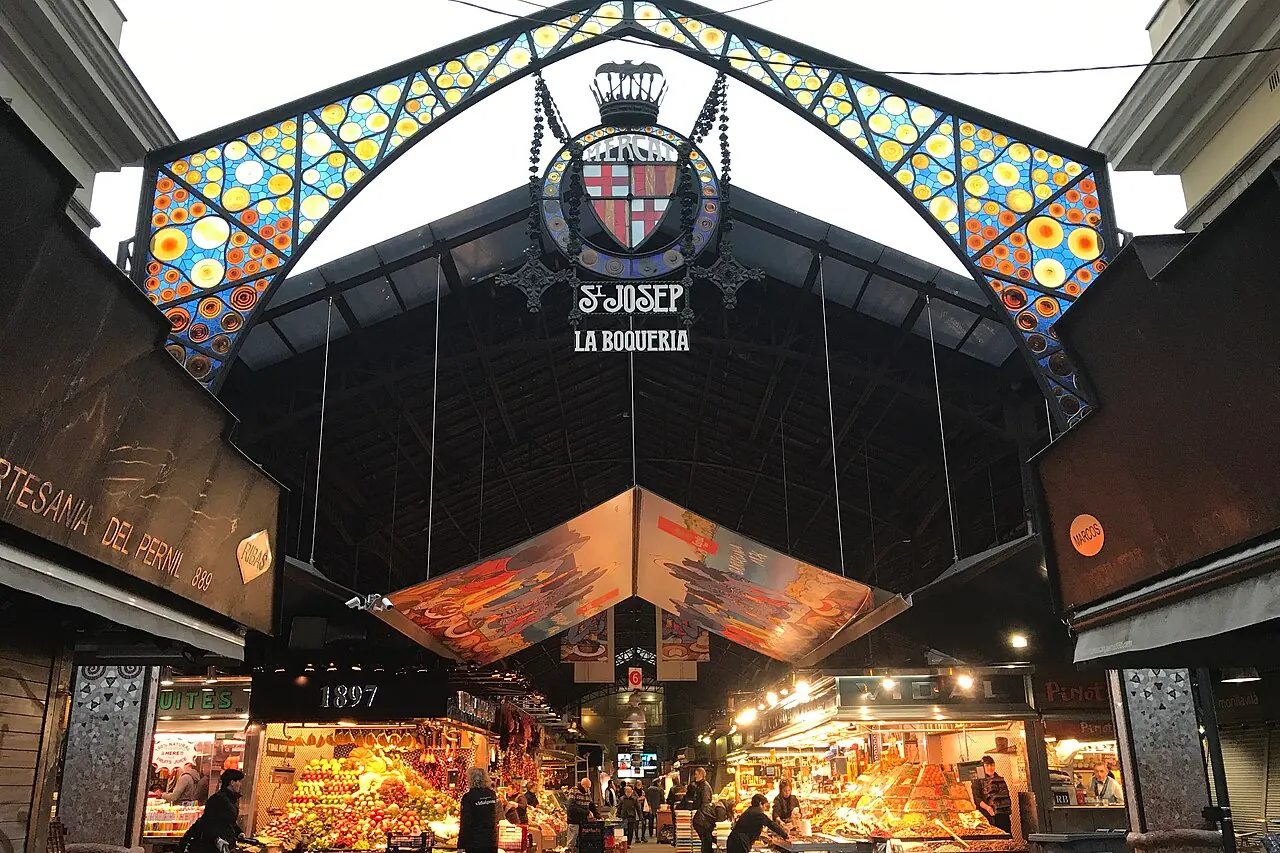
El Raval lies west of La Rambla and brings a different old-town experience from the cathedral quarter across it. MACBA and the CCCB anchor the northern cultural streets; La Boqueria provides the market-side connection to La Rambla, while Rambla del Raval offers another concentration of eating places and street life farther inside. Choose the pocket that matches your plans rather than treating this diverse district as a uniform hotel environment. The combination is useful for contemporary exhibitions, varied dining and easy access to adjacent central streets.
Universitat on L1 and L2 suits the northern edge, while Liceu on L3 serves the La Rambla side. Aerobus arrivals stop at Universitat; departures toward the airport use other stops, including Placa de Catalunya. Dense streets, late activity and the mix of traffic and pedestrian approaches can make this less restful than the hotel photographs suggest. Choose Eixample for wider streets, or Sant Antoni when the market neighbourhood matters more than central arts venues.
Plan it well: The photograph and map show La Boqueria on El Raval's La Rambla edge, not the MACBA square.
Barcelona tourism: El RavalArrival and useful connections
Choose the airport service before choosing the final station. The airport metro, airport train and Aerobus have different routes and do not deliver you to the same central streets.
Airport metro
L9 Sud serves Terminals 1 and 2. Transfers at Collblanc, Torrassa or Zona Universitaria connect it with the main city lines. The T-casual is not valid at the airport metro stations.
TMB: airport metroAirport train
The R2 Nord airport train uses the Terminal 2 station and serves Barcelona Sants and Passeig de Gracia. Terminal 1 passengers need the airport shuttle to reach that rail option.
Renfe: Barcelona suburban rail mapAerobus direction matters
City-bound stops include Espanya, Gran Via-Borrell, Universitat and Catalunya. Airport-bound buses use Catalunya, Sepulveda and Espanya. A hotel close to an arrival stop is not automatically beside its return stop.
Aerobus: route and stop questionsNeighbourhood metro routes
Use the current TMB map to compare L3 for Liceu and Fontana, L4 for Jaume I, Barceloneta and Poblenou, and L2 for Sant Antoni. These lines connect several bases but do not turn every hotel into a station-side address.
TMB: metro network mapFind a Barcelona hotel in the right neighbourhood
Compare Barcelona hotels around the base that fits your repeated journeys. For the old town, consider the final approach with luggage and the room's position above evening streets. For Eixample or the coast, check the useful station rather than relying on the district name alone.
Explore Barcelona hotels