
Málaga city guide
Málaga Beach Escape: City Sands, Eastern Coves and Coastal Life
Plan a Málaga beach escape around Malagueta, Pedregalejo, eastern coves, safe swimming, coastal food and a balanced two- or three-day route.
Plan your visit
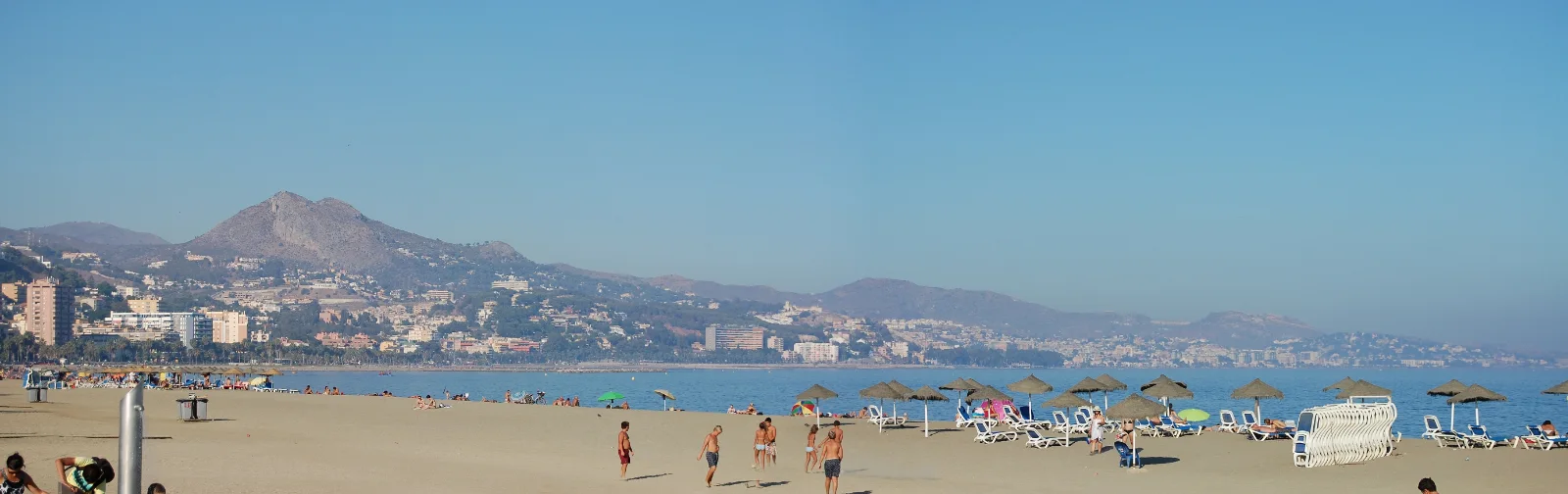
Málaga makes a beach break unusually easy to combine with city culture. La Malagueta lies beside the historic centre, while the eastern waterfront leads through Baños del Carmen to the former fishing districts of Pedregalejo and El Palo. Farther east, Peñón del Cuervo offers a more open coastal setting around its distinctive offshore rock. These beaches are urban rather than secluded, but their promenades, public transport and varied food options make them practical without a car. Conditions and staffed services change with the season, so the best plan combines current municipal information with an unhurried choice of beach. Two days cover the essentials; a third creates room for a longer coastal outing and slower meals.
La Malagueta: the easy city-beach baseline
La Malagueta is the most convenient starting point for visitors staying near Málaga’s historic centre. Its broad urban waterfront makes it straightforward to combine a morning swim with the port, museums or an evening in the old town. The promenade provides a level approach to much of the beach, while services and accessible facilities are most extensive during the main bathing season. It can feel busy on warm weekends, so early morning is preferable for quieter sand and softer light. Treat Malagueta as the dependable option rather than the city’s only beach: it works especially well on arrival day, when a short, flexible beach visit is more useful than a complicated excursion.
Plan it well: Check the beach flag and municipal notices before entering the water.
Málaga City: La MalaguetaPedregalejo and El Palo for sheltered coves
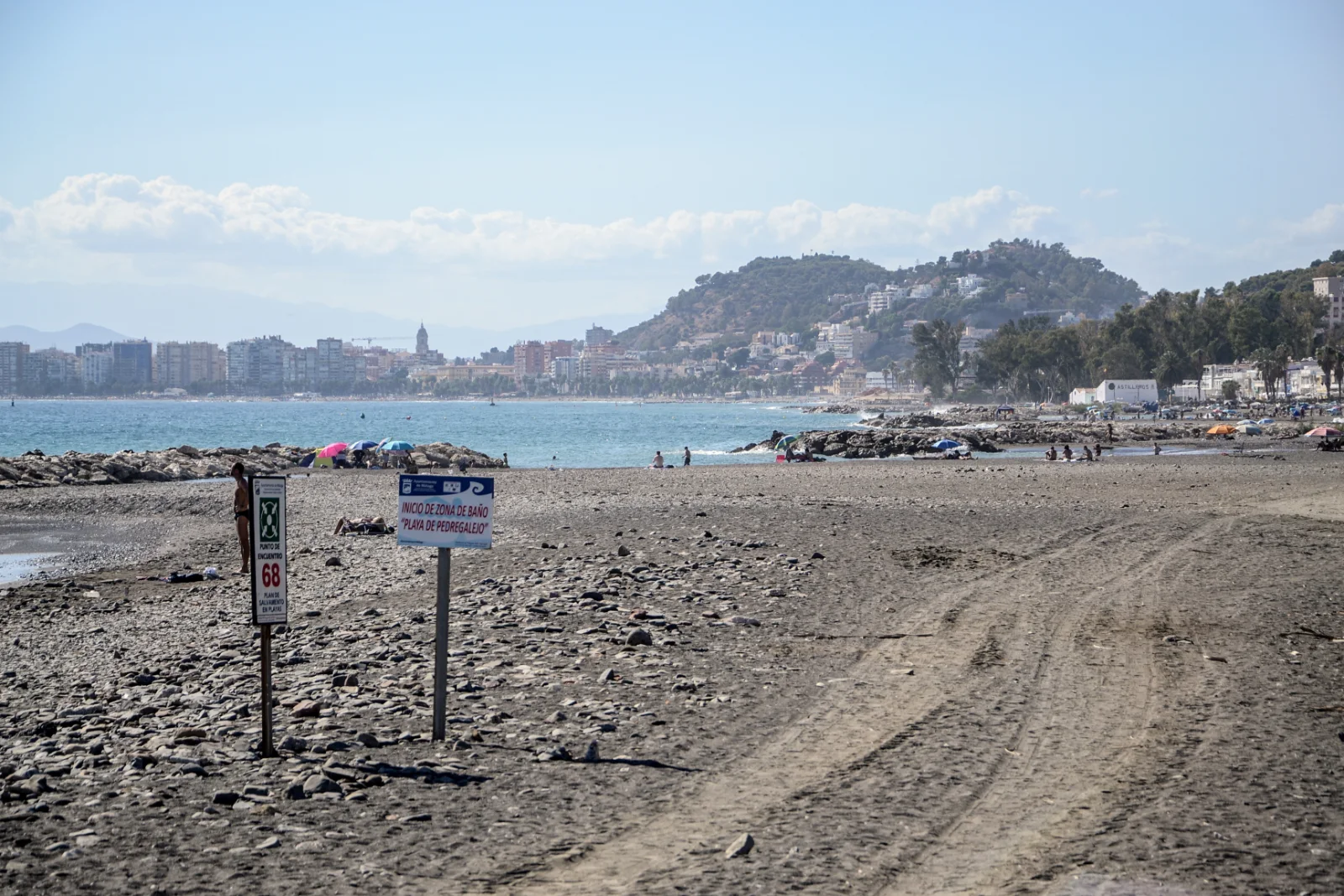
East of the centre, Pedregalejo and neighbouring El Palo divide the shoreline into smaller bays using breakwaters. The result feels more intimate than Malagueta, with a long promenade, local restaurants and several places to pause rather than one continuous expanse of sand. Individual coves can differ in depth, exposure and available space, so look at the water and flag information before choosing where to settle. These districts suit travellers who want beach time to flow into lunch or an evening walk. They are still part of the city, not isolated resorts, and visitors should keep entrances, working areas and the promenade clear for residents. Public transport makes returning independently of the heat practical.
Plan it well: Use the bus for one leg of the eastern waterfront route.
Málaga municipal beachesWater, safety, access and seasonality
Málaga’s municipal beaches operate within a seasonal service pattern. Lifeguards, assisted-bathing provision and some facilities are concentrated in the warmer months, and hours can change, so verify the current municipal listing rather than assuming full coverage. Follow beach flags and staff instructions, keep outside marked boating or activity zones, and avoid entering rough water simply because the air is warm. Mediterranean conditions can change with wind, and breakwaters may create local currents. Accessible routes and adapted services are available at designated beaches, but equipment and assistance should be confirmed in advance. Outside summer, the coast remains excellent for walking, yet fewer services may operate and cooler water calls for more conservative swimming decisions.
Plan it well: Reserve assisted-bathing support in advance when required.
Málaga beach servicesBaños del Carmen to Peñón del Cuervo
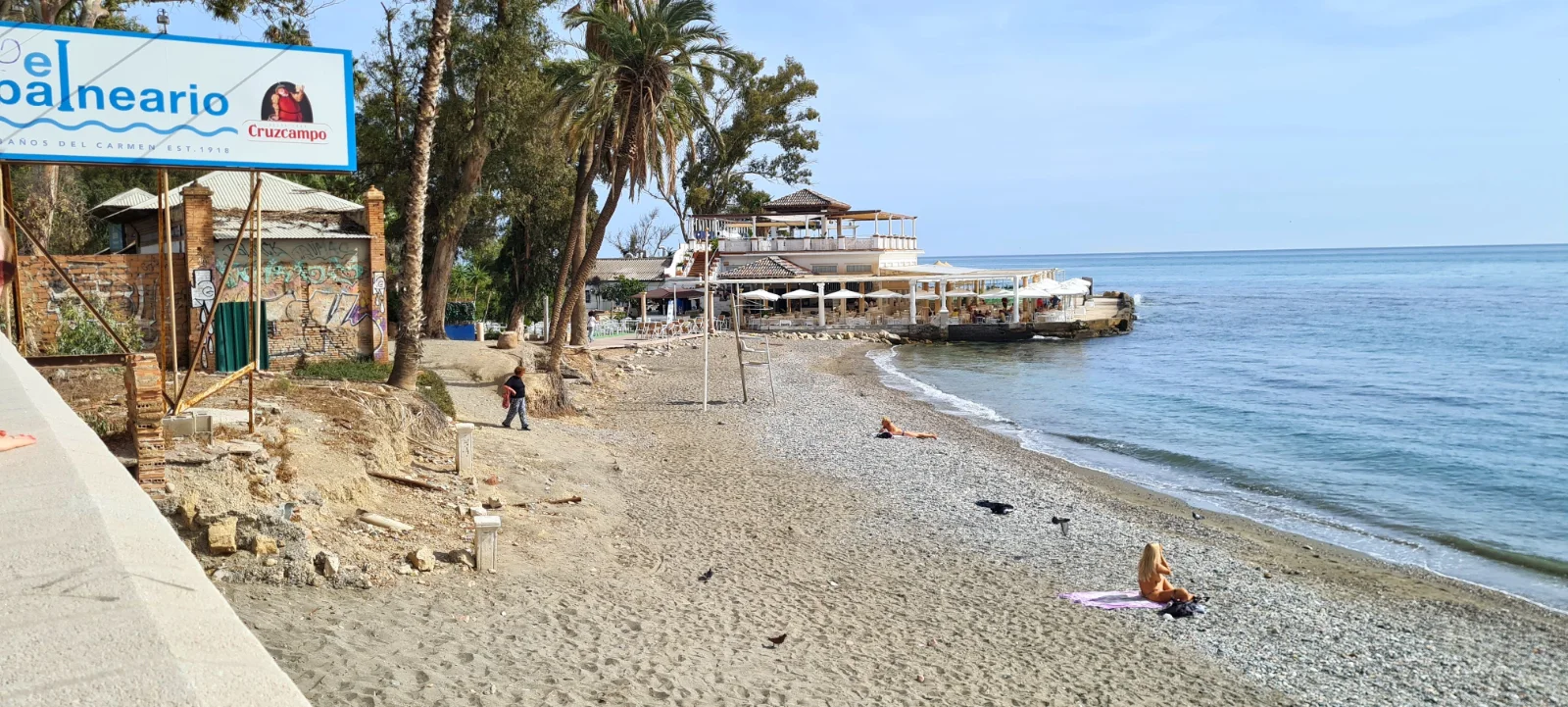
A rewarding coastal route begins around Baños del Carmen, where the historic seaside pavilion and less formal shoreline contrast with central Málaga. Continue east along the waterfront through Pedregalejo and El Palo, using the promenade for the most comfortable stretches. Peñón del Cuervo, farther out, provides a dramatic natural marker and a broader sense of open coast. The complete route is long enough to divide into stages, returning by bus when needed. Carry water and sun protection because shade is inconsistent, and do not walk on slippery rocks or exposed breakwaters. This is best treated as a sequence of neighbourhoods and viewpoints rather than a race to an endpoint, with swimming reserved for suitable, supervised conditions.
Plan it well: Carry refillable water and avoid slippery rocks and exposed breakwaters.
Andalusian coastal environmentCoastal food and local culture
The eastern beach districts preserve visible links to Málaga’s fishing culture, although they are also busy residential neighbourhoods. A classic choice is an espeto: fish, commonly sardines, grilled on a cane beside the beach. Ask what is fresh and seasonal rather than treating one species as obligatory, and choose restaurants that communicate sourcing clearly. Ordering several modest dishes allows visitors to sample local seafood without unnecessary waste. Respect working areas, avoid photographing people at close range without permission, and leave shells, plants and marine life where they are. Meals are often most enjoyable after the strongest midday heat, when a promenade walk can connect lunch with the next cove instead of adding another vehicle journey.
Plan it well: Ask what is fresh and seasonal, and order gradually to reduce waste.
Málaga municipal beachesA balanced two- or three-day plan
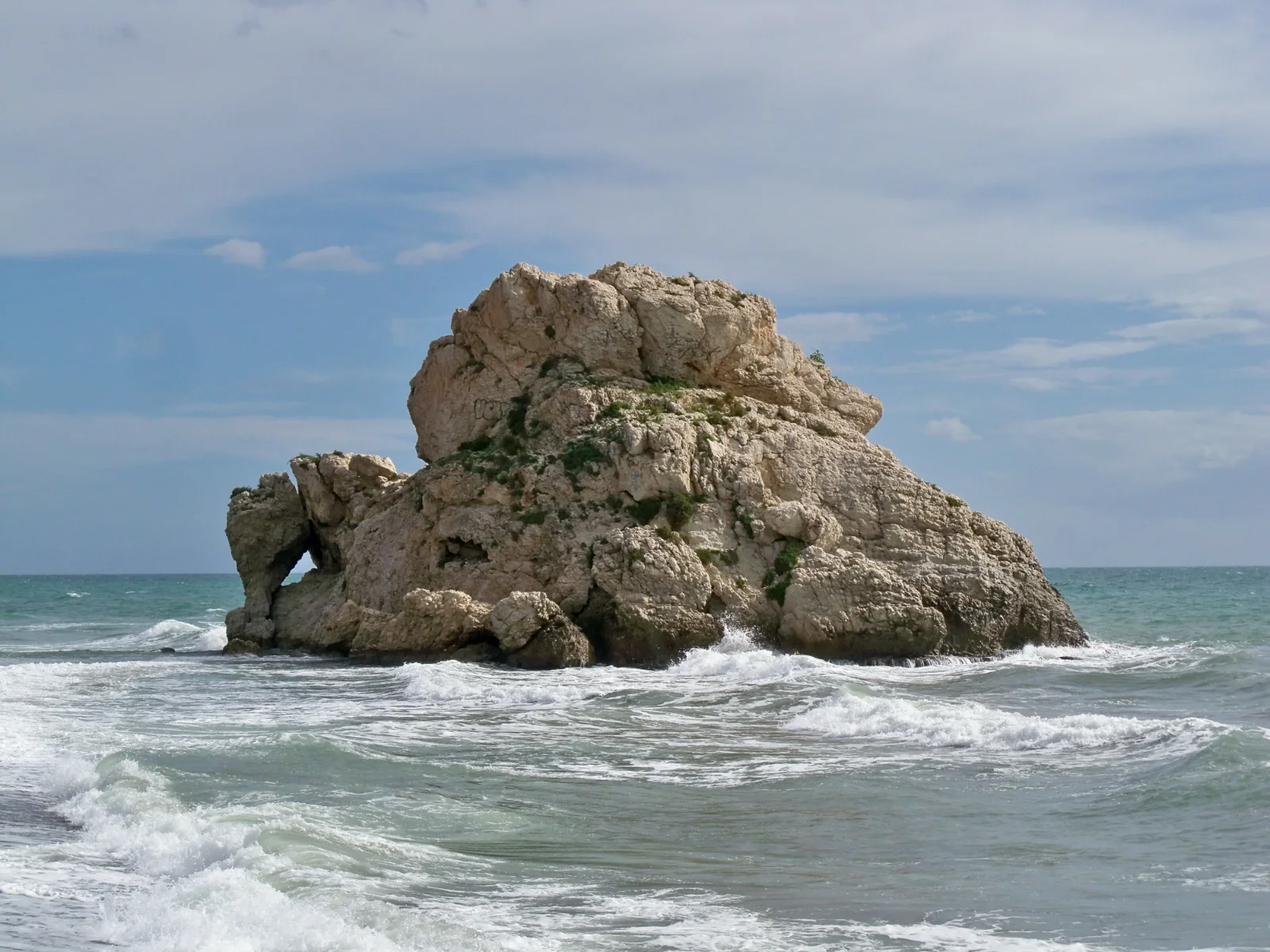
On day one, explore the historic centre in the cooler morning, then walk through the port to La Malagueta for an adaptable afternoon swim and sunset promenade. Day two should focus east: start at Baños del Carmen, continue to Pedregalejo, choose one sheltered cove after checking conditions, and stay for a responsible seafood meal. Return by public transport rather than retracing the whole route in peak heat. With a third day, travel farther east toward El Palo and Peñón del Cuervo, allowing time for the offshore landmark and an uncrowded picnic without climbing on rocks. Keep the final evening unscheduled. This balance avoids turning every day into an all-day beach session and leaves weather alternatives for museums, markets or shaded city walks.
Plan it well: Keep one block unscheduled so wind or sea conditions do not derail the stay.
Andalusian bathing-water information