
Málaga city guide
Where to stay in Málaga
Choose where to stay in Malaga, comparing the historic centre, Soho, Malagueta, Huelin and Pedregalejo with useful transport advice and honest area trade-offs.
Plan your visit
The useful question in Malaga is whether you want historic streets outside the door, the beach within easy reach or a neighbourhood base away from the busiest visitor lanes. These five areas are within Malaga, but they make different daily journeys. Check the exact entrance, sound insulation and route from a transport stop before booking; a city-centre label or sea-view photograph cannot answer those questions.
Historic centre: short cultural breaks
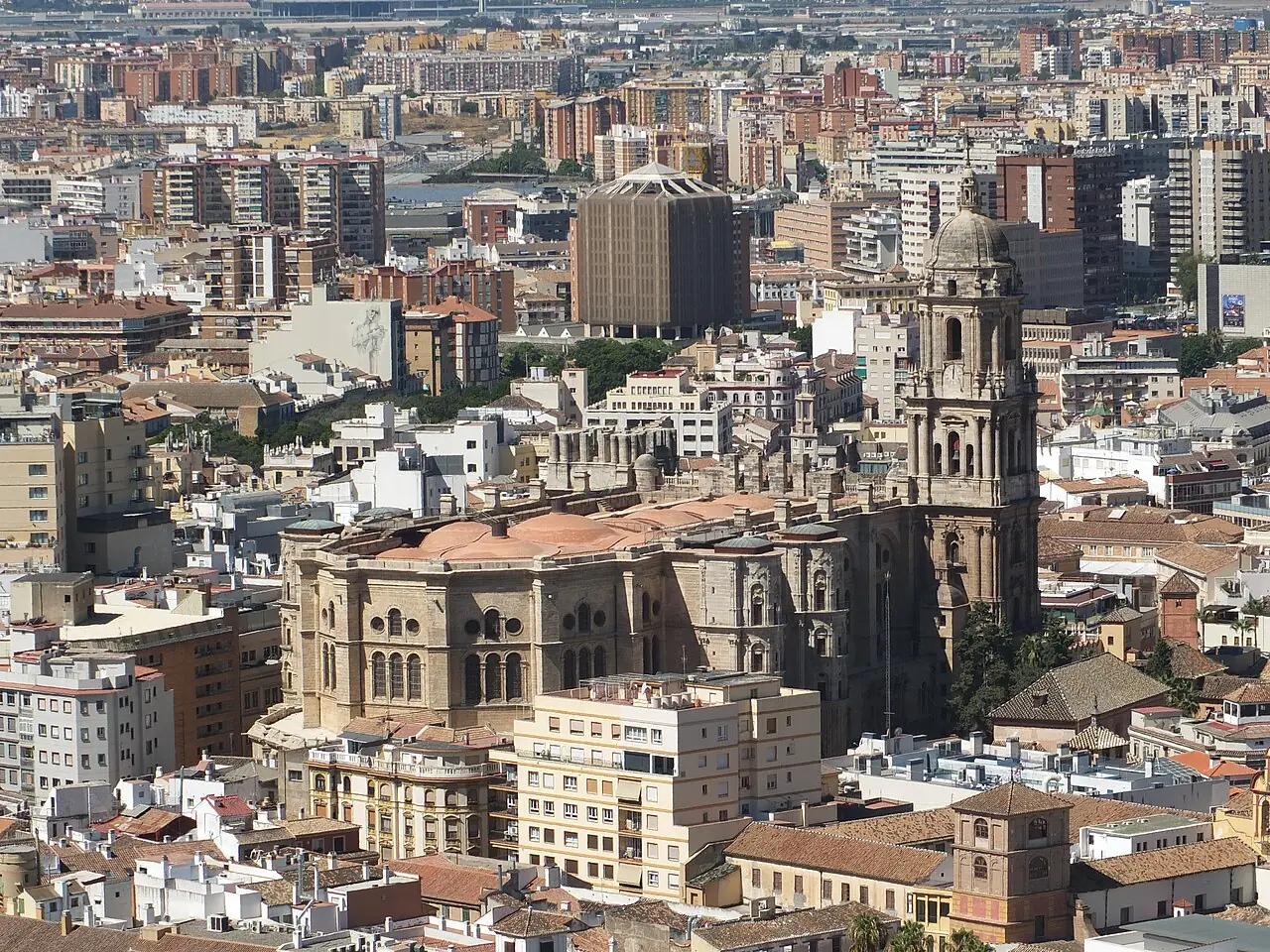
The historic centre suits a first city break built around museums, evening meals and walking between landmarks. A base near the cathedral or market reduces repeated journeys across town and makes it easy to return to your room between visits. Hotels occupy varied buildings, however, so ask about lifts, stairs and luggage access rather than assuming a central address means a straightforward arrival. Pedestrian lanes are attractive once you are settled, but vehicle access can be less convenient.
The trade-off is activity outside your room: restaurant terraces, deliveries and late conversation can matter more than the distance to a monument. Request information about the actual room position and sound insulation. Use the official bus and rail planners for the airport-to-centre leg, then inspect the final walk. This is a stronger base for a short cultural visit than for travellers who want the beach to be their daily starting point.
Plan it well: Ask where a taxi can legally stop and how far you must carry bags.
Malaga: Historic centre area informationSoho and the Alameda: central without an old-town lane

Soho, south of the Alameda, is a useful compromise for travellers who want access to the centre but prefer a more regular street layout. The neighbourhood's arts identity and proximity to the waterfront give it a different feel from the medieval lanes. Accommodation near the Alameda can work well for mixed days: one person can head towards museums while another chooses the port. Compare the specific street, since a broad Soho label covers different traffic and evening settings.
The principal trade-off is that central convenience is not the same as a quiet residential retreat or a beachfront position. Inspect crossings, traffic-facing rooms and the route to your preferred beach. Malaga Centro-Alameda and bus connections can help with arrival, but proximity to a station needs checking against the actual hotel entrance. This area suits travellers who value flexible journeys and a central dinner location more than a room embedded in the historic core.
Plan it well: The market photo illustrates nearby central access, not a claim that the hotel is inside the market.
Malaga: Soho and the Alameda area informationMalagueta: combine the beach and city
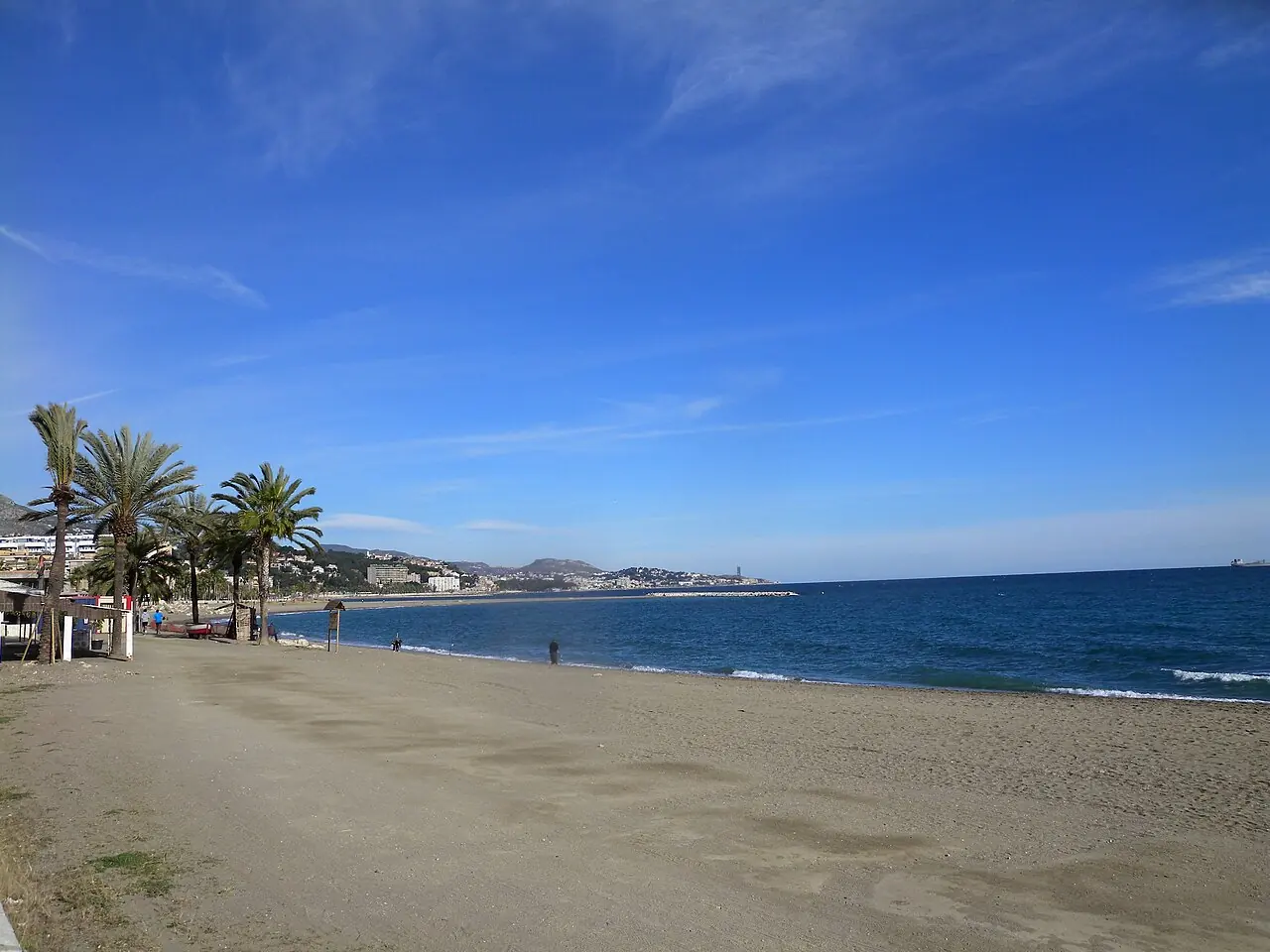
Malagueta is the natural choice when the beach needs to be part of an ordinary city-break day rather than an excursion. It suits couples or families who want to alternate cultural mornings with sand and a promenade. The district is still urban, with roads, apartment blocks and restaurants; a beach-area hotel is not necessarily directly on the sand. Verify the pedestrian route, crossings and any advertised sea view against the room category you are actually booking.
The compromise is a longer walk to some western-centre restaurants and transport points than from the old town or Alameda. That may be worthwhile if your group returns to the beach every afternoon, but less helpful when every day begins with an early train. Use EMT's current route planner for journeys that are inconvenient on foot. Ask about traffic noise, beach-equipment storage and lift access, particularly when travelling with children or heavy luggage.
Plan it well: Choose by the real walk to a beach access, not the straight-line distance to water.
Malaga: Malagueta area informationHuelin: a western waterfront neighbourhood
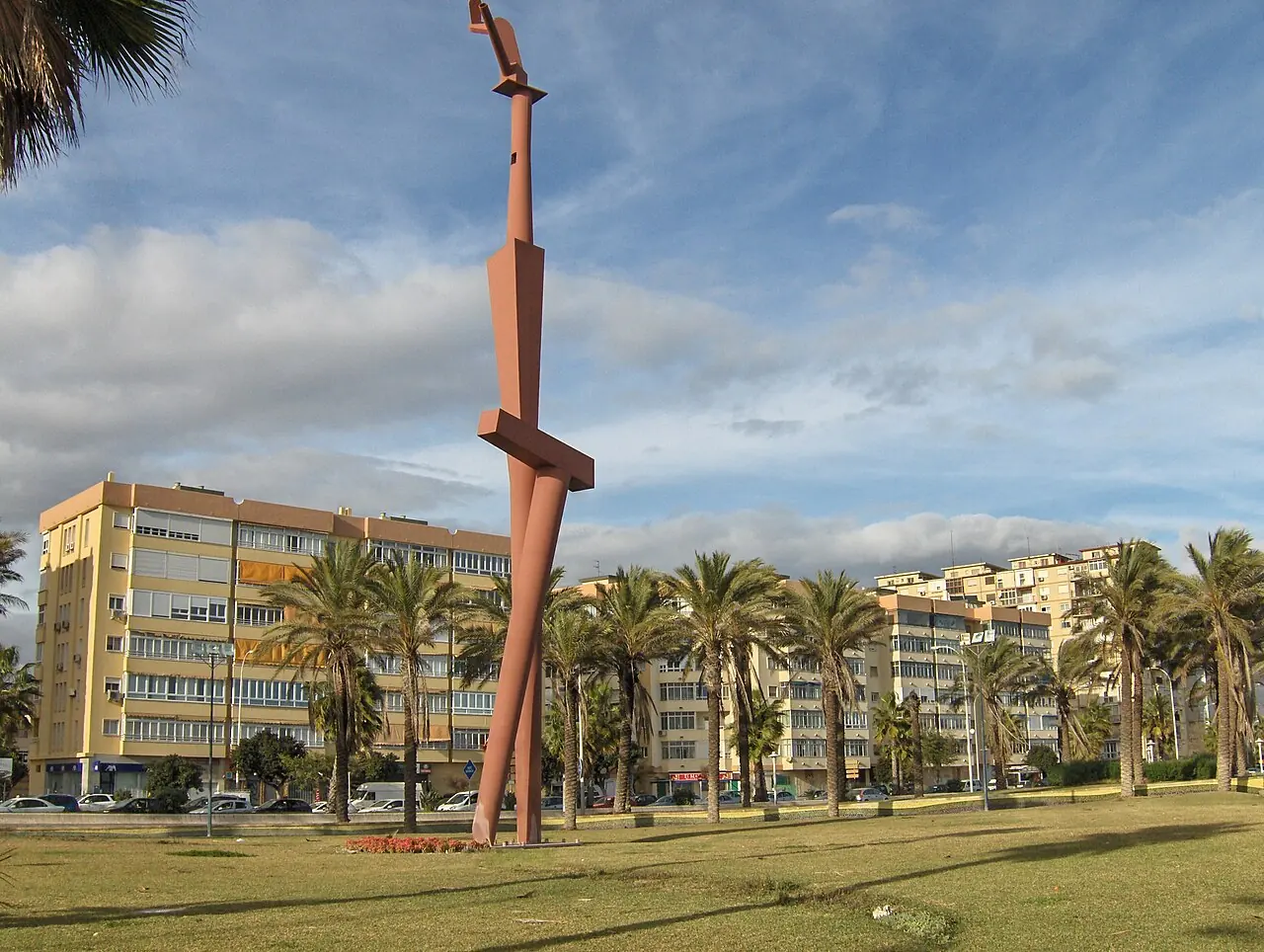
Huelin suits a longer stay where neighbourhood shops, a waterfront walk and practical accommodation matter more than being beside the cathedral. It can be a useful option for families or apartment stays that mix cooking with meals out. Choose a property near the part of the promenade you expect to use, and look at the surrounding blocks as well as the room photographs. The district is a lived-in urban neighbourhood, not a self-contained holiday resort.
You trade immediate old-town access for a western base that requires a walk or public-transport trip for central sightseeing. The station and metro may be useful from some addresses, but do not assume every Huelin property is equally close. Consult the current transport map and check the final street approach after arrival. Ask about road-facing bedrooms, cooling and any parking arrangements. This choice works best when you are happy to plan central visits together rather than return there repeatedly throughout the day.
Plan it well: Check the hotel-to-stop walk separately from the vehicle journey shown by a planner.
Malaga: Huelin area informationPedregalejo: make the eastern seafront your routine
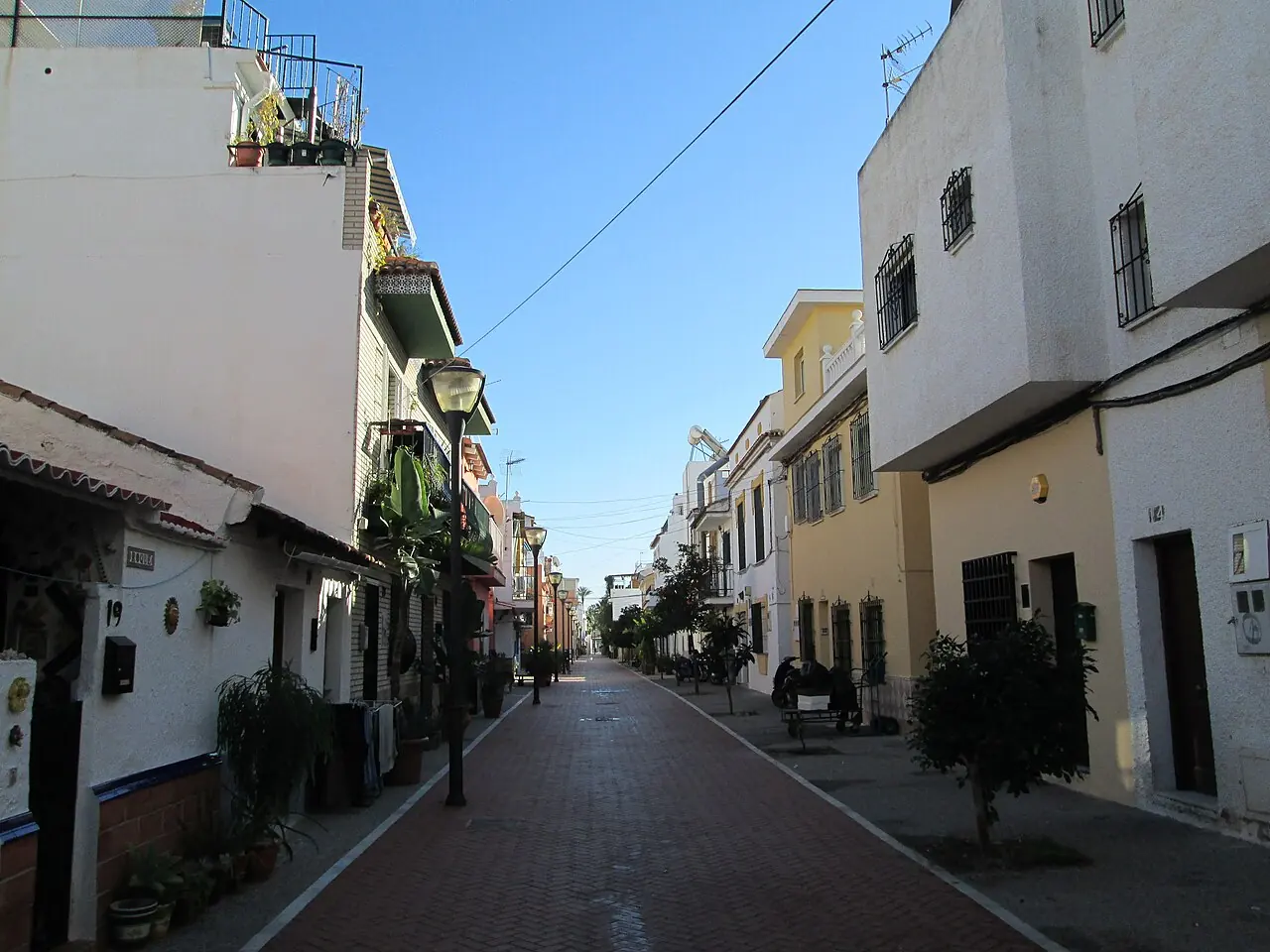
Pedregalejo favours travellers who want the eastern seafront, small beach sections and meals by the water to shape their stay. It is a good fit when several days are available and a slower coastal routine matters more than a packed museum schedule. Accommodation is scattered across different streets, so check whether you are actually near the promenade or uphill from it. A photograph of the waterfront does not establish a flat walk from the room.
The trade-off is the repeated journey into central Malaga, especially if your plans involve early departures or late cultural events. EMT services can provide that connection, but confirm the relevant stop and current return options rather than relying on a generic promise of nearby buses. Restaurant activity can bring evening noise right along the shore, while streets inland have a different setting. Choose this base for the neighbourhood itself, and ask about cooling, steps and the practical airport arrival.
Plan it well: A quieter-sounding district is not a guarantee of a quiet room beside a restaurant terrace.
Malaga: Pedregalejo area informationBefore choosing accommodation
Check the complete arrival
Check Renfe Cercanias and EMT against your arrival and exact hotel address. A central rail stop still leaves a final walking or bus leg.
Airport and city journeys: official informationCompare the actual room and address
Compare Historic centre with Pedregalejo against the journeys you will repeat. Check the room category, lift access, cooling, cancellation terms and any advertised parking or shuttle before reserving; area photographs and map pins do not identify the hotel entrance.
Find your base in Malaga
Choose central Malaga for a compact cultural break, Malagueta for beach-and-city days, or Huelin and Pedregalejo for a neighbourhood routine. Compare the actual entrance, room position and transport connection rather than ranking hotels only by distance to the centre.
Explore Málaga hotels