
Palma de Mallorca city guide
10 things to do in Palma de Mallorca
Look beyond Palma's cathedral silhouette: explore a royal palace, intimate old-town spaces, contemporary art and a hilltop castle without turning the day into a race.
Plan your visit
Palma is a city break in its own right, not simply the place where an island holiday begins. Its historic centre lends itself to walking, but Bellver and the Miro Foundation require separate journeys. Choose one substantial interior as each day's anchor, then connect nearby squares, a market or the waterfront with time for lunch.
Go beyond La Seu's waterfront silhouette
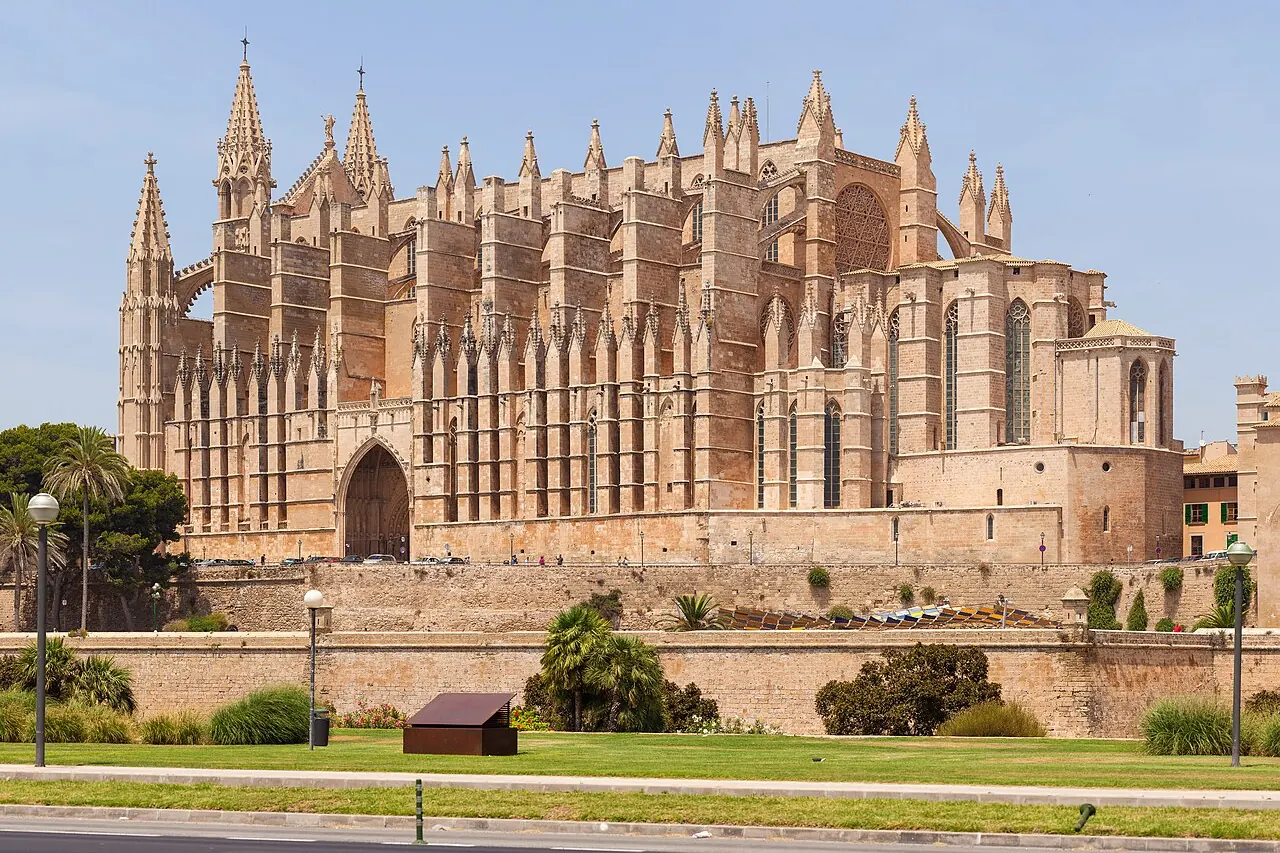
Palma Cathedral, known as La Seu, is the landmark that establishes the city's relationship with the sea. Begin by looking at its mass of stone, buttresses and towers from outside, then give the interior a different kind of attention. The light, scale of the nave and later artistic interventions make this more than a facade photograph. Leave time to look across the space rather than rushing directly to the most celebrated window.
The cathedral's official pages distinguish ordinary visits from terrace routes, and publish specific access conditions. Read your chosen product carefully; a roof visit is not simply an automatic addition to every admission. The venue also warns against bringing bulky luggage and does not provide storage for suitcases. On a departure day, arrange luggage elsewhere first. Combine the cathedral with a short old-town walk or the neighbouring Almudaina Palace only if the second visit leaves a proper interval for food and rest.
Plan it well: Check the exact visitor entrance and route on your reservation; terrace access and religious services have different arrangements.
Cathedral of Mallorca: official visitsRead Palma's royal layers at the Almudaina
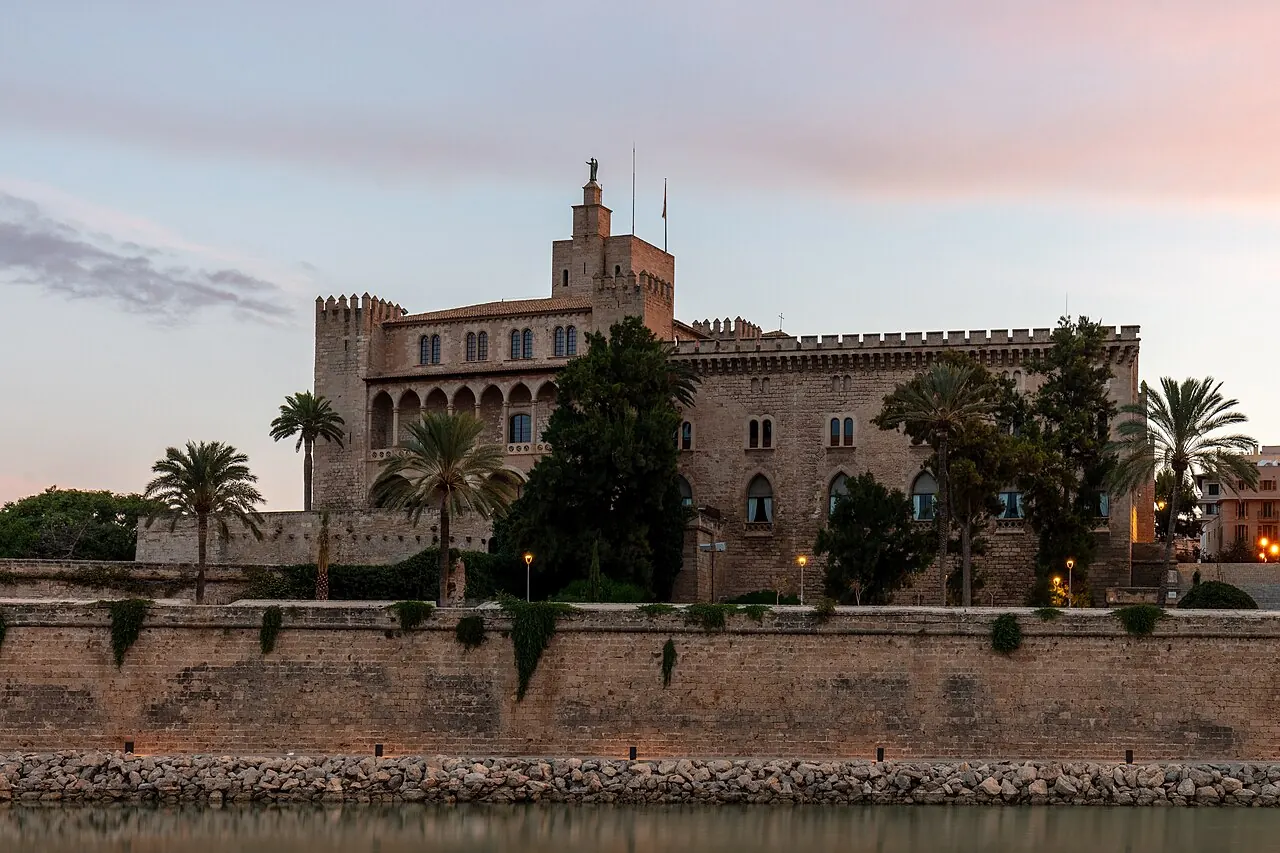
The Almudaina is a useful companion to La Seu because it presents another strand of Palma's past in almost the same setting. Its palace spaces draw attention to power, residence and the adaptation of an older fortress, rather than the cathedral's religious scale. Walk through with the building itself in mind: courtyards, changing room proportions and the outward views can be as revealing as decorative objects.
Patrimonio Nacional publishes the available visit formats and notes that official events can add closures beyond the standard calendar. Check current notices, especially if a guided route in a particular language is central to your plans. Do not assume every royal room is included or that an older guidebook describes the current visitor circuit. A palace visit and a cathedral visit together can fill a large part of the morning; leave a relaxed lunch afterward before continuing into the old town.
Plan it well: Recheck the palace's closure notices shortly before visiting; the building retains an official function.
Patrimonio Nacional: Almudaina tickets and accessTake Bellver Castle as a separate hilltop outing
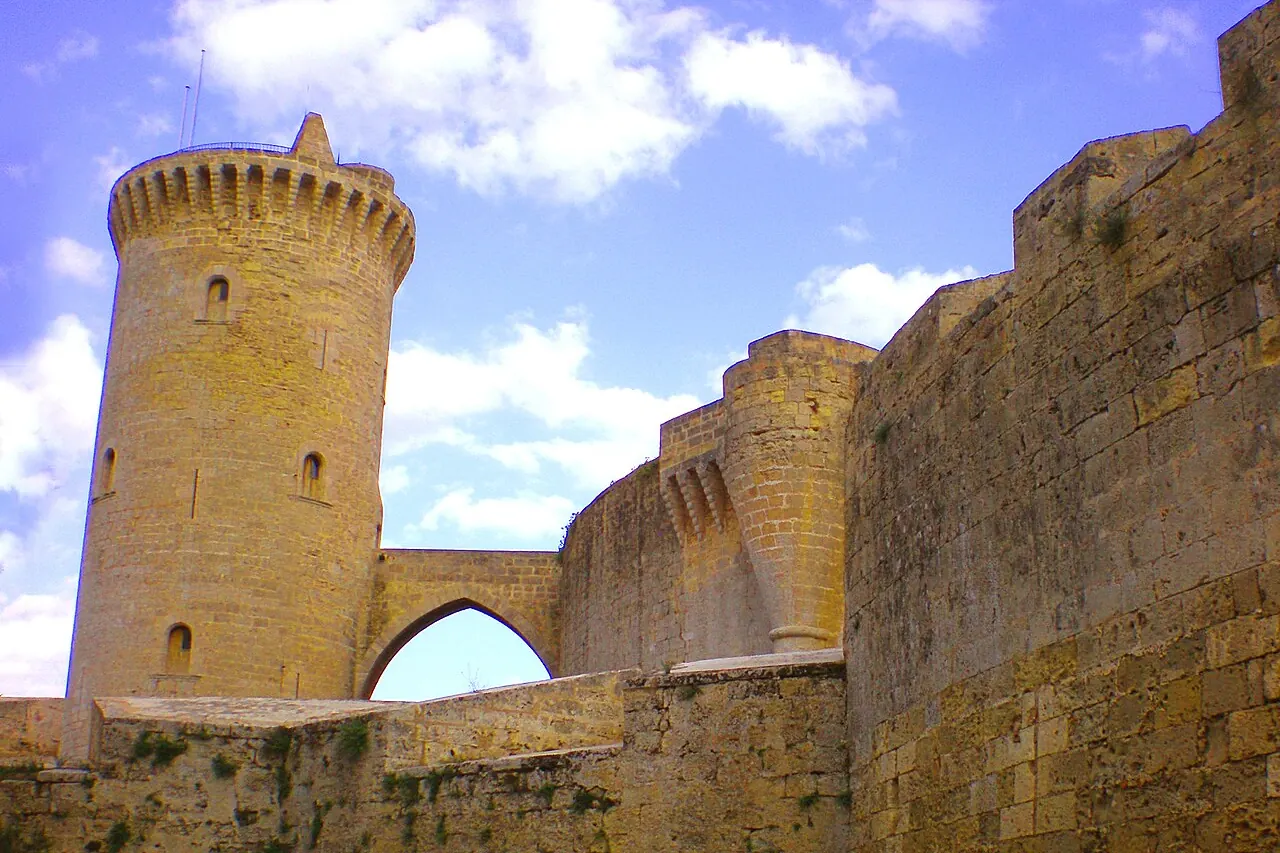
Bellver's circular form makes the castle memorable before you begin reading its history. Follow the relationship between courtyard, arcades and towers, then look out towards Palma and the bay. The view explains why the hilltop setting mattered, but the building itself deserves attention beyond a panoramic photograph. This is a chance to put the city's waterfront and surrounding landscape into perspective after exploring the enclosed old-town streets.
The castle lies on a wooded hill outside the compact historic centre. Choose an approach that fits your fitness and the temperature, and confirm the return journey rather than assuming a downhill walk will solve every transport question. The municipal visitor page warns that events can alter ordinary opening arrangements; specialist tower visits also have separate booking conditions. Give Bellver its own morning or afternoon, then return for a meal instead of trying to fit it between two fixed city-centre admissions.
Plan it well: Check the current municipal calendar and do not confuse ordinary castle admission with a separately reserved tower tour.
Palma municipality: Bellver Castle visitor informationPair contemporary art with the walls at Es Baluard
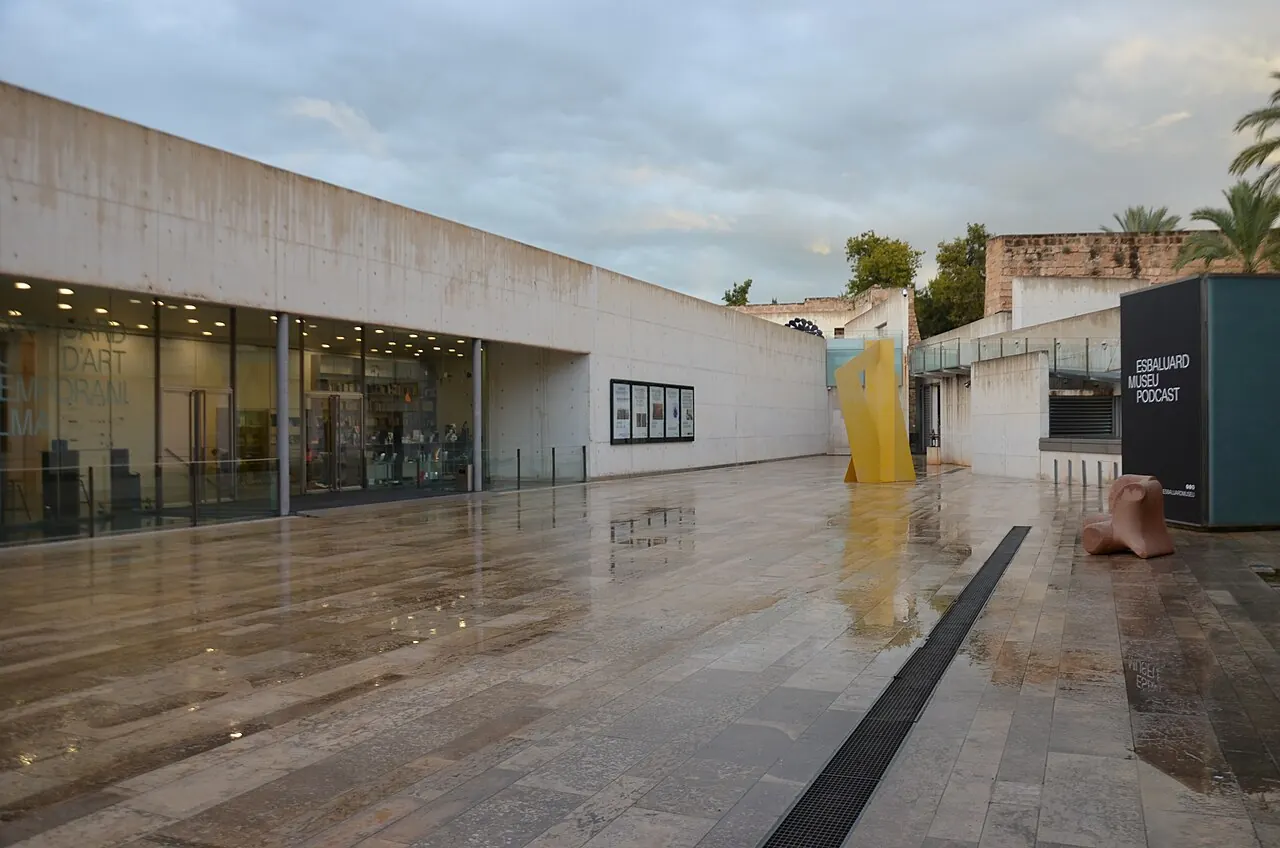
Es Baluard lets you move from Palma's historic fabric into modern and contemporary art without pretending that the two belong to separate cities. Its setting in the old fortifications makes the architecture part of the experience. Look at the transition between exterior walls and gallery spaces, then choose an exhibition that interests you rather than expecting a fixed checklist of famous works.
The museum programme and visitor information are the right places to check what is currently displayed, along with ticket conditions and access arrangements. A work mentioned in a general guide may belong to the collection without being on view. Leave time for the outdoor setting and a nearby meal, rather than allocating every minute to galleries. This can be the main indoor stop of a western-centre day, with La Llotja as a shorter architectural companion if its visitor access is confirmed.
Plan it well: Check current exhibitions before buying; collection ownership does not guarantee that a particular work is displayed.
Es Baluard: official museum websiteLook closely at the small Arab Baths
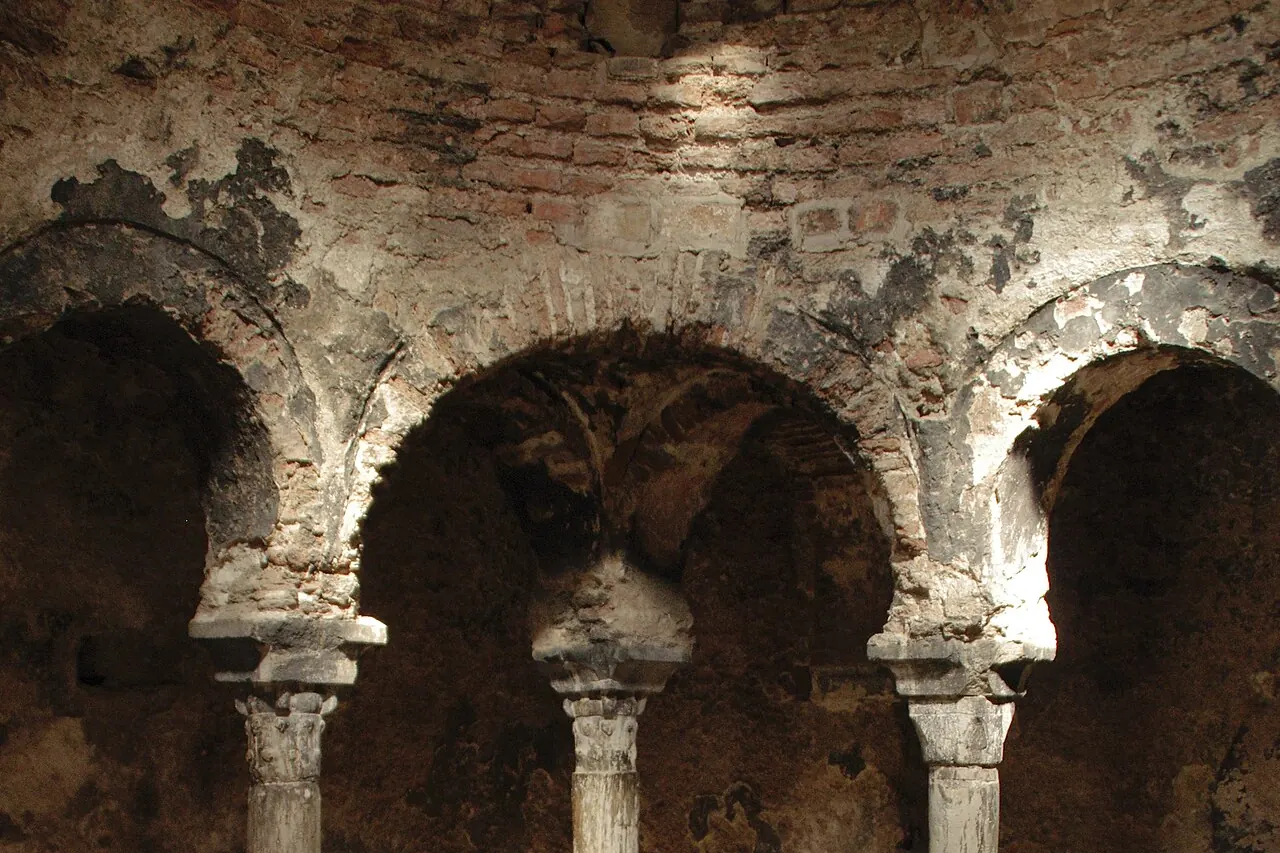
The Arab Baths offer a small-scale encounter with Palma's Islamic past, very different from the cathedral's monumental presence. Focus on the surviving chamber, columns and dome rather than expecting a complete bathing complex or an extensive museum. The intimacy of the place is the reason to come: a few architectural fragments can make an older layer of the city tangible when you give them careful attention.
The Balearic tourism information describes the surviving bath spaces and notes that parts of the original complex are lost. Read the interpretation with that incompleteness in mind, rather than imagining every room around you to be fully preserved. Combine the stop with La Seu or a walk through the nearby old-town streets, but do not let its small size justify a hurried visit. Check access directly if narrow openings, steps or uneven surfaces would affect your ability to enter.
Plan it well: This is a historic bathhouse visit, not a functioning spa; check current access rather than expecting bathing facilities.
Balearic Islands tourism: Arab BathsSee the working setting at the Miro Foundation
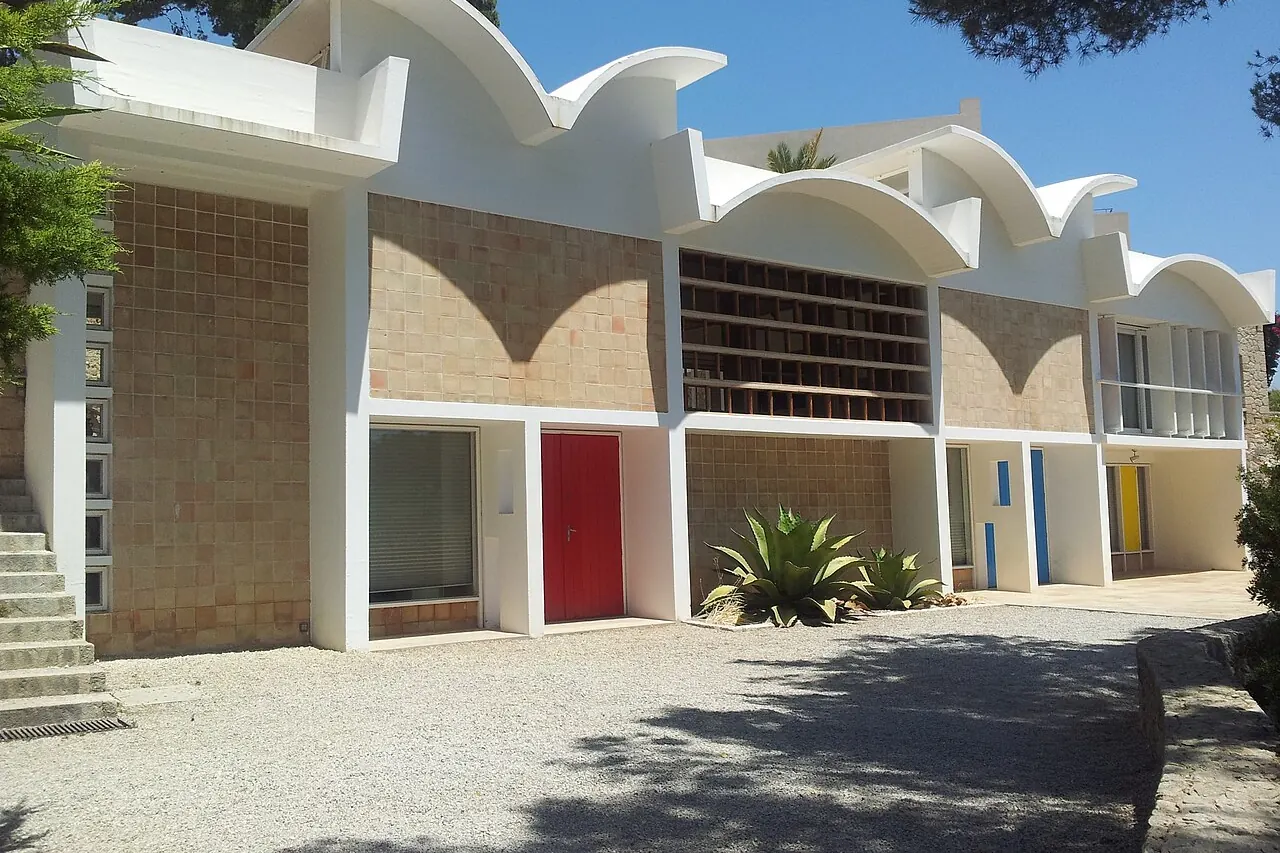
The Miro Mallorca Foundation offers a different question from a large art museum: what kind of working environment supported the artist's life on the island? Its architectural ensemble includes the Sert Studio, Son Boter and the later Moneo building. Look at the relationship between these spaces rather than expecting an uninterrupted sequence of finished paintings. A studio-focused visit can reveal materials, scale and working habits as well as an artist's public image.
The foundation's current visitor programme should determine which spaces or tours you plan around. A studio tour in one language, a general admission and a temporary activity may have different availability, and the official programme warns that other events can affect a guided visit. Cala Major is outside the old-town walking circuit, so allow for transport both ways. Keep a generous part of the day for this outing instead of treating it as a quick extension of a central Palma museum visit.
Plan it well: Confirm access to the specific studio or building that interests you; a general museum ticket and a scheduled tour are not necessarily the same.
Miro Mallorca Foundation: architecture and studiosMake a food stop at Mercat de l'Olivar
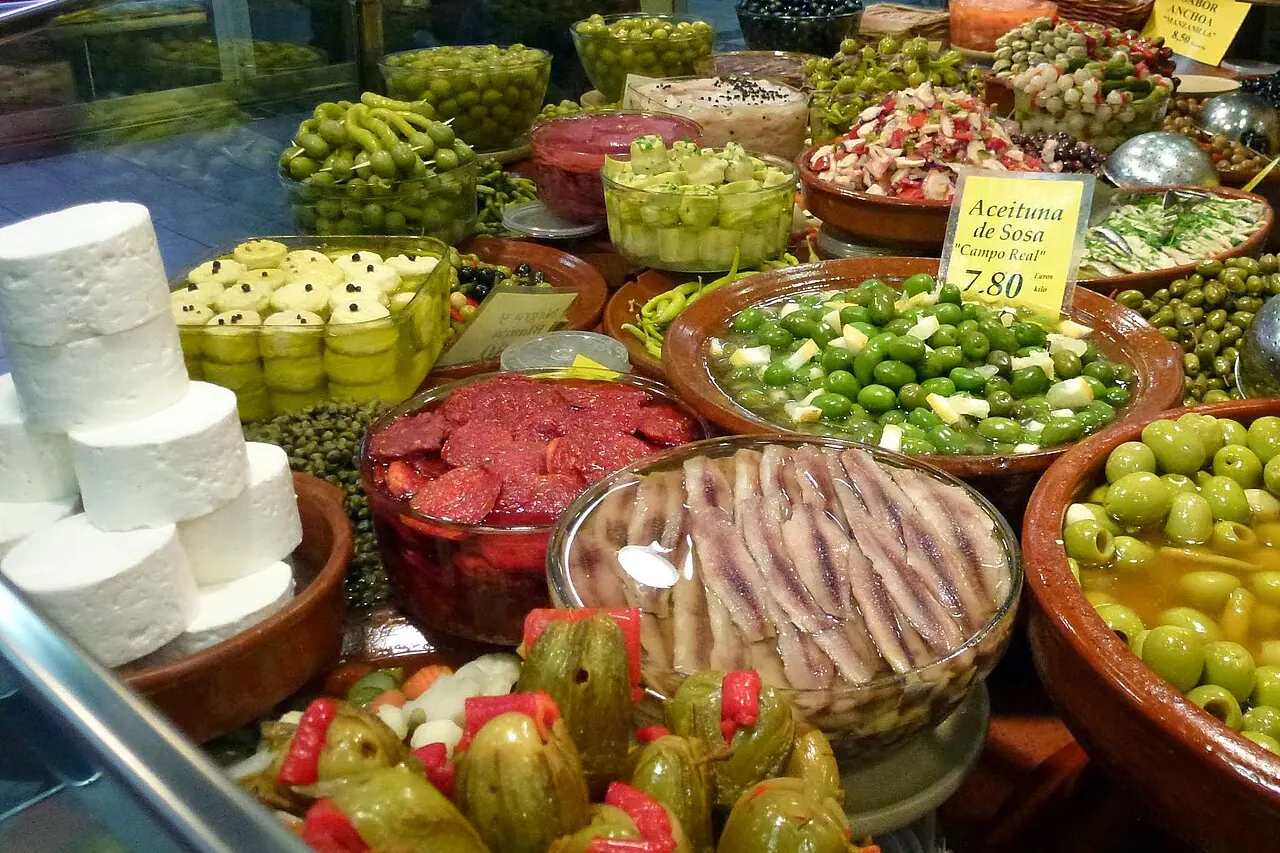
Mercat de l'Olivar introduces a practical part of Palma: a covered market where food shopping and eating share the same outing. Look at the produce and fish stalls before choosing a counter or small purchase, and let what interests you shape lunch. It is a better experience when you browse with consideration for customers and workers rather than stopping every few steps for a photograph of someone's shopping.
The market's own website is the place to verify the trading schedule and individual food options. A market day does not guarantee that every counter serves food throughout the entire opening period, so avoid leaving lunch until the last possible moment. Its location near Placa d'Espanya makes it a useful stop before or after the shopping streets leading towards Placa Major. Ask clearly about prices, portion sizes and ingredients, and have another lunch plan if a preferred counter is full.
Plan it well: Check food-counter hours separately from the market building's schedule, especially when planning a late lunch.
Mercat de l'Olivar: official market informationNotice the civic Gothic of La Llotja
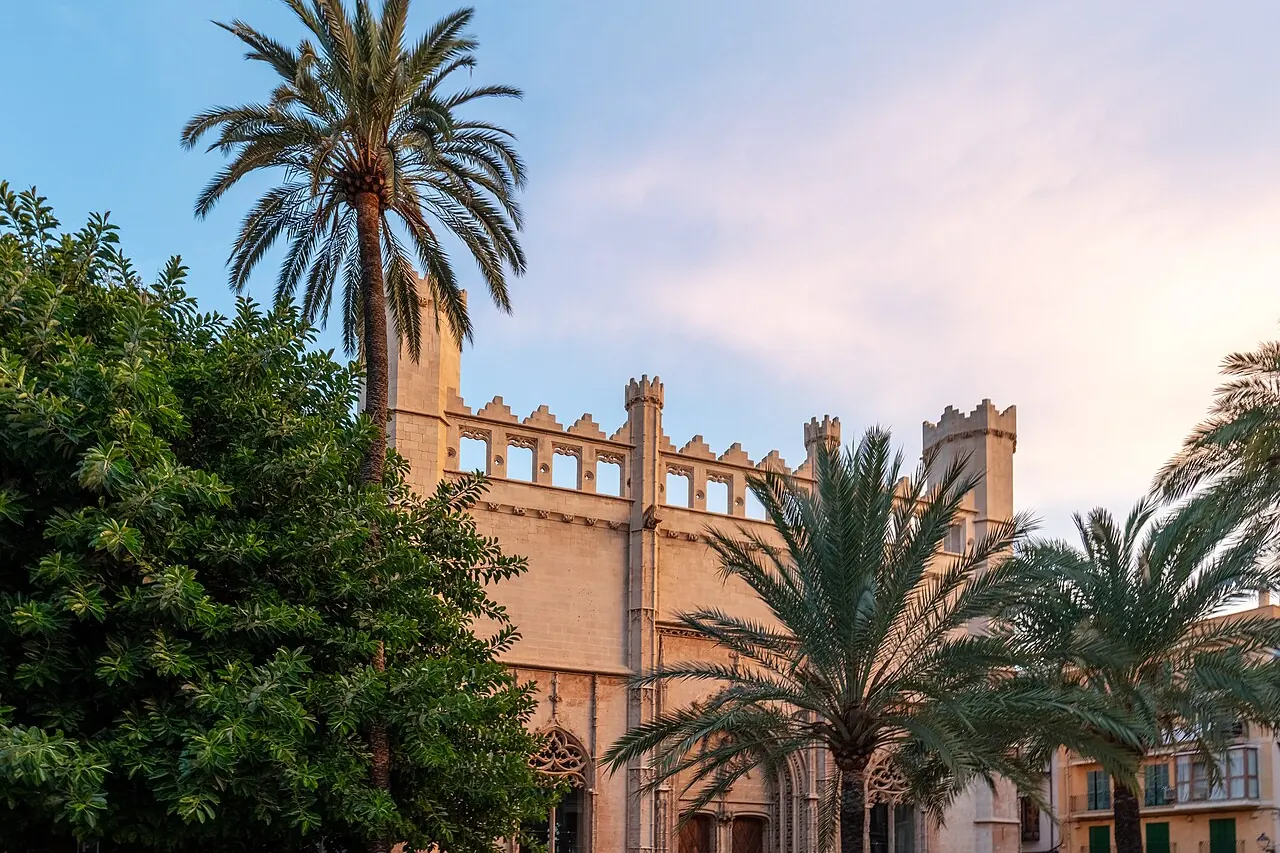
La Llotja is a reminder that Gothic architecture in Palma was not reserved for churches. The former merchants' hall brings the city's maritime and trading history into a remarkably coherent stone space. Outside, examine the proportions and carved details; if the interior is open, look at how the columns lead into the vaults. That structural rhythm is a different experience from standing in the cathedral's vast nave.
The tourism board identifies the building and its history, but access to the interior can depend on the current programme. Check before expecting to walk in, and do not assume an exhibition or event has the same admission arrangements as ordinary architectural viewing. The surrounding quarter works well for a meal and a short wander after Es Baluard or the Almudaina. Keep residential doorways clear and use the named building, rather than the whole neighbourhood, when finding the entrance.
Plan it well: Confirm current interior access; an exterior walk remains a worthwhile short stop when the hall is unavailable.
Visit Palma: La Lonja architectureUse Placa Major to connect old-town streets
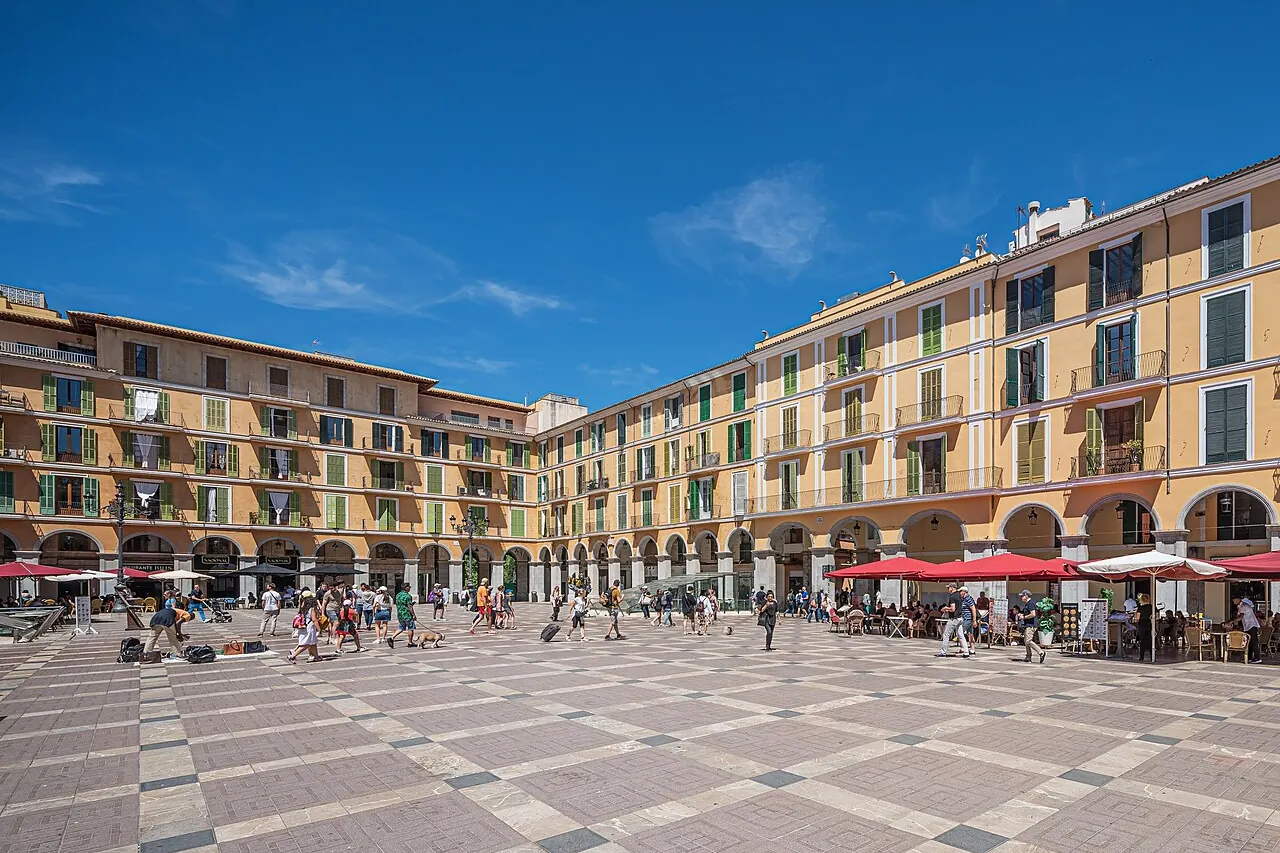
Placa Major is a useful orientation point in the historic centre rather than a destination that needs a long, formal visit. Stand back to look at its enclosing facades and arcades, then choose one of the streets leading away from it. The square provides a change of scale after the narrow lanes: a chance to pause, find a table or decide which part of the city to explore next.
Visit Palma's old-quarter route identifies Sant Miquel and Sindicat as shopping streets emerging from this area. Use them selectively instead of assuming you need to complete a prescribed circuit. A morning food-market stop at Mercat de l'Olivar can lead naturally into this part of town, with the cathedral or Sant Francesc later if time permits. Craft stalls and events are calendar-dependent, so do not build the outing around a market that has not been confirmed for your day.
Plan it well: Choose a street to follow after the square; stall availability and event programmes are not permanent features.
Visit Palma: old-quarter walking ideasFind a quieter architectural visit at Sant Francesc
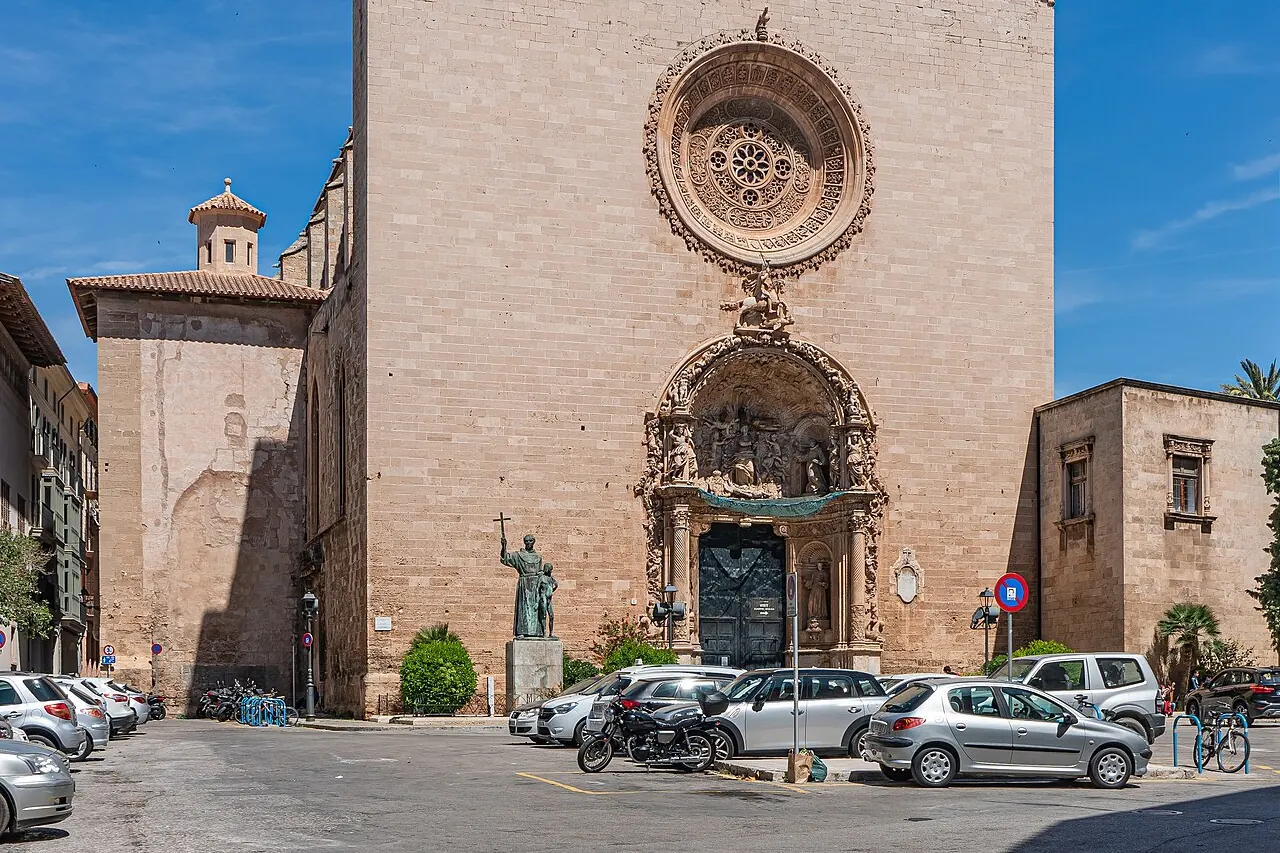
Sant Francesc gives an old-town day another scale after the cathedral: a church and monastery setting where a cloister can become the focus of a quieter architectural visit. Begin with the facade and square, then look for the contrast between enclosed passages and the open courtyard if the visitor route is available. This is a worthwhile choice for someone who enjoys proportion and stone detail more than adding another headline monument.
The tourism board's cloister page is a useful starting point, but a religious building's current visiting arrangements deserve a fresh check. Church access, cloister admission and services should not be treated as interchangeable. Keep voices low, respect any photography signs and do not enter a closed area merely because its doorway appears on an old map. Pair the visit with the nearby Arab Baths or a modest old-town walk, leaving space for a meal instead of trying to visit every church in Palma.
Plan it well: Confirm the visitor route for the cloister separately from worship access to the church.
Visit Palma: Sant Francesc monastery cloisterHow to spend two days in Palma de Mallorca
Day one: the compact historic centre
Choose La Seu or the Almudaina as the main interior. Add the Arab Baths or Sant Francesc, then pause for lunch. Walk through Placa Major and towards Mercat de l'Olivar only if its trading hours suit; finish near La Llotja and the waterfront.
Day two: a hill or an artist's studio
Visit Bellver Castle with a planned uphill journey, then return towards Es Baluard if an exhibition interests you. Alternatively, give the Miro Foundation a substantial part of the day and explore Cala Major. These are alternatives, not a promise to fit every western attraction into one afternoon.
Before you go
Treat Palma as a walking city, not a flat one
The old town includes steps and uneven surfaces, while Bellver is a hilltop outing. Check the exact entrance and route for your own access needs.
Check separate visitor calendars
Museums, market stalls, royal spaces and religious buildings have different closure patterns. Verify each booked anchor rather than assuming that a busy city centre means every interior is open.
Leave luggage before sightseeing
La Seu's visitor information warns against bulky luggage and does not provide suitcase lockers. Arrange storage through your hotel or a verified service before a departure-day visit.
Cathedral of Mallorca: access rulesWhere to stay in Palma de Mallorca
The historic centre suits a short walking break, but check street noise, vehicle access and stairs in converted buildings. Santa Catalina and the western centre work well for dining and Es Baluard, while Cala Major offers a different coastal setting with transport needed for old-town days. Compare the actual journey to your chosen anchor and the airport, and distinguish a sea view from direct beach access.
Explore Palma de Mallorca hotels