
Seville city guide
10 things to do in Seville
Palace courtyards, painted tiles and river walks: ten worthwhile Seville stops, with a realistic two-day plan and room to pause when the afternoon gets hot.
Plan your visit
Seville rewards close looking: a tiled bench, a carved ceiling, the sound of water inside a courtyard. Its major monuments sit close together, but that does not make three long indoor visits in one day a good idea. Choose your palace or cathedral reservation first, divide the remaining sights by neighbourhood, and keep the hottest part of the day for a meal or a slower museum visit.
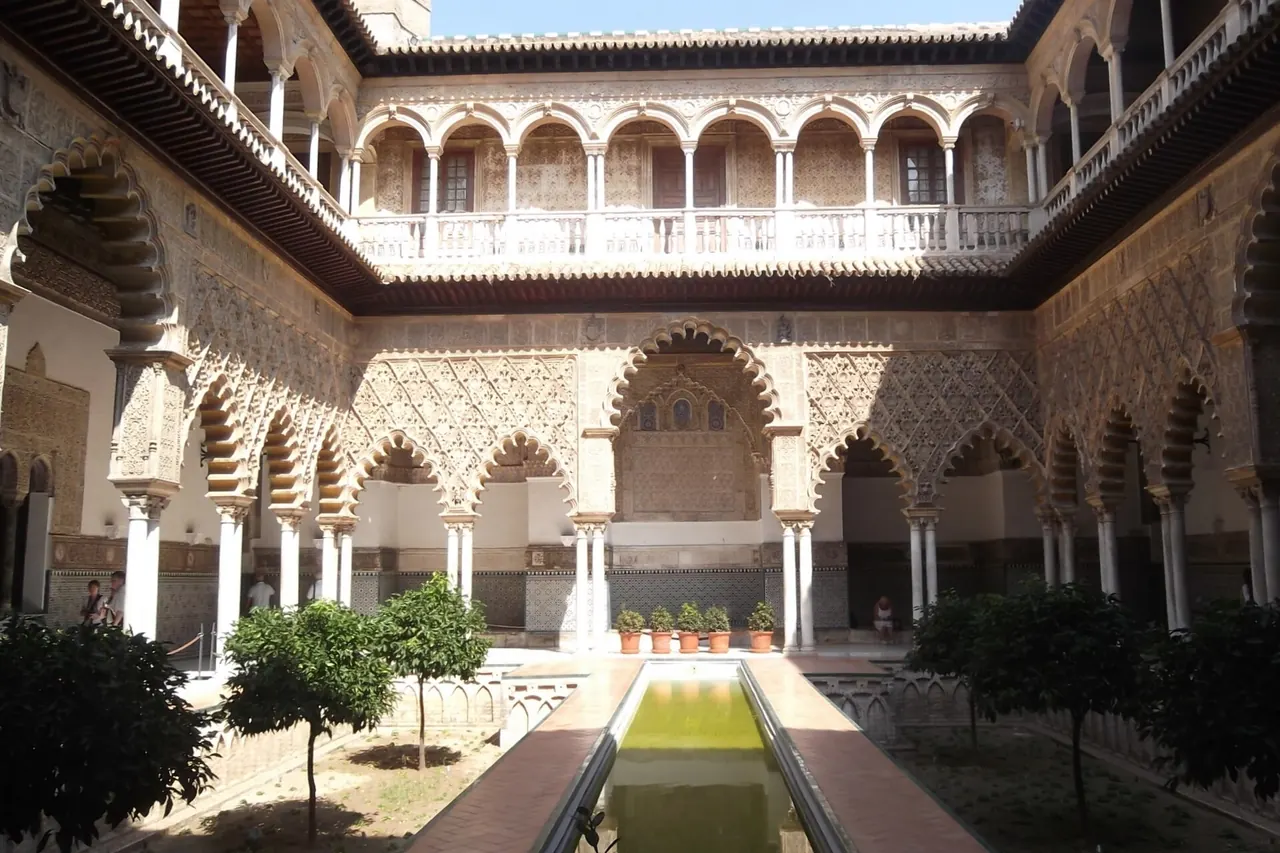
Make the Real Alcazar your palace anchor
The Real Alcazar is the place to give Seville your undivided attention. Move through its courtyards slowly enough to notice the relationship between patterned plaster, coloured tiles and water, rather than photographing each room and immediately leaving it. The palace and gardens offer different kinds of space, so allow a generous part of the day for both. A visit here is more rewarding when it is the main event, with lunch afterwards rather than another appointment pressing against your exit.
Arrange admission through the palace's own visitor page and read the conditions for the ticket you select. General access and any additional royal-apartment visit are not interchangeable. Download the official plan before arriving if you want help understanding the layout. Afterwards, the small streets of Santa Cruz make a natural continuation; they are a better companion to the palace than trying to rush straight into the cathedral.
Plan it well: Keep your ticket and any required identification available at the entrance; use the official map to distinguish the palace route from optional additions.
Real Alcazar visitor planningLook beyond the scale of Seville Cathedral
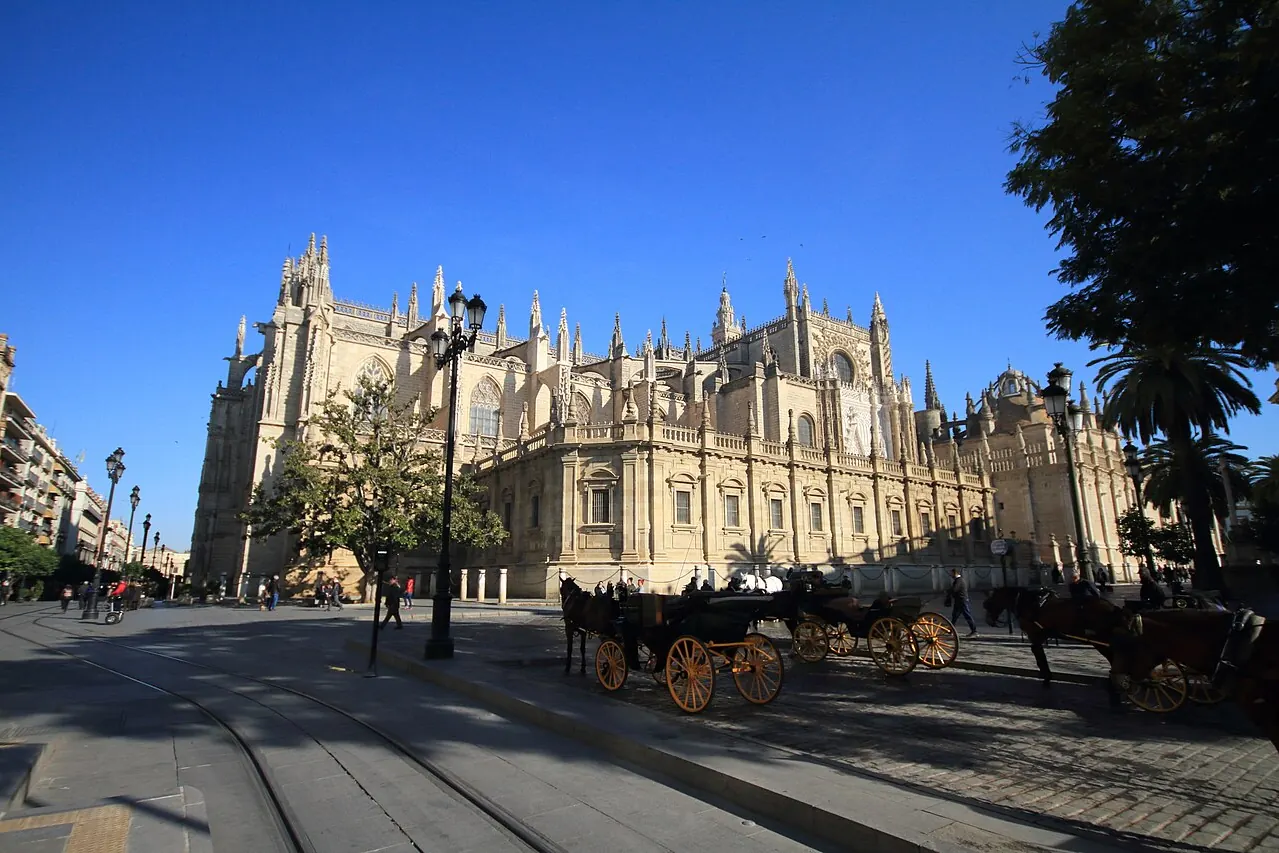
The cathedral's size is immediately impressive, but the details make the visit memorable: the rhythm of the columns, the contrast between chapels and the central nave, and the changing light across stone. Treat the Giralda as part of the decision rather than an automatic extra. Its elevated view helps explain the city's layout, while the church itself rewards visitors who prefer art and architecture at ground level. Either way, avoid making this a hurried gap between meals.
The cathedral publishes cultural-visit arrangements separately from worship and warns that religious events can alter access. Read the current entry instructions before buying, including the order of the cathedral and tower portions. A roof tour is a distinct experience, not something to assume is included in ordinary admission. Leave a break around your booking so you can pause in the surrounding squares without watching the clock.
Plan it well: If tower access matters to you, confirm its access conditions and last-entry arrangements, not only the cathedral's closing time.
Seville Cathedral cultural visitsRead the tiles at Plaza de Espana
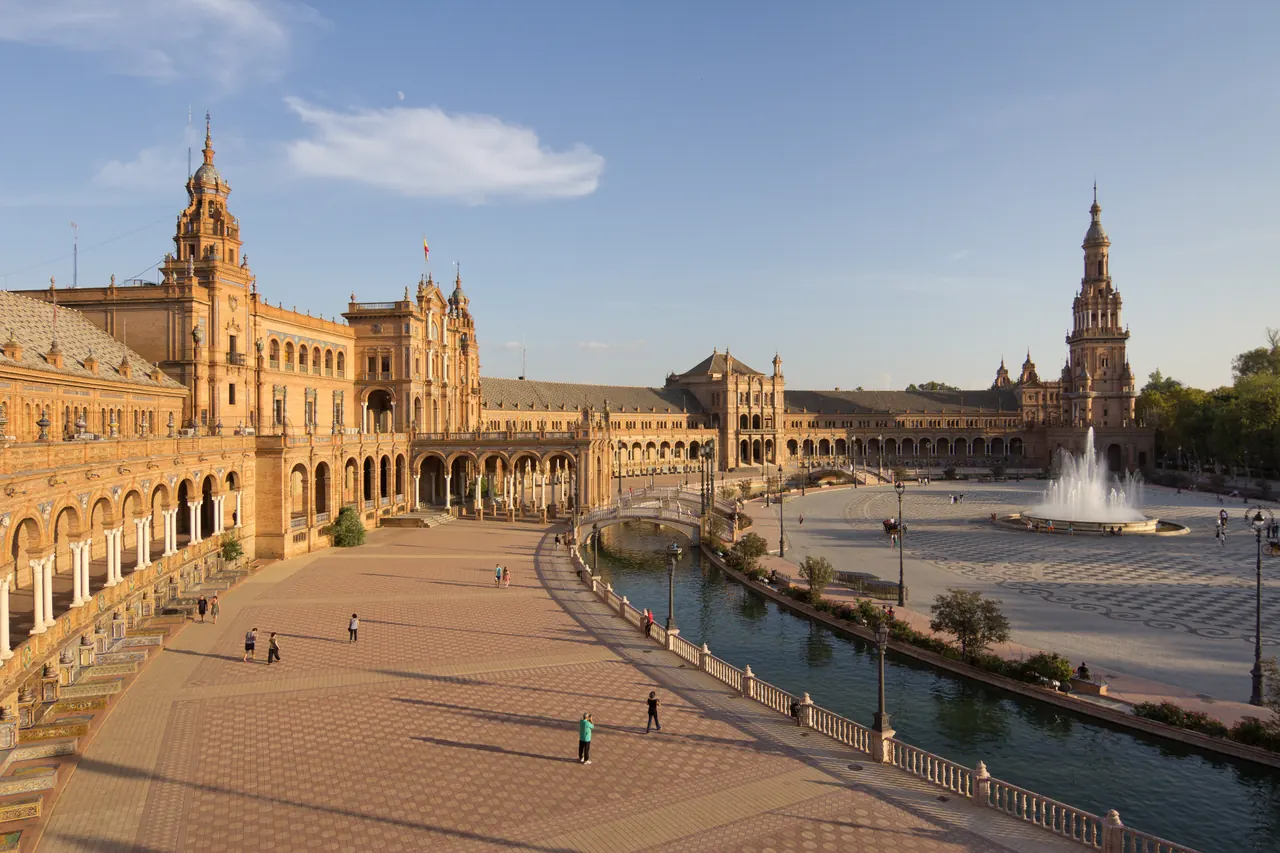
Plaza de Espana is more interesting as a place to explore than as a single panorama. Walk along the curve of its building, pause by the provincial tile panels and compare their maps and scenes. The bridges and canal create several changing perspectives, so there is little reason to stand in one crowded photographic spot. Designed for the 1929 Ibero-American Exposition, the square feels very different from the tightly packed lanes around the cathedral.
Pair it with Maria Luisa Park, but do not confuse the square's monumental open space with the park's quieter paths. When the sun is strong, start with the exposed plaza and then move into shade. Boats, performances and temporary events are separate activities whose availability should not decide the whole outing. Look up event notices before making a special journey, since an outdoor landmark can still have managed or restricted areas.
Plan it well: Bring water and take time to examine a few tile panels closely instead of attempting to photograph every provincial bench.
Seville tourism: Plaza de EspanaFind the quieter paths of Maria Luisa Park
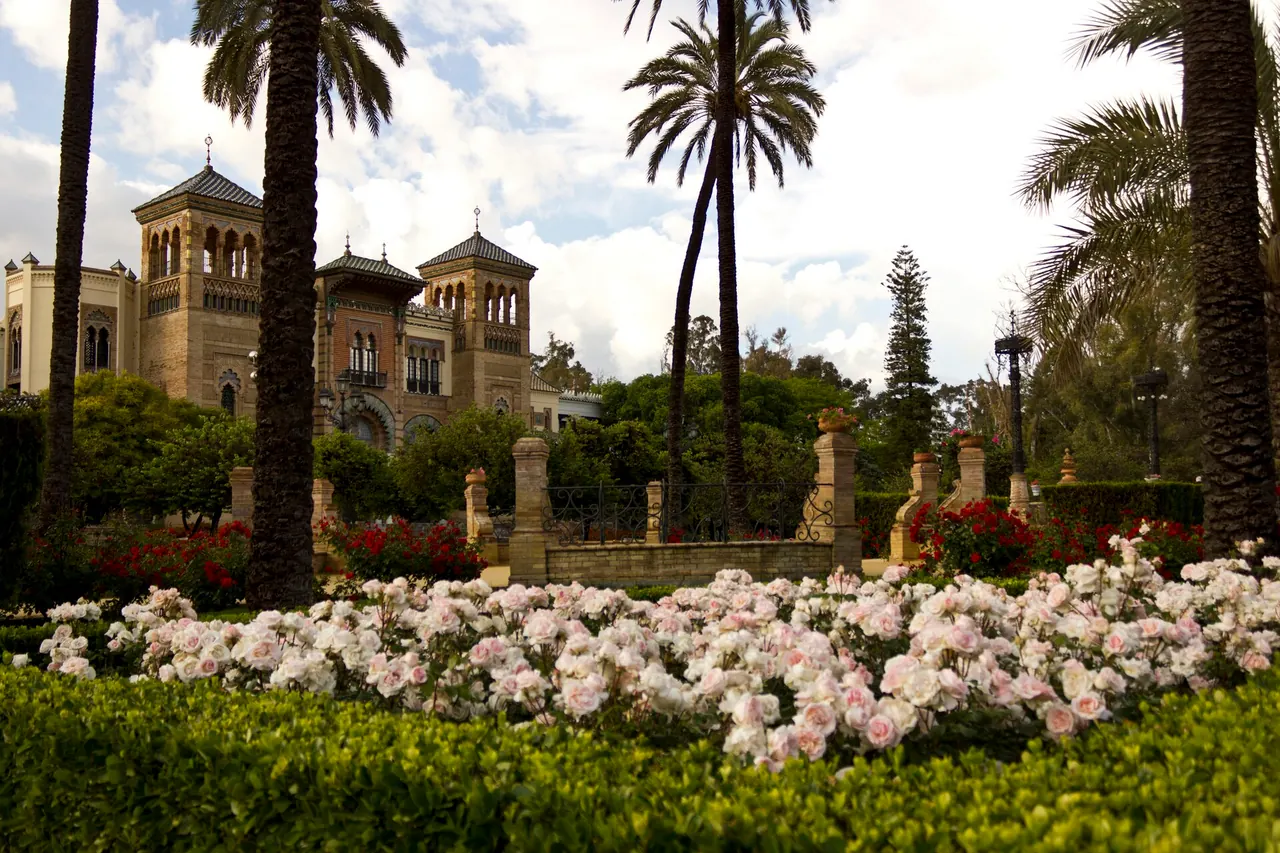
Maria Luisa Park provides a useful change of pace after Seville's monumental buildings. Rather than using it only as the route to Plaza de Espana, choose a shaded path and let the fountains, planted corners and small resting places shape the walk. The park grew from gardens donated to the city and was transformed around the 1929 exposition. That history explains why ornamental architecture and greenery are closely intertwined here.
Choose a modest circuit rather than promising yourself every garden feature. Plaza de America gives the southern part of the park a distinct architectural focus, while the paths in between offer places to stop and recover from the heat. For families, a leisurely walk may work better than another enclosed attraction. Keep any museum visit separate in your planning, and check municipal notices if weather or maintenance could affect access.
Plan it well: Make the park the adjustable portion of a southern-city outing; shade helps, but it does not remove the need for a heat-conscious schedule.
Seville tourism: Maria Luisa ParkUnderstand the city's global past at the Archivo de Indias
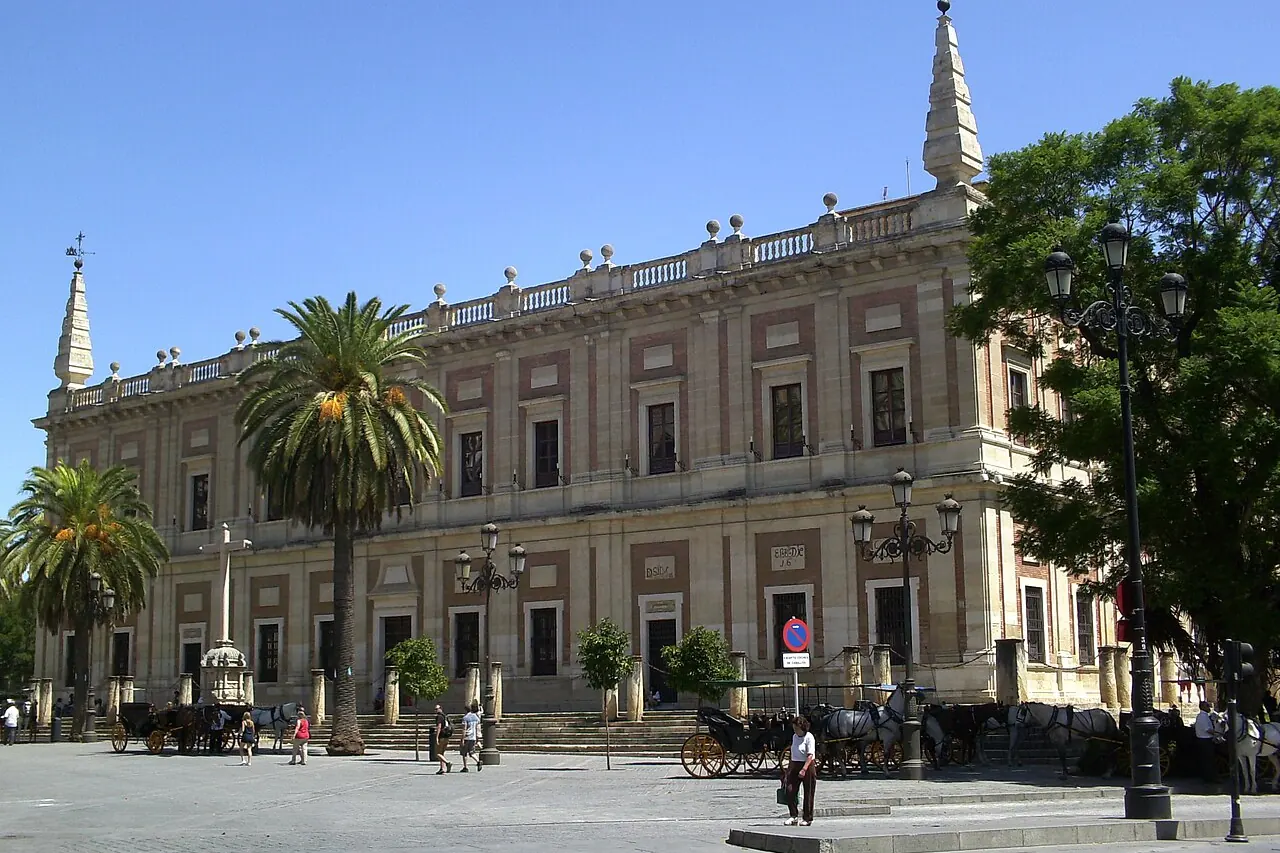
The Archivo General de Indias offers a different way to understand the grand buildings around Plaza del Triunfo. Its records concern Spain's overseas empire, so this is a place to consider trade, administration and the consequences of colonial power rather than simply admire another facade. The public monumental spaces and exhibitions give context to Seville's historical importance. They are not an invitation to browse the research archive as though it were an ordinary library.
The ministry distinguishes cultural visits from research access, and its public-visit page lists Monday as closed. Use that distinction when arranging a cathedral-area day: being nearby does not guarantee that the exhibition spaces are available. The archive can be a thoughtful additional stop if your main reservation leaves enough time, but it deserves more than a quick dash through before lunch. Read the current exhibition information rather than expecting particular documents to be permanently on view.
Plan it well: Use the cultural-visit entrance arrangements, especially if you need mobility assistance; the research room has a separate access procedure.
Spanish Ministry of Culture: Archivo visitsFollow the river past the Torre del Oro
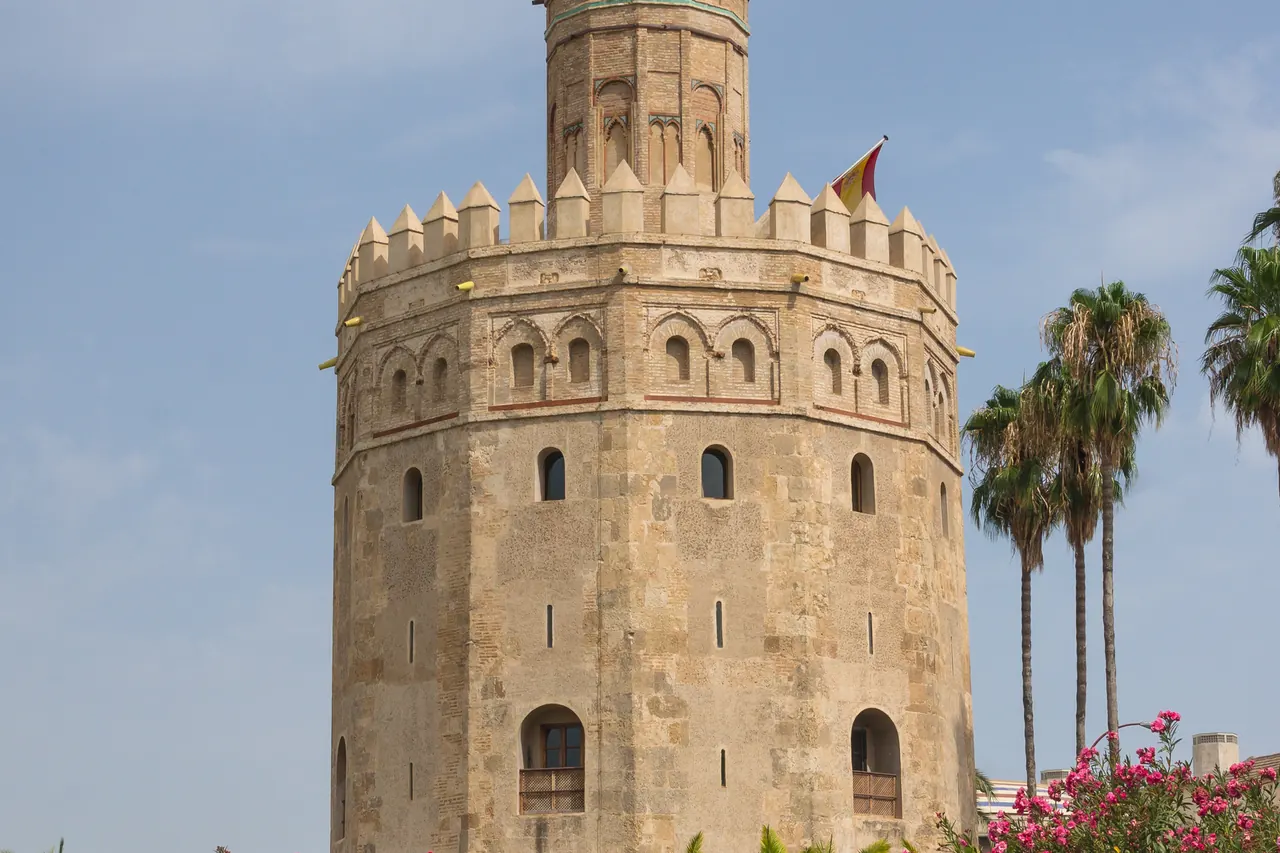
The Torre del Oro gives the riverside walk a clear destination. Its compact defensive form contrasts with the open water and the larger monuments inland, helping connect Seville's architecture with its history as a river city. Approach along the bank so you can see the tower in its setting before deciding whether to go inside. This is an especially useful stop when you want fresh air after spending the morning in a palace or church.
The tower houses a naval museum with navigation-related objects and documents. Choose the interior because that subject interests you, not because every landmark needs to become a paid visit. If you continue along the river, keep the promenade as a separate, flexible activity; museum admission does not include a boat trip. Confirm the tower's current visiting arrangements when planning an indoor stop, and use the river walk to connect rather than cram together the day's attractions.
Plan it well: A riverside photograph and walk remain worthwhile even when you decide against the museum; check stair access if you want the upper levels.
Spain tourism: Torre del OroSee a contemporary skyline from Las Setas
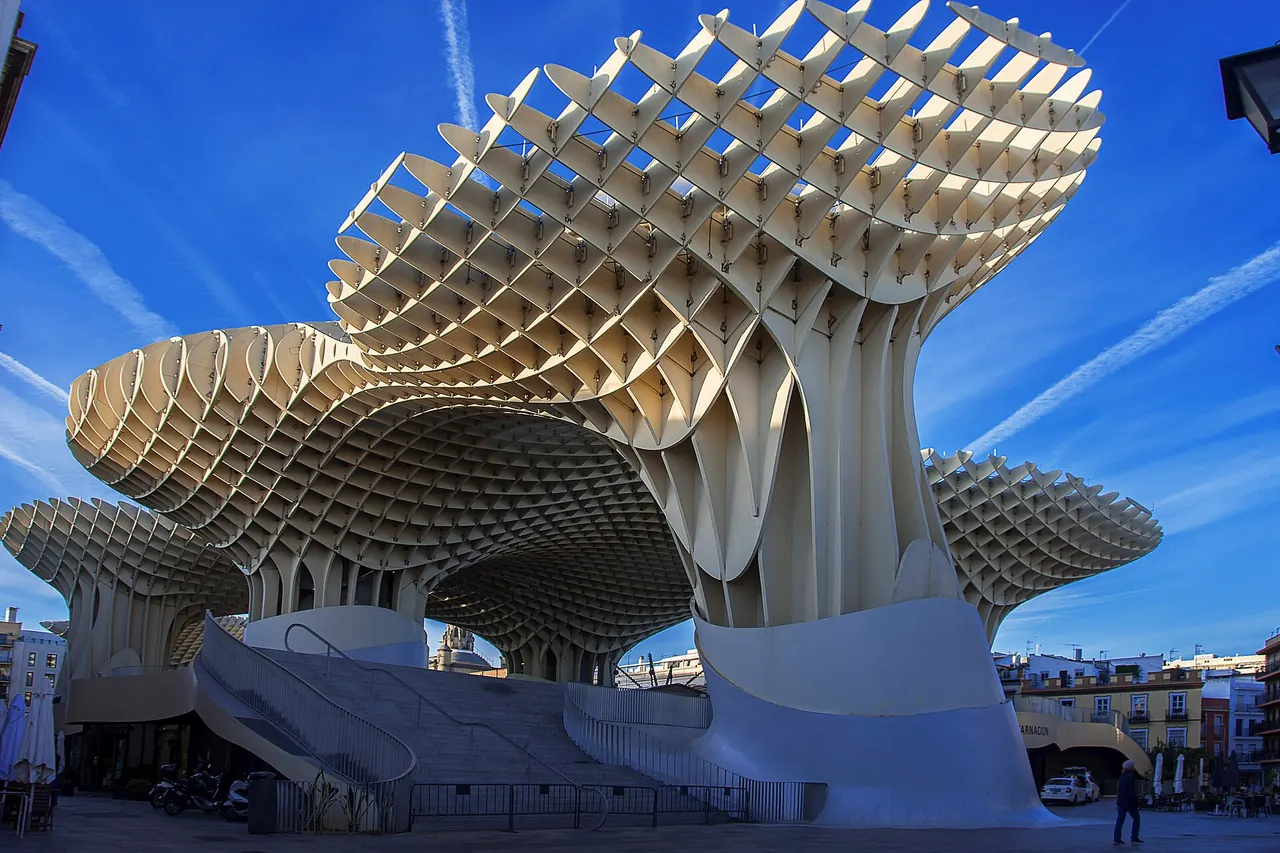
Las Setas brings a deliberately contemporary shape into Seville's historic centre. First view the canopy from the square to appreciate how its supports and curves frame the surrounding streets. If you want a skyline experience, the elevated walkway offers a different relationship with the city from the Giralda. You do not need both viewpoints in a short trip; choose this one if modern architecture and a broader rooftop perspective appeal more than a church tower.
The operator sells several experience combinations, including an observation-deck visit and options with additional entertainment. Read the inclusions carefully so you are buying the visit you actually want. Time of day changes the appeal, but sunset should remain a preference rather than a promise of perfect conditions. An evening here can follow a walk through the northern centre, with enough space afterwards for dinner rather than another timed attraction.
Plan it well: Do not assume that walking beneath the canopy includes access to the upper walkway; those are different parts of the experience.
Las Setas official experiencesCompare palace details at Casa de Pilatos
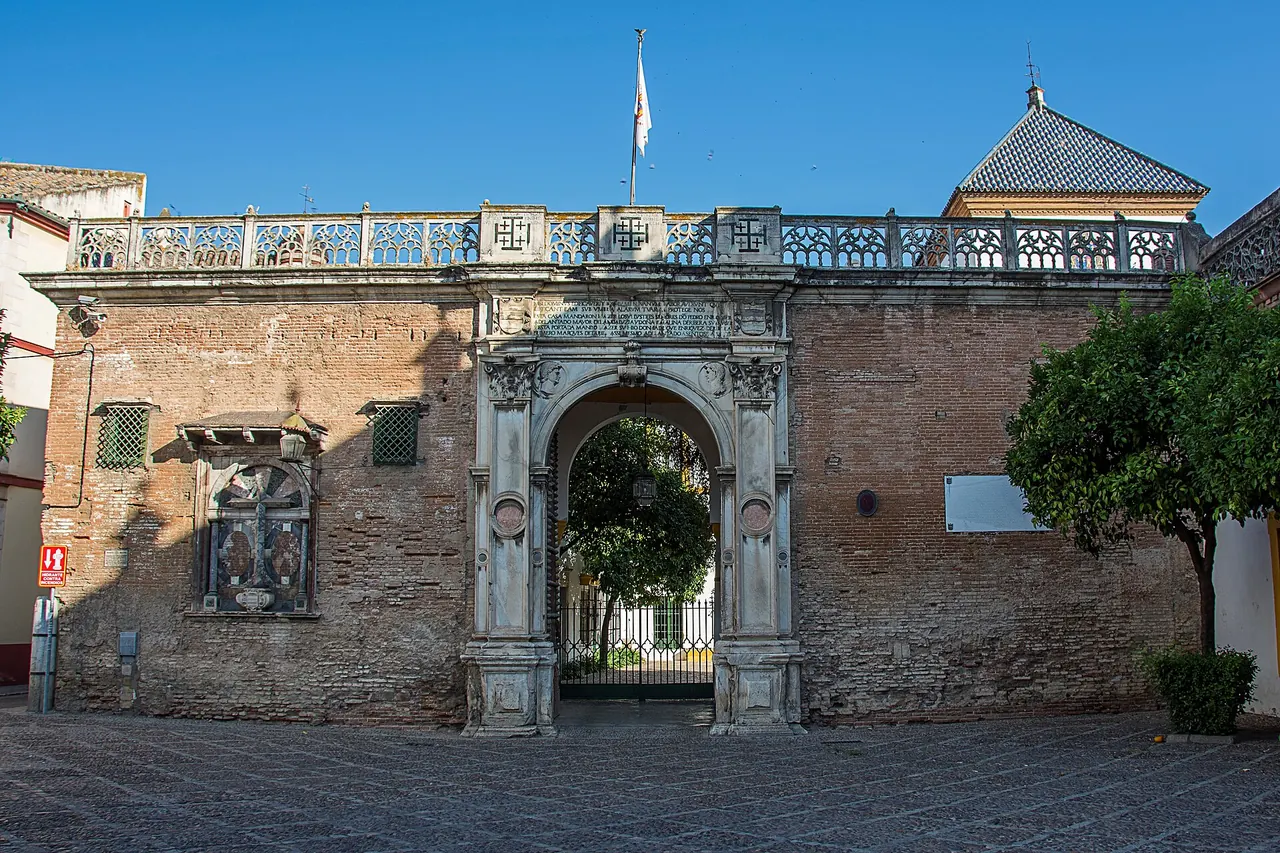
Casa de Pilatos is a good choice for visitors interested in the domestic scale of Seville's palaces. Concentrate on the courtyard, the transitions between rooms and the patterned surfaces rather than expecting a second version of the Alcazar. The mixture of architectural influences invites close comparison: look at how a doorway, a tile panel and a column can belong to different visual traditions while sharing the same space.
Admission options distinguish the principal visit from access to the upper floor, so decide which arrangement fits your interest before paying. The palace is east of the busiest cathedral cluster, making it a useful anchor for a less concentrated historic-centre walk. Afterwards, give yourself time in the surrounding streets instead of racing back to a booked museum. An audio guide can help identify details that otherwise blur into a general impression of elaborate decoration.
Plan it well: Check the current upper-floor arrangements if that is important to you; a general palace ticket should not be treated as universal access.
Andalusia tourism: Casa de PilatosGive Seville's painters time at the Fine Arts Museum
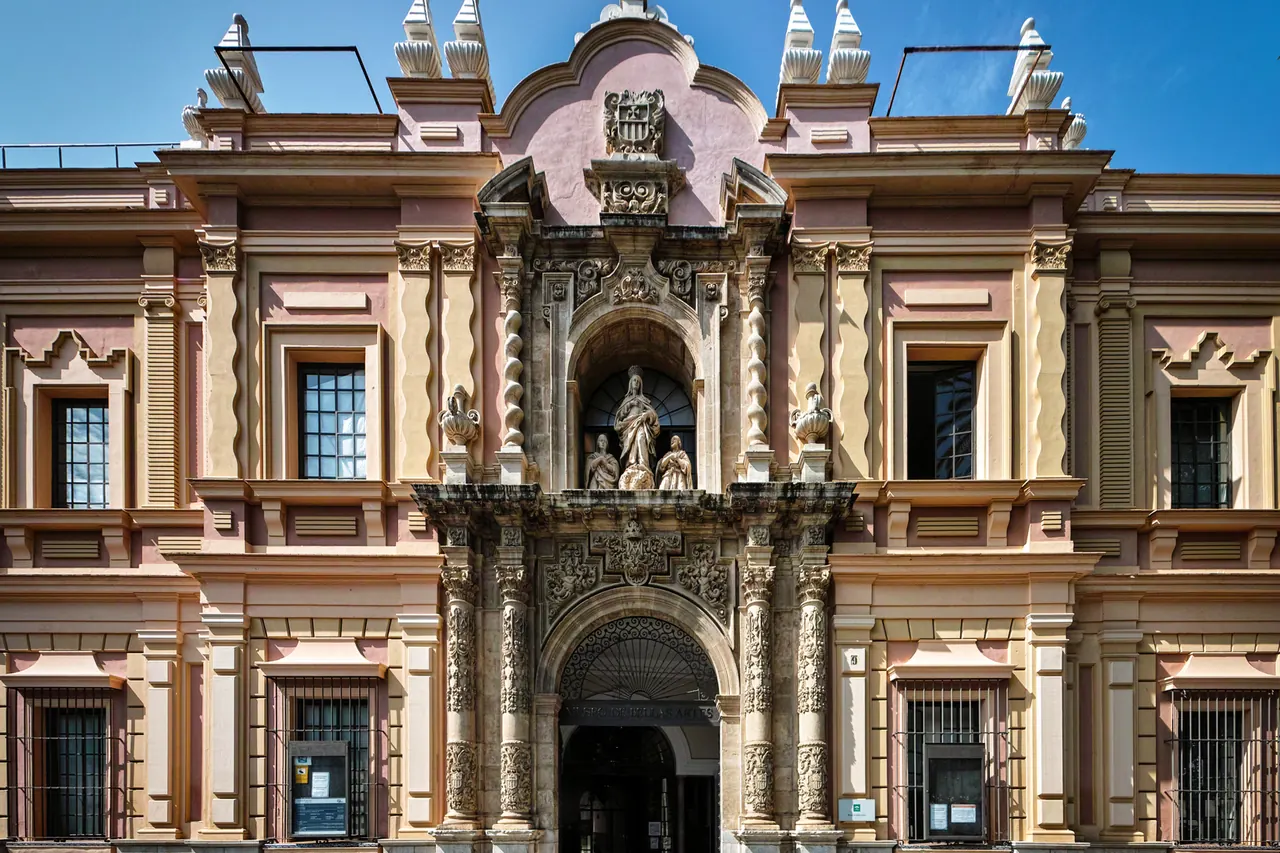
The Fine Arts Museum offers a concentrated art visit away from the palace-and-cathedral circuit. Start by choosing a small number of paintings to study rather than attempting equal attention in every room. Religious imagery appears throughout Seville's cultural landscape; seeing paintings in a museum lets you compare colour, gesture and composition without the distractions of a very large church. The building itself also rewards a slower approach between galleries.
Use the museum as the main indoor stop on a northern-centre day, especially if you have already spent considerable time inside the Alcazar. Its official calendar distinguishes seasonal opening patterns, holidays and last-access rules, with Mondays generally closed. Leave enough time before the published closing hour to see the rooms you care about. Plaza del Museo provides a natural pause afterwards, and Las Setas can remain an optional later outing rather than another immediate obligation.
Plan it well: Check both the calendar and last-access information; arriving shortly before the building closes is not the same as having time for the collection.
Andalusia government: Fine Arts MuseumLook closely at the Hospital de los Venerables
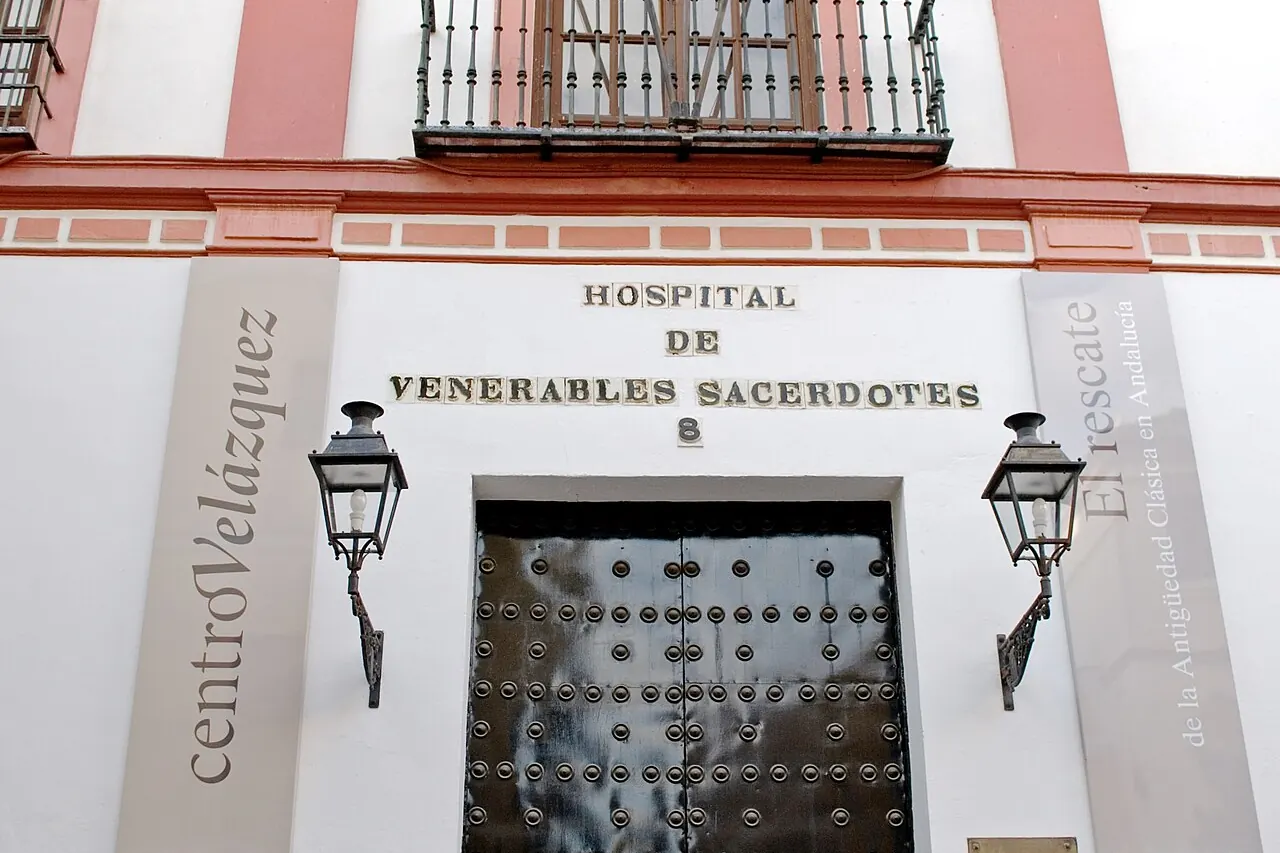
The Hospital de los Venerables adds an intimate architectural and artistic stop to Santa Cruz. Its courtyard and baroque church are the focus, with the Centro Velazquez providing a further reason to visit if painting interests you. This is a former institution now used for cultural visits, not a working hospital that visitors wander through. Allow time to look at the painted interior as a whole before moving towards individual works.
The foundation lists an ordinary cultural visit alongside several special guided formats. Those programmes have their own dates and inclusions, so do not assume a night visit, library access or a particular guided explanation is part of every ticket. This works well after a relaxed walk through Santa Cruz, but adding it to both the Alcazar and cathedral on the same day can make the art feel repetitive. Choose it as a smaller alternative when you prefer focused interiors.
Plan it well: Use the foundation's current visitor programme to distinguish the standard cultural visit from limited guided or evening experiences.
Fundacion Focus cultural visitsHow to spend two days in Seville
Day one: one major monument, then the river
Make the Real Alcazar or cathedral your booked anchor, choosing one substantial interior rather than automatically reserving both. Add Santa Cruz and, if its calendar fits, the Archivo de Indias. Finish with an unhurried riverside walk to the Torre del Oro.
Day two: gardens and a different side of the centre
Visit Plaza de Espana before an extended Maria Luisa Park pause. Later choose Casa de Pilatos or the Fine Arts Museum as your second major interior. Las Setas makes an optional evening viewpoint. Move the art museum or archive away from Monday.
Before you go
Plan around heat and events
Use the local forecast and city event calendar before setting long outdoor walks. Build in water, shade and a genuine midday break; processions, festivals and temporary closures can change familiar routes.
Keep admission types distinct
Royal apartments, cathedral roofs and special evening programmes are separate choices. Buy through each venue's linked official visitor information and read what your booking covers.
Check the route, not only the distance
Short distances can still include uneven paving, steps or exposed squares. Confirm venue-specific assistance and access arrangements before buying if you need a step-free visit.
Where to stay in Seville
Santa Cruz suits a palace-focused visit, while the northern centre is convenient for the Fine Arts Museum and Las Setas. A riverside base changes the feel of the evening. Compare the exact walking route, air conditioning, lift access and room noise before selecting a hotel; being central does not remove Seville's heat or historic-building stairs.
Explore Seville hotels