
Seville city guide
Where to stay in Seville
Choose between seven real Seville bases, from Santa Cruz's monument lanes and El Arenal's riverfront to Triana's ceramics, Museo's paintings and Alameda's evening scene.
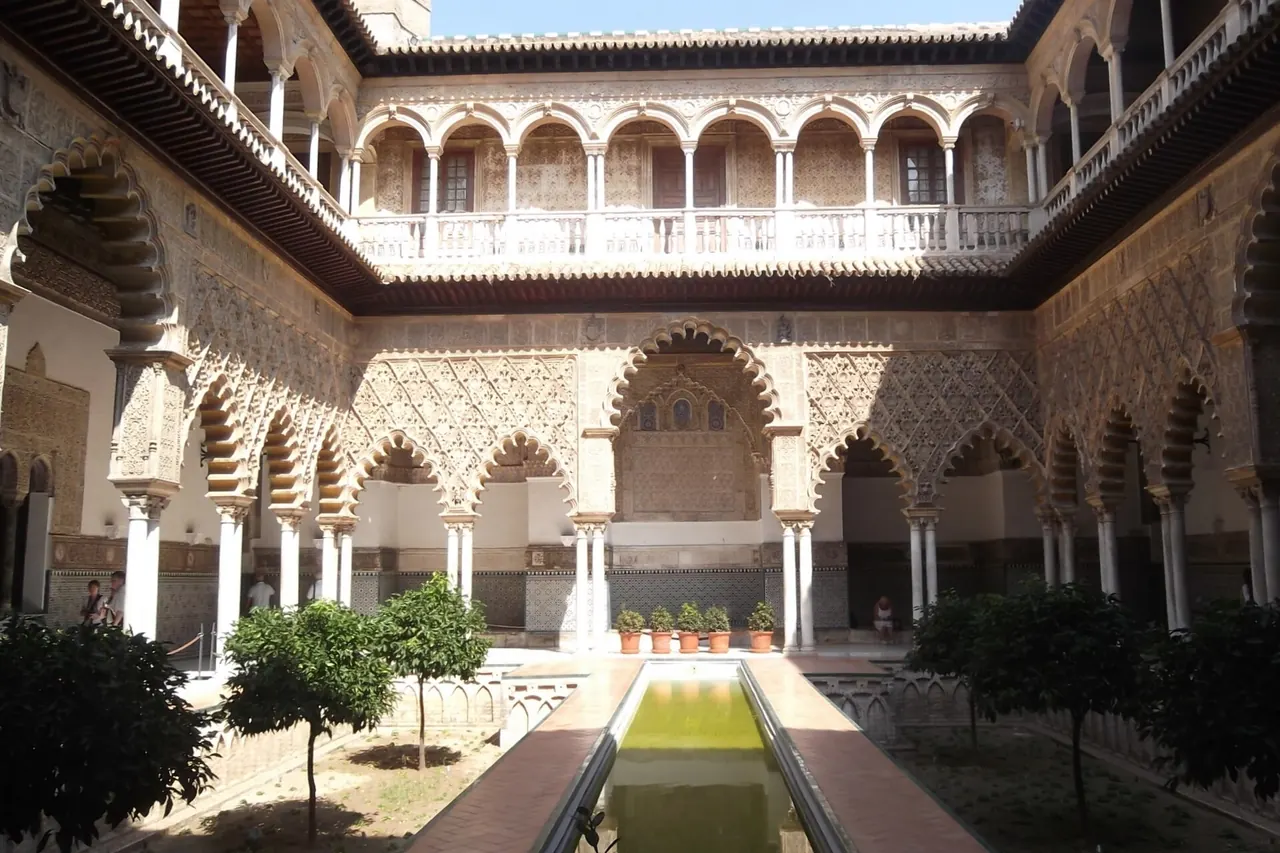
Plan your visit
Seville's centre rewards walking, but a hotel in Santa Cruz, beside the river or around the Alameda gives that walking a different purpose. The biggest choice is whether to sleep among the southern monuments, in an old-city neighbourhood with its own food routine, or across the river in Triana. Airport buses, vehicle access through narrow lanes and the direction of the walk home after dinner are useful deciding factors, especially when the weather makes repeated cross-city journeys less appealing.
Choose your base
Santa Cruz suits a first visit built around the Alcazar and cathedral; El Arenal combines their proximity with the river and theatre. Alfalfa and San Bartolome favour small-square dining, while Encarnacion offers a mixed shopping-and-market base. Museo and San Vicente suit art and western bus-station access. Triana puts ceramics and neighbourhood meals first, and Alameda and Feria suit travellers who want their evenings to be lively.
Santa Cruz: the strongest base for a first monumental visit
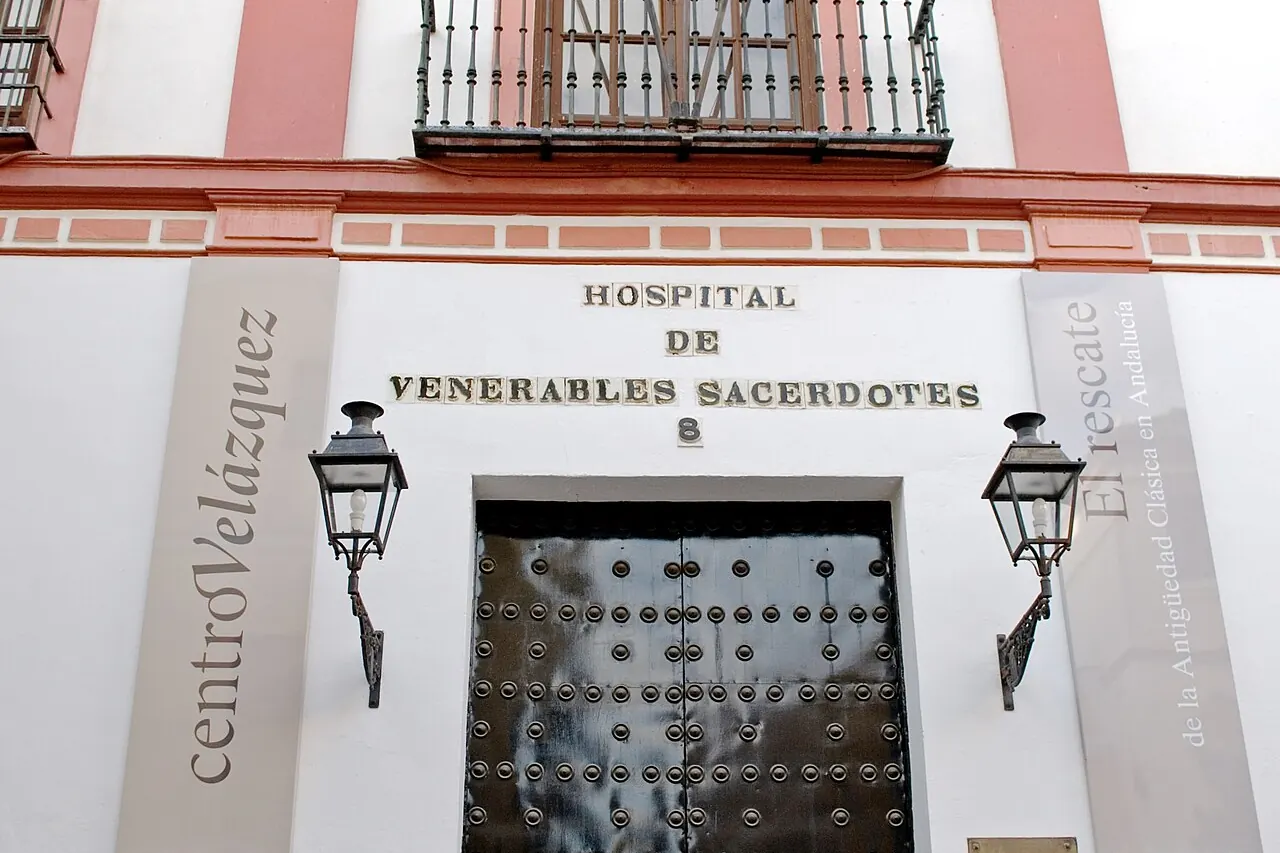
Santa Cruz makes sense when the cathedral and Alcazar are the fixed points of a short visit. The lanes around Callejon del Agua, Plaza de Dona Elvira and Plaza de los Venerables bring courtyards, orange trees and places to pause over tapas into the same small walking area. The Hospital de los Venerables provides another cultural stop without crossing the city. Choose an address within those lanes because you want their atmosphere, not because every room advertised near the cathedral shares it.
The southern edge can use Puerta Jerez metro and the Archivo de Indias stop on TUSSAM's T1 tram; airport arrivals commonly need an onward walk from the EA corridor rather than a bus at the hotel door. Narrow lanes restrict vehicle access, and popular squares concentrate visitors and restaurant tables. Ask about the last luggage-carrying stretch and a room away from busy terraces. El Arenal is a stronger alternative for riverside routes, while Museo suits an art-led stay away from Santa Cruz's busiest sightseeing flow.
Plan it well: The photo and pin identify the Hospital de los Venerables inside Santa Cruz.
Visita Sevilla: Santa Cruz neighbourhoodEl Arenal: river walks, theatre and easy monument access
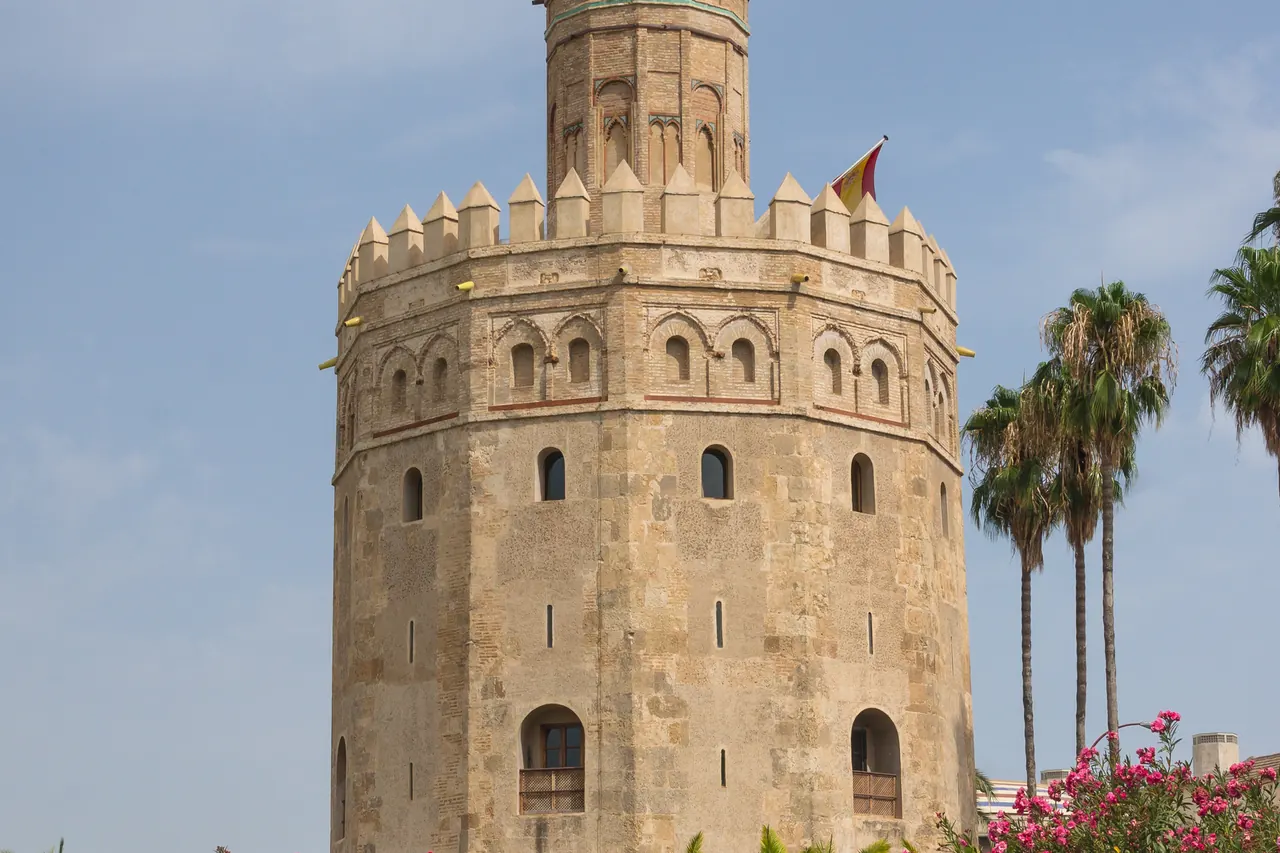
El Arenal offers a central compromise without making the tightest Santa Cruz lanes your daily approach. The Torre del Oro and Guadalquivir waterfront give walks a clear direction, while the Teatro de la Maestranza makes an opera or concert evening a natural focus. Inside the neighbourhood, the Hospital de la Caridad and Plaza del Cabildo reward detours between tapas streets and the cathedral area. You can cross towards Triana for a meal without choosing a hotel across the river.
Puerta Jerez serves the southern end by metro, and TUSSAM's T1 tram runs along the monument-side corridor. For an airport arrival, compare EA stops with the specific hotel rather than assuming a waterfront address is a station address. Paseo de Cristobal Colon carries traffic; restaurants and theatre arrivals bring their own bursts of activity. A river-facing room and an interior lane therefore have different trade-offs. Choose Santa Cruz for an old-quarter courtyard setting, or Museo when access towards Plaza de Armas and the fine-arts collection matters more than river views.
Plan it well: The photo and pin show the Torre del Oro on El Arenal's riverside edge.
Visita Sevilla: El Arenal neighbourhoodAlfalfa and San Bartolome: small squares and an eastern old-city base
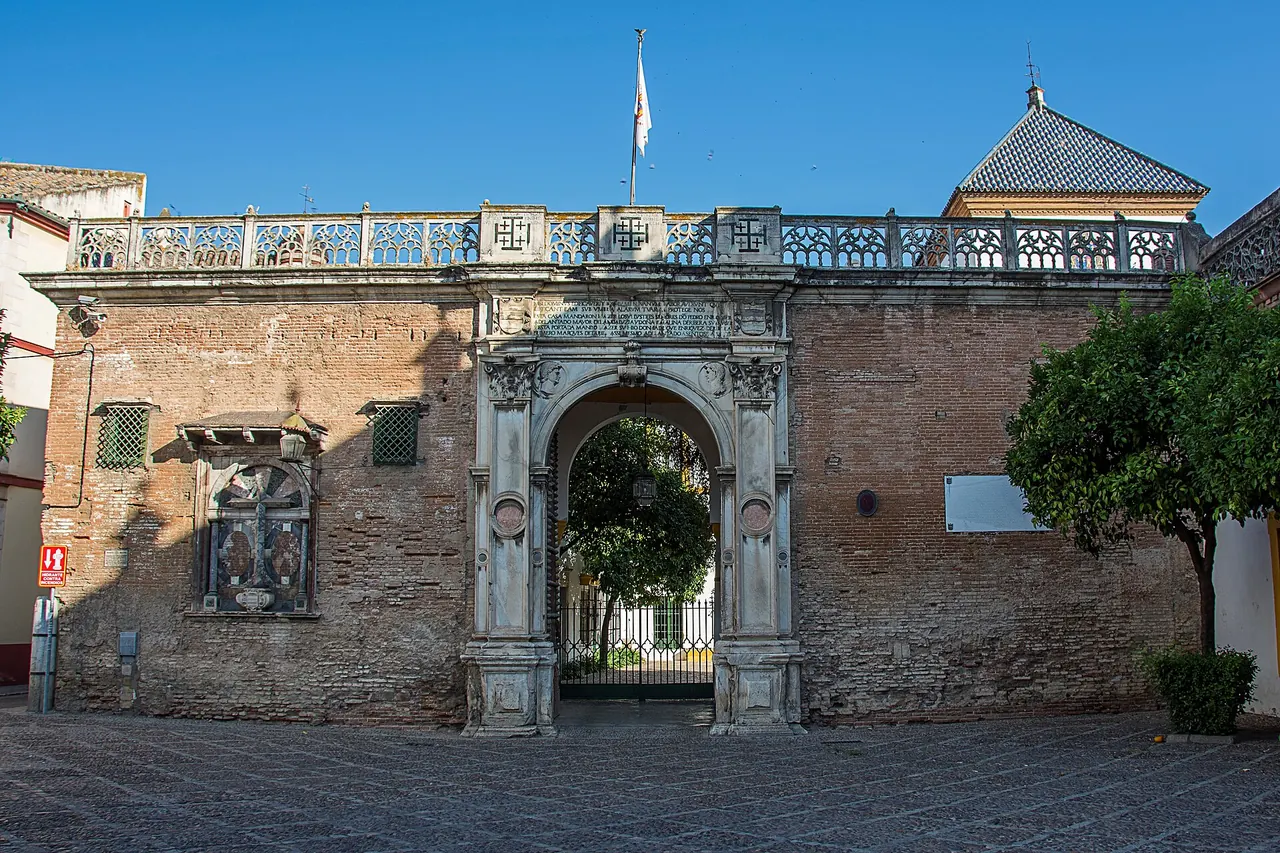
Alfalfa and the streets east towards San Bartolome suit travellers who prefer a network of small squares to the cathedral's main visitor approaches. Plaza de la Alfalfa offers an obvious food-and-meeting focus; Casa de Pilatos anchors a cultural outing farther east. The Salvador church and flamenco-museum area are nearby extensions rather than reasons to spend the whole day in one queue. Staying here makes it easy to alternate sightseeing with tapas, small shops and a return to the room.
Use TUSSAM's map to compare the Ponce de Leon and Puerta de Carmona sides for buses; this is not an area with a metro station in every cluster of historic lanes. An EA airport-bus or Santa Justa rail arrival still needs a final local journey, walk or taxi. That extra step is the main practical difference from an address beside a transport corridor. Noise around popular squares and restricted vehicle approaches vary street by street. Choose Santa Cruz if the Alcazar is the overriding priority, or Museo for a more direct orientation towards Plaza de Armas.
Plan it well: The Casa de Pilatos photo and pin identify the eastern landmark, not Plaza de la Alfalfa.
Visita Sevilla: Alfalfa and Encarnacion neighbourhoodsEncarnacion: a central market-and-shopping compromise
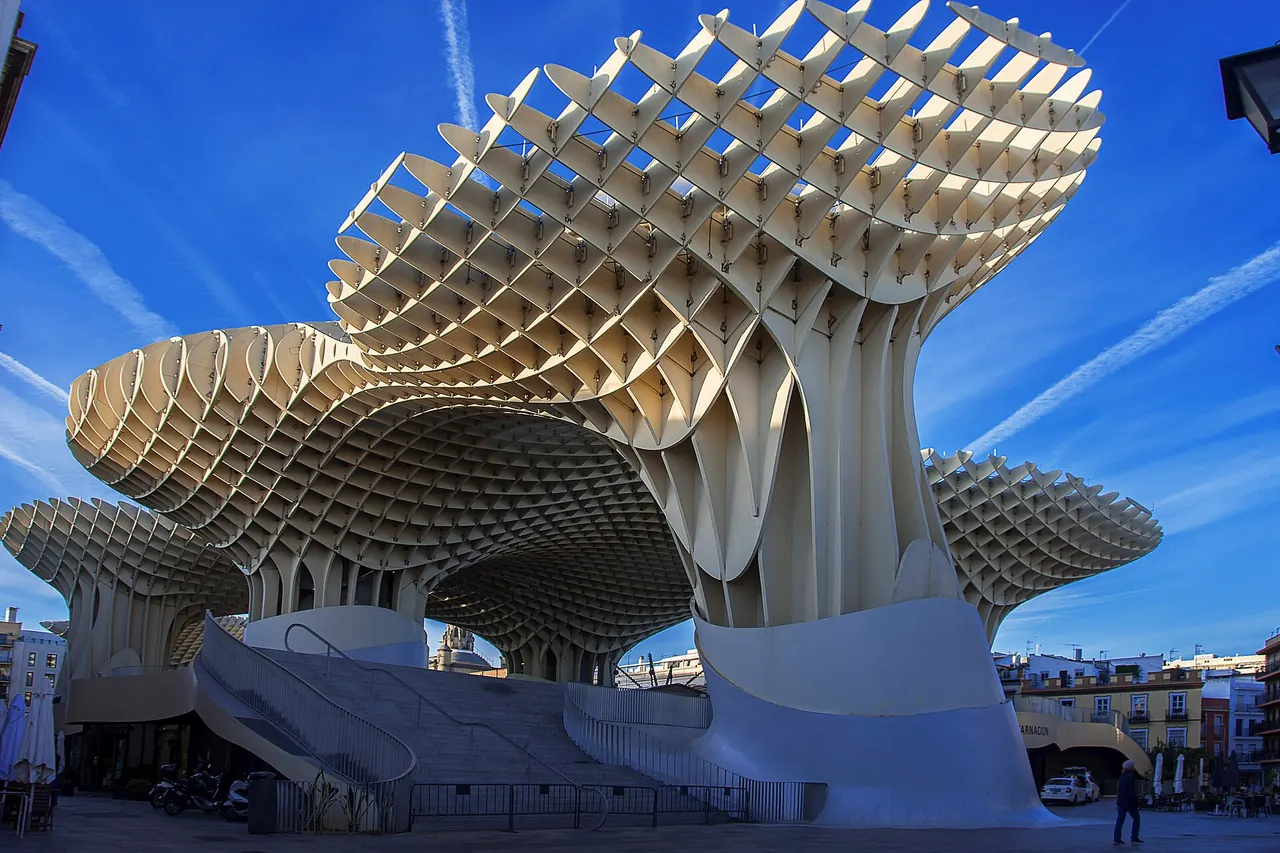
Encarnacion centres the stay on Las Setas rather than the cathedral. The market below the modern structure, the Antiquarium and the shops around Regina give you an everyday-food and contemporary-city counterpoint to Seville's palaces. Walk south for Salvador and the commercial streets, or north for the Feria and Alameda areas. This is a useful middle choice when companions want different days and neither a purely monumental nor a nightlife-first address suits everyone.
TUSSAM's map places the northern historic centre around bus access at Plaza del Duque and Ponce de Leon; the T1 tram and Metro Line 1 are farther south. Plan the airport EA connection as a separate leg rather than expecting Las Setas to be its terminal. The square is an attraction as well as a neighbourhood meeting point, so it can be busy and restaurant terraces are not a quiet-room guarantee. Choose Museo for fine-arts and western bus-station access, or Alameda when the evening scene itself should define your stay.
Plan it well: The photo and pin show Las Setas at Plaza de la Encarnacion; Alameda is a different base farther north.
Visita Sevilla: Setas and Encarnacion neighbourhoodMuseo and San Vicente: paintings and a western old-city routine
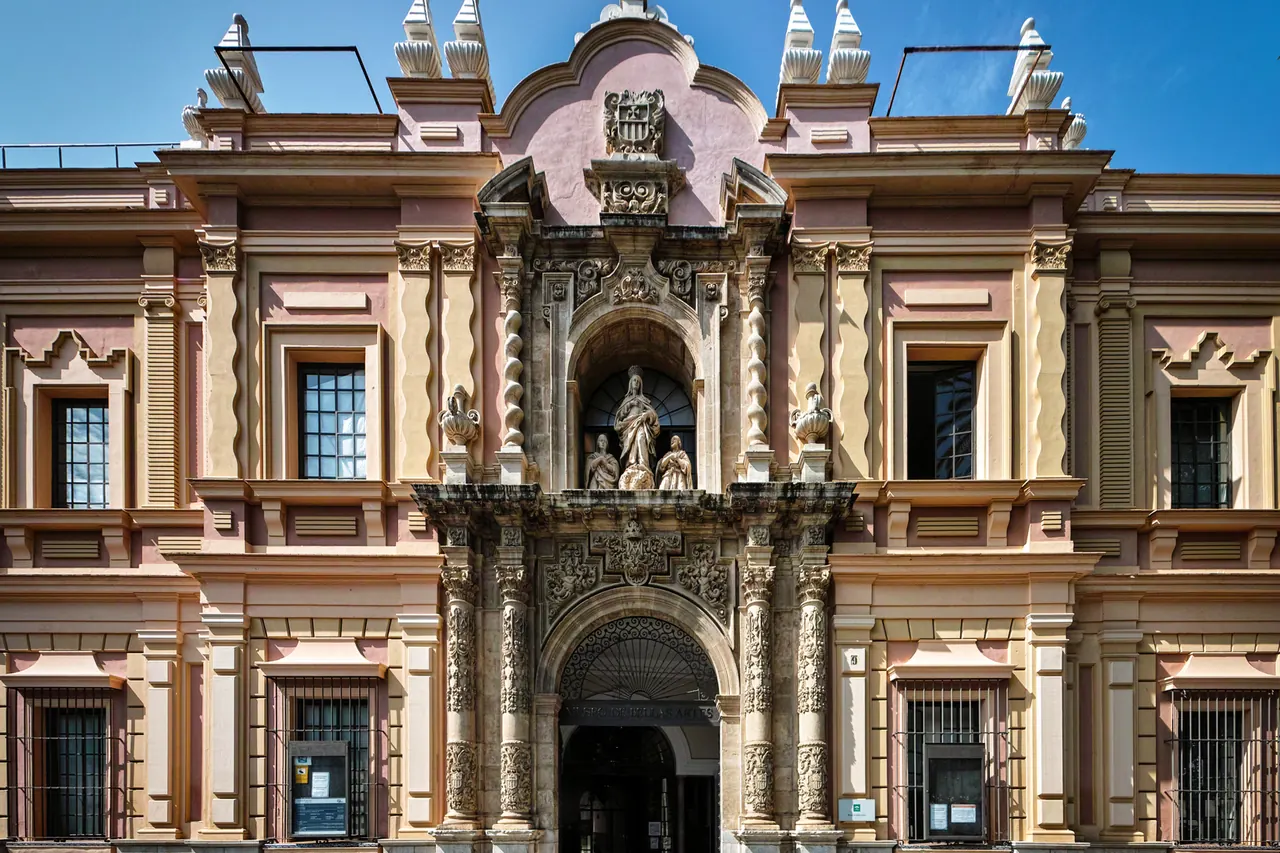
Use the Museum of Fine Arts and Plaza del Museo as the centre of this western old-city choice, with the San Vicente streets extending north. It suits a stay where paintings, neighbourhood cafes and repeated small walks matter as much as the Alcazar. The shopping around Tetuan and Sierpes lies towards the centre, while the river is to the west. You can build a substantial museum morning and still return to the room before heading out for dinner.
Plaza de Armas is the useful nearby bus-station reference, including the airport EA corridor; compare its walking approach with the exact accommodation entrance. TUSSAM buses are more relevant here than expecting Metro Line 1 outside the door. The advantage is the western orientation, not a promise that every San Vicente address is equally close to the terminal. Rooms on larger approach roads can have traffic, while some historic streets are awkward for vehicle drop-offs. Choose El Arenal for theatre and the southern riverfront, or Santa Cruz for the shortest repeated walks to the royal-palace area.
Plan it well: The image and pin mark the Museum of Fine Arts in Plaza del Museo, not the full San Vicente neighbourhood.
Visita Sevilla: Museo and Plaza Nueva neighbourhoodTriana: ceramics, market life and riverside evenings
Triana is worth choosing for its own streets, not simply as an overflow option across the Guadalquivir. Around the bridge and market, you have food stalls, ceramics heritage and short walks to the Triana Ceramics Centre; Betis brings riverside terraces and views back towards the historic centre. San Jacinto takes the neighbourhood inland into shops and everyday activity. It is especially satisfying when you want dinner and an evening wander near your room after spending the day among Seville's monuments.
Plaza de Cuba on Metro Line 1 is useful for southern Triana, but it is not beside every hotel near the market or Triana Bridge. Northern addresses rely more on walking across the bridge or TUSSAM buses, and airport travel needs a connection to the EA route or a road transfer. The river crossing is a repeated commitment on a monument-heavy trip, particularly in heat. Betis terraces can also mean late conversation beneath rooms. Choose El Arenal for a similar riverside focus without the daily crossing, or Santa Cruz for an intensive first visit.
Plan it well: The pin identifies Triana itself; the market-side and Plaza de Cuba ends have different transport approaches.
Visita Sevilla: Triana neighbourhoodAlameda and Feria: evening energy and a longer northern-centre stay
Alameda and the nearby Feria streets make sense when you want cafes, bars and a broader evening choice to set the rhythm of your stay. The long Alameda square gives gatherings more space than the small cathedral-quarter lanes, while Feria offers a market-led daytime alternative. The Hercules columns provide a clear meeting point; the surrounding streets lead into the northern historic centre rather than straight to the Alcazar. Stay here to spend real time in this part of Seville, not to complete a monumental checklist as quickly as possible.
TUSSAM's network map is the practical starting point for buses around the northern ring and historic-centre edges. Neither Metro Line 1 nor the T1 tram runs through the Alameda itself, and an airport EA arrival needs an onward journey. That distance from the southern monuments is the price of a different neighbourhood routine. Terrace noise can be part of the attraction or the reason to book elsewhere; check where the bedroom faces. Museo offers a more art-led western base, while Santa Cruz better suits travellers who want early monument visits followed by quiet evenings indoors.
Plan it well: The pin marks the Alameda de Hercules promenade, not a transport stop or the whole Feria district.
Visita Sevilla: the bohemian AlamedaArriving without choosing the wrong end of town
Treat the EA airport bus as one part of the journey
Aena confirms TUSSAM's EA airport service. Compare its current stops towards Prado de San Sebastian or Plaza de Armas with your hotel entrance; a Santa Cruz lane or Triana address normally needs an onward walk or connection.
Aena: Seville airport busesSeparate tram, metro and bus access
TUSSAM's tourist map distinguishes the T1 monument-side tram corridor, ordinary buses and the airport EA line. Check live stop and diversion information before travelling. A northern old-city address is not automatically close to the same transport as Puerta Jerez.
TUSSAM: official tourist transport mapCheck which Triana end you are booking
Metro Line 1 serves Plaza de Cuba and Puerta Jerez across the river. Plaza de Cuba can help a southern Triana stay, but does not replace the walk from a market-side hotel. Consult the metropolitan transport authority's station list and current operator notices.
Seville Metropolitan Transport Consortium: Metro Line 1Arrange narrow-lane arrivals with the property
Ask a Santa Cruz, Alfalfa or San Vicente property for its reachable drop-off street. During major processions or events, check changed access before taking luggage into the old centre; the nearest landmark may not be a workable meeting point.
Visita Sevilla: Santa Cruz neighbourhoodFind your Seville base
Compare Seville hotels around the walking routine you prefer. A Santa Cruz courtyard, a Betis terrace-facing room and a Museo-side address solve different trips; check bedroom orientation, the final airport connection and vehicle access before selecting one simply labelled central.
Explore Seville hotels