
Valencia city guide
10 things to do in Valencia
Balance Valencia's old-town market and monuments with the Turia gardens, modern architecture and sea, then choose whether Albufera deserves a separate outing.
Plan your visit
Valencia is easier to enjoy when you treat the old town, the City of Arts and Sciences, the sea and Albufera as distinct parts of a visit. Several central monuments belong in the same walk, but a ticketed aquarium or a lagoon outing needs its own time. Use the Turia gardens to connect selected points rather than trying to traverse the whole former riverbed. These ten places offer choices for a varied stay, not a demand to fill every hour.
Read the City of Arts and Sciences from outside
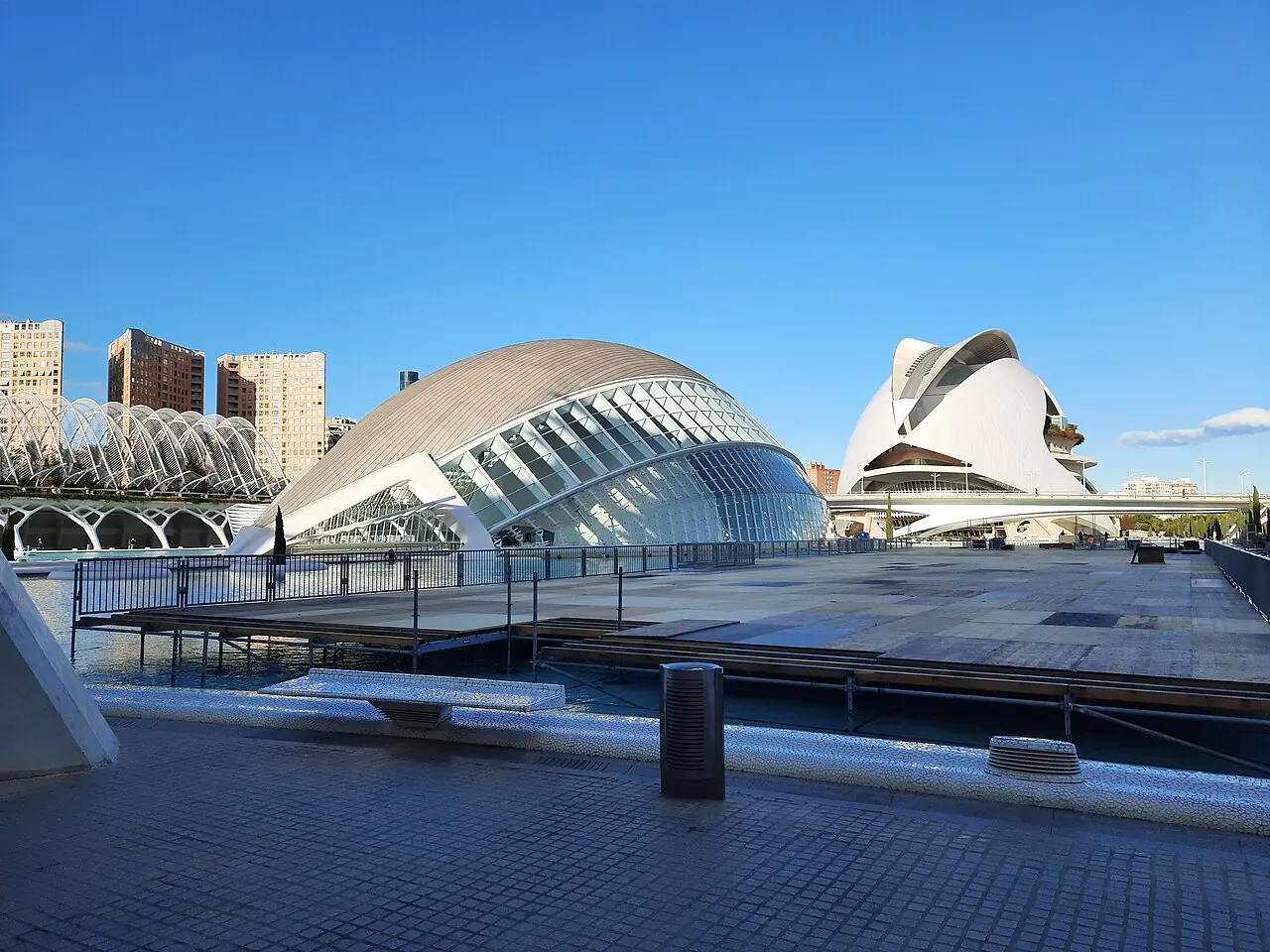
The City of Arts and Sciences brings large contemporary buildings and reflecting water into Valencia's former river landscape. A first look is most useful when you move between permitted public viewpoints and compare the shapes, scale and relationship of the structures. You can appreciate the architecture without trying to enter every institution. Give yourself enough time to step back rather than photographing only whichever building appears first.
The complex name does not describe one universal ticket. Science exhibits, screenings, performances and the aquarium have different admission arrangements, so choose against the official programme and your interests. Distances across the site can feel substantial in heat, even when the map appears compact. Bring water, respect barriers around pools and leave room for a break. An exterior walk can pair with a selected Turia section, while a major indoor visit may become the main activity of the day.
Plan it well: Separate the public architecture walk from the particular institutions and ticket products you want.
City of Arts and Sciences: official visitor informationGive Oceanografic a focused aquarium visit
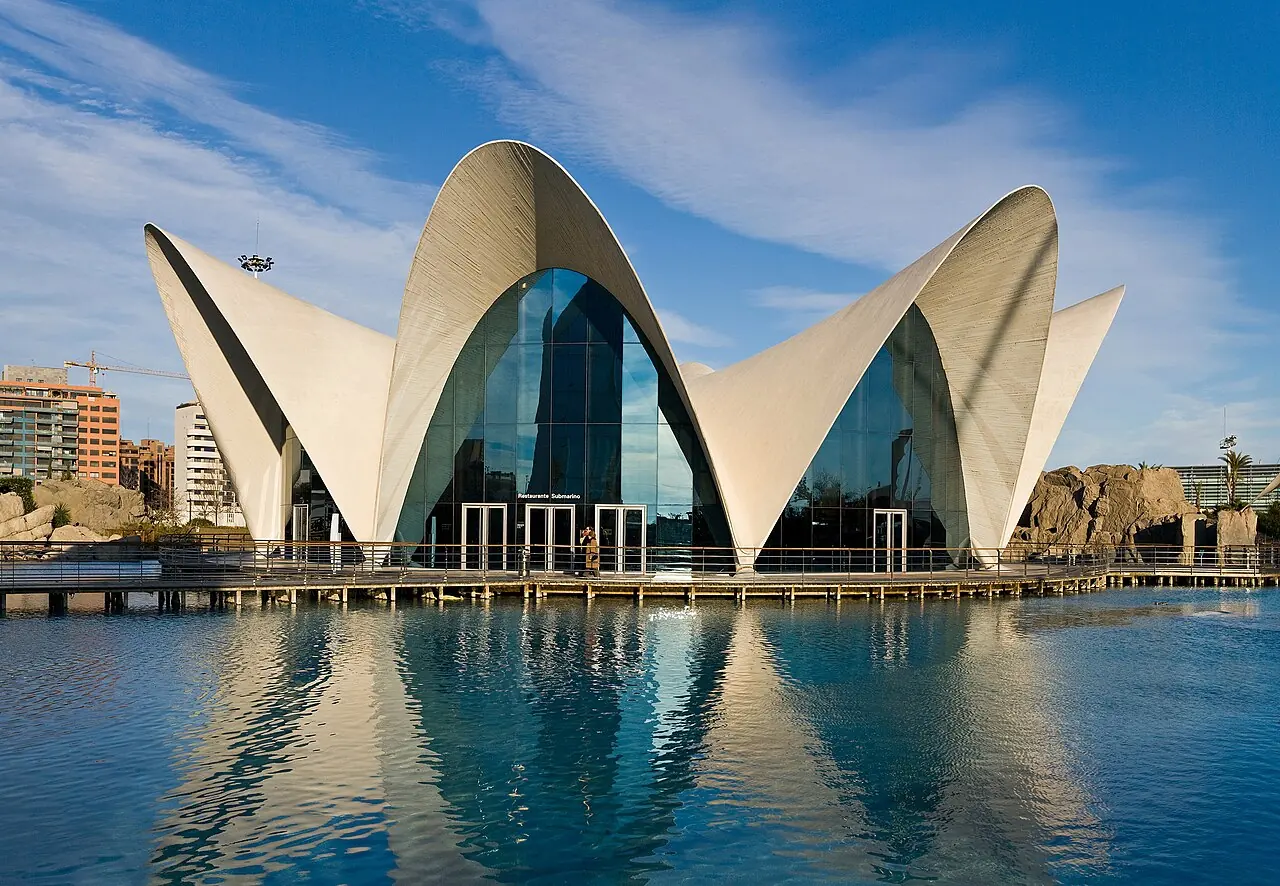
Oceanografic organises an aquarium visit around marine environments, making it a different experience from walking the architecture of the surrounding complex. Look at the habitat interpretation as well as the animals, and allow a slower pace where a display interests the group. The value is not measured by collecting a photograph of every species. A selected route can be more satisfying than moving through each area without reading or observing.
Check the operator's current ticket conditions, visitor guidance and any separately scheduled experiences before reserving. Do not assume every advertised animal or programme will be available exactly as an older guide describes. Respect barriers and photography notices, and leave time for food and breaks on a visit that involves both indoor and outdoor movement. The aquarium can anchor the day; trying to add every other institution in the complex may leave too little attention for any of them.
Plan it well: A ticket for another part of the complex does not automatically include the aquarium.
L'Oceanogràfic: official visitor informationVisit the Central Market as a customer
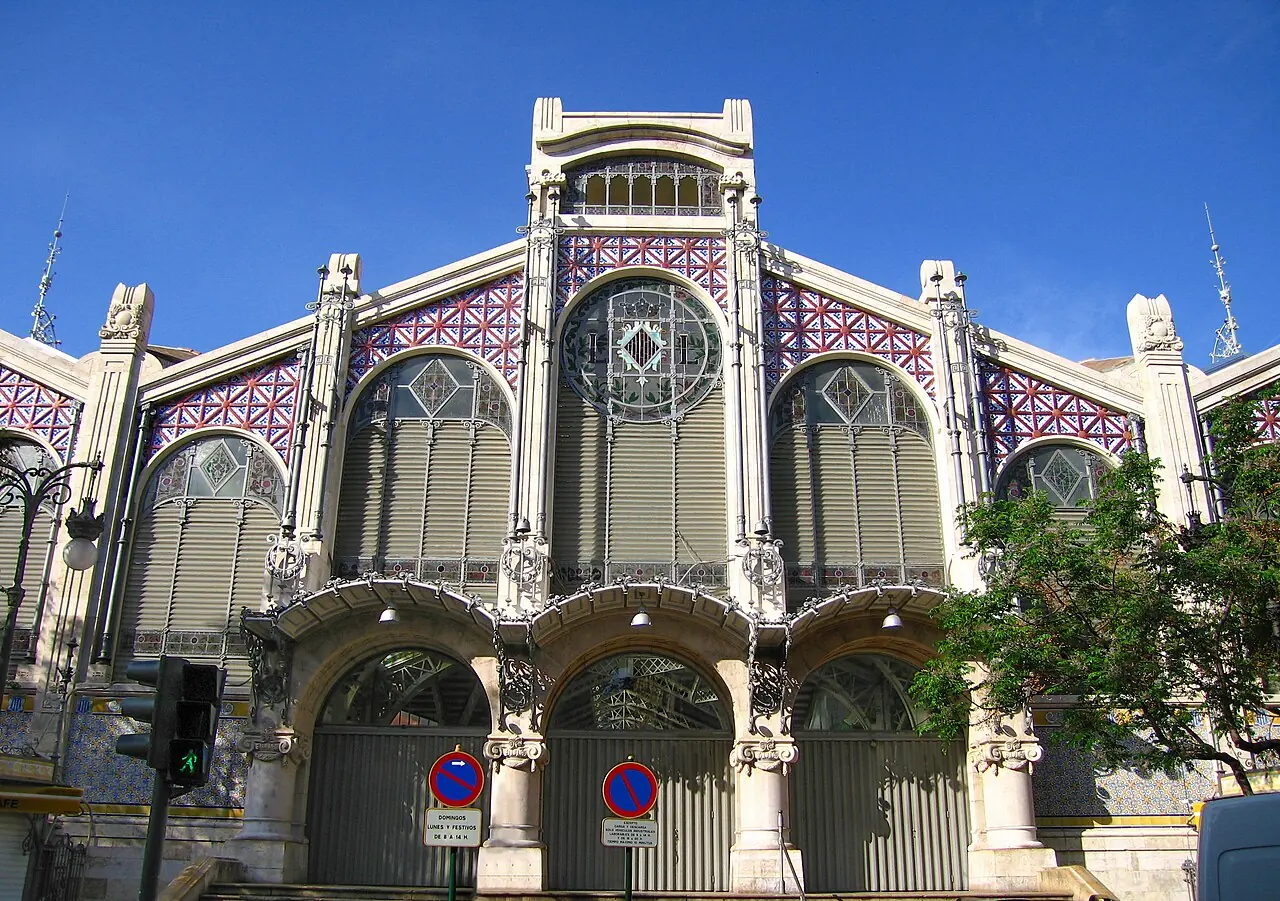
Valencia's Central Market combines a striking market hall with the everyday business of selling food. Look at the structure and decorative details, then browse seasonal produce and stalls with respect for people shopping and working. A small purchase suited to your plans gives the visit a purpose beyond photography. The building is part of the old town's public life, not a museum where every display exists only to be looked at.
Check trading days and the arrangements of any counter you particularly want to visit. A working market does not necessarily follow the evening hours of surrounding restaurants. Keep aisles and exits clear, ask before photographing a stall or person, and do not handle goods without permission. The Silk Exchange is nearby, making the two a natural geographic pairing, but food shopping and a monument visit should retain their different rhythms. Allow time for both rather than arriving during a rushed transfer.
Plan it well: Ask before taking close photographs and let traders serve their customers without obstruction.
Mercat Central: official visitor informationLook up through the Silk Exchange's columns
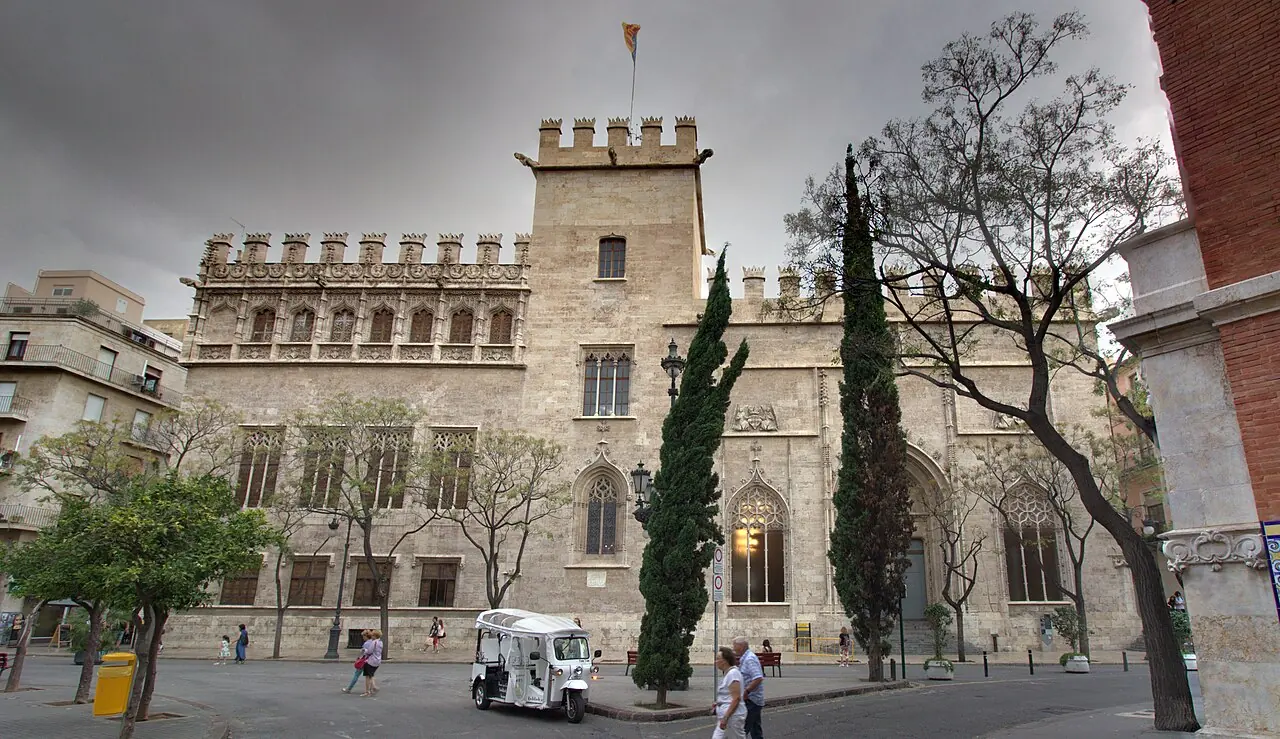
The Silk Exchange, or Lonja de la Seda, offers a civic rather than religious expression of Valencia's Gothic architecture. The spiral columns and high hall make a strong first impression, but take time to notice how the different spaces relate to the building's commercial role. Looking closely at the facade and courtyard gives a broader visit than stepping inside for one upward photograph.
Consult current municipal visitor arrangements before planning a fixed time, particularly around closures and events. Follow the permitted route and do not assume every staircase or upper space is open. The market across the way makes an easy pairing, with a break between shopping and architecture helping both visits feel less rushed. If mobility matters, ask about the accessible entrance and route rather than treating a central street address as proof that every historic interior is step-free.
Plan it well: Confirm which spaces are accessible; a monument ticket is not permission to enter every stair or room.
Lonja de la Seda: official visitor informationCompare the cathedral with its surrounding squares
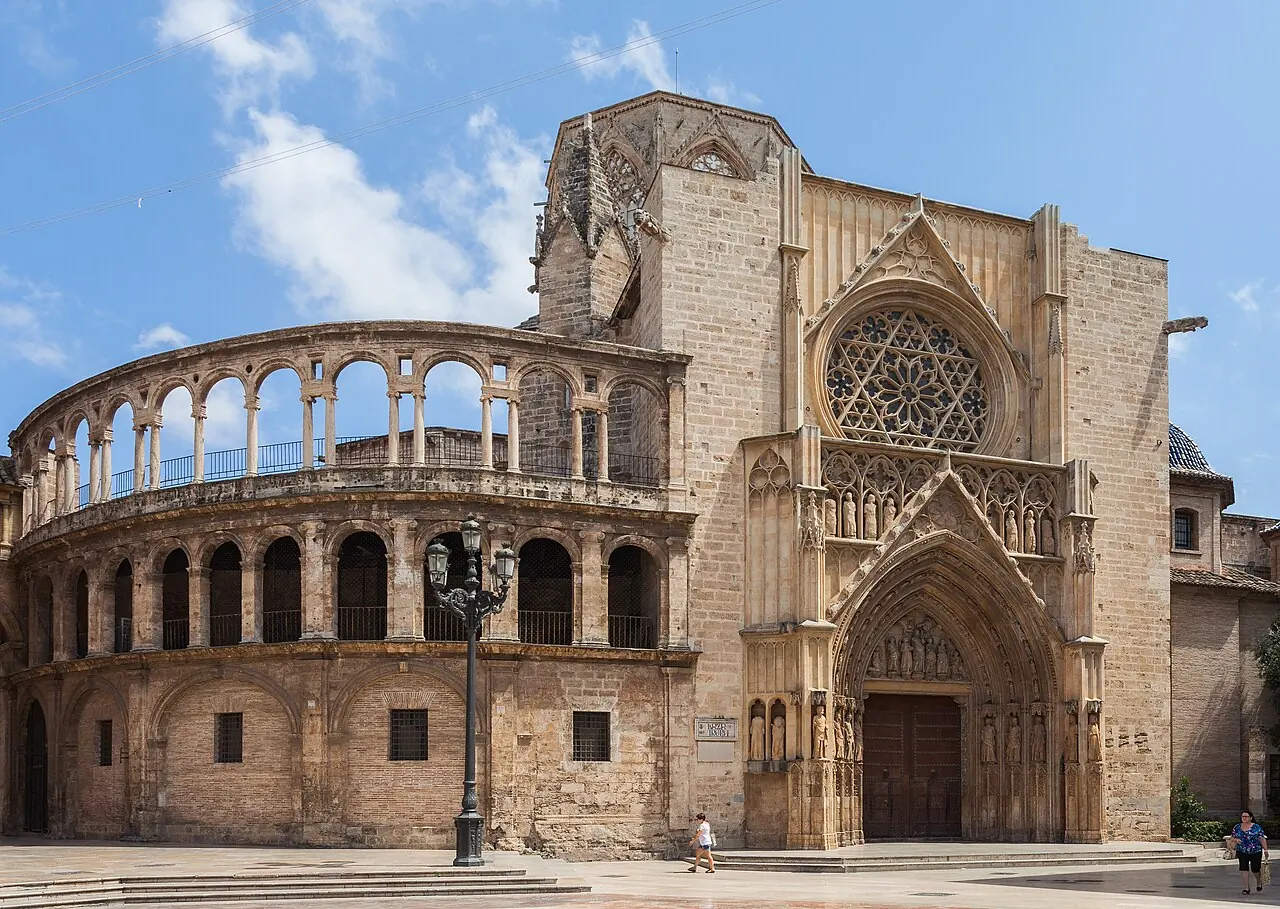
Valencia Cathedral sits within a group of squares and streets that reward an exterior circuit as well as a cultural visit. Look at the differing gateways and the building's relation to the surrounding public spaces instead of reading it from one facade. Inside, where access permits, let the chapels and architectural changes tell a more complex story than a single famous object or a claim about one relic.
The cathedral, museum elements and Miguelete tower can have different visitor conditions. Check the current official information and assess the stairs before adding a climb, especially with children or anyone uncomfortable with heights. Worship takes precedence, so keep your route flexible around services and respect dress and photography rules. A careful cathedral-quarter visit fits with the central market and Silk Exchange, but does not need to include every interior in the area to be worthwhile.
Plan it well: Treat the tower climb as a separate physical and admission decision, not an automatic part of entering the church.
Valencia Cathedral: official visitor informationSee the former city edge at Serranos Towers
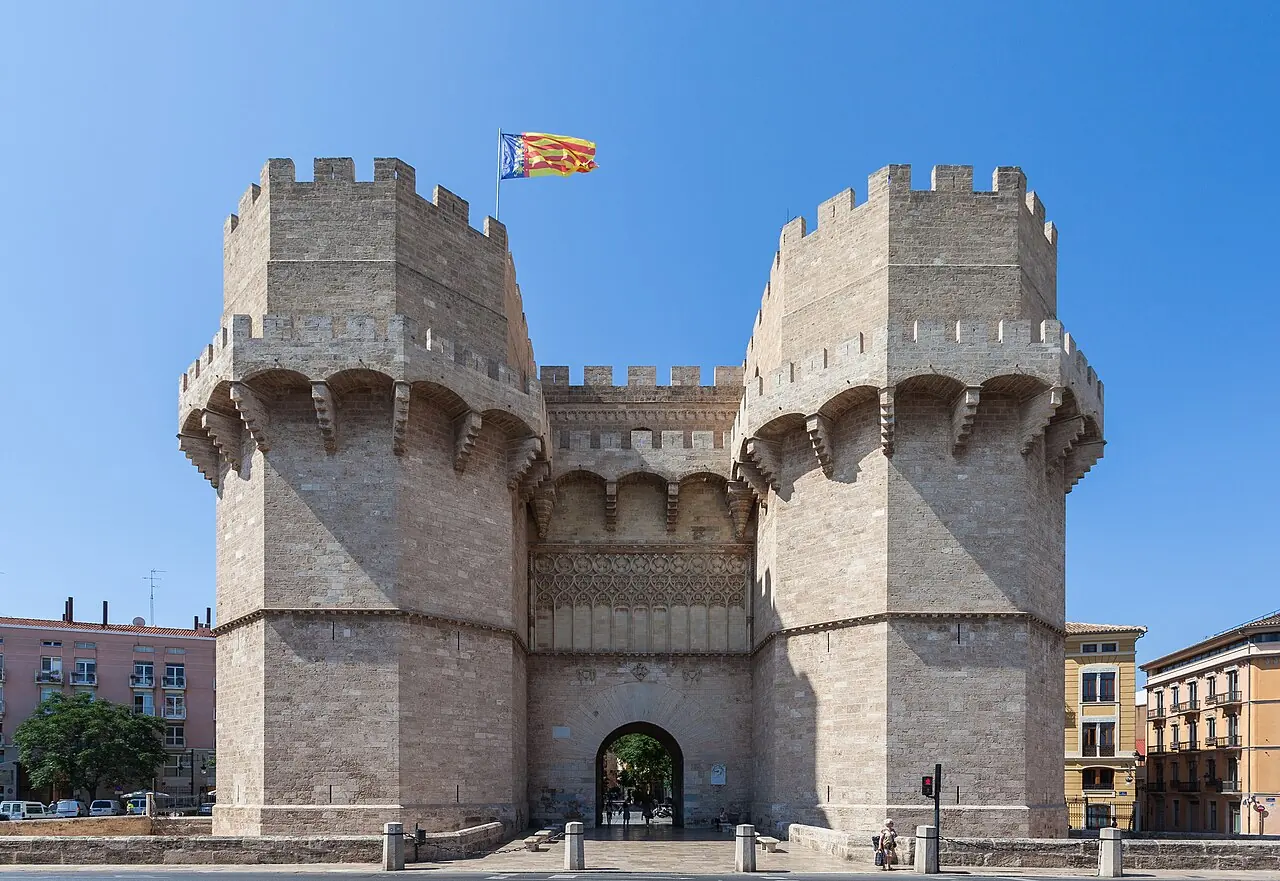
The Serranos Towers make Valencia's former city boundary tangible, with a substantial gateway facing the landscape now occupied by the Turia gardens. Walk around the permitted exterior and compare the town-facing and outward-facing sides. The monument is useful not only for a skyline view but also for understanding where the historic city ended and how people approached it.
Check current access if you want to enter or climb, and assess steps and exposed viewpoints against your group's needs. Seeing the exterior is still a complete reason to visit when a climb is unsuitable. The location pairs with a selected Turia walk, but identify the garden access rather than assuming the shortest line on the map avoids stairs. Keep the day manageable: the towers work well as one end of an old-town route rather than another ascent after every central church tower.
Plan it well: Use a known garden entrance when continuing below street level into the Turia.
Torres dels Serrans: official visitor informationChoose one useful section of the Turia gardens
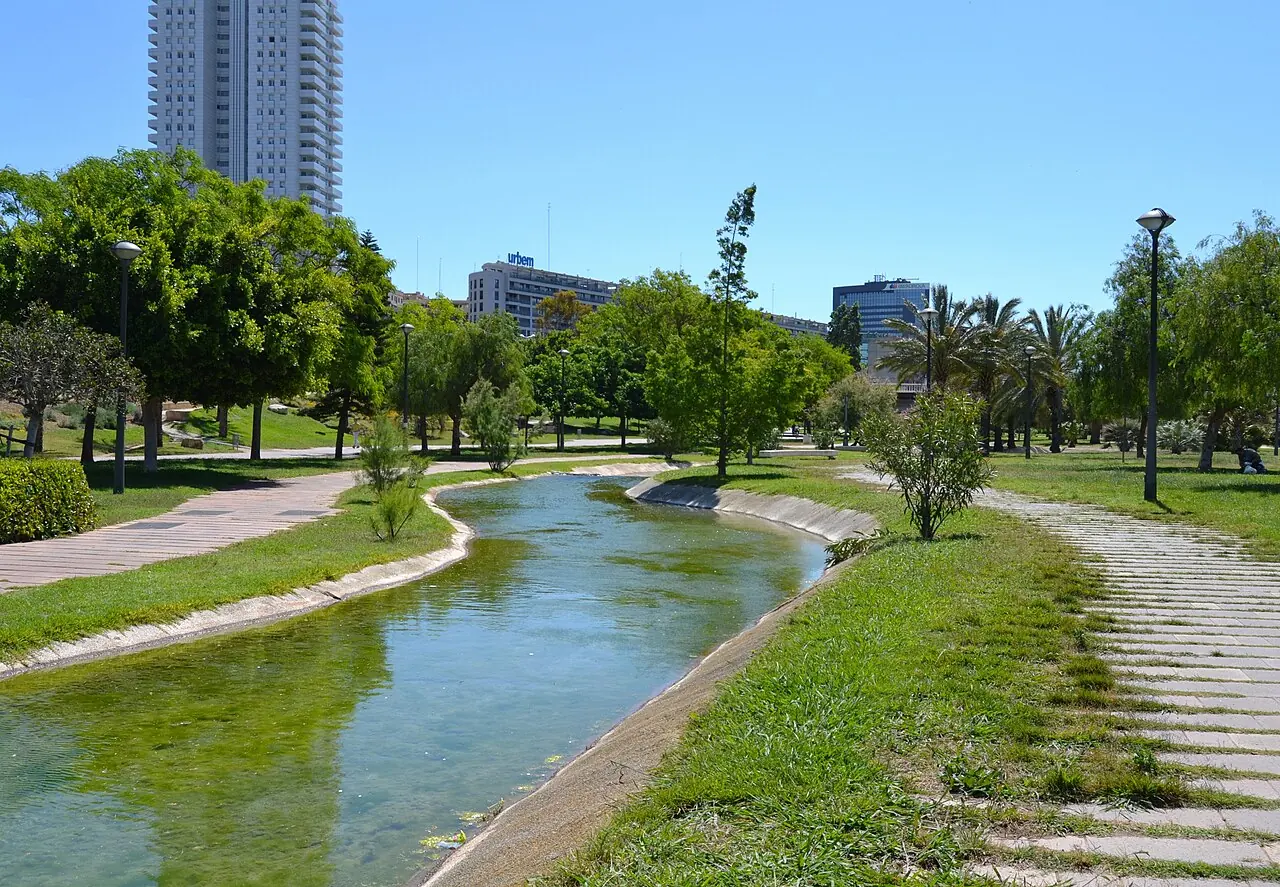
The Turia gardens turn a former riverbed into a long public landscape, with paths, planting and bridges connecting different parts of Valencia. A first visit is best served by one selected section rather than a commitment to cover the entire route. Choose a starting point and a destination, then notice the changes in planting and the bridge structures above you. The park can provide a welcome break from dense old-town streets.
Check the appropriate ramp or stepped entrance for your needs, since the garden level is below neighbouring streets. Cyclists and pedestrians share parts of the landscape, so follow marked routes and leave room for others. Carry water and plan a way out if the group tires. The City of Arts and Sciences, Serranos and the Fine Arts Museum connect to different sections; their presence along the wider corridor does not mean all three make a short park walk.
Plan it well: Choose a precise entrance and exit, especially when you need ramps or a shorter walking route.
Turia Garden: official visitor informationMake time for the Fine Arts Museum
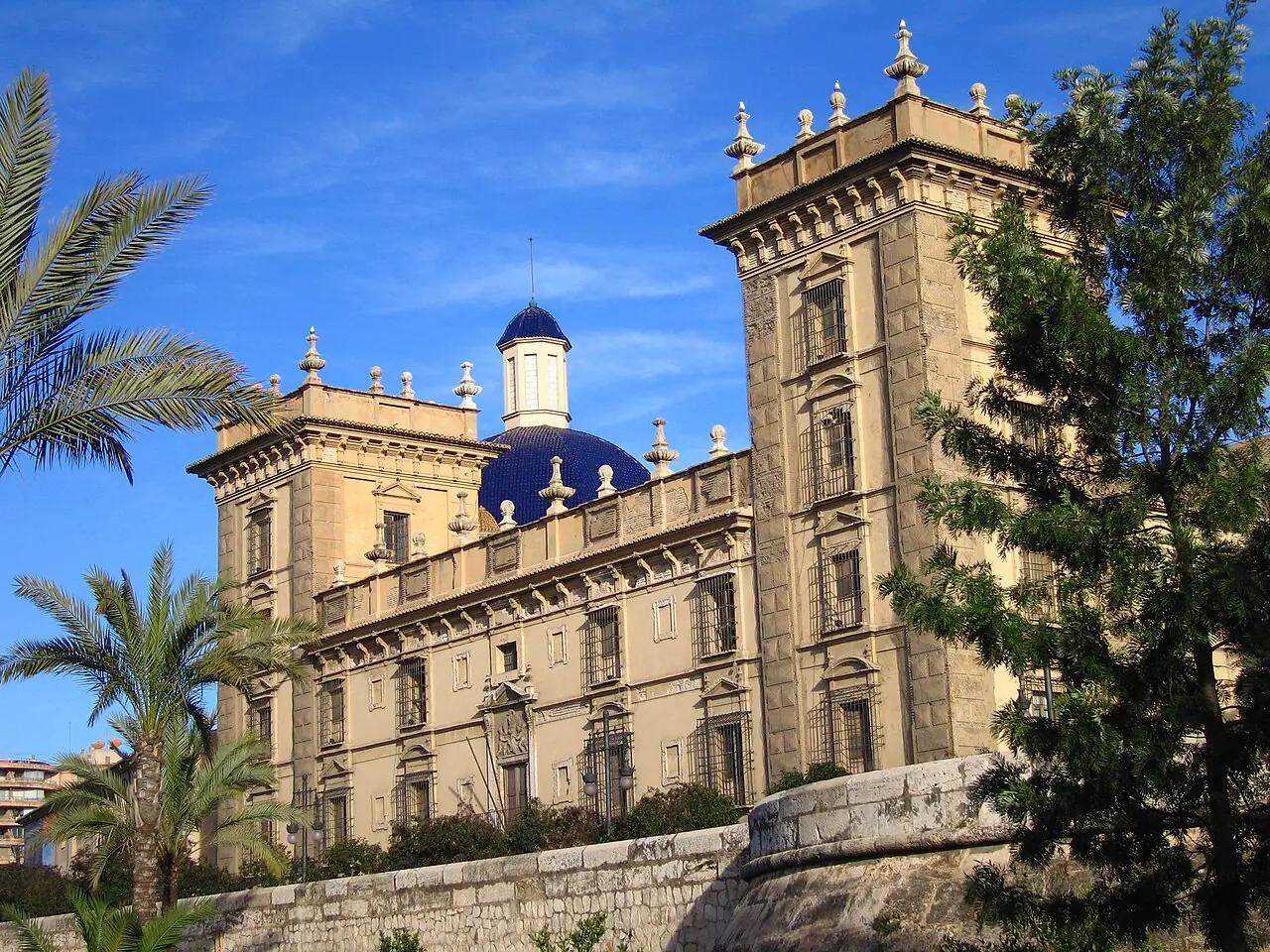
The Museum of Fine Arts offers an art-focused alternative to Valencia's architectural headline sights. Its painting collections invite comparison across periods rather than a quick search for one recognisable name. Choose a few rooms or works to look at carefully, and pay attention to how the building and courtyard change the pace of the visit. This can be a satisfying cultural afternoon without another ticketed complex or tower climb.
Check the current visitor information and exhibition programme before planning around a particular work. Collection ownership is not a guarantee of permanent display. The museum's position near the Turia makes it possible to combine art with a modest garden section, but allow for the actual entrance and road crossing. Follow bag and photography rules, and leave enough time to sit or take a break afterwards rather than treating an indoor visit as a rest that requires no attention.
Plan it well: Confirm current display and access when a specific work is the reason for your visit.
Museu de Belles Arts de València: official visitor informationLeave a real afternoon for Malvarrosa
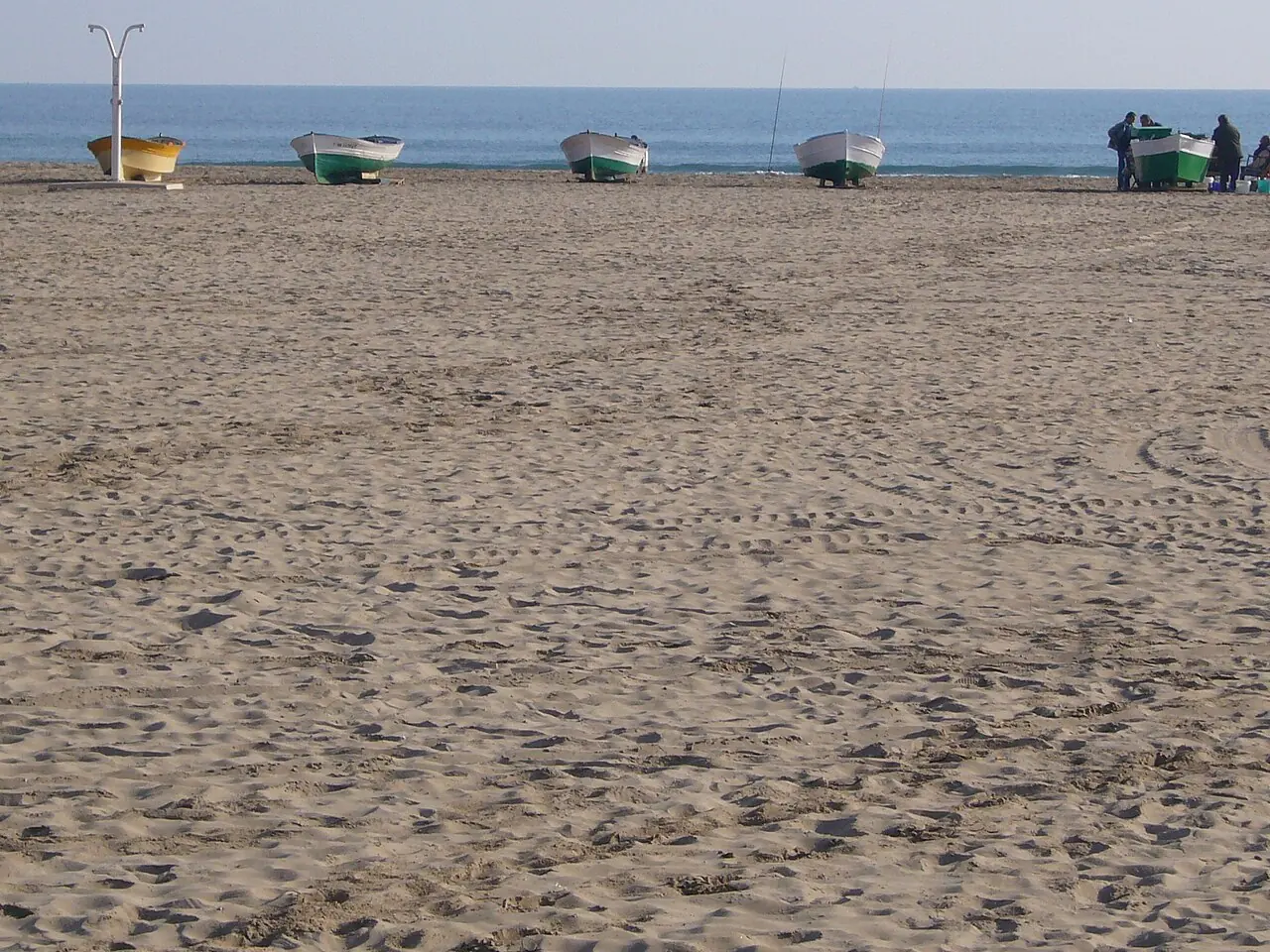
Malvarrosa gives Valencia's city visit a proper Mediterranean beach afternoon, with a long sandy shore and promenade creating a different scale from the old town. Choose a particular access and decide whether the group wants a shoreline walk, time on the sand or a meal. The beach is more enjoyable as an unhurried part of the stay than as a photograph fitted between two central museum appointments.
Use current bus or tram information to plan the complete journey, including the walk from the stop. Read bathing flags and local notices on arrival; a sunny image does not establish safe swimming conditions. Restaurants and hire services have their own terms, so inspect them before settling in. The shoreline continues towards other beach districts, but names and accommodation locations are not interchangeable. Leave enough time to return for an evening plan rather than assuming the centre is immediately behind the promenade.
Plan it well: Plan the last walk from transit and use a named beach access for pickups or meetups.
Malvarrosa Beach, Valencia: official visitor informationMake Albufera a deliberate landscape outing

Albufera offers a landscape of lagoon, rice-growing areas and protected habitats beyond Valencia's dense streets. Decide whether your main interest is a signposted walk, interpretation or a boat outing, then choose the actual starting point for that activity. The lagoon's changing light can be memorable, but weather and wildlife do not follow a guaranteed programme. Give the place time rather than treating it as one more urban monument.
The map pin identifies the lagoon as a geographic feature, not a pedestrian entrance or boat boarding point. Plan transport to a named access such as the relevant departure area and check current EMT services or operator arrangements. Boat trips and meals are separate bookings unless a product explicitly combines them. Follow protected-area rules, stay on marked routes and keep the return journey visible, especially around an evening visit. A sunset plan should not depend on an unverified last bus.
Plan it well: The lagoon pin is not an arrival point; select a real public access or confirmed boat departure.
Albufera of Valencia: official visitor informationA flexible 2-day Valencia itinerary
Day one: the old town and a garden section
Visit the working Central Market, then the Silk Exchange and cathedral quarter. Choose a tower climb only if it suits the group, finishing with a selected Turia section or the Fine Arts Museum rather than every interior.
Day two: contemporary Valencia or the lagoon
Give the City of Arts and Sciences an exterior walk and choose Oceanografic if that is your main admission. Malvarrosa makes an alternative relaxed afternoon; Albufera is a separate outing that replaces part of this plan.
Practical planning tips
Airport connection
Check current Metrovalencia airport routes, station access and service notices. The final walk to a hotel in the old town or maritime districts is a separate part of arrival.
Airport connection: official informationCity and lagoon journeys
Use current EMT information for the beach and a named Albufera access. Do not turn the lagoon's geographic pin into a transport destination.
City and lagoon journeys: official informationChoose admissions deliberately
The contemporary complex, aquarium, cathedral and towers have different arrangements. Consult each operator before combining them into a day of fixed reservations.
Choose admissions deliberately: official informationFind your base in Valencia
Choose Ciutat Vella for central walking, Ruzafa for dining and neighbourhood days, or the Alameda side for a garden-edge base. Cabanyal and Malvarrosa favour the maritime routine. Compare the exact street, nearest usable transport and room position rather than treating the whole city as one accommodation area.
Explore Valencia hotels