
Chamonix city guide
10 things to do in Chamonix
High mountain viewpoints, a glacier railway and valley villages, with practical distinctions between lift sightseeing, skiing and summer hiking.
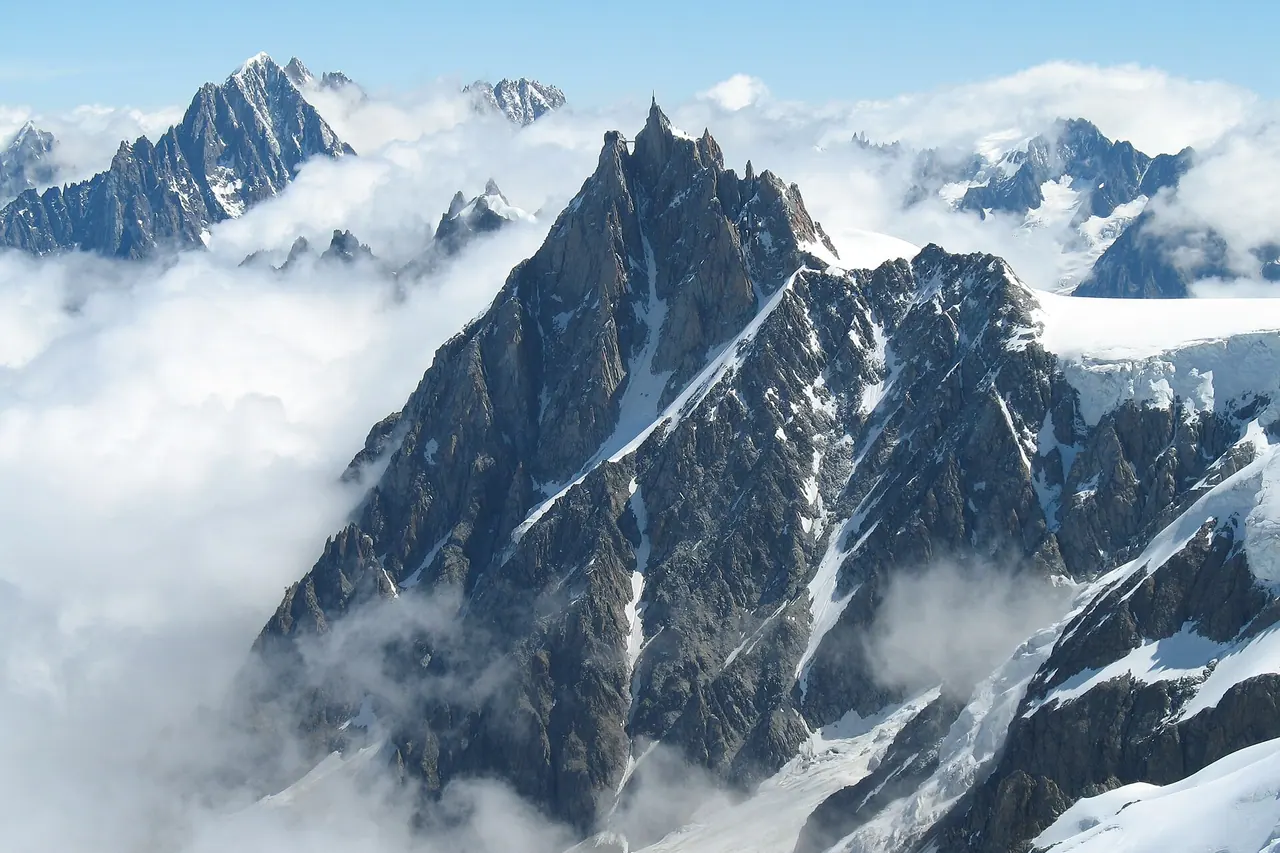
Plan your visit
Chamonix is a valley of separate villages and mountain systems, not one continuous ski-in ski-out resort. The Aiguille du Midi and Montenvers give memorable sightseeing days, while Brevent, Flegere, Grands Montets and Les Houches serve different ski plans. Leave room for a walk beside the Arve and a village outing. High lakes and glacier-side trails need their own seasonal checks; a photograph of a summer path is not a winter route instruction. Choose the mountain trip that fits the weather and the people traveling with you, then organize the valley connection.
Rise to the Aiguille du Midi
The Aiguille du Midi is the major high-altitude sightseeing trip above Chamonix. Its lift-served terraces bring the surrounding peaks into view without requiring visitors to climb a mountain route. Treat the journey as the main event of a day rather than a quick stop between errands. Clear visibility makes a considerable difference, and the temperature and exposure at the top can bear little resemblance to the streets where you boarded.
Check booking requirements, weather and the complete lift operating plan before traveling. Bring warm layers even when the valley feels mild, and read the operator's advice concerning altitude and children. The summit pin identifies the mountain, not the lower cable-car entrance. The nearby Vallee Blanche descent is glaciated mountain terrain, not a groomed beginner piste included in a sightseeing outing. Anyone considering it needs specialist planning and a qualified mountain guide, not instructions improvised from a viewing terrace.
Chamonix tourism: Aiguille du MidiRide the Montenvers railway
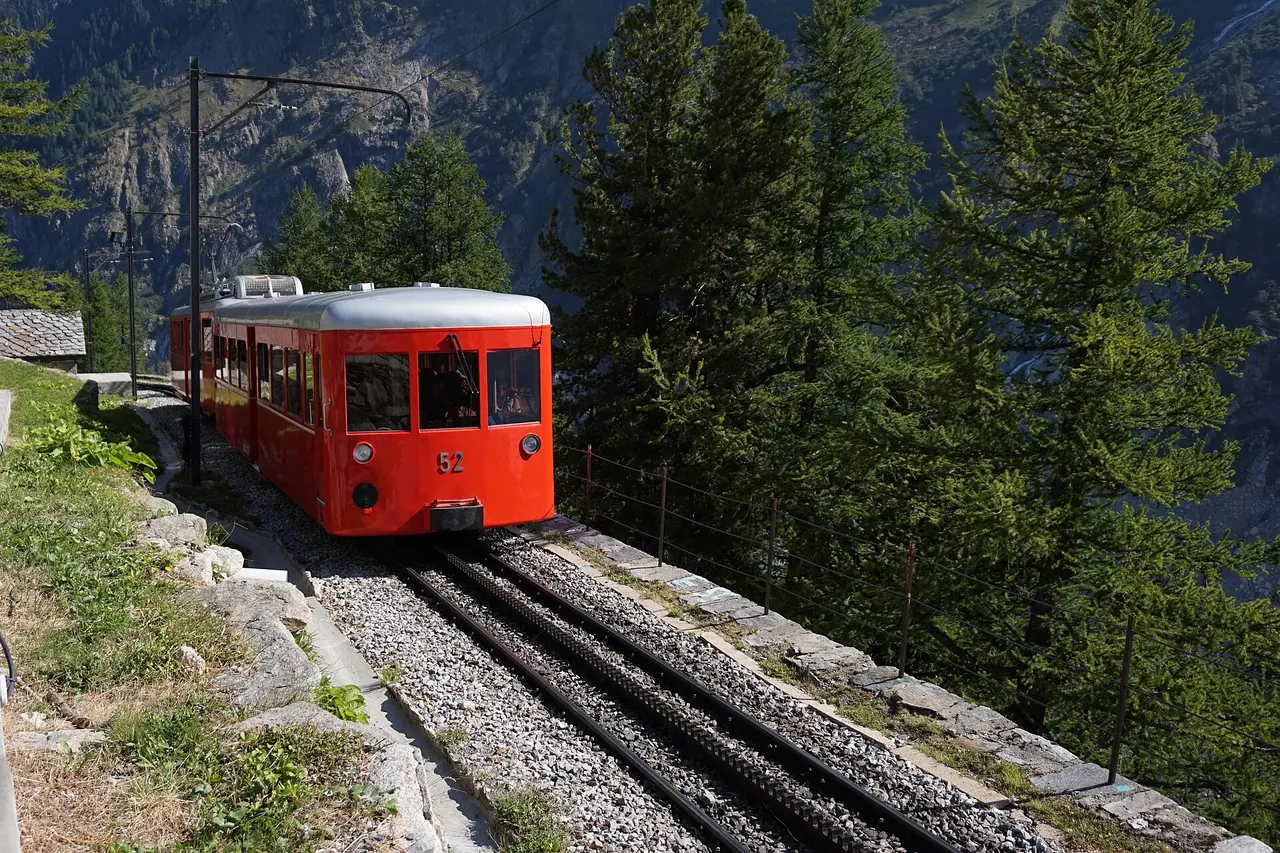
The Montenvers railway is a distinct outing from the valley's ordinary transport trains. Boarding near central Chamonix makes it a practical way to reach the glacier-side visitor site without organizing a high mountain walk. Enjoy the change from buildings and forest to the more open mountain setting, then leave time at the top instead of returning on the first possible train. It works well as an alternative to another full ski day.
Consult the current railway and visitor-site information together: the train, glacier gondola and individual attractions need not share identical opening arrangements. The map pin corresponds to the railway's lower station, which is the useful arrival point for this journey. Check the last return and any maintenance period rather than relying on an old brochure. If visiting with limited mobility, ask specifically about the facilities you want to use beyond the train. A railway ticket does not establish that walking onto the glacier is permitted or safe.
Chamonix tourism: lift informationUnderstand the Mer de Glace landscape
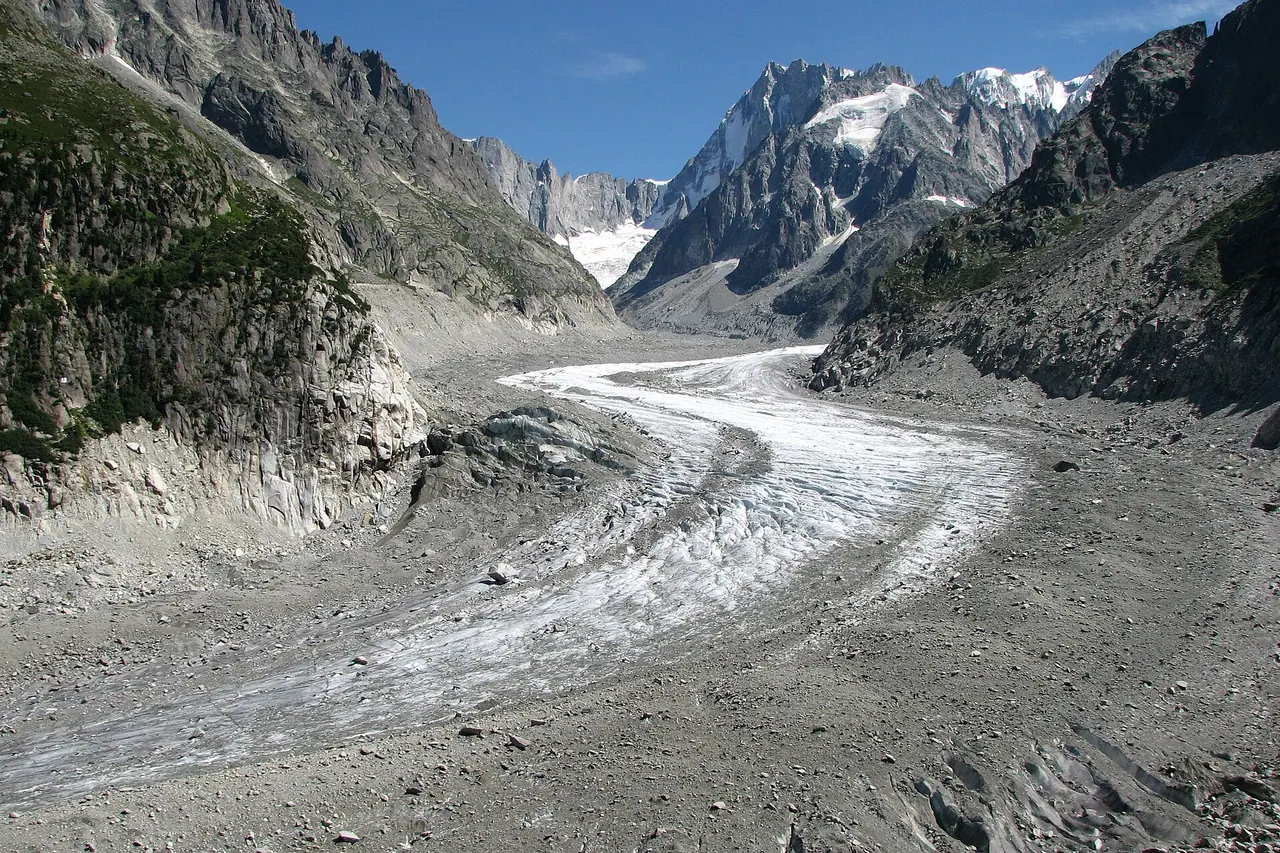
The Mer de Glace is worth seeing as a changing glacier landscape, not just as a famous name on a ticket. From the managed Montenvers visitor setting, look at the valley walls and the relationship between ice, rock and the infrastructure used to reach it. That broader view makes the outing interesting even when a particular attraction is closed. Historical photographs are useful context but should not be mistaken for the glacier's present appearance.
Use the operator's designated visitor routes and check which glacier-side facilities are accessible that day. The map marks the glacier itself, not a walking entrance or a safe place to stand on the ice. Do not leave managed paths to imitate an old photograph; glaciers are hazardous terrain and access changes over time. Pair this stop with the Montenvers railway as one coherent excursion, rather than counting the train and glacier as two separate journeys that can be squeezed around an unrelated summit trip.
Chamonix tourism: lift informationLook across to Mont Blanc from Le Brevent
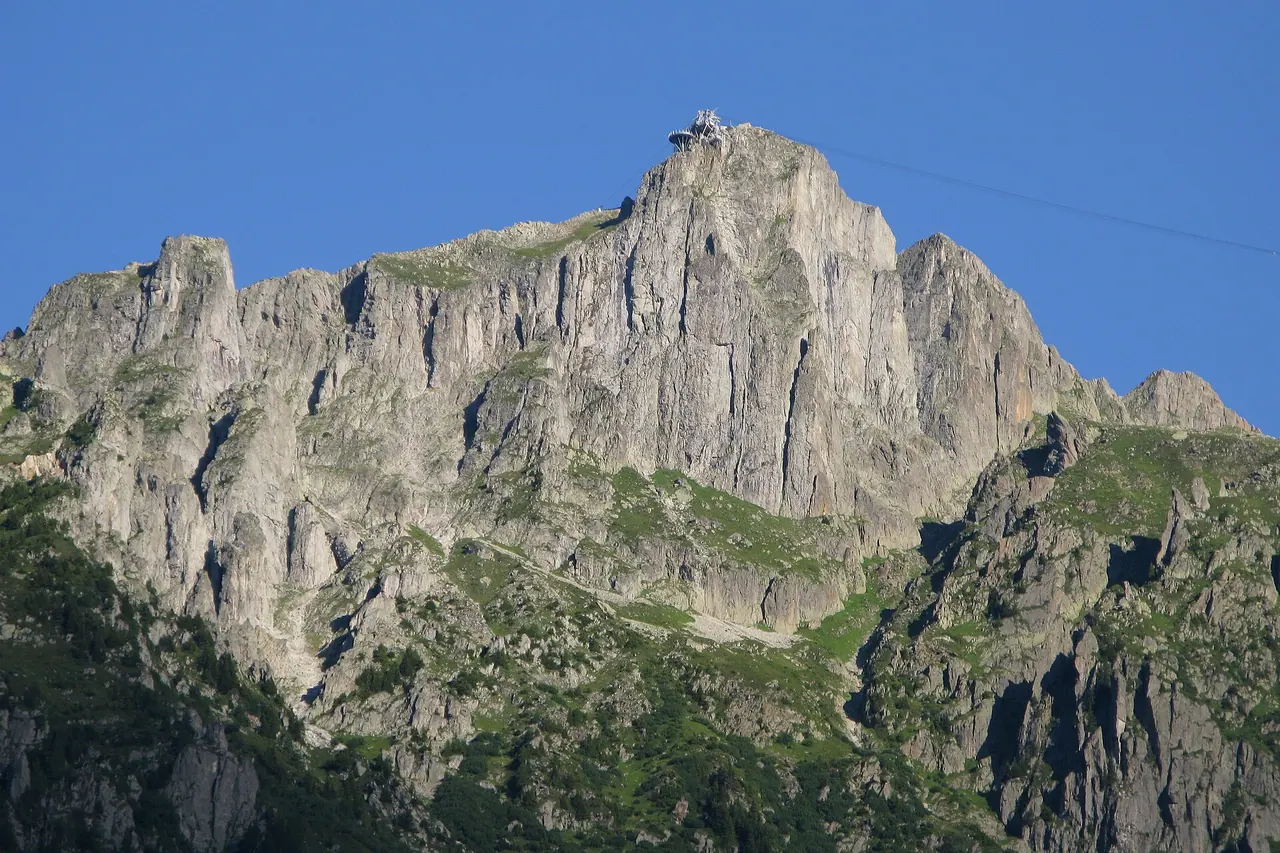
Le Brevent puts you on the opposite side of the valley from the Mont Blanc massif, making it a useful counterpoint to the Aiguille du Midi. Its lift-served setting is about looking across the mountain landscape as well as looking down toward town. In an operating ski season, Brevent and Flegere form a skiing choice of their own; for pedestrians, the sightseeing journey and any onward walk must be planned separately.
Check which stages of the lift system are running and buy a ticket suited to your intended journey. A village hotel is not automatically beside the uphill approach to the lower station, so allow for the walk or valley connection. At altitude, stick to open visitor areas and appropriate marked trails. Do not assume a summer ridge walk is suitable in snow, or that a mountain panorama implies easy skiing below it. Keep a town afternoon available if wind or cloud makes the higher journey impractical.
Chamonix tourism: lift informationSave Lac Blanc for a suitable walking day
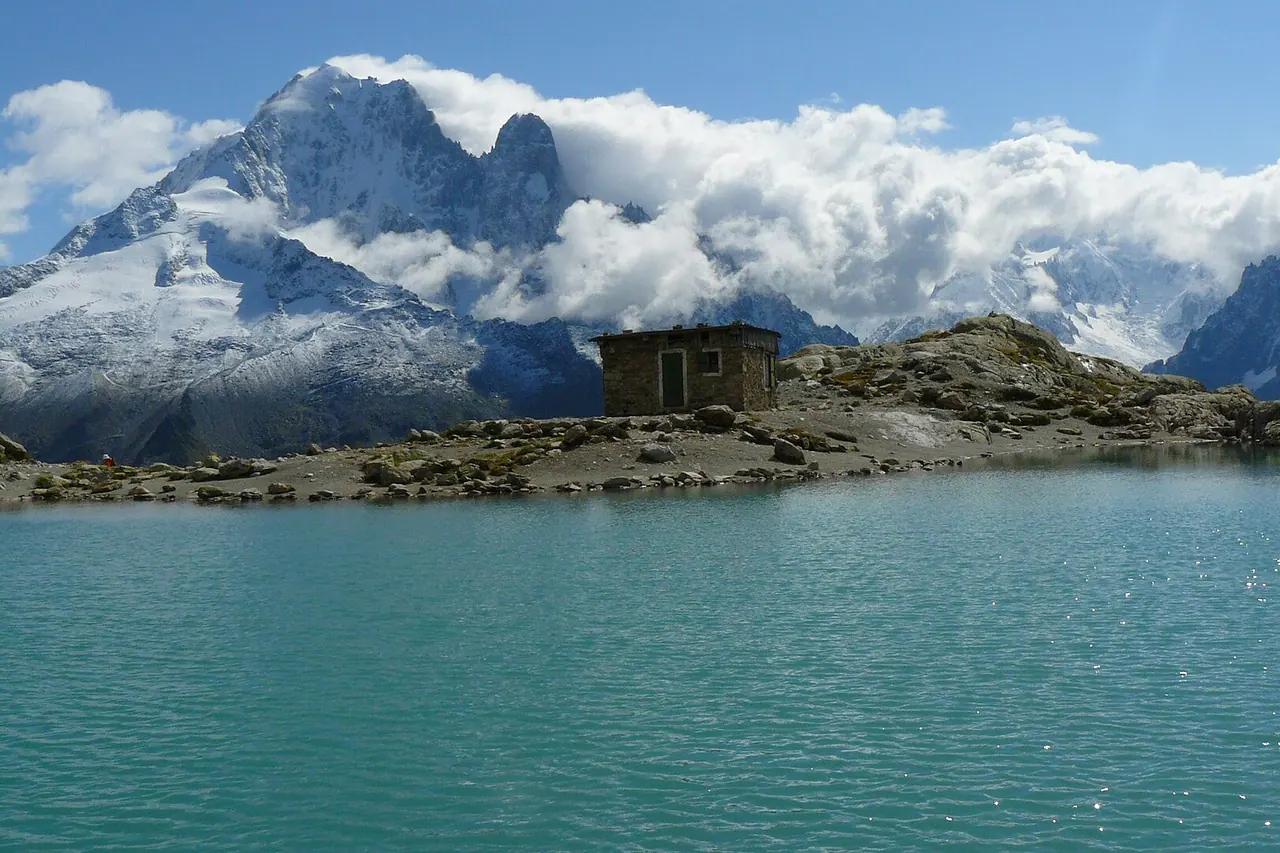
Lac Blanc is one of the valley's best-known summer walking objectives, with a mountain lake set against the Mont Blanc landscape. It appeals to photographers and walkers, but it is not a town-side stroll or a guaranteed add-on to any cable-car ticket. Choose it because your group wants a mountain walk and has the equipment and fitness for the actual route. A clear forecast is only one part of that decision.
Ask for current trail advice and check the lift timetable, snow cover and return route before leaving the valley. The tourism office specifically warns that snow can affect high paths well beyond the dates visitors expect. Do not walk onto a frozen lake or substitute an unmarked shortcut for a closed route. Bring suitable footwear and layers, and turn back when the conditions change. A winter ski holiday can still include excellent sightseeing without treating this summer lake photograph as a promise of accessible walking.
Chamonix tourism: Lac BlancWalk beside the Arve in central Chamonix
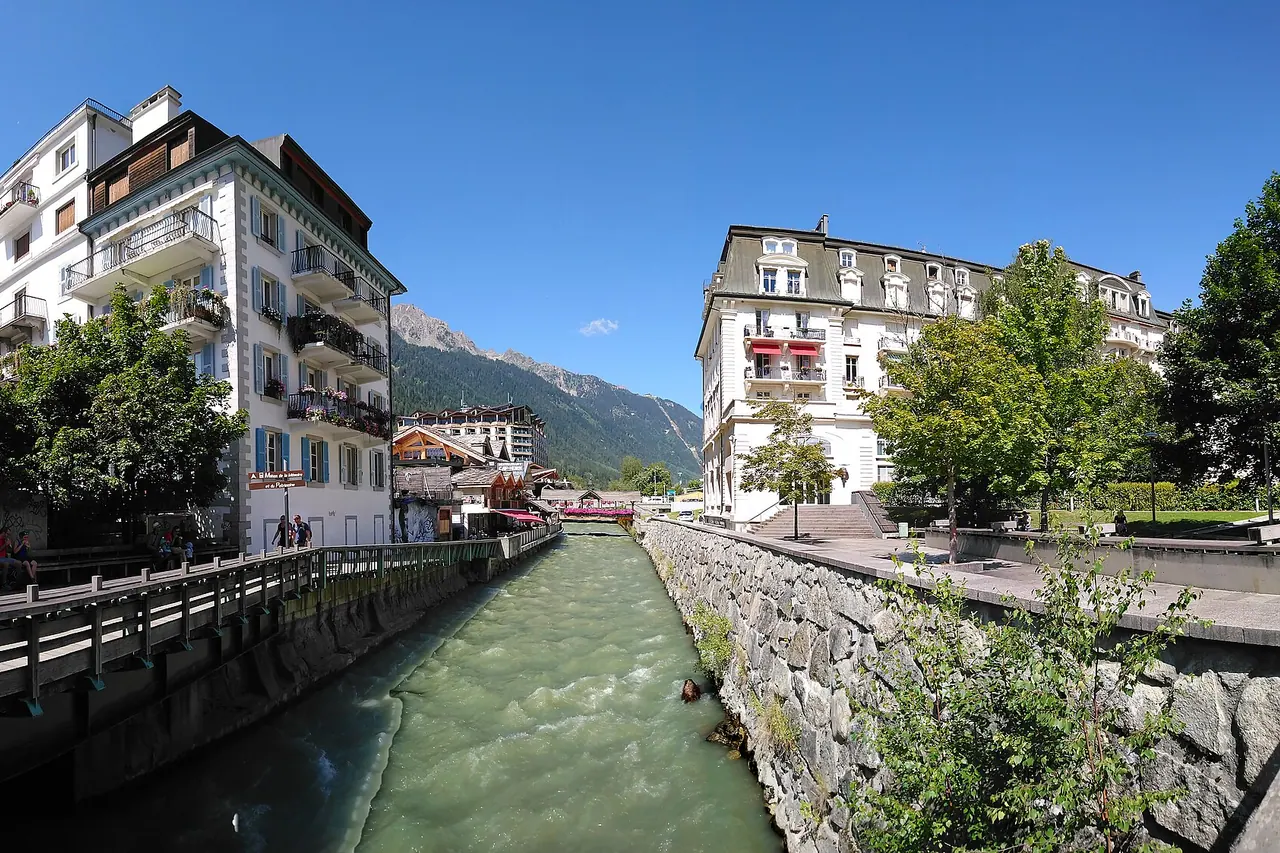
Central Chamonix deserves time between mountain journeys. Follow the Arve, pause in the town streets and look up at the peaks from a setting where cafes, shops and everyday errands remain close together. This gives a mixed group something shared to do without choosing another lift ticket. It is also the easiest way to understand how the bus stops, main station and mountain departure points relate to your accommodation.
Use the walk to organize the next day's practical details: equipment collection, a meal reservation where useful and the correct departure stop. Do not assume that everything carrying the Chamonix name is in the center; the wider valley includes several distinct villages. In winter, expect the quality of walking surfaces to vary and choose footwear accordingly. The town pin is an orientation point rather than a restaurant recommendation. An unhurried afternoon here can be a better arrival plan than committing immediately to an exposed high-altitude outing.
Chamonix municipality: the valleySee the Bossons glacier from managed viewpoints
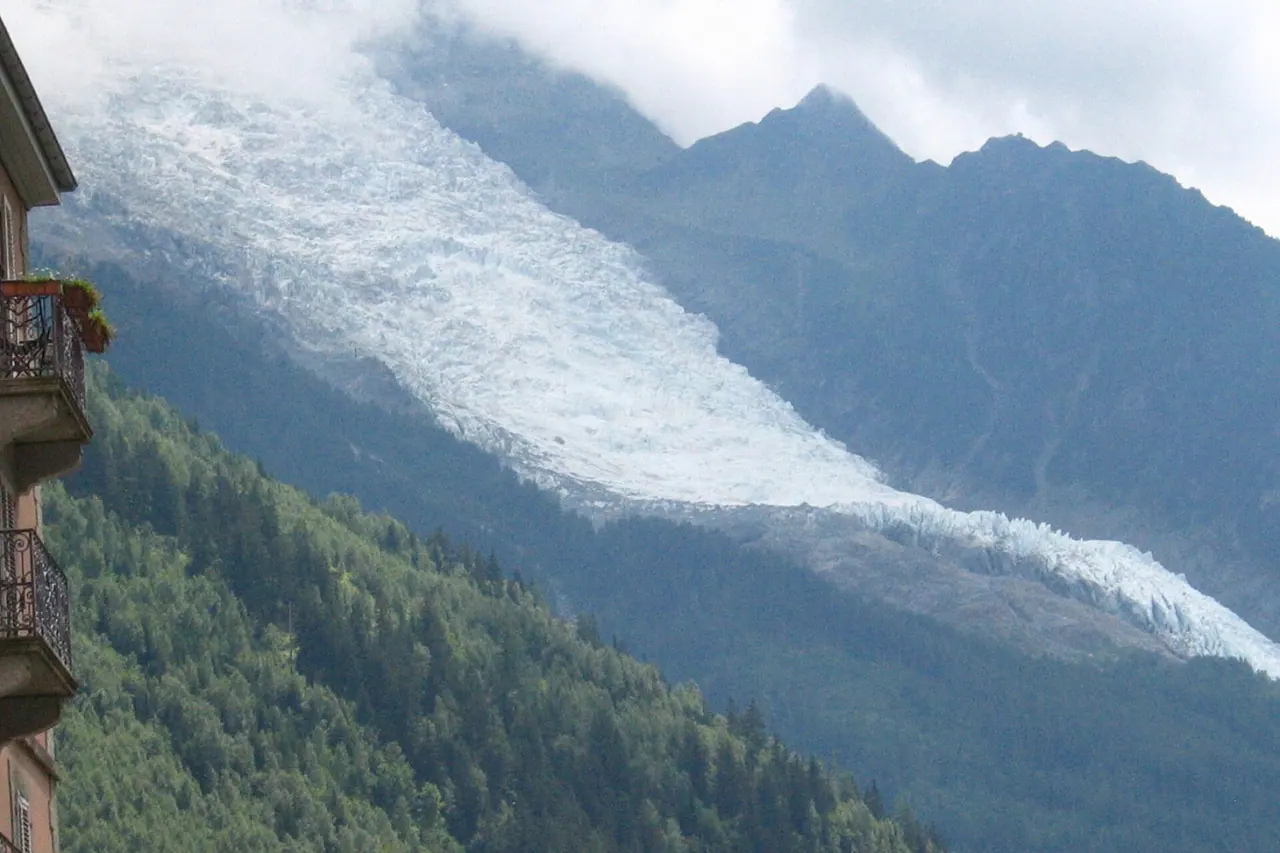
The Bossons glacier gives another perspective on the ice descending from the Mont Blanc massif. It belongs to the southern side of the Chamonix valley, so it is a separate outing from Montenvers rather than a viewpoint reached by continuing that railway journey. The appeal is the forest-and-glacier landscape, with the opportunity to compare a lower valley approach with the more exposed visitor sites higher in the mountains.
Check the tourism office's current information for the seasonal chairlift and the specific viewpoint path you intend to use. Do not assume that a summer lift operates throughout the ski season. Stay on authorized routes and away from the glacier front, which is not an ordinary walking destination. The glacier pin identifies the natural feature, not a car park or trail start. If access is unsuitable, enjoy a valley view instead of searching for a closer unmarked route through the forest.
Chamonix tourism: lift informationSpend time in Les Houches
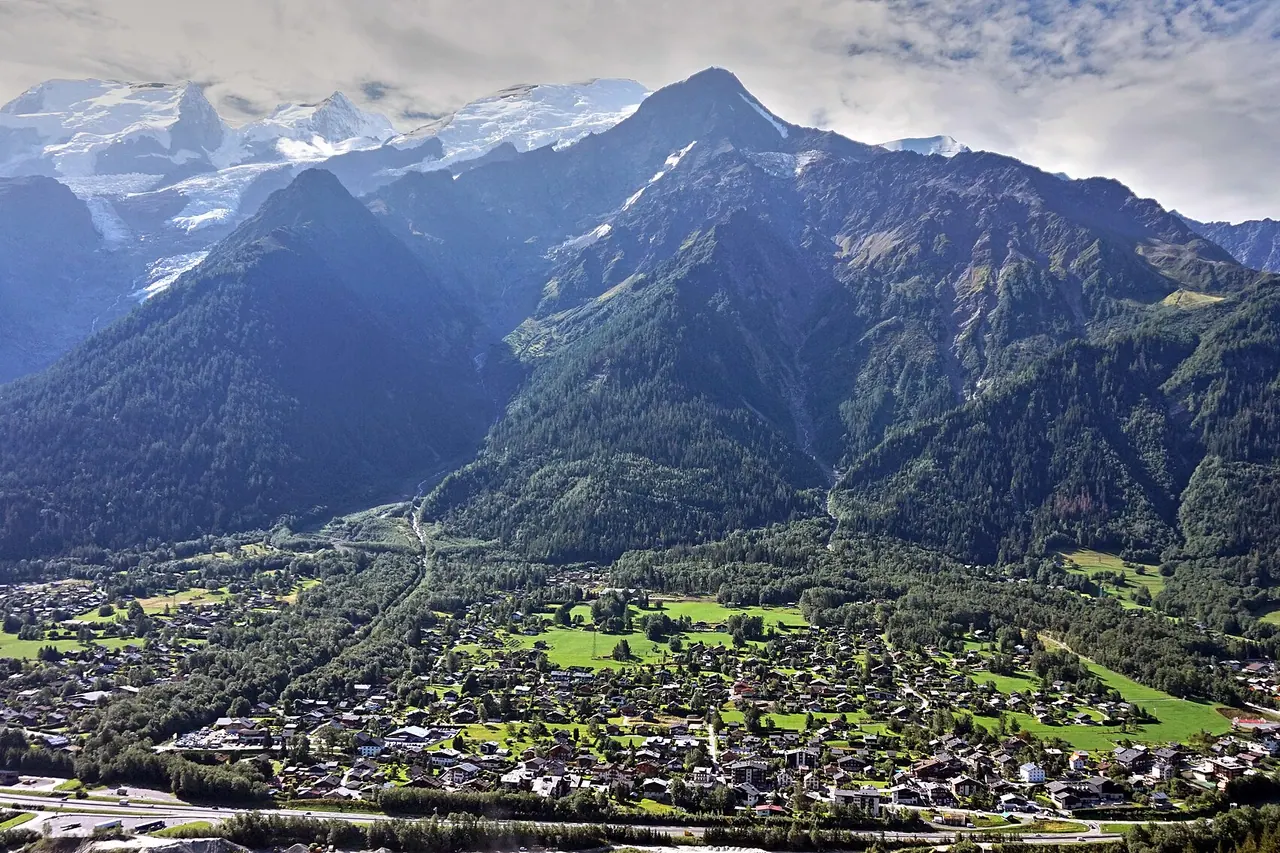
Les Houches is a village and ski base down the valley from central Chamonix, with a more settled village feel than a summit sightseeing site. It makes sense as an outing when you want a walk, lunch and a look at another part of the valley. For skiers, its own lift access and wooded mountain setting deserve a separate plan rather than being treated as the end of a continuous piste network from Chamonix.
Select the appropriate departure point for your activity: village streets, the Bellevue lift and the Prarion base are not interchangeable addresses. Check the relevant pass coverage and return transport before traveling. A short village visit can be made without committing to skiing; a ski day needs its own equipment and lesson arrangements. The map marks Les Houches village, not a particular lift or hotel entrance. If you are comparing accommodation here, walk the final stretch from the candidate property to the service you will actually use.
Chamonix tourism: Les Houches skiingVisit Argentiere and its mountain setting
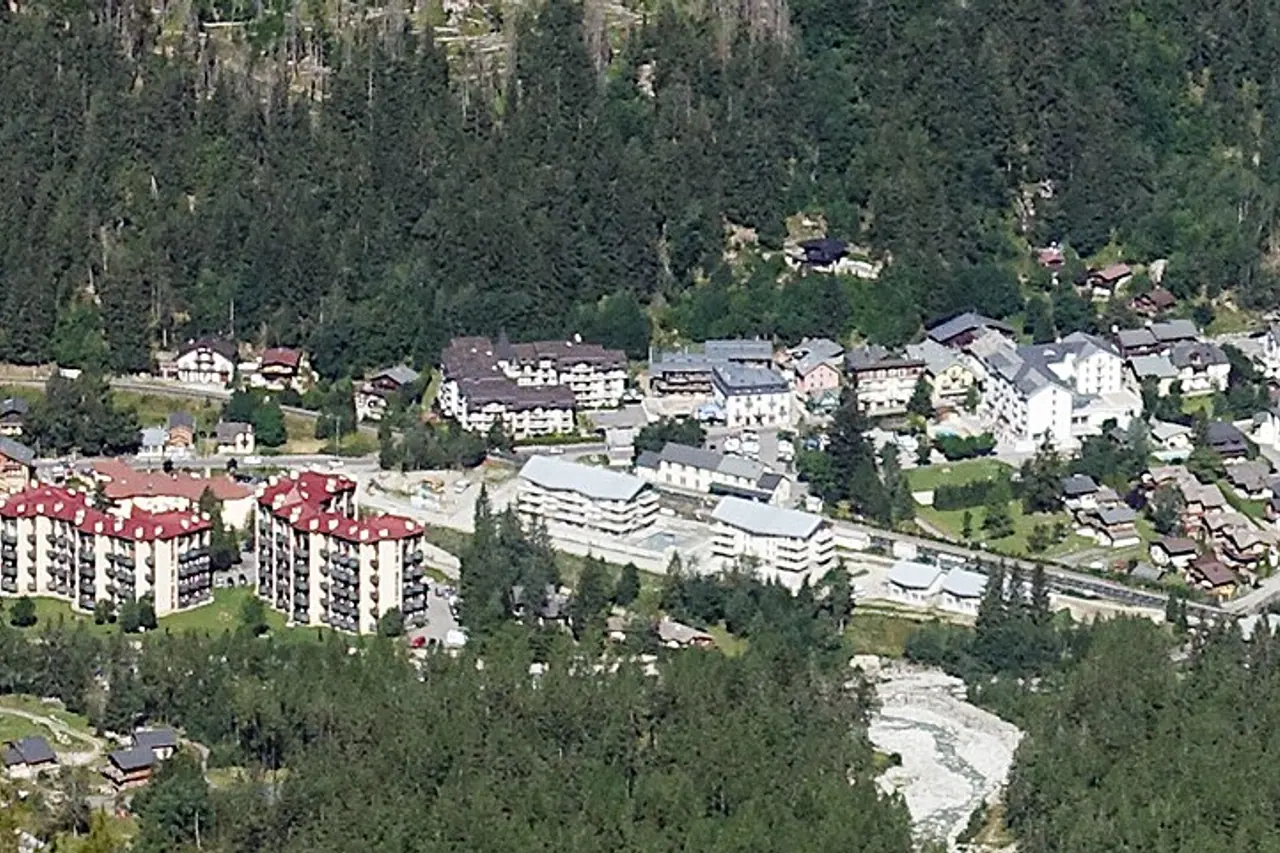
Argentiere is a distinct upper-valley village, with the mountains of the Grands Montets shaping its identity. A visit here gives a useful contrast to central Chamonix's busier shopping streets. Spend time around the village before moving on to the lift base; the place makes sense as a settlement as well as a departure point. For a ski holiday, its position can be attractive when this particular mountain area is central to your plans.
Check the current Grands Montets access and operating information rather than using an older map as a promise that every lift is available. The ski area and village station are separate points, and the last walk depends on where you arrive. Use the valley bus or rail timetable to plan the return, especially after an evening meal. The map pin marks the village itself. Do not infer terrain difficulty, snow conditions or a direct piste connection to other valley ski areas from its proximity to the mountains.
Mont Blanc Natural Resort: Grands Montets accessTake a village outing to Vallorcine
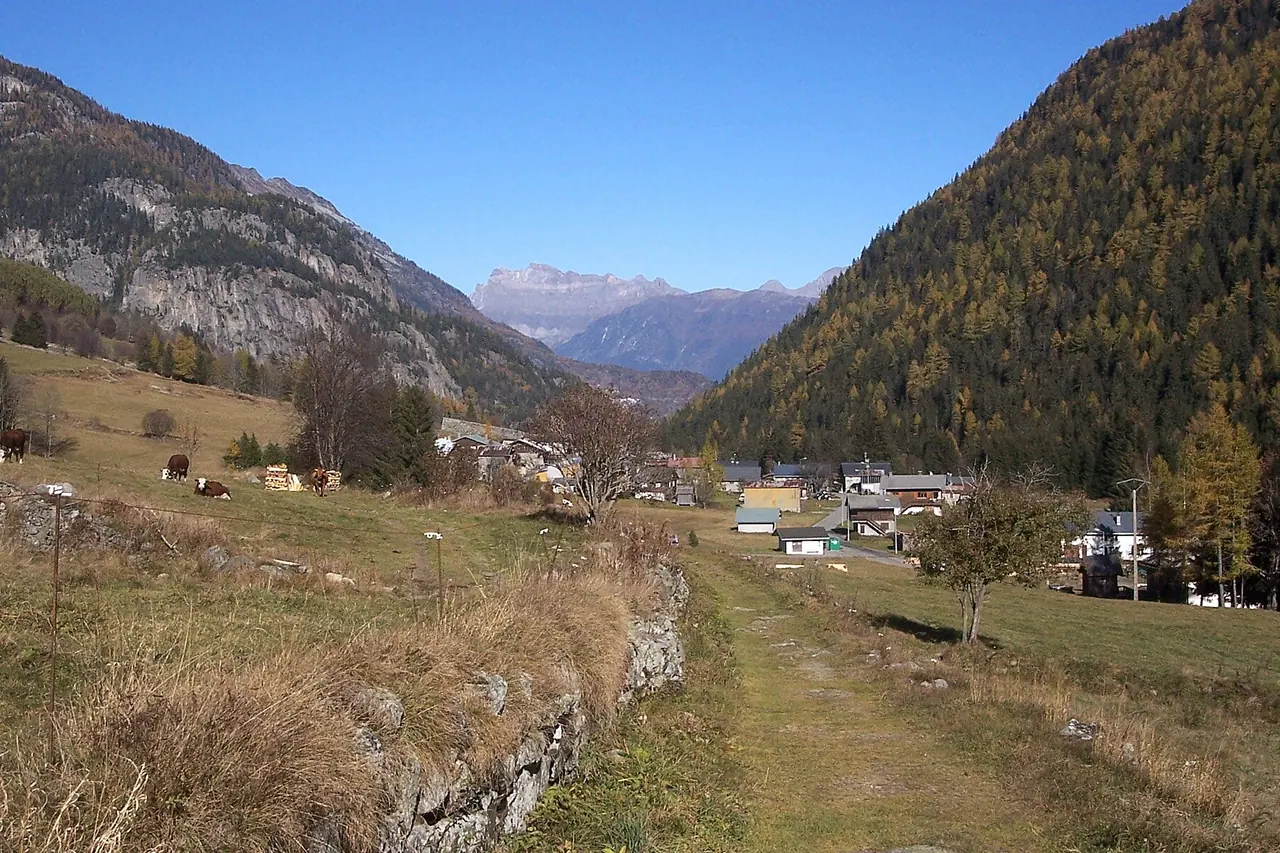
Vallorcine lies toward the upper end of the French valley and is a worthwhile choice for a quieter village outing. The setting feels different from central Chamonix, with open ground and scattered settlement beneath the mountains. Arriving by the valley railway can be part of the experience when services are running. Walk within the village and keep the mountain scenery as context rather than turning a simple excursion into an unplanned high-altitude hike.
For skiing, investigate the Balme access independently and check the lift status and pass you need. For a non-ski visit, verify which village services are open and when the last useful train or bus returns. Road movement over the Col des Montets can require its own conditions check. The village pin does not identify a ski-school meeting point. Allow a relaxed visit rather than trying to cover Vallorcine, Argentiere and a major summit in one afternoon simply because they share a valley address.
Chamonix municipality: the valleyA flexible first-visit plan
First afternoon
Walk central Chamonix beside the Arve, locate your actual bus or rail stop and organize the next day's equipment or sightseeing ticket.
Clear mountain day
Choose Aiguille du Midi or Brevent according to current operations and your group. Keep the afternoon light rather than promising both summits.
Second outing
Use Montenvers and its managed glacier visitor areas, or plan a village day in Les Houches or Argentiere. Lac Blanc needs a separate suitable walking season.
Before you go
One valley, several ski areas
Choose the mountain area first, then confirm the pass and transport. Do not assume the principal ski areas are joined by continuous pistes.
Rail and bus rules differ
Check guest-card rail eligibility and current bus fares separately. A historic statement that all valley transport is free is not reliable planning.
Glacier routes are specialist terrain
The Vallee Blanche is not a groomed sightseeing descent. Use a qualified mountain guide and appropriate equipment for any glaciated itinerary.
Choose a base for your actual mountain days
Choose a Chamonix base by the mountain departures you expect to repeat. Central Chamonix suits dining and mixed sightseeing; Les Praz puts Flegere into the conversation, while Argentiere, Les Houches and Vallorcine favor different ski areas. Servoz is a genuine valley village but adds a connection before skiing. Check the hotel entrance, stop and lift base together: the valley name alone says very little about the morning journey.
Explore Chamonix hotels