
Lyon city guide
Where to stay in Lyon
Compare Lyon's river peninsula, Renaissance lanes, silk-workers' hill, park-side streets, modern Confluence, cinema-led Monplaisir and practical Part-Dieu.
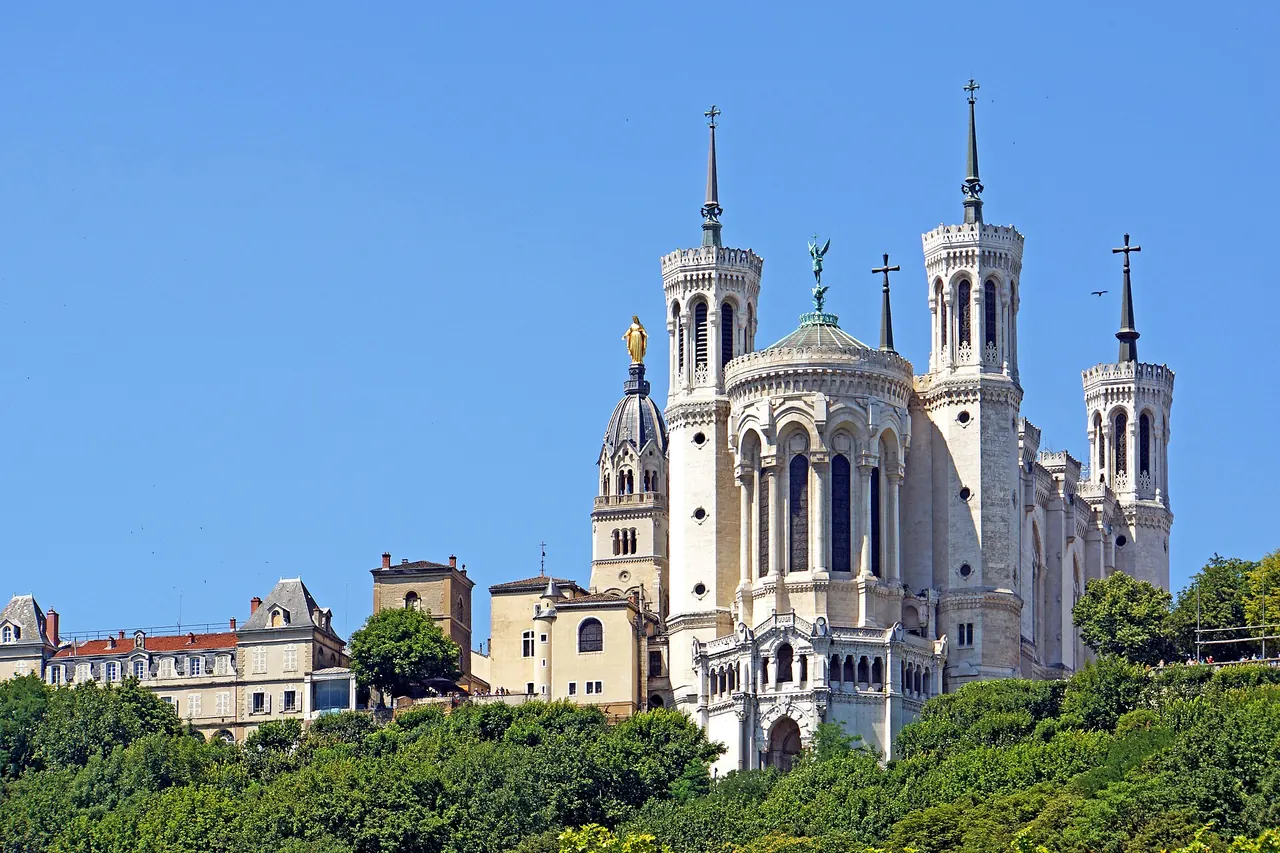
Plan your visit
In Lyon, being central can mean a flat peninsula, a cobbled lane beside the Saone or a steep street above it. The right base depends on whether you want to walk between sights, linger over neighbourhood meals, give children park time or make a train departure uncomplicated. These seven choices separate those routines rather than treating every hotel near the centre as interchangeable.
Choose your base
Choose the Presqu'ile for a first visit with both rivers and several metro options; Vieux Lyon for Renaissance streets. Croix-Rousse adds markets and a hill, while the sixth arrondissement puts the park first. Confluence favours contemporary architecture, Monplaisir suits cinema and neighbourhood days, and Part-Dieu makes rail and airport connections the organising principle.
Presqu'ile: first visits with flexible sightseeing
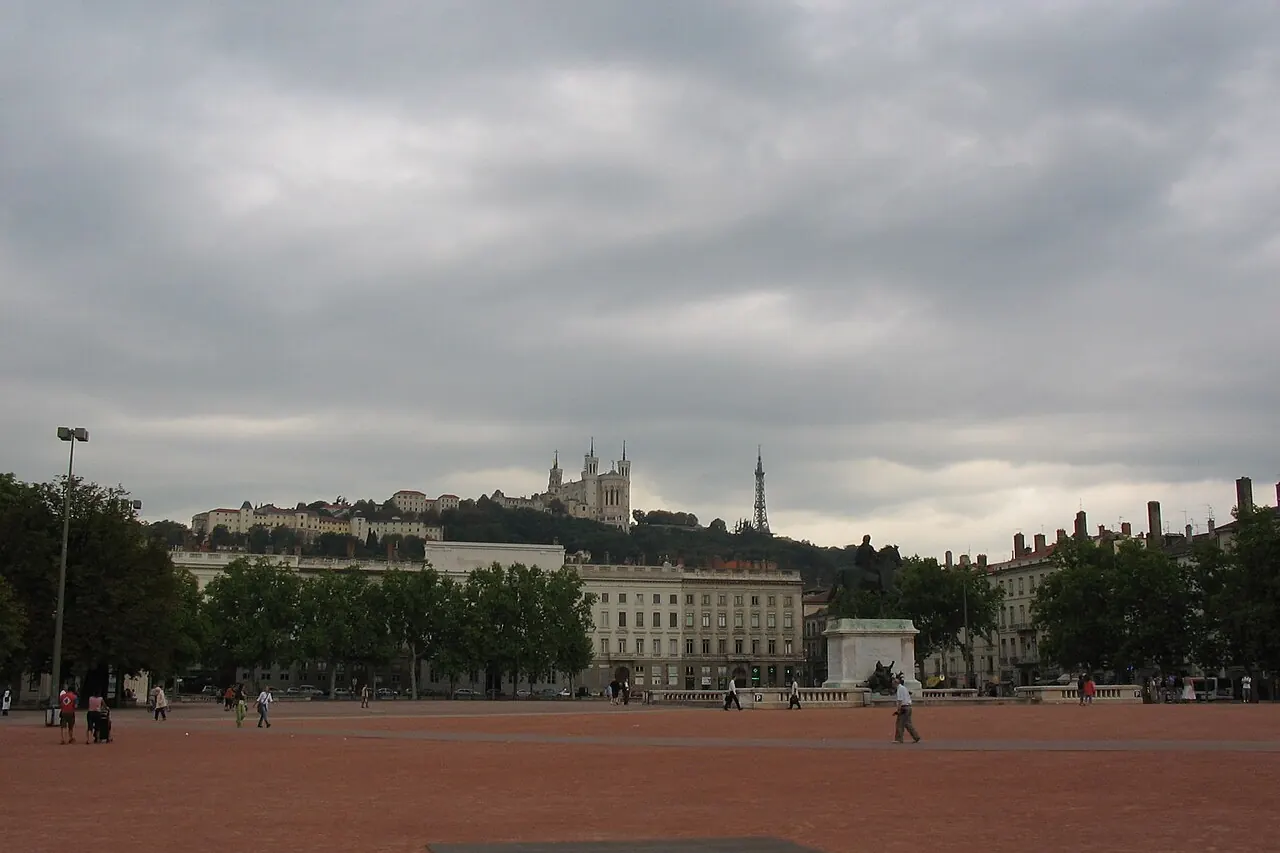
Bellecour, the Jacobins and the streets towards Cordeliers make the Presqu'ile a useful first-visit base: the Saone and Rhone frame walks rather than separate excursions. Rue de la Republique supplies the shopping axis, the Grand Hotel-Dieu adds restaurants and courtyards, and the northern end brings the Fine Arts Museum and opera within your daily circuit. For a less retail-led setting, look towards Ainay rather than assuming every peninsula address has the same atmosphere.
TCL's Bellecour station joins metro A and D; Cordeliers and Hotel de Ville serve other parts of the peninsula on A. Airport arrivals still require the Rhonexpress connection through Part-Dieu or La Soie, not an airport train at Bellecour. Restaurant streets and the larger squares attract evening activity, so a central address does not guarantee an undisturbed room. Choose Vieux Lyon for older lanes, or the sixth arrondissement when a park matters more than shopping. Check the exact station walk before choosing a hotel near the southern end.
Plan it well: The image and pin show Place Bellecour, a central reference point rather than the boundaries of the peninsula.
Lyon tourism: the Presqu'ile districtVieux Lyon: Renaissance streets and historic atmosphere
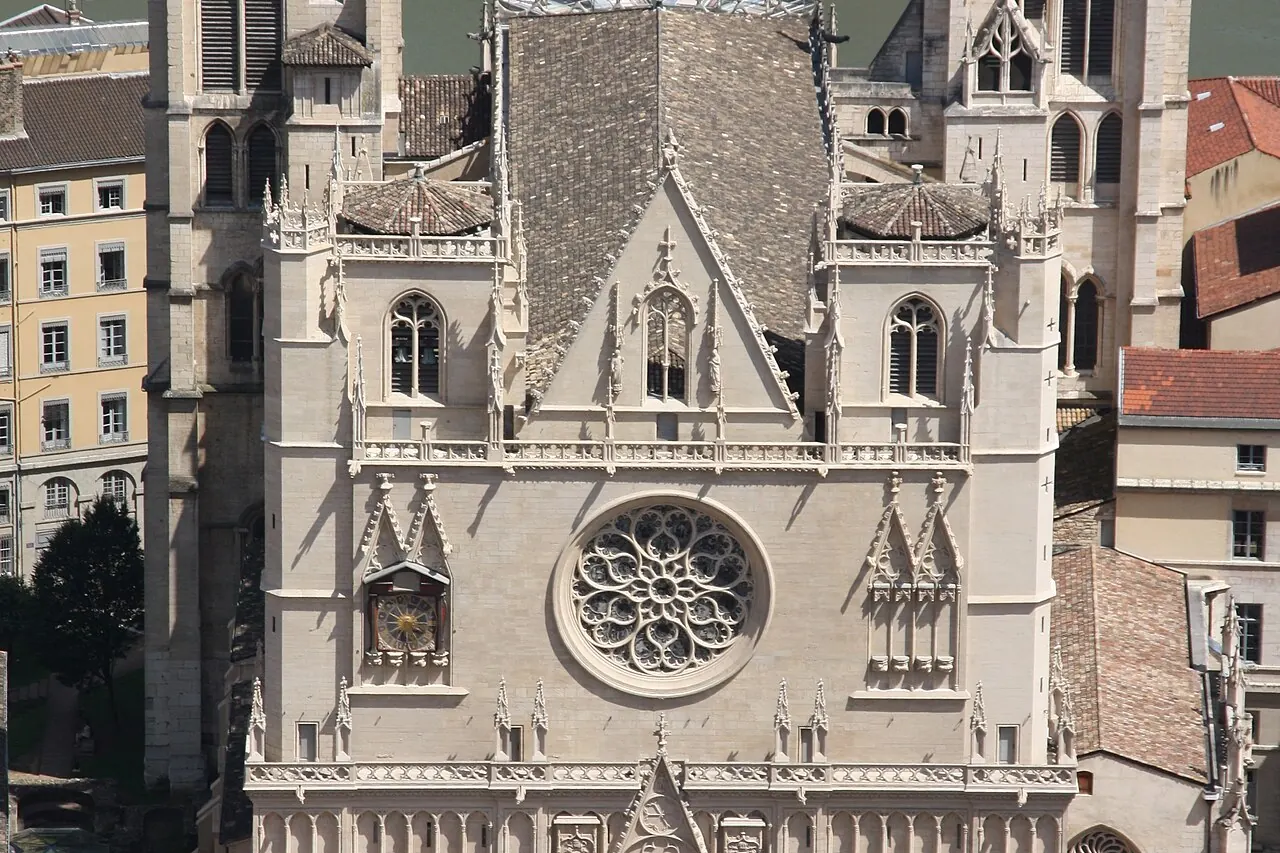
Saint-Jean puts the cathedral, Rue Saint-Jean and the Cinema and Miniature Museum into the same small walking circuit. Continue towards Saint-Paul for Gadagne's museums or south into Saint-Georges for another view of the riverside neighbourhood. Bouchons and small shops fit naturally between courtyard visits. This is a strong choice when returning to a historic street is part of the pleasure of the trip, rather than simply somewhere you visit once.
Vieux Lyon station is on TCL metro D and is the starting point for the hill's funiculars. From an airport arrival at Part-Dieu, the remaining journey involves city transport and a final walk; compare the actual door with the station, especially near Saint-Paul. Cobbles, pedestrian restrictions and hillside addresses make luggage and step-free access more consequential here. Dining lanes can also be lively outside bedroom windows. Choose the Presqu'ile if easier movement between several districts matters more, and do not mistake a Fourviere hillside property for a level Old Town stay.
Plan it well: The pin and photograph identify Saint-Jean Cathedral; hillside hotels can have a very different approach.
Lyon tourism: the Old Lyon districtCroix-Rousse: markets, independent shops and longer stays
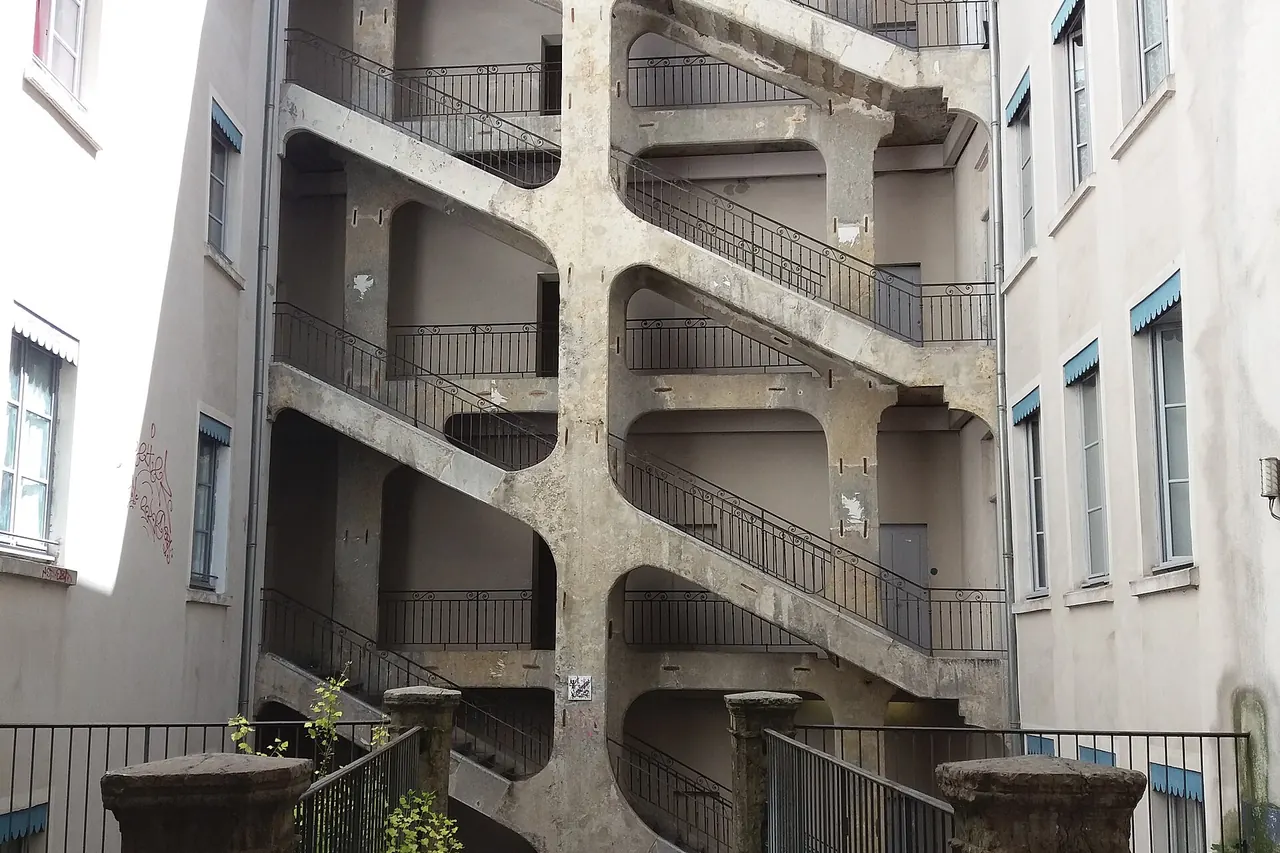
Croix-Rousse rewards travellers who want a neighbourhood routine beyond the central monuments. On the plateau, the boulevard's market and cafe-lined squares sit among former silk-workers' buildings; lower down, the Pentes offer designer shops, street art and the Cour des Voraces. Those two settings are related but not interchangeable: a plateau address makes shopping and breakfast feel local, while a room on the slopes places you nearer the creative streets rising from the centre.
TCL metro C climbs from Hotel de Ville through Croix-Paquet to Croix-Rousse. Pick the station that matches your address rather than assuming the neighbourhood name means a level walk; airport access adds a connection from Rhonexpress and the city network. Steep streets and stairs are the real compromise, particularly with luggage, a buggy or repeated returns during the day. Bar-facing rooms on the Pentes can also be lively. Choose Bellecour for flatter cross-city sightseeing or park-side Lyon for green space without making the hill your daily journey.
Plan it well: The Cour des Voraces photo and pin are on the slopes, not on the Croix-Rousse plateau.
Lyon tourism: Croix-RousseSixth arrondissement and Tete d'Or: park time and neighbourhood restaurants
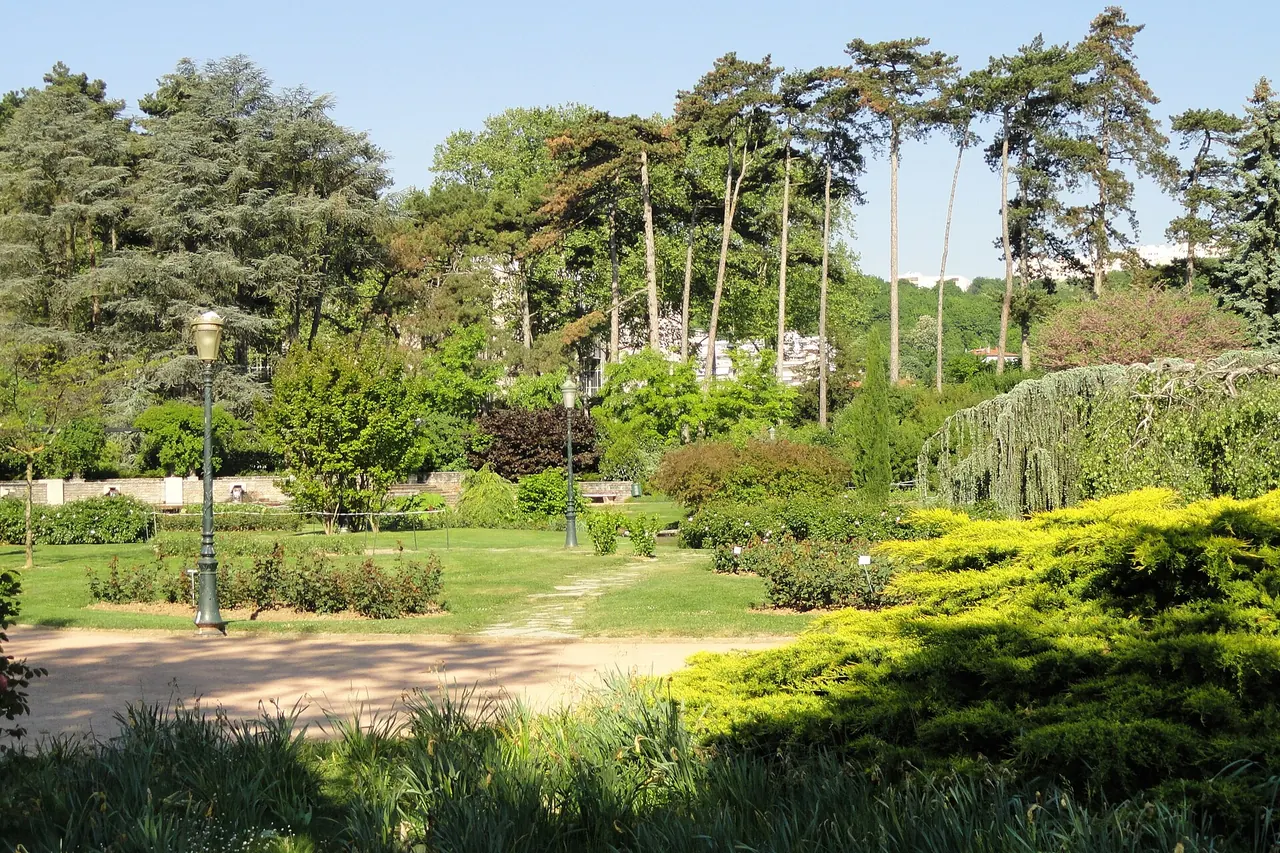
The sixth arrondissement suits a stay with room for the lake, paths and gardens of Parc de la Tete d'Or between museum days. Towards Brotteaux, the former station building and surrounding streets add an architectural walk and restaurant choices; Cours Vitton supplies shops and places to stop for coffee. This is not the same experience as staying beside Bellecour: your immediate surroundings are the east-bank neighbourhoods, with the historic centre reached deliberately rather than continuously.
TCL metro A at Massena or Foch and metro B at Brotteaux are useful options, depending on which side of the district you choose. B also connects with Part-Dieu for Rhonexpress airport arrivals. The park is large and its entrance is not beside every hotel advertising Tete d'Or, so measure the walk to an actual gate as well as the station. Wider roads and restaurant frontage can still bring traffic or evening noise. Pick the Presqu'ile for a compressed sightseeing weekend, and choose this base when park access will genuinely shape your days.
Plan it well: The photograph and pin show the park itself; hotel access depends on the nearest usable entrance.
Lyon tourism: park and Brotteaux neighbourhood walkConfluence: contemporary architecture and riverside days
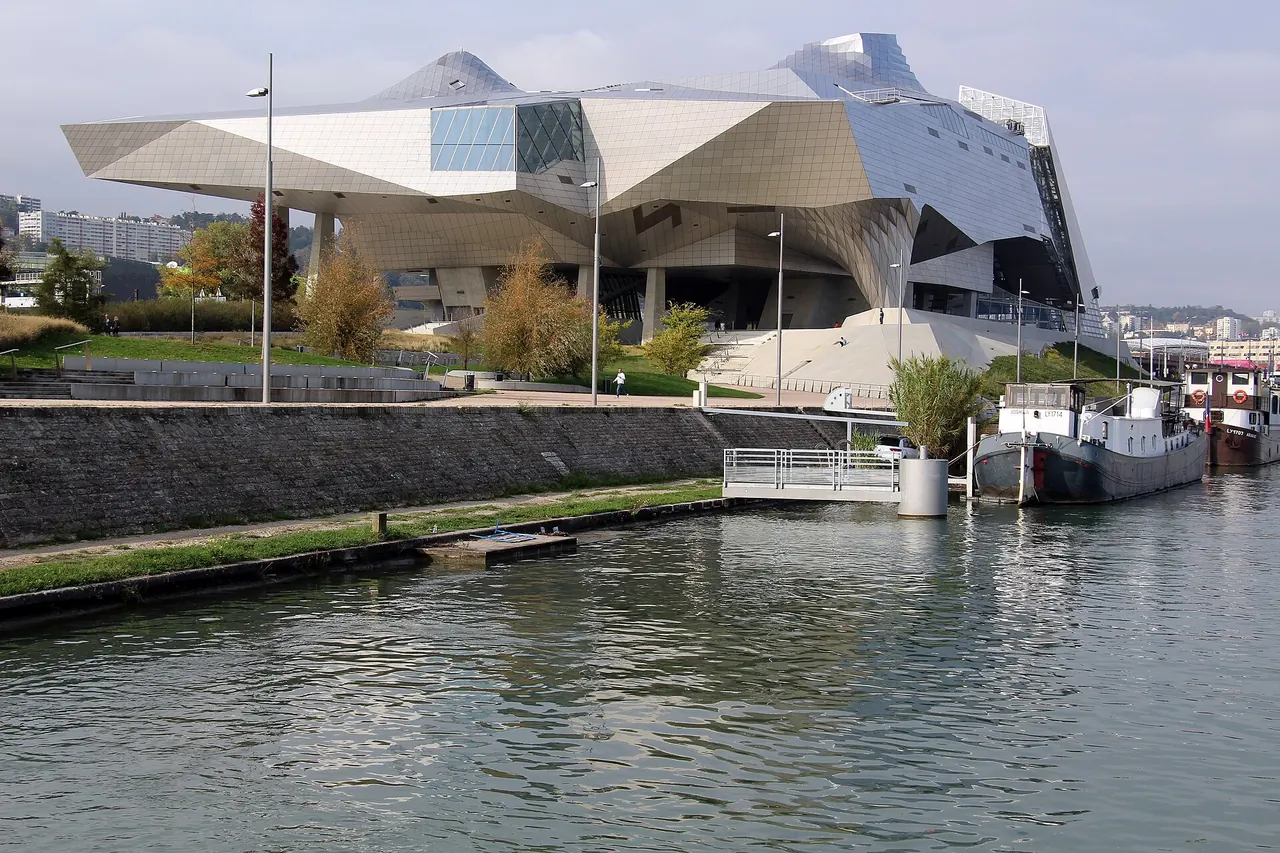
Confluence is Lyon's modern southern peninsula, where former industrial land has become waterside housing, cultural spaces and striking architecture. The Musee des Confluences gives the district a major reason to stay; Quai Rambaud, La Sucriere and the Orange Cube turn a riverside walk into something quite different from Vieux Lyon. The shopping centre and food venues such as Heat provide alternatives to planning every evening around the older restaurant streets.
TCL tram T1 follows the district towards the museum, while T2 reaches Montrochet; Perrache connects onward with metro A. For an airport arrival through Part-Dieu, allow for the city leg rather than reading a southern-peninsula address as a central interchange. The district stretches a long way below Bellecour, and an attractive river-facing hotel can mean repeating tram journeys for the Fine Arts Museum or Old Town. Large redeveloped blocks also feel different from intimate historic lanes. Choose the Presqu'ile for maximum walking flexibility, or Confluence when modern buildings and riverside space are part of the purpose.
Plan it well: The museum pin marks Confluence's southern end, not every hotel in the district.
Lyon tourism: the Confluence districtMonplaisir: cinema, local shopping and a slower base
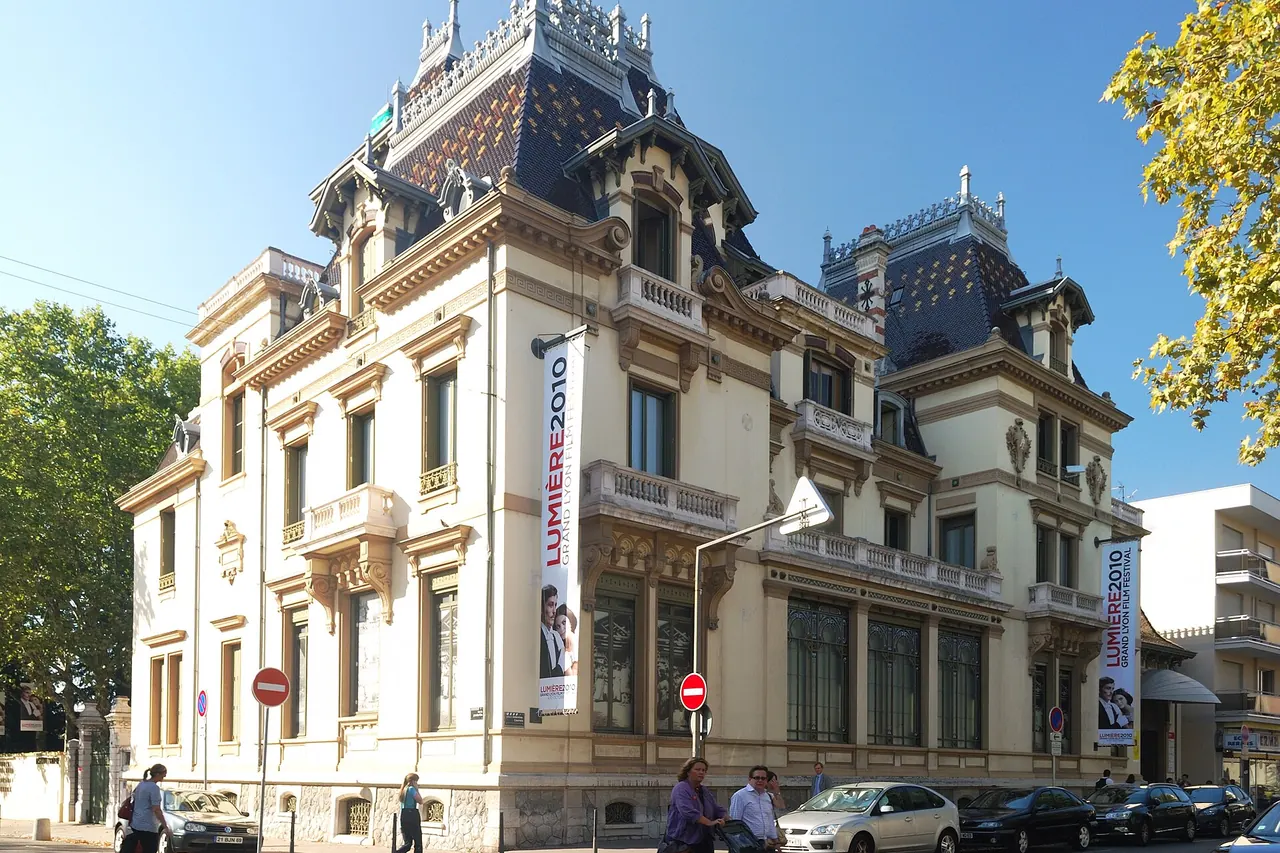
Monplaisir puts the beginnings of cinema into an everyday neighbourhood. The Institut Lumiere and its villa sit beside Place Ambroise-Courtois, while Avenue des Freres Lumiere offers the shops and cafe stops that make a longer stay feel less like a circuit of headline sights. Choose it when a film visit matters and you enjoy returning to a lived-in square rather than to the city's most photographed streets.
Monplaisir-Lumiere station on TCL metro D gives a direct city link to Bellecour and Vieux Lyon. Airport travel still needs the Rhonexpress and city-network connection; the district is not beside the airport just because it lies east of the centre. The trade-off is distance from the two rivers and a smaller concentration of major attractions at the door. A road-facing room can also feel more urban than the village-like square suggests. Pick Vieux Lyon for Renaissance architecture, or Part-Dieu when a short stay revolves around an early train rather than neighbourhood time.
Plan it well: The Institut Lumiere pin and photograph identify the neighbourhood's cinema landmark.
City of Lyon: Monplaisir neighbourhoodPart-Dieu: rail arrivals and work-led visits
Part-Dieu is a practical choice when the station, an office meeting or the airport transfer will shape your stay. Westfield's shops, the Auditorium and the municipal library give the district things to do beyond catching a train; the Halles de Lyon Paul Bocuse, towards Cours Lafayette, make a food-led detour possible without crossing into the Old Town. The useful distinction is between a station-facing overnight stop and a longer stay nearer the western streets.
Rhonexpress departs on the Villette side of the station, while TCL metro B serves Gare Part-Dieu on the city network. Check which exit matches your hotel: being near Part-Dieu does not remove the need to cross the complex. Broad roads, office blocks and heavy arrival traffic are the price of this convenience, and the Renaissance sights remain another journey away. Choose the Presqu'ile for an evening built around walking between restaurants and monuments, or Brotteaux for a neighbourhood setting while retaining a connection to the station.
Plan it well: The pin marks the railway station; Rhonexpress and metro access are on different sides.
Lyon tourism: Part-Dieu districtArrive in the right part of Lyon
Airport connection
Rhonexpress links Saint-Exupery with Part-Dieu and lists La Soie among its stations. At Part-Dieu, follow signs to the Porte Alpes/Villette side; the onward metro, tram or walk is a separate part of reaching your neighbourhood.
Rhonexpress: station accessMatch the hotel to the station
Use TCL's current network maps to compare the actual address with Bellecour, Vieux Lyon, Croix-Rousse, Brotteaux, Monplaisir-Lumiere or Part-Dieu. Check service notices for the date of travel, especially when a tram or funicular is essential to your plan.
TCL: current network mapsFind your Lyon base
Compare Lyon hotels on Roomundo, then check the address against your chosen station, river crossing or park entrance. A suitable neighbourhood is more useful than a central label that hides your daily route.
Explore Lyon hotels