
Nice city guide
A romantic Nice stay: sea light, old-town markets and Riviera gardens
Plan Nice for two around the Promenade des Anglais, Castle Hill, Vieux Nice, Cimiez, the port and quieter Riviera viewpoints.
Plan your visit
Nice combines a working Mediterranean city with the light and landscape of the Riviera. The sea is always close, but the most rewarding stay moves between the waterfront, Vieux Nice, hilltop gardens, art collections and neighbourhoods beyond the busiest promenade. This guide helps couples use the coast without reducing the city to a beach, connecting markets, museums, viewpoints and evening routes in a practical two-day plan.
Use the coast and hills to give the stay a rhythm
Nice works best when the Bay of Angels is treated as an orientation line rather than the entire itinerary. Keep one half-day for the waterfront and Vieux Nice, another for art and gardens in Cimiez, and a later block for the port or Mont Boron. Start popular outdoor areas before the heat and use museums, lunch or a hotel pause in the middle of the day. This structure preserves the sea as a recurring pleasure while revealing the city's Italianate old town, Belle Epoque layers and quieter residential heights.
Plan it well: The waterfront is flat, but Castle Hill, Cimiez and Mont Boron add climbing. Use public transport uphill and walk down when conditions are comfortable.
Explore Nice Cote d'Azur: official visitor portalWalk the Promenade, then see the bay from Castle Hill
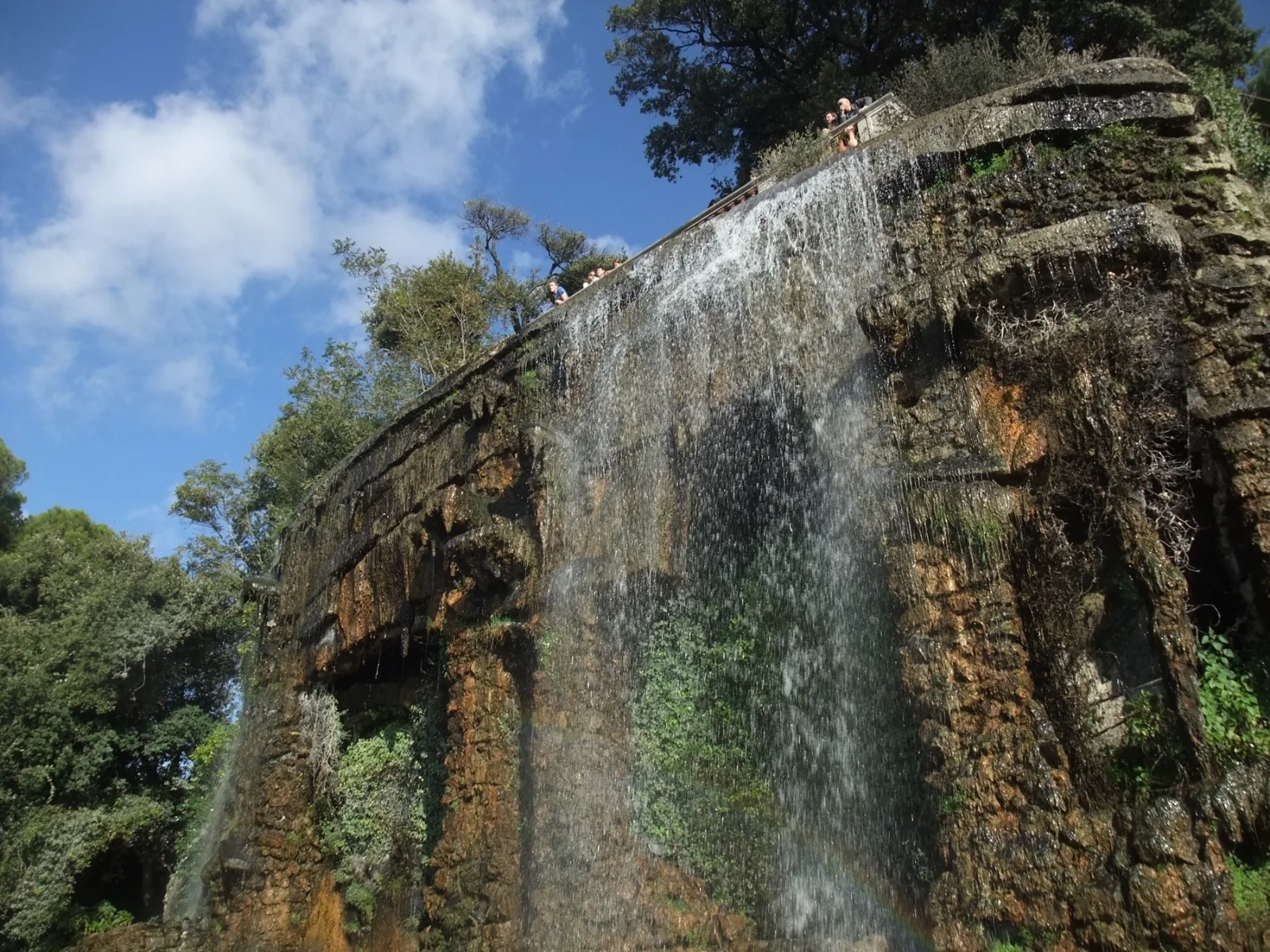
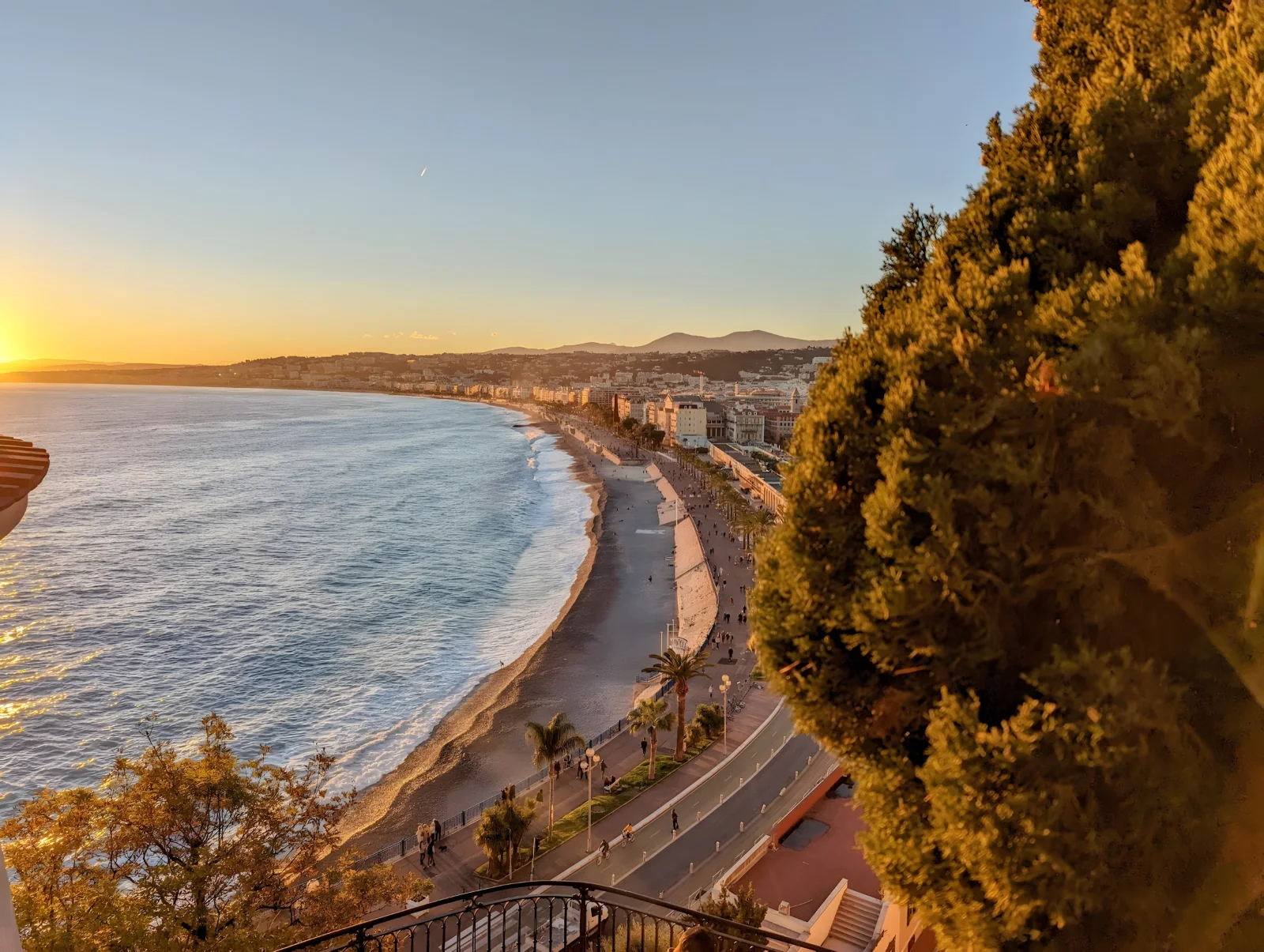
A promenade walk is most rewarding in the cooler morning or before sunset, when the colour of the bay changes and the waterfront feels less exposed. Continue towards Castle Hill for a higher view over Vieux Nice, the beach and the port, using the lift when available or taking the stairs at a measured pace. The hill is a public park, not only a viewpoint: allow time for shaded paths and the waterfall area. Check closing times before going up, because access gates may close earlier than the surrounding streets.
Plan it well: The beach is pebbled and can have strong shore break. Follow local flags and lifeguard instructions; do not enter rough water for a photograph.
Explore Nice Cote d'Azur: Castle Hill and waterfrontVisit Cours Saleya as a market, not just a backdrop
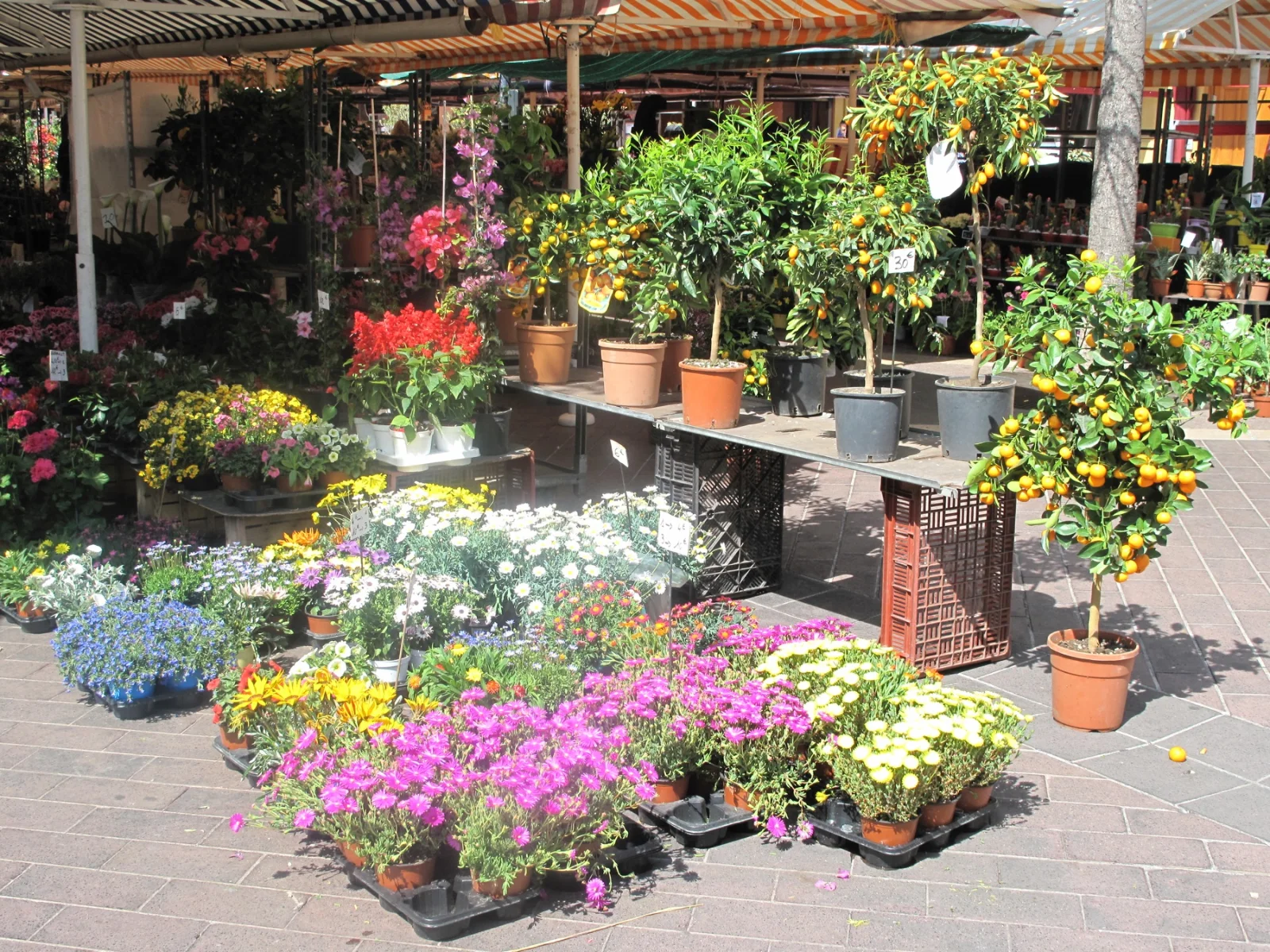
Cours Saleya introduces the flavours and working routines of Vieux Nice through flowers, fruit, vegetables and regional products. Visit while the market is active, then continue through a small number of old-town streets rather than trying to cover every lane. Look for baroque church interiors, shaded squares and food associated with Nice, but choose vendors on quality and opening hours rather than queues alone. The area becomes busier later, so reserve an evening table if a specific restaurant matters and leave room for a slow walk back towards the sea.
Plan it well: Market schedules vary by day and season. Arrive early, keep passageways clear and ask before photographing vendors or produce displays.
Explore Nice Cote d'Azur: markets and Vieux NiceGive Cimiez time for both art and gardens
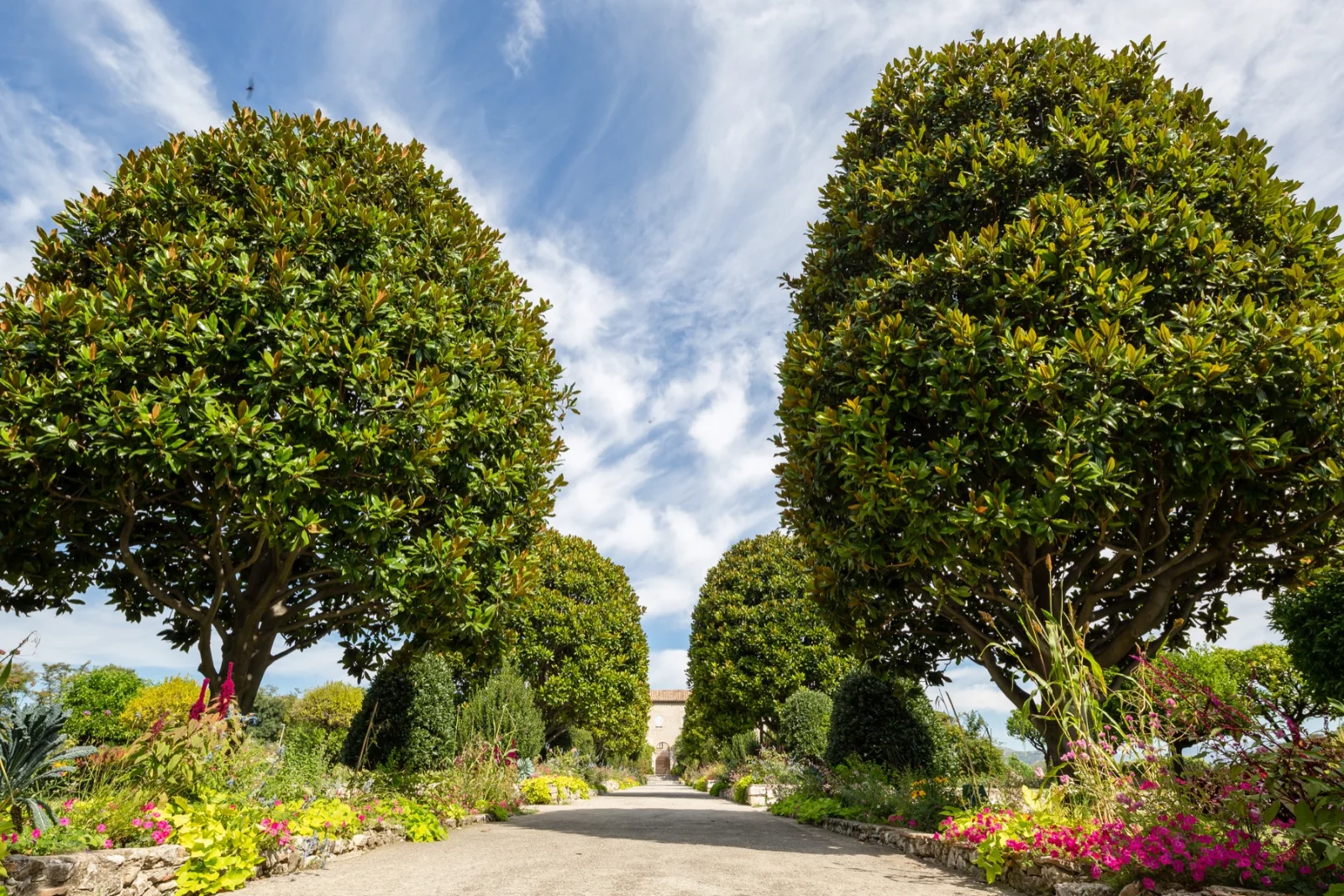
Cimiez provides a calmer counterpoint to the waterfront, combining the Matisse Museum, archaeological remains, monastery gardens and a neighbourhood shaped by former grand hotels. Choose one main museum and leave enough time for the surrounding landscape, especially the olive grove and garden viewpoints. The Matisse collection is most meaningful when approached through colour, studio practice and the artist's long relationship with Nice, not as a quick name on a list. A bus journey uphill and a gradual walk through the district create a more comfortable shared afternoon.
Plan it well: Check museum closure days and temporary exhibitions. The district is uphill from the centre, so use the bus and avoid placing a tight dinner reservation immediately afterwards.
Musee Matisse Nice: official informationContinue from the port towards Mont Boron for a quieter horizon
Port Lympia shows Nice as a maritime city through working quays, colourful facades and routes towards the eastern coast. Walk the accessible harbour edge, pause where public space allows and continue by bus or on foot towards Mont Boron according to fitness and weather. Higher viewpoints can reveal Cap Ferrat and the wider coastline, but the area deserves a daylight visit with a clear return. Couples seeking a shorter evening can remain near the port for dinner and use the tram back instead of adding a late hill walk.
Plan it well: Mont Boron paths and roads vary in steepness and lighting. Use marked routes, keep away from cliff edges and plan the return before dark.
Explore Nice Cote d'Azur: port and Mont BoronBuild a balanced two-day stay and keep one evening open
On day one, walk the Promenade in the cooler morning, explore Cours Saleya and Vieux Nice, then use Castle Hill for late-afternoon views before dinner. On day two, travel uphill to Cimiez for art and gardens, rest, and finish around Port Lympia or a secure Mont Boron viewpoint. If swimming matters, treat it as a separate weather-dependent activity rather than assuming the sea is always calm. Keep one evening unscheduled for a neighbourhood meal, a concert or simply returning to the waterfront when the light and energy feel right.
Plan it well: Validate current Lignes d'Azur fares and last services before travel. Keep an offline hotel route and a light layer for breezy waterfront evenings.
Lignes d'Azur: official public transport