
Nice city guide
Where to stay in Nice
Compare old-town lanes, the tram-connected centre, seafront hotels, the port, Liberation and Cimiez, with an airport-side option for genuinely transport-led stays.
Plan your visit
Nice has two important axes for a hotel stay: the coast and the tram-connected streets inland. A sea-facing room may be less convenient for Nice-Ville trains than a central address; a local market quarter offers a different morning from Vieux Nice. These seven bases include six sightseeing-oriented choices and a clearly practical airport-and-rail option.
Choose your base
Pick Vieux Nice for historic lanes and market mornings, or Jean Medecin and Massena for a flexible first visit. The Promenade around Gambetta favours a seafront stay; the port suits dining and maritime scenery. Liberation puts an everyday food market nearby, while Cimiez favours hillside museums. Arenas and Saint-Augustin make sense when flight or rail logistics outweigh central-city atmosphere.
Vieux Nice: historic lanes, market mornings and lively evenings
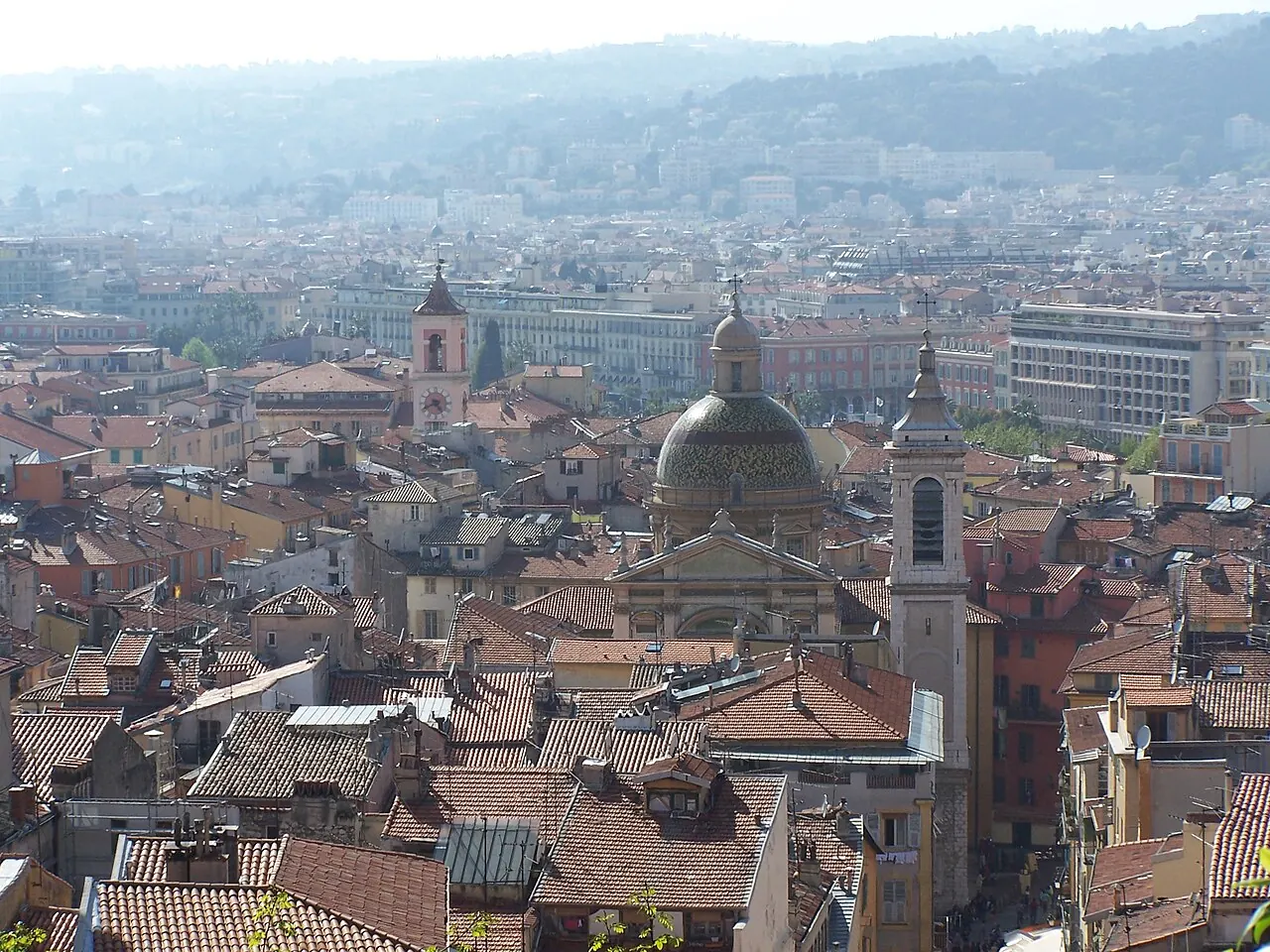
Vieux Nice suits a stay in which the neighbourhood is part of the sightseeing. Cours Saleya, the cathedral around Place Rossetti and the small streets leading towards Castle Hill give you a dense mix of food shopping, cafes and historic buildings. There is a strong evening restaurant scene, but narrow streets mean one address can feel very different from the next. Choose it for returning to the old town on foot, not for easy vehicle access to every entrance.
Lignes d'Azur tram 1 serves the old-town edge at Cathedrale-Vieille Ville, while airport tram 2 serves Garibaldi-Le Chateau on the northeastern approach outside the lanes. Check which stop best serves the actual property before carrying bags across the quarter. Nice-Ville station is another connection rather than an old-town doorstep. The compromise is concentrated visitor activity, restaurant noise in some streets and potentially stepped or lift-limited older buildings. Choose the Jean Medecin corridor for station-led convenience, or Cimiez if evenings in a residential hillside setting matter more than market and bar access.
Plan it well: The Vieux Nice area pin does not show vehicle access to a narrow lane; confirm the entrance before arriving with luggage.
Nice Cote d'Azur tourism: Vieux NiceJean Medecin and Massena: a flexible first visit with tram access
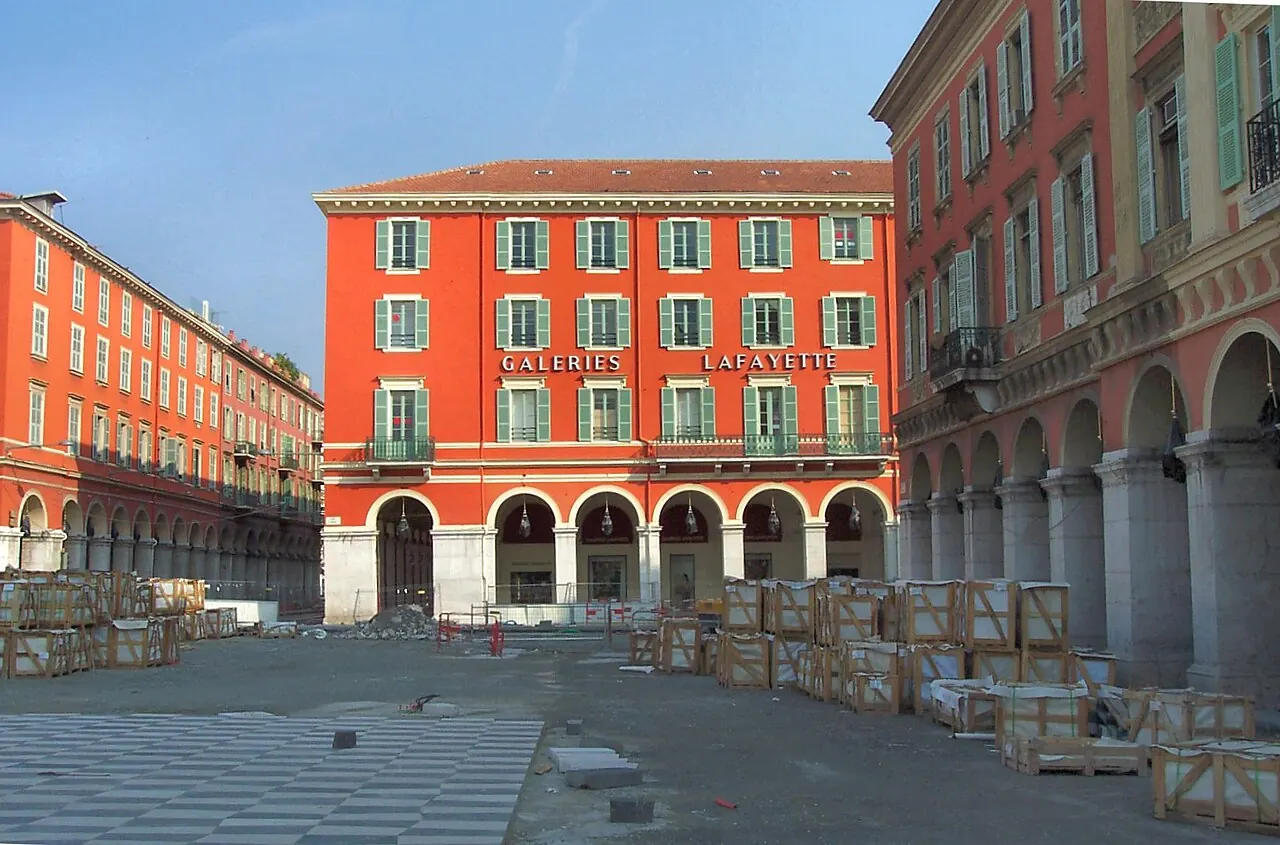
The Jean Medecin corridor works when you want Nice to be an easy base for several different days. Shops and cafes line the main avenue; Massena and the Promenade du Paillon open up the southern end before the old town and sea. A hotel nearer Nice-Ville favours train outings, while one nearer Massena keeps evening walks towards Vieux Nice closer. Treat those as distinct positions within one central corridor, not identical hotel locations.
Lignes d'Azur tram 1 runs along this axis, and Jean Medecin also provides the connection to airport tram 2. The airport itself explains the onward link towards Nice-Ville, including the separate walk or tram-1 leg to Gare Thiers. That makes this area especially useful without a car. The downside is a shopping-and-traffic city setting rather than a beach frontage or intimate lane, with some busy intersections. Choose Vieux Nice for historic surroundings or the Promenade for a sea-oriented stay, accepting that a coastal address may make railway departures less direct.
Plan it well: Place Massena marks the southern end of this base. Hotels nearer Gare Thiers favour a different arrival and rail-outing pattern.
Nice Cote d'Azur tourism: Jean Medecin and MassenaPromenade and Gambetta: sea-facing walks and a classic waterfront stay
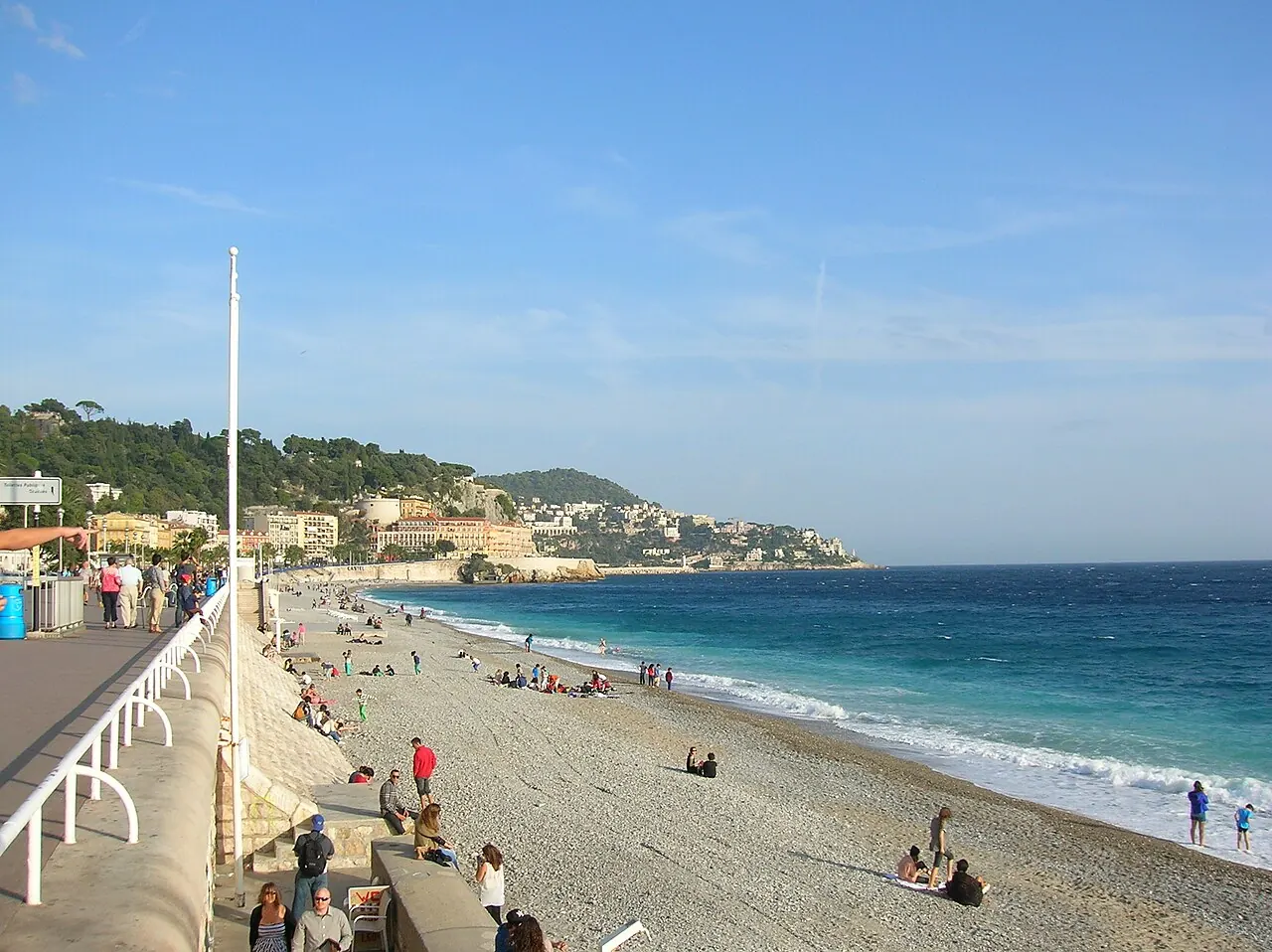
This base is about the coast rather than being inside the old town. The Promenade des Anglais supplies long seafront walks and access to Nice's pebble beach, while the streets around Gambetta offer neighbourhood food stops away from the main historic-market circuit. Choose the actual stretch carefully: the waterfront extends far beyond the central hotel area. A room sold with a sea view and a hotel set back several streets provide different holidays and different arrival routes.
Airport tram 2 runs inland, with stops such as Alsace-Lorraine and farther-west Magnan serving different sections of the coastal city. Lignes d'Azur's current map is more useful than assuming a tram follows the beach outside the hotel. Nice-Ville rail departures also require an inland journey. The trade-off is the broad, traffic-carrying road between buildings and the shore, plus longer walks to the port or far eastern old-town sights. Choose Massena for a central compromise or Liberation for market-led mornings rather than a view-oriented seafront stay.
Plan it well: The pin marks Promenade des Anglais, not a tram stop; the useful line-2 boarding point is inland.
Nice Cote d'Azur tourism: Promenade and GambettaPort and Place du Pin: harbour scenery and restaurant-led evenings
The port gives Nice a different visual centre: boat-lined quays, the traditional pointu craft and the built-up slopes framing the harbour. Around Place du Pin and Rue Bonaparte, dining and evening venues make the eastern side a purposeful base rather than simply somewhere beyond Castle Hill. It suits travellers who want the old town within their sightseeing routine but prefer harbour walks and a restaurant quarter outside its narrowest visitor lanes.
Port Lympia is the eastern terminus of Lignes d'Azur tram 2, giving this area a clear airport connection on the current network map. Nice-Riquier railway station can be more relevant than Nice-Ville for some eastern addresses and regional outings, but compare the actual train and walking route. The downside is being farther from the main-station end of the centre, with traffic and evening activity near some quays and venues. Choose Jean Medecin for frequent Nice-Ville departures, or Cimiez if museums and a hillside residential setting outweigh harbour dining and tram convenience.
Plan it well: The Port of Nice pin identifies the harbour, while Place du Pin accommodation sits inland among the dining streets.
Nice Cote d'Azur tourism: Port and Place du PinLiberation: food-market mornings and a more local city routine
Liberation is a real inland quarter with a reason to stay beyond transport convenience. The fruit-and-vegetable market spreads around Avenue Malaussena, Place du General de Gaulle and Rue Clement Roassal, with everyday shops and cafes supporting a neighbourhood morning. The historic Gare du Sud building adds another focal point, but older advice calling it simply a food hall is stale: in March 2026 it reopened as the Halle Decouverte, with cultural and leisure uses.
Lignes d'Azur tram 1 connects Liberation with the central shopping corridor and Massena. For the airport, plan the change to tram 2 at Jean Medecin; Nice-Ville station is south of the quarter, while the separate Chemins de fer de Provence station serves a different railway. The trade-off is an inland urban setting and extra travel for beach days, not a quieter version of the waterfront. Choose the Promenade if the sea should dominate your stay, or Massena when both old-town walks and regional train departures need to fit a short visit.
Plan it well: The former Gare du Sud is the neighbourhood landmark, not the current Chemins de fer de Provence railway terminal.
Nice Cote d'Azur tourism: LiberationCimiez: Matisse, gardens and hillside museum days
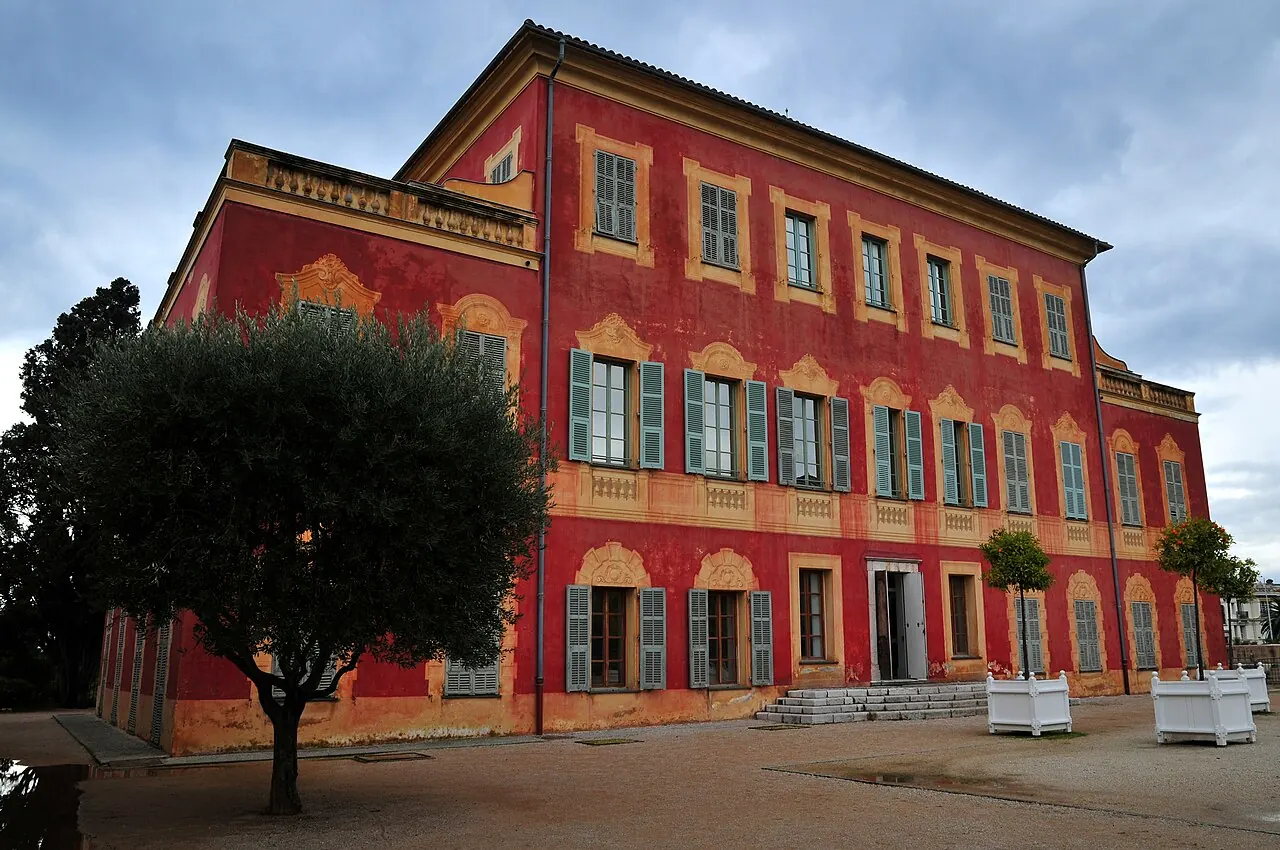
Cimiez is a considered choice for travellers whose Nice interests include Matisse, the monastery gardens and the archaeological setting of the former Roman city. The museum and olive-tree landscape make the hill an appealing place to build a slower day, with a more residential setting than Cours Saleya or the port. The former Hotel Regina also connects the neighbourhood with Matisse's life. Dining choices are less concentrated than in the major evening quarters, so check what is actually near a shortlisted property.
Use Lignes d'Azur's bus network and map for the hotel-to-centre journey rather than expecting the coastal tram beside the museums. An airport arrival normally needs an onward local connection or road transfer from the tram-served city. The hillside also makes straight-line distance a poor guide to walking effort. This is the compromise: museum proximity and a different setting, but more planning for trains, beach outings and late restaurant returns. Choose Jean Medecin for a transport-flexible first visit or the port if dinner variety is more important than having the hilltop sights close.
Plan it well: Matisse Museum marks the hilltop museum setting. Verify the actual bus stop and uphill walk for the hotel.
Nice Cote d'Azur tourism: CimiezArenas and Saint-Augustin: an airport or rail-led overnight stay
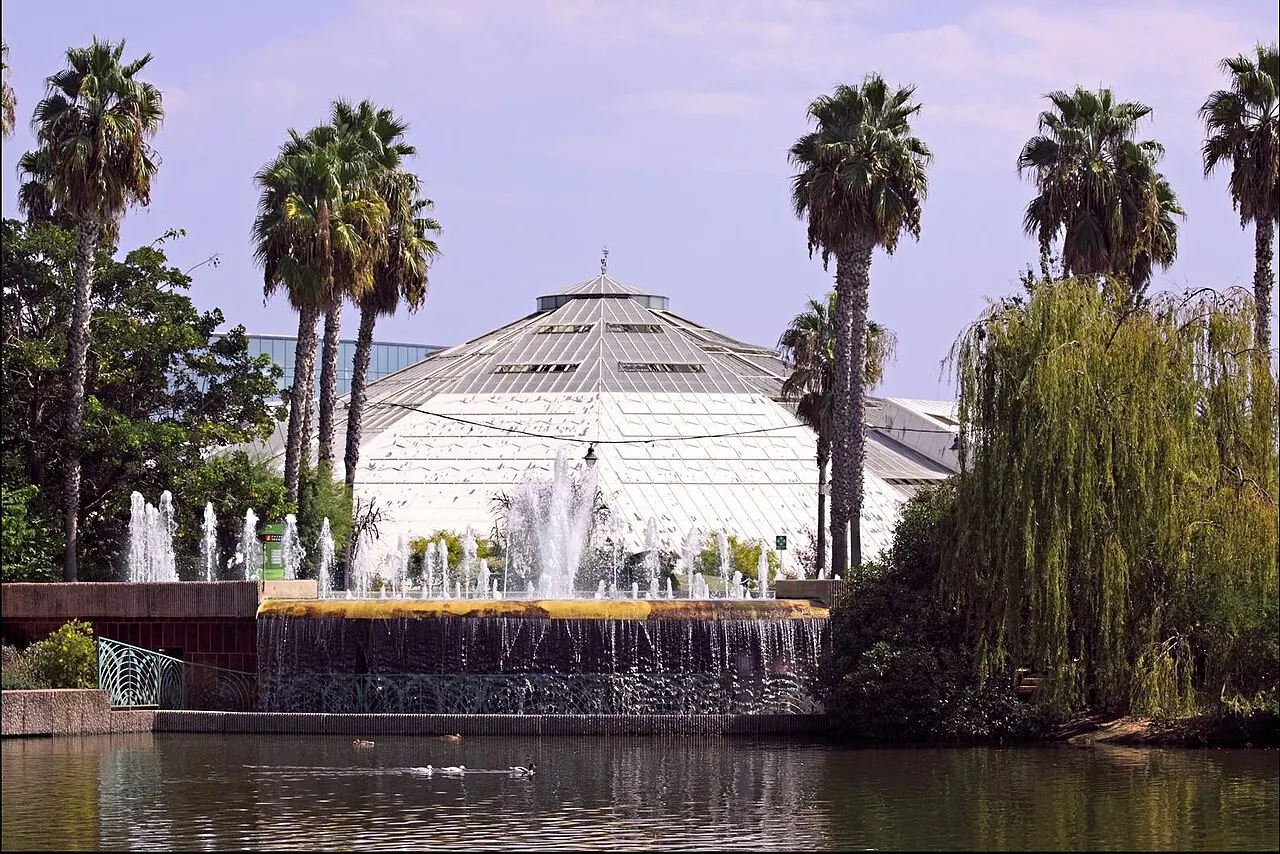
Arenas and Saint-Augustin are practical choices when a flight, a late arrival or an onward train sets the shape of the visit. Parc Phoenix gives the area a genuine leisure stop, with gardens and its large glasshouse, rather than leaving it entirely to transport infrastructure. However, this is the airport-side city edge: it should not be sold as another atmospheric old-town quarter. Look closely at the property's immediate food options if dinner after arrival is important.
Nice Airport identifies Saint-Augustin as the nearby railway station and explains the tram links through Grand Arenas. Lignes d'Azur's current map connects this western area with the centre and Port Lympia on tram 2. Check the signed route from the specific terminal or station; airport proximity does not guarantee a comfortable walk to every hotel. The downside is spending transport time to reach the market lanes, port and major hill museums, with a more road-oriented setting. Choose Jean Medecin for a longer city break unless the airport or railway connection is the actual priority.
Plan it well: Parc Phoenix marks the garden attraction, not a terminal entrance or railway platform. Check the final hotel approach separately.
Nice Cote d'Azur tourism: Arenas and Saint-AugustinMatch the airport and railway to the hotel address
Use the current tram map
The September 2026 Lignes d'Azur schematic shows airport tram 2 reaching Jean Medecin and Port Lympia, with tram 1 serving the central axis and Liberation. A seafront hotel can still require a walk from the inland stop.
Lignes d'Azur: September 2026 network mapNice-Ville and Saint-Augustin serve different needs
The airport describes the tram-2 connection towards Nice-Ville via Jean Medecin, with a further walk or tram-1 link to Gare Thiers. Saint-Augustin is the airport-side railway option reached via Grand Arenas; follow the current station access instructions.
Nice Airport: train and tram connectionsCheck evening works for autumn 2026 trips
Lignes d'Azur lists selected evening tram-1 closures between 27 September and 22 October 2026, with replacement buses. Check the dates and replacement stops when choosing Liberation or a tram-1-linked arrival; the ordinary network map is not the service notice.
Lignes d'Azur: autumn 2026 tram 1 evening worksDo not confuse the former Gare du Sud with the railway
The Liberation landmark reopened as the Halle Decouverte in March 2026. The regional train overview distinguishes the Chemins de fer de Provence station from Nice-Ville, Nice-Riquier and Saint-Augustin; choose the actual railway for your trip.
Nice Cote d'Azur tourism: regional railways and stationsFind hotels in Nice
Compare Nice hotels by the coast, neighbourhood and useful tram or railway stop. Check the final walk and room position rather than treating a sea view, central label or airport distance as the whole location decision.
Explore Nice hotels