
Strasbourg city guide
10 things to do in Strasbourg
Explore Strasbourg through its cathedral, UNESCO-listed quarters, canals, museums, European institutions and Alsatian food culture, with practical advice for planning each stop.
Plan your visit
Strasbourg rewards travellers who look beyond a single postcard view. The historic centre fits comfortably on foot, yet each district tells a different chapter: medieval trade around the cathedral, riverside craft streets in Petite France, imperial planning in Neustadt and modern European life beyond the old city. This guide combines the essential landmarks with museums, parks and neighbourhood time. Use it as a flexible two- or three-day plan rather than a checklist: choose a few anchors each day, leave room for the markets and terraces, and cross the Ill often to see how the city changes from one bank to the next.
1. Read the city from Strasbourg Cathedral
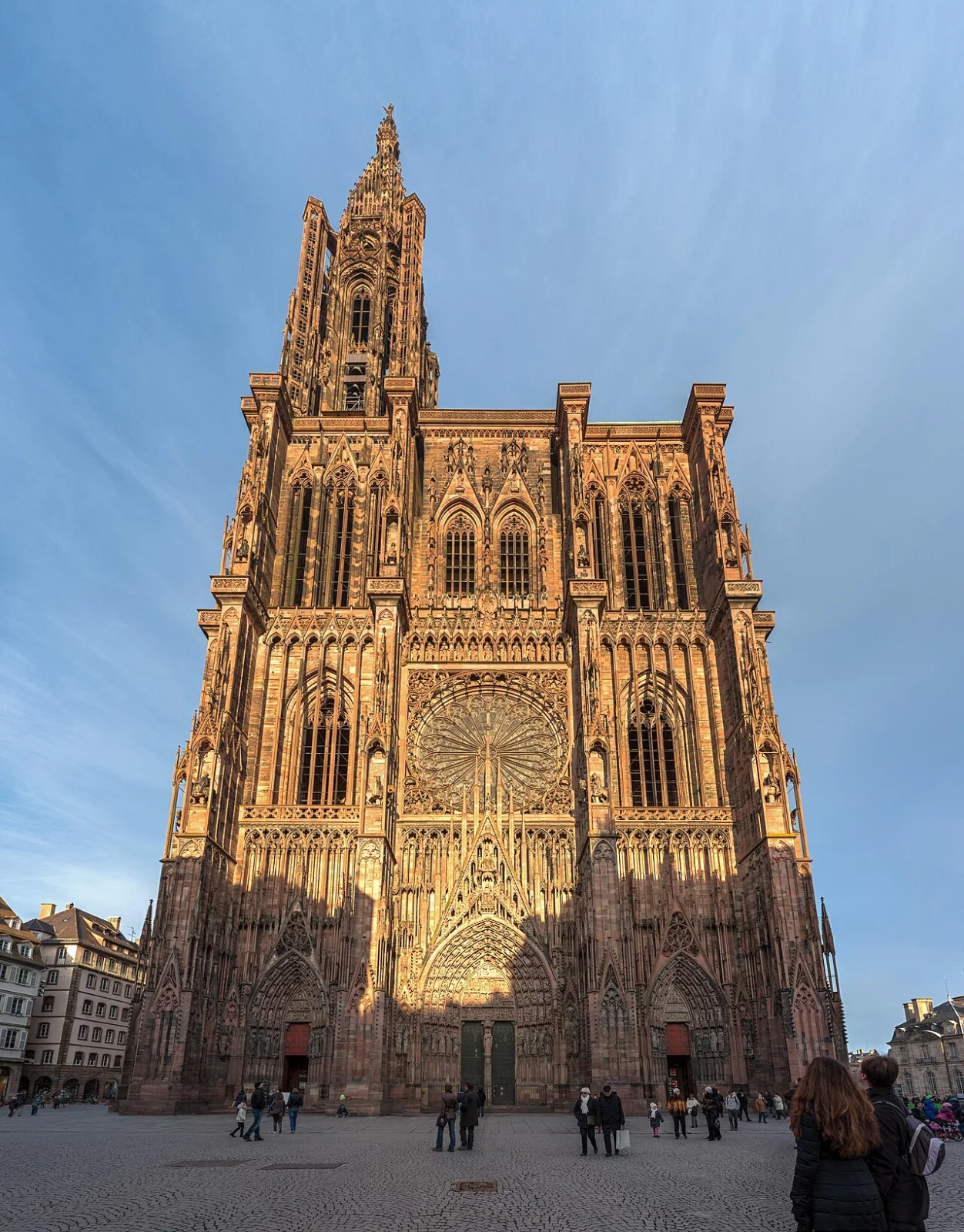
Begin at Cathédrale Notre-Dame, the landmark that has organised Strasbourg’s skyline for centuries. Its pink Vosges sandstone changes colour with the light, while the west facade rewards a slow look at its sculpture, rose window and layered Gothic stonework. Inside, seek out the stained glass, the great organ and the Renaissance astronomical clock rather than treating the nave as a quick photo stop.
The surrounding cathedral quarter is part of the experience. Walk around the building to understand its scale, pause by Maison Kammerzell and then follow the narrow lanes toward the Ill. Access conditions for the platform and the astronomical-clock presentation can differ from general cathedral opening hours, so check the official information before building your day around a specific time.
Plan it well: Arrive near opening time for a calmer interior, then return to the square later when cafes and street life make the medieval setting feel completely different.
Visit Strasbourg official itinerary2. Walk the UNESCO-listed Grande Île
Grande Île is not just the centre of the map; it is the compact historic core enclosed by branches of the Ill. Its UNESCO status reflects an urban landscape shaped by medieval streets, religious buildings, merchant houses and later civic architecture. A useful circuit links Place de la Cathédrale, Place Gutenberg, Place Kléber and the quieter lanes around Saint-Thomas church.
Walk without trying to turn every building into a stop. The value lies in the transitions: grand squares give way to timber-framed houses, shopping streets open onto waterside views and church towers help you keep your bearings. Crossing a bridge and looking back often reveals the island’s structure better than staying in its busiest streets.
Plan it well: Use Place Kléber as a practical meeting point, but spend your unhurried time in the smaller streets between the cathedral, Saint-Thomas and the river.
Visit Strasbourg: Grande Île3. Follow the canals through Petite France
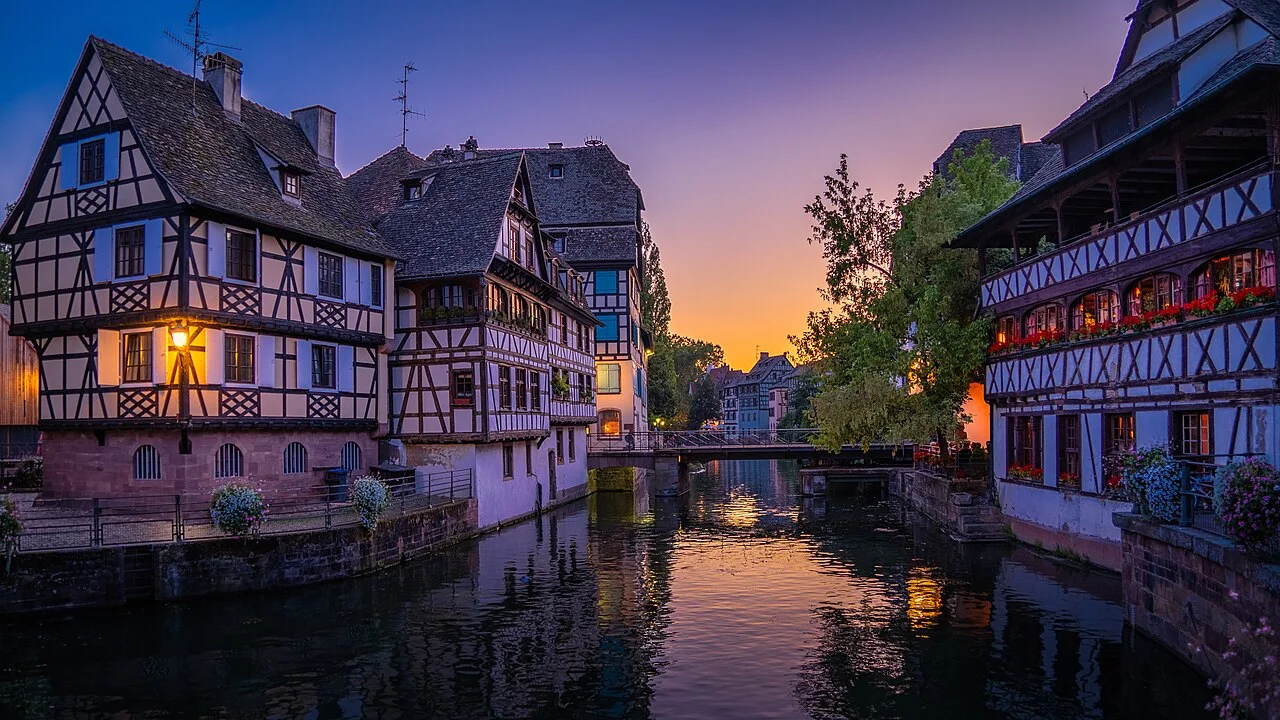
Petite France grew around trades that depended on water. Millers, tanners and fishermen worked beside the canals, and many of the 16th- and 17th-century timber-framed houses still show the tall roofs and open galleries once used in that working landscape. Today the quarter is picturesque, but its history gives the bridges, locks and narrow lanes more meaning than a simple photo backdrop.
Approach from Saint-Thomas or from the station side and make a loop rather than stopping at the first viewpoint. The quieter edges near the locks are often as rewarding as the central bridges. Early morning brings softer light and fewer groups; evening adds reflections from restaurants and apartments without requiring a formal attraction ticket.
Plan it well: Keep to public walkways and compare views from both banks; the most familiar composition is not always the most atmospheric one.
Visit Strasbourg: Petite France4. Climb the Barrage Vauban for the city panorama
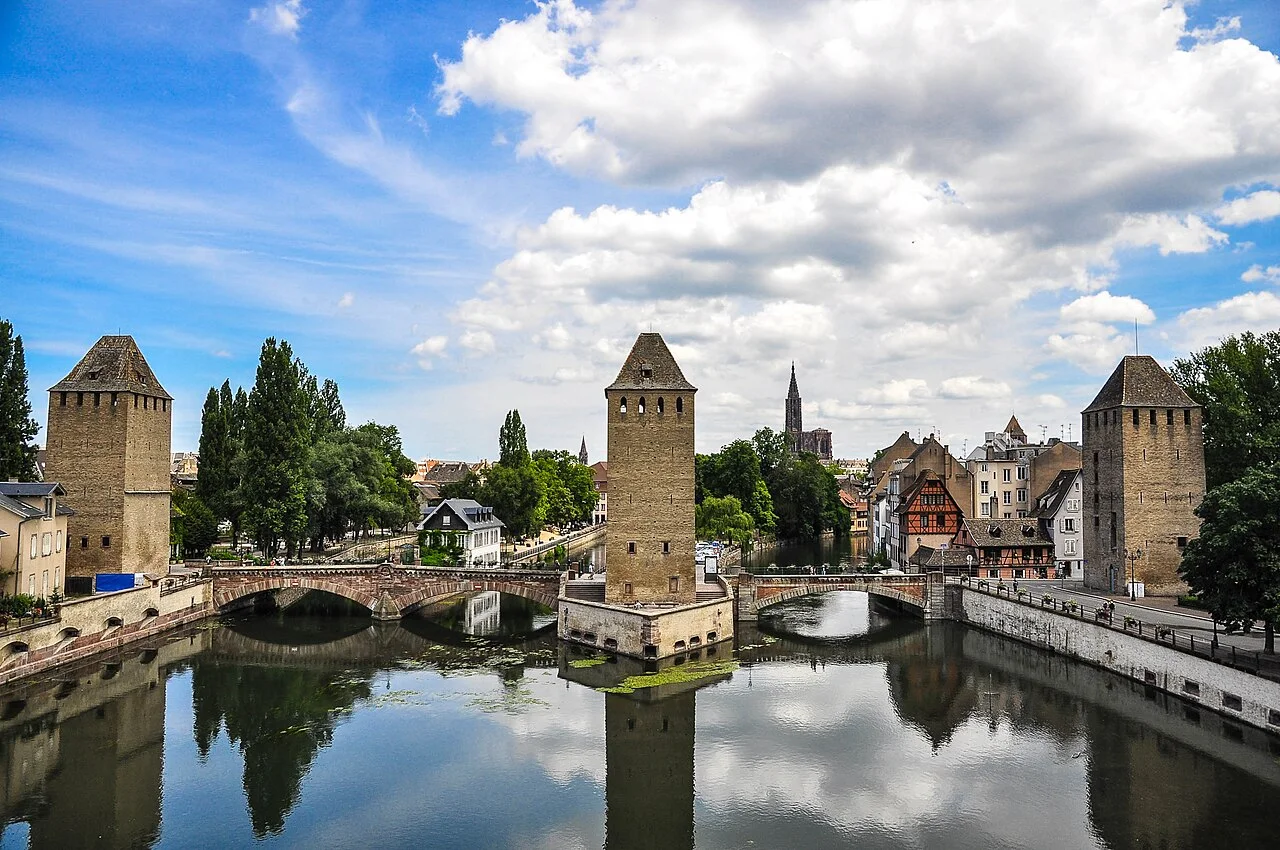
The Barrage Vauban and the nearby Ponts Couverts explain how water, defence and city planning meet in Strasbourg. The covered bridges lost their roofs long ago, yet their towers still mark the medieval defensive line. The 17th-century barrage was designed so the southern approaches could be flooded in an attack, turning the river itself into part of the fortification system.
The upper terrace of the barrage is the key viewpoint when open. From it, the towers of the Ponts Couverts frame Petite France, with the cathedral rising beyond the old roofs. Visit once in daylight to read the architecture and, if your route allows, again around blue hour when the water and skyline gain depth.
Plan it well: Check current terrace access and be prepared for steps; the river-level path still gives excellent views when the roof is unavailable.
Visit Strasbourg official itinerary5. Choose a museum inside the Palais Rohan
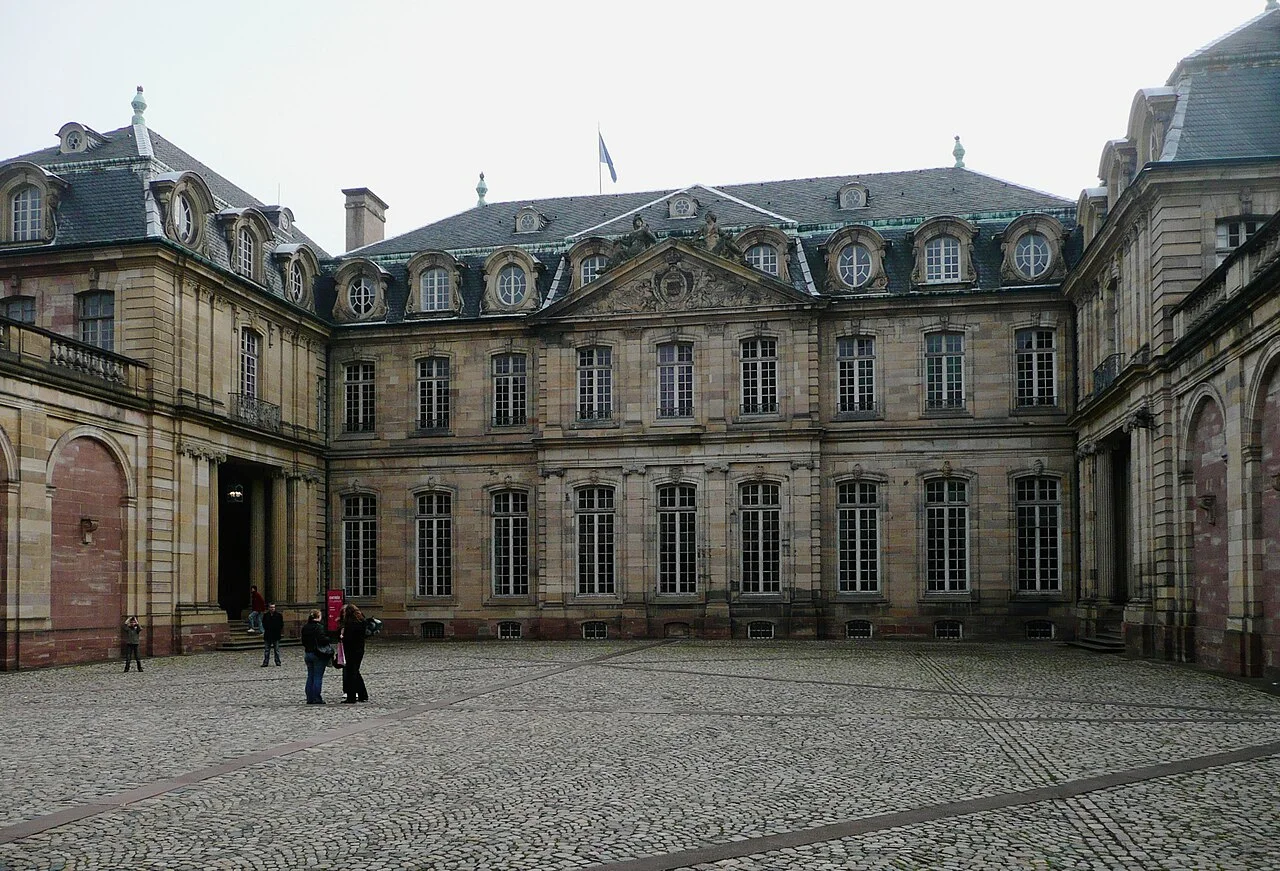
Beside the cathedral, the Palais Rohan brings three different collections under one 18th-century roof: archaeology, decorative arts and fine arts. The palace setting matters as much as the objects, especially if you want to understand how Strasbourg’s elite lived between French royal influence and the city’s own regional identity.
Choose the collection that suits your interests instead of rushing all three. Archaeology gives the longest historical arc, decorative arts connects rooms and objects, and fine arts offers a focused indoor break after the cathedral quarter. The museums are also a strong wet-weather option because you stay in the historic centre without sacrificing substance.
Plan it well: Allow at least ninety minutes for one collection and check combined-ticket and closure information before arrival.
Visit Strasbourg official itinerary6. See Strasbourg’s imperial chapter in Neustadt
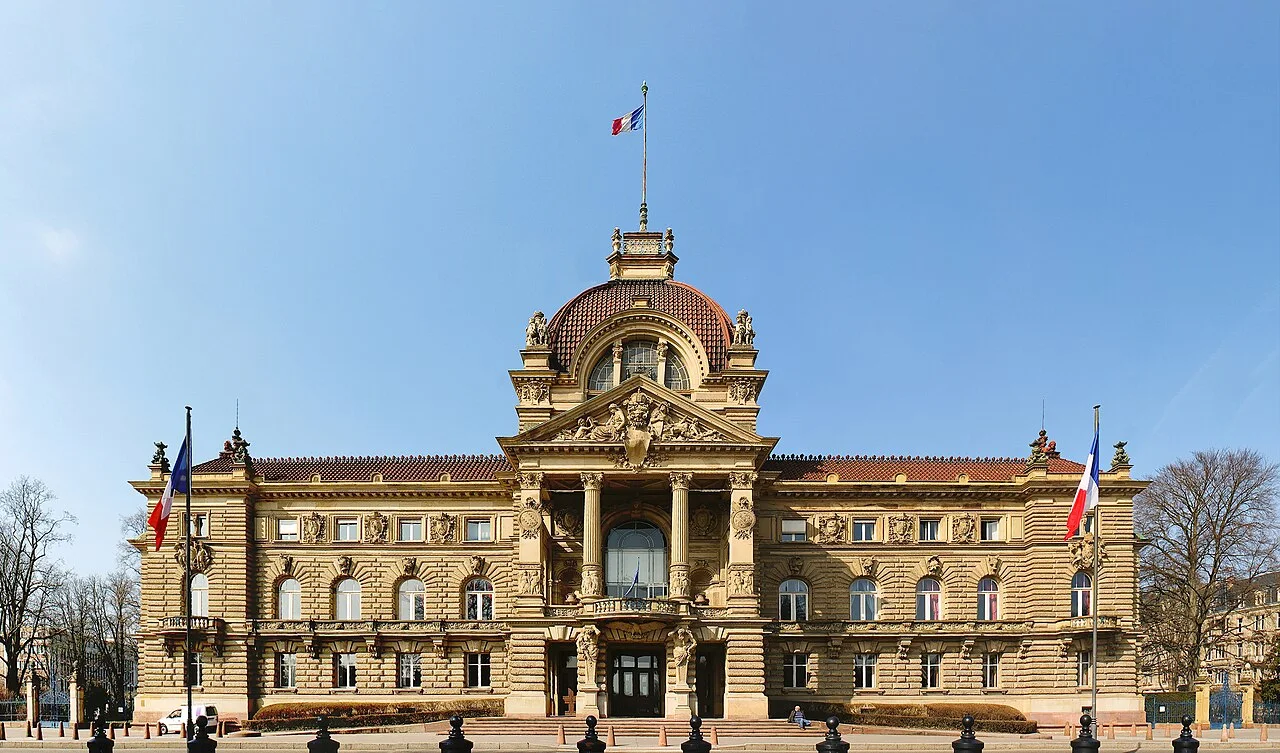
Neustadt was planned after Strasbourg became part of the German Empire in 1871. Between then and the First World War, the city expanded with broad avenues, monumental public buildings, villas and university institutions. This district adds an essential layer to the medieval centre and helps explain Strasbourg’s Franco-German identity rather than reducing the city to half-timbered houses.
Start at Place de la République, where the Palais du Rhin, national theatre and library create a formal ensemble, then continue toward the university and Saint-Paul church. Look at the street widths, stone facades and planted spaces: the district was designed as a modern capital extension. Neustadt now forms part of Strasbourg’s UNESCO-listed urban ensemble.
Plan it well: Walk from the cathedral through Place de la République and return along the river for the clearest contrast between the old city and imperial expansion.
Visit Strasbourg: Neustadt7. Take a boat circuit on the Ill
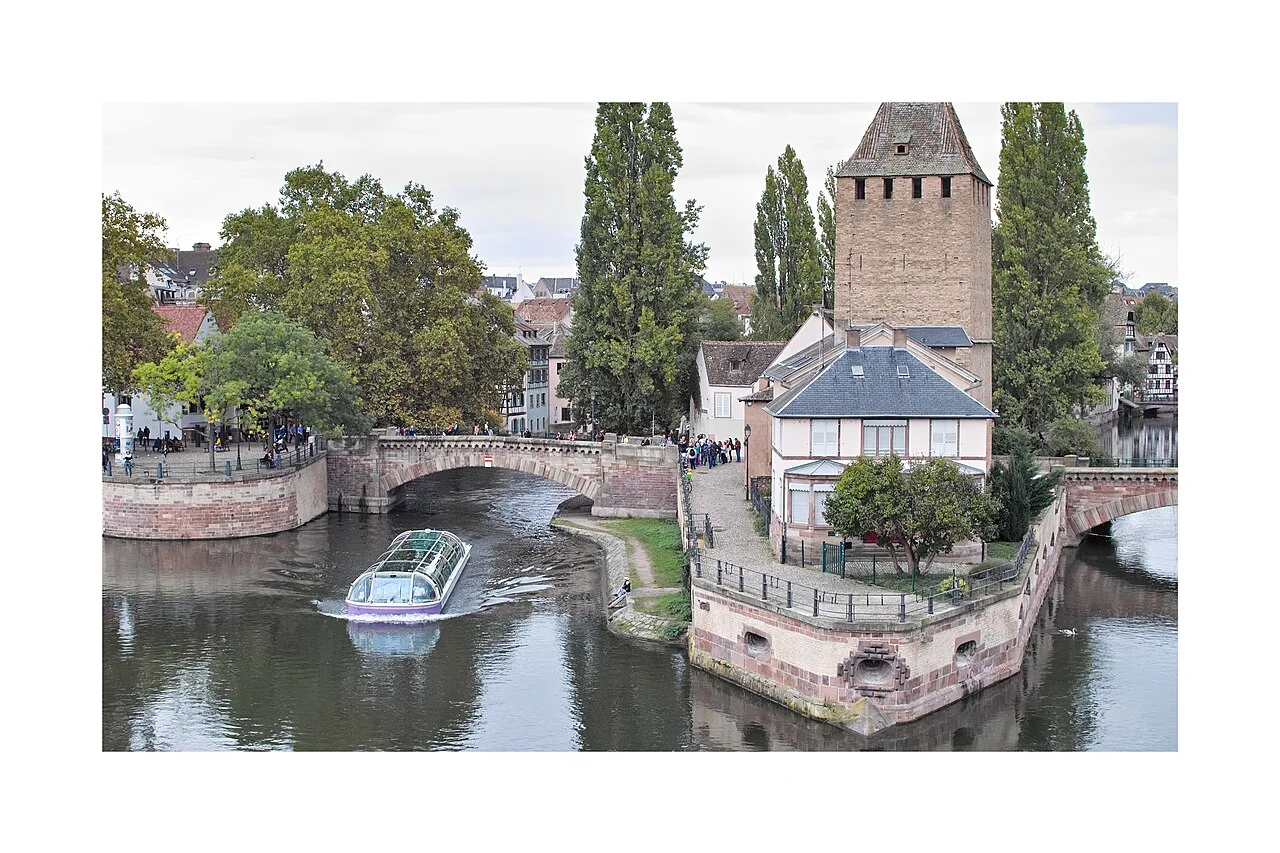
A boat circuit turns Strasbourg’s waterways into an orientation tool. From the river you can see the underside of bridges, the locks of Petite France, the defensive works and the shift toward the European institutions. Audio commentary adds context while your feet rest, making the cruise particularly useful on the first afternoon of a multi-day visit.
A cruise does not replace walking: glass reflections, weather and a fixed route limit what you can inspect. Use it to identify the districts you want to revisit on foot. Departure times, route variations and accessible boarding arrangements can change with water levels and operations, so consult the operator before choosing a tightly timed connection.
Plan it well: Book a time that still leaves daylight for the historic centre; rain can soften visibility, while late-afternoon light often works well for riverside views.
Batorama official website8. Pair the European Quarter with Parc de l’Orangerie
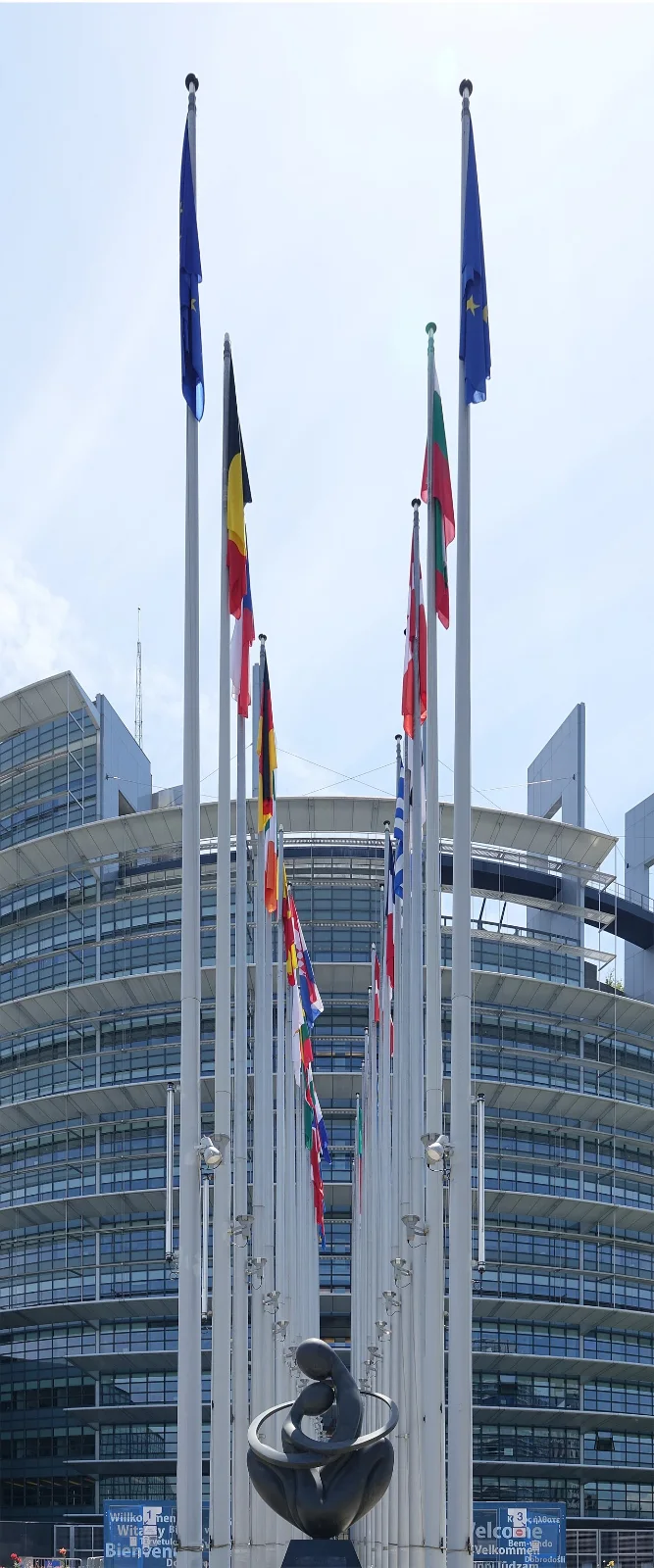
Strasbourg’s role as a European capital becomes tangible around the European Parliament, Council of Europe and European Court of Human Rights. Their contemporary architecture and security-conscious setting contrast with the historic centre. Even without an institutional visit, the riverside paths help visitors understand why diplomacy and cross-border cooperation are part of the city’s modern identity.
Combine the quarter with Parc de l’Orangerie nearby. Strasbourg’s oldest major park offers lawns, mature trees, a lake and space for families to slow the pace. The pairing works because it balances civic architecture with a residential side of the city that many short visits miss. Tram or bicycle makes the outward leg easy; walking back along the water adds a different perspective.
Plan it well: Institutional visits may require advance registration and identification. Verify visitor rules directly before promising the experience to your group.
Visit Strasbourg official city guide9. Use the museums to understand Alsace
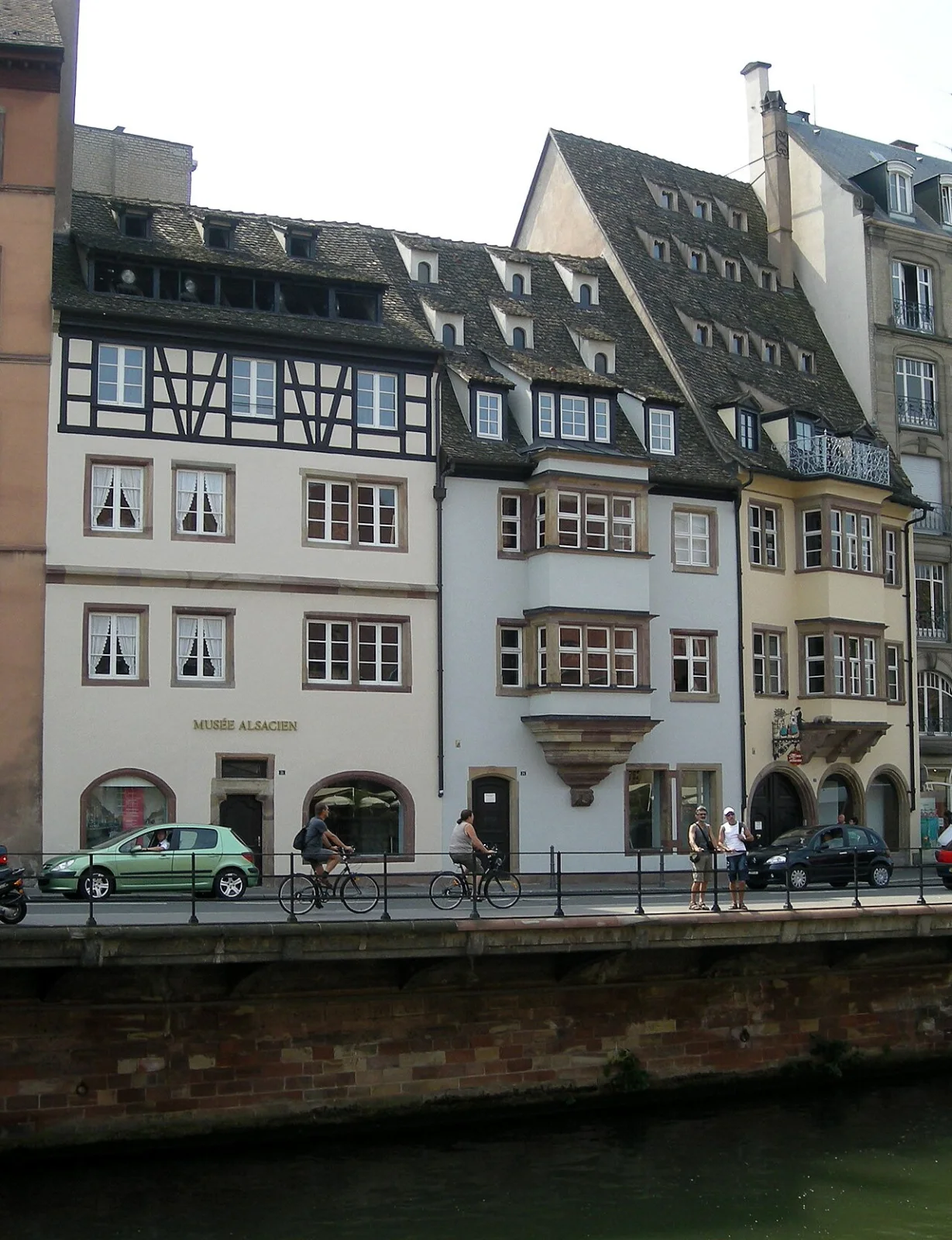
The Musée Alsacien presents domestic interiors, clothing, crafts and religious traditions through historic rooms beside the Ill. It is a useful counterweight to monumental history because it shows how regional identity was lived at household level. The Musée Historique, nearby, focuses more directly on the city’s political and urban story.
For a different lens, the Museum of Modern and Contemporary Art near the Barrage Vauban connects Strasbourg to wider artistic movements and provides elevated views toward the old city. Choose one museum based on the question you want answered: everyday Alsace, Strasbourg’s civic development or modern art. That focus makes the visit more memorable than collecting entrances.
Plan it well: Check weekly closing days before a museum-heavy itinerary; several collections are close enough to pair with Petite France or the cathedral.
Visit Strasbourg official itinerary10. End in Krutenau with an Alsatian meal
Krutenau sits just beyond the most visited core and mixes older working-class streets with university life, independent businesses and evening restaurants. It is a better place to feel the contemporary city than another circuit of souvenir streets. Continue toward the Citadelle or the riverside if you want a longer neighbourhood walk before dinner.
For the meal, look beyond a single famous dish. A traditional winstub may serve tarte flambée, choucroute, baeckeoffe or seasonal plates alongside Alsatian wines and local beer. Portions can be generous, so sharing a starter is sensible. Reserve popular addresses on Friday and Saturday, and check whether the atmosphere suits families or a later adult evening.
Plan it well: Choose a restaurant for its menu and hospitality rather than the most theatrical facade; ask about regional ingredients and current seasonal dishes.
Visit Strasbourg: city quarters