
Strasbourg city guide
Where to stay in Strasbourg
Choose the right Strasbourg neighbourhood for a first visit, rail connection, romantic weekend, family stay or quieter local base, with practical trade-offs for each area.
Plan your visit
Where you stay in Strasbourg changes the rhythm of the trip. The historic Grande Île puts the cathedral, museums and river walks outside your door, while Neustadt offers monumental architecture and quieter evenings. The station quarter is practical for rail arrivals, Krutenau adds restaurants and local energy, and Orangerie or Neudorf can suit travellers who value space and tram access over a postcard address. This guide compares neighbourhoods by atmosphere, walking time, transport, evening noise and the kind of visit they suit. Strasbourg's centre is compact and the tram network is strong, so the best base is not always the closest room to the cathedral. Decide first whether your priority is historic ambience, easy connections, nightlife, family calm or value, then check the exact street rather than relying only on the district name.
1. Grande Île: best for a first Strasbourg visit
Grande Île is the easiest base for a first visit because the cathedral, Palais Rohan, major squares, museums and river crossings are all within a short walk. It suits travellers who want to begin sightseeing before breakfast and return to the room between stops. The trade-off is price: central rooms are often smaller and command a premium during Christmas markets, European sessions and summer weekends.
Look closely at the exact street. Place Kléber and the cathedral quarter feel lively late into the evening, while the lanes near Saint-Thomas can be calmer without losing walkability. Cars are more complication than advantage inside the historic core, so this area works best for rail arrivals or drivers who are comfortable using a peripheral car park and walking to the hotel.
Plan it well: Choose a room on a side street or inner courtyard if you want the central address without late-night pedestrian noise.
Visit Strasbourg: Grande Île2. Petite France: romantic and atmospheric
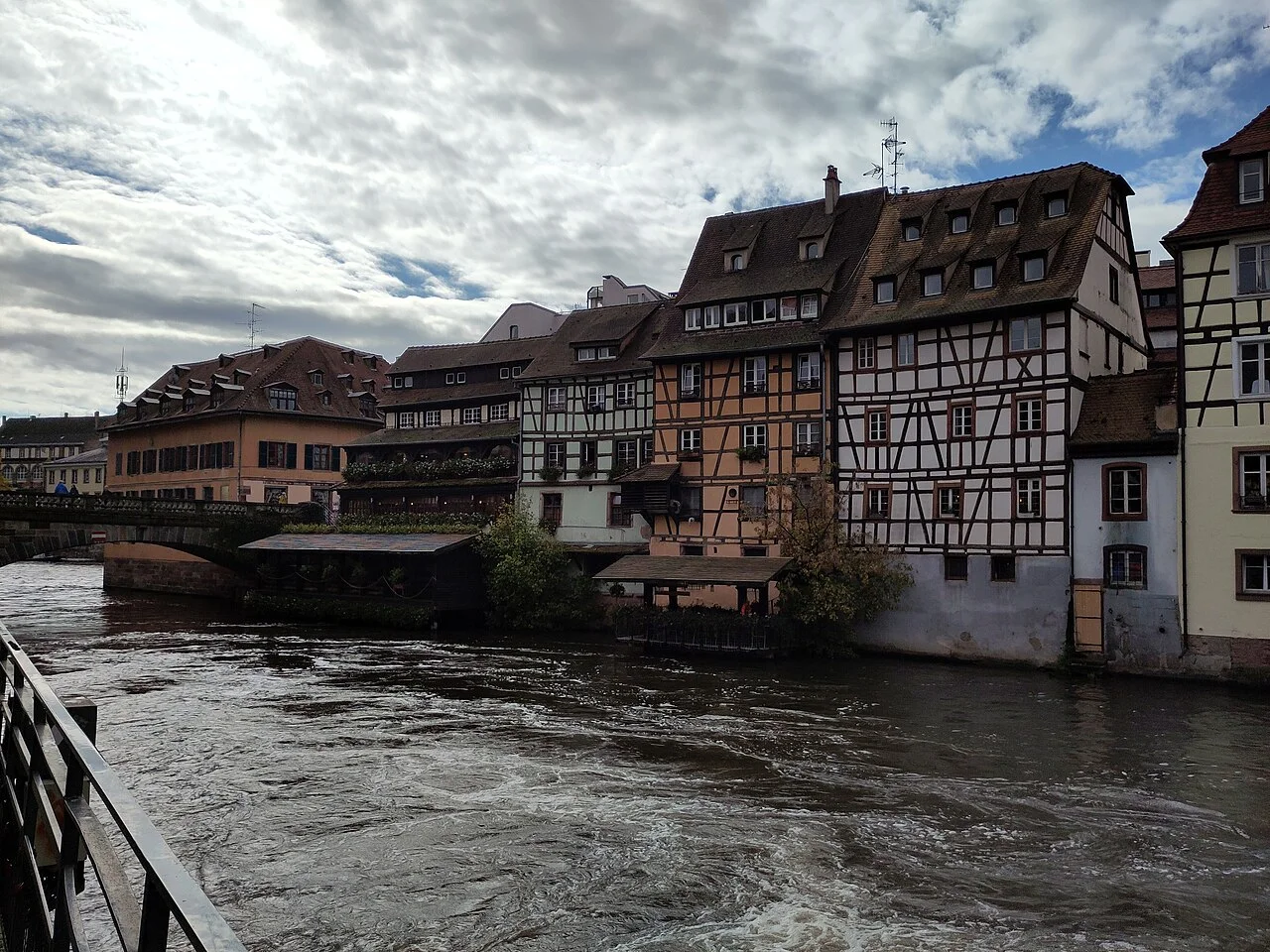
Petite France is Strasbourg's most romantic-looking district, where canals, locks and timber-framed houses create the classic city image. Staying here is ideal for couples and photographers who value early-morning or evening access after day visitors leave. It also keeps the Barrage Vauban, Ponts Couverts and Grande Île within an easy walk.
The charm comes with practical compromises. Cobblestones, bridges and historic buildings can mean steps, small lifts or irregular room layouts. Restaurants attract evening foot traffic, and rooms overlooking the liveliest canals may not be silent. Confirm accessibility, lift access and air conditioning directly if any of those are essential.
Plan it well: Request a canal or courtyard room only if the view matters enough to justify the price; many nearby rooms offer the same walks for less.
Visit Strasbourg: Petite France3. Gare and Tribunal: best for rail convenience
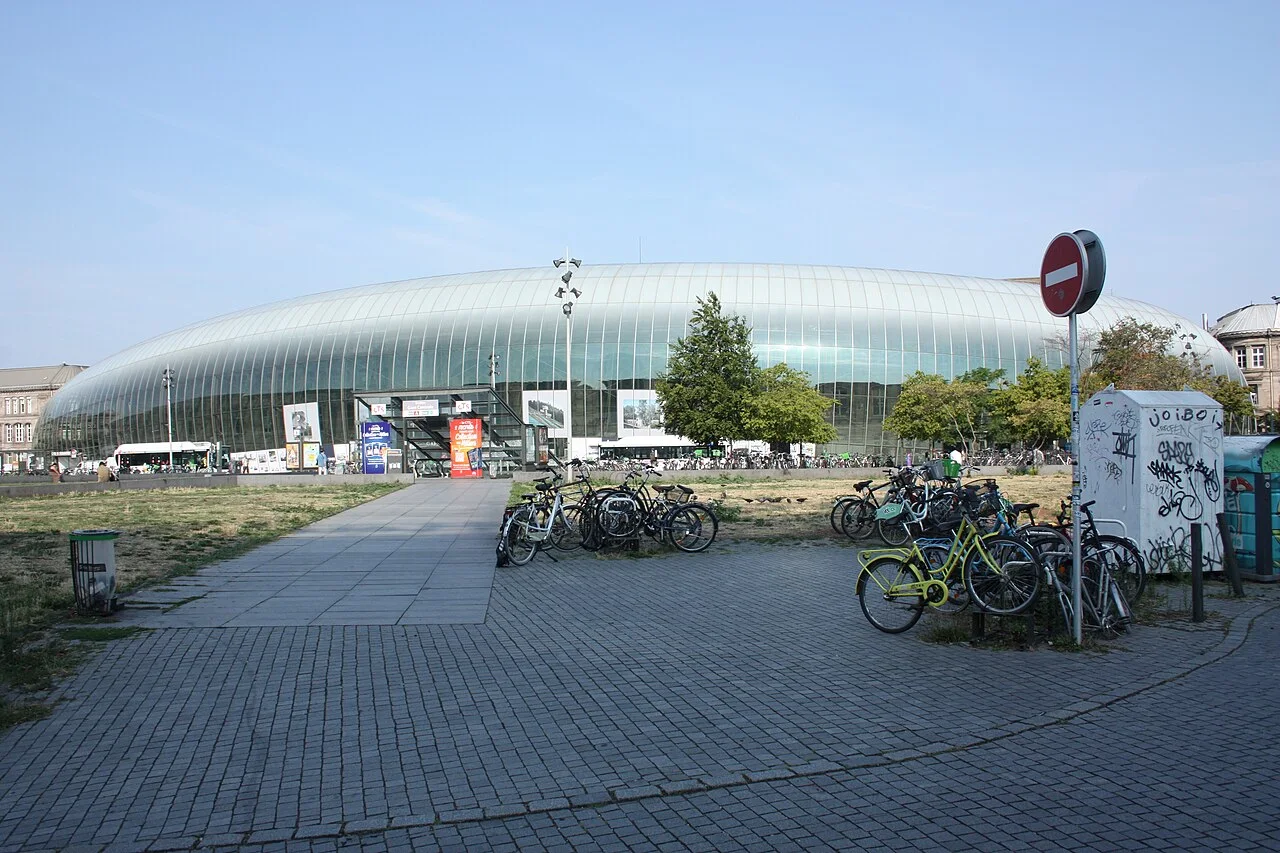
The station quarter is the practical choice for travellers arriving by TGV, leaving early or using Strasbourg as a base for regional day trips. The Grande Île is roughly a fifteen-minute walk from the station, and trams shorten the connection. Hotels here span budget to upscale, often with larger modern rooms than the most historic addresses.
The experience varies block by block. Streets closest to the station are busy with transport activity, while the Tribunal side feels more residential and connects quickly to Neustadt. Check recent reviews for evening noise, room insulation and the immediate approach to the entrance. This is a convenience base rather than the city's most atmospheric option, but it can save valuable time on a short stay.
Plan it well: For a late arrival, prioritise a well-lit direct route from the station and a staffed reception over saving a few euros on a side street.
Visit Strasbourg: practical city information4. Neustadt: architecture, space and quieter nights
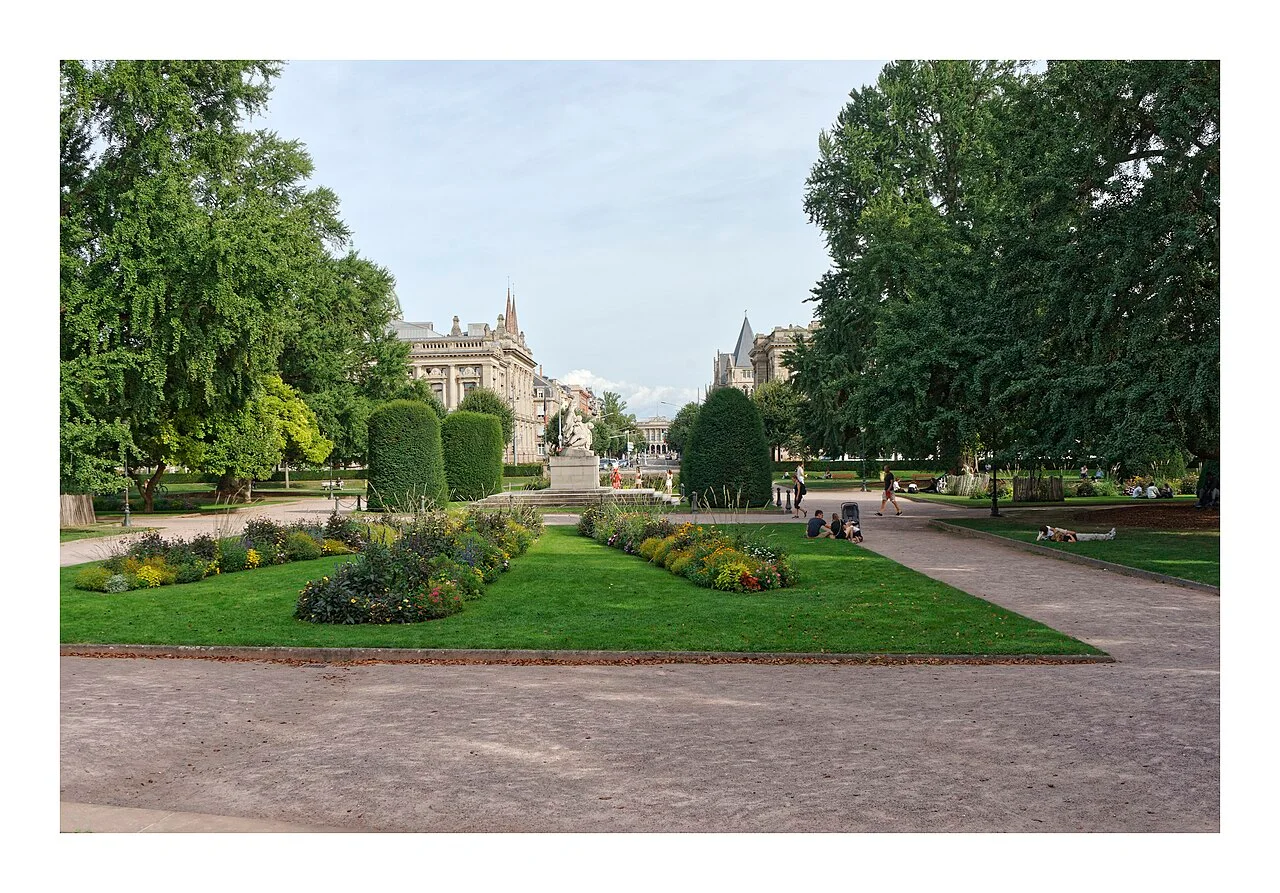
Neustadt suits travellers who want a central location without sleeping in the busiest pedestrian zone. Built during Strasbourg's German imperial period, the district has broad avenues, stone apartment buildings, university institutions and the monumental ensemble around Place de la République. The cathedral remains walkable, yet rooms often feel removed from the densest tourist flow.
This is a strong choice for architecture enthusiasts, repeat visitors and business travellers. It also works for families who prefer wider pavements and easier tram access. The atmosphere is more residential after office hours, so compare the location of restaurants and breakfast options with your evening habits. Properties closer to the river or Saint-Paul church keep the old centre especially accessible.
Plan it well: Stay near a tram stop or Place de la République for the best balance between evening calm and a simple route into the historic centre.
Visit Strasbourg: Neustadt5. Krutenau and Bourse: restaurants and local energy
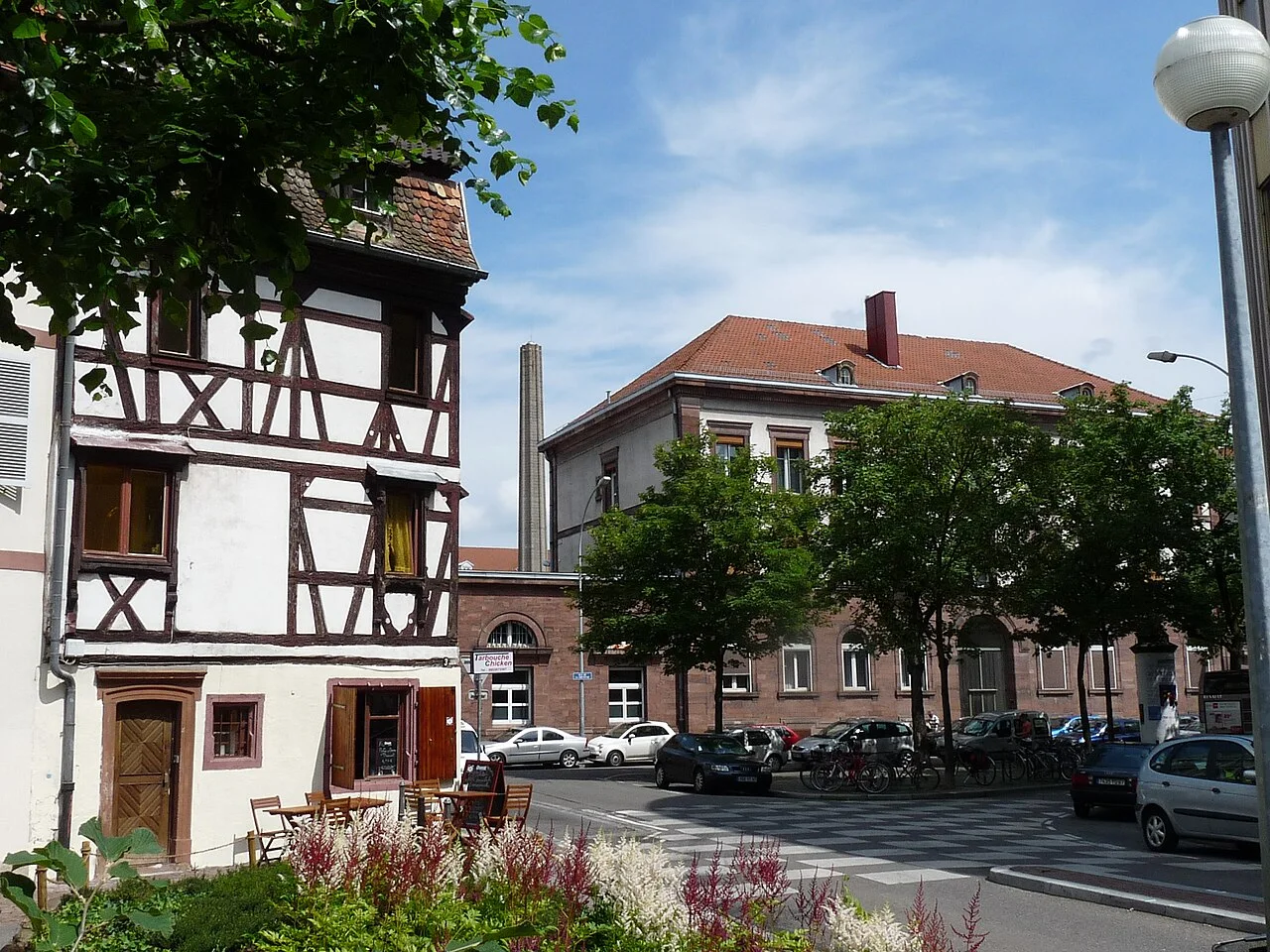
Krutenau and the Bourse area sit southeast of Grande Île and combine old working-class lanes with student life, independent restaurants and waterside routes. This is a good base for travellers who want to eat locally, explore on foot and return to a neighbourhood that still feels active after the main sights close. The cathedral is reachable on foot, while trams connect the district to the station and wider city.
The exact micro-location matters more here than the district label. Some streets are lively late into the night, while nearby residential blocks are considerably calmer. Krutenau suits couples and friends who value atmosphere and evening choice; light sleepers and families should confirm room orientation and bar proximity. Bourse can provide a slightly more practical, transport-friendly edge to the same part of town.
Plan it well: Choose a room one or two streets away from the busiest bars if you want Krutenau's dining scene without its latest closing-time noise.
Visit Strasbourg: city quarters6. Orangerie and the European Quarter: calm and green
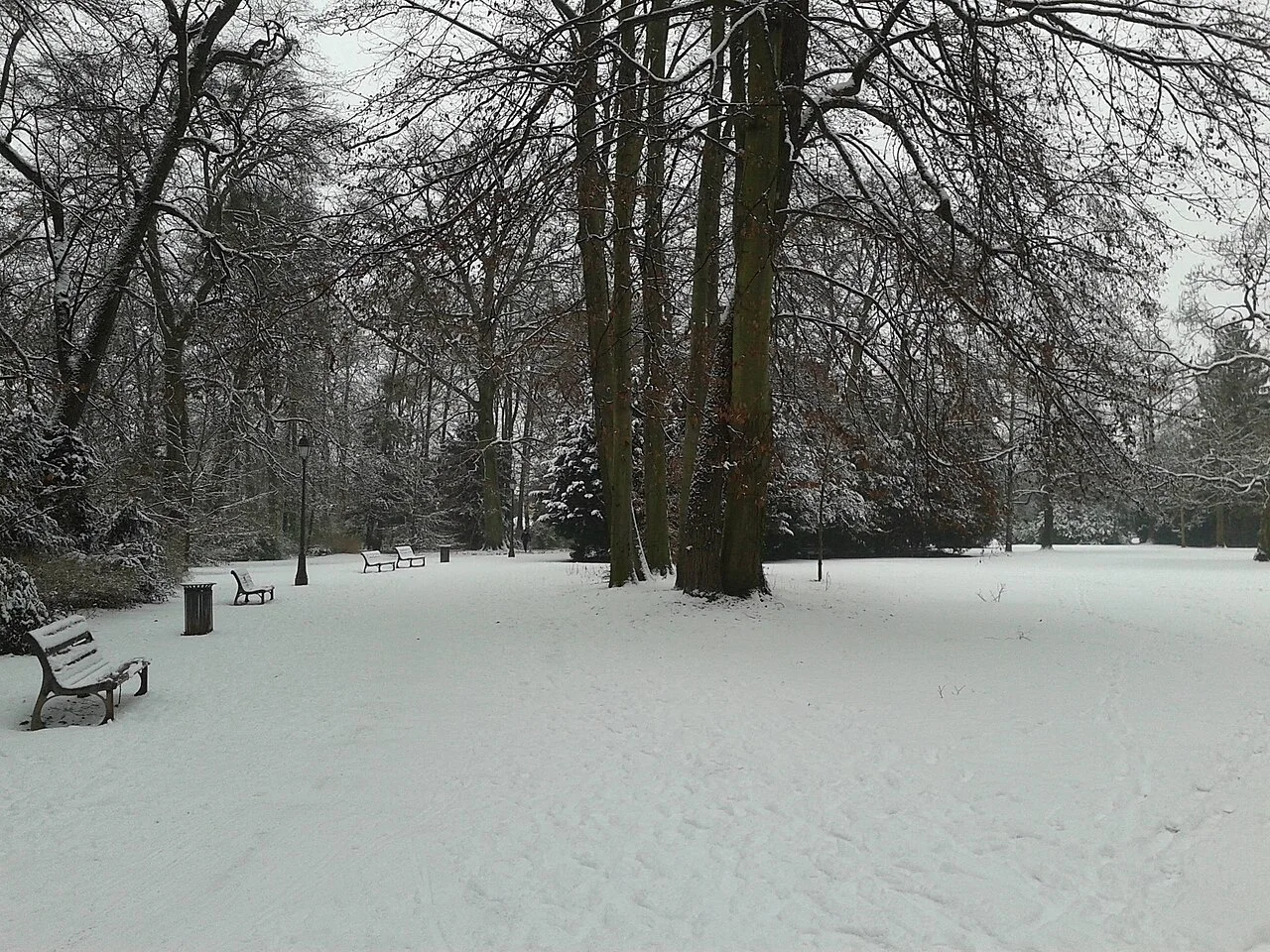
The Orangerie and European Quarter offer a quieter, greener base near the park, embassies and European institutions. They suit families, runners, business travellers and visitors attending meetings at the Parliament, Council of Europe or Court of Human Rights. Streets are generally more residential, and properties may offer more space than the densest historic quarters.
The compromise is distance from the evening centre. You will rely more on trams, bicycles or a longer walk, and restaurant choice becomes thinner on certain residential streets. For a multi-day stay, the calm can outweigh that inconvenience, especially if you plan mornings in Parc de l'Orangerie or appointments in the institutional district. Verify visitor access separately; staying nearby does not guarantee entry to the institutions.
Plan it well: Check the walking distance to the nearest tram stop; a quiet address is valuable only if the daily connection fits your plans.
Visit Strasbourg: European city and parks7. Neudorf: local value and longer stays
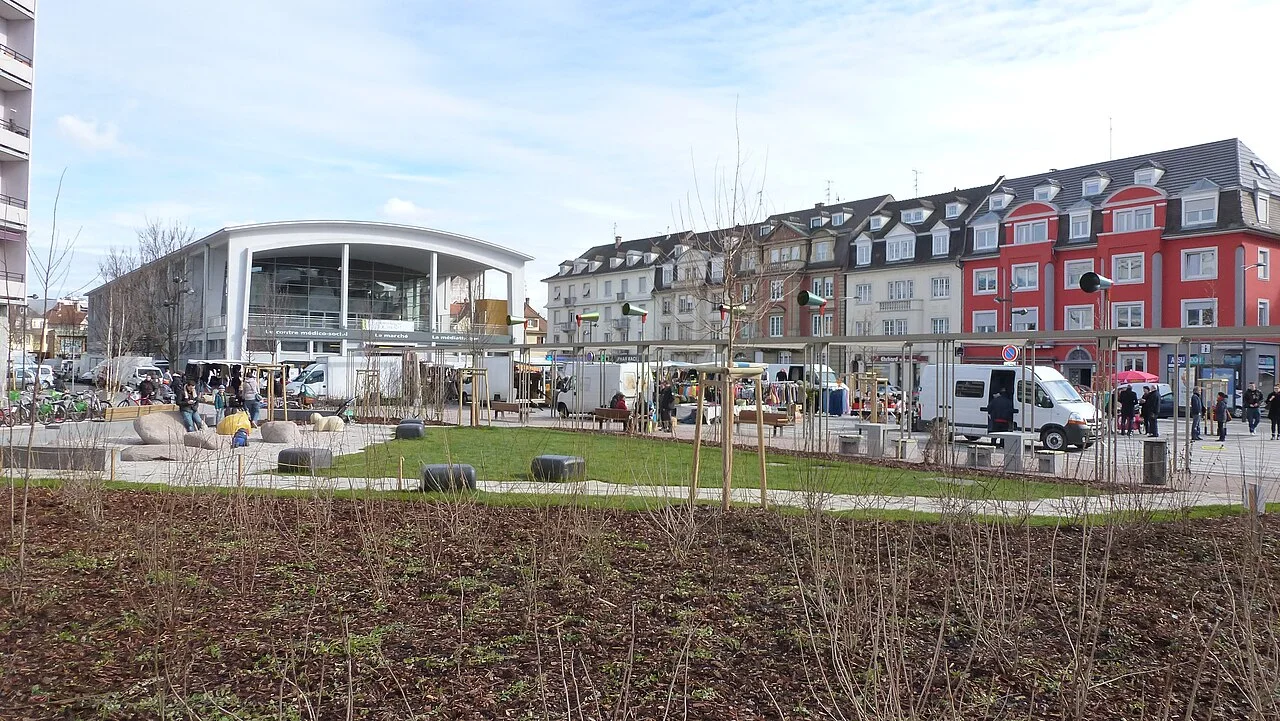
Neudorf is a lived-in district south of the centre, with markets, everyday shops, restaurants and strong tram links. It can offer better value and more apartment-style accommodation, making it useful for longer stays, families and travellers who prefer a neighbourhood routine. The area around Place du Marché and the main tram corridors is especially practical.
You trade immediate postcard scenery for space and local convenience. Travel time to Grande Île is still manageable, but a hotel on the district's outer edge can feel much farther than the name suggests. Check the precise stop, late-evening frequency and walking route. Neudorf works best when you are comfortable using public transport and do not need to return to the room between every attraction.
Plan it well: Use a map to confirm the nearest tram line and supermarket; these two details matter more here than being close to a famous square.
CTS Strasbourg public transport8. How to choose and book the right Strasbourg base
Start with the trip rather than the hotel category. First-time sightseers usually gain most from Grande Île or its immediate edges; couples may prioritise Petite France; rail travellers benefit from Gare; business visitors should look to the European Quarter; and longer stays can work well in Neudorf. Compare the total daily movement, not only the straight-line distance to the cathedral.
For Christmas-market dates and major European sessions, book early and favour cancellable terms while plans are still moving. Drivers should confirm the exact parking arrangement, height limits and access restrictions instead of assuming an old-city hotel has its own garage. Travellers with mobility needs should ask about steps, lift dimensions and cobbled approaches. Finally, read the newest reviews for street noise and room temperature, because these details can vary within the same building.
Plan it well: Before paying, plot the hotel entrance, tram stop and your first evening destination on the same map; district names can hide a twenty-minute difference.
Visit Strasbourg: organising your stay