
Val d'Isère city guide
10 things to do in Val d'Isère
An old mountain village beneath major ski terrain, with high lakes and regional excursions kept distinct from winter resort walks.
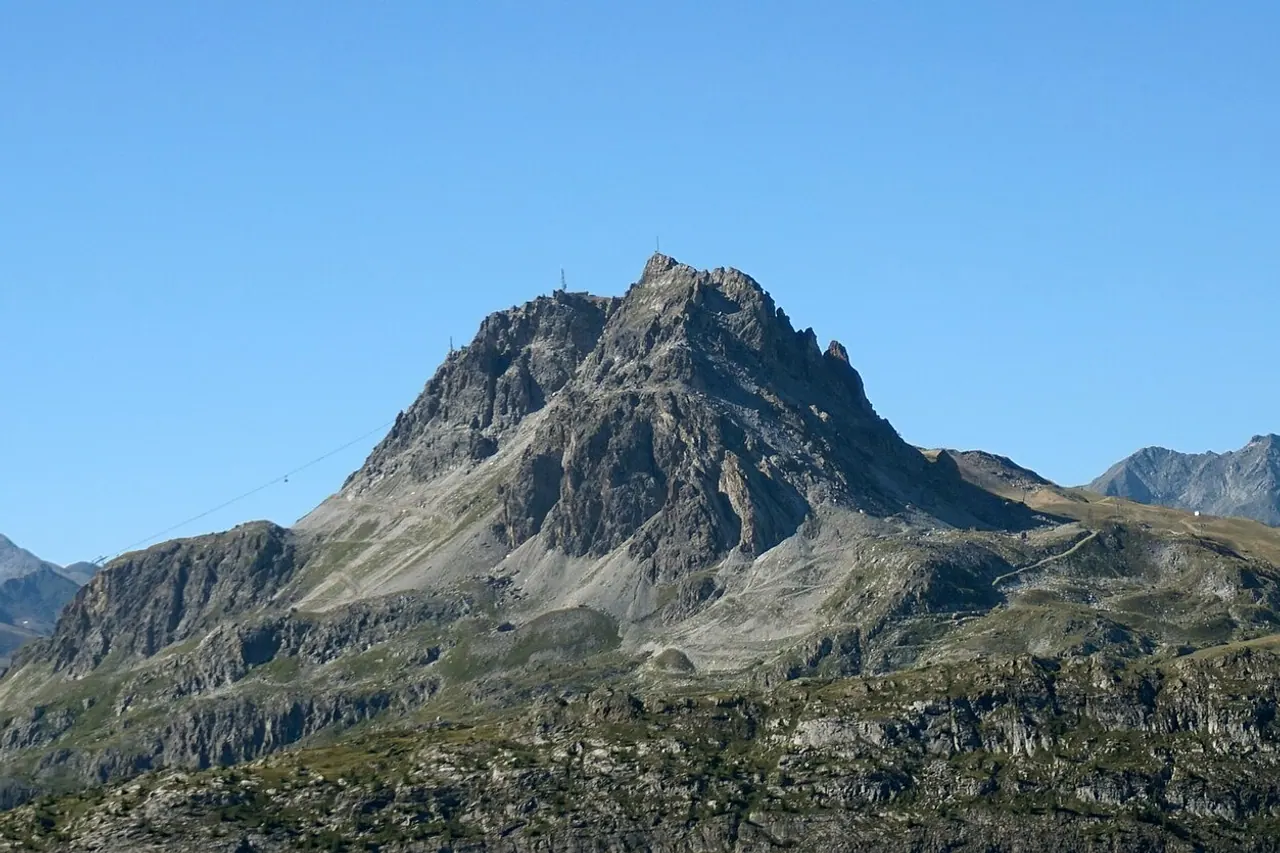
Plan your visit
Val d'Isere's central village and its outlying hamlets create different mountain holidays. Bellevarde and Solaise shape the ski day, while Le Fornet and La Daille have their own departures and local character. Summer lake walks, the Iseran road and routes into the Vanoise need separate conditions checks; they are not interchangeable with a winter shuttle outing. Keep the first day simple, learn the resort layout and choose a mountain plan suited to your ability. The wider Tignes area can add a worthwhile excursion, but it should not be described as another street within Val d'Isere.
Walk the old village
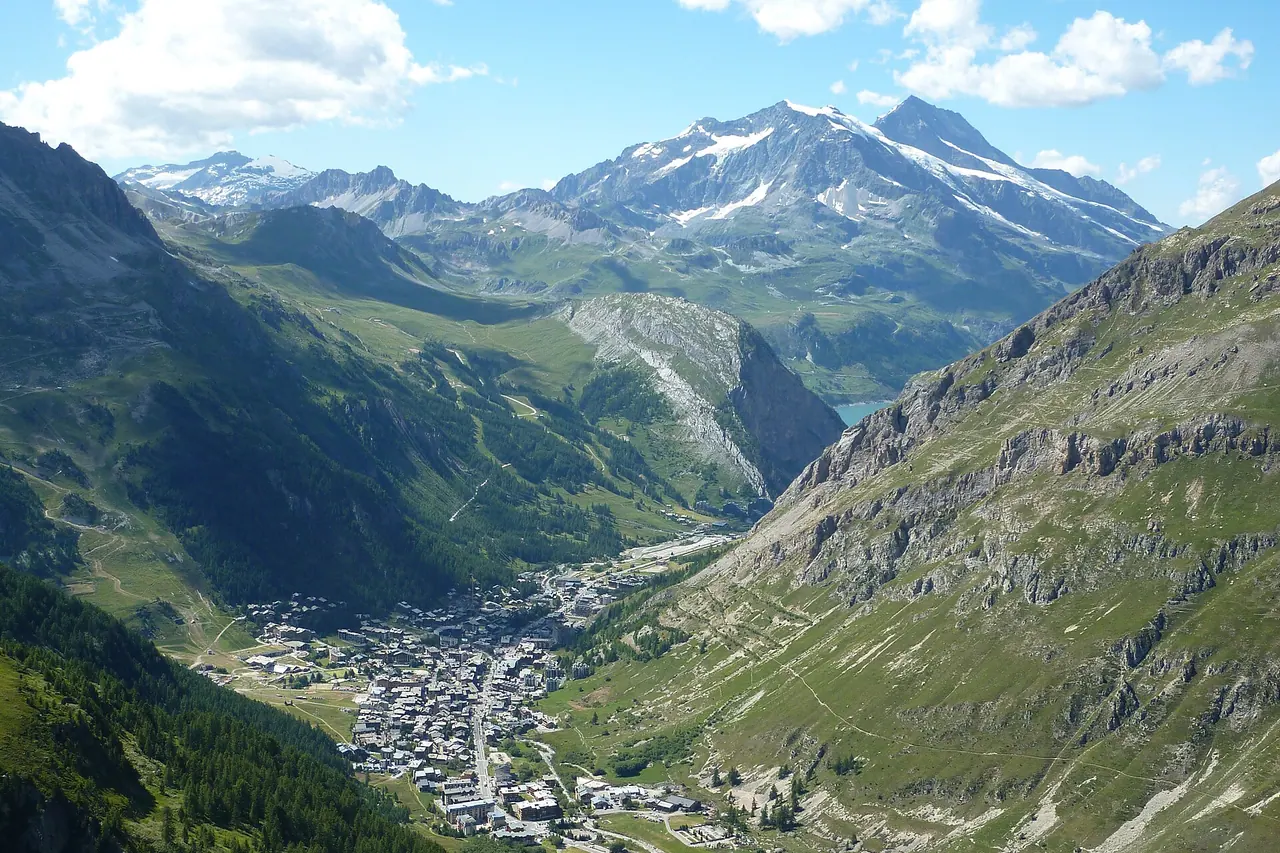
Begin with Val d'Isere's older village streets rather than heading straight to a mountain departure. The stone buildings and church setting give a human scale to a resort often described only through its skiing. Notice how the older core relates to the busier avenue and the ski-front area. This is a useful arrival walk for understanding the place and a rewarding shared activity when some members of the group do not ski.
Check any interior visiting arrangements instead of assuming every historic building is open to casual visitors. Respect residential doorways and church services, and choose footwear suitable for the actual town surfaces. Use the walk to locate the useful shuttle stop and your rental or lesson meeting point. The village pin is a general orientation feature, not the entrance to a hotel. Keep the first afternoon unhurried, especially after the mountain-road transfer, rather than adding a high lake or distant resort to the same day.
Val d'Isere municipality: village heritageLook across the resort from Bellevarde
Bellevarde is one of the defining mountain settings above Val d'Isere, associated with the resort's major ski terrain and broad views. It can also be a sightseeing objective when the appropriate lift and visitor access are operating. Treat the mountain as a substantial outing rather than a photograph to collect between village errands. The view helps explain the relationship between the central ski front, surrounding slopes and neighboring sectors.
Check the operator's current access and the ticket appropriate to your activity. The summit pin marks the mountain, not the upper visitor terrace or a lower lift entrance. Any final path beyond a managed arrival area depends on the season and conditions, so follow signs rather than assuming unrestricted summit walking. Ski routes, including the famous Face, require an ability assessment and current piste information. A scenic panorama does not make every descent suitable for beginners or establish that the route back to your accommodation is open.
Val d'Isere tourism: mountain viewpointsExplore La Daille as a distinct resort base
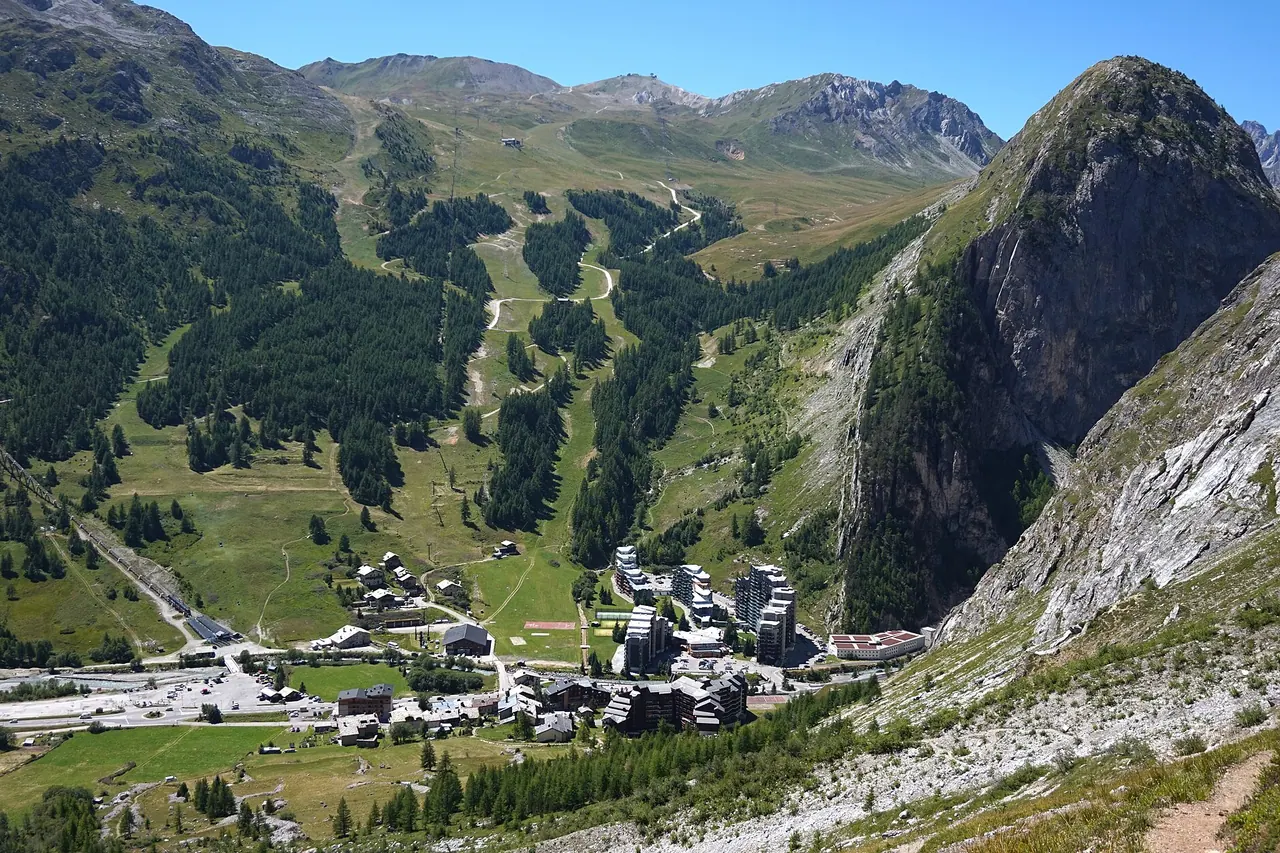
La Daille is a genuine resort settlement at the approach to Val d'Isere, not merely a car park on the way to the center. Its accommodation and lift departures give it a different character from the old village. A visit is useful when you want to understand the resort layout or compare a ski-focused base with a more central evening setting. Take a look at the walking route and public spaces rather than judging it only from the road.
Choose the correct lower departure for your activity and confirm its current operation. The shuttle connection to the center has its own seasonal timetable, so check the actual service rather than assuming it runs identically throughout the year. Winter walking routes are designated separately from pistes and ordinary roads; use the tourism office's current information for the approach you intend. The map marks La Daille, not an individual hotel entrance. A short village outing does not require committing to a full mountain circuit from there.
Val d'Isere tourism: local shuttlesVisit the hamlet of Le Fornet
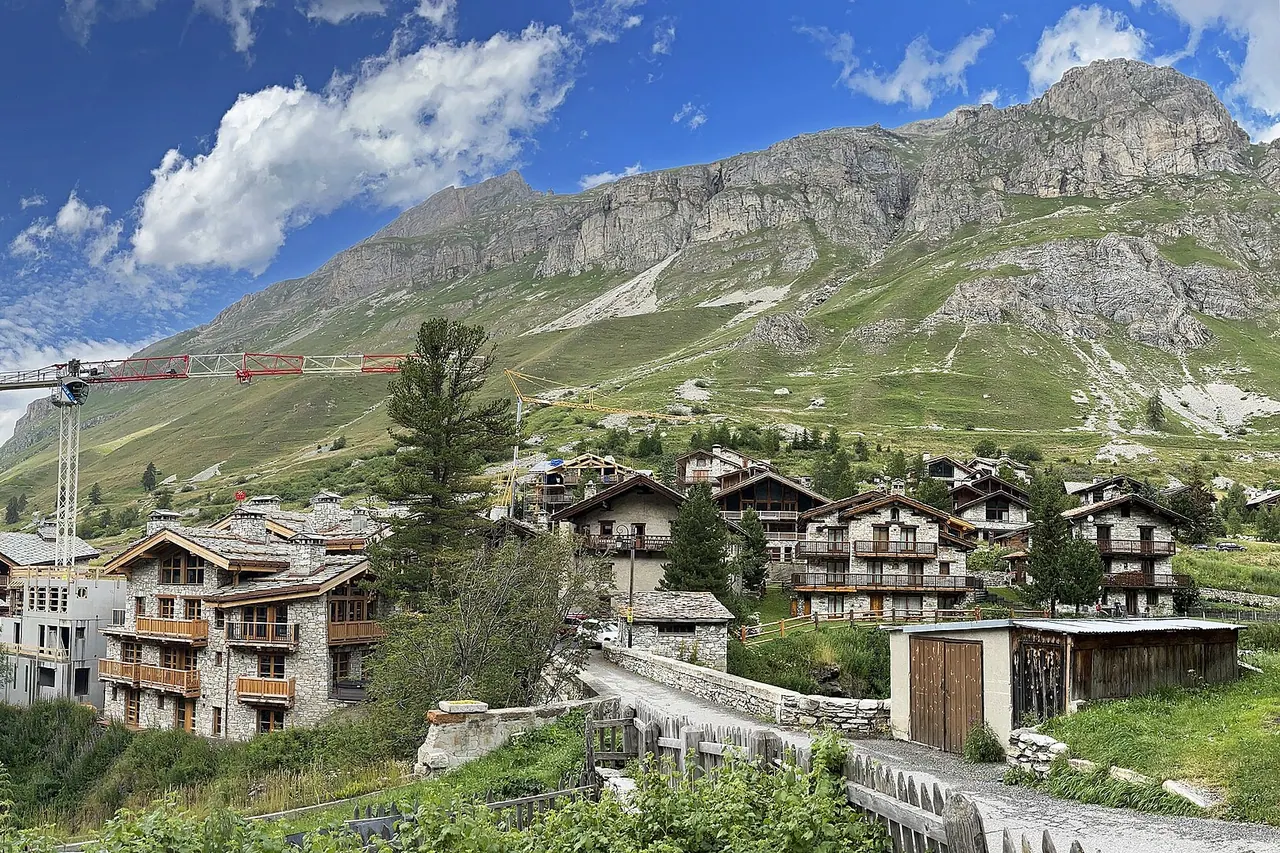
Le Fornet gives the resort a smaller hamlet setting beyond the central village. Its older buildings and position beside the upper valley make it a useful contrast to the busier avenue and ski front. Visit because you want to see that local character, not simply because the name appears on a piste map. A walk through the hamlet and a planned meal can be a complete outing without adding a difficult mountain route.
Check the current shuttle connection and the opening of any place where you intend to eat. Lift access belongs to a separate mountain plan, and a summer valley walk should not be described as a safe winter path without checking its designation. Respect the settlement's residential buildings and follow the marked public approach. The map identifies Le Fornet itself, not a particular cable-car platform. If returning after dinner, read the useful departure times rather than assuming the daytime ski service provides an unlimited evening connection.
Val d'Isere tourism: village historyChoose a seasonal outing to Ouillette Lake
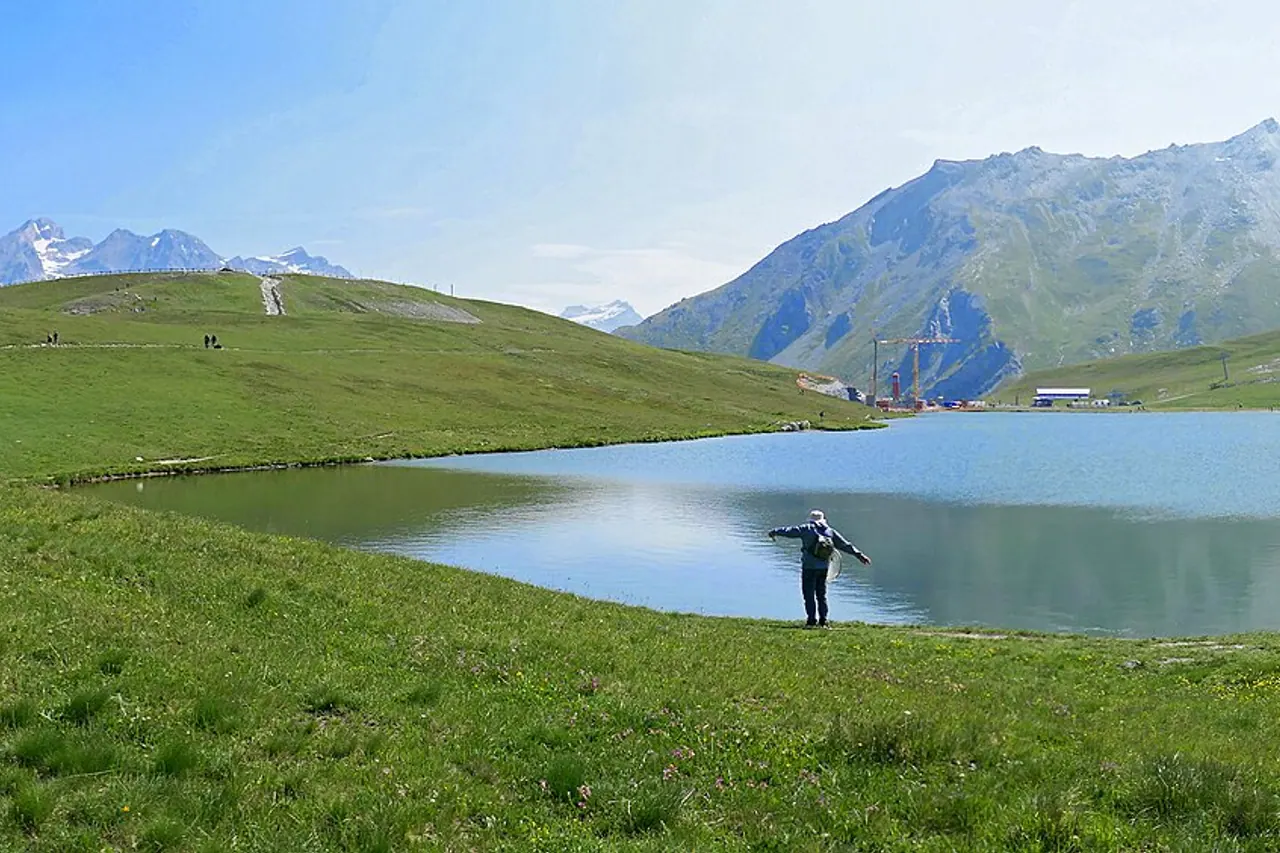
Ouillette Lake is a mountain outing on the Solaise side of the resort, with a summer lakeside setting quite different from the busy central streets. It suits a day when you want scenery and a suitable walk rather than another long ski circuit. Choose the approach deliberately: using an operating lift and walking up from the village are different commitments. The lake photograph shows the snow-free landscape, not the appearance visitors should expect throughout the year.
Check the current gondola plan and the route designated for your season. The tourism office describes separate summer and winter access, so do not use a summer walking path as a winter shortcut. In snow, follow the open prepared visitor route and keep away from unsafe ice. Bring suitable layers and footwear, and leave time for the descent. The lake pin is not a car park, and a high-altitude picnic should not depend on a restaurant being open unless you have confirmed it directly.
Val d'Isere tourism: Ouillette LakeSee the Col de l'Iseran when the road is open
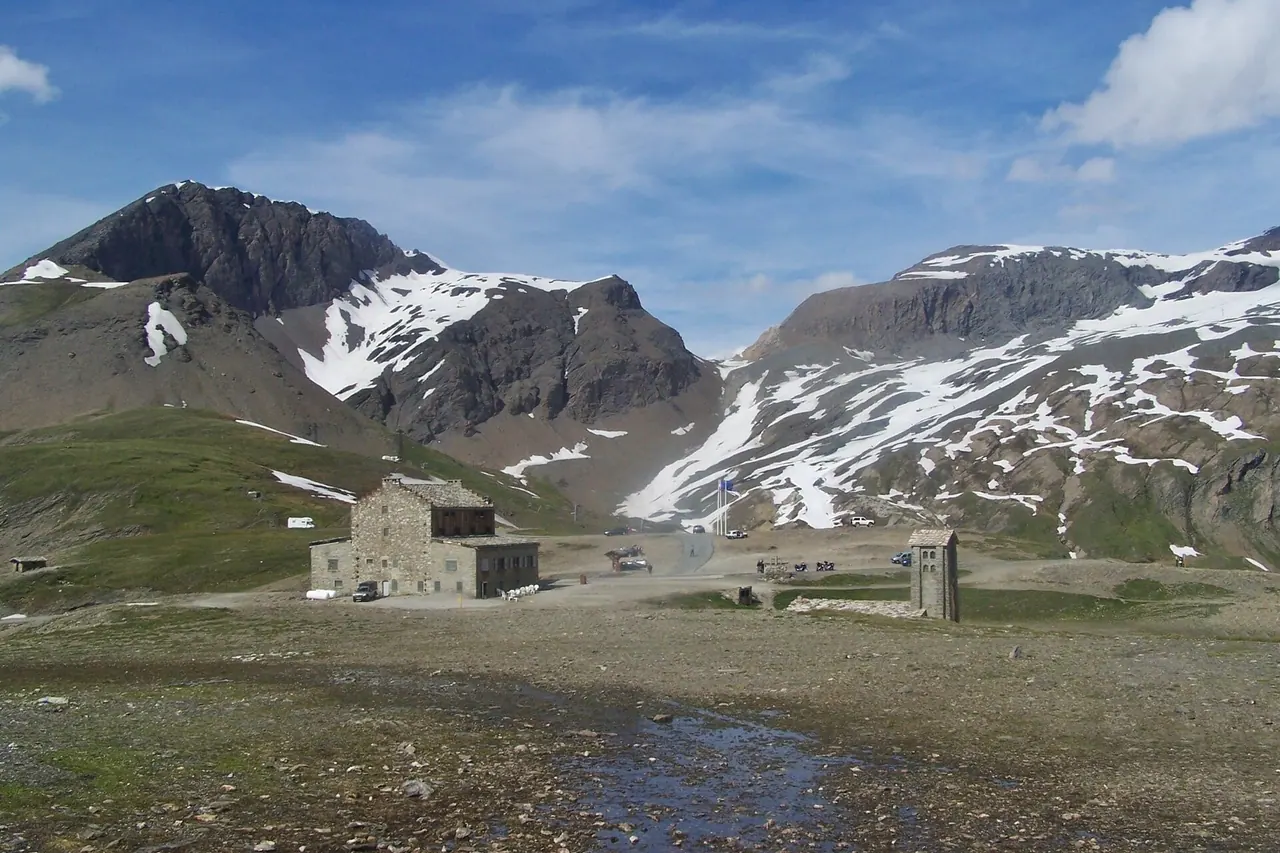
The Col de l'Iseran is a high road-pass outing beyond Val d'Isere, giving a different perspective from the village and lift-served ski front. In an appropriate open-road period, it can suit a scenic drive or a carefully planned cycling objective. The surrounding terrain remains mountain country, so a stop at the pass is not an invitation to walk onto any visible ridge. Enjoy the landscape within a plan suited to your transport and experience.
Check the actual road status before setting off and use the correct seasonal arrival route for the resort. Snow clearance and new weather can change access, and the pass must not be assumed to provide a winter through-road from the Maurienne side. Warm layers are useful even in a summer itinerary. The pass pin identifies the geographical feature, not guaranteed parking or an open cafe. Keep this separate from a full ski day and avoid publishing a fixed reopening date as an annual promise.
Val d'Isere tourism: road conditions and Iseran accessPlan a suitable-season walk toward Prariond
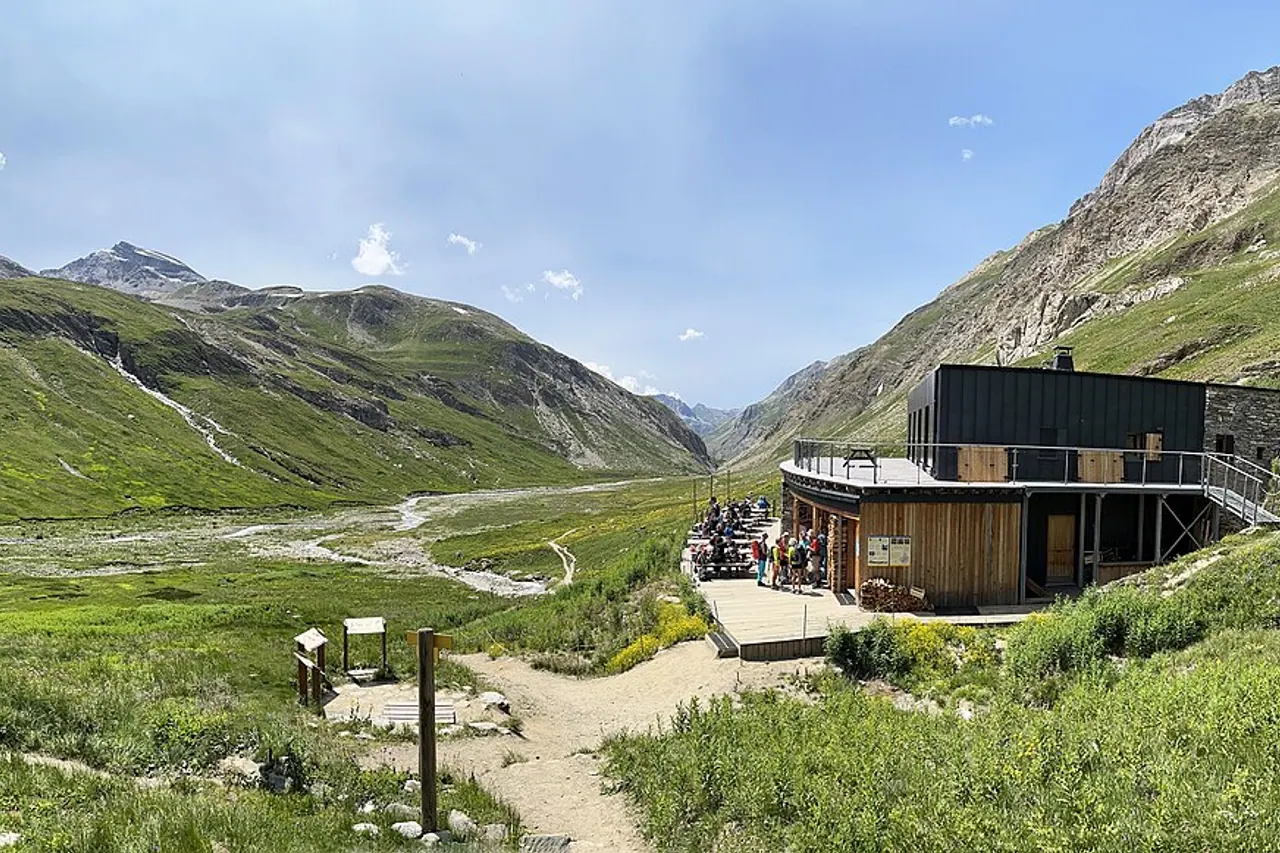
The Prariond refuge is an actual mountain objective in the Vanoise landscape above Val d'Isere. The national park describes a summer approach from Pont Saint-Charles, making it a meaningful outing for walkers who want more than a village circuit. Choose it for a dedicated walking day, with route conditions and your group's ability considered first. A mountain refuge provides a destination, but its existence does not turn the approach into an all-season casual stroll.
Check the park's current route advice and the refuge's staffed period before depending on food or other facilities. Winter and spring mountain travel require a different plan from the summer path, and snow-covered terrain should not be entered on the strength of this description. Arrange the journey to the trailhead and the return before leaving. Carry appropriate equipment, respect park rules and reserve directly if staying overnight. The refuge pin is not a drive-up hotel entrance or a promise that staff will be present on your arrival.
Vanoise National Park: Prariond refugeUnderstand the Vanoise beyond the ski map
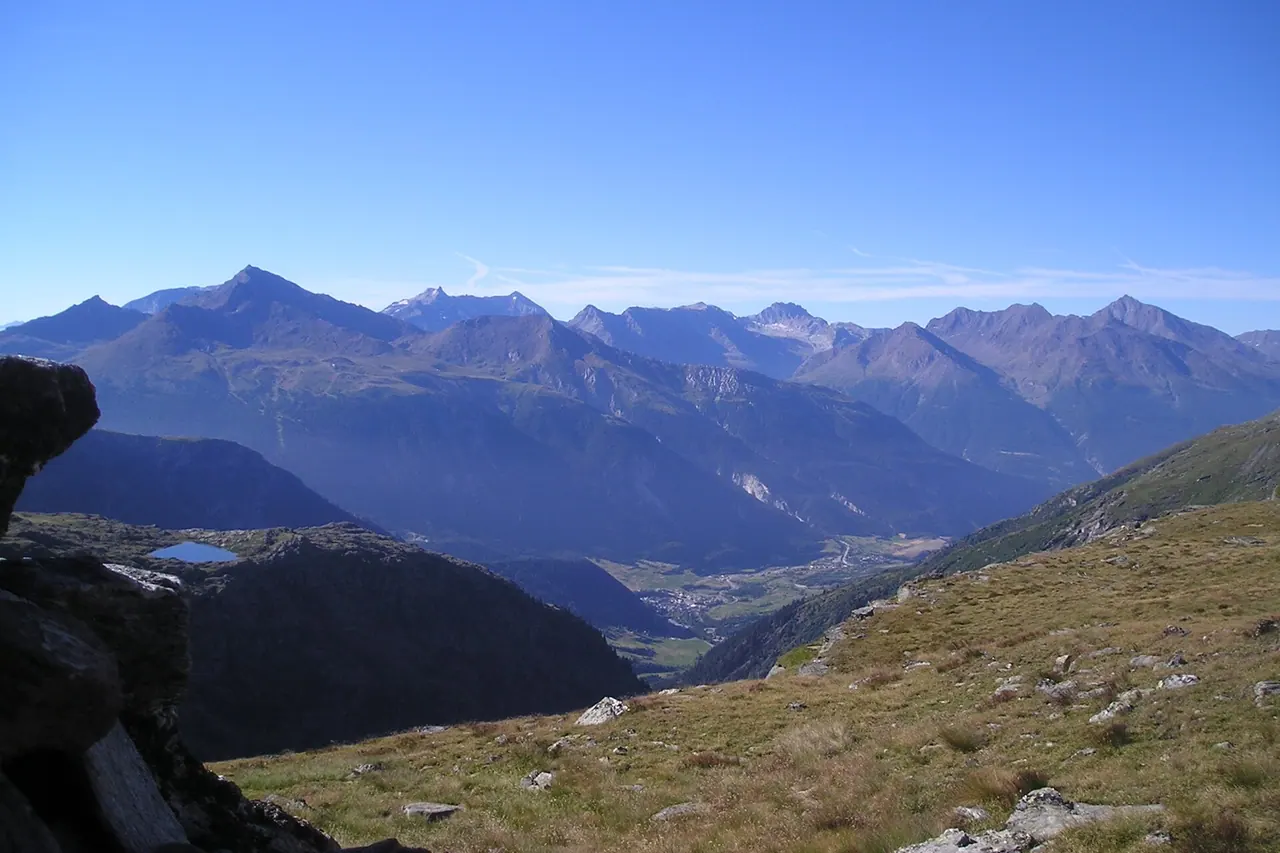
The Vanoise National Park is the larger protected mountain landscape around the region, not one attraction reached by a single resort shuttle. Looking at its official visitor information helps distinguish managed resort activities from walking and wildlife areas with different rules. Choose a local route and trailhead relevant to Val d'Isere rather than trying to visit an abstract center of the park. The park can add depth to a summer stay when approached as a landscape to respect.
Consult current path conditions and protected-area rules before planning a walk. Restrictions concerning wildlife, dogs, camping and other activities need to be checked for the specific area, not guessed from another national park. Carry out rubbish and observe wildlife without approaching or feeding it. The photograph is regional Vanoise context, and the representative park pin is not a local entrance or trail start. In winter, use properly designated routes or qualified mountain guidance rather than treating summer park scenery as evidence of safe unmarked access.
Vanoise National ParkVisit the natural lake at Tignes
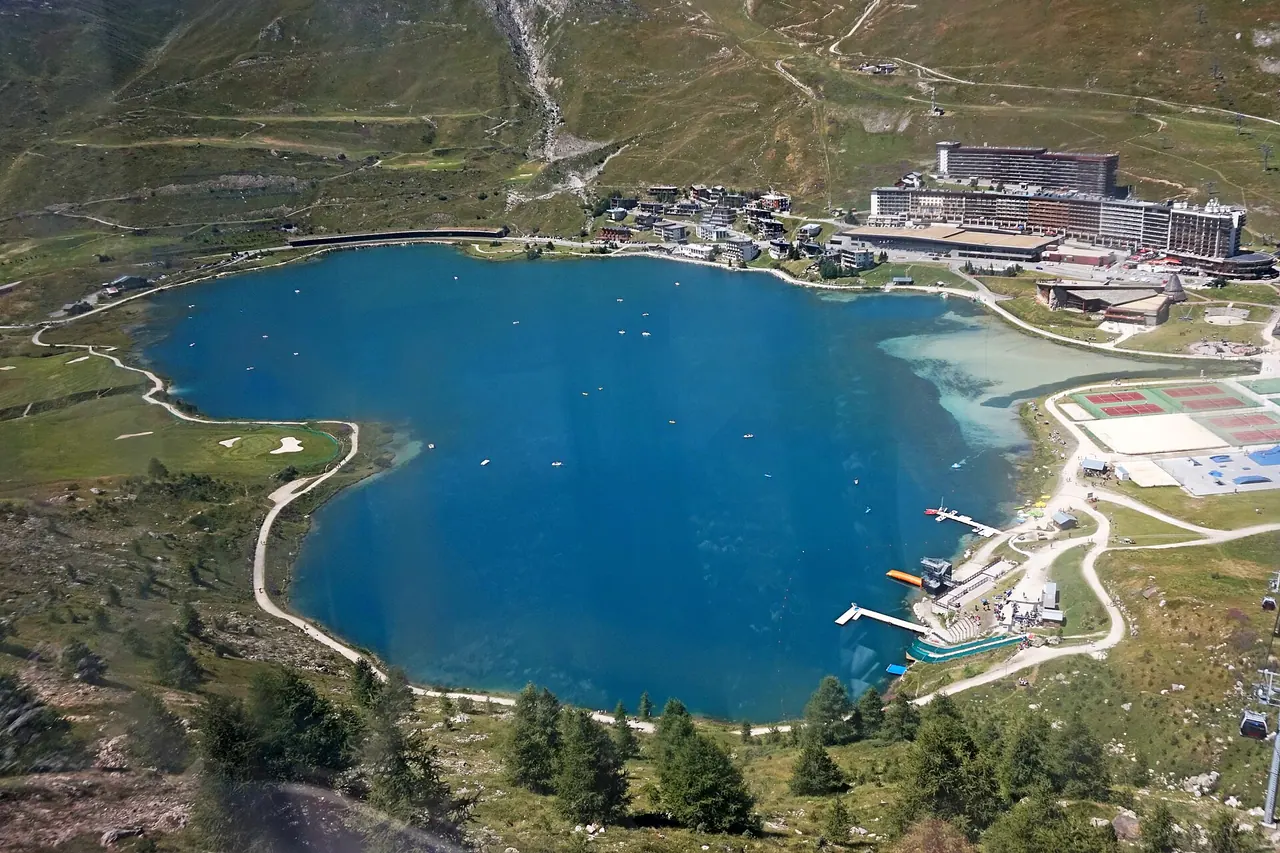
The natural lake at Tignes offers a regional outing beyond Val d'Isere, with the high resort settlement and surrounding mountains visible around the water. In a suitable summer period, the lakeside setting supports a gentler day than a demanding mountain ascent. It is a different place from Ouillette Lake and should be chosen as a separate excursion rather than described as another stop within the same village walk.
Organize the outward and return road connection, or a specifically checked mountain itinerary if skiing is your actual purpose. A connected ski domain does not provide an ordinary pedestrian shortcut between every settlement. Lake activities, paths and managed winter experiences have separate seasonal rules, so follow the current local information and stay off unsafe ice. The map marks the lake, not a bus stop or booked activity entrance. Give Tignes enough time to justify the journey instead of adding it late after a full Val d'Isere mountain day.
Tignes tourism: the natural lakeConsider a separate Grande Motte mountain trip
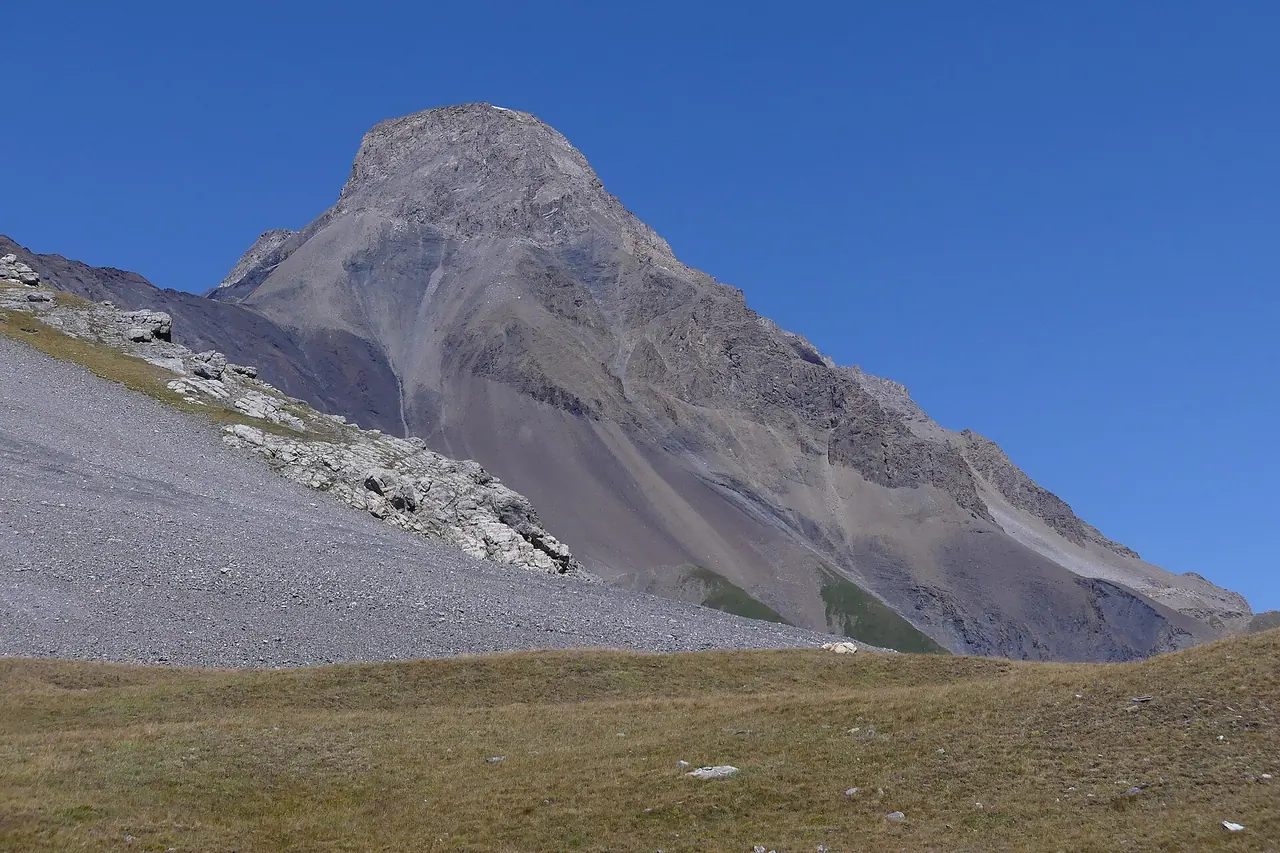
Grande Motte belongs to the Tignes side of the wider mountain area and is a separate high-altitude objective from Val d'Isere's village departures. The Tignes operator's visitor information explains the lift-assisted approach and the distinction between managed access and mountaineering. Consider it when the landscape is a strong interest and you have enough time for the connections. It is not a casual extra summit reached by continuing a town shuttle from Val d'Isere.
Check the complete operating plan, suitable ticket and current visitor restrictions before traveling. The mountain pin identifies the summit, not the highest lift-served platform or an instruction to climb there on foot. Read altitude and child-access advice, wear suitable layers and plan the return to your actual accommodation. Glacier travel outside managed areas requires specialist expertise. Do not promise summer skiing, open lifts or particular snow conditions merely because an older description associates this mountain with year-round activity.
Tignes tourism: Grande MotteA flexible first-visit plan
Arrival afternoon
Walk the old village, locate the right shuttle stop and organize equipment. Check the actual arrival stop rather than assuming the bus finishes beside your hotel.
Ski or sightseeing day
Choose the appropriate operating sector and terrain. Bellevarde views and Solaise's lake access need different plans, especially for pedestrians.
Village or seasonal excursion
Visit Le Fornet, or plan Ouillette, Prariond or the Iseran only when their specific access is suitable. Tignes requires a separate regional outing.
Before you go
Use the current shuttle plan
La Daille, Le Fornet, Laisinant and the southern hamlets have different stops and routes. Check the service for your travel period and evening return.
Do not use Iseran as a winter shortcut
Confirm the mountain-road arrival route and current restrictions. The high pass has a seasonal road closure and a variable reopening.
Separate winter walks from pistes
Use the designated walking routes and current status. A convenient-looking ski descent or summer path is not automatically a winter footpath.
Choose a base for your actual mountain days
Choose a Val d'Isere base around the departure you expect to use, your evening plans and the final walk with equipment. The center balances the ski front with shops and meals; La Daille is a distinct lift base; Le Fornet and Le Laisinant offer quieter hamlet settings. The southern Joseray, Chatelard and Legettaz addresses need careful entrance-level checks. The shuttle network helps, but it does not make every hotel equally convenient or prove ski-in ski-out access.
Explore Val d'Isère hotels