
Bath city guide
10 things to do in Bath
Connect Roman history with Georgian streets, make modern bathing a separate booking, and leave time for museums and the gardens beyond the busiest centre.
Plan your visit
Bath is compact enough to explore on foot, but it is not uniformly flat and its famous names describe very different visits. The Roman Baths are a museum, not a swimming pool; Thermae Bath Spa is the modern bathing choice. Start with a booked interior and a manageable street walk, then decide whether the second day belongs to art and gardens or another museum. Prior Park needs a deliberate uphill journey rather than being added as a final stop when everyone is tired.
Understand the ancient complex at the Roman Baths
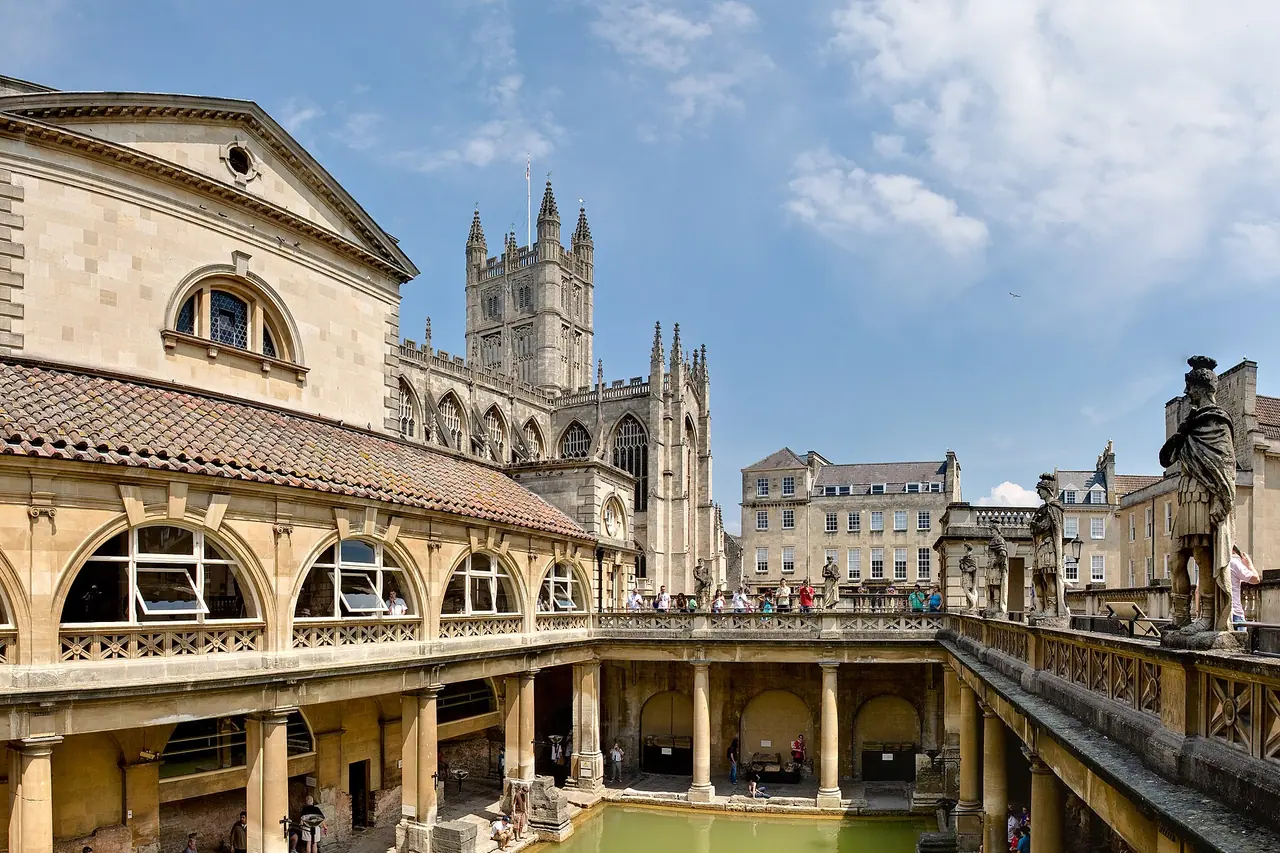
The Roman Baths are the place to understand why this city grew around its spring. The Great Bath is the familiar image, but the visit also follows the relationship between water, worship and the rooms of an ancient bathing complex. Use the interpretation to connect what you see instead of moving straight to the most photographed viewpoint. The museum route is a substantial visit, not simply a public terrace above the water.
Book an appropriate entry time and leave luggage elsewhere before arriving; the operator does not provide storage for large cases. This is not a place to swim, touch or drink the untreated water. Modern thermal bathing belongs at a separate facility with its own booking. Plan the Abbey or a short central walk afterwards, but avoid fixing another timed visit so tightly that you have to rush through the exhibits and archaeological spaces.
Plan it well: Keep the Roman Baths museum and Thermae Bath Spa as separate activities and bookings.
Roman Baths: official visitor informationLook upwards at Bath Abbey
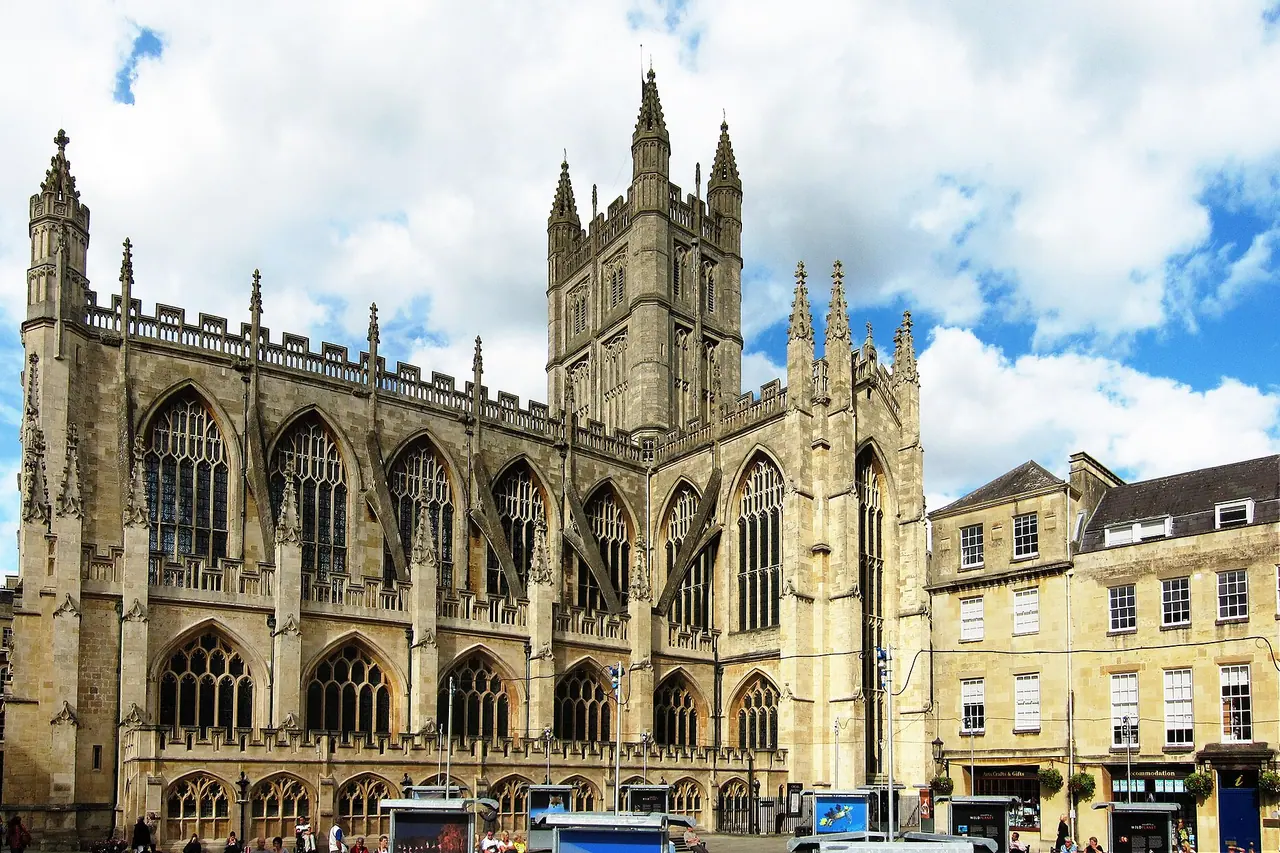
Bath Abbey deserves a pause even in a city rich in architecture. Start outside, where the west front and its sculptural detail meet the crowded central square, then look at the height and light of the interior if visiting is possible. The Abbey’s own information emphasises that it remains a working church. That makes a respectful, unhurried visit more appropriate than treating the building as a passage between nearby attractions.
Services, special events and conservation can change the visitor arrangements, so confirm them before making the interior essential to your day. A tower tour is a separate activity with steps and its own access requirements; ordinary Abbey admission does not mean every visitor can or should climb. Leave quiet space for people who come to worship or reflect. The Roman Baths are next door, making this an easy pairing without another transport leg.
Plan it well: Check tower-tour requirements separately from access to the main church.
Bath Abbey: official visitor informationSee Pulteney Bridge from the river and the street
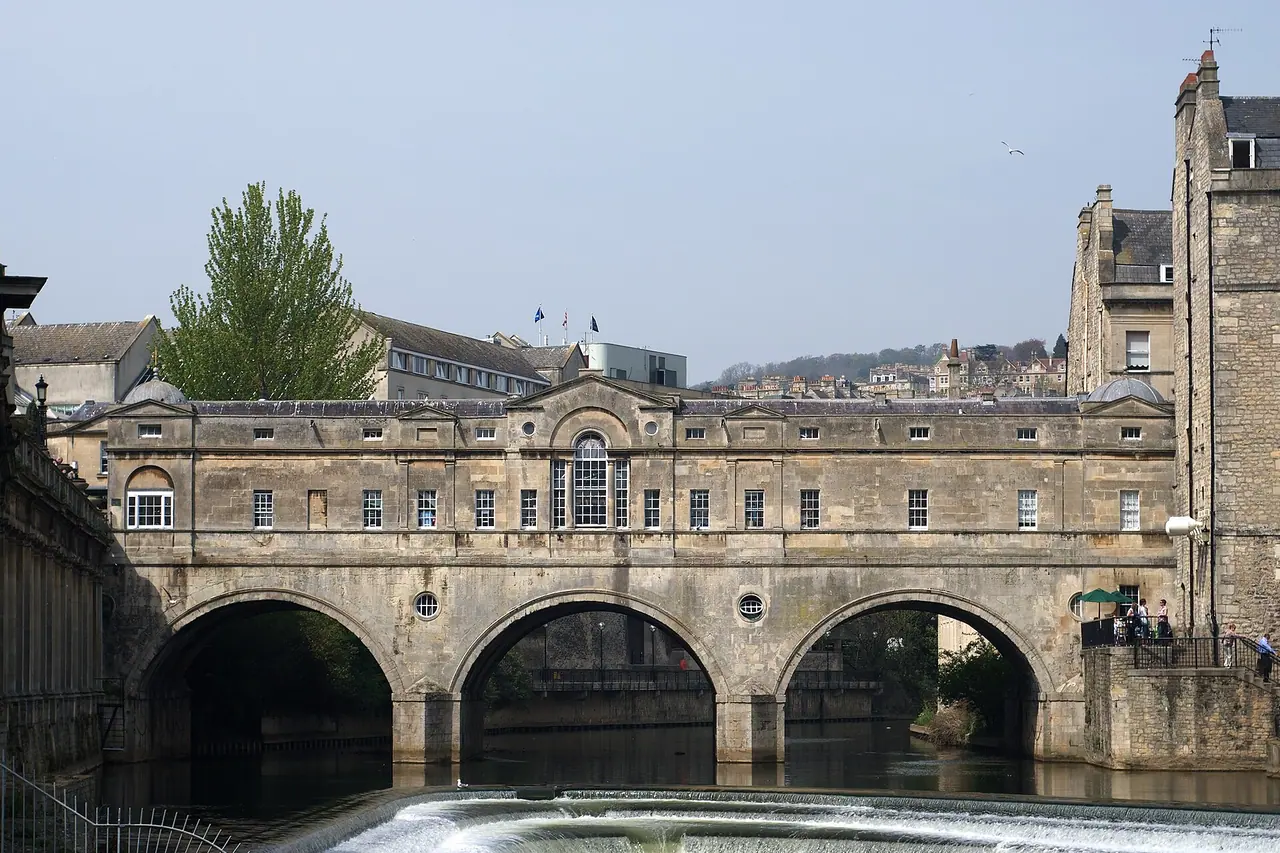
Pulteney Bridge is interesting from two levels. From the riverside, its arches and the adjoining weir give you the familiar Bath scene; on the bridge, the shops make the crossing feel more like a street than an exposed river span. Compare those perspectives rather than stopping only for the classic photograph. Visit Bath connects its design with Italian precedents, which helps explain the unusual built-up crossing.
Choose a public riverside viewpoint and do not move beyond barriers to get closer to the weir. River levels and conditions vary, and a picturesque cascade is not a swimming invitation. After seeing the bridge, continue across towards Great Pulteney Street if the Holburne or Bathwick is part of your plan. Keep the return distance in mind when adding gardens, especially if another booked visit is waiting in the centre.
Plan it well: The weir is a viewing subject, not a safe place for swimming or climbing.
Pulteney Bridge: official visitor informationRead the whole curve of the Royal Crescent
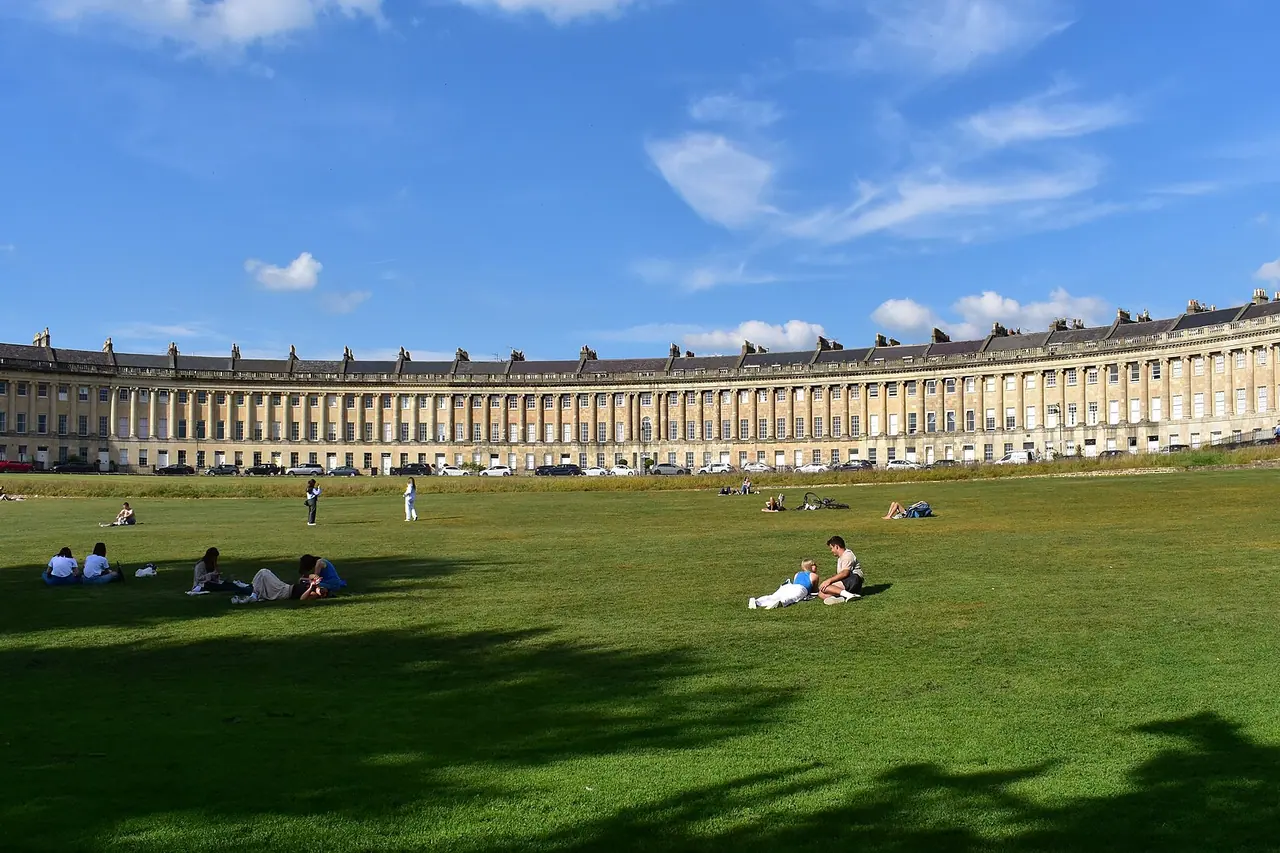
The Royal Crescent works best when you step back far enough to understand its entire curve. The repeated columns and continuous stone frontage create a unified scene even though the buildings behind it have separate lives. Approach through the public streets and compare the sweep with the Circus nearby. Visit Bath's landmark guide describes the architectural ensemble, which is more useful context than a hunt for the most expensive-looking doorway.
The Crescent is not a museum with unrestricted entry into every house. Residential privacy, hotel access and the separate museum at Number One need to remain distinct. Stay on public paths and respect any boundaries on the lawns. The route from the lower centre involves a climb, so plan a pause or a shorter return when walking stamina matters. A street-level view is worthwhile without buying an interior ticket or arranging a guided circuit.
Plan it well: Public frontage access does not include private houses, hotel grounds or the Number One museum.
Roman Baths: official visitor informationCompare the circular architecture of the Circus
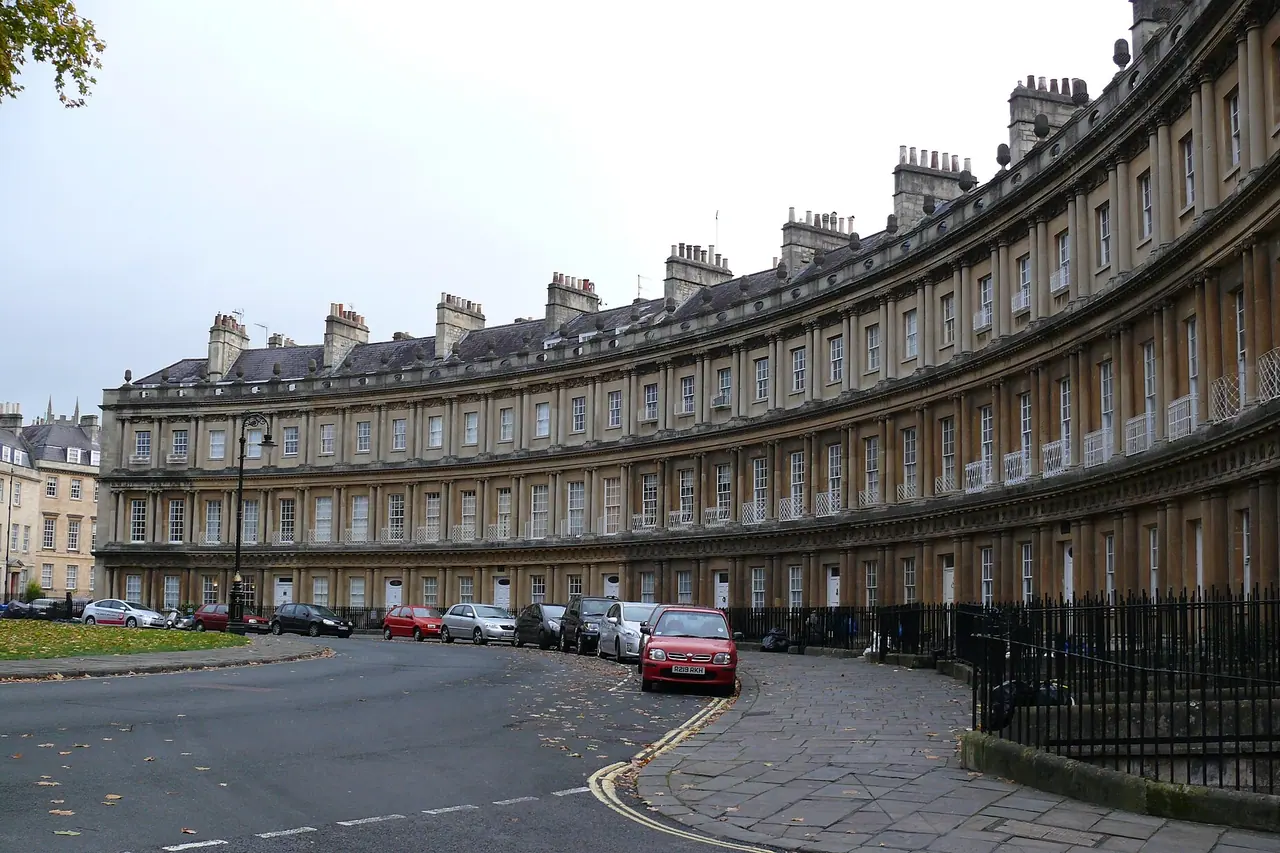
The Circus provides a different Georgian composition from the Crescent: three curved terraces form a circular street around the central trees. Look across the road to see how the buildings frame one another, then examine the repeated classical details at a safe distance. John Wood the Elder’s design rewards a slow circuit rather than a quick photograph taken while walking to the next landmark.
These are lived-in streets, with traffic and entrances that need to remain clear. Do not stand in the carriageway to reproduce an aerial view or assume that a private doorway is a public attraction. Link the Circus with the Royal Crescent through the connecting streets, and leave the rest of the Georgian quarter flexible. It is easy to overestimate how much uphill walking a short centre-based day contains when every landmark seems close on a map.
Plan it well: Look from pavements and respect residential doors; the circular road is not a pedestrian plaza.
The Circus: official visitor informationBook modern bathing at Thermae Bath Spa
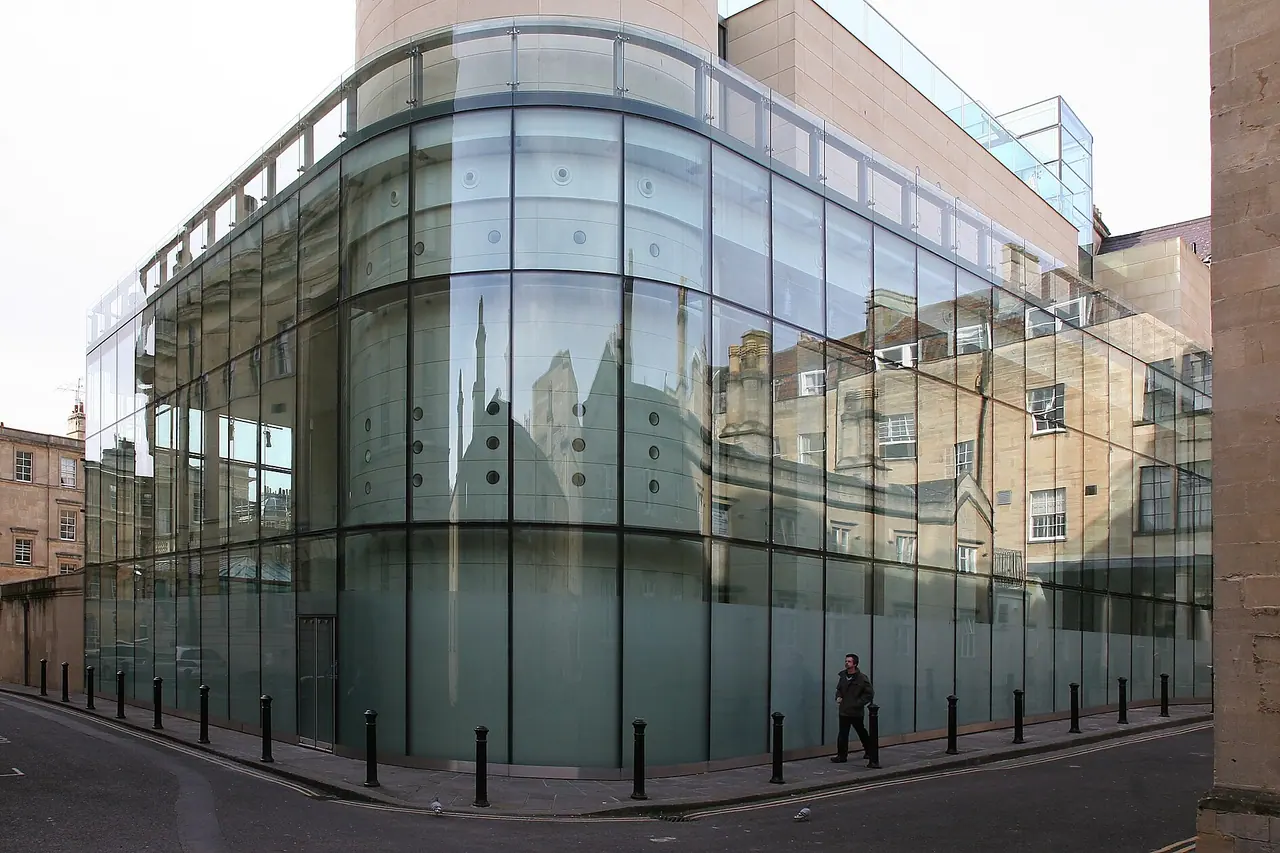
Thermae Bath Spa is the modern bathing experience to compare with the Roman Baths museum. Its indoor facilities and rooftop pool make the spa itself a meaningful part of the day, not a brief add-on to an archaeological visit. Choose a session when you can leave room for changing and a relaxed departure. The spa’s central position makes an onward meal or short walk easier than another tightly timed attraction.
The operator currently sets a minimum age of sixteen for the main spa and eighteen for treatments. Check the rules and the chosen booking before making plans for a mixed-age group; the separate Cross Bath has different arrangements. Phones are handled under the operator’s current policy, so do not expect a rooftop photography session. Book directly against your date and keep the distinction between included facilities and optional treatments clear.
Plan it well: Verify the main-spa age limit and any separate Cross Bath arrangements with the operator.
Thermae Bath Spa: official visitor informationChoose an art visit at the Holburne
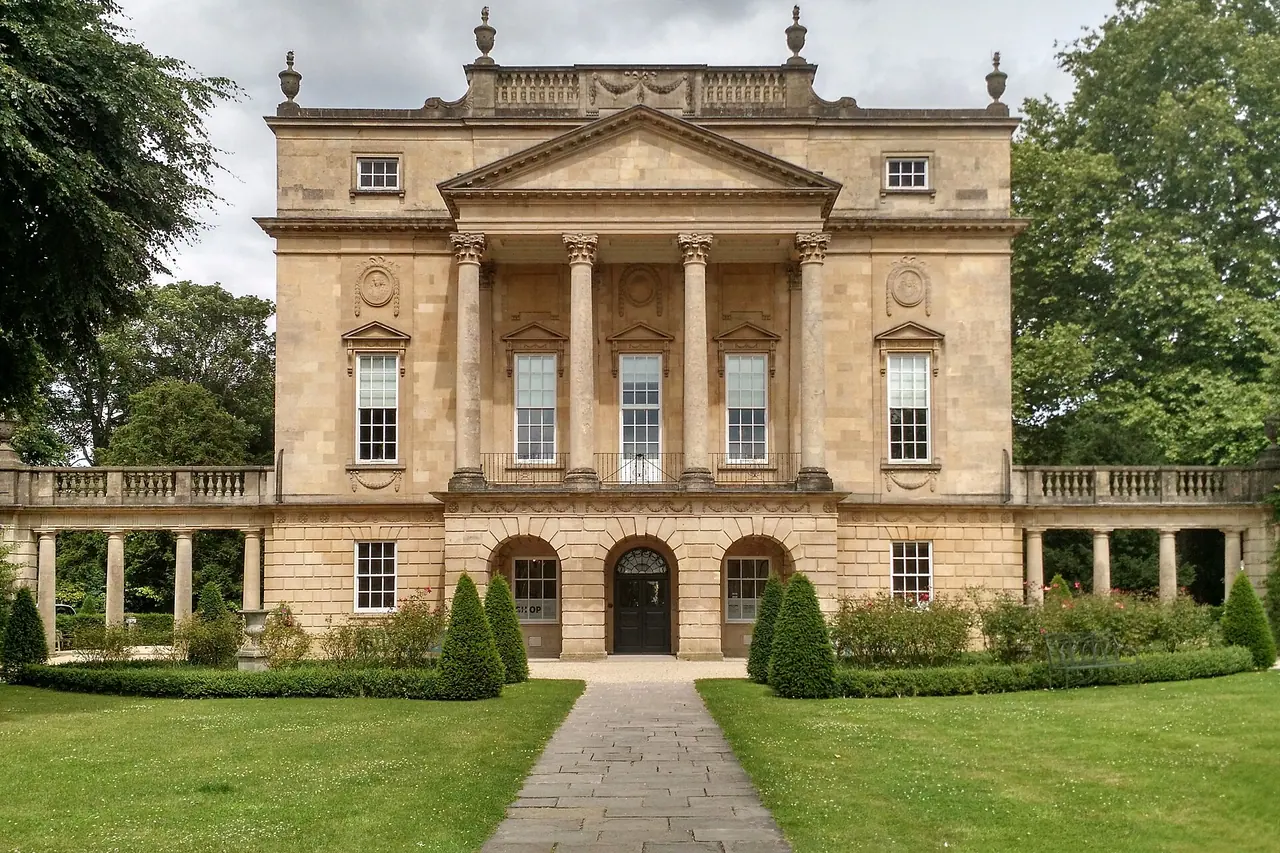
The Holburne gives Great Pulteney Street a purposeful destination. The museum’s historic frontage and modern garden-side extension provide an architectural contrast before you even start looking at the collections. Choose the galleries and temporary exhibition that interest you, and leave time to understand the works rather than treating the building only as a television location or a background for a street photograph.
Consult the museum’s visitor information for the current programme and what your admission covers. A particular painting associated with the collection is not guaranteed to be hanging during every visit. The approach from the centre crosses the Avon and follows Great Pulteney Street, so allow time for that walk rather than fitting it between two closely timed central bookings. Sydney Gardens immediately behind the museum makes a useful outdoor continuation when weather and energy permit.
Plan it well: Check the current display and any exhibition-specific ticket before making a favourite work the reason to visit.
Holburne Museum: official visitor informationSlow the day down in Sydney Gardens
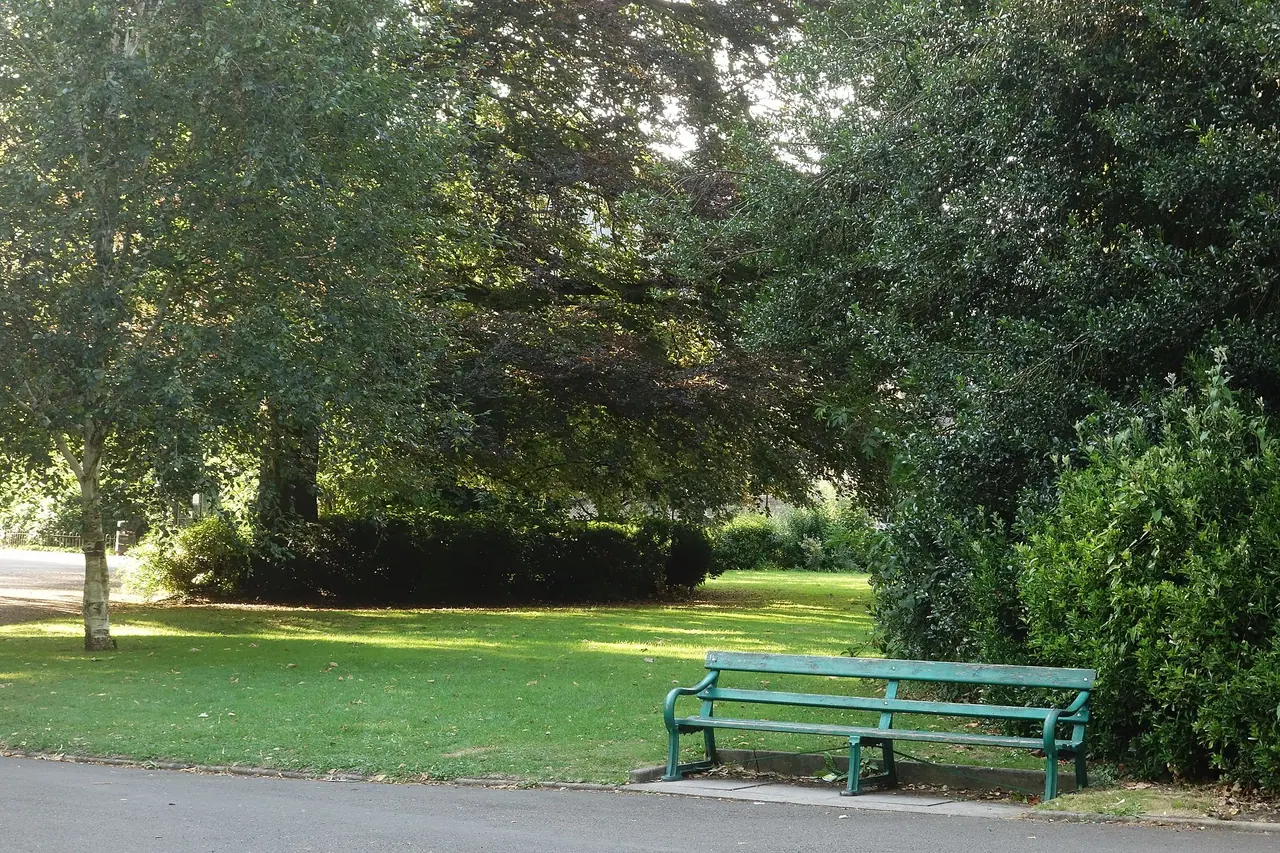
Sydney Gardens offers a change of pace beyond the grand frontage of Great Pulteney Street. The historic pleasure-garden setting is now a public park, with paths and glimpses of transport infrastructure that make the landscape more than a simple lawn. Visit Bath places it directly behind the Holburne, so it belongs naturally in the same east-of-river outing. Look at the bridges and changing views without trying to cover every corner.
Keep the route suited to the weather and the group’s energy. Canal edges, bridges and railway viewpoints have different safety requirements from an open garden path, and a public park does not make every adjacent route accessible. Leave room to sit instead of turning the stop into another full walking circuit. If you are staying in the lower centre, consider the return journey before extending further along the canal or up Bathwick Hill.
Plan it well: Use public paths and keep clear of water and railway boundaries.
Sydney Gardens: official visitor informationMake Prior Park a deliberate garden outing
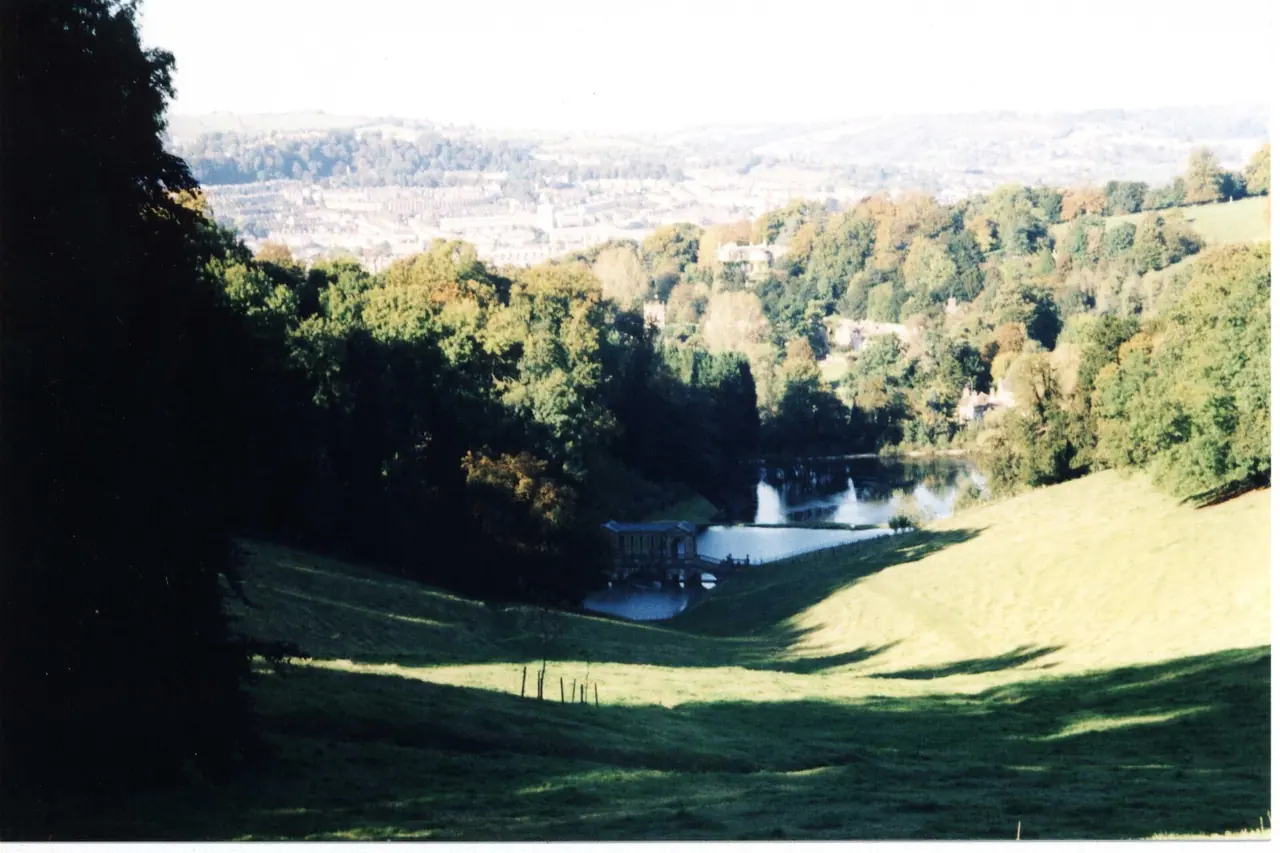
Prior Park is the garden visit for travellers who want Bath’s landscape setting as well as its streets. The Palladian bridge, water and sloping valley form a composed eighteenth-century scene, and the National Trust describes the restoration of the historic dams and lakes. Take time to see the relationship between the bridge and surrounding ground rather than treating it as a single object to photograph and leave.
Plan the approach from central Bath separately and read the property’s access information before expecting a level circuit or convenient parking. The garden’s slopes can make a short-looking route demanding, especially after a morning in the Georgian quarter. Check opening arrangements close to the visit and follow any path restrictions. Choose Prior Park instead of an additional central museum when you want an outdoor afternoon, leaving the rest of the day light enough for the return.
Plan it well: Check National Trust arrival and accessibility advice before choosing the route to the garden.
Prior Park Landscape Garden: official visitor informationFollow a scientific household at the Herschel Museum
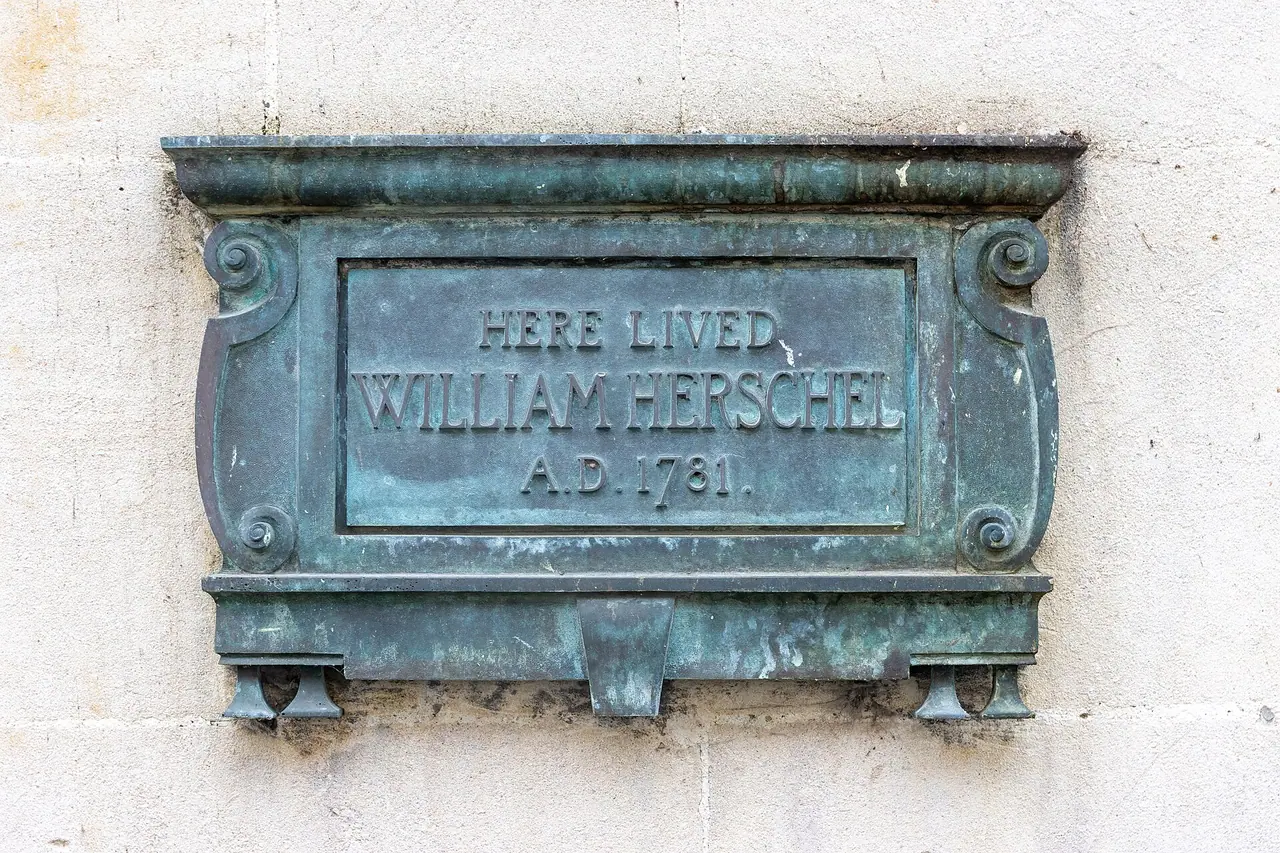
The Herschel Museum introduces a different Bath story from fashionable bathing and Georgian society. The house is associated with William and Caroline Herschel, bringing domestic space and scientific work together at a scale you can grasp. Choose it for that connection rather than expecting a large observatory or a planetarium programme. A house museum rewards reading the rooms and interpretation carefully instead of comparing it with a much larger science attraction.
Use the museum’s current visitor information to check access through the historic building and the displays on your dates. Small rooms and changes of level can affect how a group moves, particularly with mobility needs. Make the visit part of a west-of-centre walk or a focused indoor afternoon, then leave time for a nearby meal. Do not assume an astronomy-related museum automatically offers an evening observing session; events need their own confirmation.
Plan it well: Look for a specific event listing if you want stargazing, rather than assuming it accompanies ordinary admission.
Herschel Museum of Astronomy: official visitor informationA balanced two-day plan
Use the first day for the local cluster and give the second day one clear theme. The regional alternatives are choices, not a checklist to finish together. Match any booked visit to current access and the journey back to your accommodation.
First Bus: Bristol, Bath and West timetablesDay one: the spring and Georgian streets
Book the Roman Baths, visit the Abbey under its current arrangements and see Pulteney Bridge. Continue to the Circus and Royal Crescent only if the uphill walk suits the group.
Day two: choose bathing, art or a garden
Choose Thermae as a dedicated session, or visit the Holburne and Sydney Gardens. Prior Park is a separate outdoor alternative; the Herschel Museum is a focused indoor choice rather than an extra compulsory stop.
Practical details to check before travelling
Recheck the operator and transport information for your actual dates. Seasonal notices, facility inclusions and the final approach matter more than a broad distance on a map. Keep an indoor or lower-effort alternative when conditions make the original outing unsuitable.
First Bus: Bristol, Bath and West timetablesDifferent kinds of bath
The Roman Baths are an archaeological museum. Modern bathing, admission rules and spa treatments belong to a separate booking at Thermae.
Roman Baths: official visitor informationLuggage and gradients
Arrange hotel luggage storage before museum visits and check the climb to northern or hillside accommodation.
Royal Crescent: official visitor informationCurrent transit
Use the current First Bus network map and timetable. Older downloadable tourism leaflets may describe superseded routes.
First Bus: Bristol, Bath and West timetablesChoose a hotel around your daily routine
The Abbey and Southgate area is a useful first comparison for rail arrivals and a compact sightseeing stay. Check the climb before choosing a Royal Crescent or Circus address. Walcot, Bathwick and Widcombe offer different street settings, but the convenience still depends on the particular building and river crossing.
Confirm luggage storage, step-free access, parking and room orientation with the property. A Bath room booking does not include Thermae Bath Spa unless its terms explicitly say so. The Roman Baths are a separate museum visit, not a hotel bathing facility. Compare the accommodation routine with the actual visits you intend to book.
Visit Bath: accommodation Explore Bath hotels