
Bath city guide
Bath Spa Guide: From the Sacred Spring to the Rooftop Pool
Understand the Roman Baths, bathe at Thermae Bath Spa and plan a Bath wellness break around advance booking, phone-free etiquette, heat awareness, the best seasons, central rail access and a well-located stay.
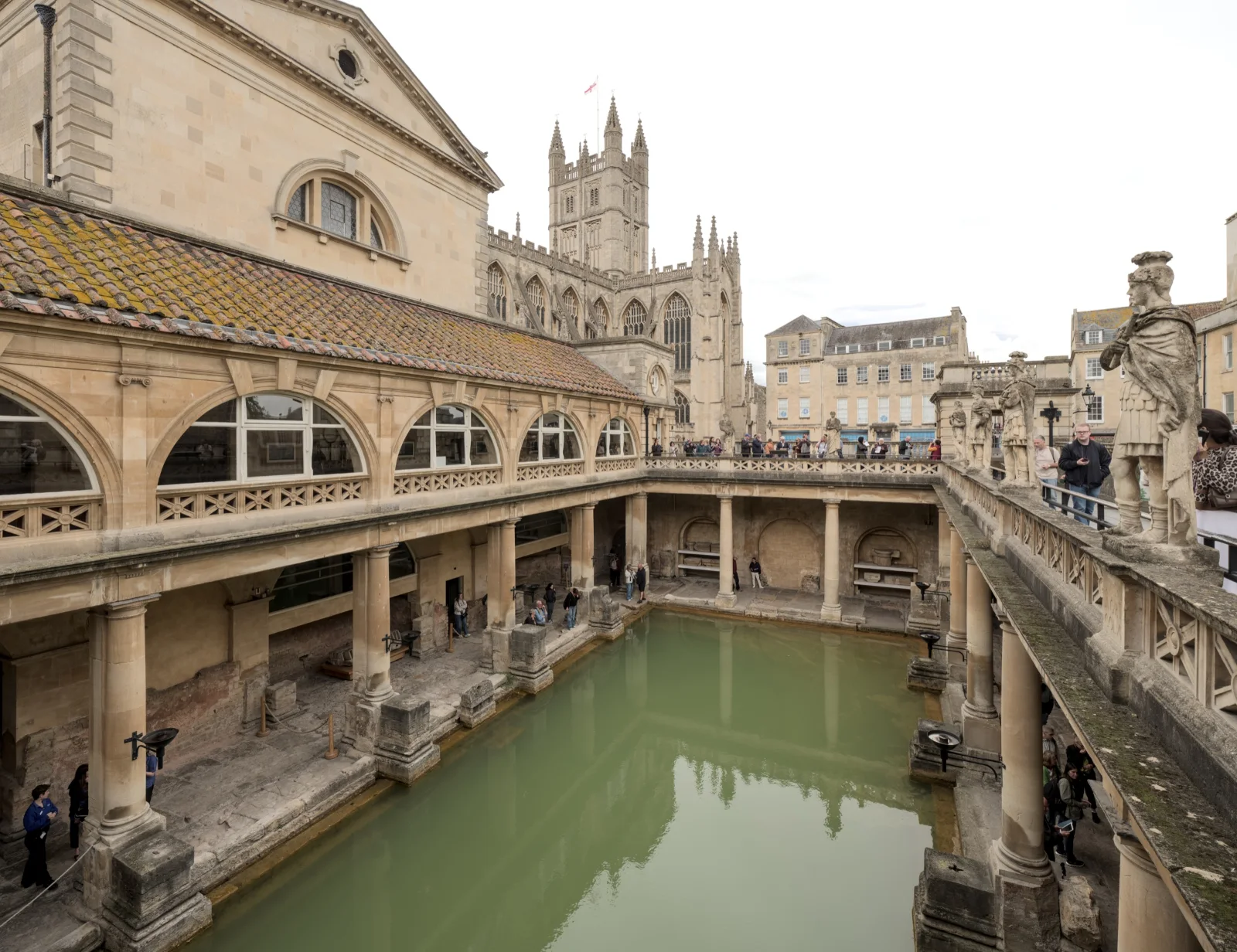
Plan your visit
Bath's thermal story is unusually visible. Steam rises from a spring beside a Roman temple complex, the Great Bath still holds hot water in its ancient setting, and a modern spa uses the same natural resource a few streets away. The city is not simply spa-themed; its street plan, architecture and international heritage status grew around the springs. The essential distinction is practical. The Roman Baths are an archaeological museum and swimming is not permitted because the historic water is untreated. Thermae Bath Spa is the place to bathe. Plan them as two linked experiences: learn how Aquae Sulis worked, then book a separate session in the contemporary pools rather than arriving at the museum in swimwear.
One Hot-Spring City, Two Different Visits
Start at the Roman Baths if you want the story in chronological order. The route moves through the Sacred Spring, temple remains, changing rooms and the Great Bath, showing how bathing, worship and civic life met in Roman Aquae Sulis. It is an interpretation visit, not a spa session, and the green water is part of a protected archaeological site.
Thermae Bath Spa is the modern counterpart. Its New Royal Bath combines the Minerva thermal pool, a rooftop pool and a wellness suite in the city centre. The experience is deliberately contemporary, but the natural hot water links it directly to the spring system you see at the Roman Baths. Booking both on different halves of the day makes that continuity clear without rushing either one.
Plan it well: Visit the Roman Baths before your spa session so you arrive at Thermae understanding where the water comes from.
Visit Bath: Frequently Asked QuestionsThe Sacred Spring and Aquae Sulis
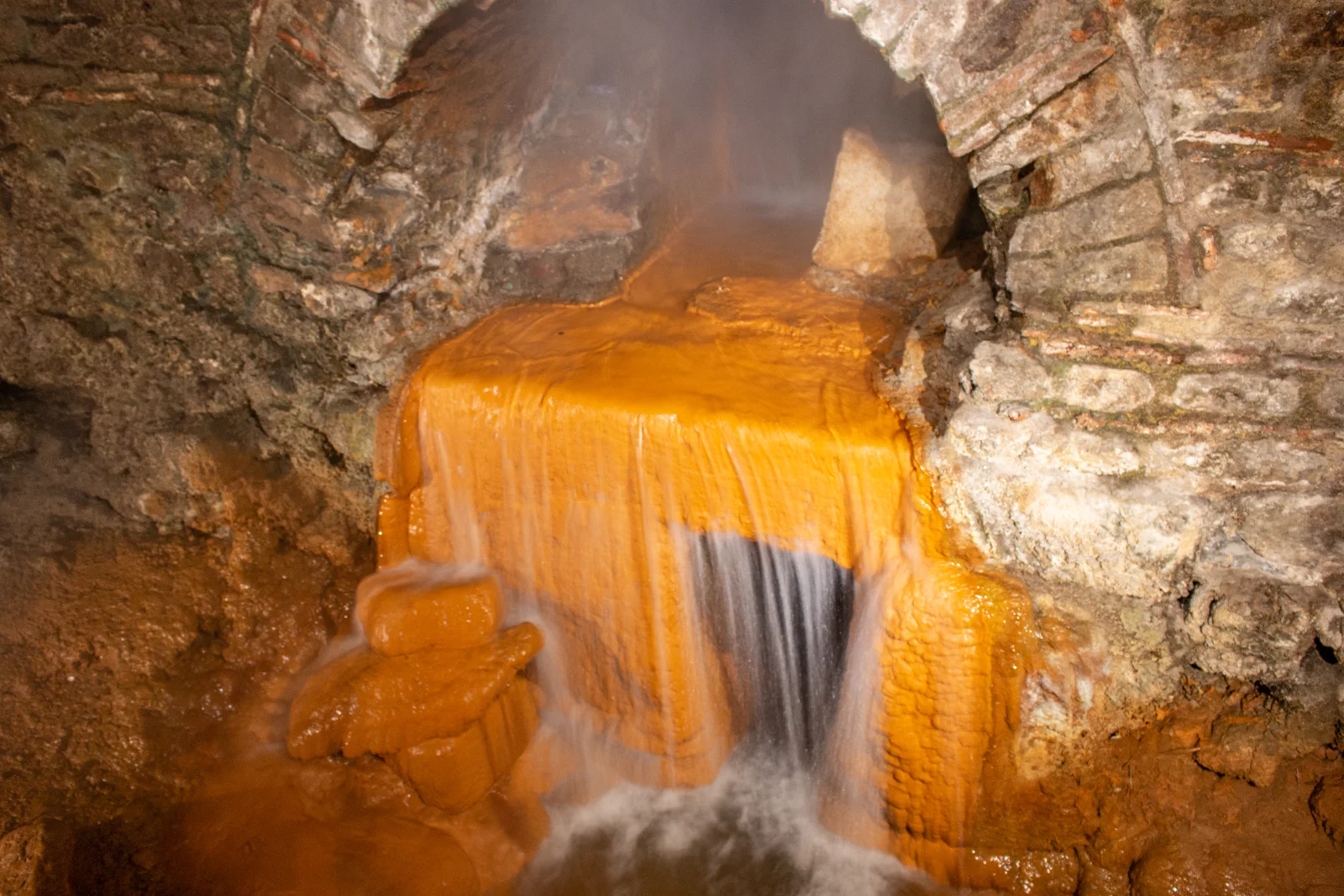
The Sacred Spring emerges at about 46 C and, according to the Roman Baths, supplies roughly 1,170,000 litres of water each day. The museum uses the spring, overflow and Roman drain to show a functioning water system rather than a static ruin. The Great Bath was lined with lead and fed by this naturally hot flow.
Bath's identity extends beyond the Roman period. The city gained a second UNESCO association in 2021 as part of the Great Spa Towns of Europe, recognising the later European culture of mineral-spring resorts alongside its existing World Heritage status. That layered history is more useful than vague claims about healing: Bath matters because people repeatedly designed an entire city around its water.
Plan it well: Pause at the Sacred Spring overflow and drain displays; they explain the engineering better than the Great Bath alone.
Roman Baths: WalkthroughBooking Thermae Bath Spa
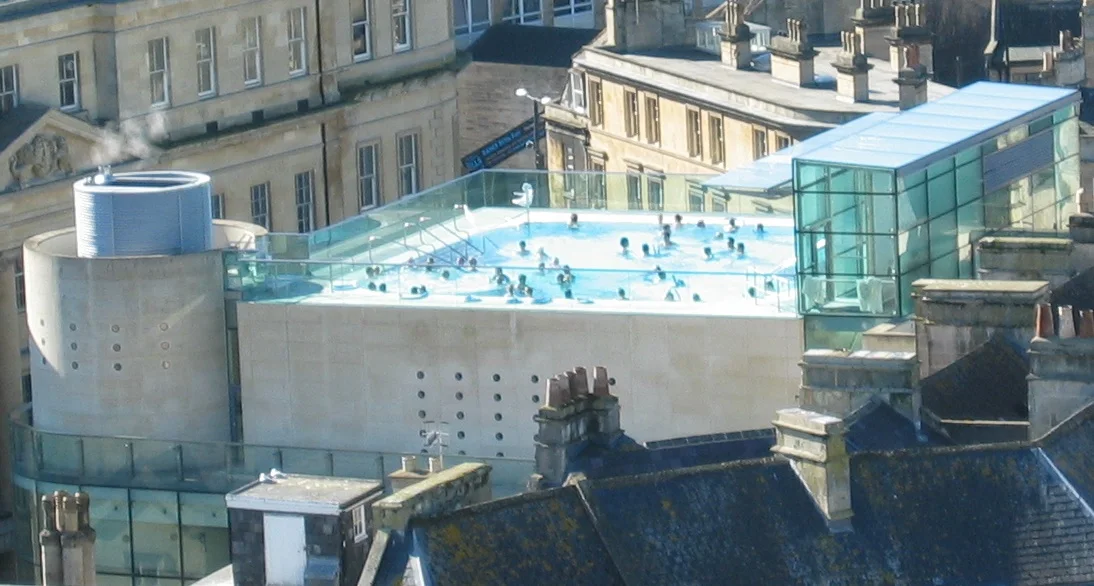
Thermae Bath Spa strongly recommends booking the New Royal Bath in advance. The standard spa session is currently two hours and includes a robe and towel; guests need to bring swimwear and suitable pool footwear. The main spa has a minimum age of 16, making it an adult-focused experience rather than a family swimming pool.
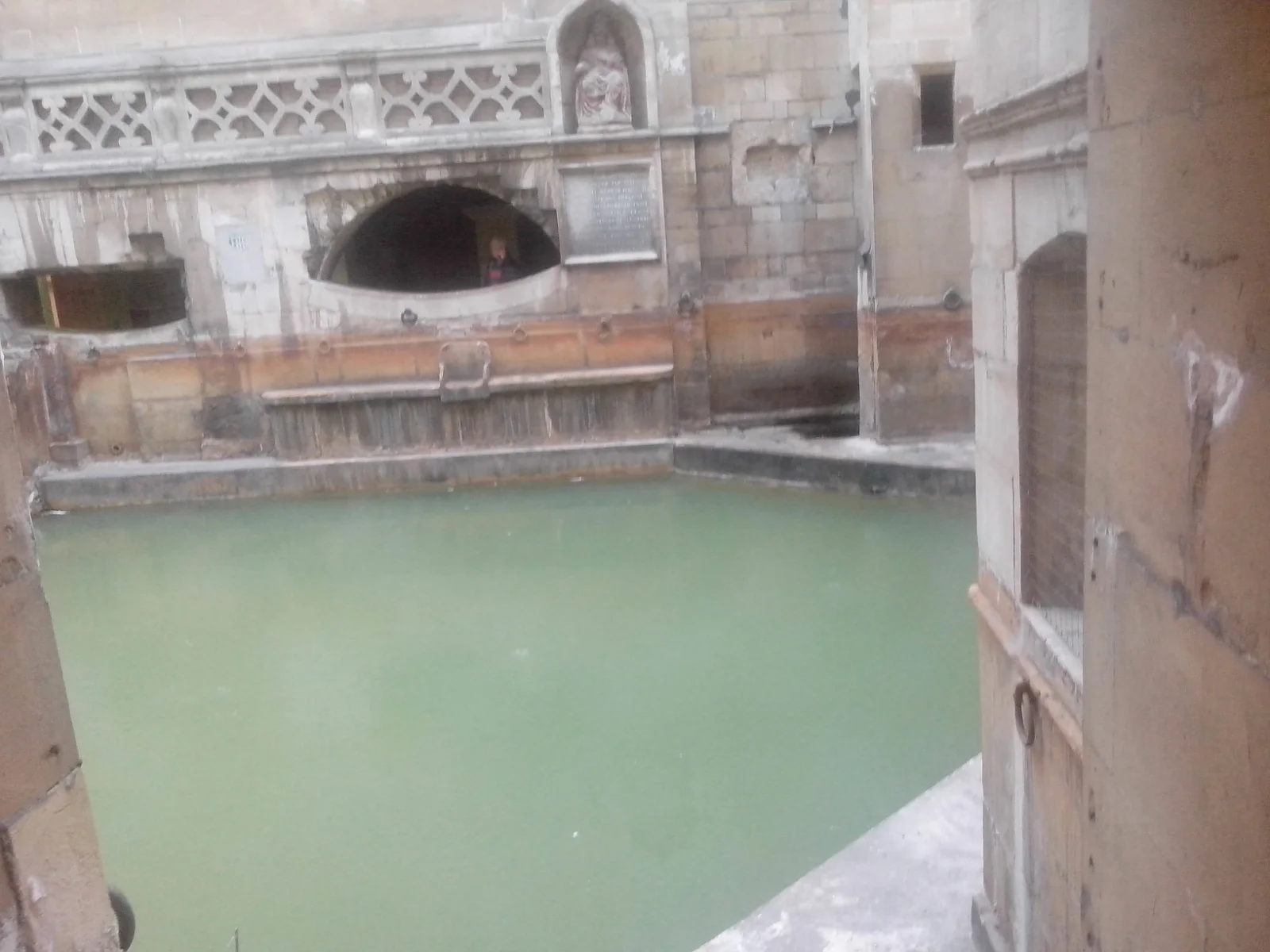
The Cross Bath is now positioned as an exclusive-hire option rather than a normal public drop-in pool. Its current session is 90 minutes for groups of up to ten, with separate age rules for 12- to 15-year-olds and no admission below 12. Choose it for a private group occasion, not as a quieter substitute you can assume will be available on arrival.
Plan it well: Reserve the spa before booking a tightly timed lunch or train. The two-hour session does not include all changing and arrival time.
Thermae Bath Spa: New Royal Bath sessionsEtiquette and the Phone-Free Spa
Swimwear is required in Thermae Bath Spa's public areas. A robe and towel are supplied, but footwear is not, so pack flip-flops or pool sandals. Shower before entering the water, use lockers for valuables and keep glass containers out of the spa. The setting is sociable, but the venue asks guests to keep noise and behaviour considerate.
Phones and cameras are not permitted in the spa and are secured in a Yondr pouch under the current policy. That rule protects privacy and changes how the visit feels: there is no rooftop selfie break, and meeting points matter if a group separates. Agree where to regroup before locking devices away, then let the skyline be something you actually look at.
Plan it well: Memorise or write down your locker and meeting point before your phone is sealed away.
Thermae Bath Spa: Useful information and termsHealth, Heat and Venue Restrictions

Thermae Bath Spa tells guests with a medical condition to check with their doctor before visiting. Its current pregnancy rule does not permit visits beyond 32 weeks and also asks pregnant guests to consult their doctor. These are venue access conditions, not a general statement about what is safe for every pregnancy or health history.
During a session, alternate warm water and wellness rooms with cooler rest and drinking water. Leave a heat experience if you feel unwell and speak to staff about the nearest rest area. The Roman Baths' historic water is untreated and not for swimming or drinking; only water offered through a separately supplied and tested drinking fountain should be treated according to the museum's current instructions.
Plan it well: Read the live venue terms before purchase if pregnancy, medication or a health condition could affect your visit; individual advice belongs with your clinician.
Thermae Bath Spa: Useful information and termsBest Seasons for a Spa Break
Bath works in every season, but the mood changes sharply. Winter gives the rooftop pool its most memorable contrast, with steam against the stone city, and it pairs naturally with indoor museums. It also overlaps with Christmas events and short-break demand, so spa and accommodation reservations deserve more lead time.
Spring brings gardens and longer walks into the itinerary; autumn offers similar balance with fewer summer day-trippers. Summer has festivals, outdoor dining and long evenings, but the central attractions and thermal sessions can be busy. Whatever the month, treat the spa as the fixed booking and arrange the flexible city walk around it.
Plan it well: For a winter visit, leave enough time after the rooftop pool to dry, change and warm up before walking to dinner.
Visit Bath: SeasonsTrain, Walking and Where to Stay
Bath Spa station sits at the edge of the compact centre, and Visit Bath says direct Great Western Railway services from London Paddington take about 80 minutes. The Roman Baths and Thermae Bath Spa are both walkable from the station, so a rail-based two-night break does not need a car. Stone paving, hills and weekend crowds can still slow a short distance, so do not plan to step off a train straight into a timed session.
Staying in the centre keeps the thermal sites and restaurants close. Spa hotels broaden the experience: Visit Bath identifies The Gainsborough Bath Spa as the only UK hotel spa with access to natural thermal waters, while other hotels offer pools and treatment suites without using Bath's spring. Decide whether the hotel itself must continue the thermal story or simply provide a comfortable base.
Plan it well: Choose a hotel on a walking route between Bath Spa station and the thermal quarter if you are carrying luggage to a timed booking.
Visit Bath: Travelling to Bath