
London city guide
London with kids: museums, history and family-friendly city days
Plan a calmer London family holiday with age-aware museums, ticket advice, buggy-smart transport and flexible wet-weather alternatives.
Plan your visit
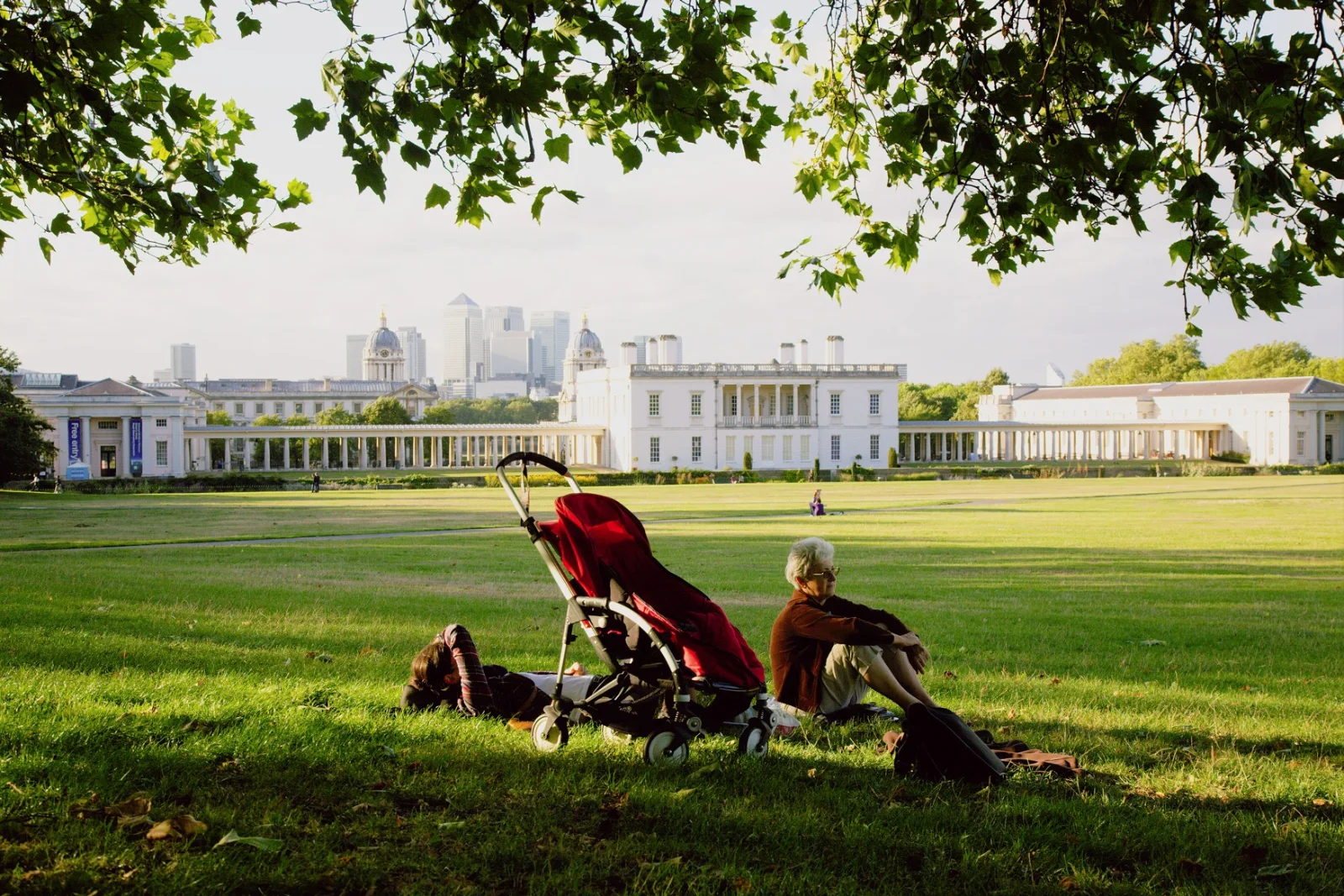
London becomes much easier with children when each day is organised around one area and one demanding attraction. Reserve even free museum entry where possible, check age and access rules before promising a special experience, and alternate concentrated indoor visits with parks, river journeys or hotel rest. A geographically longer step-free route can be considerably easier than carrying a sleeping child and folded buggy through several Underground staircases.
Use South Kensington as a rain-proof museum day
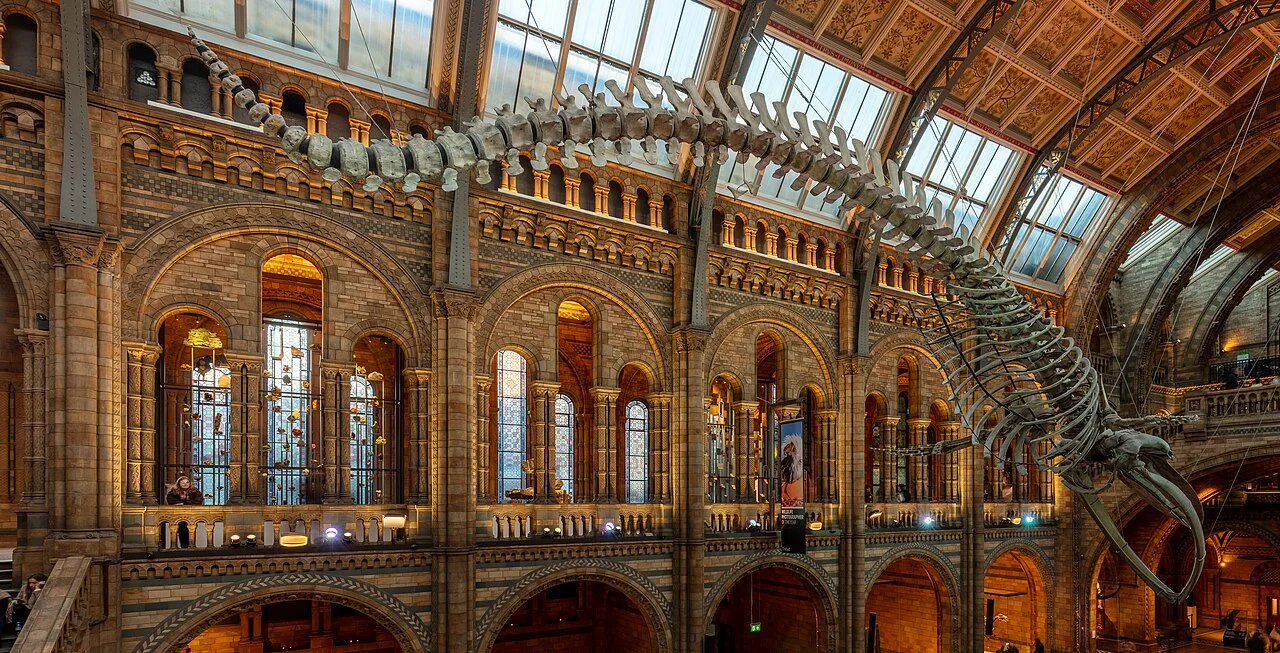
The Natural History Museum and Science Museum are close enough to share a family day, but attempting both in full usually produces tired children rather than a better visit. General admission to the Natural History Museum is free, although a free timed ticket is recommended to guarantee entry and reduce queuing; children must remain with an adult. At the Science Museum, The Garden is designed for ages three to six, Pattern Pod gives younger children a free multisensory break, and Wonderlab is a separately ticketed interactive gallery. Children under twelve must be accompanied by an adult. Buggies are allowed in the Science Museum, although some galleries require families to use the designated buggy parks. Treat one museum as the main booking and the other as an optional extension if everyone still has energy.
Plan it well: Reserve the first morning entry, choose two priority galleries before arrival and stop for lunch before deciding whether to enter the second museum.
Plan the Tower of London around cobbles and stairs
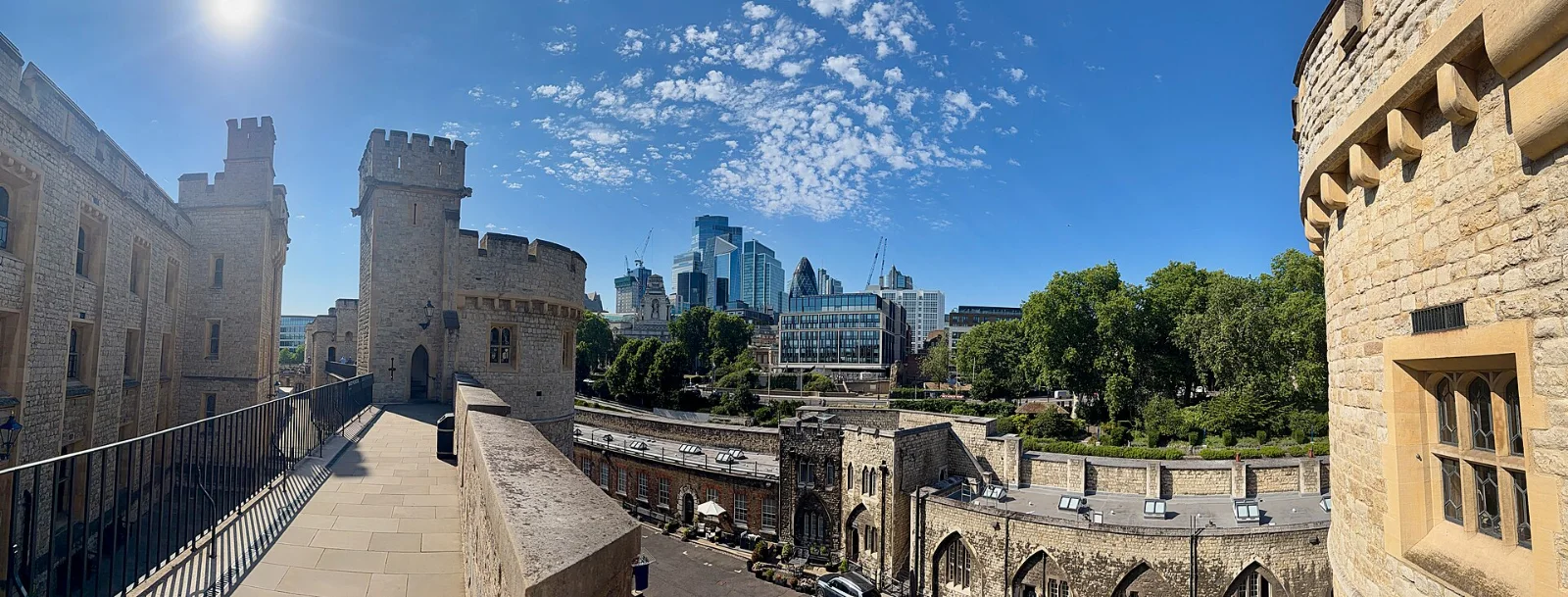
The Tower is most rewarding for children who can follow a historical story and manage several hours of walking. Children under five enter free and do not need a ticket; ages five to fifteen use child admission and must be accompanied by an adult, while ages sixteen and seventeen have a separate young-person category. Historic Royal Palaces recommends allowing at least three hours, with the Crown Jewels, ravens and battlements forming a realistic family core. Cobbled surfaces make pushing a buggy harder, and pushchairs are not permitted inside the White Tower. Buggy parks are available, but the White Tower’s upper floors have no lift access. Families with a non-walking child should therefore bring a carrier and regard any additional exhibition as optional.
Plan it well: Book ahead for weekends and school holidays, enter with the Crown Jewels as the first priority, then schedule a seated meal or hotel break immediately after the visit.
Check Mail Rail’s access rules before booking
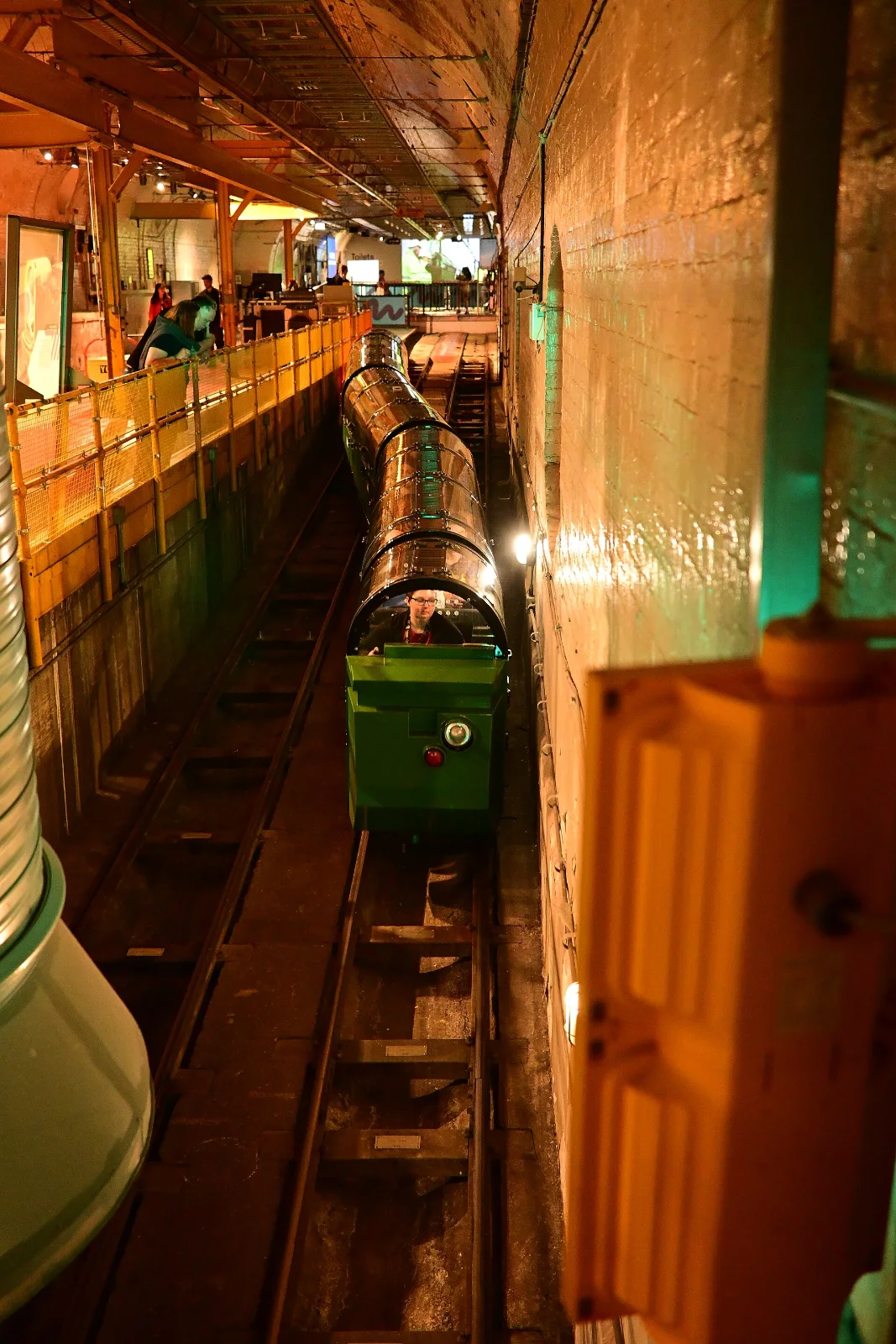
The Postal Museum is a useful wet-weather option because its museum galleries and underground Mail Rail ride offer a contained half-day rather than another vast museum. Current official guidance describes Mail Rail as suitable for all ages and does not publish a minimum-height threshold. Instead, it applies practical safety conditions: children under twelve must ride with an adult aged eighteen or over, passengers must be able to transfer into and out of the small carriage, and an emergency evacuation may require walking at least 100 metres on uneven surfaces in darkness. Wheelchairs and walking aids cannot be accommodated on the train. Mail Rail Explorer provides an alternative for visitors who cannot or prefer not to ride. For younger children, the separately ticketed 45-minute Sorted! play space is designed for ages one to eight. General tickets and play-space sessions should be reserved in advance because busy dates can sell out.
Plan it well: Read the Mail Rail visual guide before telling children they will ride, and place any Sorted! session about an hour before or after the museum entry time.
Turn transport and Hyde Park into a recovery half-day
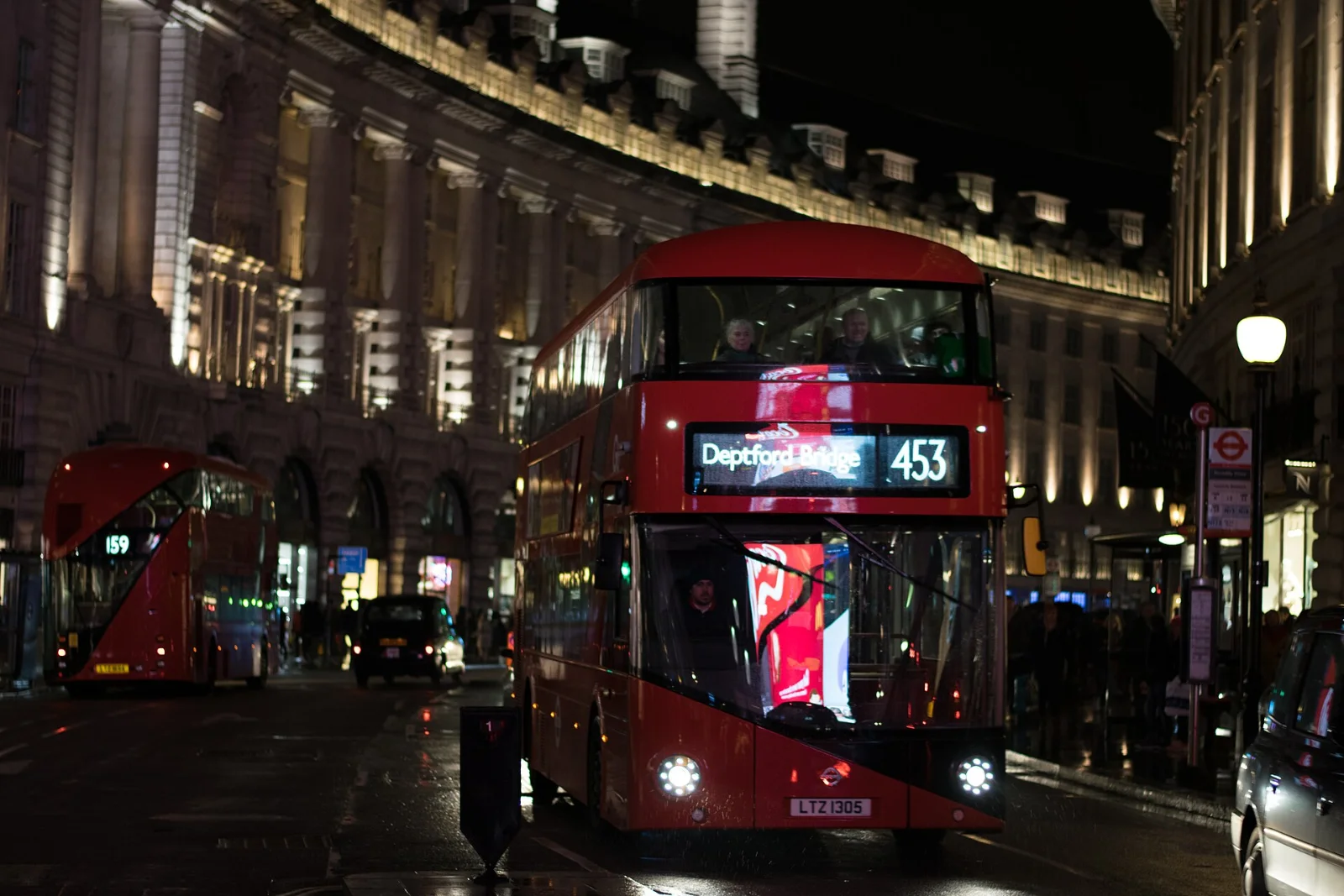
After a major museum or historic site, use an upper-deck bus journey and Hyde Park as a lower-demand half-day rather than adding another ticketed interior. Children under eleven travel free on buses and trams; on the Tube, DLR, London Overground and Elizabeth line, up to four under-elevens travel free with a fare-paying adult. Visitors aged eleven to fifteen can have a Young Visitor discount added to an Oyster card for half adult pay-as-you-go fares and caps. All London bus routes use low-floor accessible buses, but wheelchair users have priority in the shared space. On the Tube, use lifts and TfL’s step-free map; some trains have no multipurpose buggy area. Hyde Park’s playground is suitable for children up to twelve, while boating is seasonal and weather-dependent, with buoyancy aids mandatory for under-twelves. Strong winds or other severe weather can close outdoor facilities, so keep the South Kensington museums as the same-day fallback.
Plan it well: Travel outside weekday peaks, board buses with the buggy rear wheels first where necessary, and check TfL lift status plus Royal Parks closure notices before leaving the hotel.
Planning tips for London with kids
Plan it well: Book the daily headline first, then protect a 60-to-90-minute rest window before deciding on any optional second visit.
Reserve free entry too
Book free Natural History Museum and Science Museum entry alongside paid Tower and Postal Museum tickets. Free admission does not guarantee immediate entry during weekends and school holidays.
Check the rule, not just the recommended age
Separate suitability from admission rules. The Science Museum’s Garden targets ages three to six; Tower child tickets cover ages five to fifteen; Mail Rail lists all ages but has strict transfer and evacuation conditions.
Protect a daily rest window
Schedule only one concentration-heavy attraction per half-day. Leave 60 to 90 minutes for lunch, a park, a quiet bus journey or hotel rest before making any optional second visit.
Build weather swaps by area
Use South Kensington or the Postal Museum for sustained rain. Keep Hyde Park for a dry, low-wind period, and check official park alerts because playgrounds and boating can close during severe weather.