
Tbilisi city guide
Tbilisi Spa & Wellness Guide: Sulfur Baths in Abanotubani
Tbilisi's most distinctive wellness experience lies beneath the brick domes of Abanotubani, where naturally heated sulfur water, traditional scrubbing and private bathing rooms connect the modern city to centuries of bath culture.
Plan your visit
In Tbilisi, wellness is not a retreat from the city; it is part of the city's foundation story. The Georgian capital is associated with warm springs so strongly that its name is commonly linked to tbili, the Georgian word for warm. In Abanotubani, beside the old town, natural sulfur water still feeds bathhouses whose brick domes sit low against the ground. This is the place to understand Tbilisi through warmth, water and ritual rather than through a checklist of spa treatments. A sulfur-bath visit can be simple or ceremonial. Travellers may book a private room, use a public bathing area where offered, add a traditional kisa scrub, or linger between hot and cool water. Facilities and house rules differ, so the best experience begins with choosing a bathhouse that matches your preferred level of privacy, confirming what is included and leaving enough time to cool down afterwards. This guide focuses on the history, architecture and practical rhythm of the experience without making medical promises.
Why Tbilisi Begins with Warm Water
Tbilisi's relationship with warm water is embedded in the way the city explains itself. Georgia's official tourism site connects the name Tbilisi with tbili, meaning warm, and recounts the famous founding legend of King Vakhtang Gorgasali discovering the hot springs while hunting. The tale is a legend rather than a documented eyewitness account, but it captures a durable truth: naturally heated water helped determine where the city grew.
The baths later became social institutions as well as places to wash. Travellers, merchants and residents met in bathing rooms, and the district developed close to routes through the old city. Today the ritual remains accessible rather than museum-bound. Entering a working bathhouse lets visitors experience a strand of urban life that survived changing rulers, architecture and fashions.
Plan it well: Treat the royal hunting story as local legend, then use the official tourism account to frame the verified importance of the springs and bath district.
Georgia Travel - Exploring Tbilisi's Sulfur BathsRead the Domes of Abanotubani
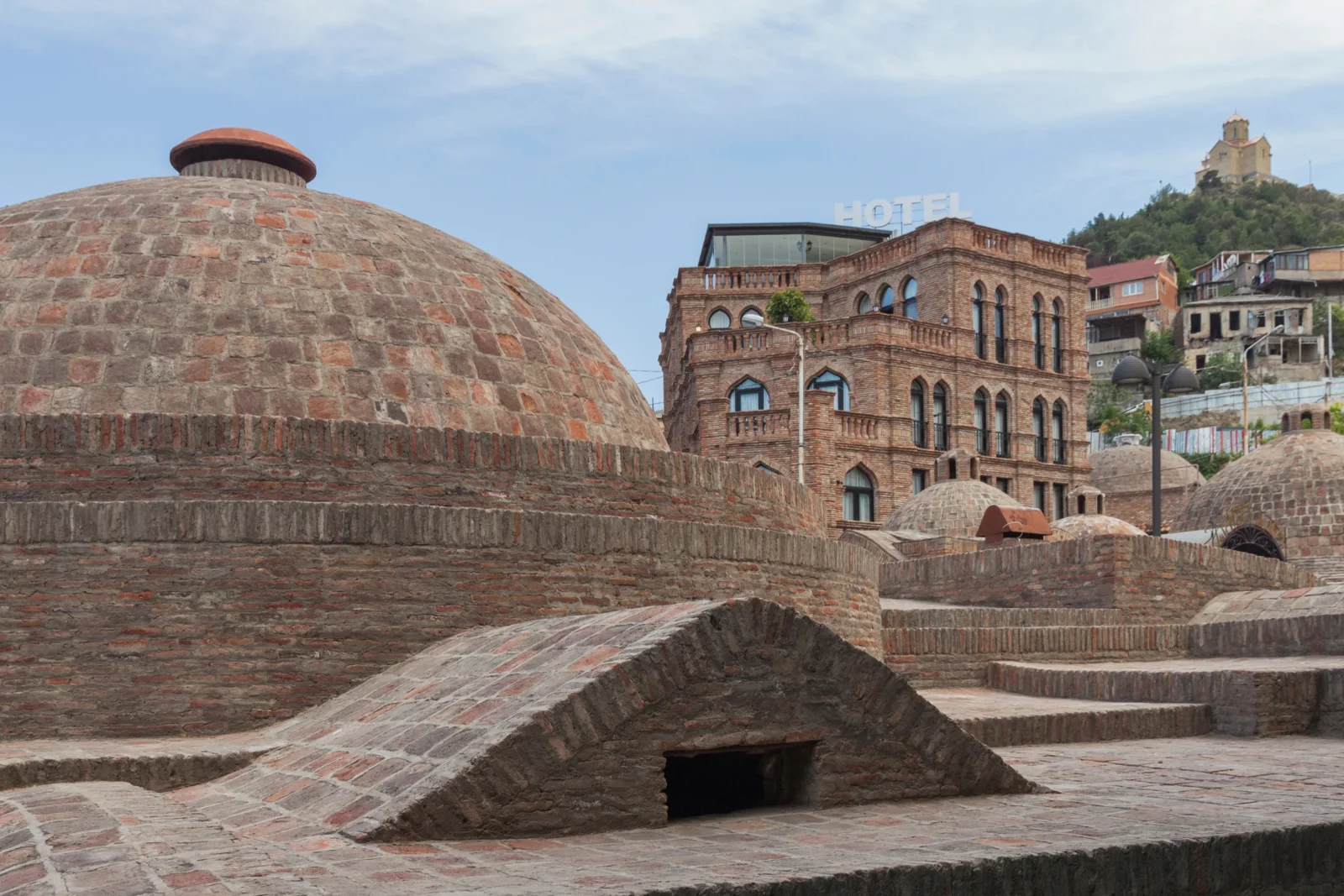
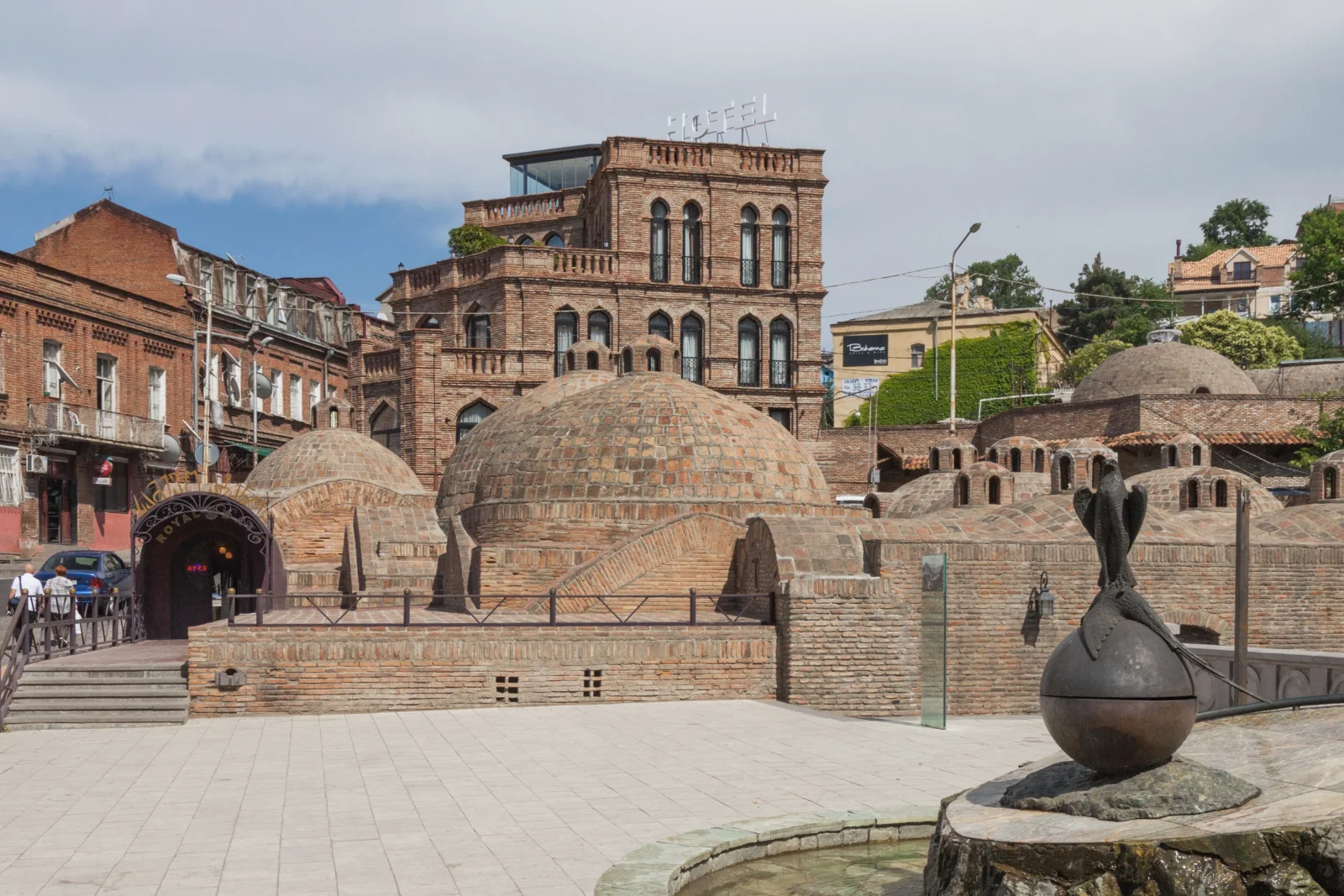
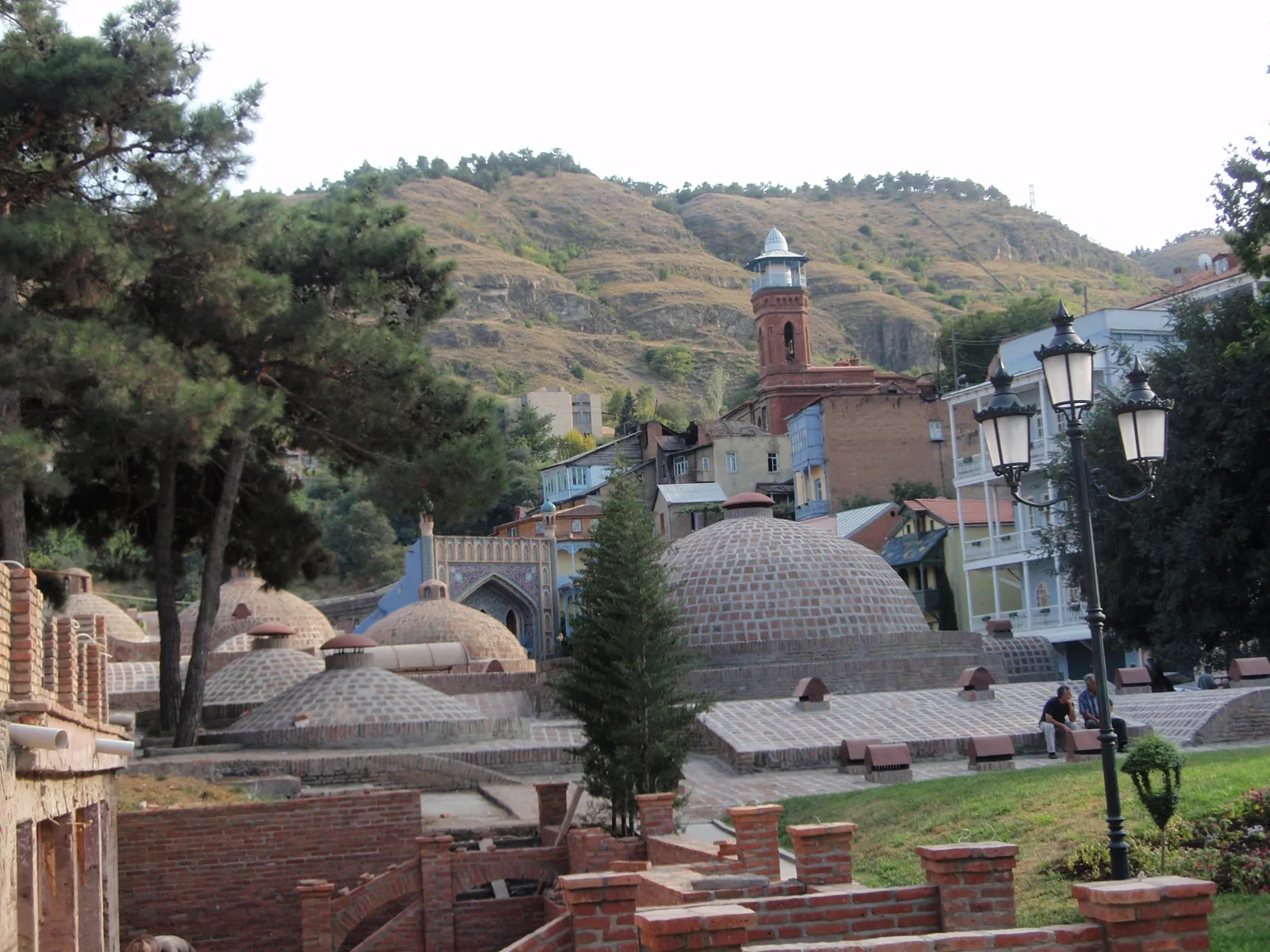
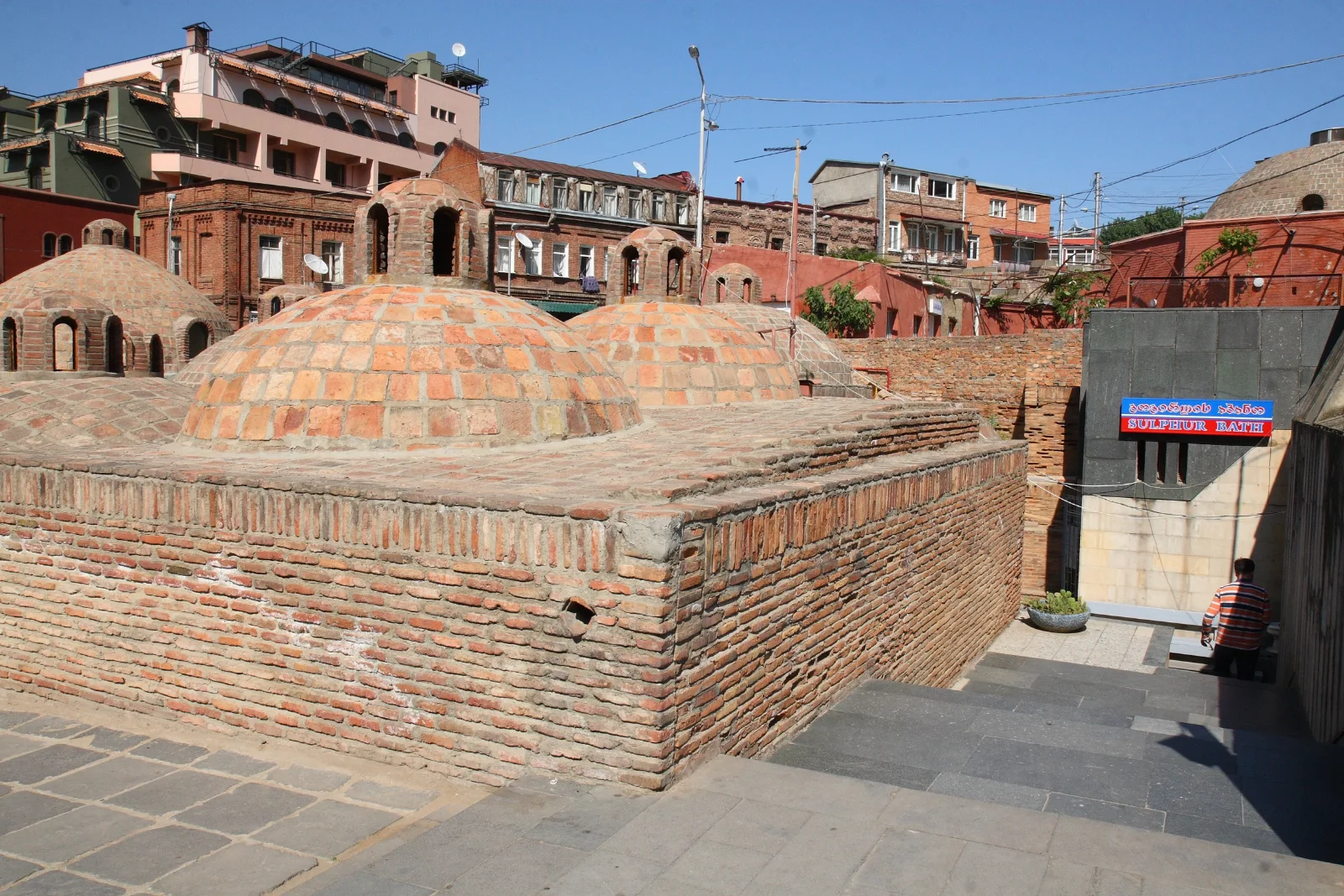
Abanotubani looks unlike a conventional spa district because much of the bathing architecture is underground. Rows of rounded brick domes mark the roofs of hot rooms below, while raised openings help release heat and moisture. Seen together, the domes form a textured landscape of their own and make the presence of thermal bathing visible from the street.
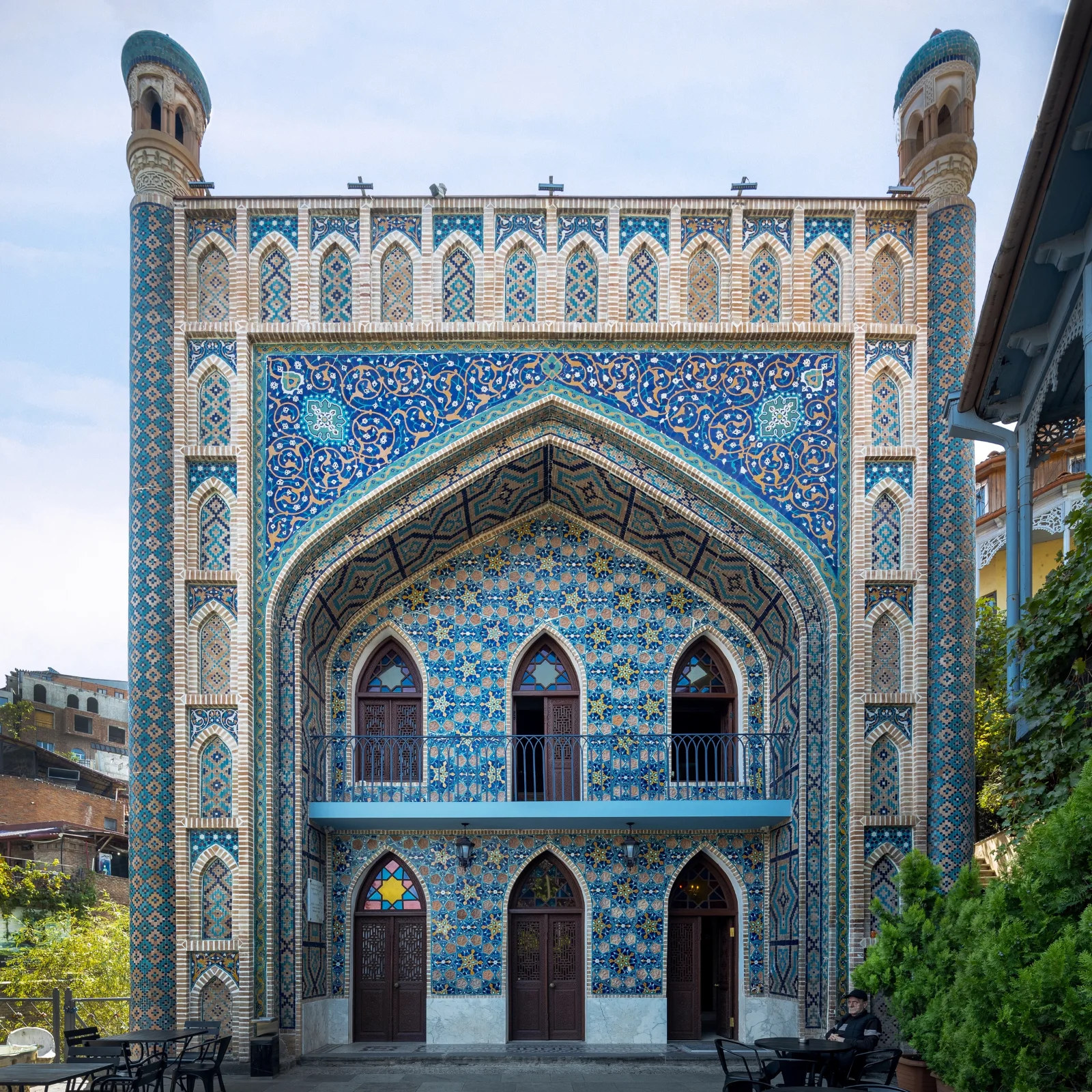
The district's most ornate landmark is the blue-tiled Orbeliani Baths, widely known as Chreli Abano. Its pointed arches and patterned facade contrast with the earth-toned domes nearby, yet it remains a working bathhouse rather than a decorative monument. Walking the district before a booking helps visitors recognise the difference between the public face of a bathhouse and the intimate rooms concealed behind or beneath it.
Plan it well: Arrive 20 to 30 minutes early and walk the paths above the domes before checking in; the brick vents and tiled facade explain the bath district better than a rushed arrival at the door.
Georgia Travel - Exploring Tbilisi's Sulfur BathsChoose the Bathhouse That Fits Your Ritual
Abanotubani is a district of individual bathhouses, not a single complex. Georgia's official tourism pages name options including Chreli Abano, Bathhouse No. 5, King Erekle, Bohema and Gulo. Their atmosphere, room size, finish, price and public-bathing arrangements vary, so there is no universal best choice. A polished private suite and a simpler communal room can both be authentic in different ways.
Chreli Abano is a useful reference point for first-time planning because its official site shows bookable private rooms with hot and cold sulfur pools and lists optional kisa and massage services. Other houses may provide a less elaborate setting or a different balance between private and public bathing. Compare current official information and recent room photographs rather than assuming every bath beneath the domes has the same facilities.
Plan it well: Choose by room and ritual, not facade alone: confirm pool type, room capacity, public or private format, accessibility and included services before paying.
Georgia Travel - Tbilisi Sulfur BathsHow the Sulfur-Bath Ritual Unfolds
The core experience begins with heat and water. After changing and showering, bathers enter warm sulfur water and let the body adjust to its temperature and mineral scent. The water's characteristic smell comes from sulfur compounds and is part of the experience, not a sign that the bath is unclean. A cool pool or rinse, where provided, creates a deliberate contrast rather than a test of endurance.
A traditional kisa service adds vigorous exfoliation with a textured mitt, usually followed by rinsing and sometimes a soap treatment or massage. Chreli Abano describes kisa as a short service, so it should be understood as one stage in a longer bathing session. Tell the attendant if you want gentler pressure, and remember that a scrub is optional; soaking quietly is a complete experience on its own.
Plan it well: Enter the hot water gradually, keep the first soak short and tell the mekise or attendant about sensitive skin before the scrub begins.
Chreli Abano - ServicesPrivate Room or Public Bath?
A private room gives couples, families or small groups control over pace and conversation. Depending on the bathhouse and room category, it may contain one or more pools, a shower, a changing space and a stone platform for treatments. Privacy can make the first sulfur-bath visit easier, particularly for travellers who want to ask questions or alternate frequently between hot and cool water.
Public bathing, where offered, can be simpler and more communal, with local routines more visible. Gender arrangements, swimwear expectations and service availability are house-specific, and they can change. Confirm the current format directly with the bathhouse rather than relying on a general description of Georgian bath culture. Whichever option you choose, the quality of the visit depends more on comfort and time than on luxury.
Plan it well: Ask three questions before booking: Is the room fully private? What clothing is expected? Are the kisa attendant and treatment time included or charged separately?
Chreli Abano - Official bookingEtiquette, Comfort and Wellbeing
Bath etiquette begins with cleanliness, communication and respect for the room. Shower before entering the pool, keep phones away from wet or shared bathing areas, and follow the house's instructions on swimwear, slippers and towels. Drink water before and after the session, but do not treat heat tolerance as a competition. Leave the hot pool if you feel dizzy, nauseous or unusually short of breath.
Thermal bathing is not appropriate for everyone. Chreli Abano's visitor guidance advises extra caution for pregnant guests and people with blood-pressure or heart conditions. That warning should not be turned into a diagnosis or a promise of benefit. Anyone with a relevant medical condition, recent surgery or uncertainty about heat exposure should seek personalised clinical advice before booking and tell the bathhouse about practical needs.
Plan it well: Skip alcohol before bathing, hydrate, remove jewellery that may heat up and plan a quiet cool-down. Stop immediately if the heat feels wrong.
Chreli Abano - Visitor guideWhen to Go and How to Plan the Day
The sulfur baths operate year-round, making them especially appealing on cool or rainy days, but peak evening and weekend periods can book out. Official tourism guidance recommends reserving in advance during busy periods. A morning or early-afternoon session usually leaves more room for a slow recovery, while an evening bath can work well as the final event of the day if transport back to the hotel is simple.
Abanotubani sits naturally within an Old Tbilisi itinerary, close to the river, Narikala area and lanes of the historic centre. Keep the bath as the day's anchor rather than squeezing it between steep walks. Explore before the session, then choose tea or a light meal afterwards. Sulfur scent can linger on hair and swimwear, so allow time for a final shower and pack wet items separately.
Plan it well: Reserve the bath first and build sightseeing around it. Avoid a steep climb or tightly timed dinner immediately afterwards, and carry a separate bag for damp swimwear.
Georgia Travel - Exploring Tbilisi's Sulfur Baths