
Athens city guide
10 things to do in Athens
Balance the Acropolis and ancient civic sites with museum collections, neighbourhood streets and a garden pause. This first-visit plan leaves room for the modern city around the monuments.
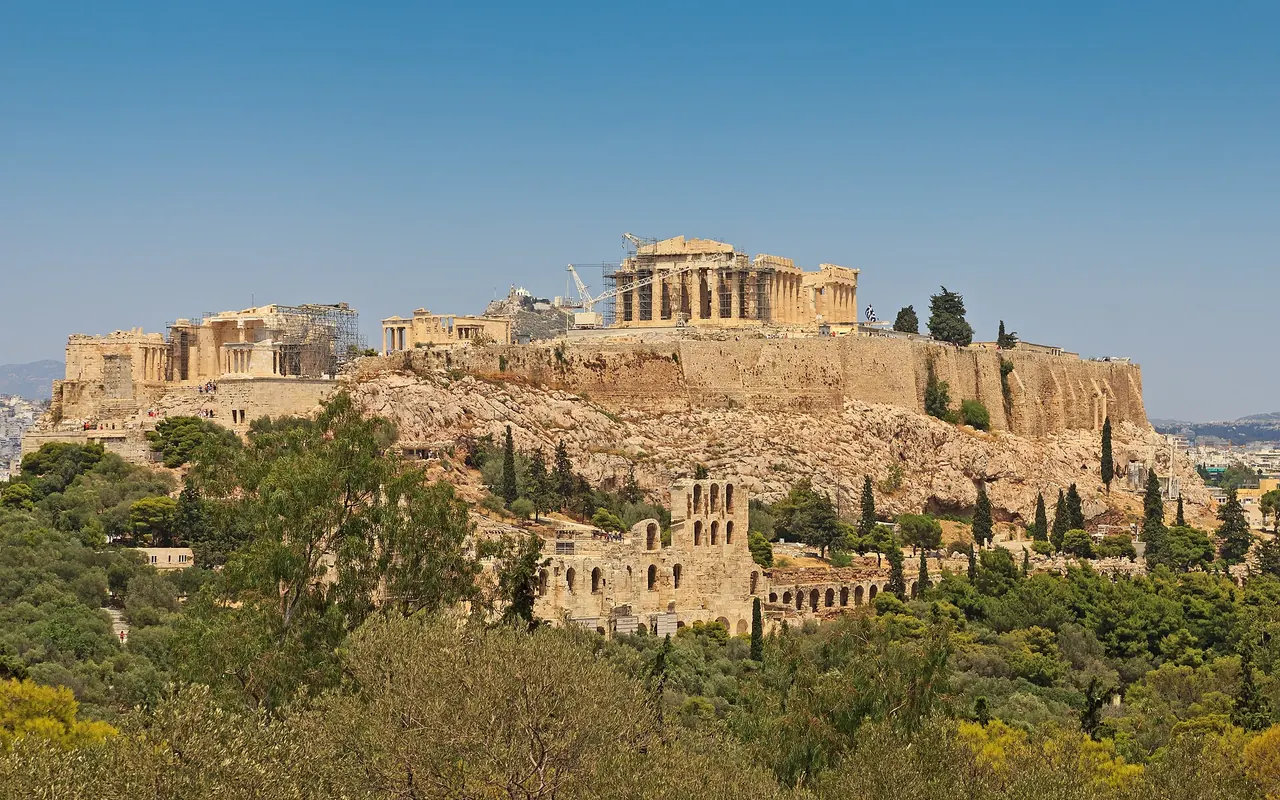
Plan your visit
Athens works best when its famous stone landmarks are part of a living city day. Choose one major archaeological site at a time, put shade and meals between exposed walks, and let museums explain what the surviving buildings cannot. These ten suggestions are a menu, not a demand to complete everything in two days.
Read the Acropolis as a whole site
The Acropolis is more than the Parthenon seen from a terrace below. Once on the rock, look at the relationship between the entrance, temples and surrounding landscape before focusing on individual details. The scale of the buildings and their position above the city make more sense together. Leave time to stand back and understand the site rather than following a single photograph around the crowds.
Check current admission arrangements through the official heritage operator linked by the city guide, including the date and any entry conditions attached to your ticket. Heat, exposed surfaces and uneven stone deserve planning, so bring water and shoes with grip and follow site instructions. The Acropolis Museum is a separate venue and ticket. Do not compress both into adjacent appointments without allowing for the descent, a rest and the museum entrance process.
Plan it well: Confirm the entry gate and current access arrangements that suit your needs before setting off.
Official Athens Guide: AcropolisConnect the monuments with the Acropolis Museum
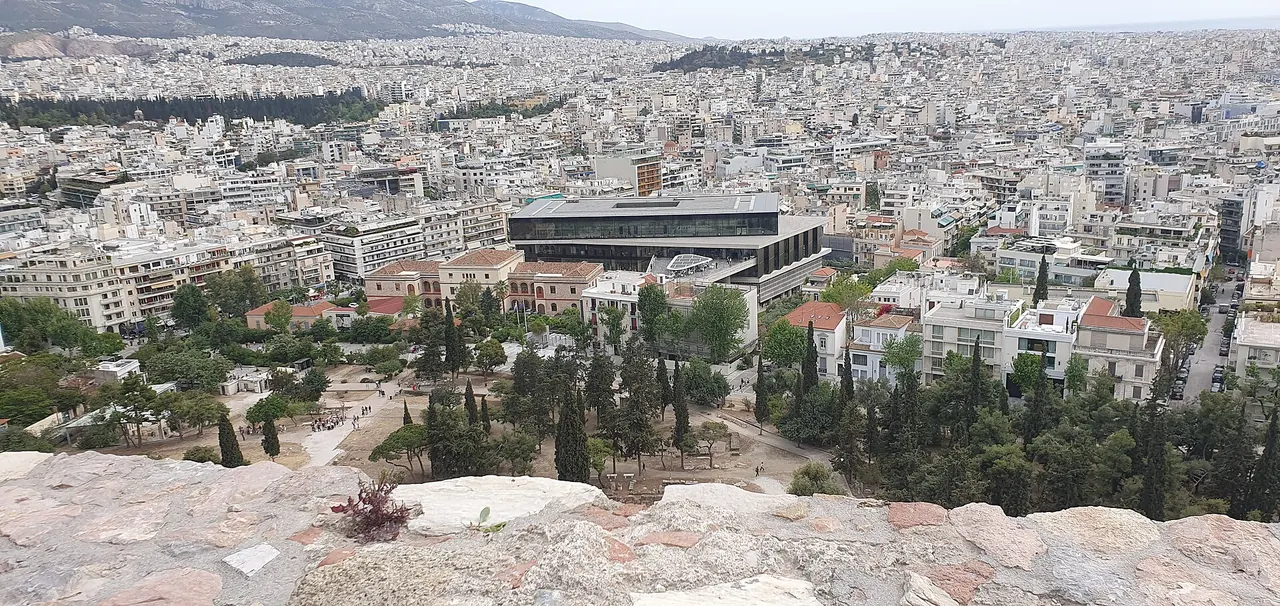
The Acropolis Museum gives the carved details and objects a setting where you can study them at a different pace from the exposed hill. Look for connections between what you have seen outside and the material displayed indoors, rather than treating it as an unrelated museum. The upper galleries and the building's relationship with the Acropolis help connect the collection to its original architectural setting.
Plan it as a substantial visit with its own admission, not an automatic extension of an archaeological-site ticket. Use the official museum website and check the visitor rules, current exhibition route and any access information relevant to your group. A hill visit followed by a seated meal and the museum can work well, but there is no requirement to do them in that order. Leave enough time to look closely rather than arriving near closing just to claim both sights.
Plan it well: The museum explicitly distinguishes its ticket from Acropolis-site admission; check each booking separately.
Acropolis Museum: plan your visitFind civic life in the Ancient Agora
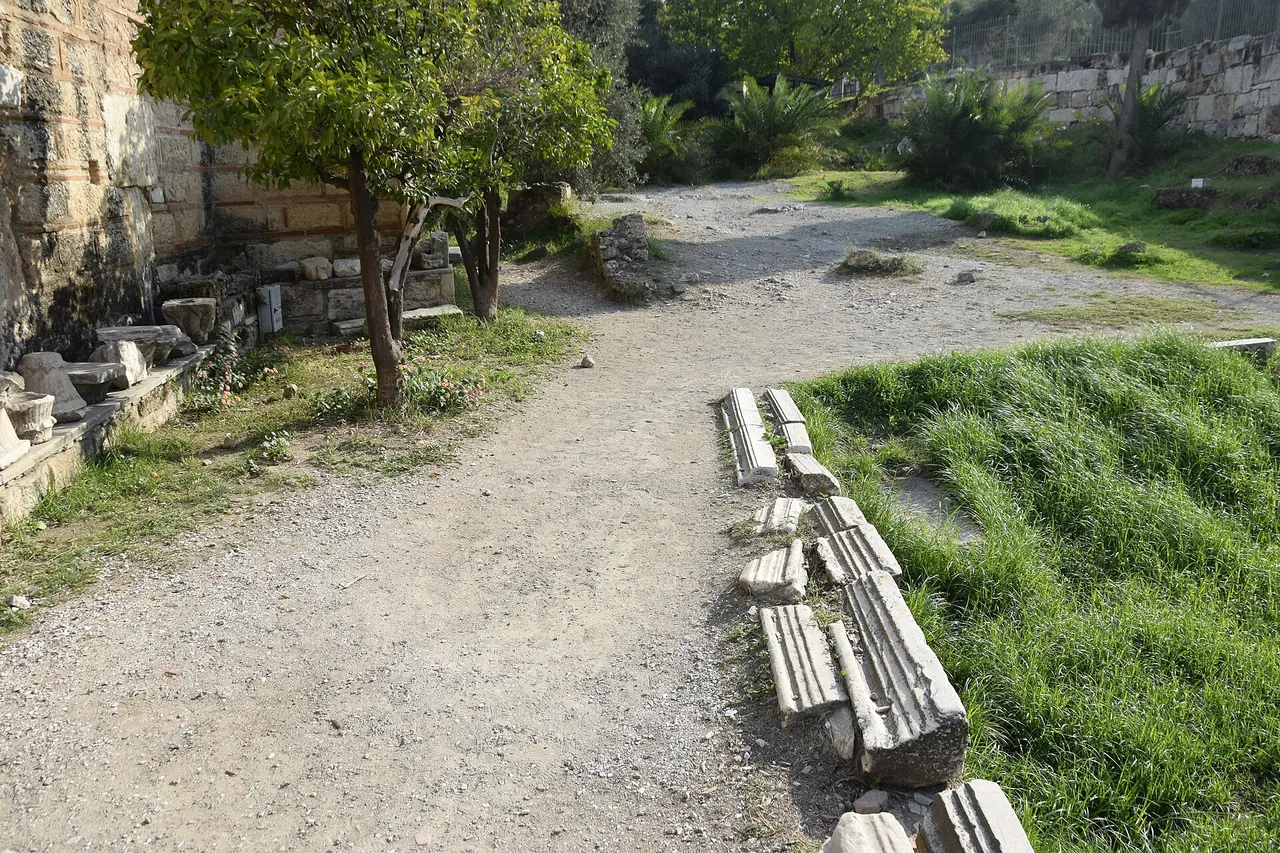
The Ancient Agora broadens an Athens visit from temples on a rock to the places where public life unfolded below. Walk the site with a plan that includes both open ground and surviving or reconstructed structures. The Temple of Hephaestus and the Stoa of Attalos offer different ways to imagine architecture around civic activity, so compare their forms rather than treating every column as interchangeable.
The museum in the Stoa adds objects and interpretation to the outdoor remains. Check current site and museum access together, and leave room for both when deciding whether this is a brief stop or your main morning visit. Uneven paths and warm weather can slow the route, making a nearby meal in Thissio or Monastiraki a practical next step. Make sure you have selected the Ancient Agora, not the separate Roman Agora, when researching admission and navigating.
Plan it well: Search by the full site name; the Ancient Agora and Roman Agora are different archaeological visits.
Official Athens Guide: Ancient Agora and Stoa of AttalosGive the National Archaeological Museum its own half-day

The National Archaeological Museum takes you beyond the immediate Acropolis story into a much broader view of ancient Greece. Choose a few collection areas before entering, such as prehistoric objects, sculpture or metalwork, and look at how techniques and ideas change between them. The museum rewards a focused visit more than an attempt to read every label across an enormous chronological range.
It stands away from the tightly clustered Acropolis and Agora sights, so give the journey and the collection a proper place in your day. Check the official visitor calendar for your date: opening patterns, holiday closures and eligibility rules should not be inferred from another museum. If reduced or free entry might apply, read the documentation requirements before arriving. This is a strong alternative to another exposed archaeological afternoon, not merely a spare stop after an already full outdoor itinerary.
Plan it well: Choose your collection priorities first and make this the main indoor visit, rather than adding several museums afterwards.
National Archaeological Museum: visitor informationSee modern Olympic history in a marble stadium
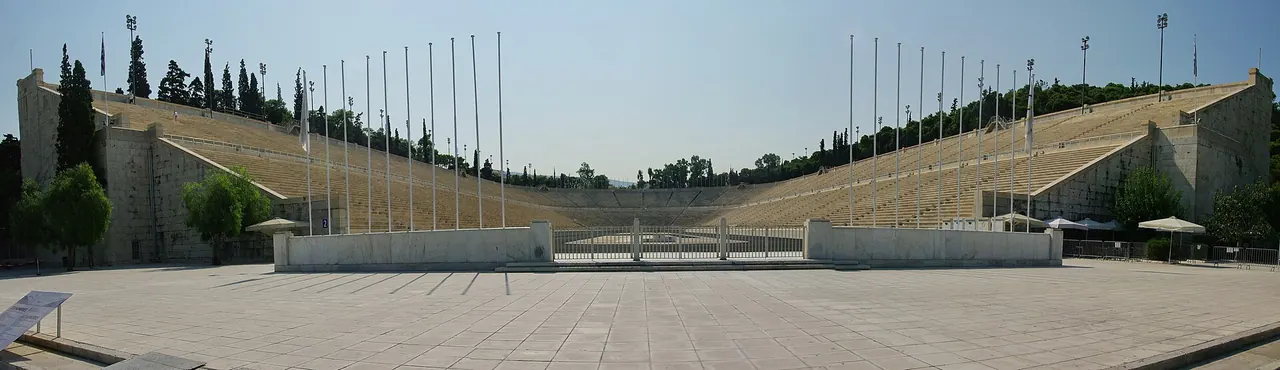
The Panathenaic Stadium offers a different Athens story from the temples: sport, public spectacle and the revival of the Olympic Games. Its long track and marble seating make the scale of an event easy to imagine, even when the stands are quiet. Look along the full length first, then decide how much of the seating and visitor route you want to explore.
The stadium was central to the 1896 Olympic Games, but visiting today is not the same as access to a sporting event or permission to use the track freely. Check the current admission and activity rules with the operator. Exposed marble and stepped seating can be demanding in strong heat or for visitors with limited mobility. Pair the stadium with a measured National Garden walk, leaving water and a seated break between sights rather than turning the whole area into an uninterrupted circuit.
Plan it well: Ask about the route that suits your mobility; do not assume every tier is necessary for a worthwhile visit.
Panathenaic Stadium: visitor questionsAppreciate scale at the Temple of Olympian Zeus
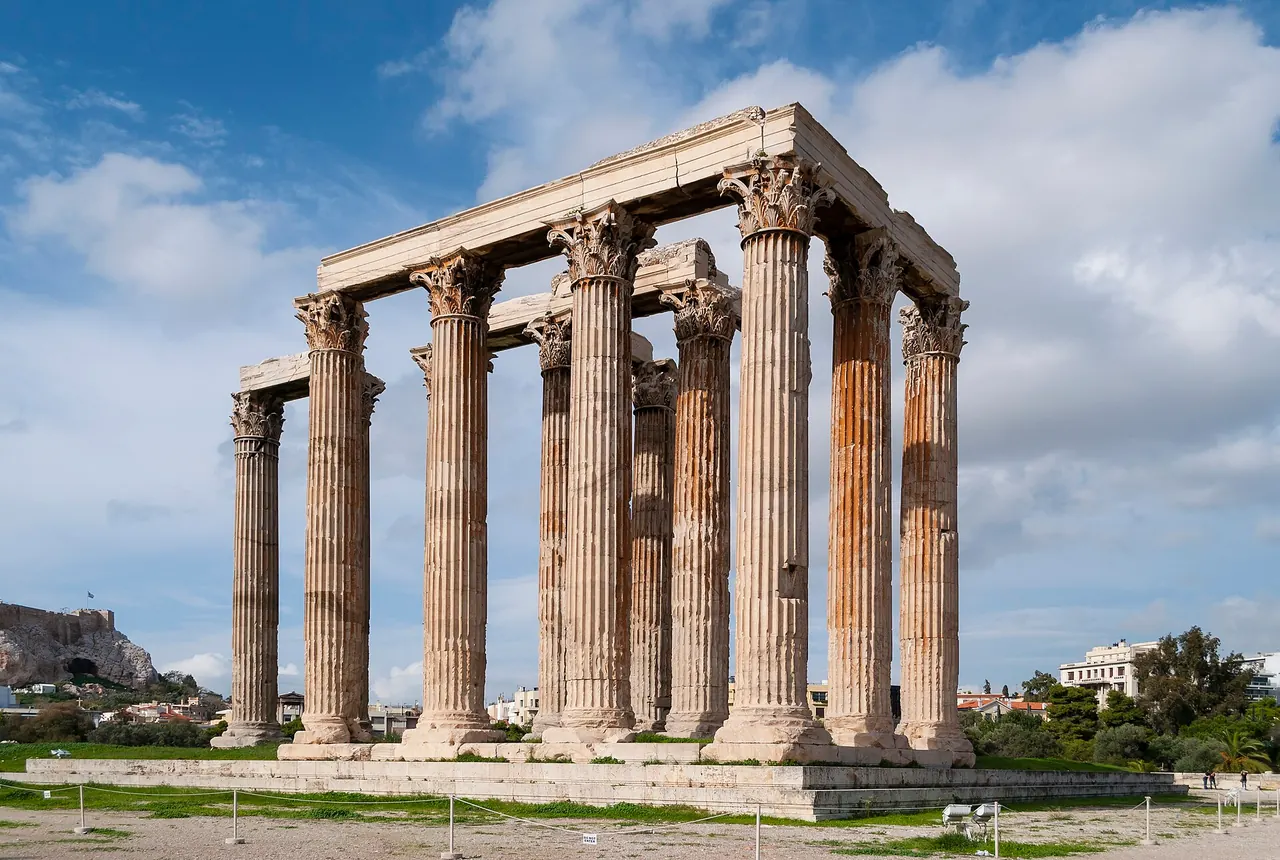
The Temple of Olympian Zeus makes its impression through scale and absence. The surviving columns help you imagine a much larger structure, while the space around them reminds you how little of a monumental building may remain. Its long construction history, completed under Hadrian, also complicates the idea that every ancient Athens landmark belongs to one short classical moment.
Visit with attention to the footprint, column details and the relationship with the modern city beyond the boundary. Check current entry arrangements and any conservation restrictions rather than assuming the site matches an old photograph. Hadrian's Arch nearby is a separate outdoor landmark, not the whole temple visit. This area can fit between Makrygianni and the National Garden, but give the archaeological stop a purpose instead of entering simply because it lies along a route.
Plan it well: Check which areas are accessible during conservation work; views from outside do not establish the visitor route inside.
Official Athens Guide: Temple of Olympian ZeusUse the National Garden as a genuine break
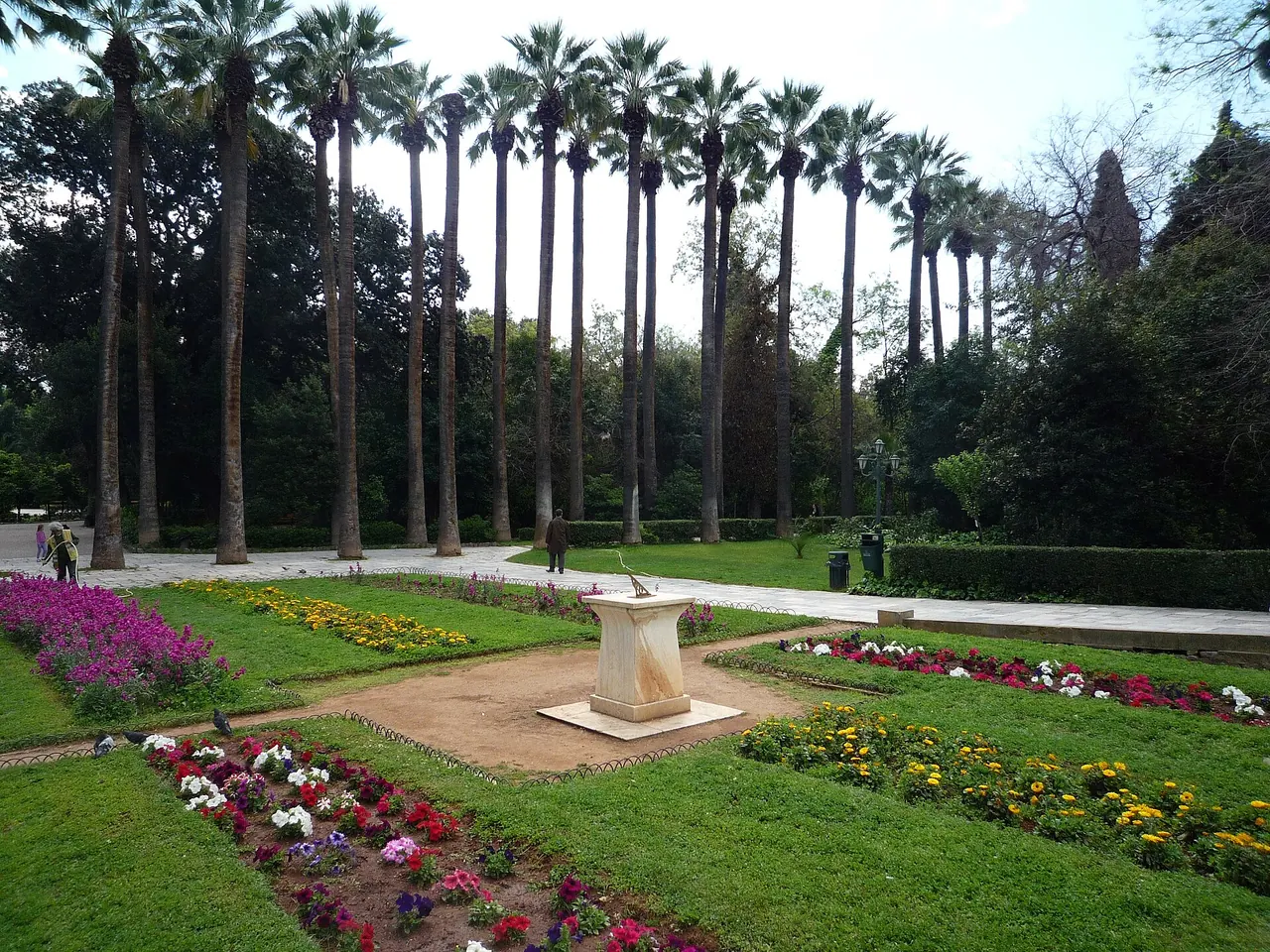
The National Garden offers a useful change from the bright stone and busy streets that shape much of a first Athens visit. Take a short path, notice the planting and find a place to sit rather than trying to turn every garden feature into a landmark. A calm pause here can make the next museum or neighbourhood walk more enjoyable than one additional rushed attraction.
Choose the entrance and exit with your wider route in mind. The garden lies beside central institutions and close to several sights, but its paths are not a single straight shortcut between every destination. Check gate notices, any works and the current closing arrangements before relying on a late crossing. For families, a shorter visit with a rest can be enough; there is no need to complete a full circuit to gain the contrast with the surrounding city.
Plan it well: Keep an alternative street route in mind if your preferred gate is closed or a garden section is restricted.
Official Athens Guide: National GardenSee the city spread around Lycabettus Hill
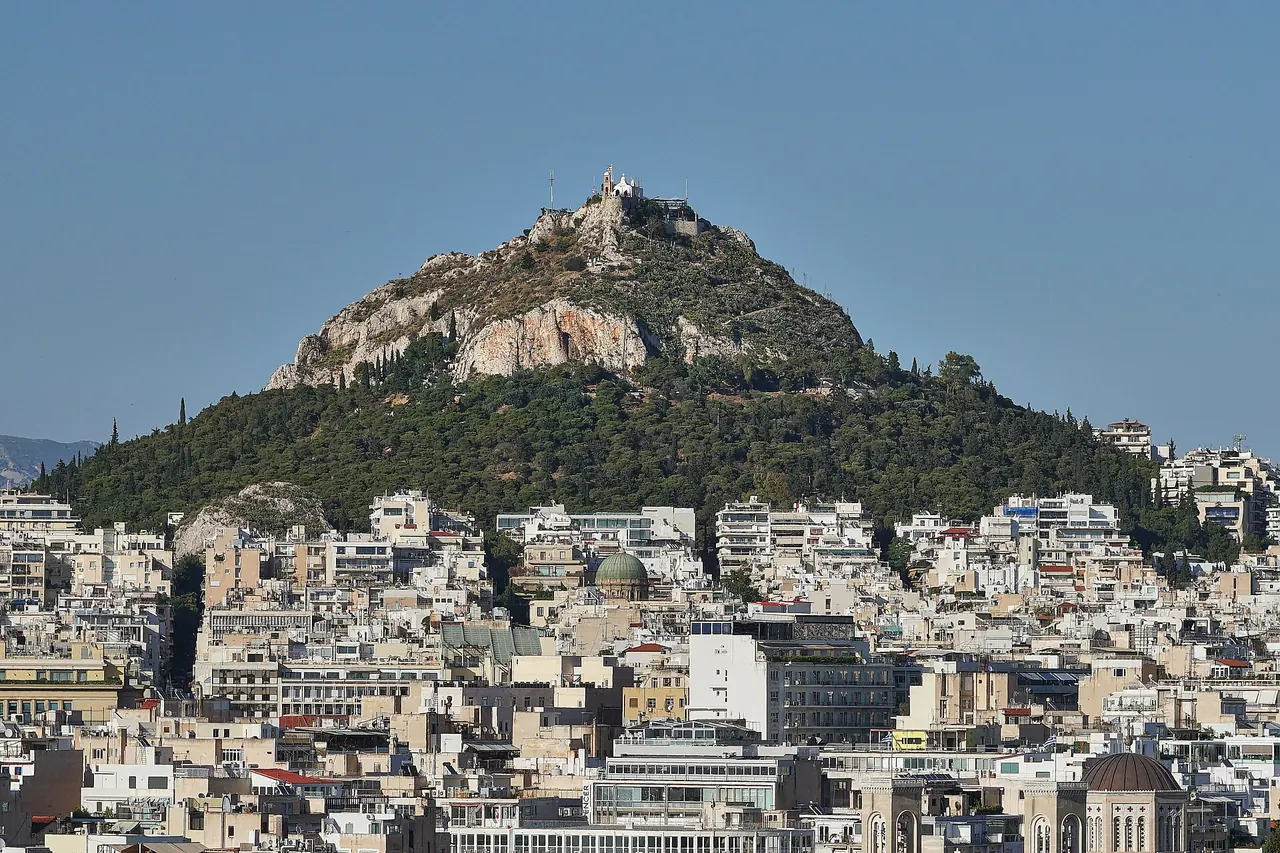
Lycabettus Hill changes the scale of the city once again. The Acropolis becomes one feature within a broad urban landscape rather than the sole destination of every view. Choose it after you have spent some time at street level, when neighbourhoods and landmarks are more recognisable. The hill is an outing in its own right, not a viewpoint to insert thoughtlessly into a crowded museum afternoon.
Decide whether you will walk or use the funicular, then check the practical details of both ascent and return. Reaching the lower station still involves a journey through sloping streets, so a funicular ticket does not automatically mean an entirely step-free outing. Strong heat, wind and crowds affect comfort at different times. A sunset plan needs enough daylight and confidence for the return route; clear views are not guaranteed by choosing the most popular hour.
Plan it well: Research the route to the funicular station as carefully as the ride, especially when stairs or gradients are difficult.
Official Athens Guide: Lycabettus HillFollow Greek culture through the Benaki collection

The Benaki Museum of Greek Culture gives a first visit a longer cultural thread than an ancient-sites itinerary alone. Look at how objects, dress, decoration and domestic life connect different periods, allowing familiar themes to appear in changing materials and forms. Choose a few rooms or subjects to examine closely rather than treating everything after classical antiquity as a brief final chapter.
Benaki is a network of museums and buildings, so the name alone is not enough to identify the visit. This recommendation is for the Museum of Greek Culture on Koumbari Street, not the Pireos exhibition venue or the separate Islamic Art collection. Check the building-specific programme, admission and opening dates before arranging the day. Its location suits a Kolonaki walk or a measured garden outing, with time for the collection rather than a hurried detour between the two.
Plan it well: Read the building name on an exhibition listing before buying a ticket or setting a map destination.
Benaki Museum: Museum of Greek CultureWatch the layers of the city at Monastiraki
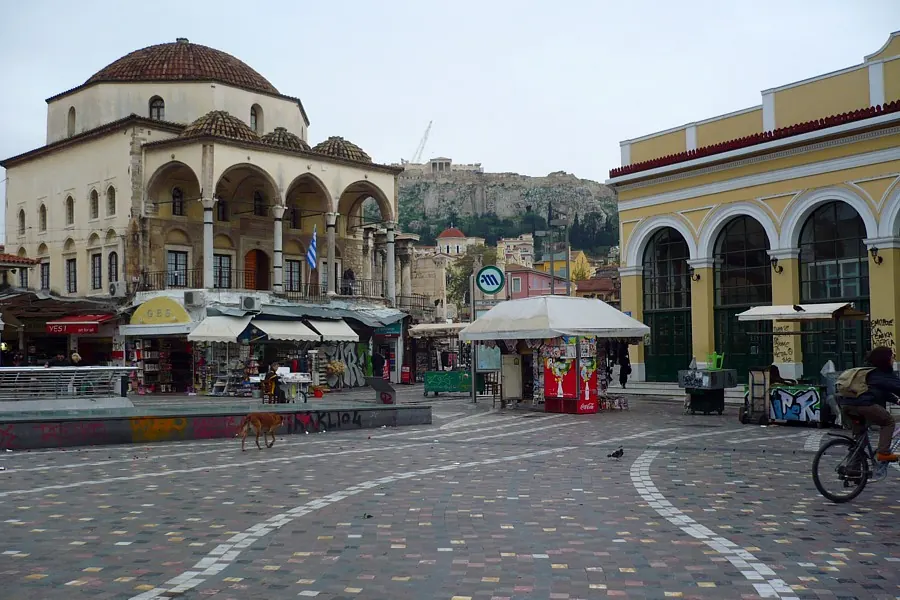
Monastiraki is a place to connect Athens's layers without needing another large indoor visit. Stand in the square, look towards the Acropolis and notice the different religious and civic buildings around you before following the market streets. The mix of commerce, food and history is the attraction; a neighbourhood walk need not become a mission to buy a souvenir.
Allow time to compare stalls and businesses, remembering that not everything described as old is an antique or a bargain. The square, surrounding shops and nearby archaeological entrances have different purposes and schedules. If you want to continue into Psirri for a meal, choose a specific place or street rather than assuming the entire neighbourhood has one atmosphere. Keep bags close in busy areas and arrange meeting points precisely: a crowded square is easier to navigate with a named landmark.
Plan it well: Use the square for orientation, then choose one market-street loop rather than wandering with luggage through every crowded aisle.
Official Athens Guide: Monastiraki and PsirriHow to spend two days in Athens
Day one: the rock and its objects
Plan the Acropolis around the current entry conditions and weather. Rest over a meal before a separate Acropolis Museum visit, then take a short historic-centre walk if you still have energy. Monastiraki can provide an evening orientation without requiring another archaeological ticket.
Day two: civic life and another Athens
Give the Ancient Agora a proper morning, then choose the National Garden and Panathenaic Stadium, or the Benaki Museum with Kolonaki. For broader archaeology, make the National Archaeological Museum the main afternoon instead. Lycabettus is an optional replacement for another outdoor outing, not a compulsory sunset finish.
Before you go
Use official admission information
Compare current venue tickets and inclusions before buying. The Acropolis Museum uses its own admission system; old multi-site pass descriptions should not determine your budget or itinerary.
Acropolis Museum official ticket servicePlan exposed walks around conditions
Water, shoes with grip and regular shaded breaks are useful preparation. Follow current site instructions during heat or other restrictions rather than forcing a prewritten outdoor timetable.
Check the exact transport journey
Consult the transport operator for current routes and ticket validity, including airport journeys. A central metro station name does not tell you how many steps or street crossings separate it from your hotel.
OASA official transport informationWhere to stay in Athens
Plaka and Makrygianni suit visits around the Acropolis, while Koukaki offers a nearby neighbourhood base. Syntagma is convenient for central connections; Monastiraki and Psirri put market streets and evening activity close to your room. Kolonaki works for a different central setting near the Benaki collection. Compare street noise, slopes, lift access and the actual station-to-door route, not only a rooftop view or straight-line distance.
Explore Athens hotels