
Hong Kong city guide
10 things to do in Hong Kong
Harbour crossings, hillside views and quiet temple gardens: choose a few Hong Kong highlights, with time for neighbourhood food and the journey between them.
Plan your visit
Hong Kong is not one compact sightseeing district. The harbour divides the urban core, and Lantau deserves a separate outing. Use clear weather for the Peak, keep one side of the harbour together when possible, and let a ferry ride or a neighbourhood meal be part of the day rather than dead time between attractions.
See the city in context from Victoria Peak
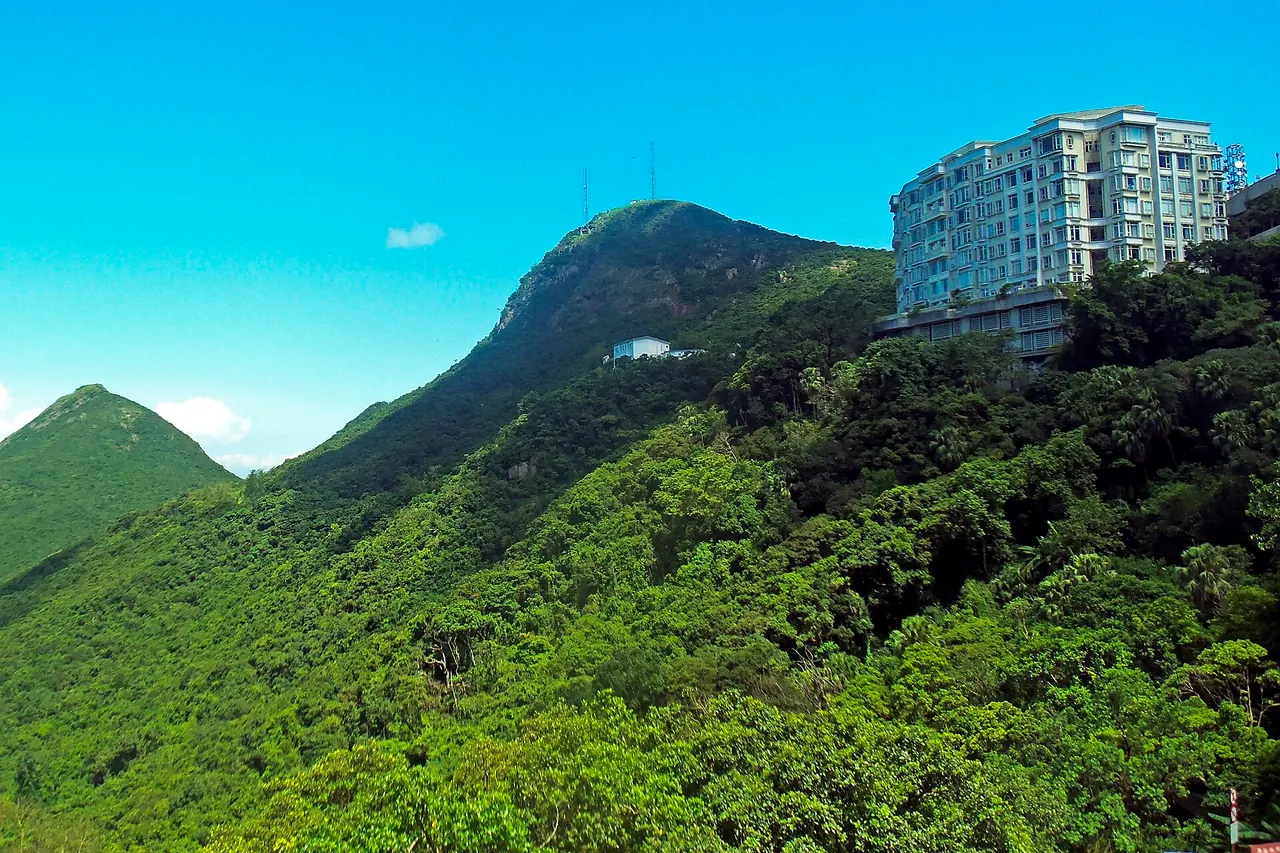
Victoria Peak makes the city's geography legible: steep green slopes rise behind the towers, while the harbour opens a gap between Hong Kong Island and Kowloon. Come for that relationship between landscape and density, not only for a photograph on a viewing platform. Near the upper tram terminus, decide whether you want a paid observation deck or a walk along the hillside roads; they are different experiences, and you do not need to buy every attraction bundled into a ticket.
The tourism board's Peak Circle Walk links the main visitor area with Lugard Road and its harbour outlooks. Give the walk its own time rather than assuming the tram ride completes the visit. Cloud can erase distant views, and a steep uphill approach from Central is a different undertaking from strolling after arriving by transport. Pair the Peak with Hong Kong Park or a Central meal, keeping the ascent flexible if the forecast deteriorates.
Plan it well: Check visibility before buying a viewing-deck package; transport tickets and observation-deck admission are not interchangeable.
Hong Kong Tourism Board: Peak Circle WalkCross the harbour on the Star Ferry
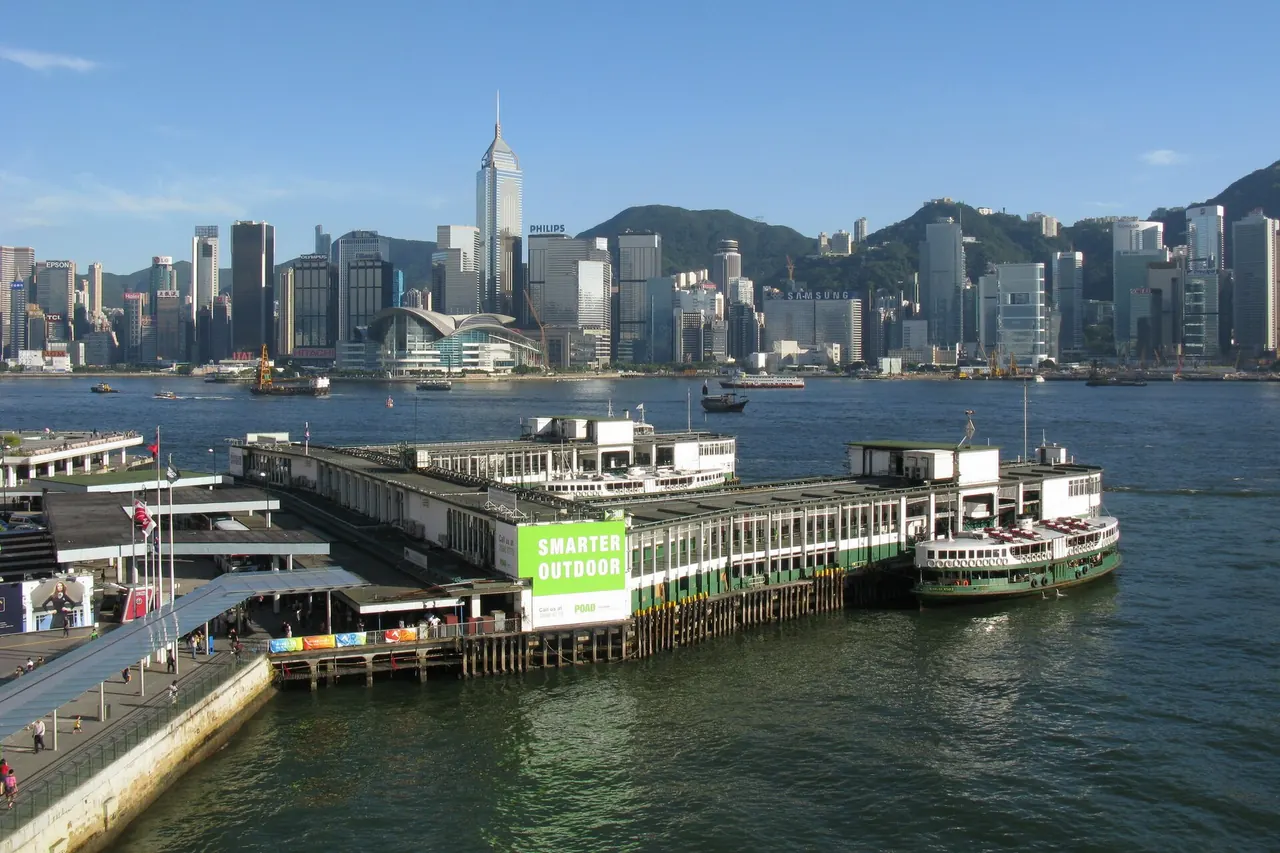
The Star Ferry is a useful crossing that also gives the skyline a moving foreground. Start at Tsim Sha Tsui if you are already exploring the Kowloon waterfront, then watch the towers on Hong Kong Island grow larger across the water. It is public transport rather than a narrated sightseeing cruise: the modest scale of the journey is the attraction, especially when you can use it to connect two parts of your itinerary.
Choose Central or Wan Chai deliberately, because the destinations lead into different neighbourhoods. The operator publishes separate route timetables and deck arrangements, and actual sailings can vary with weather or marine traffic. Leave room to queue and follow the crew's boarding instructions; this is not the moment to lean over a gangway for a picture. After arriving in Central, continue inland for a meal or a heritage visit instead of immediately doubling back for another harbour view.
Plan it well: For wheelchair boarding, consult the operator's lower-deck guidance and confirm arrangements for your chosen route.
Star Ferry: routes and passenger guidanceWalk the film landmarks on the Avenue of Stars
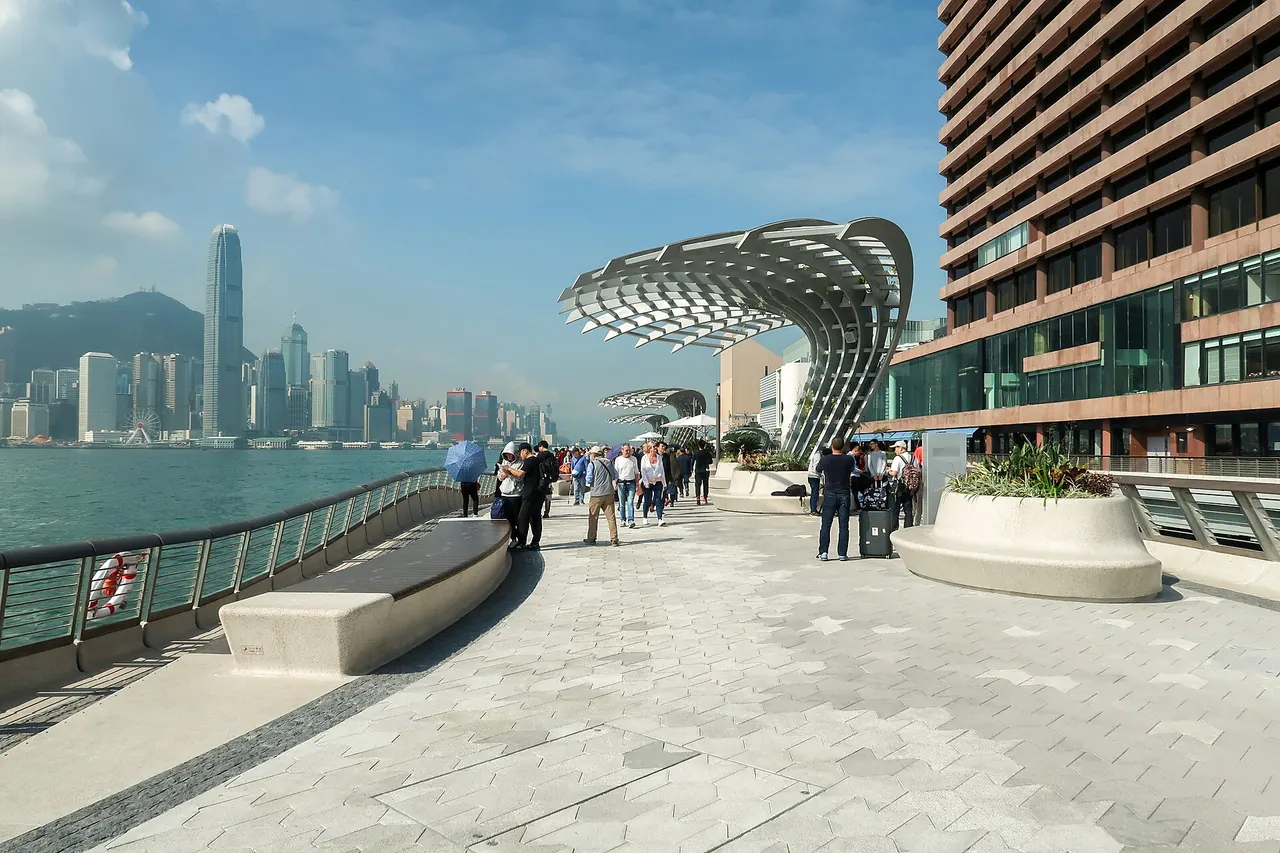
The Avenue of Stars adds a film-history thread to a harbour walk. Follow the handprints, plaques and tributes to performers rather than treating the promenade only as a backdrop for skyscrapers. Its waterfront position lets you alternate between looking across to Hong Kong Island and noticing the people celebrated along the route. You can enjoy this stop without encyclopaedic knowledge of Hong Kong cinema; a familiar name is a useful starting point.
Combine the promenade with the Star Ferry pier, but allow time for the walk between them and for pauses along the water. Early or late light changes the experience more than completing every tribute does. The tourism board identifies figures including Bruce Lee, Jackie Chan and Anita Mui; choose a few that interest you, then move on to a nearby museum or dinner. In hot weather, break the exposed waterfront stretch with an indoor stop and carry water.
Plan it well: A film-tribute walk and a harbour light-show visit are separate plans; verify any event schedule before building an evening around it.
Hong Kong Tourism Board: Avenue of StarsPause at Man Mo Temple on Hollywood Road
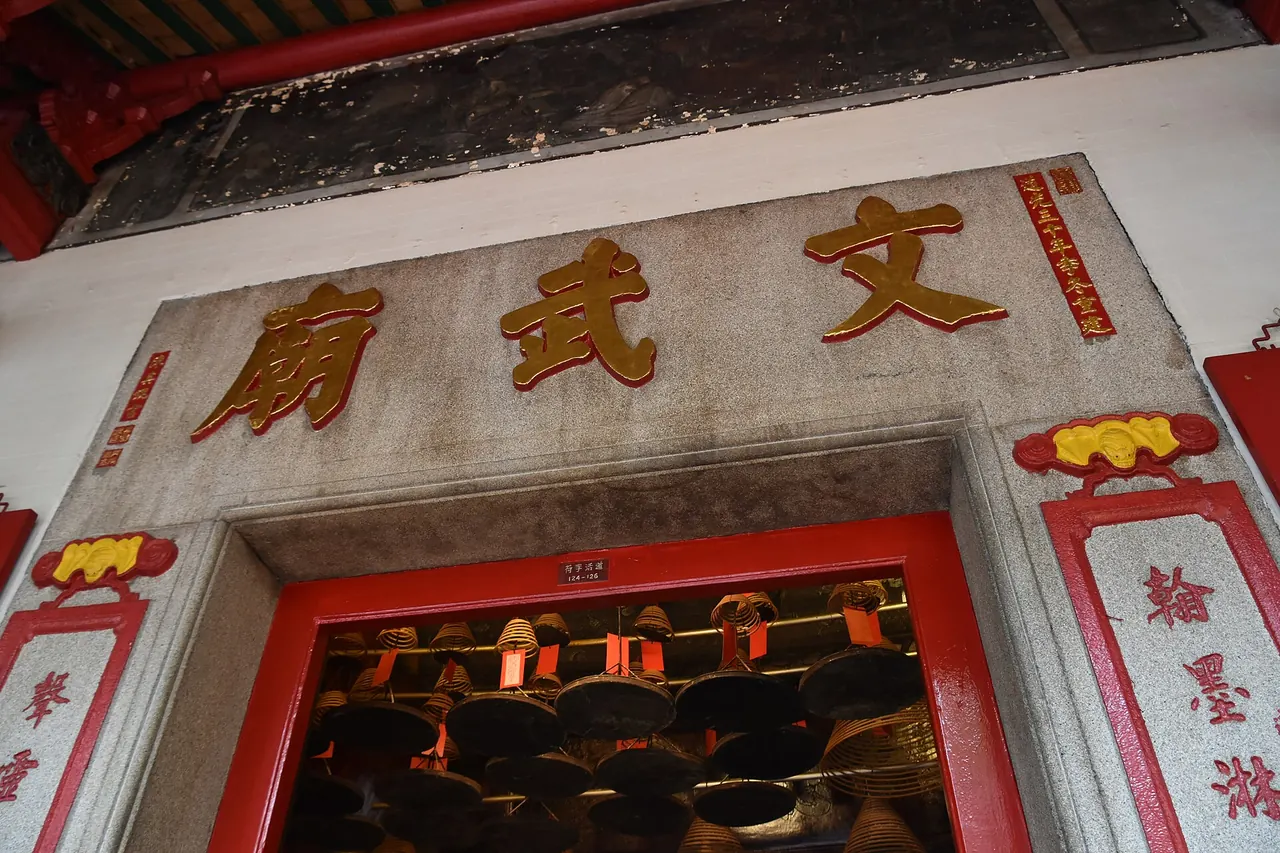
Man Mo Temple brings a place of active worship into a walk through Sheung Wan. Look at the roofline, carved details and adjoining halls before rushing to photograph the incense-filled interior. The complex is dedicated to literary and martial deities, and its historic meeting hall also recalls the community life of Chinese residents and merchants. These layers make the site more interesting than simply counting it as another temple.
Hollywood Road offers a natural continuation through small shops and galleries, with Tai Kwun farther along the same broad eastward direction. Inside the temple, make room for worshippers and follow any photography restrictions displayed on the day. Smoke can be uncomfortable for sensitive visitors, so a short look from the entrance may be the better choice. Keep your itinerary loose enough to leave when a ceremony or crowd makes a leisurely visit inappropriate, rather than expecting the building to function like a museum.
Plan it well: Use the Sheung Wan address on Hollywood Road: Hong Kong has other Man Mo temples with similar names.
Hong Kong Tourism Board: Man Mo TempleRead the layers of history at Tai Kwun
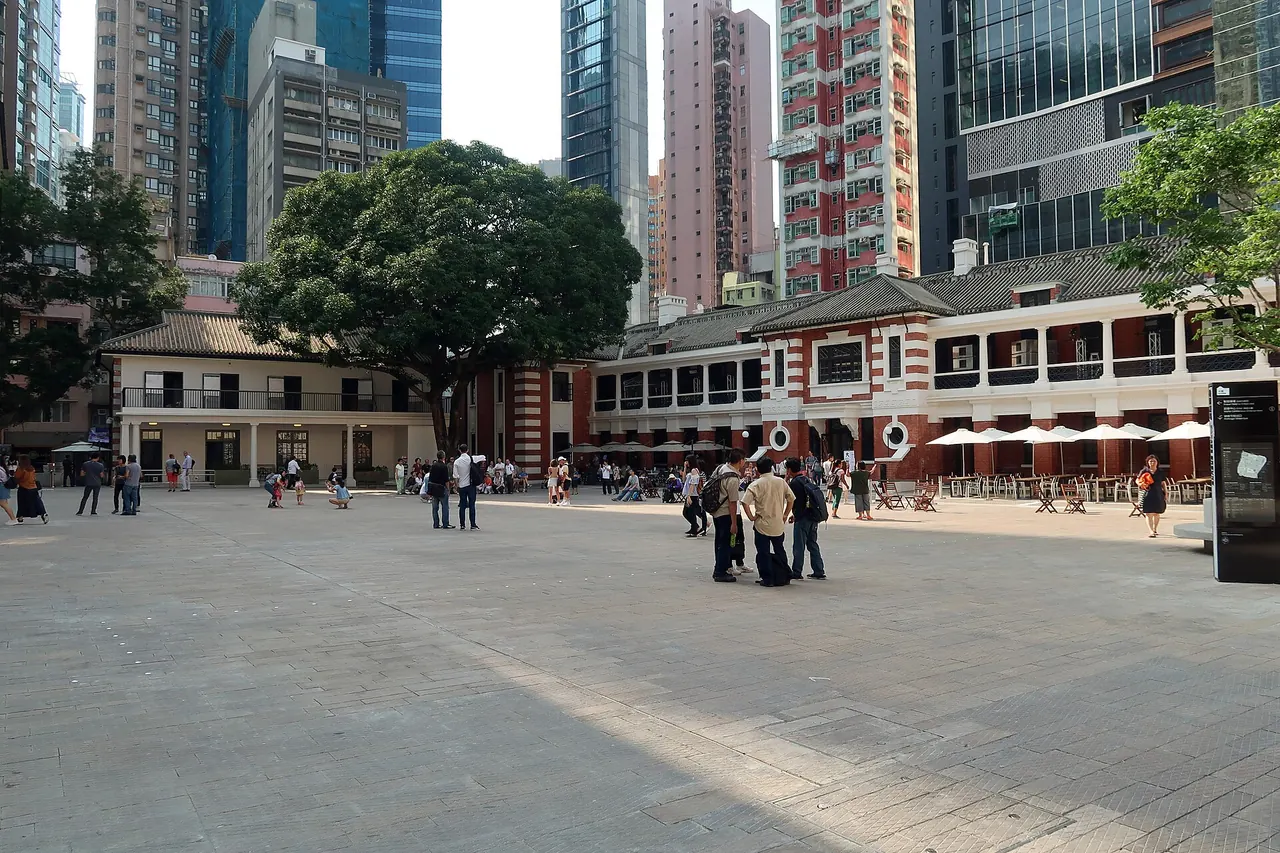
Tai Kwun is a heritage and arts complex in the former Central Police Station compound. The contrast between restored institutional buildings, open courtyards and contemporary cultural spaces makes it a good stop even before you choose an exhibition. Walk the outdoor spaces first and notice how enclosed the original compound feels within the surrounding streets. This is a different kind of Central experience from looking up at office towers or browsing a shopping centre.
Check the current programme before assuming that a particular gallery or performance is available. General exploration of the site and admission to individual events need not have the same arrangements. Give one exhibition your attention if its subject appeals, then use a courtyard pause to avoid turning the visit into an exhaustive circuit. Man Mo Temple and Hollywood Road are sensible companions, but Central's slopes and stairways mean you should check an accessible entrance separately if needed.
Plan it well: Use the site's current event listings to distinguish an open courtyard visit from a ticketed exhibition or performance.
Hong Kong Tourism Board: Old Town Central and Tai KwunFind a green interval in Hong Kong Park
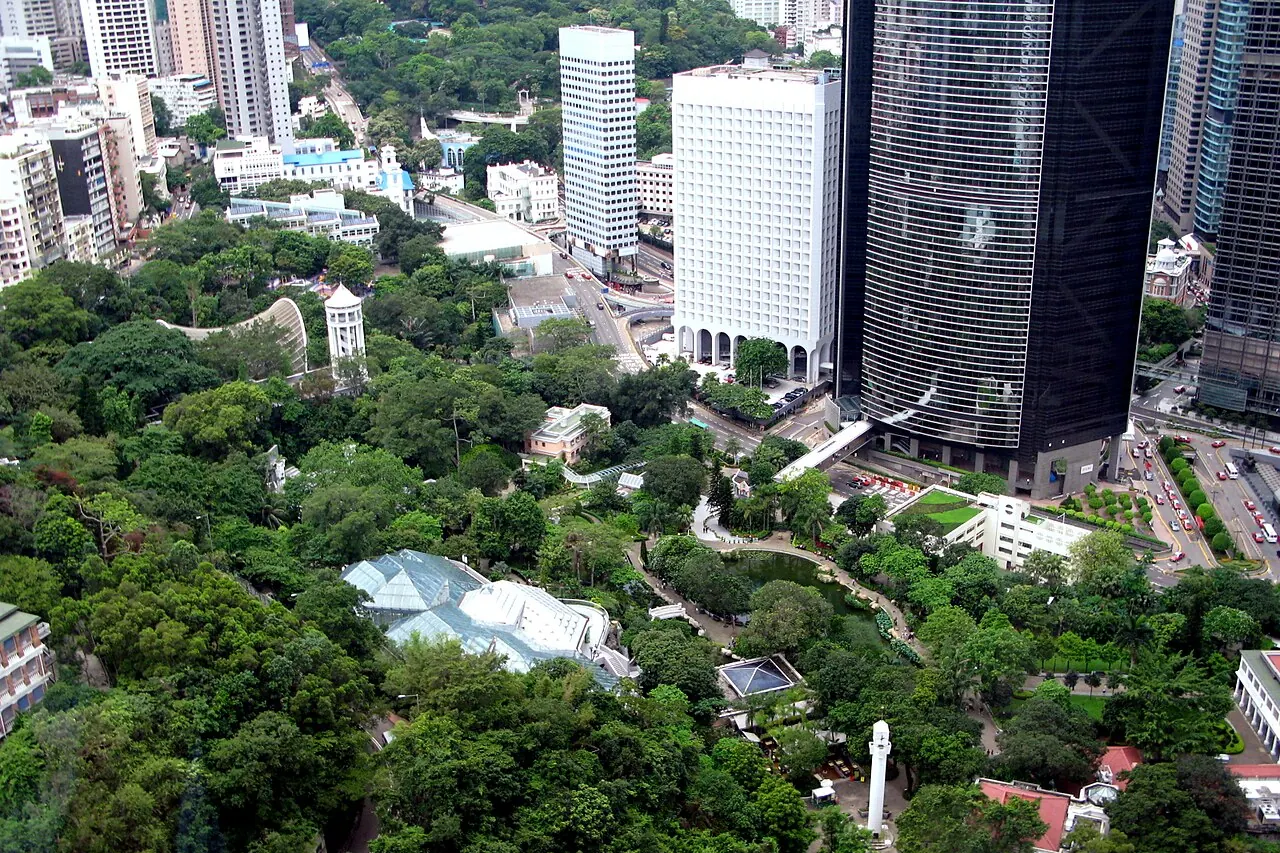
Hong Kong Park gives a Central day a different scale: ponds, trees and paths replace the continuous street frontage, with towers still visible beyond the planting. The park occupies part of the former Victoria Barracks site, and surviving heritage buildings add a historical dimension to the landscape. Use the lakeside area for an unhurried pause, especially after an indoor visit or before heading up towards the Peak.
The aviary and conservatory are specific destinations within the park, not a promise that every facility will be accessible whenever the grounds are open. Check their arrangements if either is your main reason for visiting. The official park description makes clear that some routes climb steps towards the hillside; a green patch on a map should not be mistaken for a wholly level shortcut. Arrive by public transport and choose a manageable section instead of trying to cover the entire park in the heat.
Plan it well: The park does not provide public car parking inside; check its transport and facility pages before setting out.
LCSD: Hong Kong ParkFollow the designed landscape at Nan Lian Garden
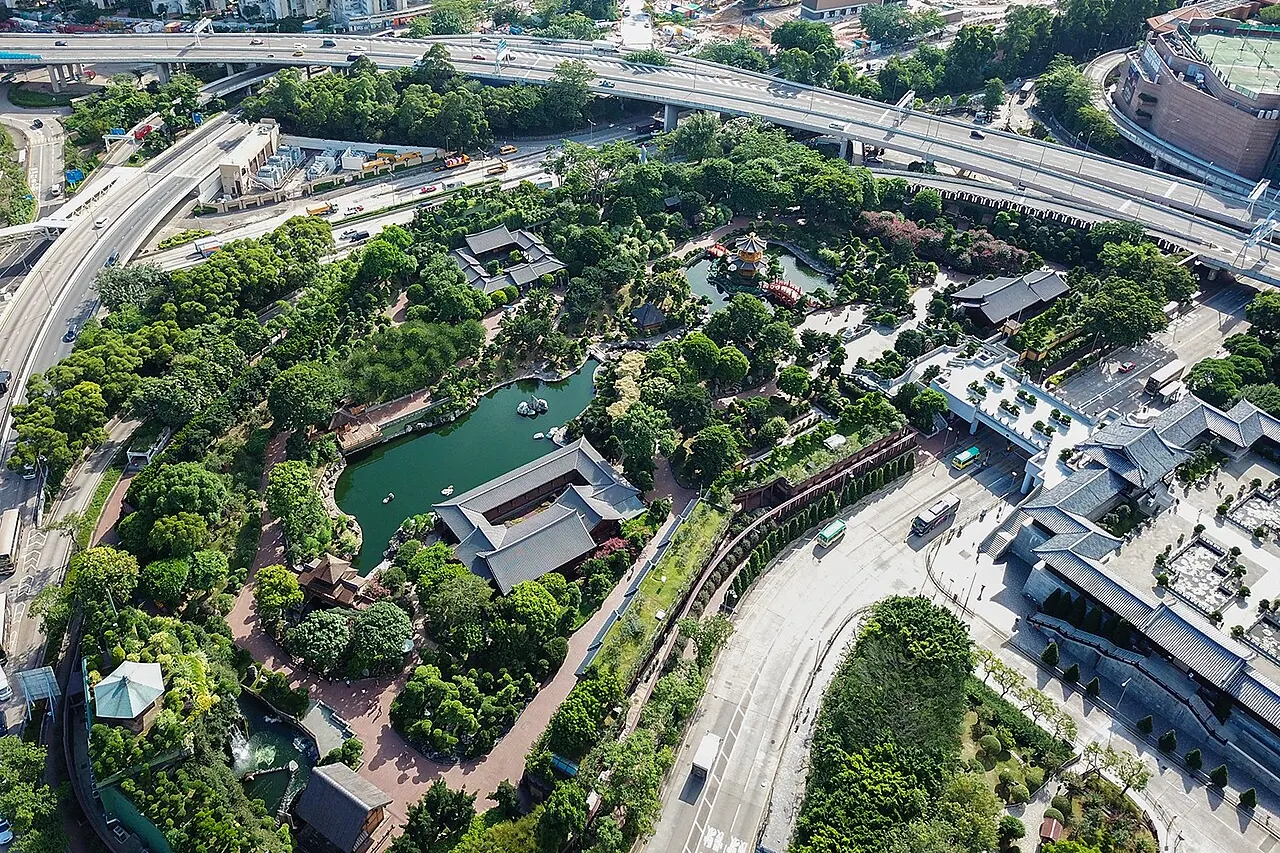
Nan Lian Garden is a deliberately composed landscape rather than a place to hurry across. Its paths frame rocks, water, trees and the golden pavilion in changing combinations, with residential towers reminding you that this is still urban Kowloon. Follow the main circuit slowly and pay attention to the way each turn changes the view. The small details are a better reason to come than the expectation of finding wilderness.
The adjacent Chi Lin Nunnery is linked by a footbridge, but it remains a religious place with its own conduct and photography expectations. Keep garden exploration and a temple visit distinct in your mind. Diamond Hill is a separate outing from the Tsim Sha Tsui waterfront, so give the journey a place in your plan rather than tacking it on between appointments. A quieter morning here can balance an evening among Temple Street's stalls and restaurants.
Plan it well: If you continue into Chi Lin Nunnery, follow its quiet and no-interior-photography guidance rather than treating it as a garden photo stop.
Hong Kong Tourism Board: Nan Lian Garden and Chi Lin NunneryGive Lantau's Big Buddha a separate outing
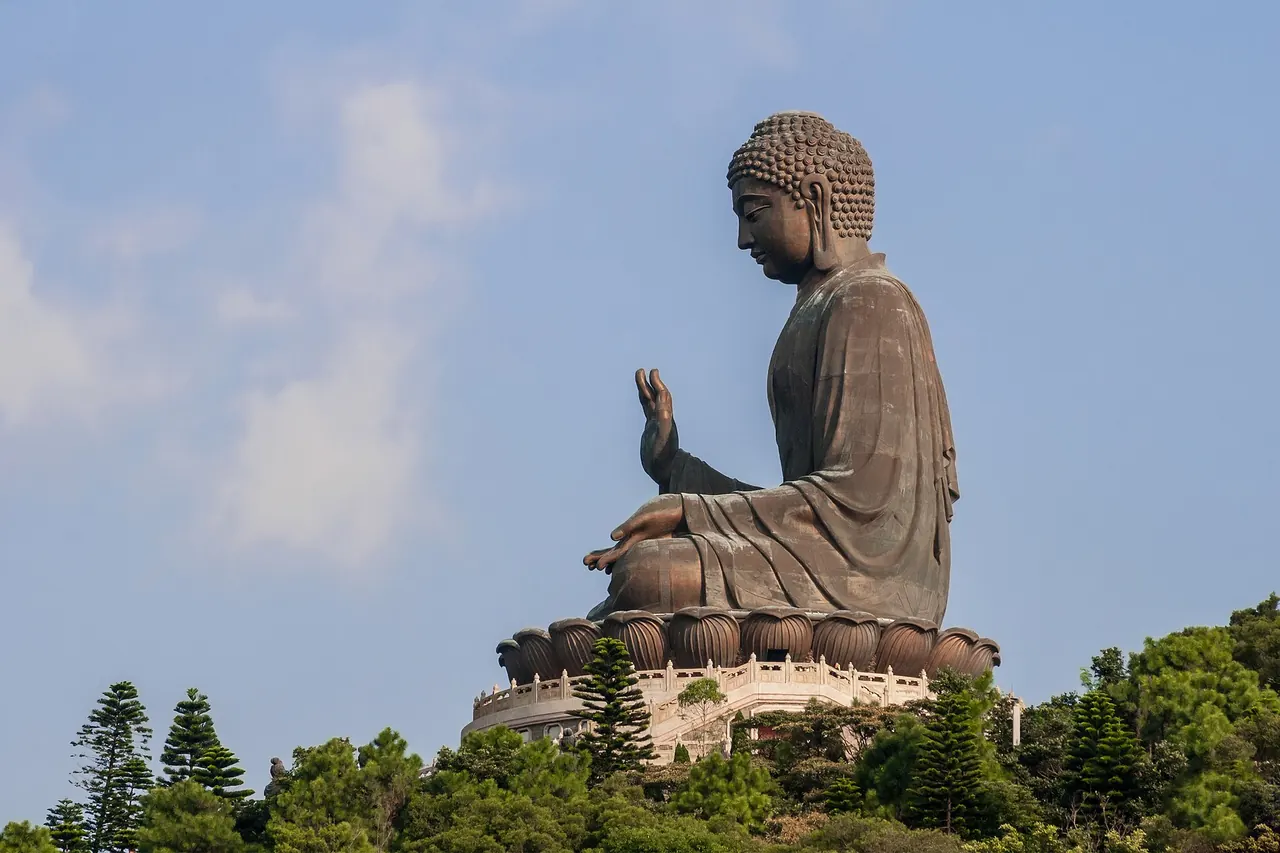
The Big Buddha at Ngong Ping is an opportunity to see Hong Kong beyond the harbour's dense urban edges. The monumental seated figure stands above a broad stairway, with Po Lin Monastery nearby and the hills of Lantau around it. Approach the visit as a cultural and landscape outing rather than a quick detour from Central. The change of setting is part of the appeal, and it deserves time beyond the moment you reach the statue.
Choose your transport before booking anything, and check cable-car operating notices if that is the route you want. A journey to Ngong Ping, an ascent of the statue's steps and a monastery visit are separate parts of the day, with different physical demands and access arrangements. Bring water and footwear suitable for the climb, and ask the venue about alternatives if stairs are a concern. Avoid pairing this with several city-centre reservations that depend on a perfectly timed return.
Plan it well: Do not assume a cable-car ticket includes every paid experience at Ngong Ping or access to every monastery space.
Hong Kong Tourism Board: The Big BuddhaBrowse Temple Street with dinner in mind
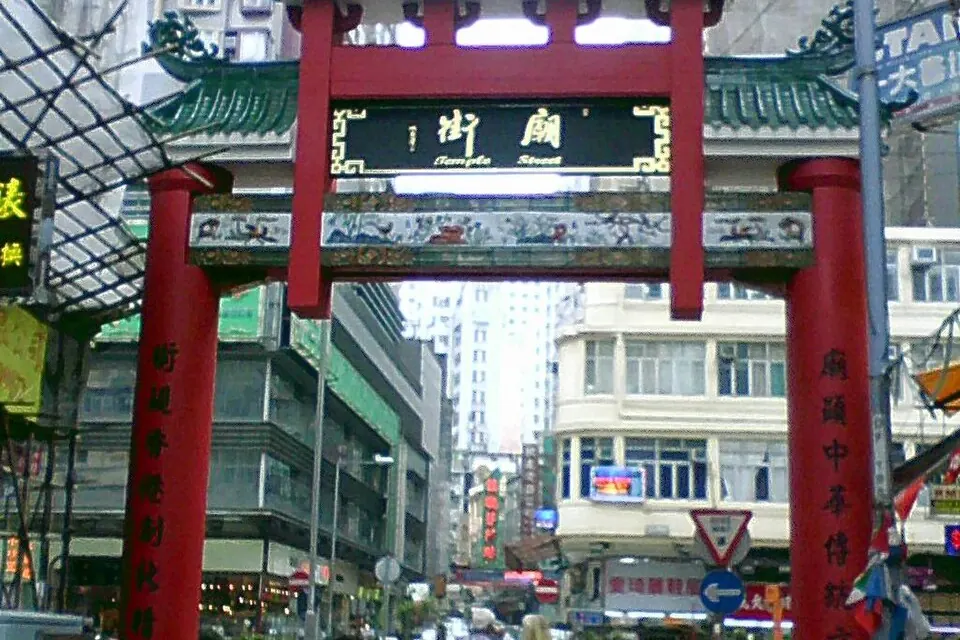
Temple Street works best as a browse followed by a meal, not as a test of how much you can buy. Look at the range of stalls, compare a few small souvenirs and leave time for the surrounding food streets. The tourism board highlights dishes such as claypot rice and fish balls, but the right choice is a vendor whose menu, ingredients and preparation suit you. You do not need to order a long list of unfamiliar foods to enjoy the neighbourhood.
Come in the evening for the market atmosphere, while remembering that individual stalls and restaurants can keep different schedules. Crowds make a small bag and attention to your belongings useful, and asking a price before ordering avoids confusion. Temple Street is inland from the waterfront: move here deliberately after a harbour walk rather than expecting it at the ferry pier. The Tin Hau Temple area and nearby streets can add context, provided you respect residents and worshippers.
Plan it well: Confirm prices and portions before ordering, and tell the vendor about allergies rather than relying on the appearance of a dish.
Hong Kong Tourism Board: Temple Street night marketChoose a current exhibition at the history museum
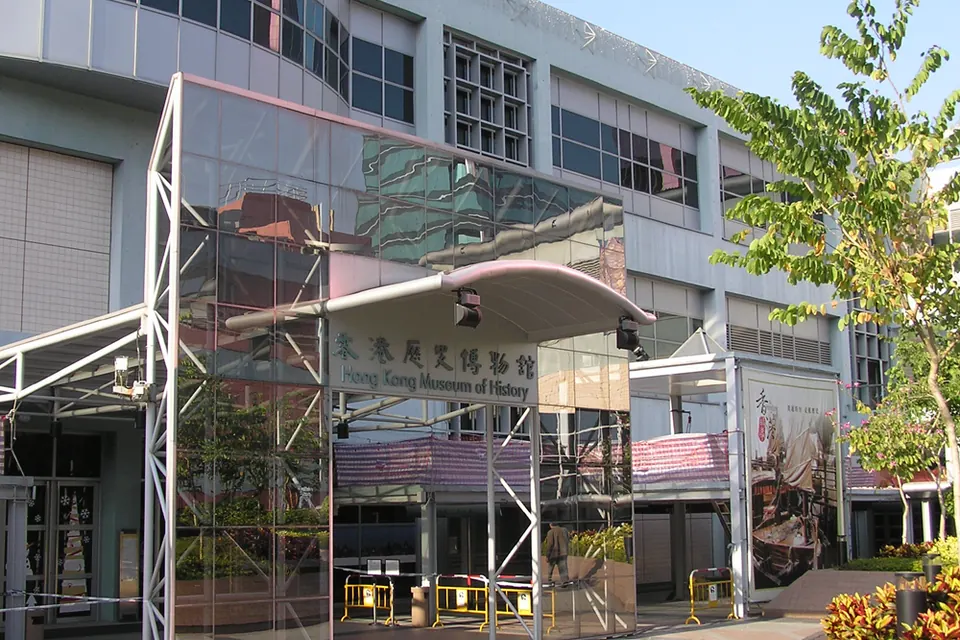
The Hong Kong Museum of History is a useful counterpoint to sightseeing built around views and buildings. Choose a current exhibition that helps you understand a subject you have encountered in the city, then leave enough time to read its interpretation rather than drifting through every gallery. Its Tsim Sha Tsui East location makes it a possible indoor anchor for a Kowloon day, especially when outdoor walking is uncomfortable.
The museum's long-running Hong Kong Story permanent exhibition has been undergoing renovation, so older guidebooks are not a reliable description of what you will see. Read the museum's current programme and renovation notices before deciding whether it meets your interests. Do not buy a tour or arrange a day around galleries that are not confirmed open. Afterward, return towards the waterfront or find lunch nearby; the museum visit does not need to compete with an entire harbour itinerary.
Plan it well: Verify the current exhibition list, not just the building's opening information; permanent-gallery renovation changes the visit.
Hong Kong Museum of History: permanent exhibition renovationHow to spend two days in Hong Kong
Day one: Central, heritage and a harbour crossing
Start with Man Mo Temple and Hollywood Road, then choose an exhibition at Tai Kwun. Add Hong Kong Park or the Peak according to energy and visibility. Cross to Tsim Sha Tsui on the Star Ferry and finish with a short waterfront walk.
Day two: choose Kowloon or Lantau
For an urban day, visit Nan Lian Garden, select an open exhibition at the history museum, then walk the Avenue of Stars and eat around Temple Street. Alternatively, give Ngong Ping and the Big Buddha most of the day and leave the evening unbooked.
Before you go
Treat weather as a planning input
Check the Hong Kong Observatory's current warnings before hillside walks or boat travel. In heavy rain, strong winds or extreme heat, shorten exposed activities and follow transport operators' notices.
Hong Kong Observatory warningsLeave time for transfers
An MTR station name is not a guarantee of a level, short walk to a venue. Check exits, slopes and the exact pier or entrance, especially with luggage or mobility needs.
Separate worship from sightseeing
Keep voices low in temples, give worshippers room and follow local photography signs. A religious building's visitor access may change around ceremonies.
Where to stay in Hong Kong
Central and Sheung Wan suit an island-focused visit with restaurants and heritage streets nearby. Tsim Sha Tsui offers a Kowloon base for the waterfront and museums; check the walk to the MTR rather than judging only by harbour views. For quieter stays farther out, compare the full journey to your first attraction and airport, and verify room size, lift access and noise details.
Explore Hong Kong hotels